“Mexico City proper has about 9.0 million to 9.2 million residents, while the wider Greater Mexico City metropolitan area is home to roughly 22 million to 25 million people depending on the regional boundaries.” Google
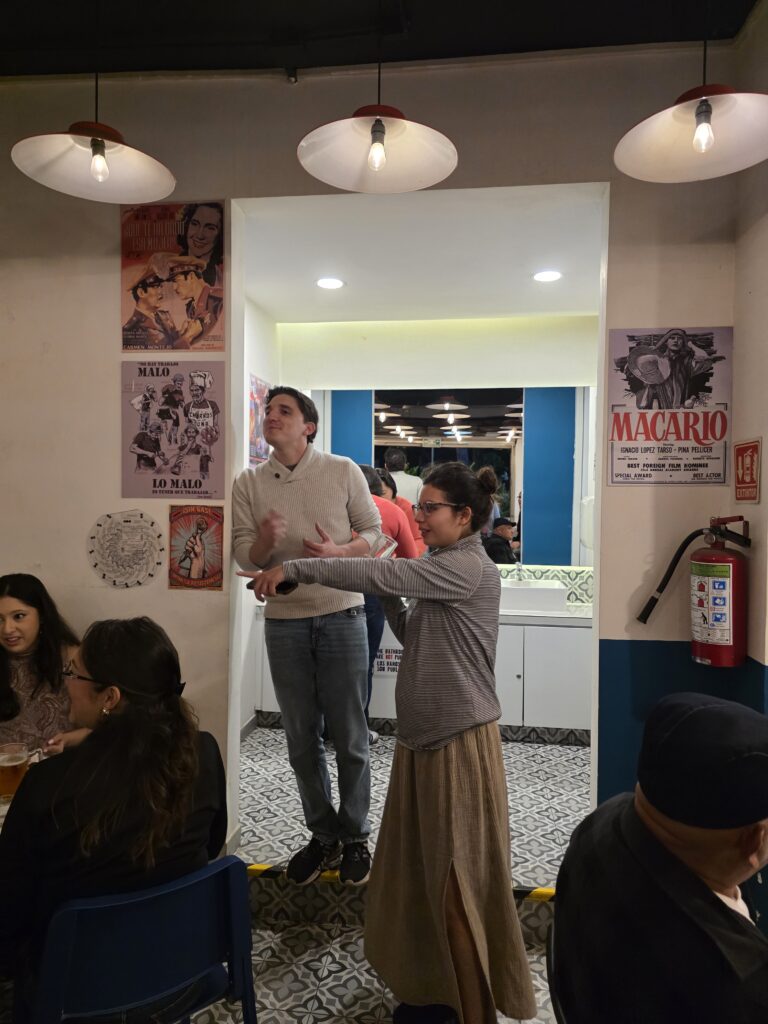
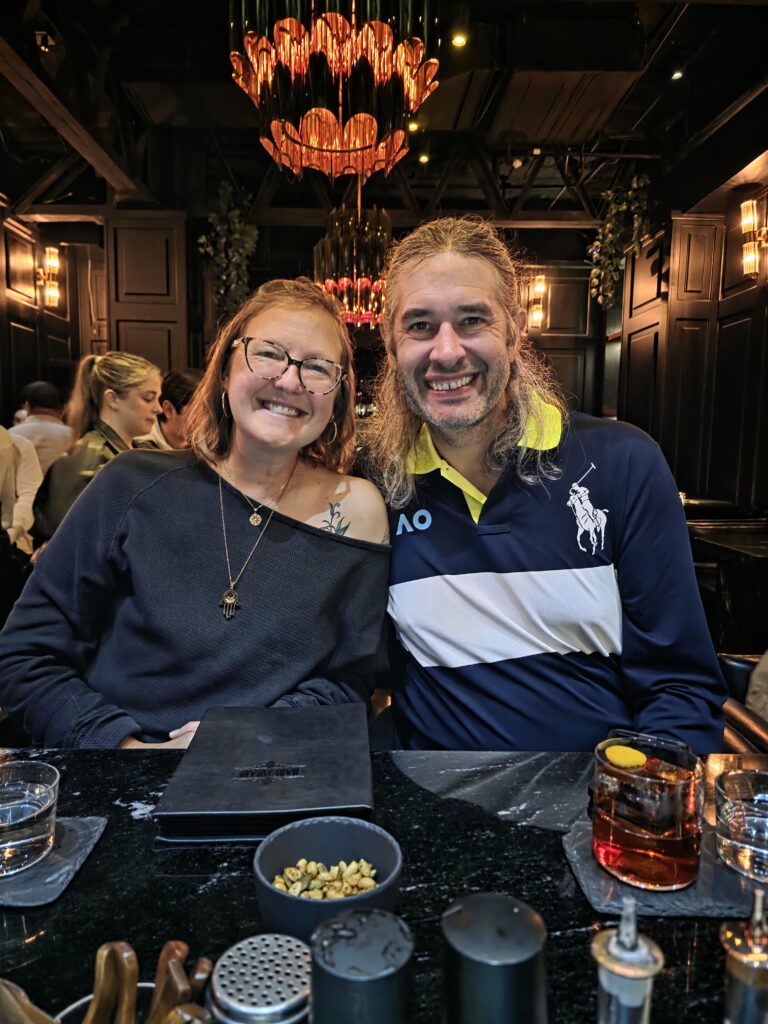
In spite of this, two people that we met on our biking taco tour on Saturday were at Handshake Speakeasy Saturday night, at the same time as us!
In spite of this, we ran into four people we met/ sat next to at Librería Valladolid Friday night, as we were leaving Handshake on Saturday.
Earth school is wild and I’m here for it!
The 1st week in Mexico City (CDMX) I found a tutor, an immersion class, met with an organization where I might be able to do language exchange, and started reiki again for the first time in six months. I felt a profound sense of heart exploding love for the palpable change being in Mexico City was already bringing.
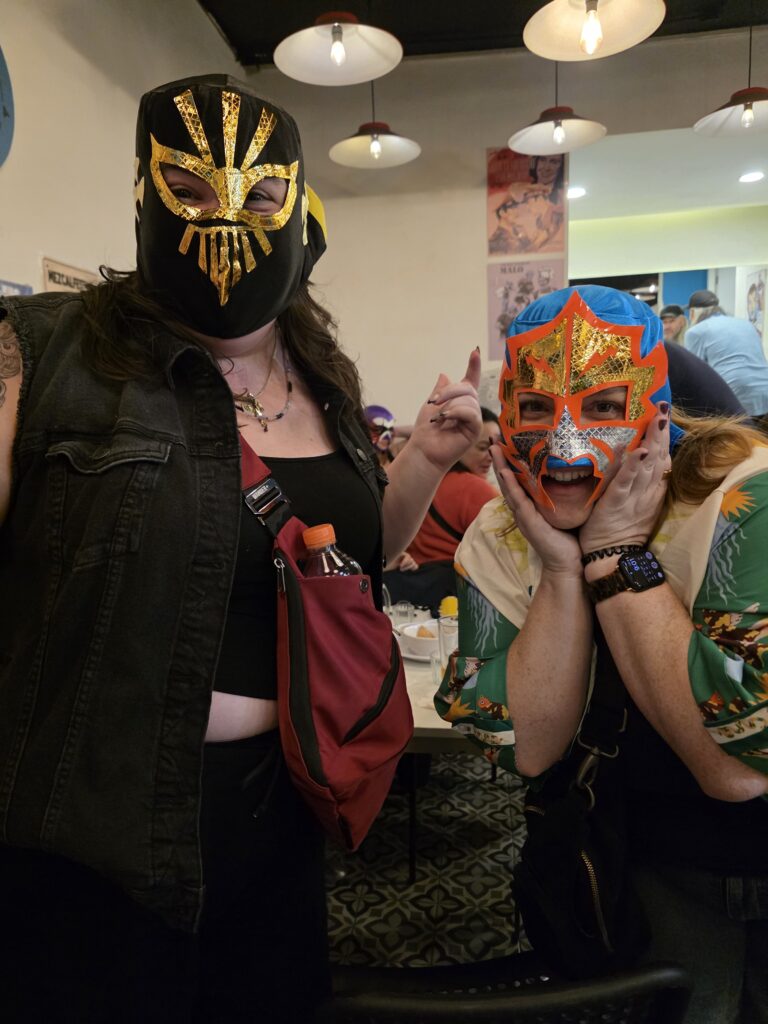
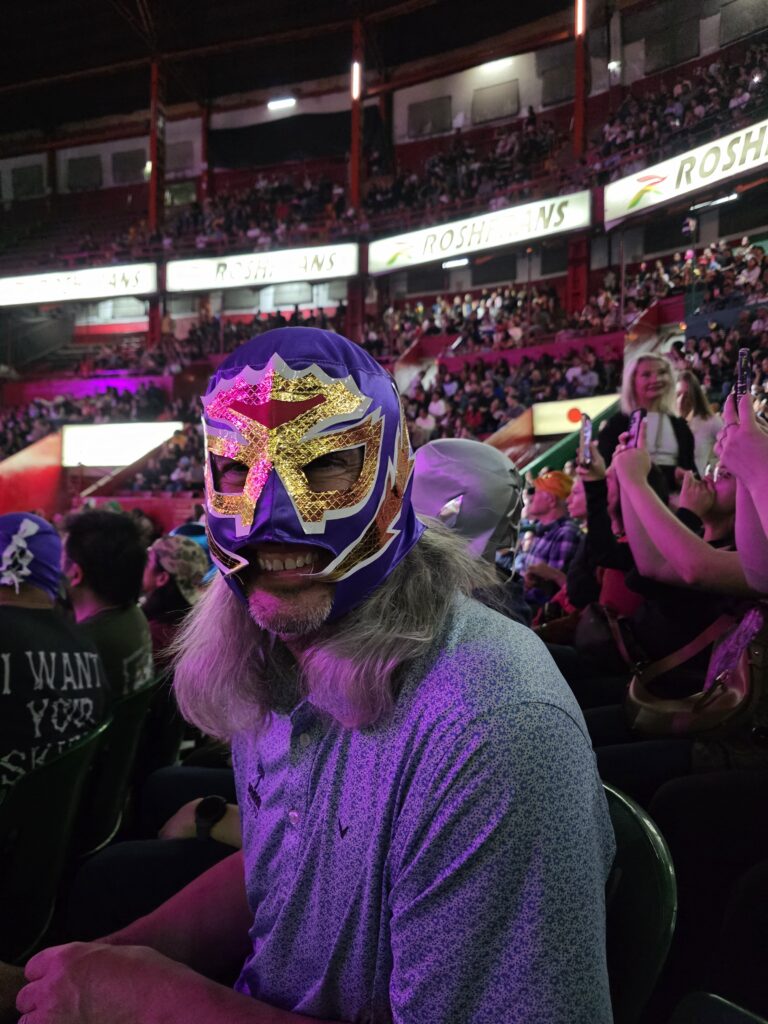
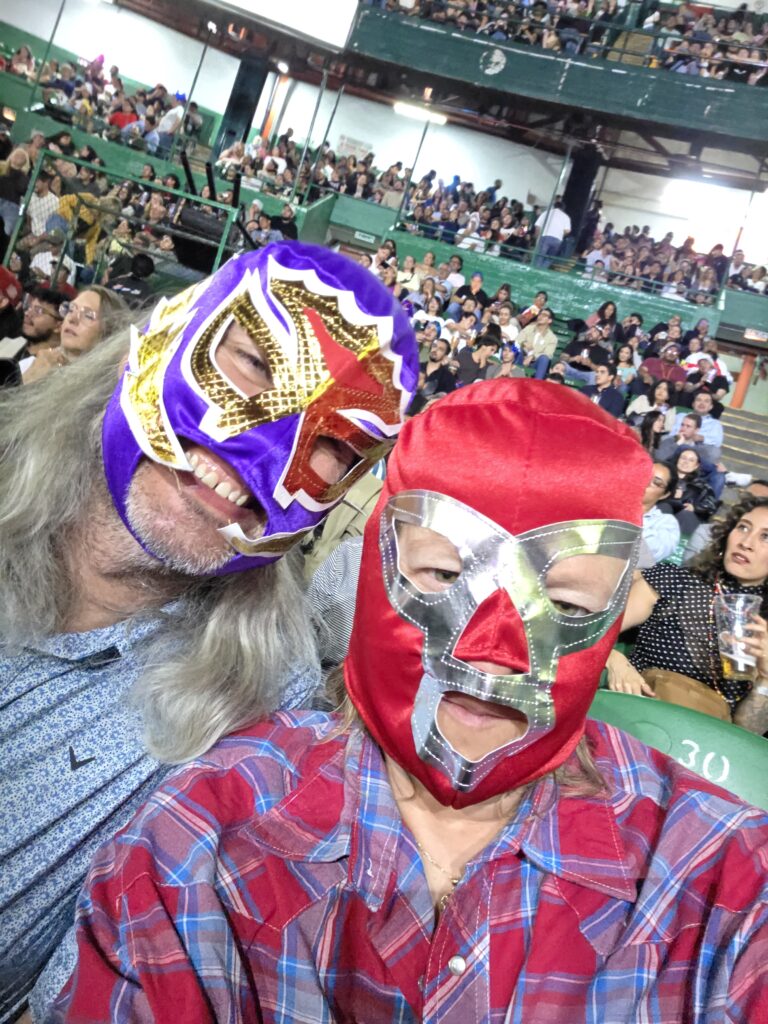
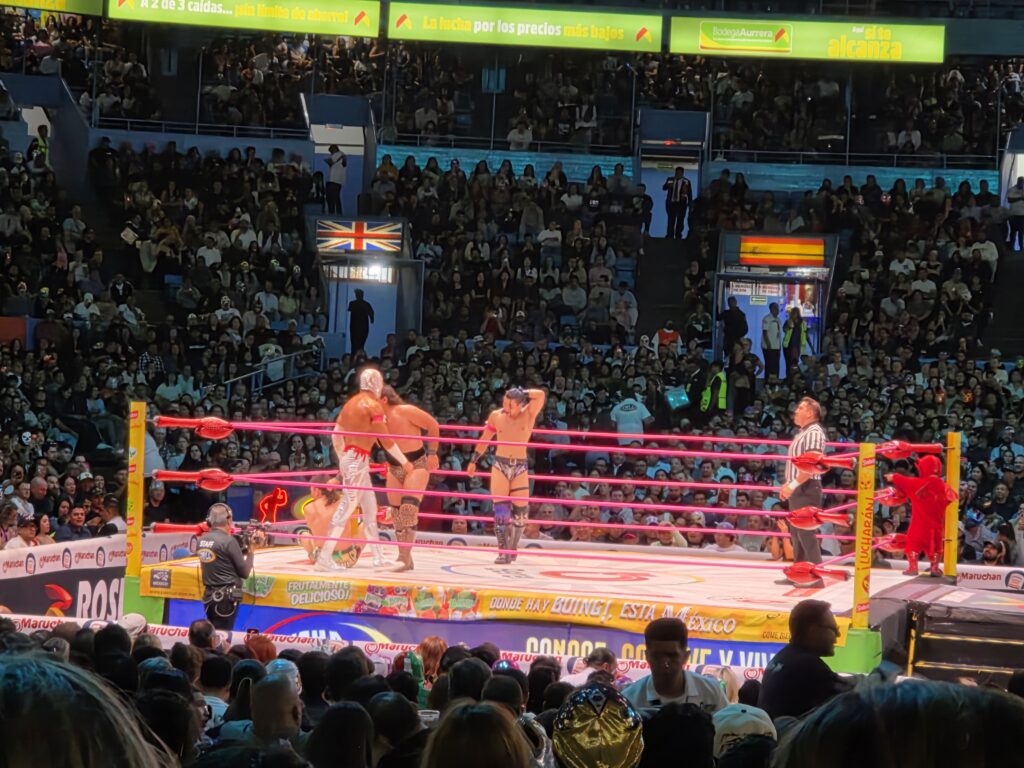
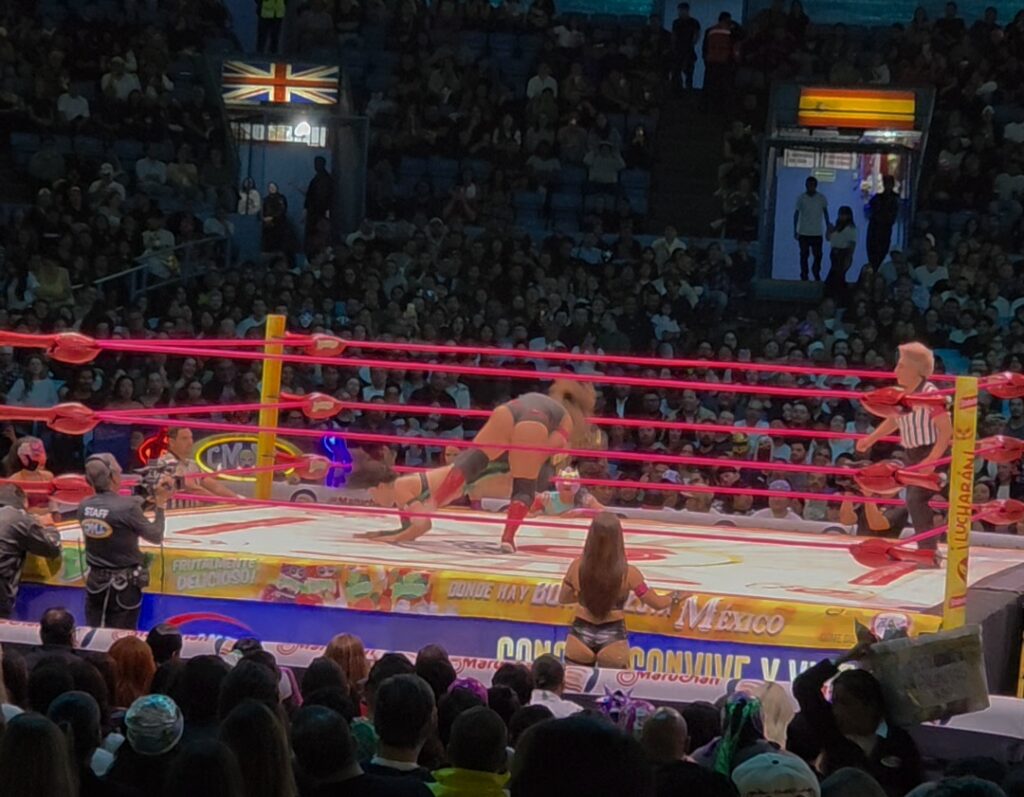
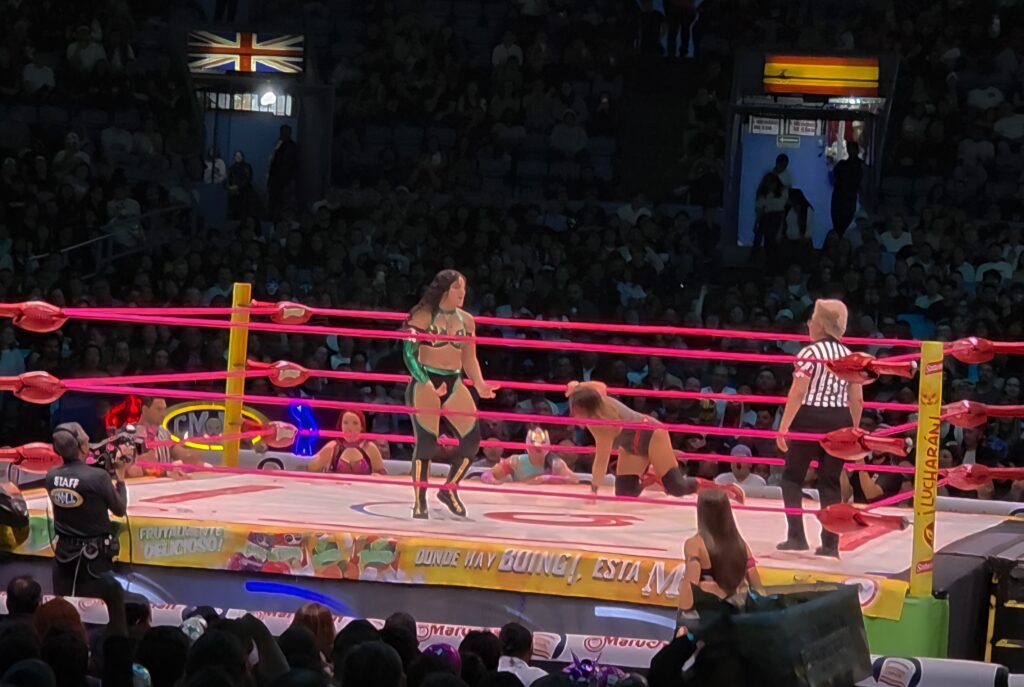
Friday night, October 2nd, we took a tour which included the women’s championship of Lucha Libre at Arena México. The tour started at Tizne Tacomotora in Roma Norte for greetings and tacos. There were about 20 people in our tour group and that is where we met two women from Georgia who became fast friends. After filling our bellies, panza llena, with delicious tacos we made our way to a mezcal bar that I can’t seem to remember the name of, to taste mezcal and learn more about the history of Lucha Libre. We love taking tours for the opportunity to learn about the cultures we are immersed in, and for meeting like minded people who also have an appreciation for what we’re collectively experiencing. Lucha Libre may seem like a kitschy thing to do when you’re in Mexico City and I will implore you to see it differently. It was an incredible experience that I’m glad we had. I would highly recommend it to anyone who is visiting CDMX and I would easily do it again. We found the tour on Viator and it was put on by a company called El Taco Club. They were awesome!
I feel sometimes it is easier to not have people to hang out with when we’re away because, once I get a taste of it, it is harder to not have someone to hang out with. I became profoundly aware of this when we met those two incredible women from Georgia, and were able to spend more time with them the following Monday, before they returned home on Wednesday. They are definitely our people, and I know our paths will cross again, and that connection made me miss my people back home even more. All the things.
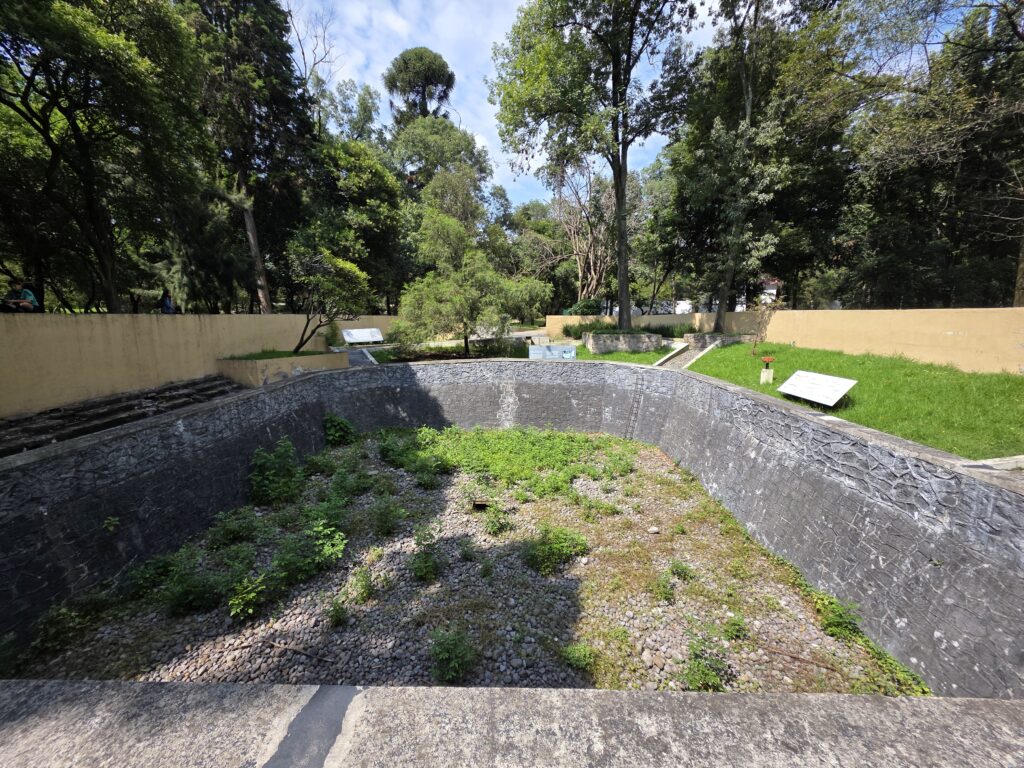
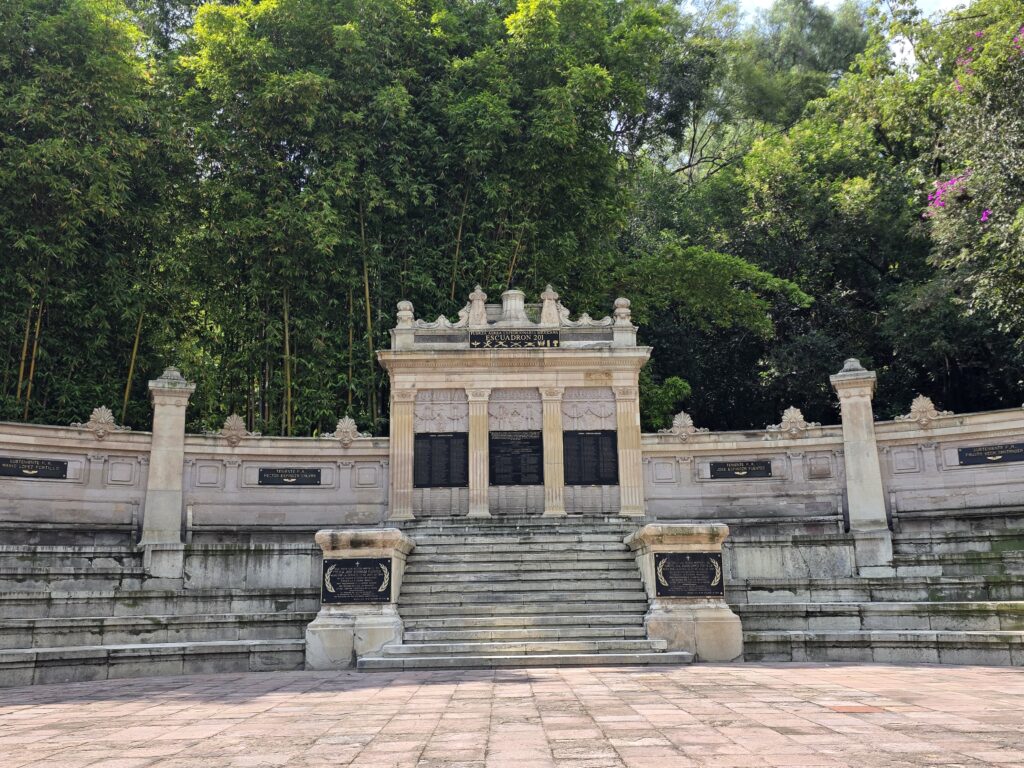
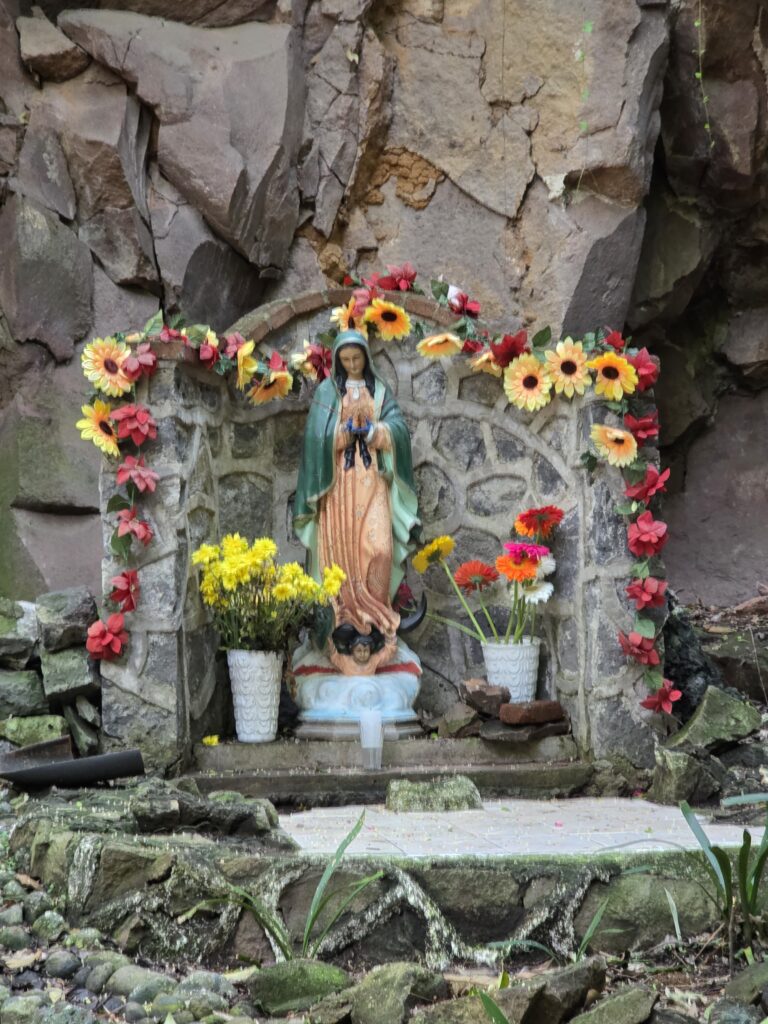
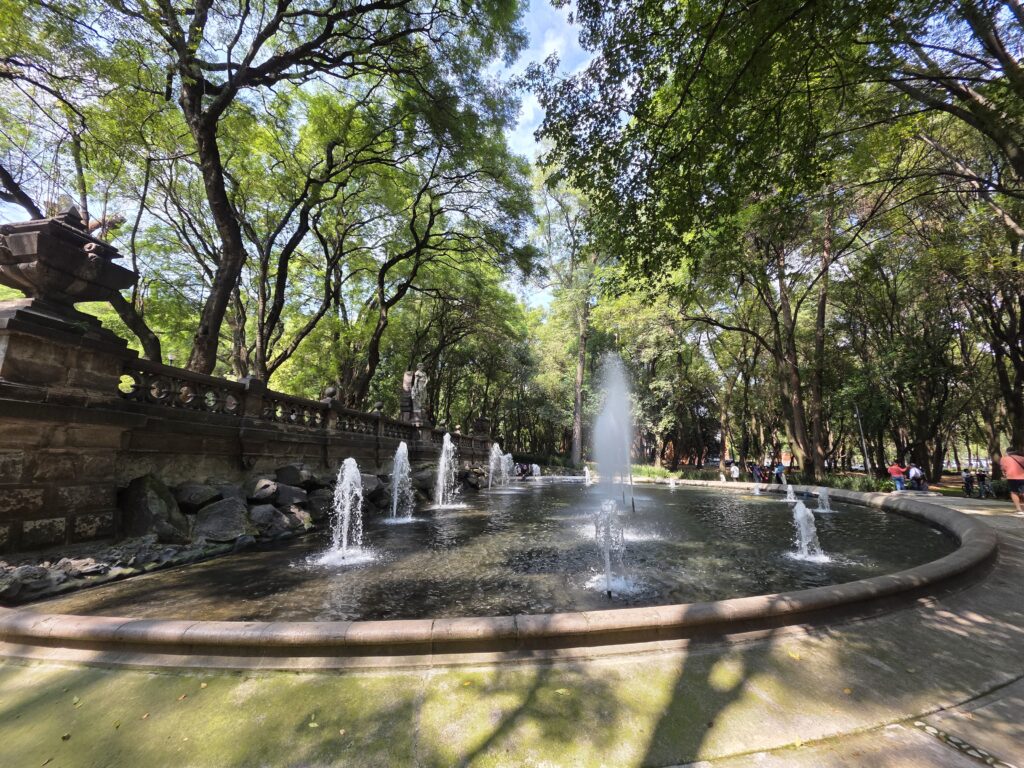
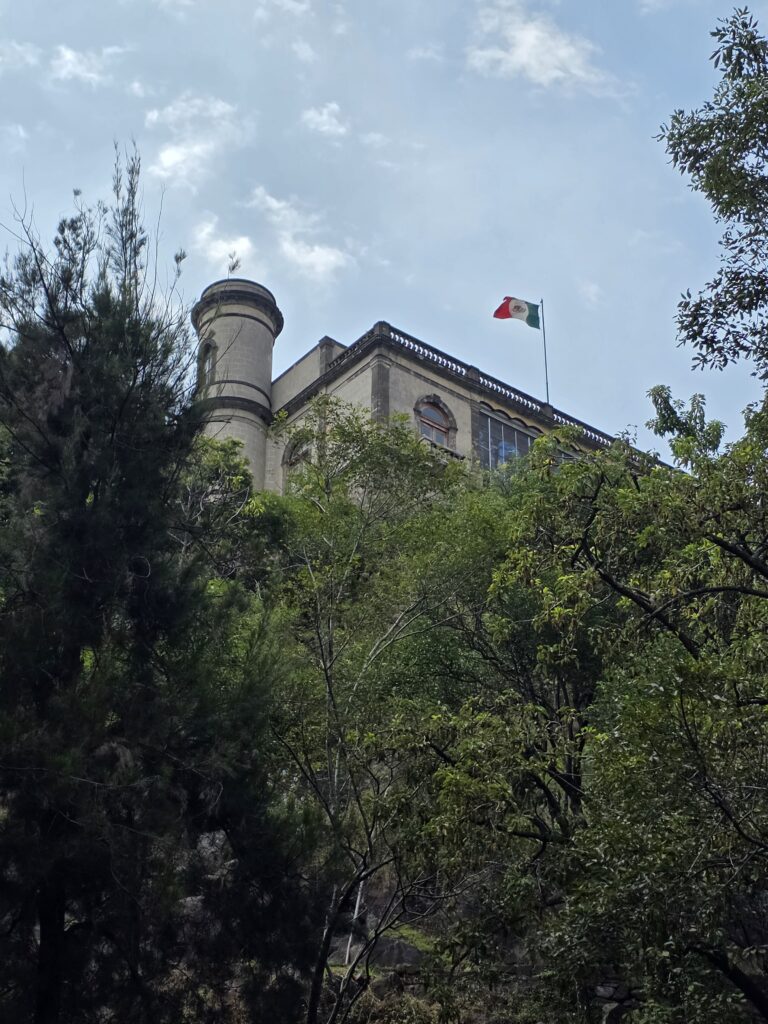
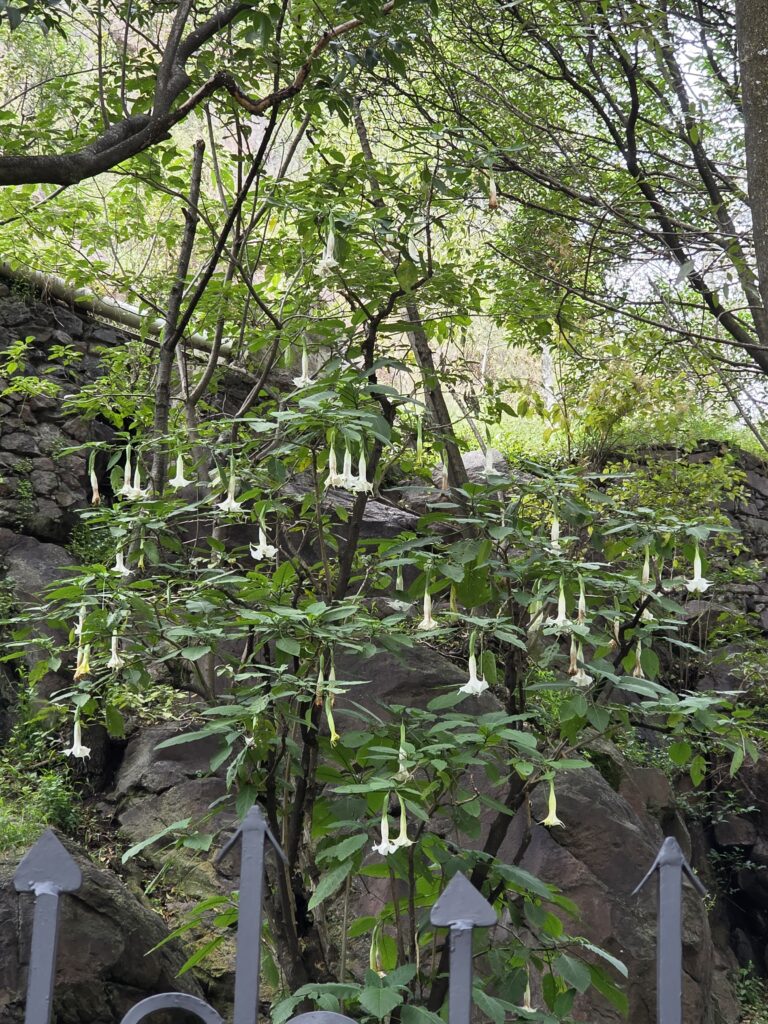
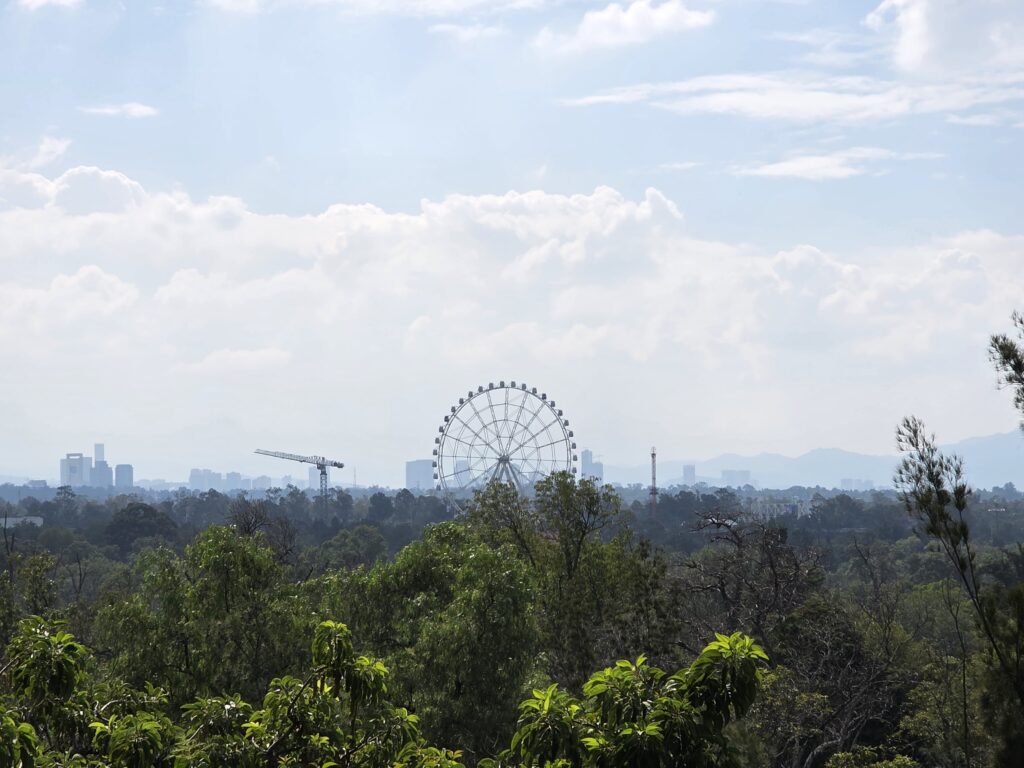
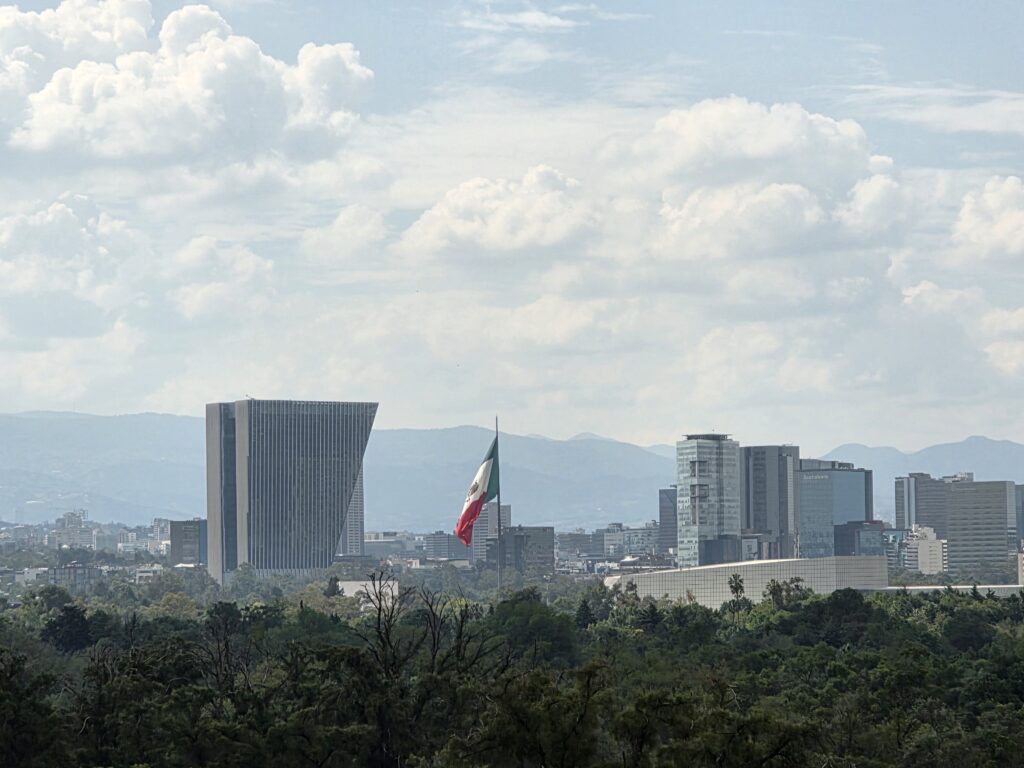
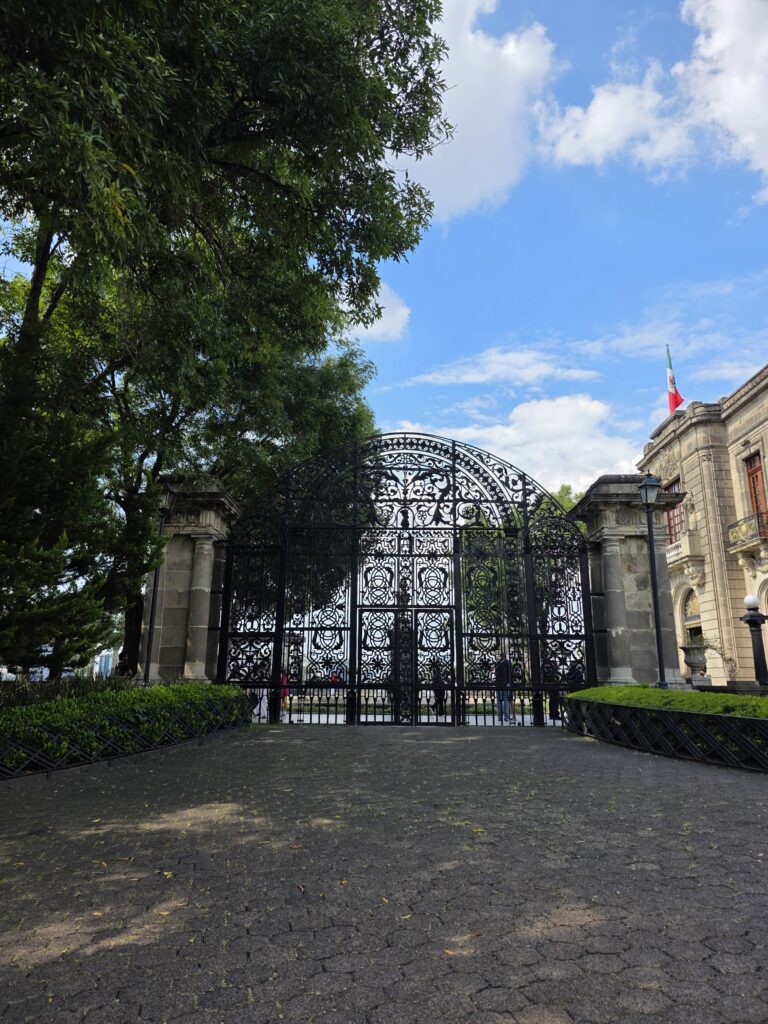
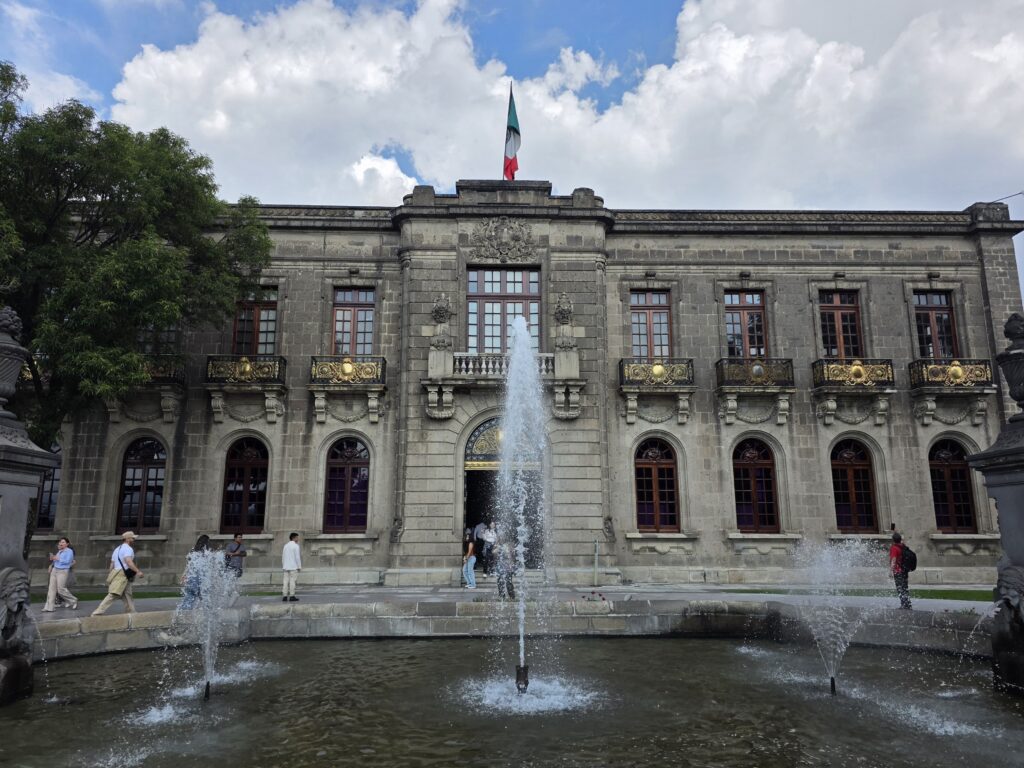
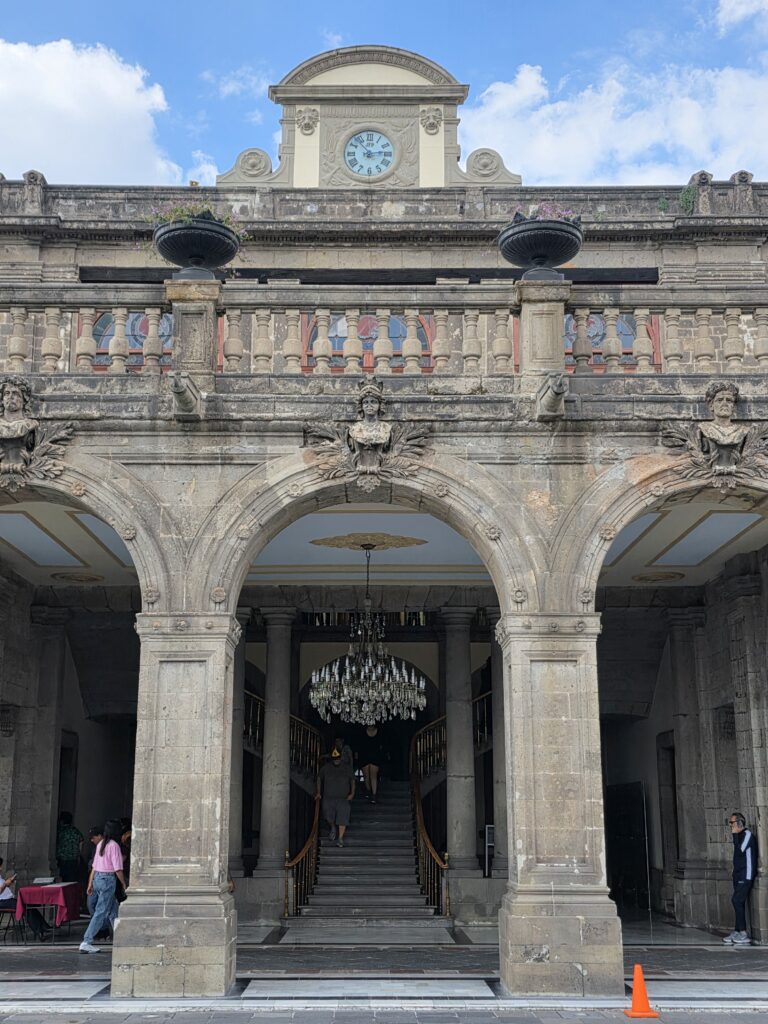
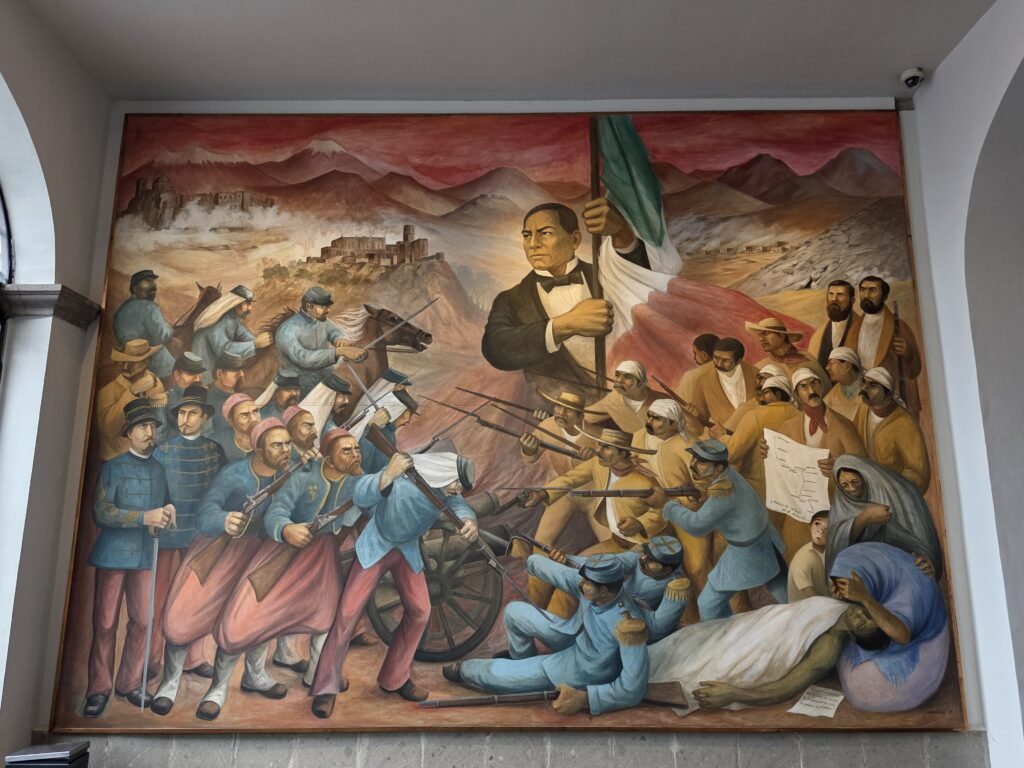
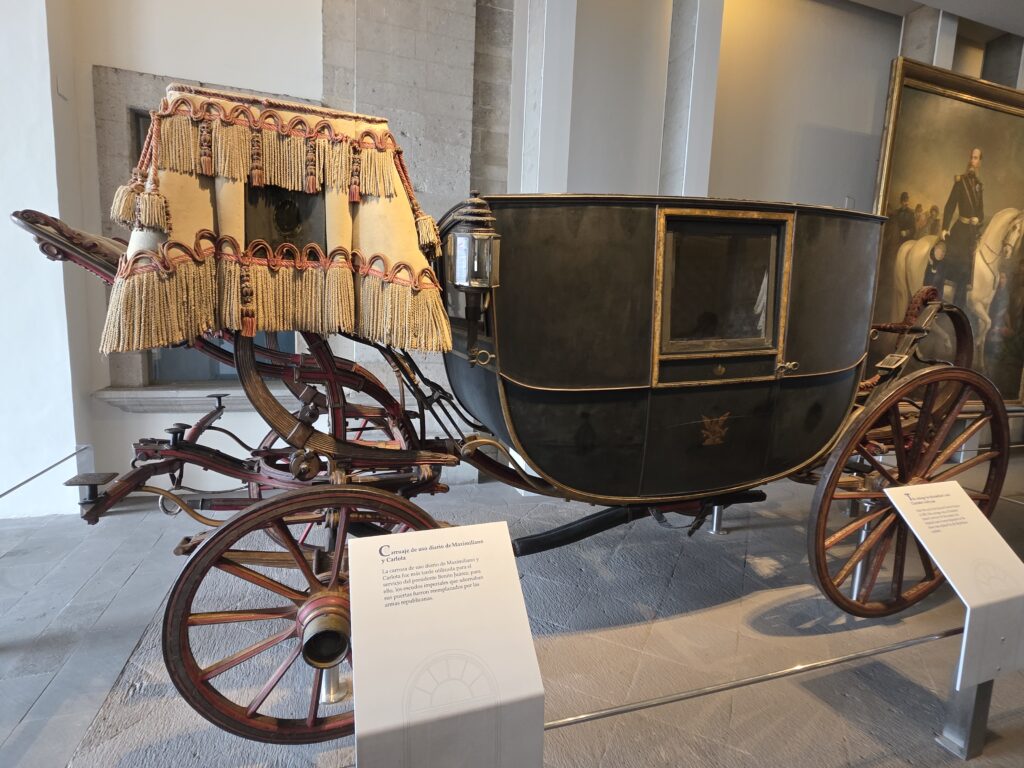
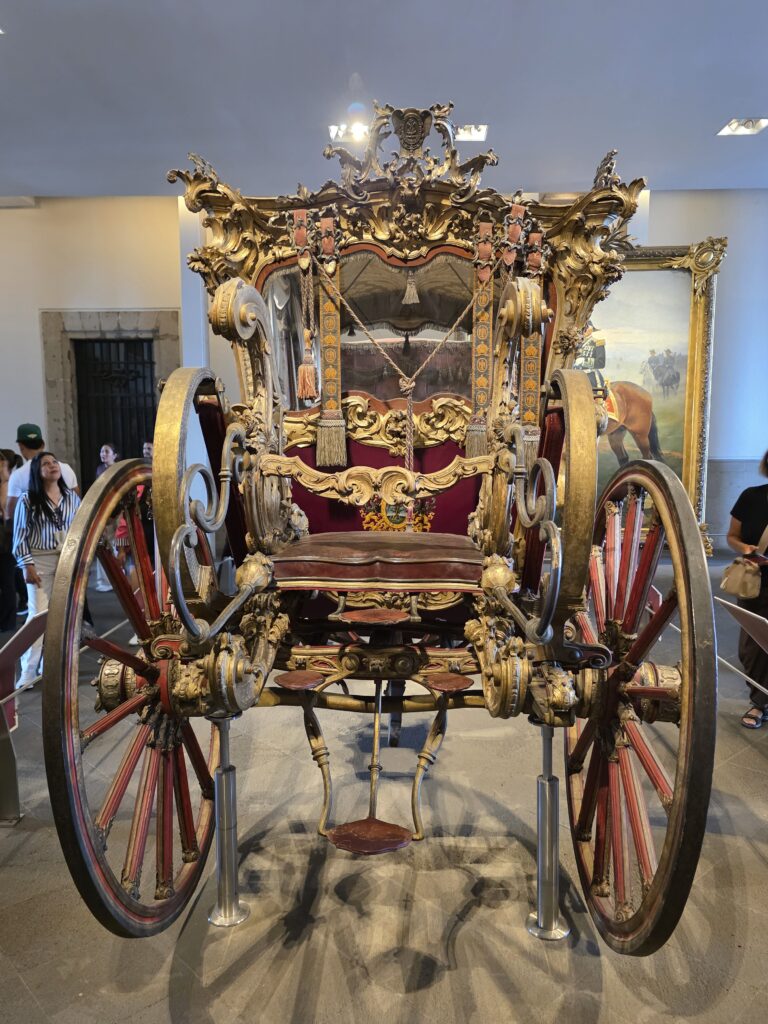
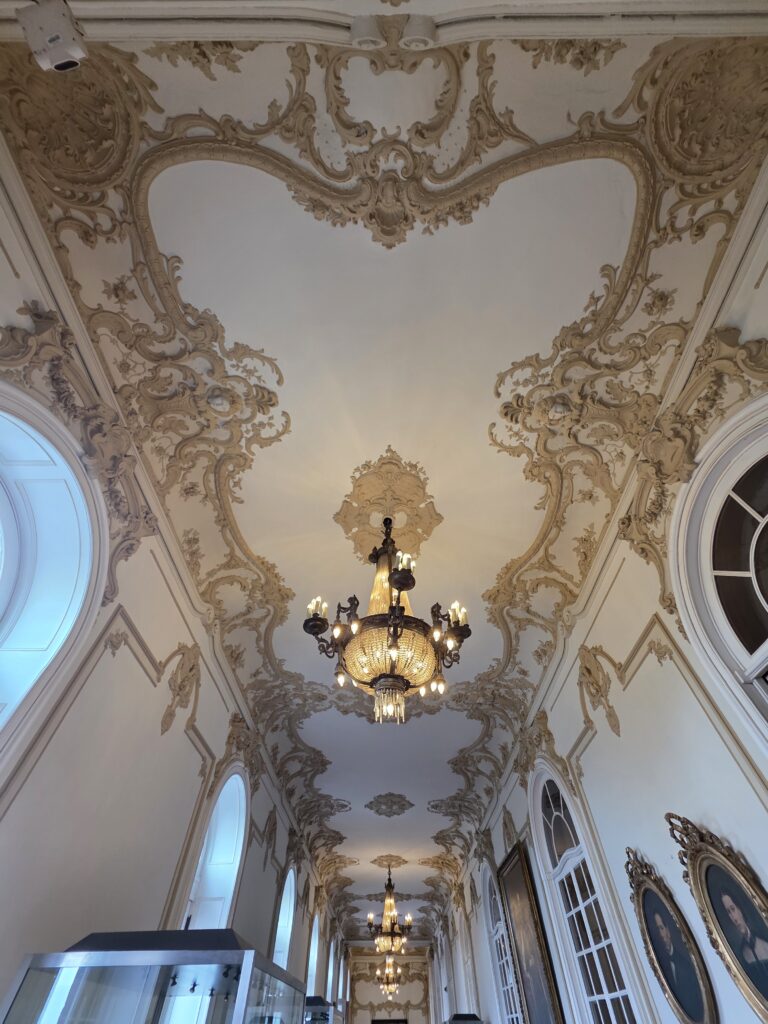
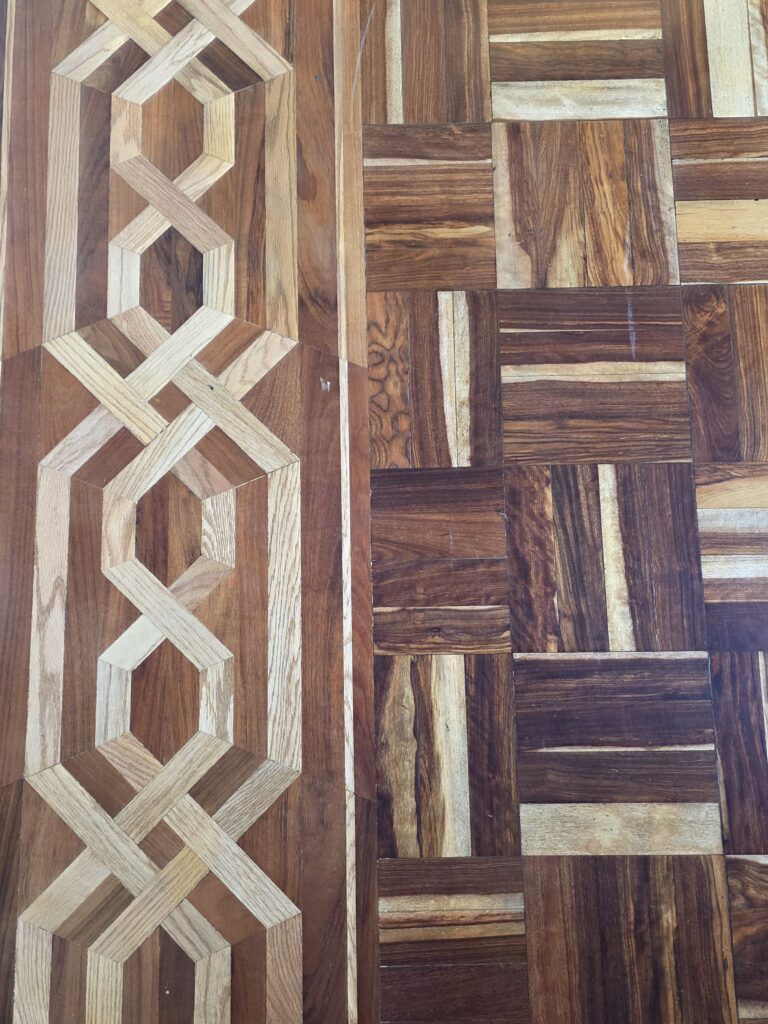
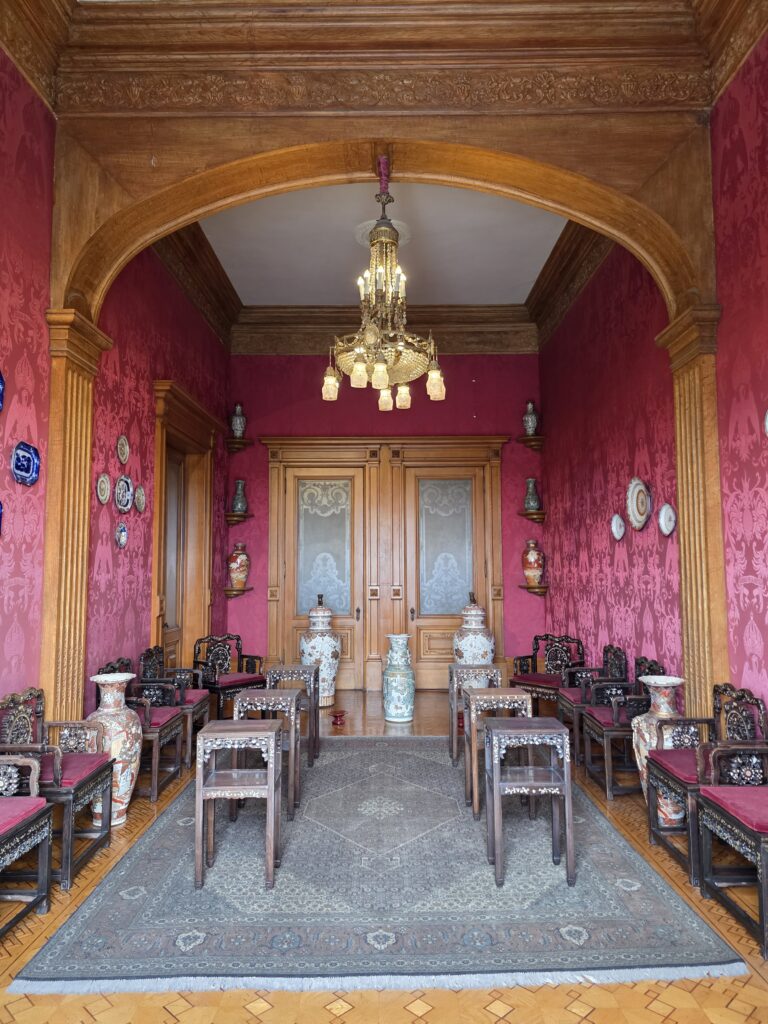
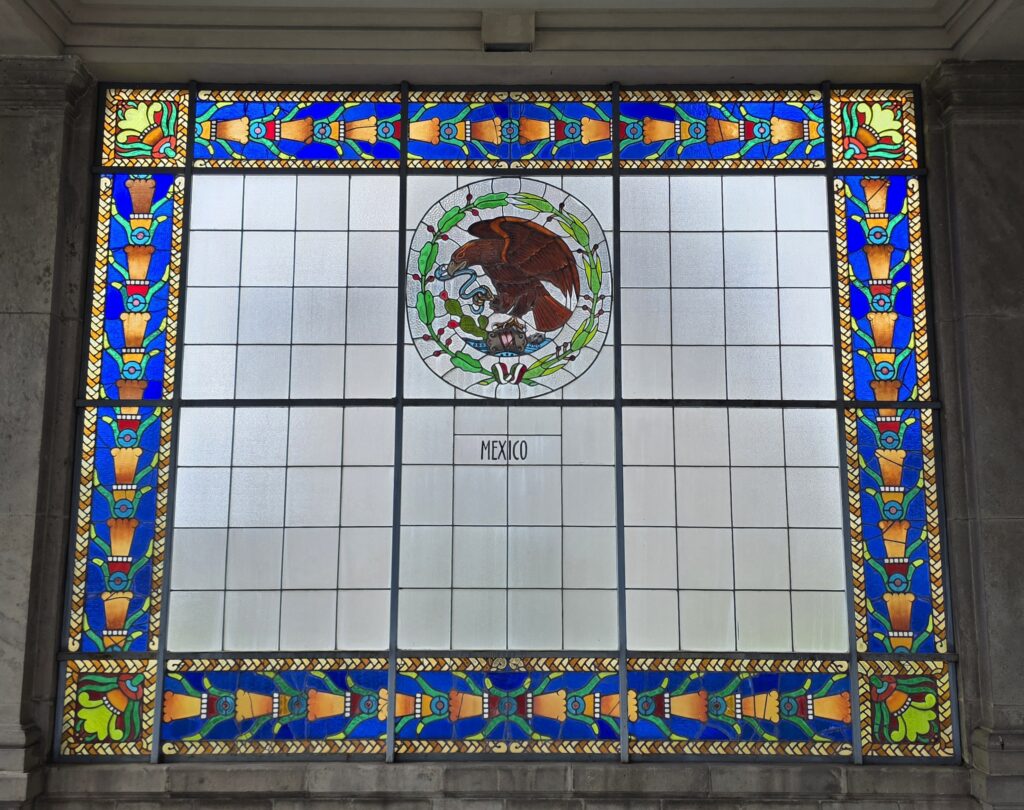
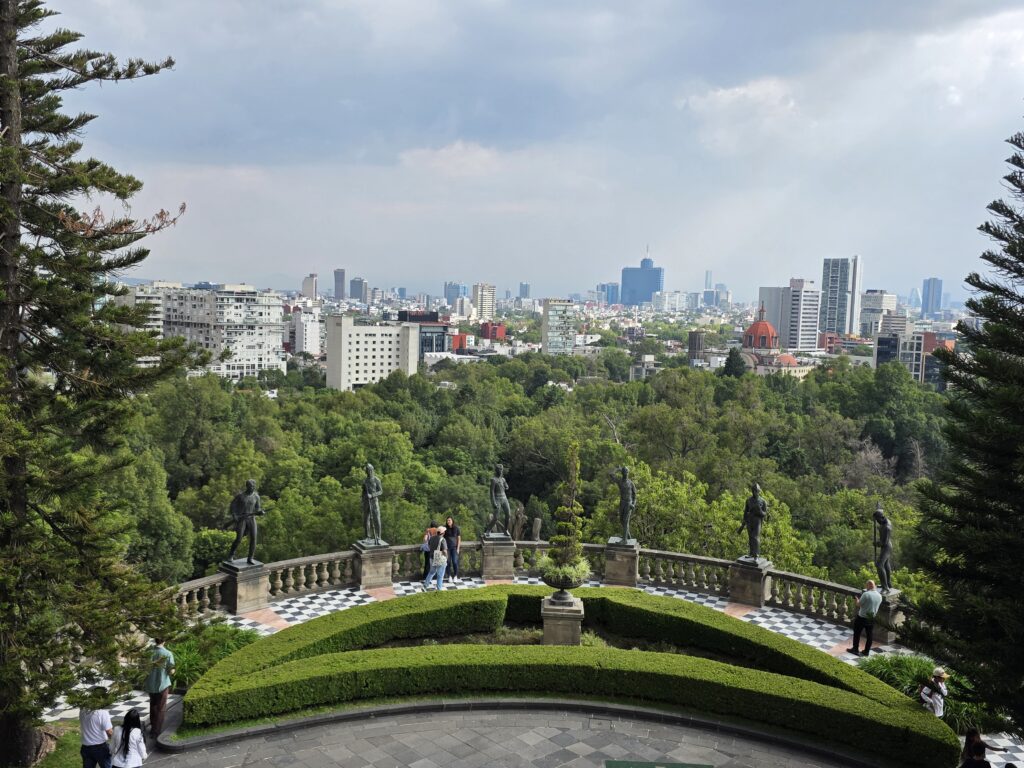
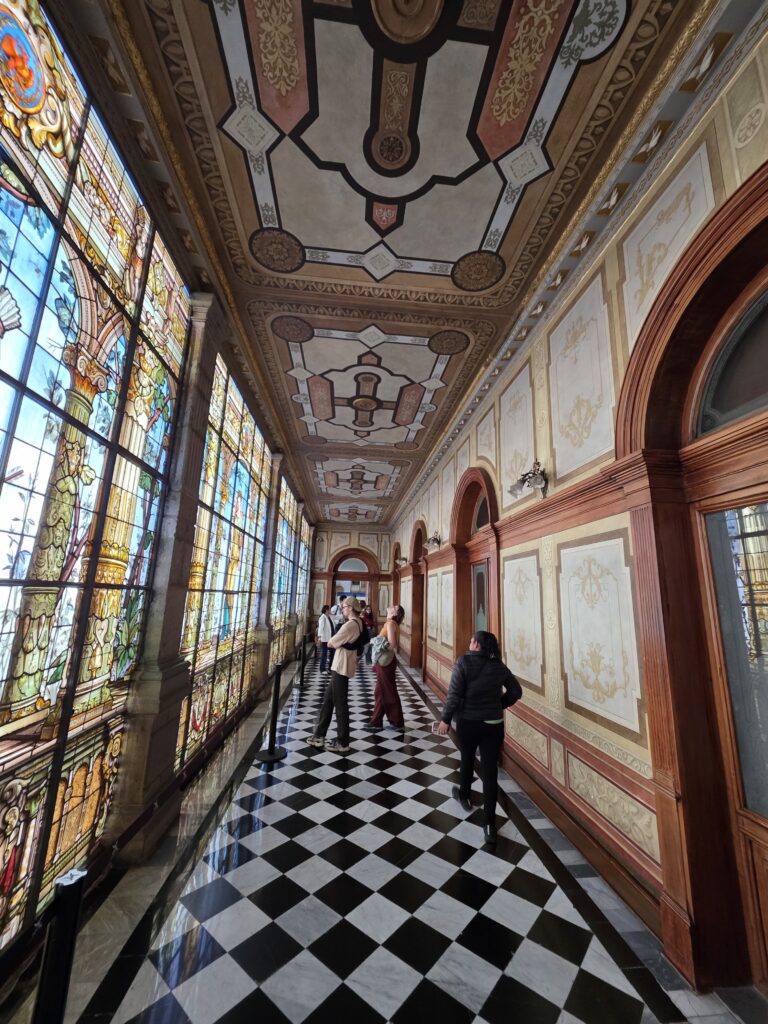
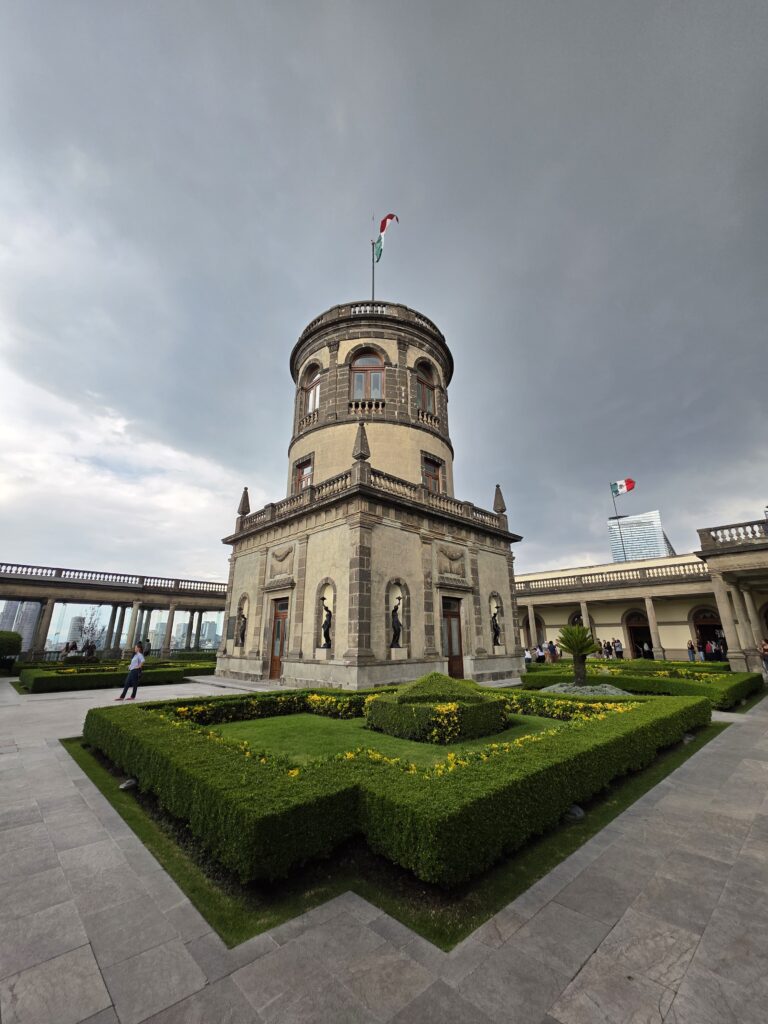
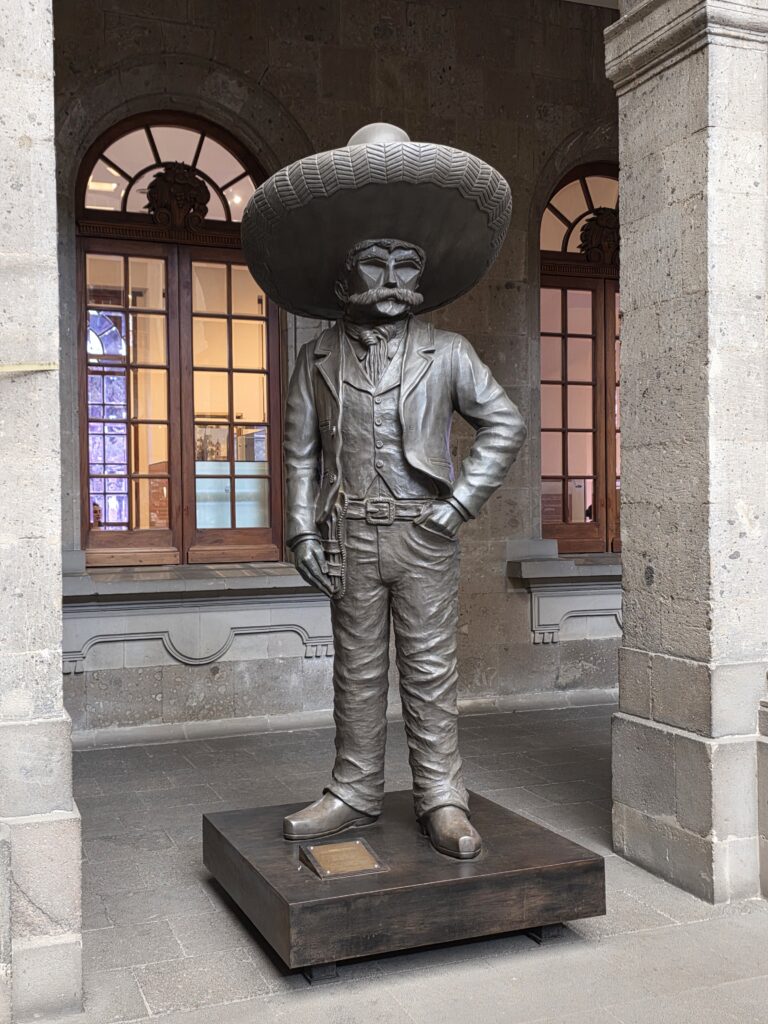
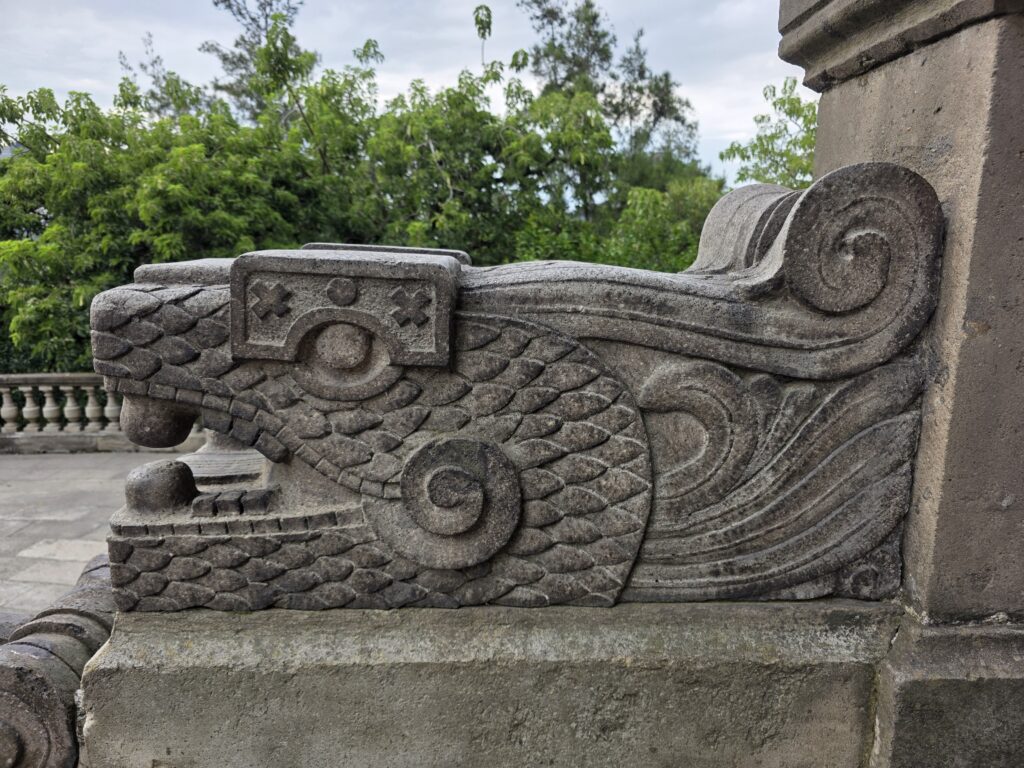
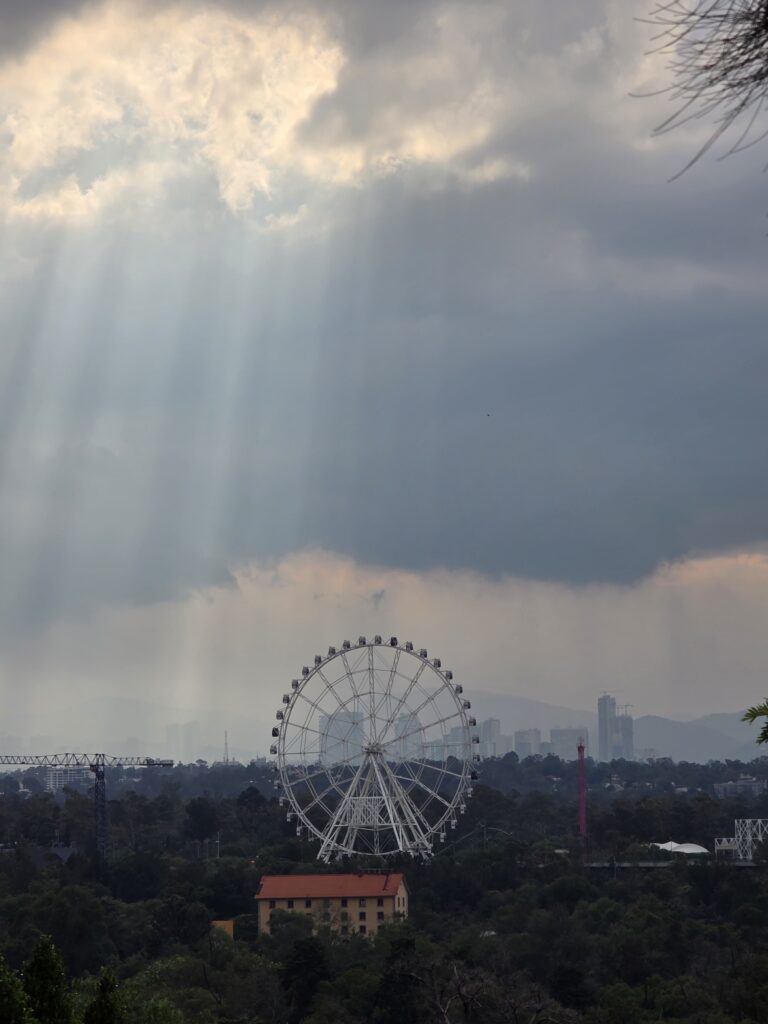
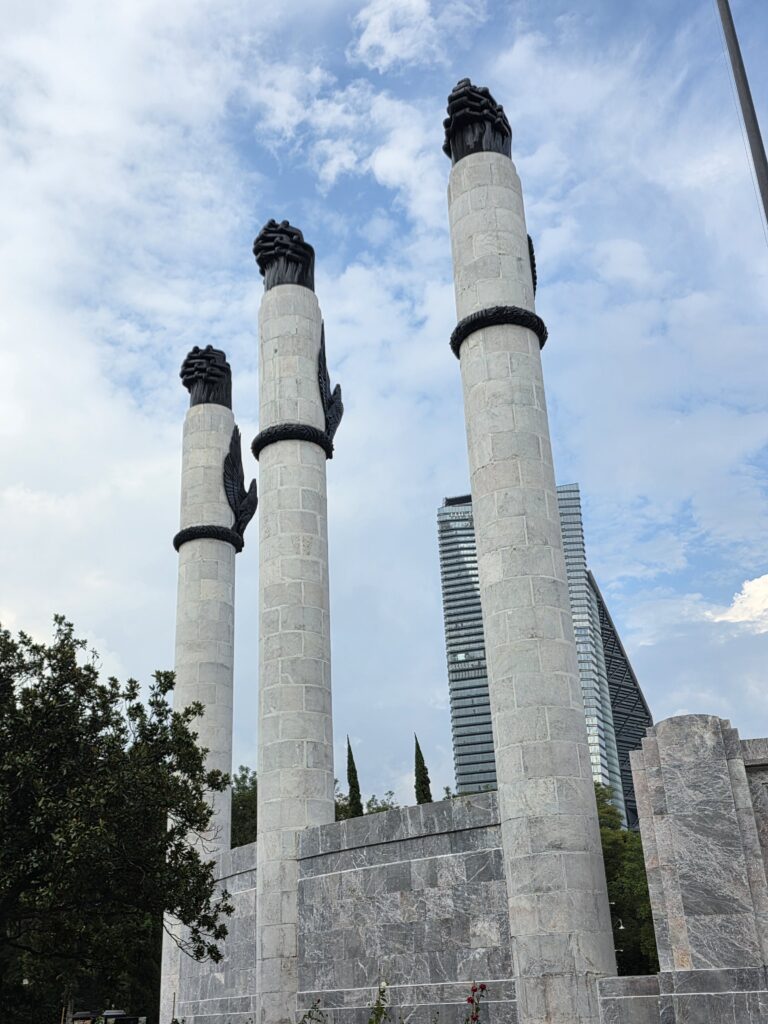
On Saturday the 3rd we walked to Bosque de Chapultepec and visited the Museo Nacional de Historia Castillo de Chapultepec for the first time. “Chapultepec Castle is located on top of Chapultepec Hill in Mexico City’s Chapultepec park. The name Chapultepec is the Nahuatl word chapoltepēc which means “on the hill of the grasshopper”. It is located at the entrance to Chapultepec park, at a height of 2,325 metres above sea level. Its history spans colonial construction, military use, imperial and presidential residence, and its transformation into a national museum.” Google. The history, art, architecture, and views from above definitely made this museum worth the visit.
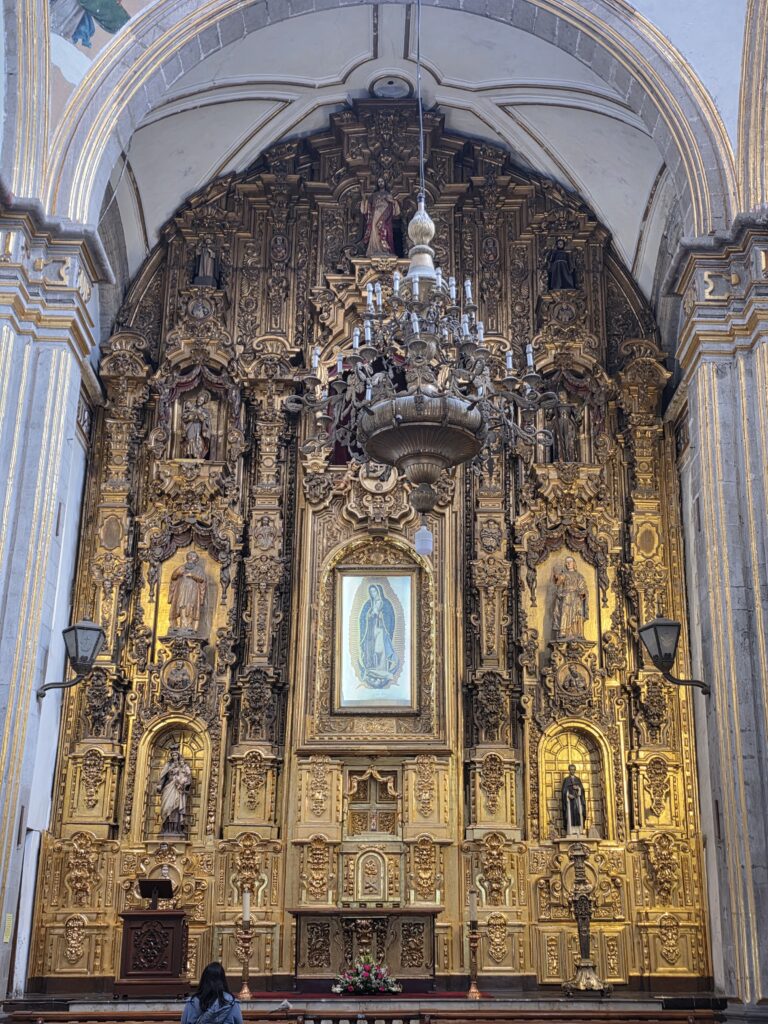
On Sunday the 4th we took a walking tour of the Centro Historico with Walking Tours México. Looking for free walking tours on Google, whenever we visit a new city, was one of the best pieces of advice a friend gave me. This is how I found this tour and it was beyond! Our guide Diego was so knowledgeable and friendly, and we learned SO much! We would Definitely take a tour from him again. Here are some tidbits we learned:
Don’t plan on being in CDMX on the 19th September. Historically the last several massive earthquakes happened, 50 years apart, on that exact date! The last one being on the 19th of September 2022.
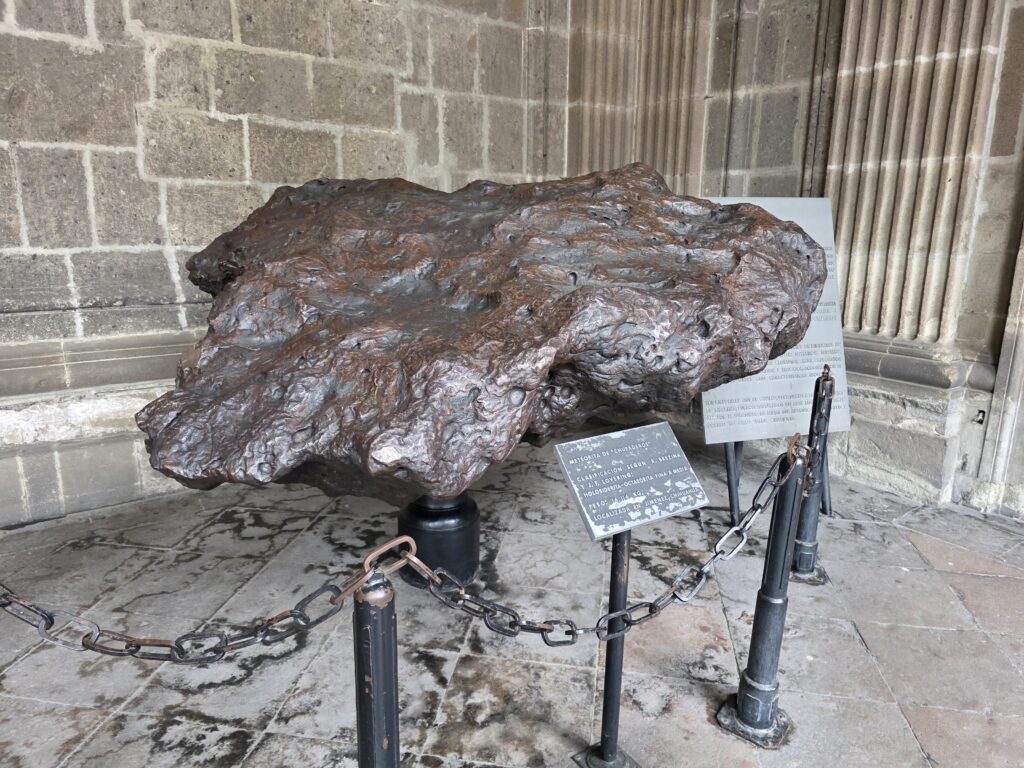
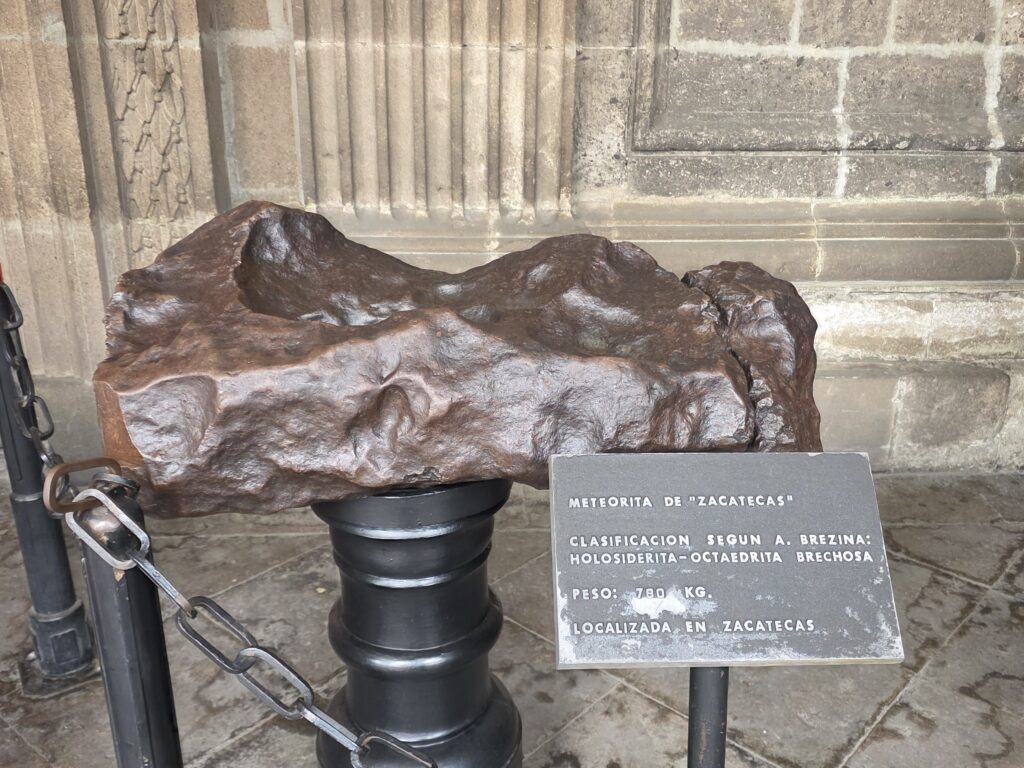
CDMX has the biggest meteorite collection that you can touch. The biggest one, weighing as much as 14 elephants, was discovered in the 19th century.
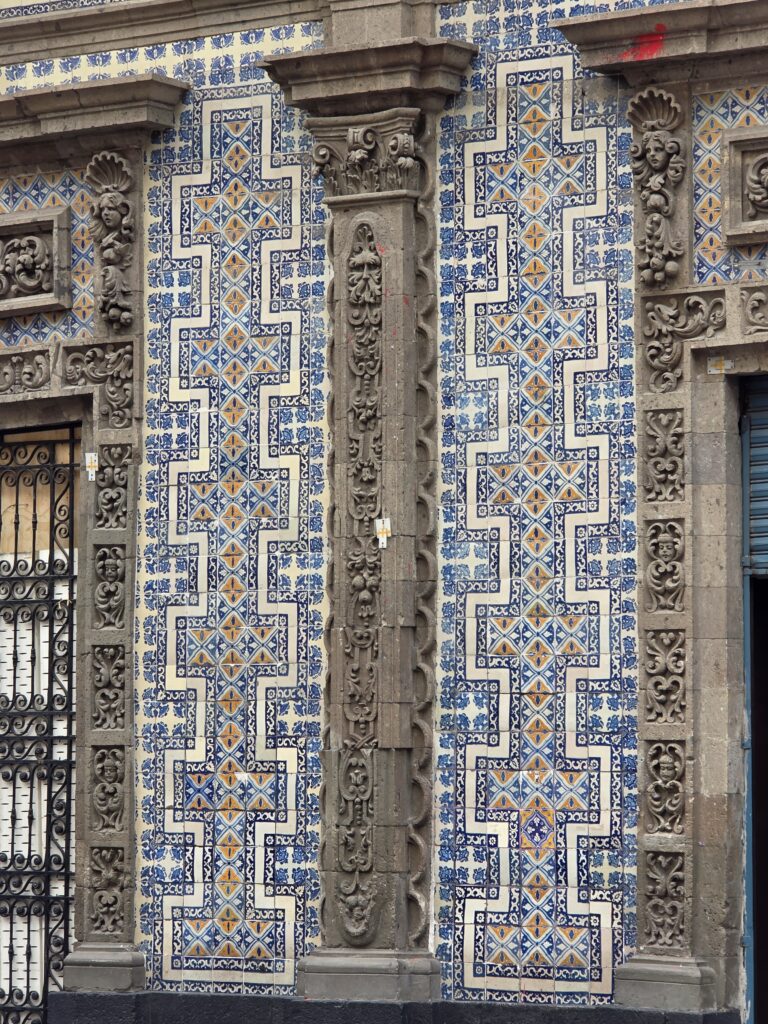
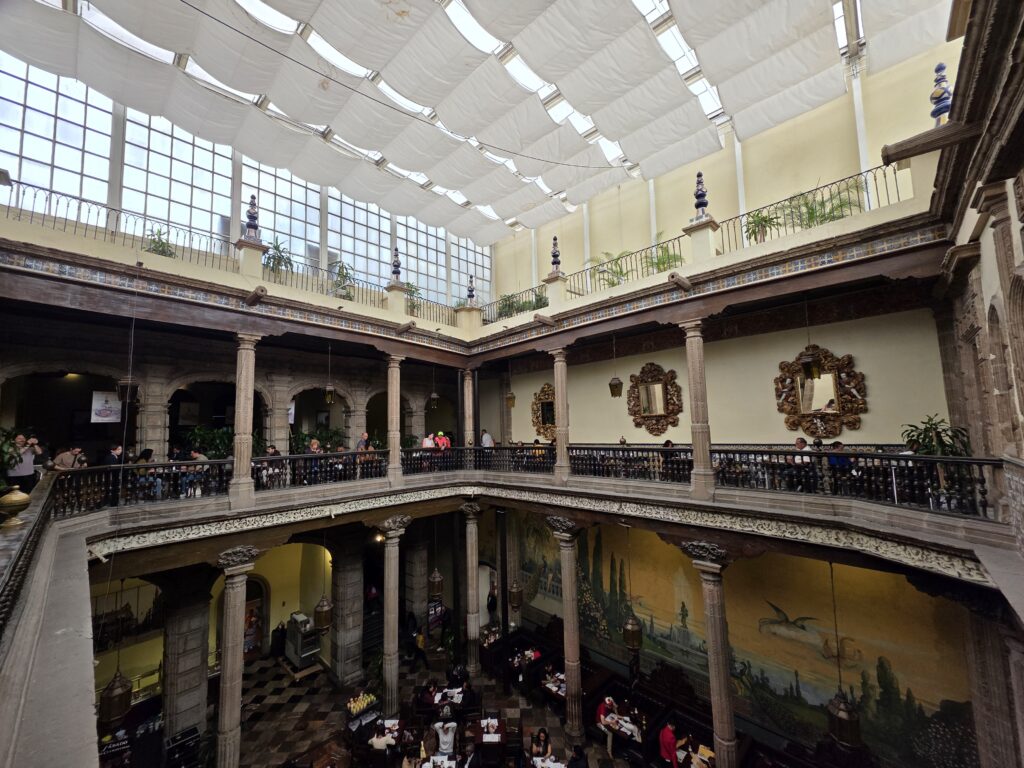
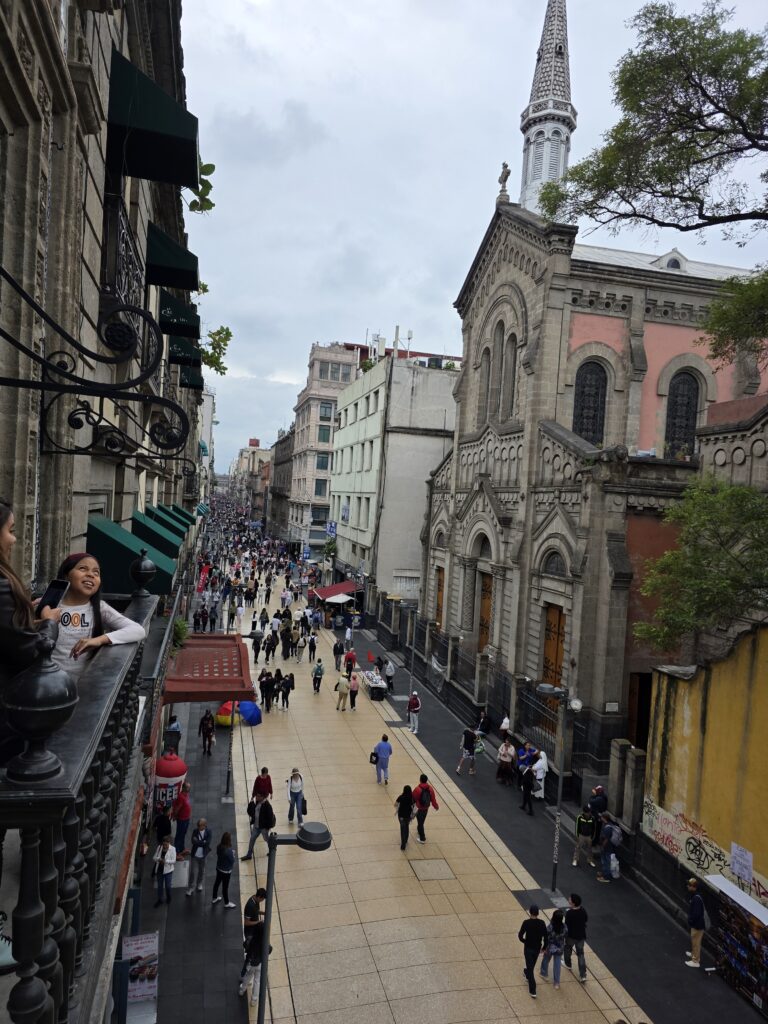
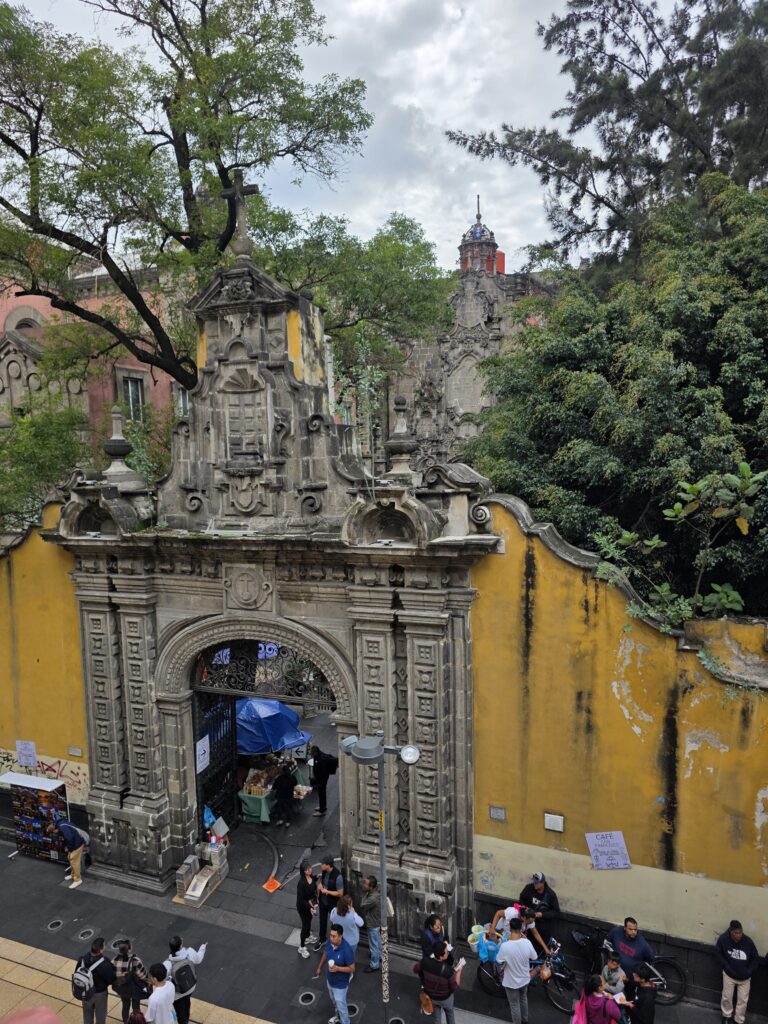
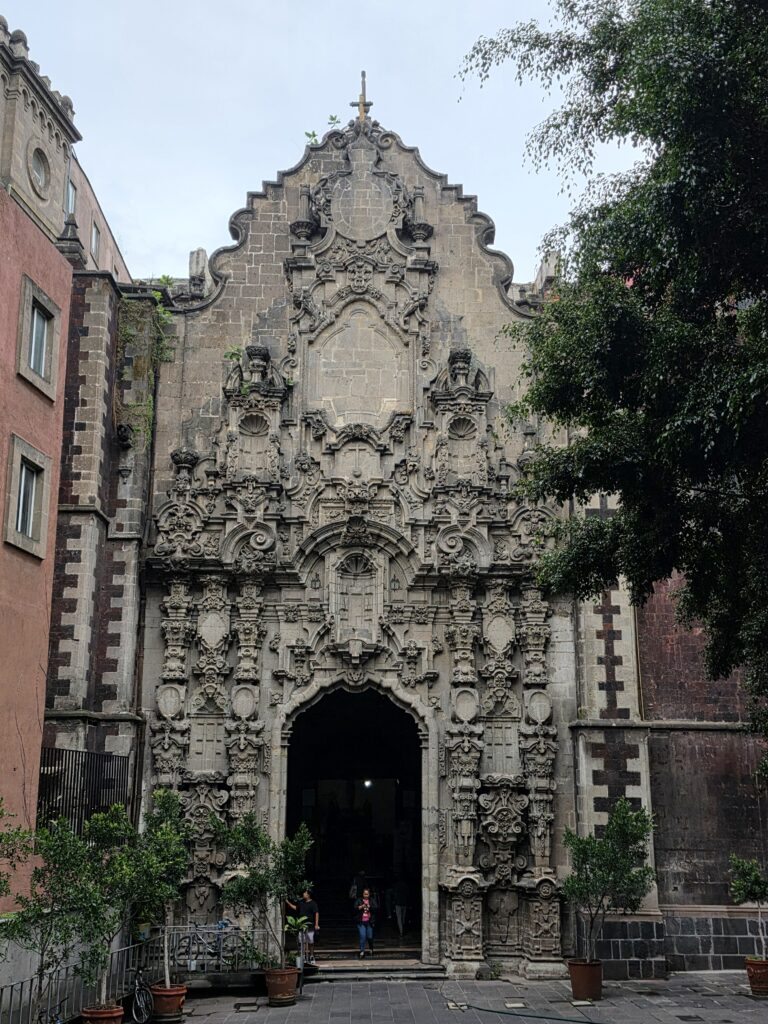
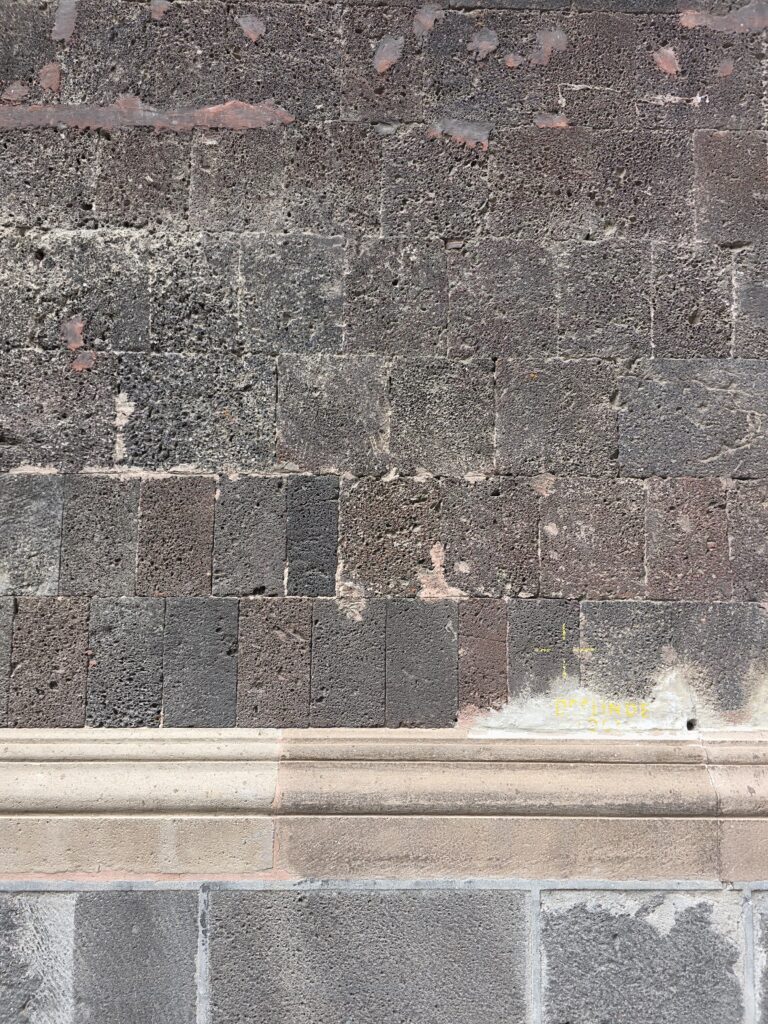
“The original capital Tenochtitlan (or México-Tenochtitlan) was founded around 1325 C.E. by the Mexica people (Aztecs) on an island in Lake Texcoco.” The original street from that capital, Calle Tacuba, still exists! When Spain invaded, murdered practically everyone, and leveled the city, November 8, 1519, they used the bricks from the pyramids that already existed to build new buildings. Our guide helped us to recognize where those original stones were used.
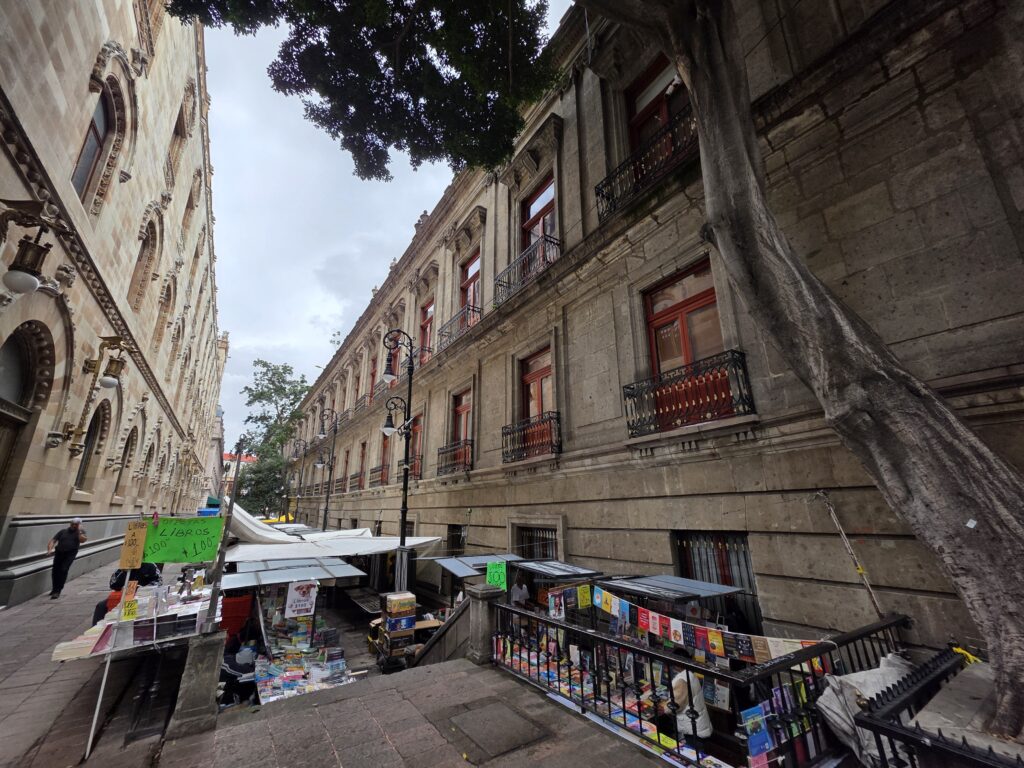
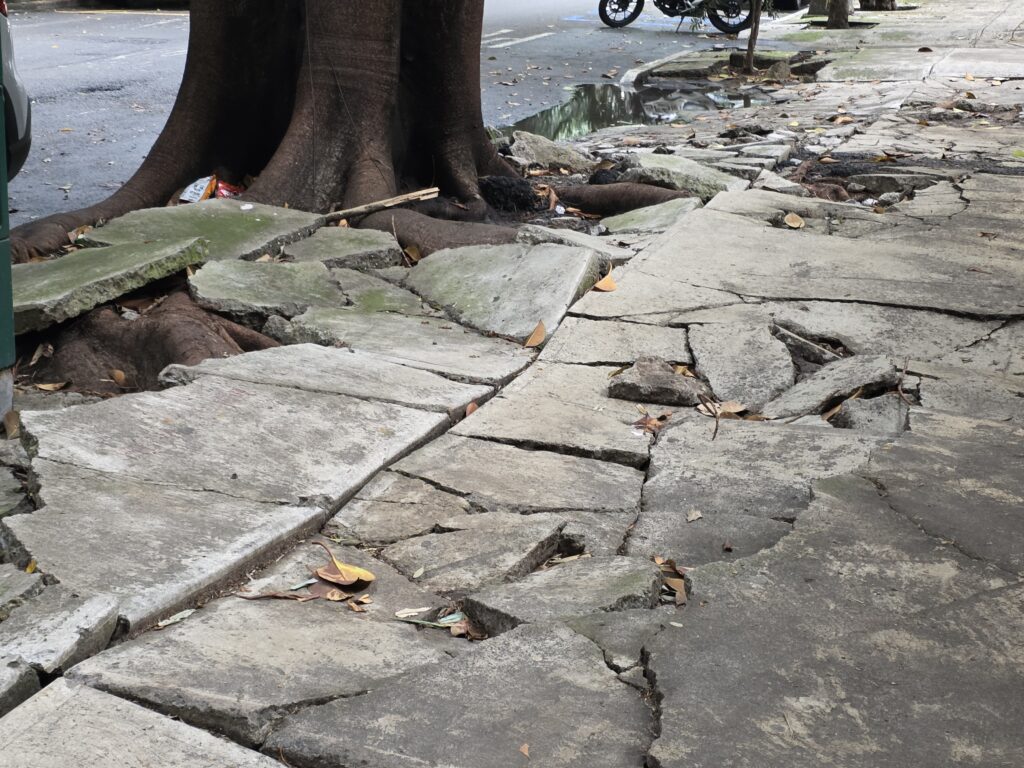
“Mexico City is sinking at a rate of nearly 10 inches (about 25 cm) per year, with some high-risk areas dropping over 2 cm (more than 0.5 inches) per month.” This fascinated me so I looked up how it compared to how fast Venice is sinking because Venice is what I think of when I think of cities that are sinking. This is what I learned, “Mexico City is sinking at an astronomically faster rate than Venice. While Venice is the global “poster child” for sinking cities, its actual rate of ground subsidence is minimal compared to Mexico City’s dramatic decline. Mexico City is sinking roughly 100 to 200 times faster than Venice. Mexico City sinks more in a single month than Venice does in an entire decade” Google. The visual depiction of this with the sagging balconies and unleveled streets is shocking.
The beginning of the second week I was supposed to start my immersion class. I believe I wrote in my previous post that I was excited to find something only a ten minute walk from my Air BnB and one that was seemingly inexpensive, compared to the other classes I had found. Going into the first day on Monday I had already had two sessions with my incredible tutor so my expectations were pretty high. Unfortunately I didn’t get good vibes from the get go. I didn’t feel welcomed and I felt a little untethered with the lack of information that was shared. I learned after the woman who was supposed to be my teacher arrived, that the two other students in my group had taken one or two weeks of instruction with her prior to this week’s class. There were a lot of “we did this last week” and “you should know this” comments from the instructor that made me feel very much like I was not on the same level. After the first day I felt very strongly that this class wasn’t for me. I have discovered a couple things about myself through this experience. First, I thrive in the know. Clear expectations is definitely an environment where I find the most success. Second, I no longer will suffer through something that doesn’t align with my soul/ truth, just because I signed up for it. I am glad I put myself out there and that I had an opportunity to put what I’ve learned into action. After the first class, I reached out to the director and explained my situation, received a refund, and now I am able to put that money toward more time with my amazing tutor. Win, honor, win! Thank you Universe for always taking care of me.
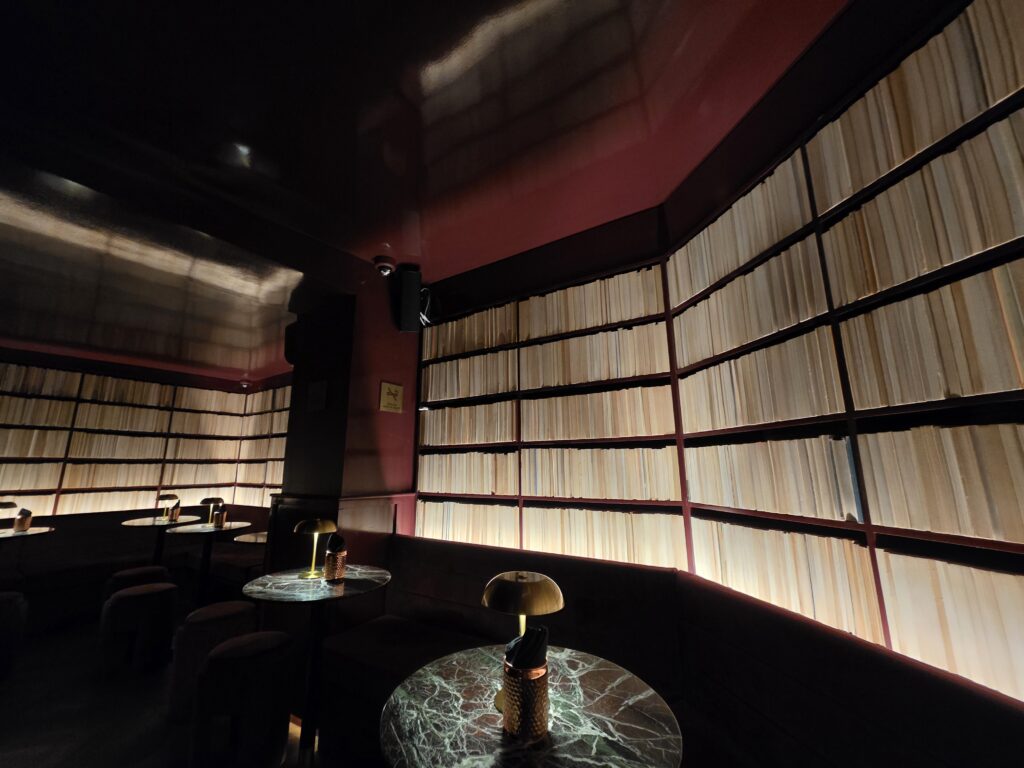
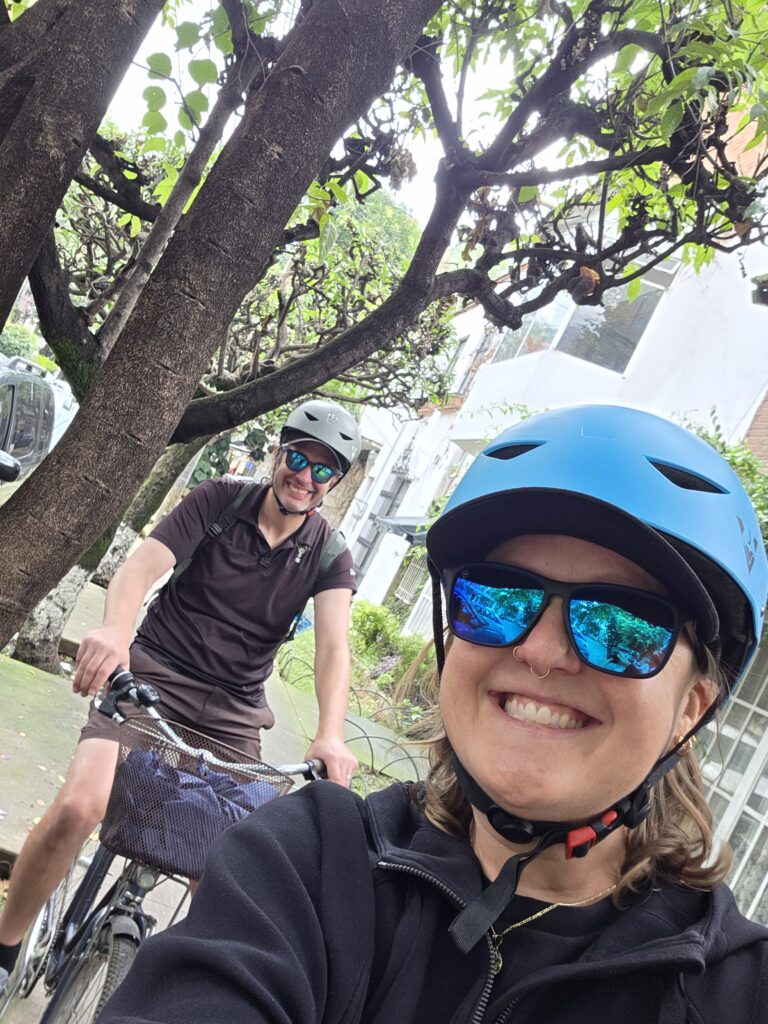
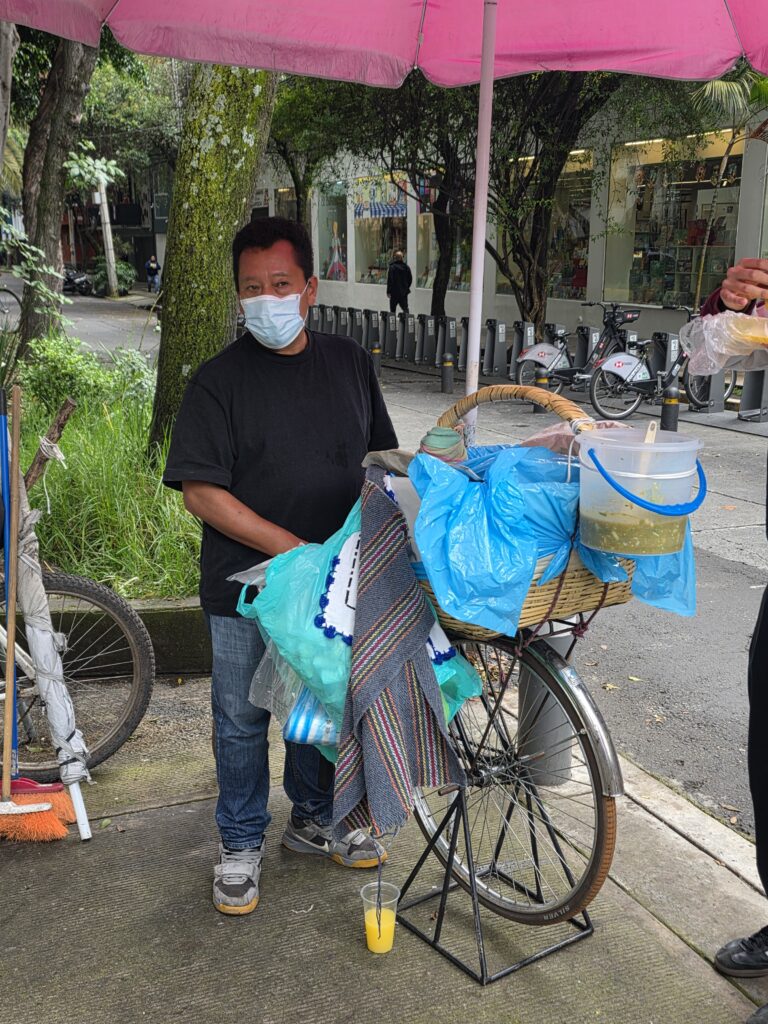
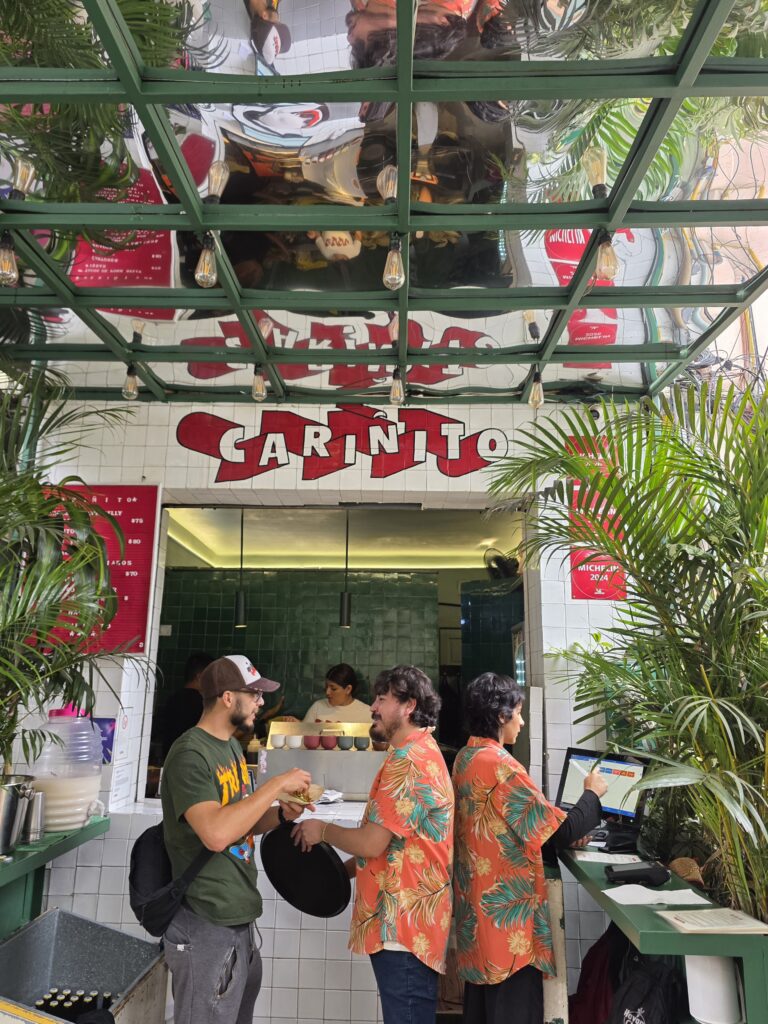
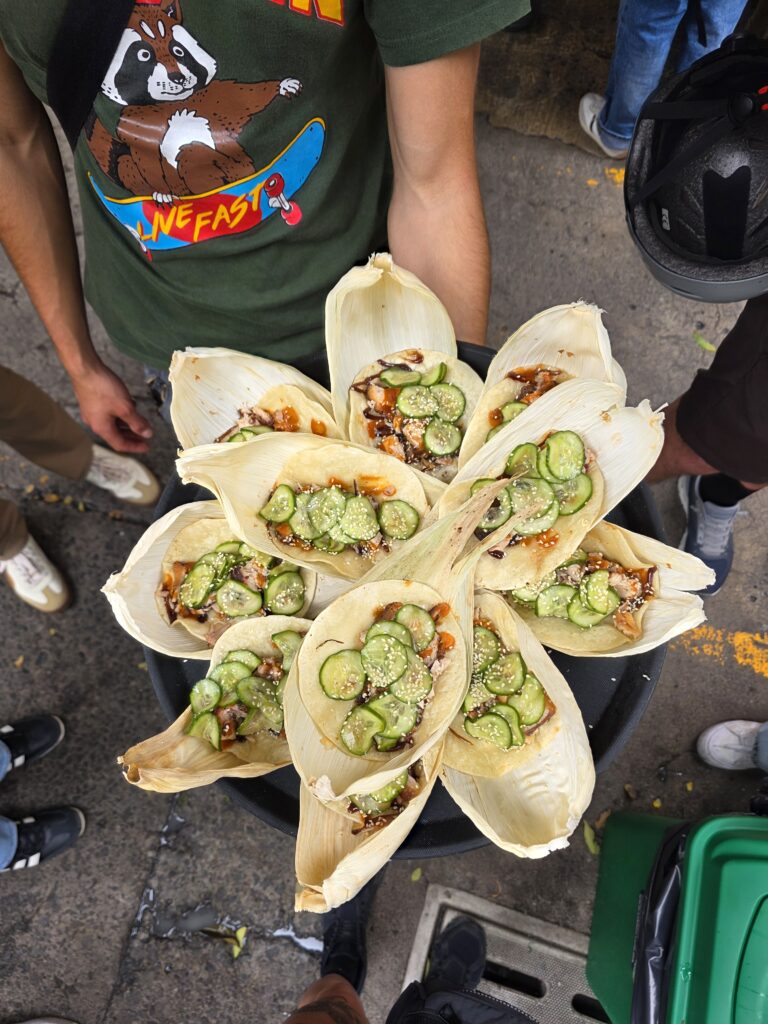
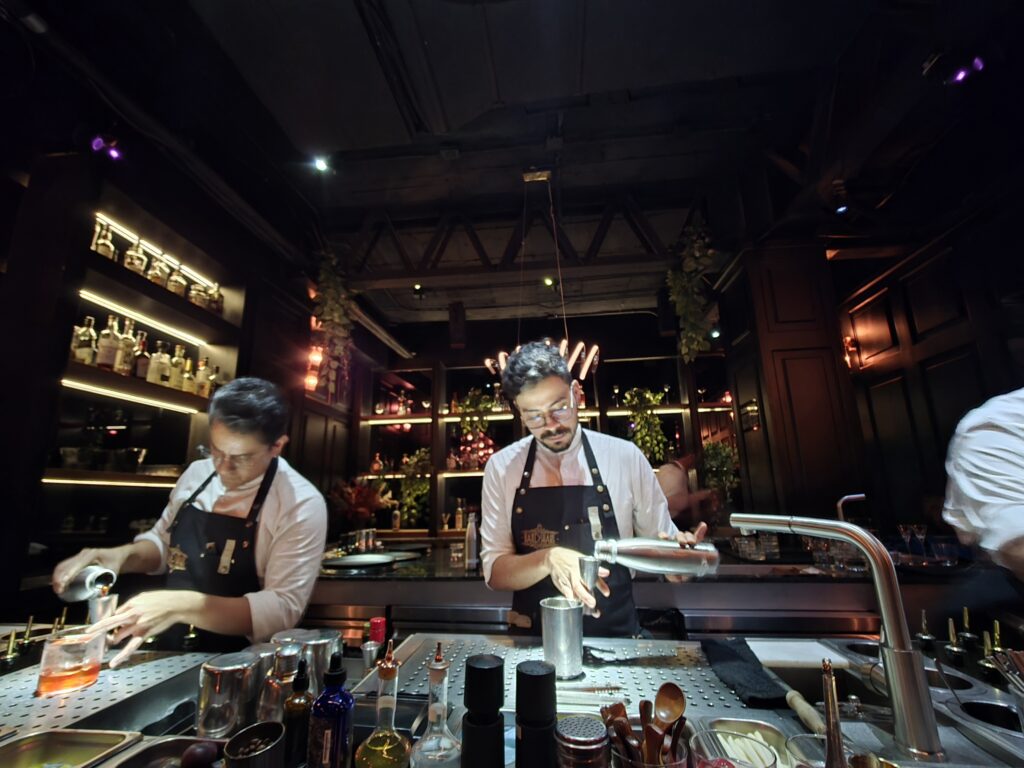
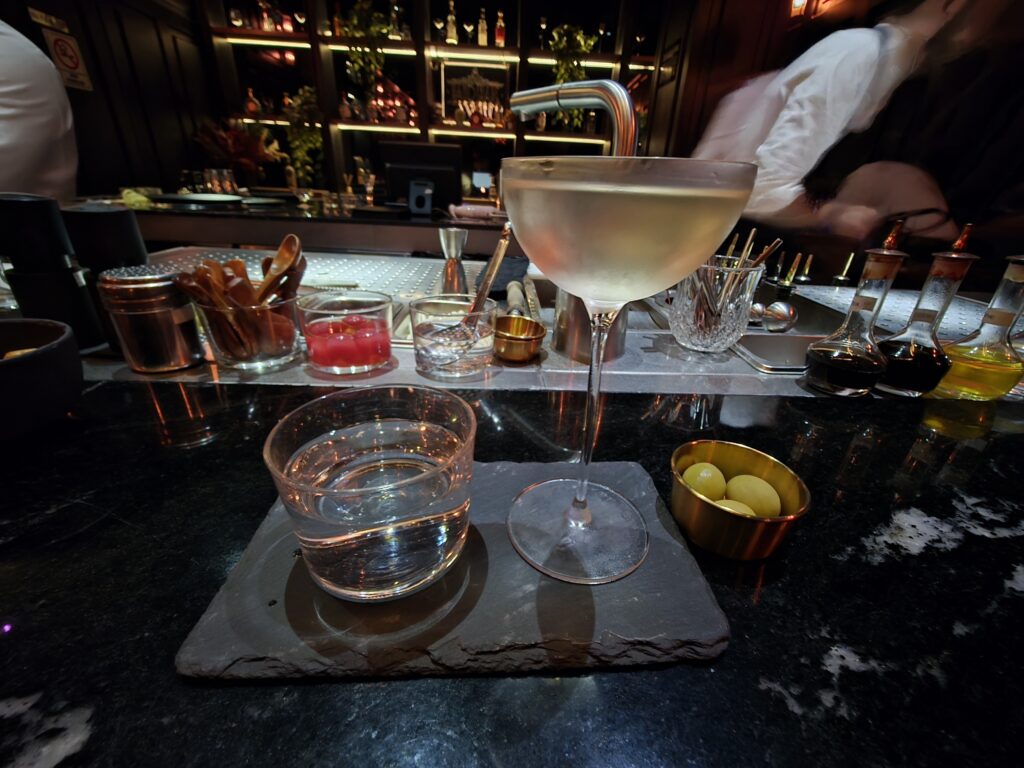
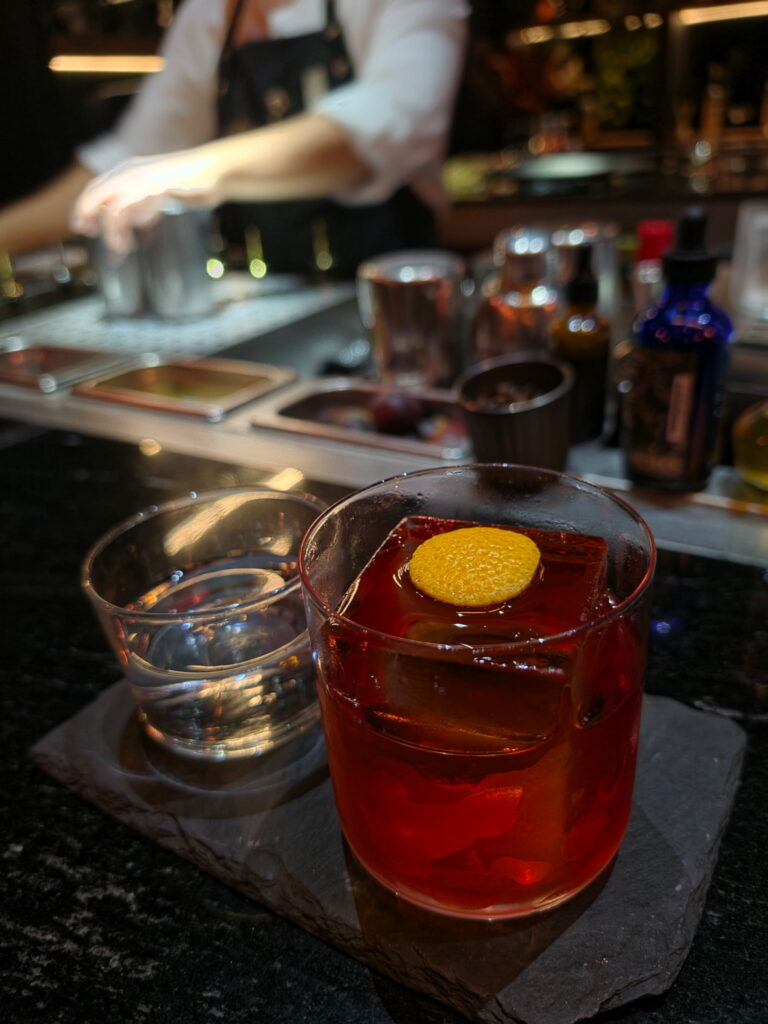
This past weekend was another full one, corazón contento. Friday night we went to Librería Valladolid, which is a speakeasy type bar located in the basement of Hotel Casa Izel Roma Norte (formerly known as Maison México Roma). The ambiance and cocktails definitely lived up to its reputation. On Saturday we had our bicycle taco tour, also with El Taco Club, and it was a blast! The sun came out on Saturday for the first time in the two weeks since we arrived and I feel like it was a good omen for a good day. We stopped at five different taco spots; three street stands and two brick and mortar, and had an incredible taste voyage. The first street taco stand we visited was featured on the first season of Taco Chronicles on Netflix. The tacos were only 10 pesos, which is about 55 cents USD, and he said that the day before he made and sold over 20,000 tacos. Needless to say it was a delicious return on investment. Saturday evening, after a nap due to my food coma, we went to Handshake Speakeasy. We had a front row seat at the bar and were entertained by a spectacle of the senses. We also learned that the bar had just been named the sixth-best bar in the world that very week! What an experience!
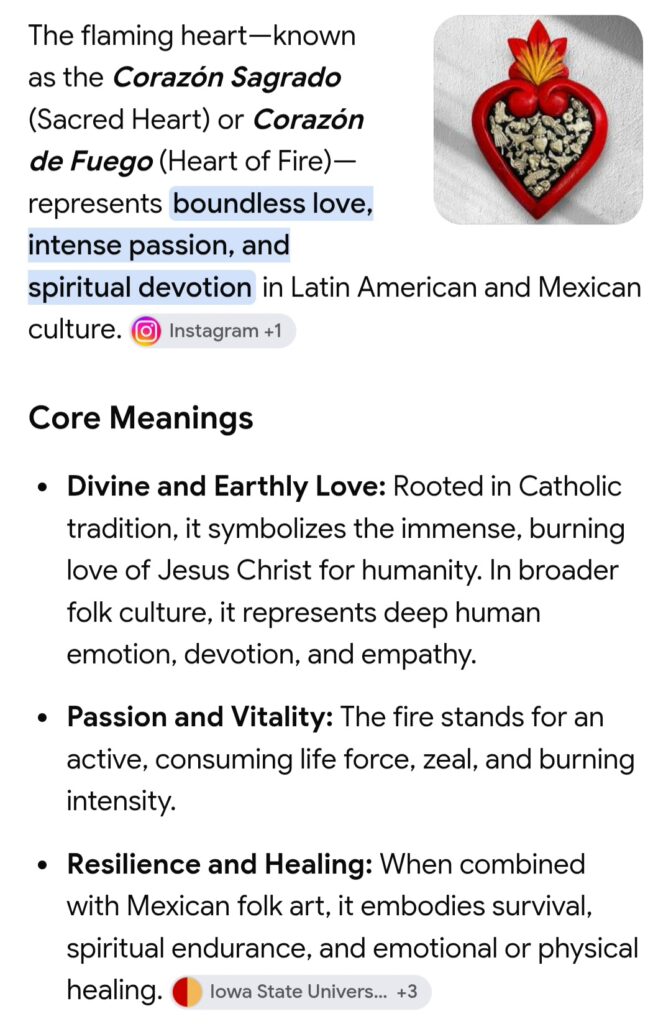
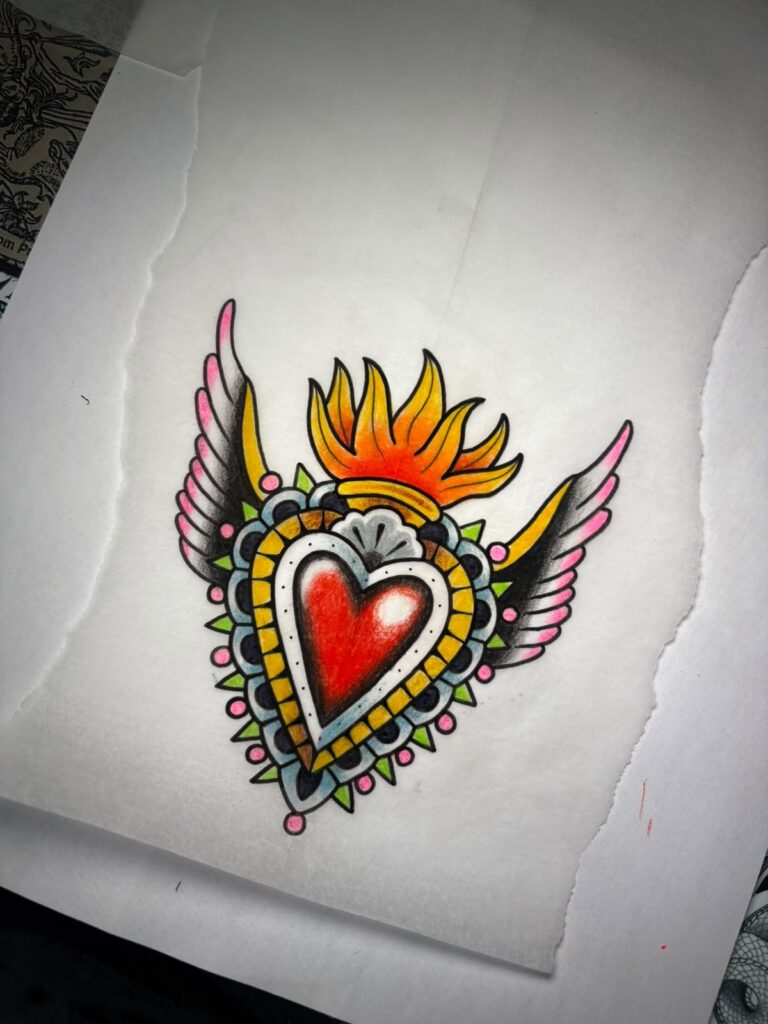
Dave left this morning for his week-long offsite in Riviera Maya. I will miss him and love having him as my adventure buddy, and I am reminding myself that I don’t “need” him to feel complete. I am happy that he gets to go to his offsite, and I’m excited to have some “me” time. Multiple things can exist at the same time!!! I’m looking forward to choosing how to spend my time based on what my heart wants. I’m excited to go where the spirit moves me. Whether it be reading, having lots of chats, seeing my Spanish tutor three times, I get to choose. Tomorrow I’m visiting my tutor in Coyoacán and I’m getting a sacred heart tattoo in honor of my love of God, Latino Culture, and humanity. My tutor’s partner is the tattoo artist so it feels good to be able to support him that way. I had someone tell me once that “tattoos are the art that travels with you” and I felt that to be so true! When I decided that the Sacred Heart (sagrado corazon) was the tattoo I thought I wanted to get, I looked up the meaning behind it to make sure it was in fact the correct choice for me. What I found confirmed it:
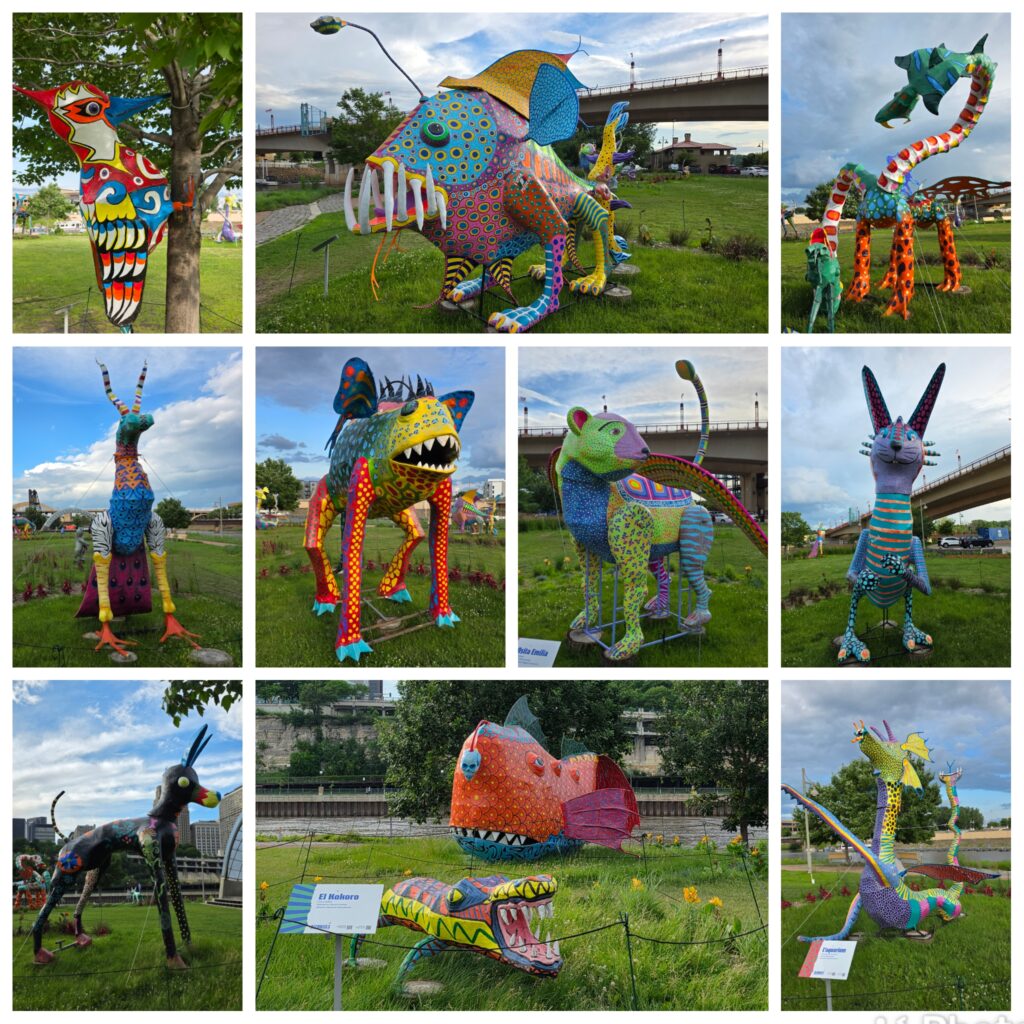
Next weekend the Alebrijes parade is on Saturday. “Alebrijes are brightly colored, surreal Mexican folk art sculptures of fantastical hybrid animals. They originated in Mexico City in 1936″. I learned about this parade from watching “Best of the World with Antoni Porowski” on Hulu. For those of you who don’t know, Antoni was the culinary expert on the revamped series Queer Eye. I was really excited to learn that we were going to be in Mexico City for the parade and also can’t wait to explore more of the area of Zocalo where the parade begins. Funnily enough, after this realization, I made a connection to the fact that Saint Paul, Minnesota had a temporary sculpture exhibit of Alebrijes on Raspberry Island back in 2025 that I went to.
We have definitely taken advantage of the time that we have spent here so far and I’m excited that we have three more weeks of it! I definitely feel like we are living the title of this post, panza llena, corazón contento, and that we are exactly where we’re supposed to be. Sending a Universe of love and light to you wherever you may be in this big, messy, beautiful world!
❤️Love,
Alison and Dave
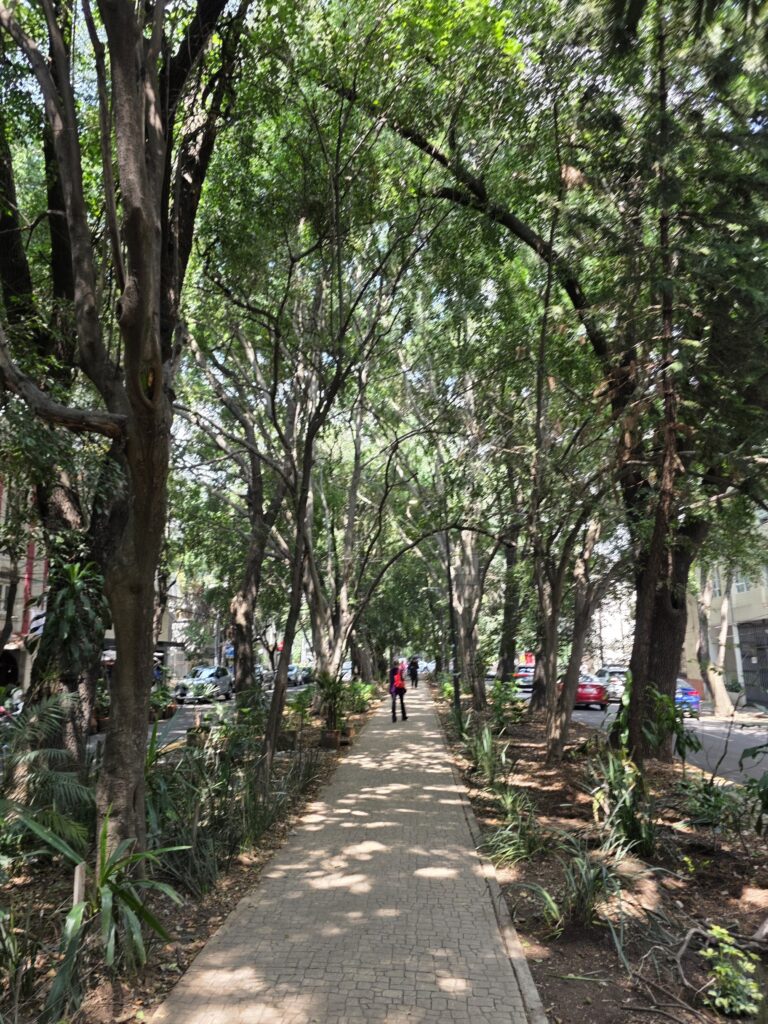
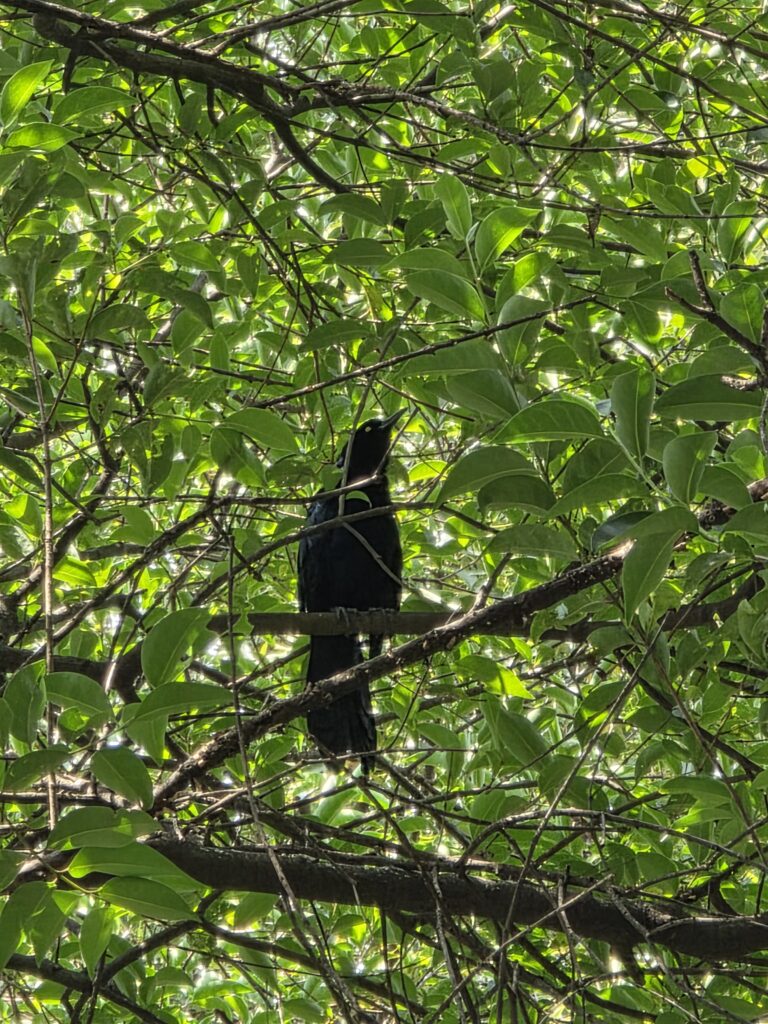
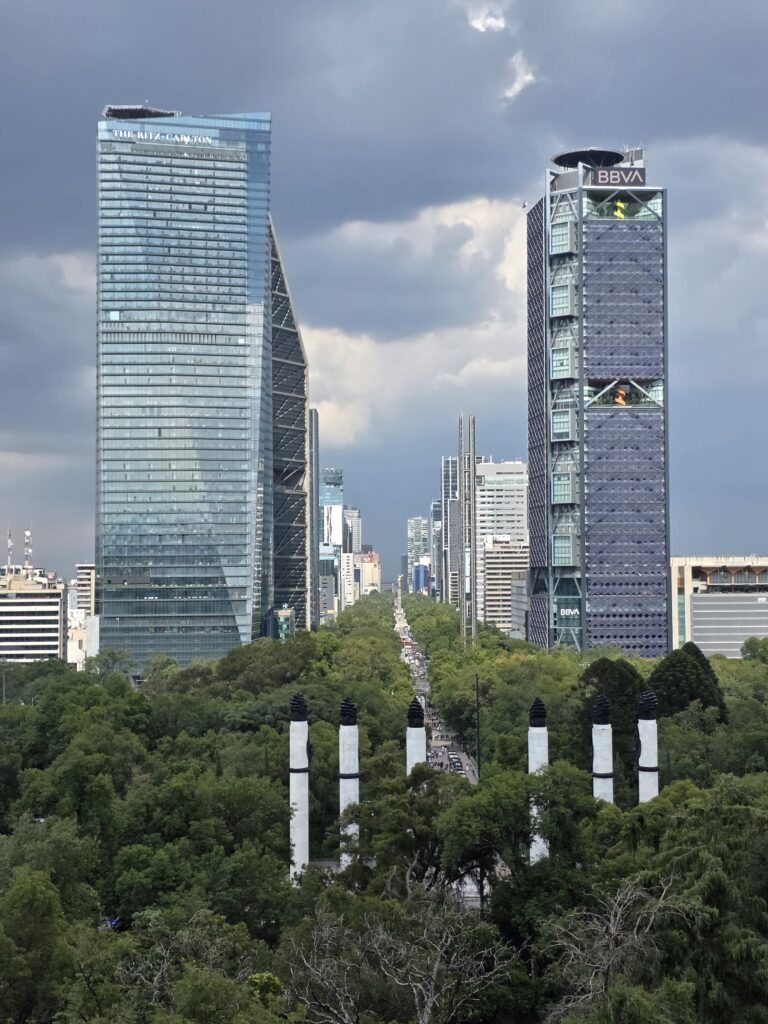
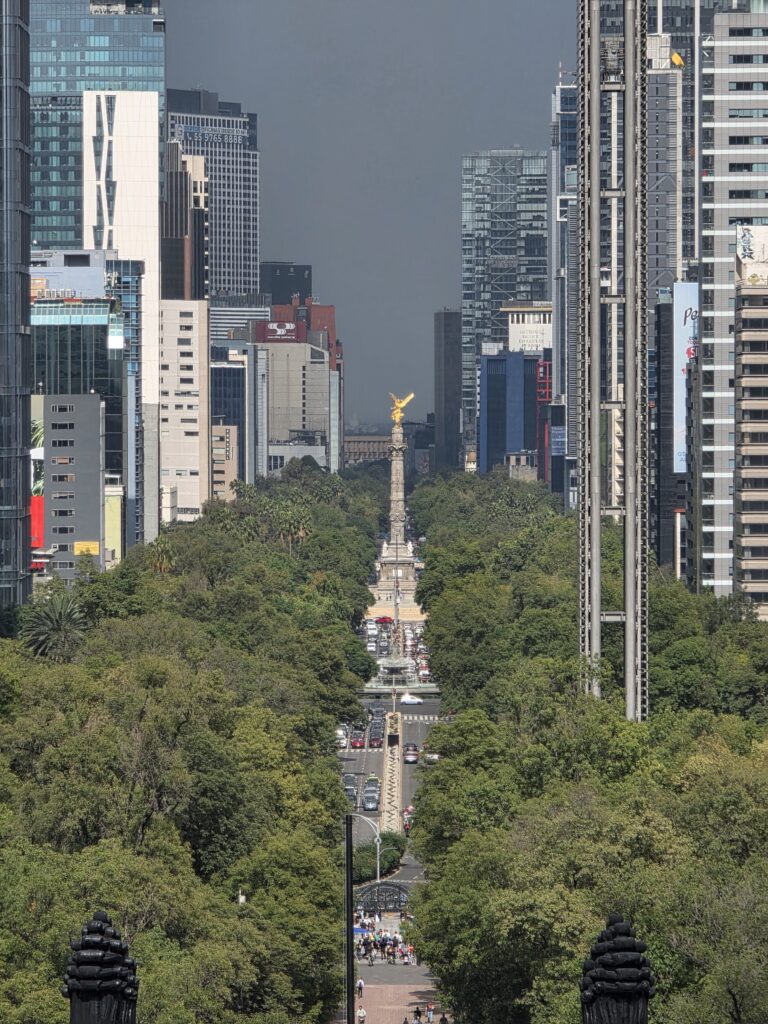
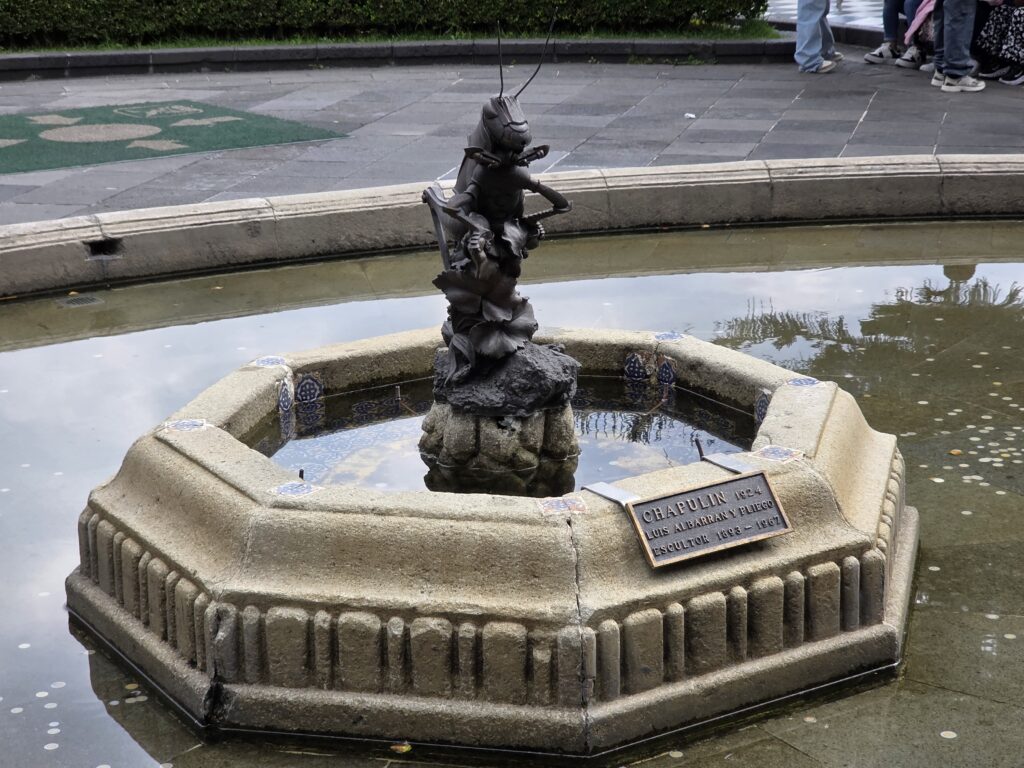
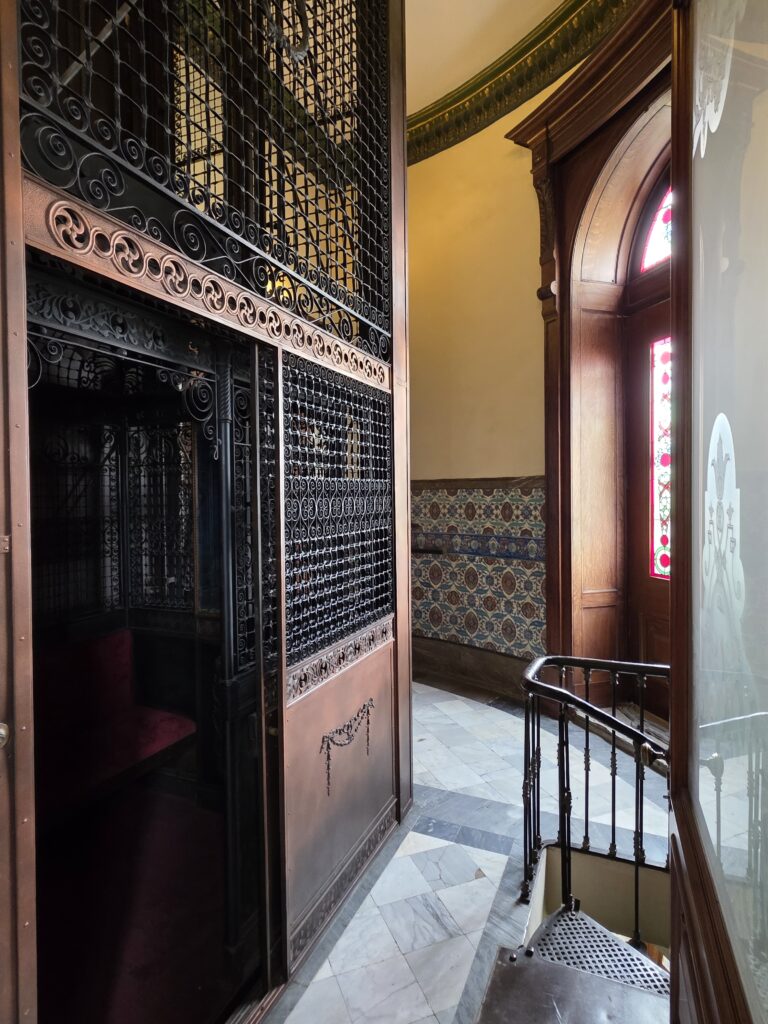
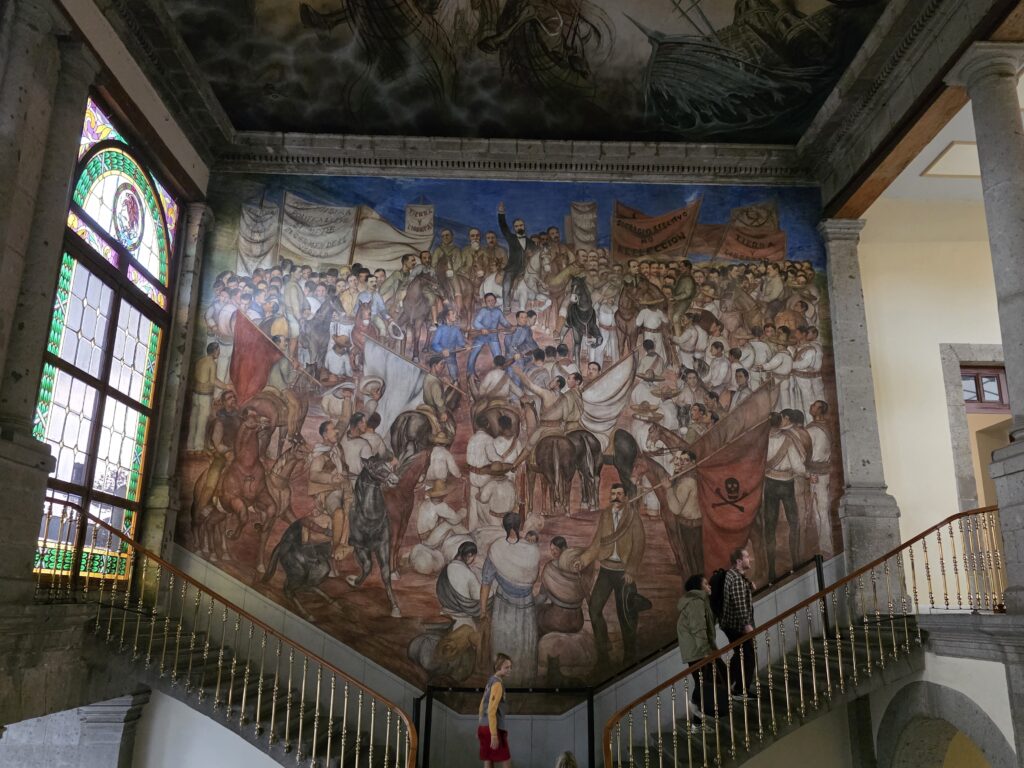
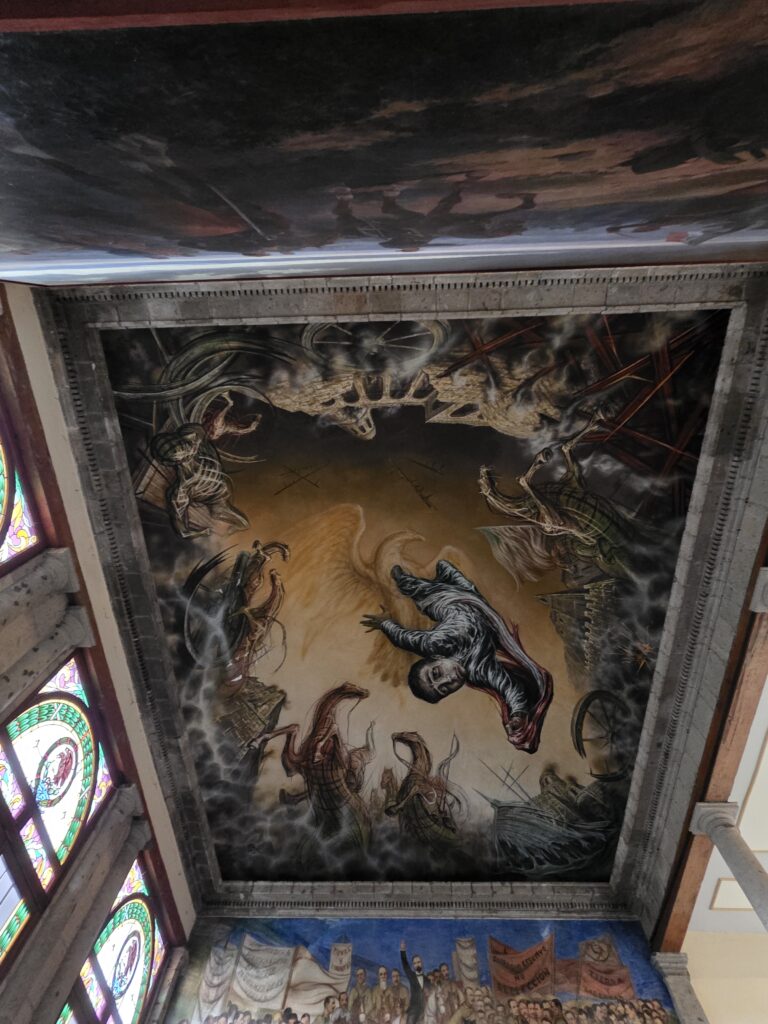
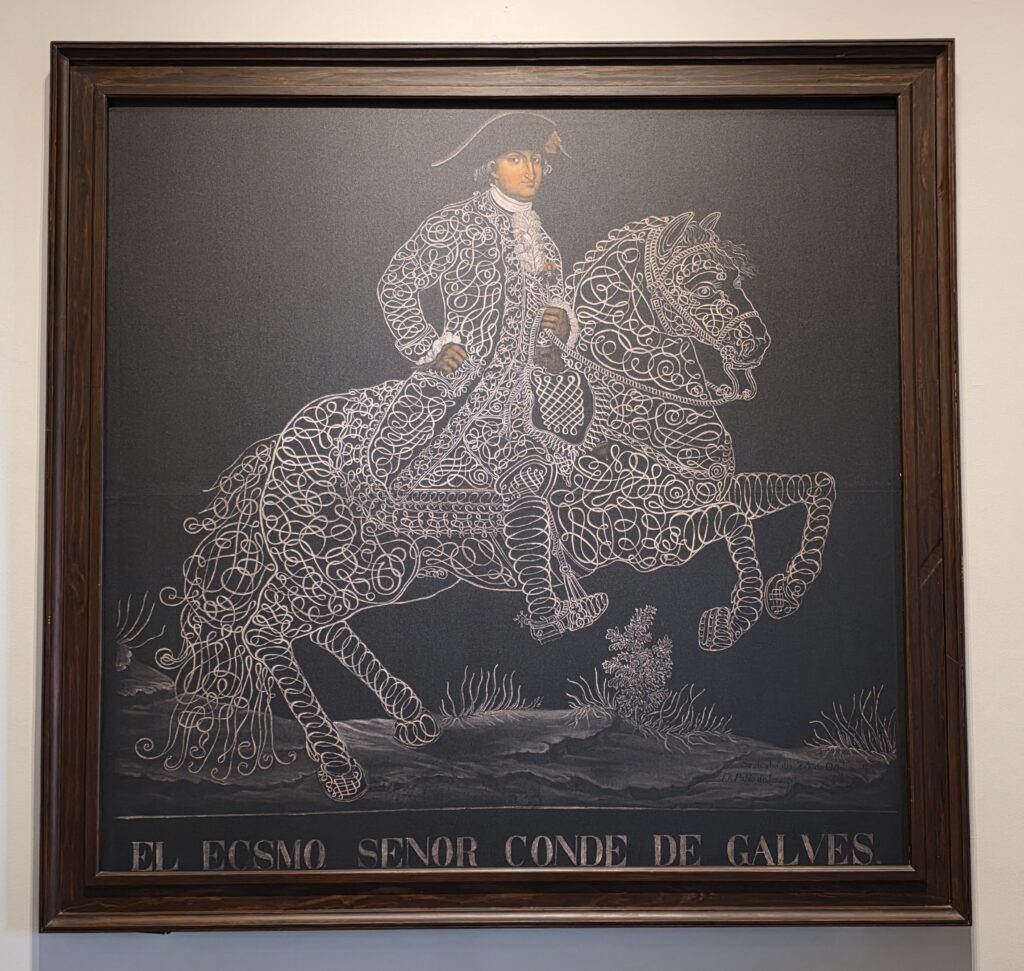
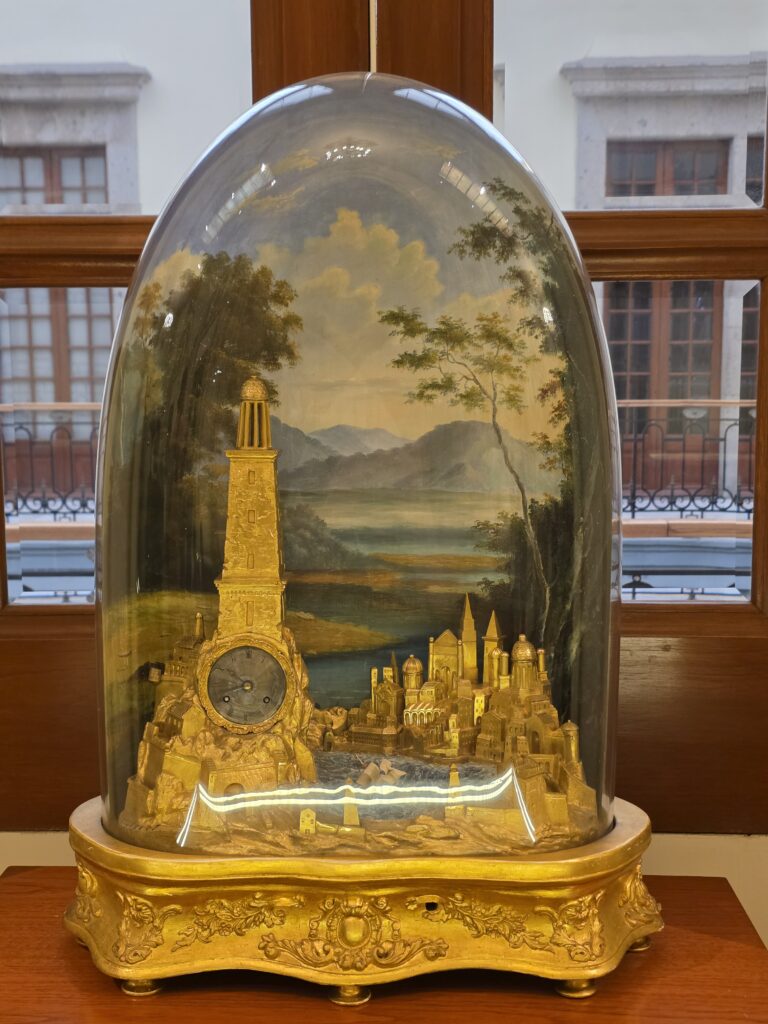
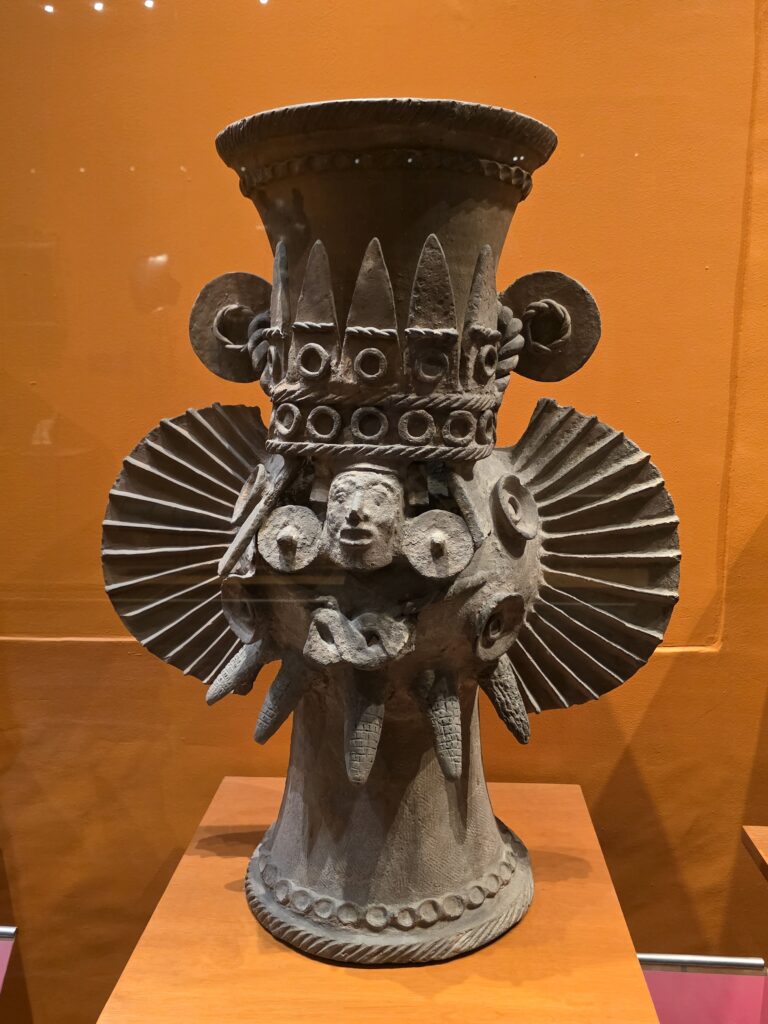
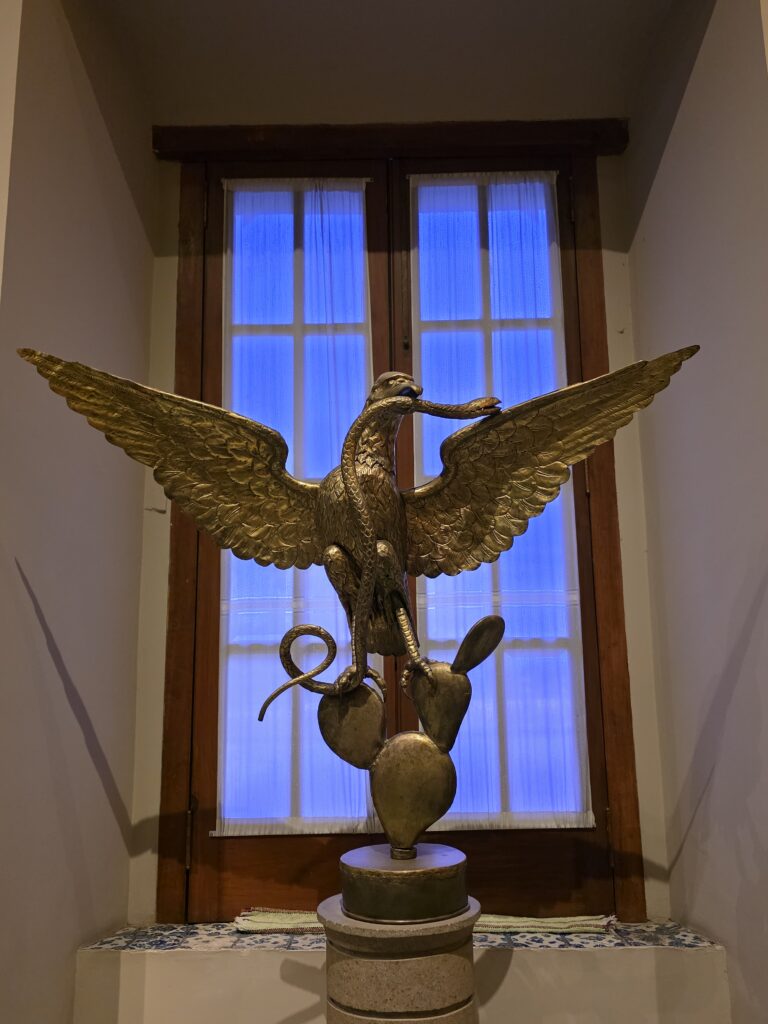
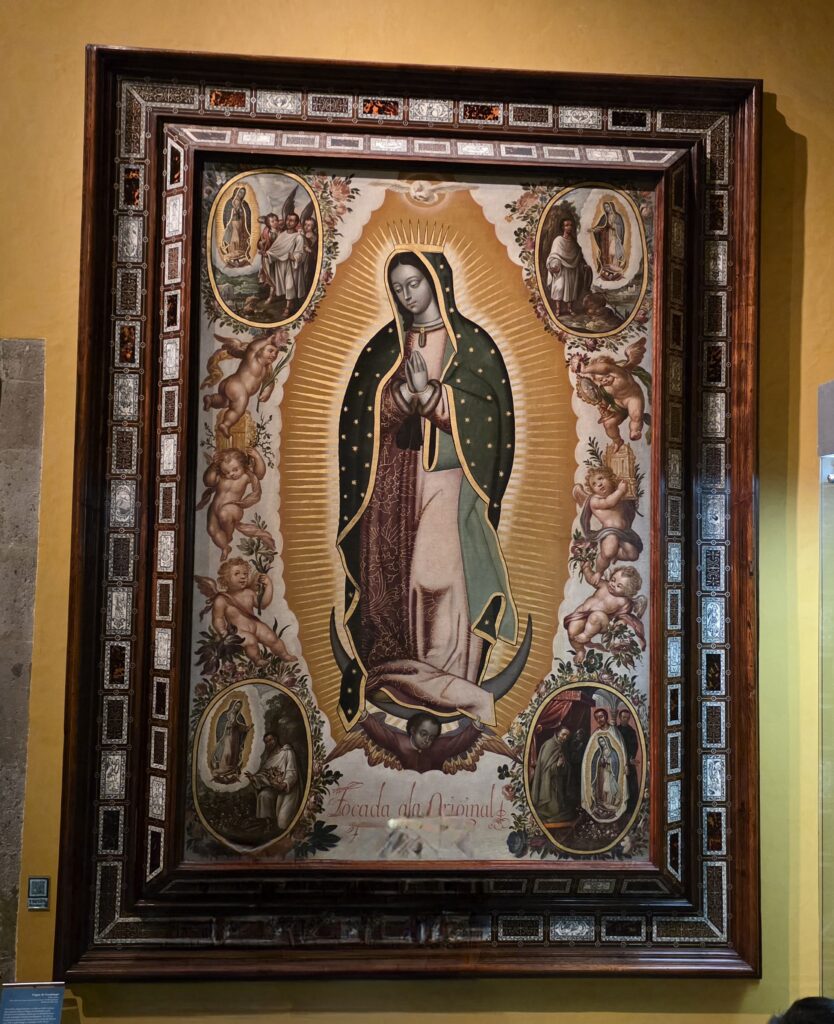
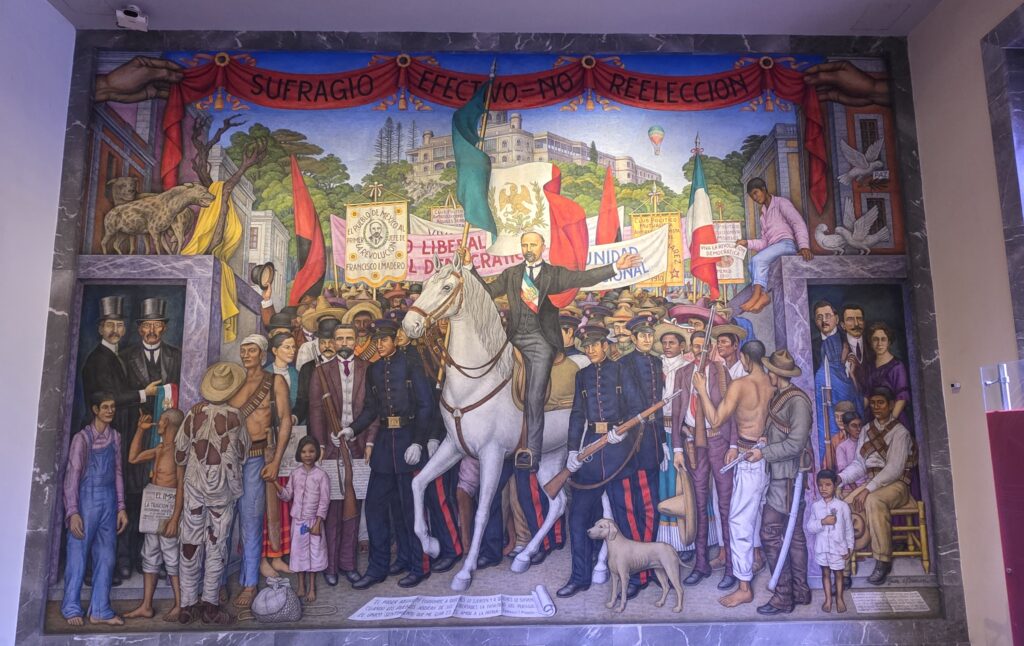
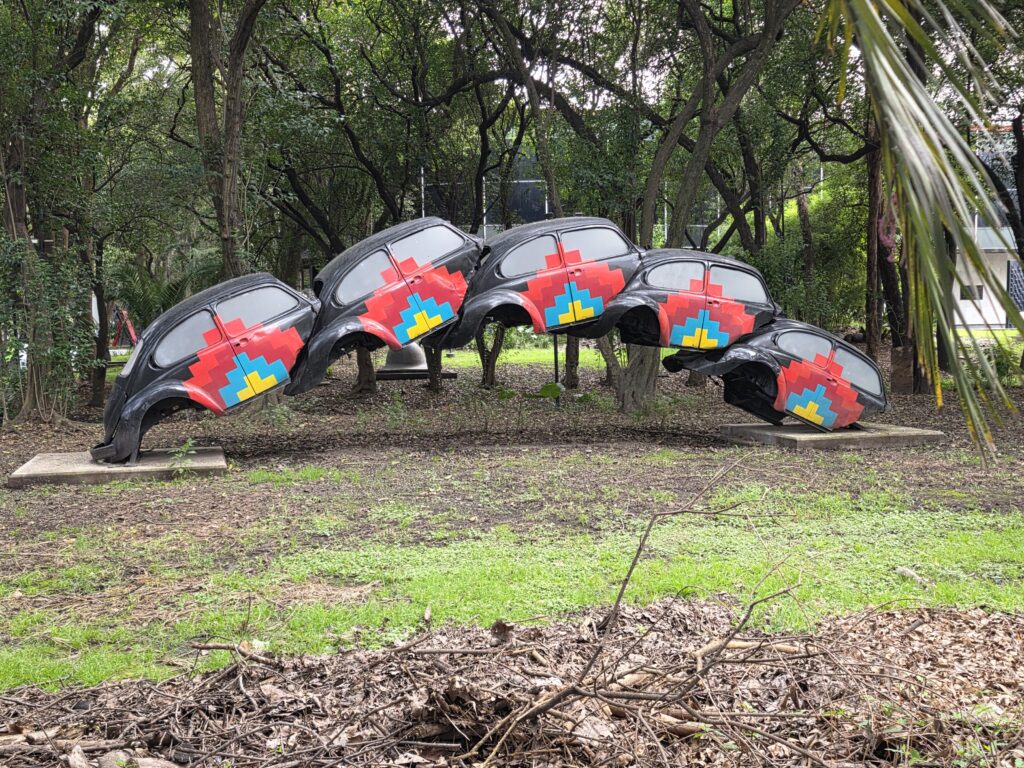
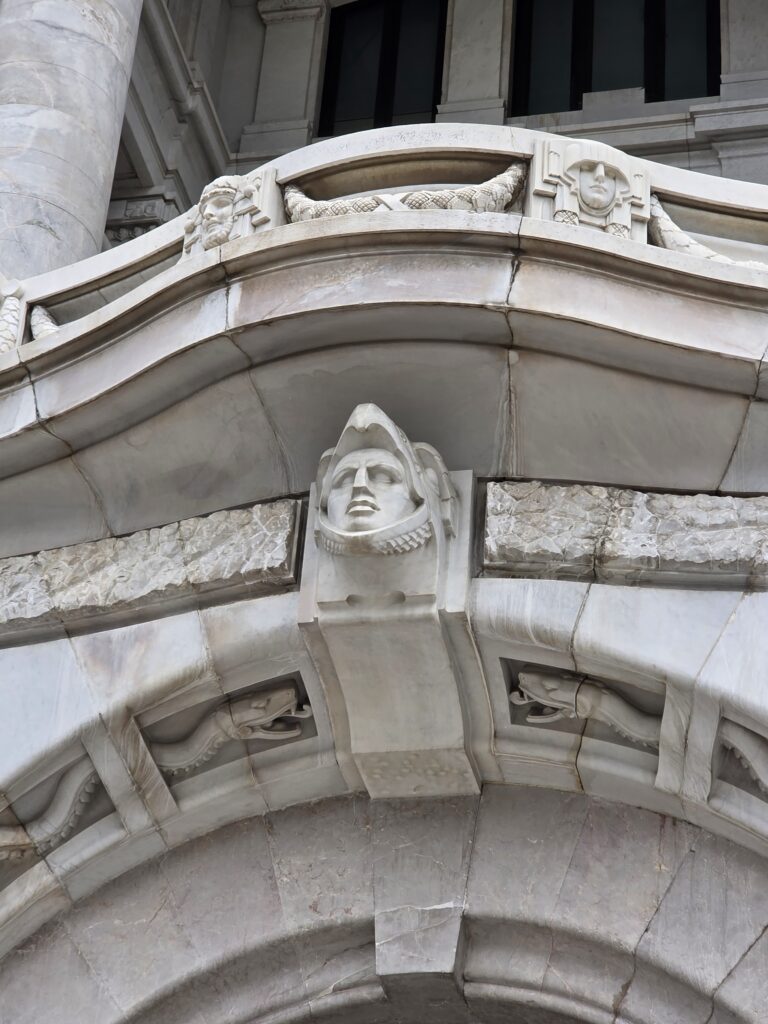
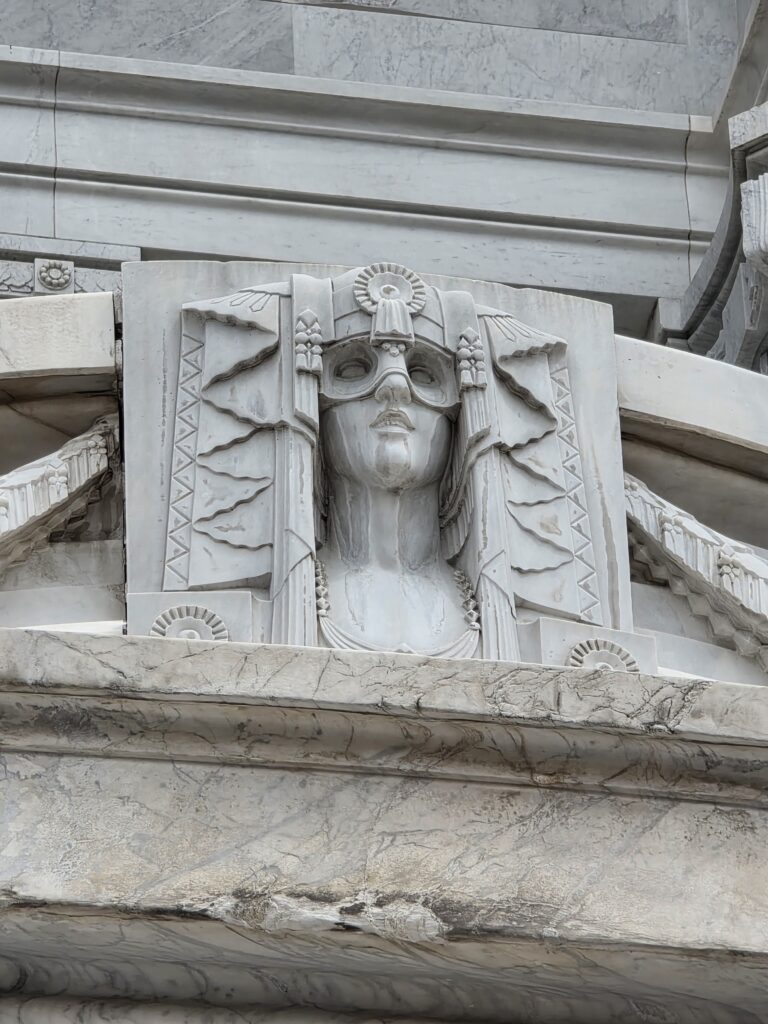
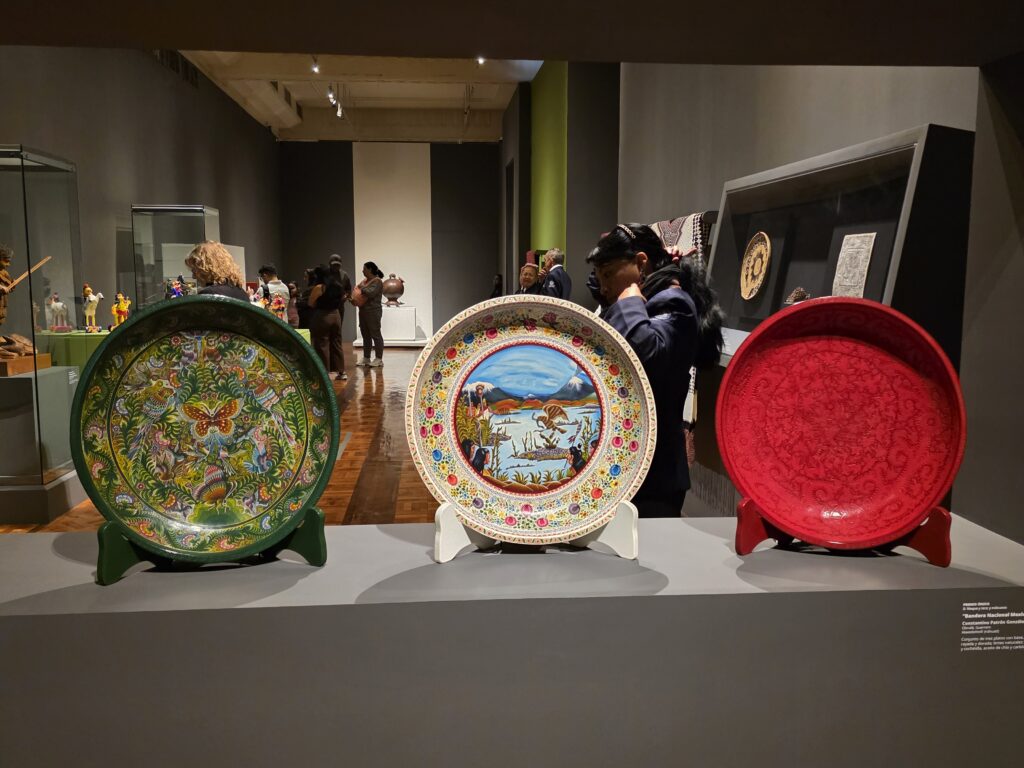
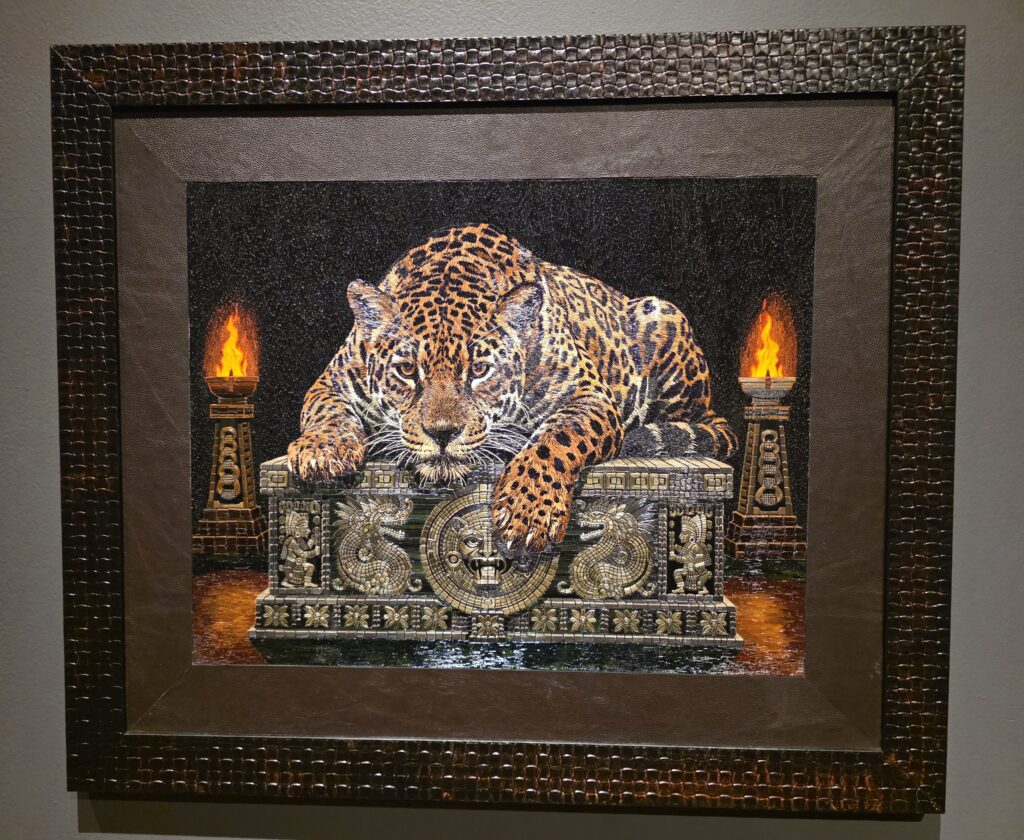
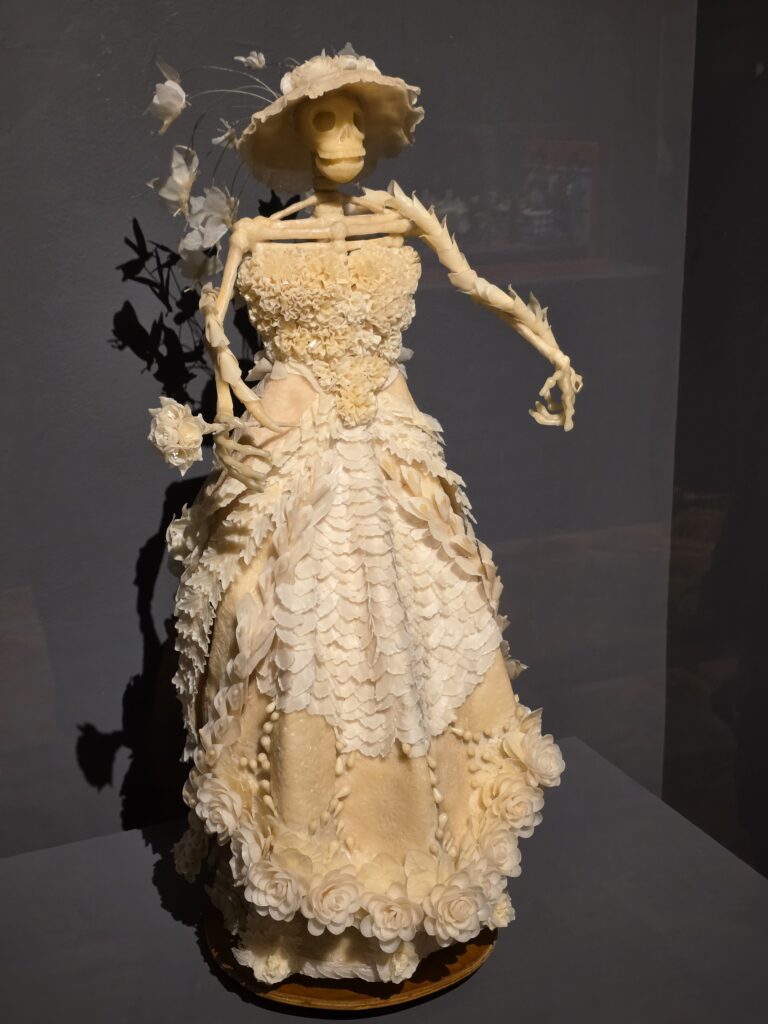
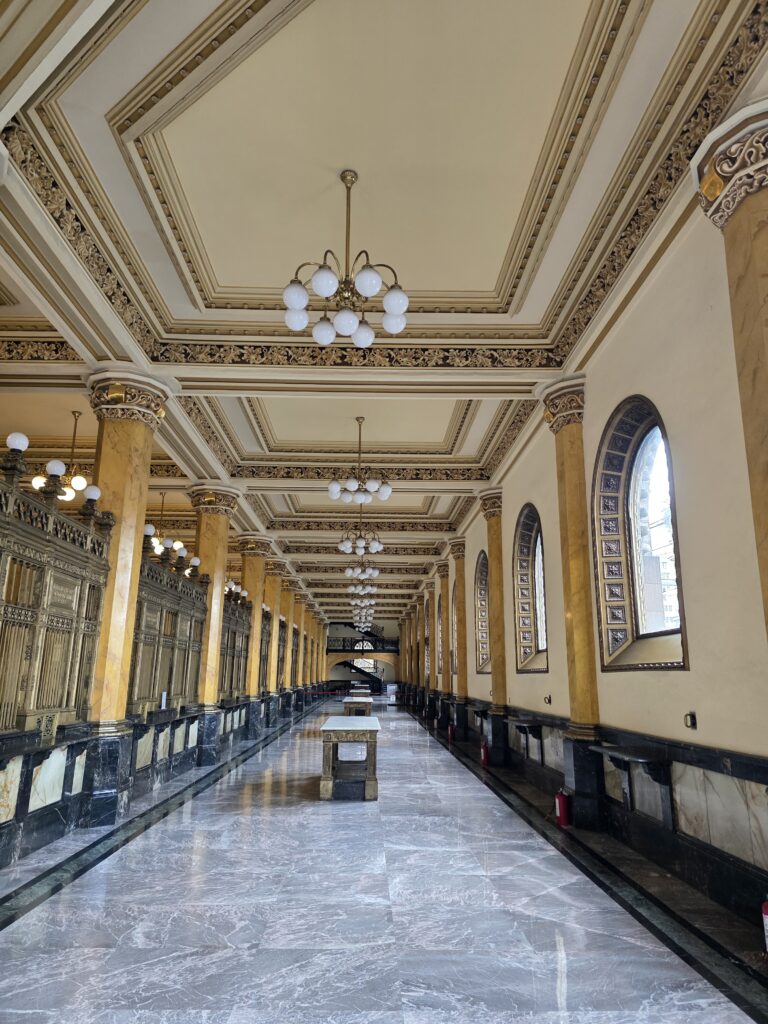
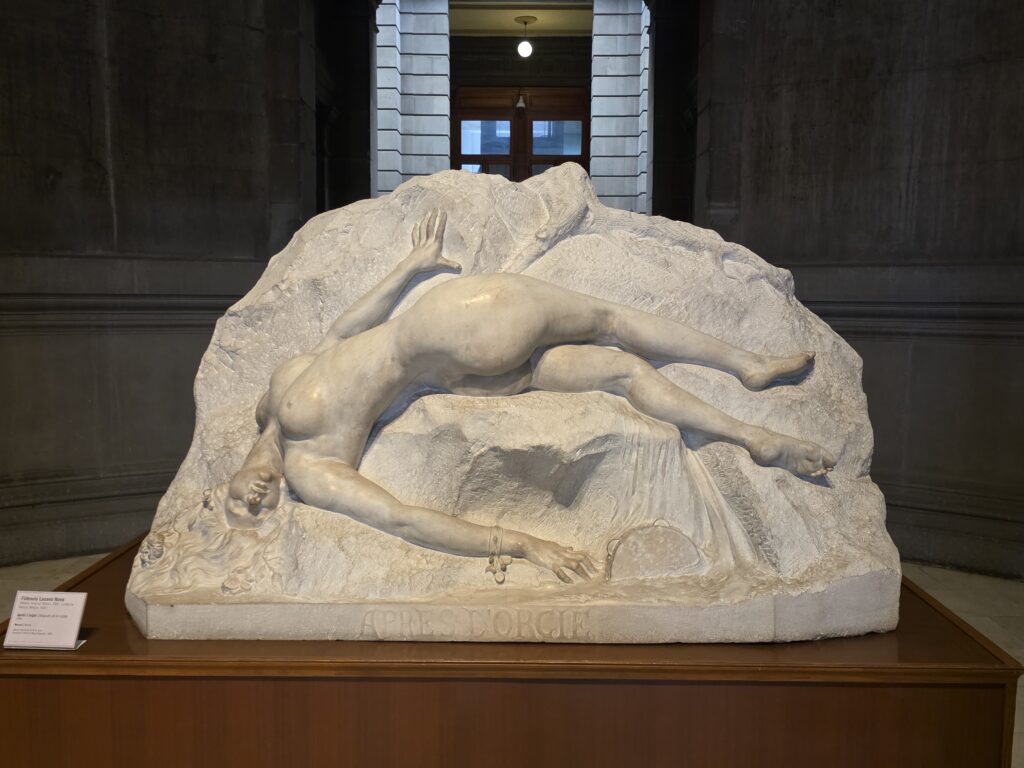
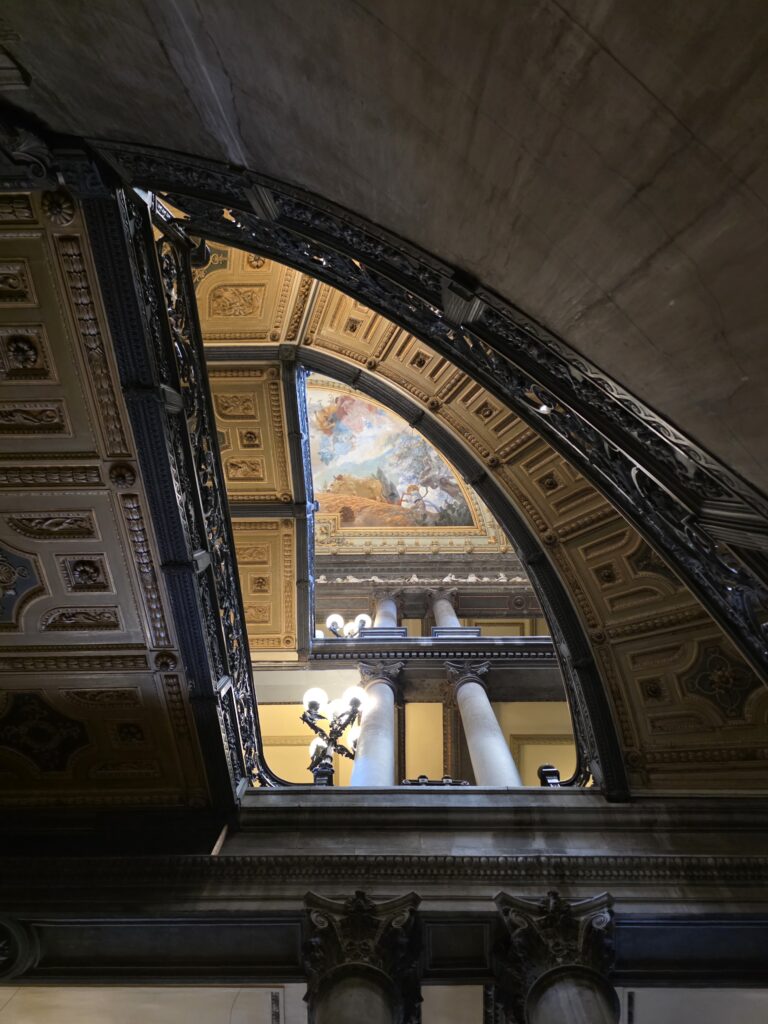
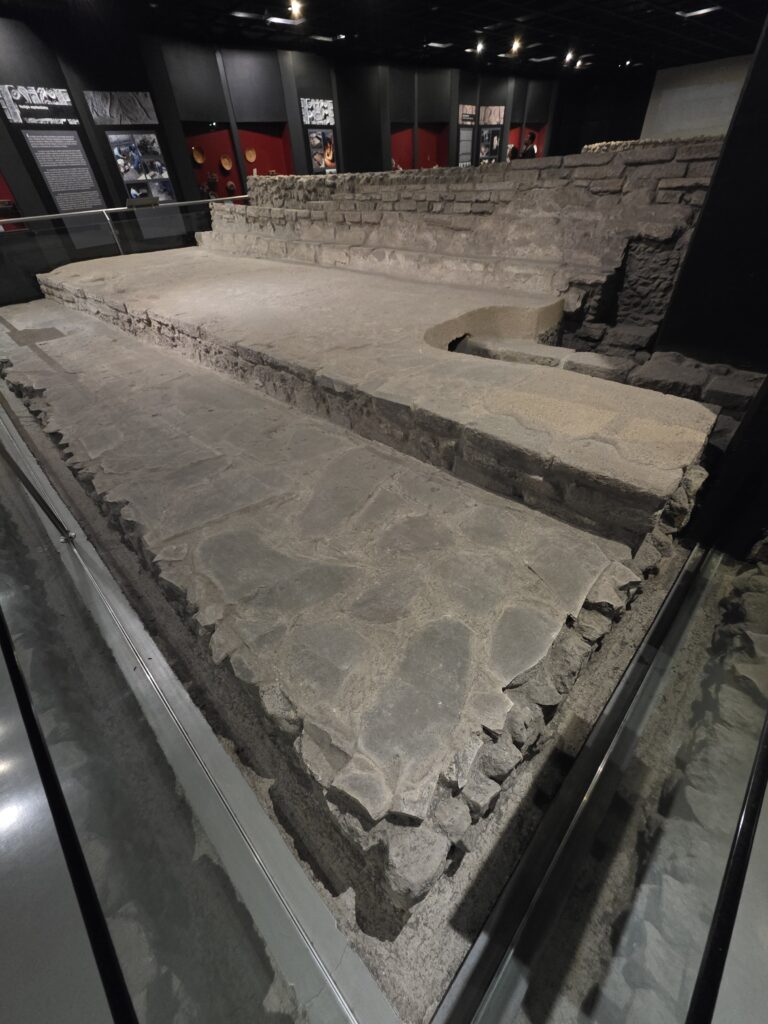
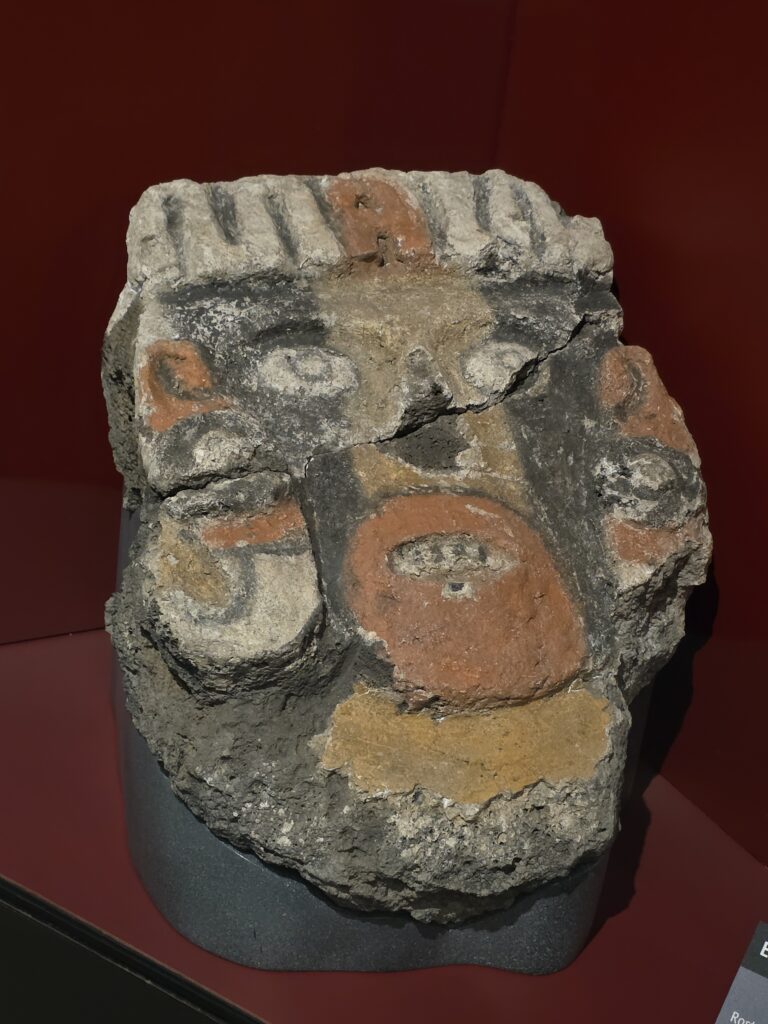
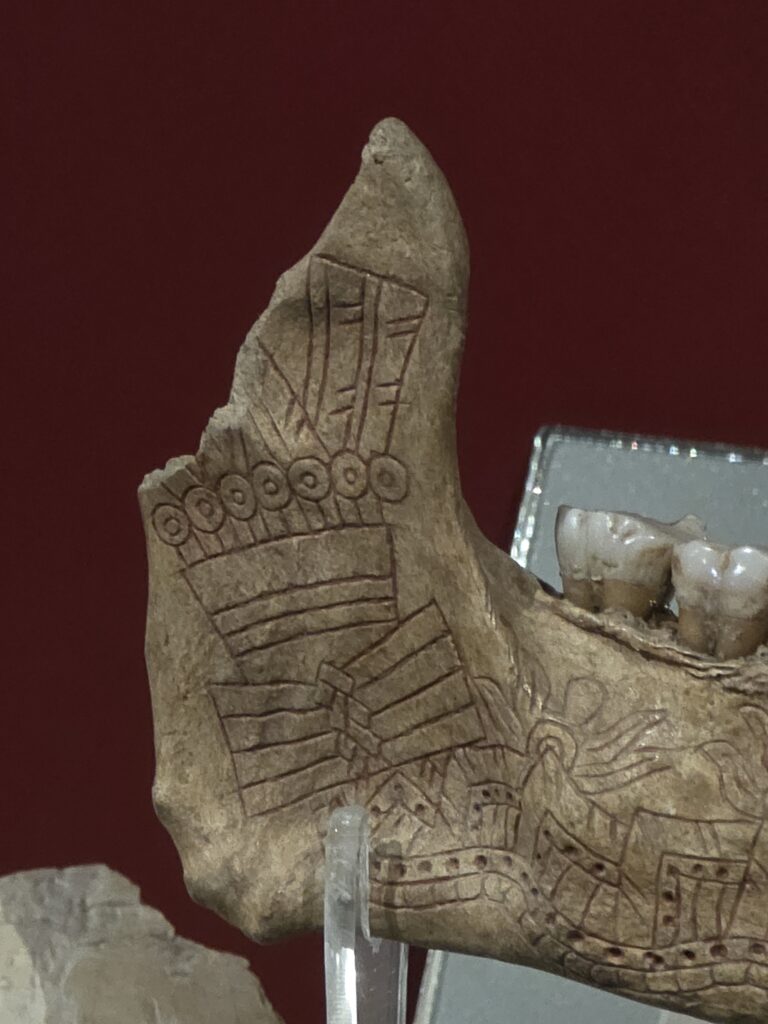
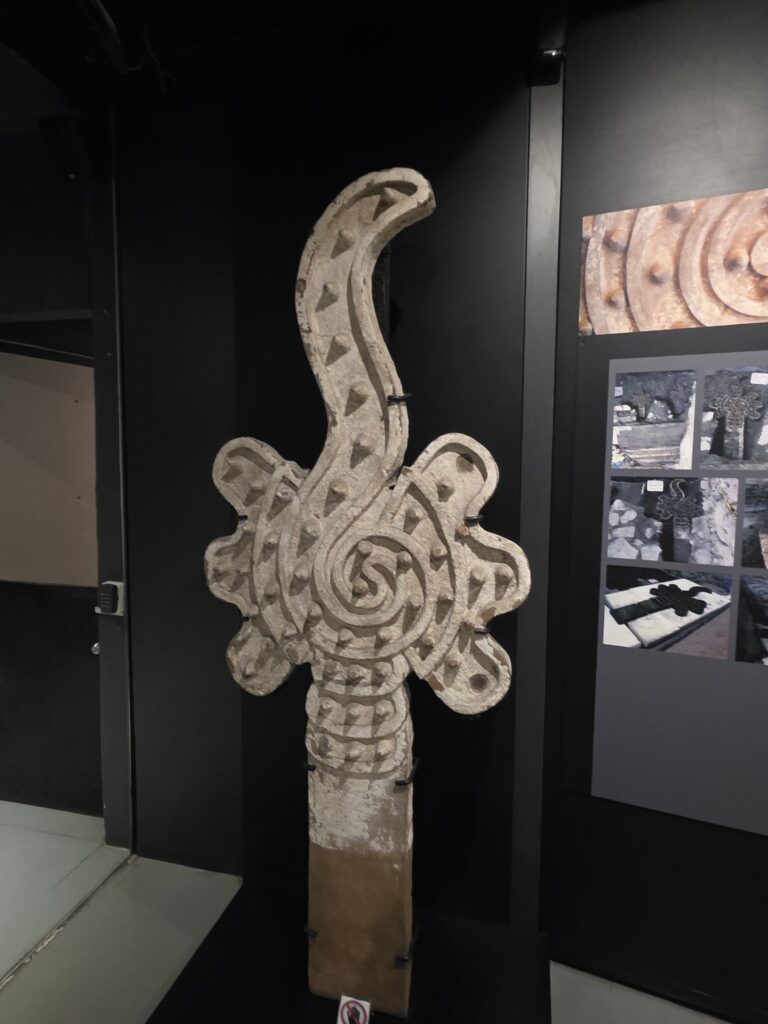
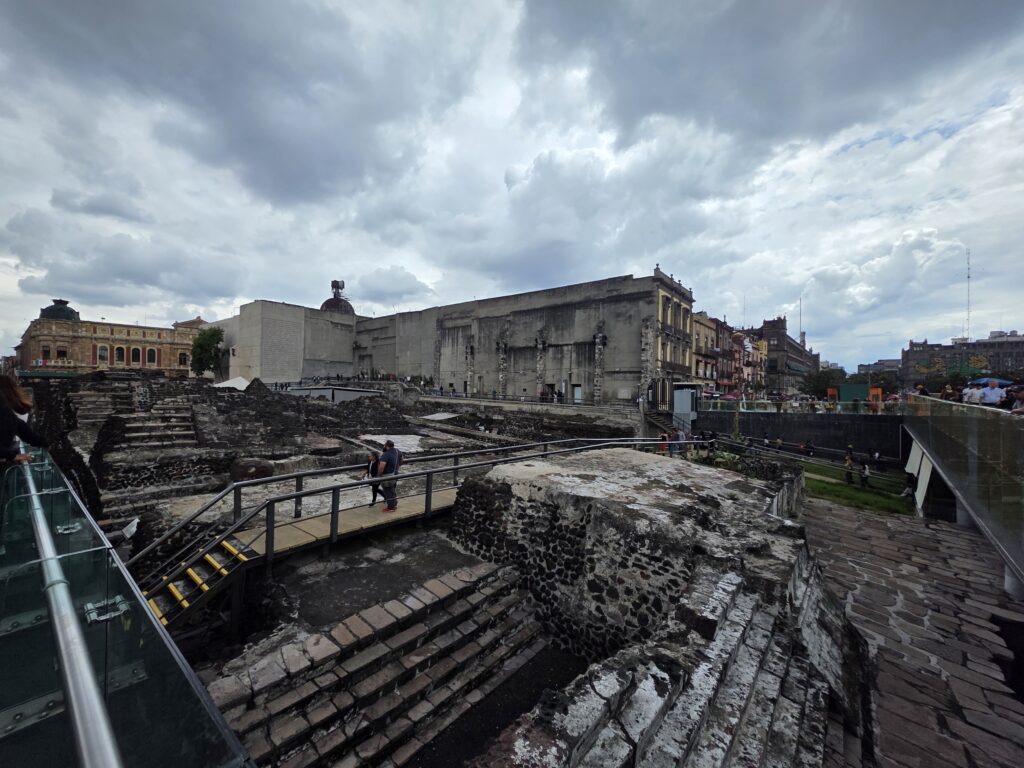
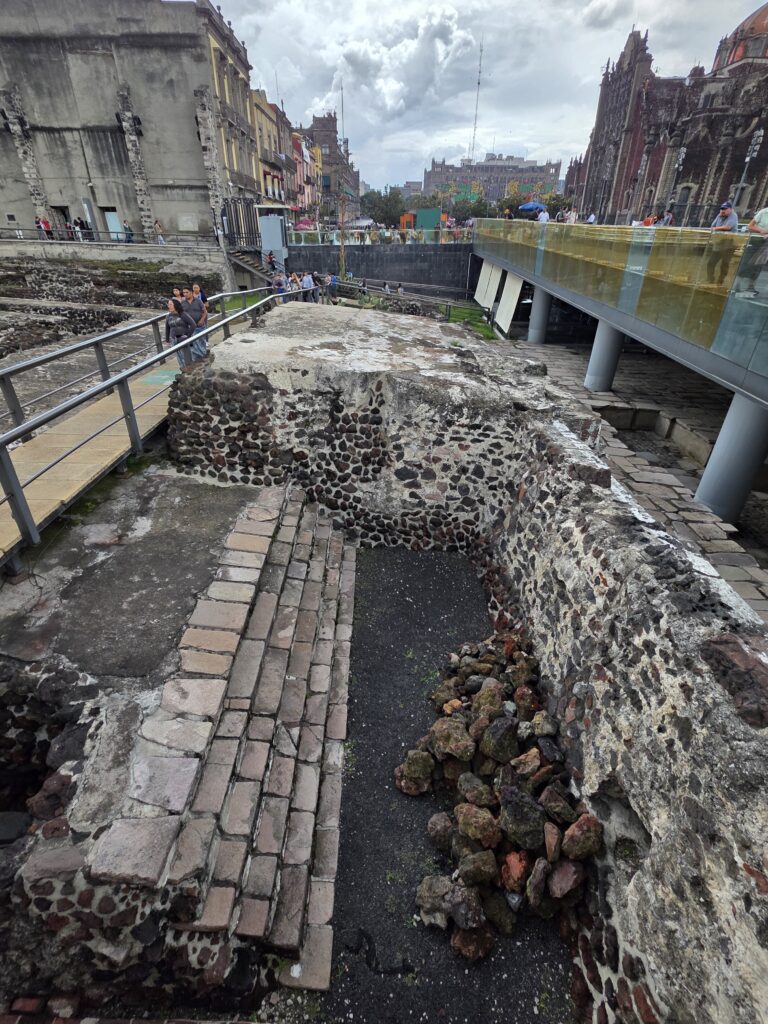
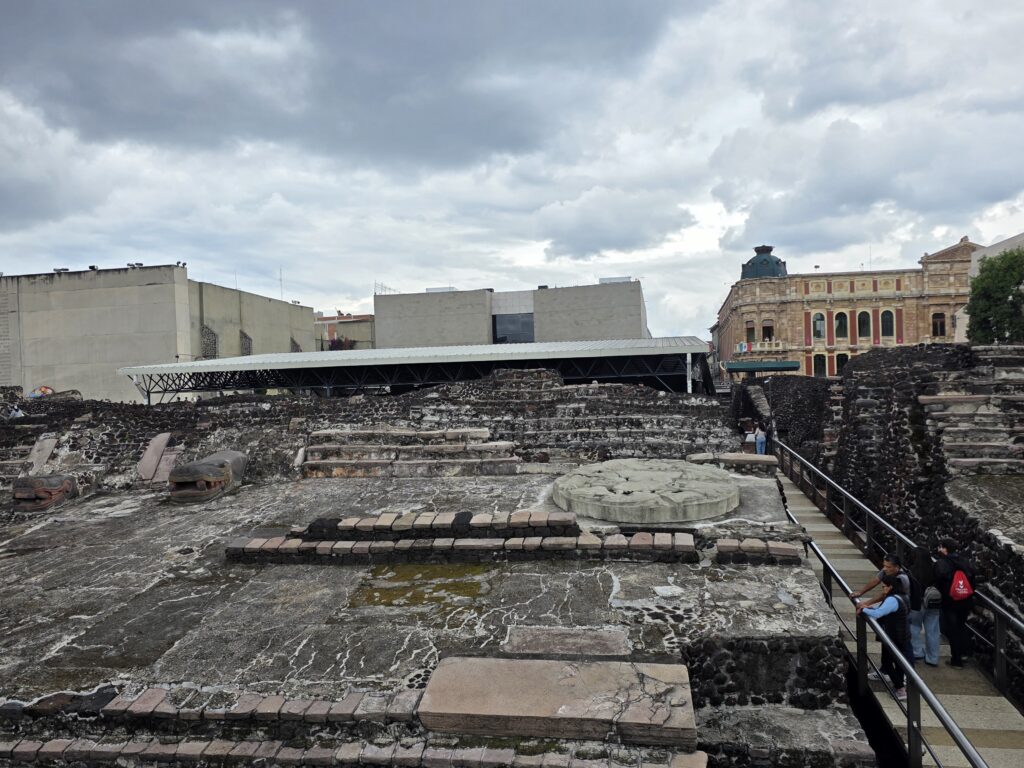
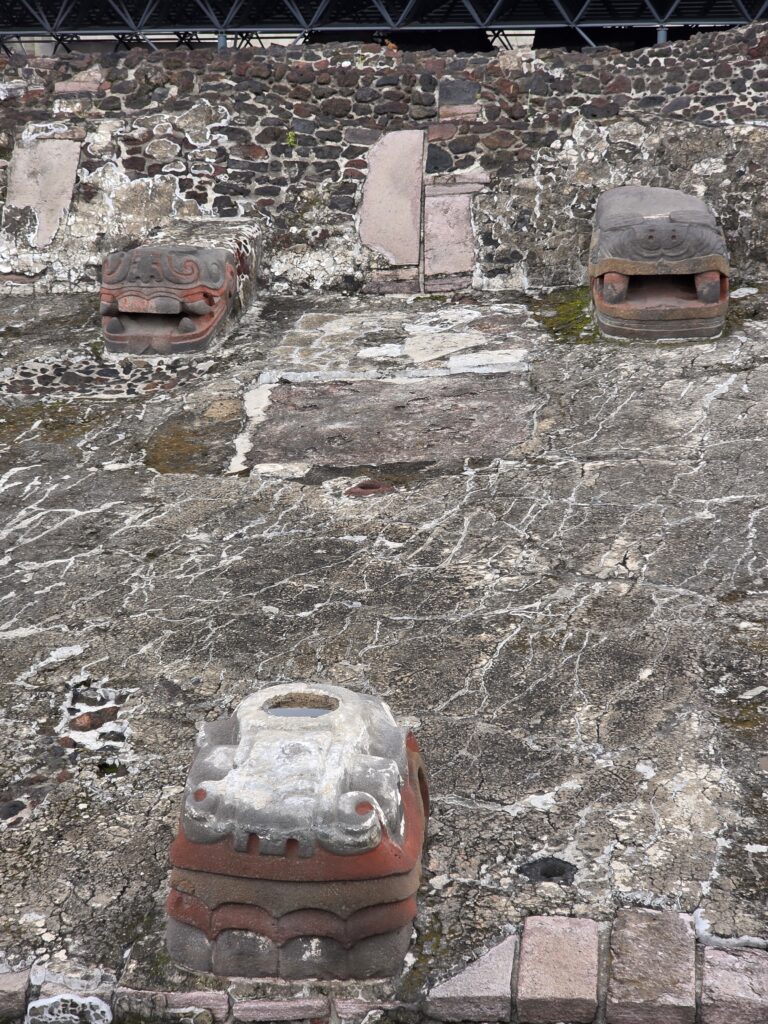
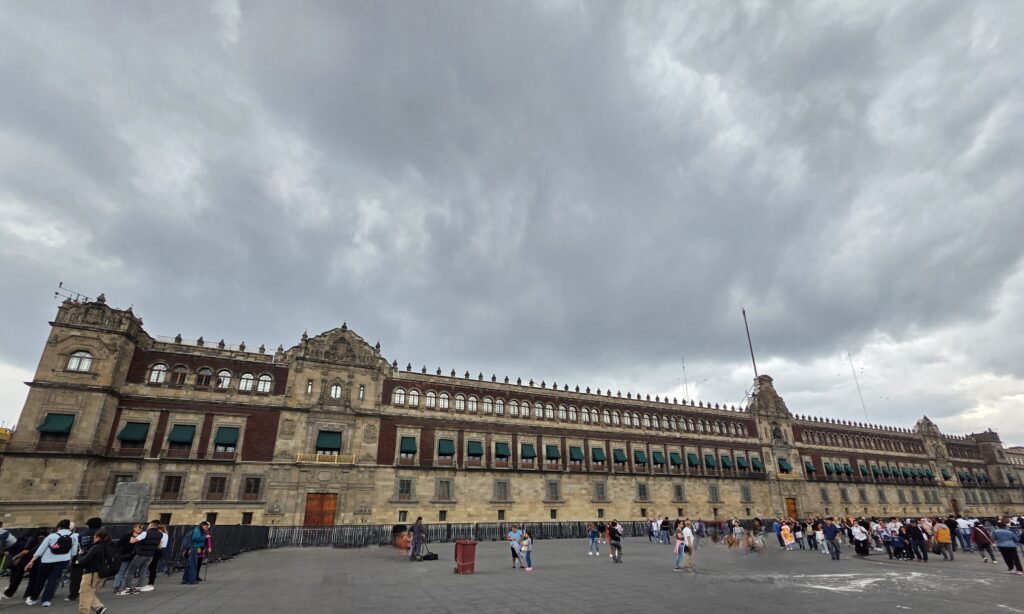
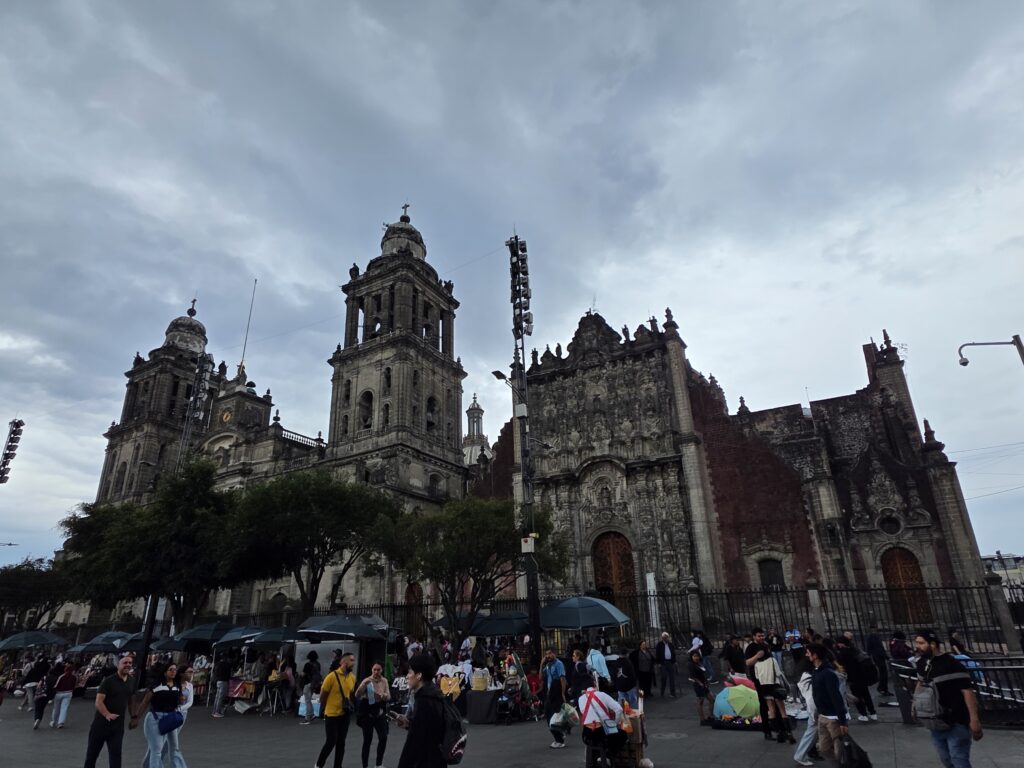
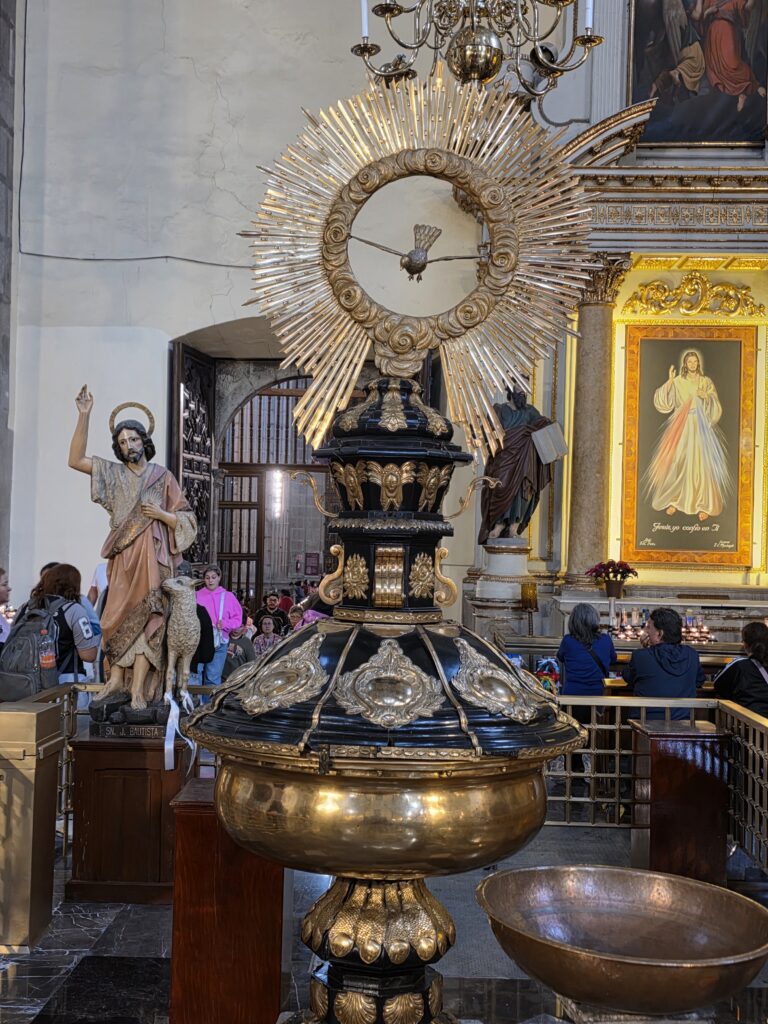
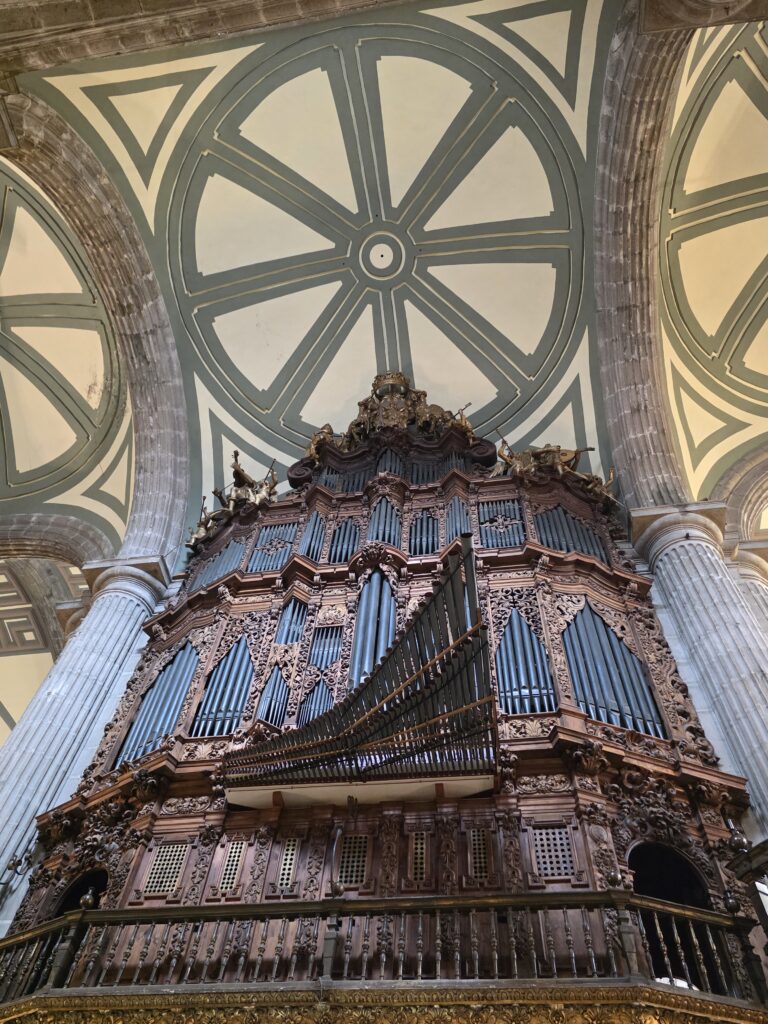
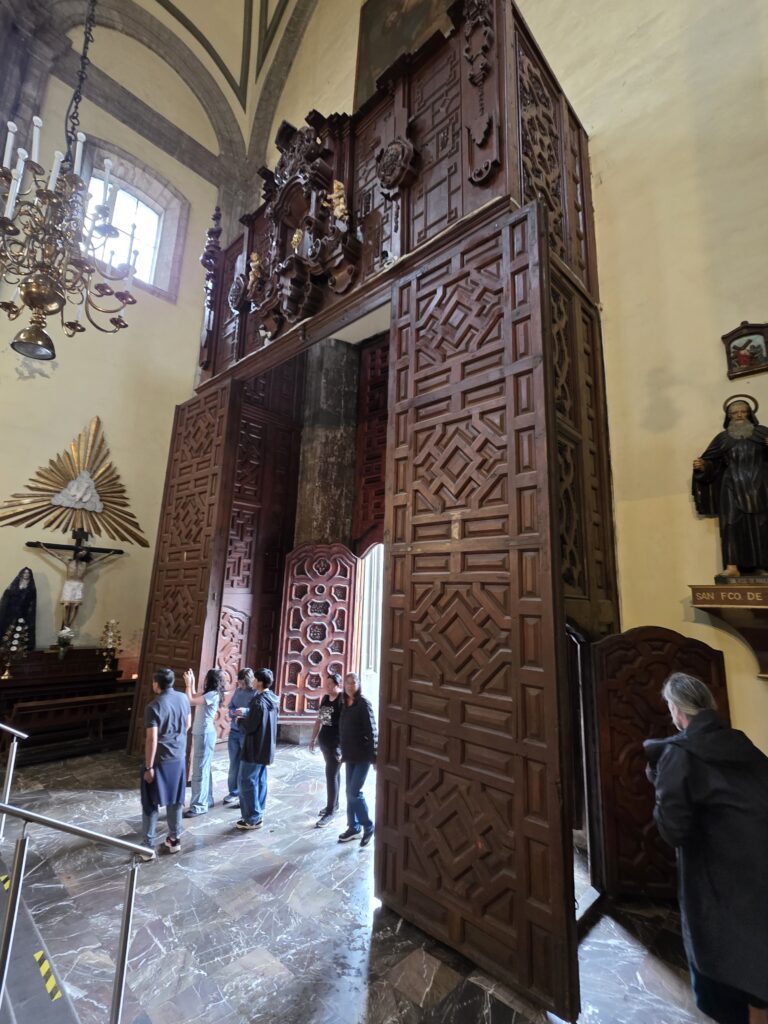
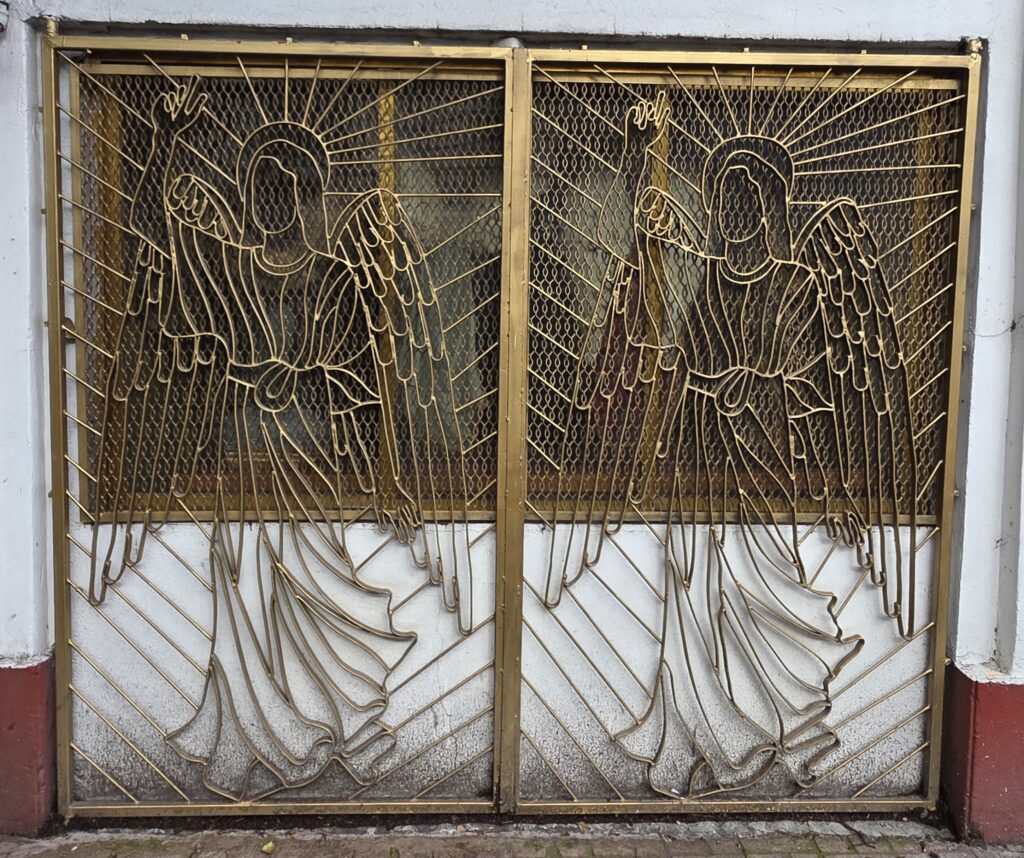
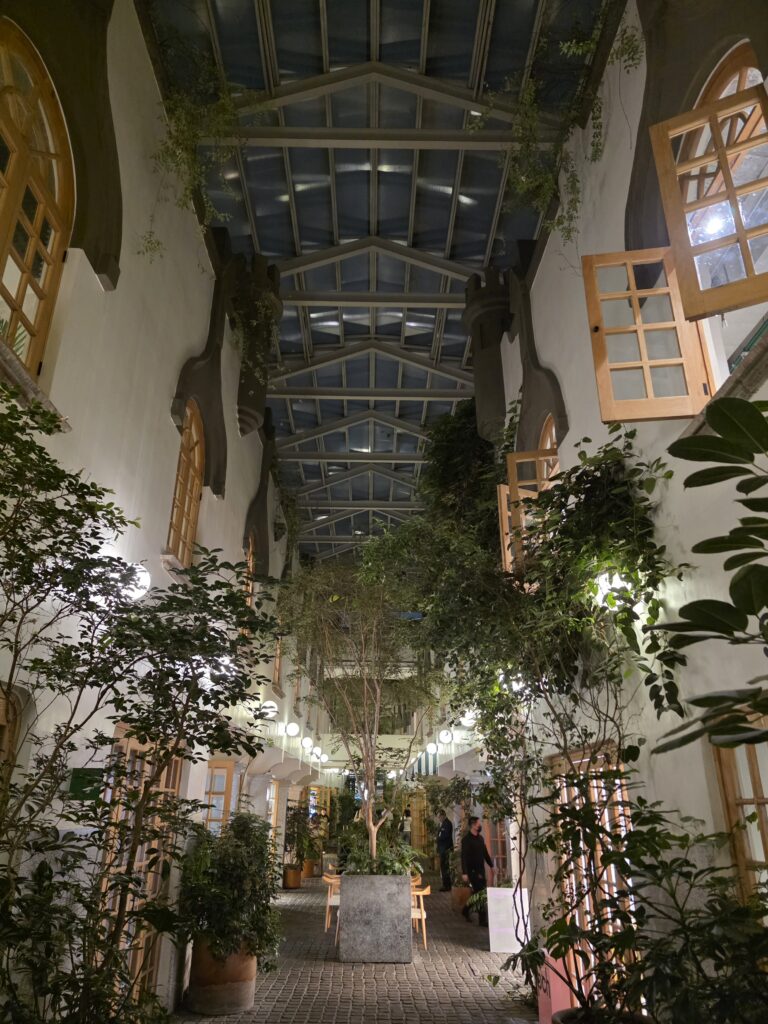
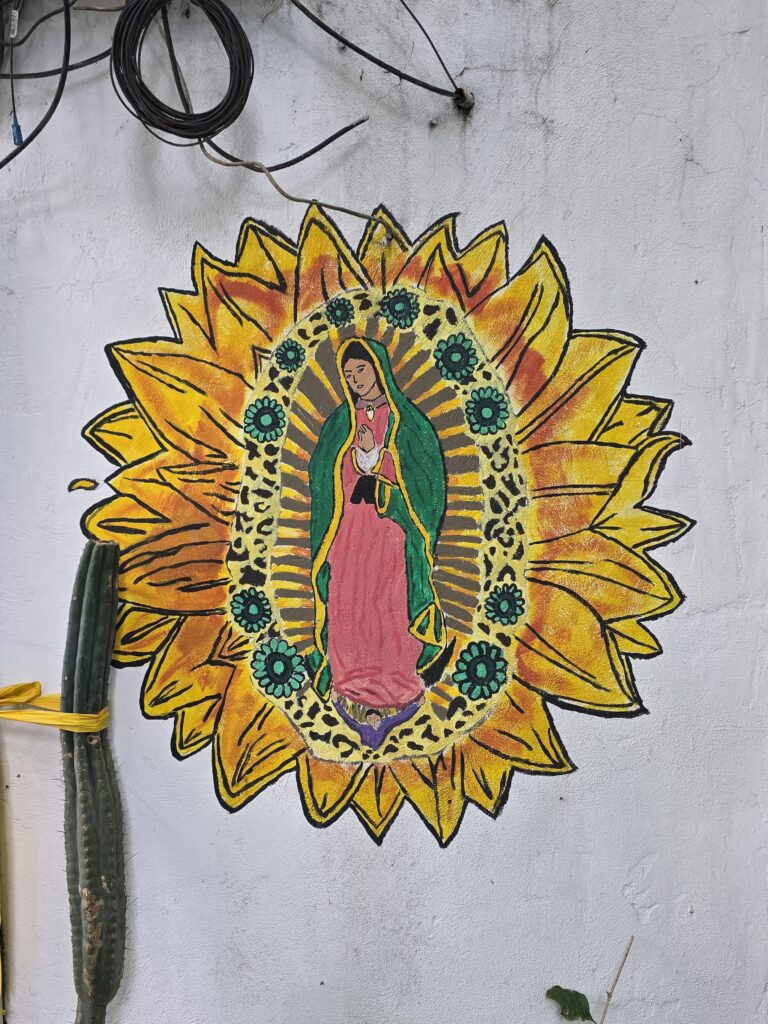
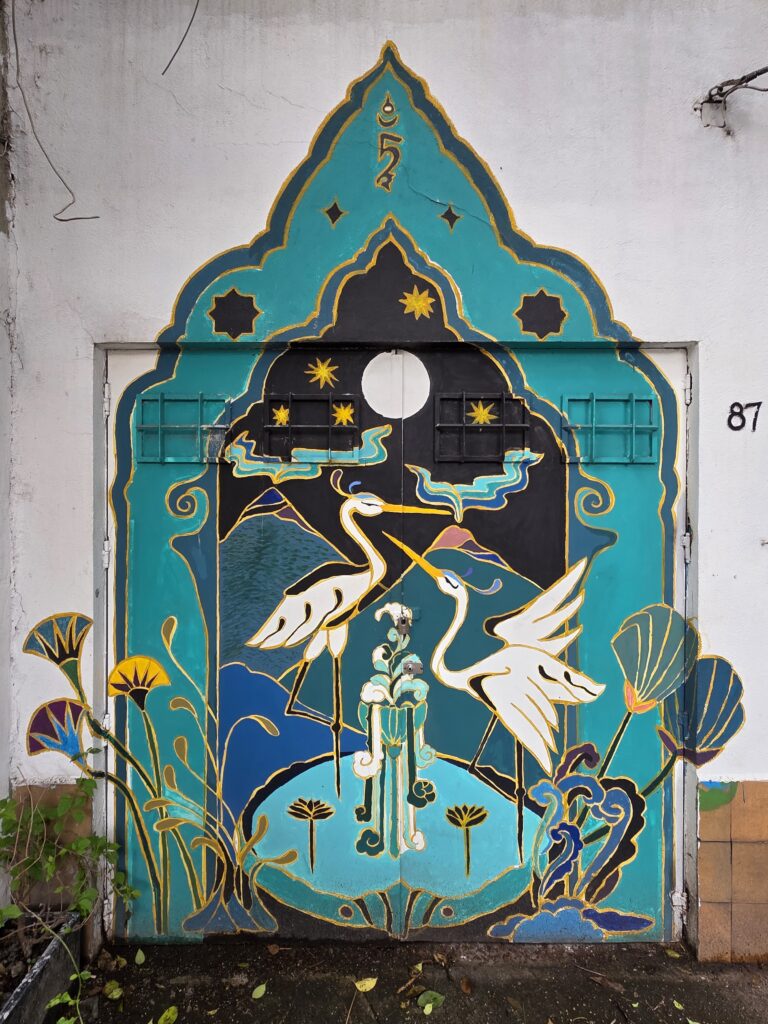
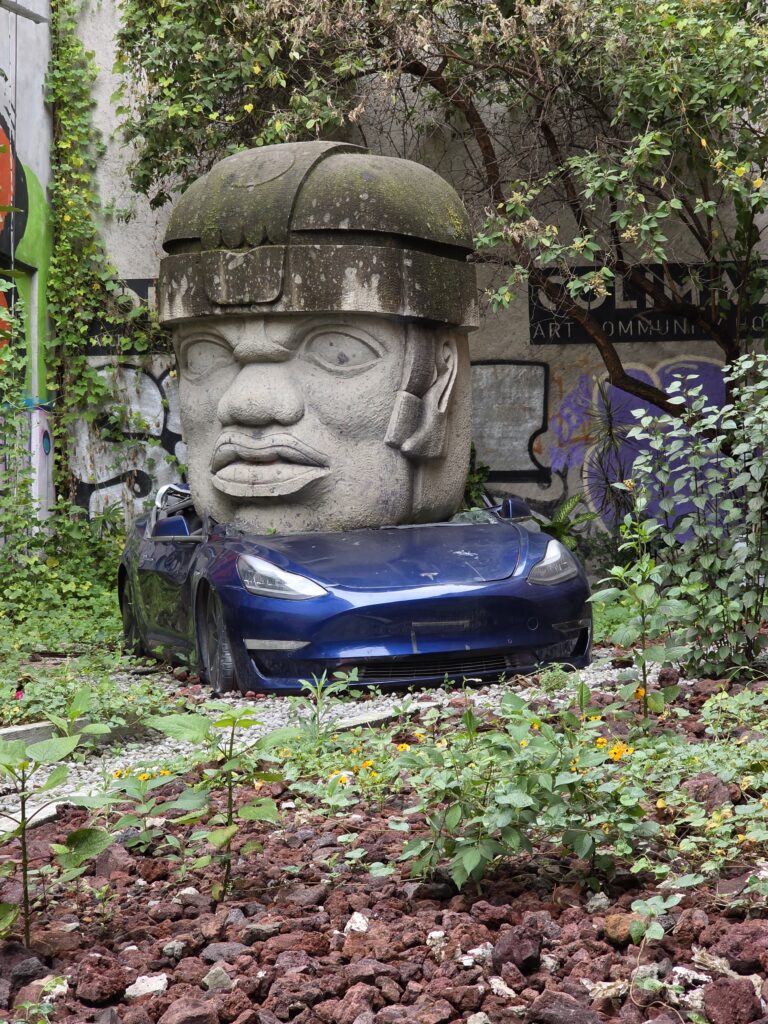
Our amazing tour guides teaching us about Lucha Libre.Our amazing friends from Georgia! We were given these masks as our “free” gift and they were quite a hit!It was hard to not feel the energy once we were inside the arena. Can you tell? The opening bout or “lucha”.I only took videos of the female championship match so here are a couple screenshots. That is Persephone in green. She is the reigning female champion for the CMLL, which stands for Consejo Mundial de Lucha Libre, which translates to World Wrestling Council. You can see her on Antoni’s “Best of the World” episode in Mexico City. One of the many beautiful pedestrian boulevards in our neighborhood of Condesa. On our way to Bosque de Chapultepec (Chapultepec Park).Great-tailed Grackle. “Baños de Moctezuma (Moctezuma’s Baths) are a pre-Hispanic stone water reservoir and hydraulic structure located in the First Section of the Bosque de Chapultepec in Mexico City. Original Purpose: Built in the 15th century (part of an ancient system designed with help from figures like Nezahualcóyotl), the stone basin was actually a water storage container and spring-fed distribution box (caja de agua) that supplied fresh water to nearby fields, estates, and eventually colonial-era haciendas like La Condesa”“Tribuna Monumental” which honors the Mexican Air Force’s Squadron 201 and the Mexican Expeditionary Air Force that fought on the Pacific front during WWII.”This is an outdoor stone grotto shrine dedicated the Virgin of Guadalupe (Our Lady of Gudalupe) in Bosque de Chapultepec.“Fuente de la Templanza” Feel free to read more about the history of this fountain here: https://mexicocity.cdmx.gob.mx/venues/fuente-de-la-templanza/First views of Chapultepec Castle from below. A beautiful Angel’s Trumpet tree. Taking in the views as we hike up to the castle. This is Aztlán Feria de Chapultepec. One of the biggest Mexican Flags I’ve ever seen! Located at Campo Marte. The intricately designed gates to the entrance of Chapultepec Castle.Chapultepec Castle.Another grand entrance. “Juárez, símbolo de la República frente a la Intervención francesa” (Juárez, Symbol of the Republic Against the French Intervention) was painted in 1972 by Mexican artist Antonio González Orozco and is located inside of the Carriage Hall. This is the “daily-use carriage” of Emperor Maximilian I and Empress Carlota. Carriage of Emperor Maximilian of Habsburg. This room reminds me of where you can see all the “Popemobiles” at the Vatican. The details inside of Chapultepec Castle were incredible from the ceilings…to the floors. The Salón Fumador (Smoking Room).The building on the left is Chapultepec Uno R509 ( housing The Ritz-Carlton) located on Paseo del a Reforma. The building on the right is Torre BBVA which I feel looks like it has slides built in between some of the floors which, if that is in fact what they are, is simultaneously amazing and terrifying! The pillars in the foreground are the Altar a la Patria (aka El Monumento a los Niños Héroes)The statue in the middle of Paseo de la Reforma is called Monumento a la Independencia) Angel of Independence. Fuente del Chaupulin (Grasshopper Fountain. This elevator, “built and installed around 1900 during the Porfiriato era, is considered one of the first and oldest elevators in Mexico City.” This pic is for my brother-in-law. 😉This beautiful stained glass is in the Staircase of Honor. View from the upstairs. Galeria de Emplomados (Hall of Leaded Glass)Caballero Alto (High Knight).Alegoría de la Revolución Mexicana (Allegory of the Revolution) painted in 1933 by Eduardo Solares Gutiérrez.La intervención norteamericana (The North American Intervention) painted in 1970 by Gabriel Flores Garcia. “The artwork dramatically portrays the 1847 U.S. invasion of Mexico and the defense of Chapultepec Castle, famously featuring a falling figure wrapped in the Mexican flag to symbolize the Niños Héroes (Boy Heroes) and the resistance of the Military Academy cadets.”“Equestrian Portrait of Viceroy Bernardo de Gálvez” Who was a Spanish military leader, governor of Louisiana and Viceroy of New Spain. Painted in 1786 is a collaborative piece by Fray Jerónimo (who painted the face and hands in oil) and Fray Pablo de Jesús (who executed the intricate calligraphic line work). So much incredible art in this museum!I thought this 19th-century French architectural table clock was pretty spectacular!This is a “pre-Hispanic anthropomorphic “theater-style” censer or brazier that was used in elite or funerary contexts to burn sacred resins like copal.”This sculpture is a representation of the foundational Aztec legend of Tenochtitlan, which also forms the central emblem of the Mexican flag and national coat of arms. This beautiful rendition of “The Virgin of Guadalupe” was painted by Tomás Julián in the late 17th century. “El Retablo de la Revolución (Sufragio efectivo, no reelección) Was painted by Juan O’Gorman in 1968 and depicts the March of Loyalty of February 9, 1913, showing President Francisco I. Madero on horseback accompanied by military cadets as he left Chapultepec Castle toward the National Center to confront the armed uprising during the Mexican Revolution.”“Zapata, 100 años” Created by David Camorlinga to commemorate the centennial legacy of the Mexican revolutionary leader Emiliano Zapata.This sculpture is of the Feathered Serpent was on the staircase as we were leaving Chapultepec Castle. As you can see I had a VERY hard time filtering what images to share from this visit and these are still only a fraction of them! Another view of the Ferris wheel from above with some beautiful “God Light”, skyline, and mountains in the background. El Monumento a los Niños Héroes from the ground. Saw this cool sculpture through the fence of the Sculpture Garden at the Museum of Modern Art after our visit to the castle. It is called “Beetle Bridge” and is by Mexican visual artist Betsabeé Romero. I definitely think that this would be a museum worth visiting. Sunday, October 4th’s walking tour of the Centro Histórico started at Palacio de Bellas Artes. Our guide explained that the “Italian architect, Adamo Boari, basically had free reign in his designing of the outside of the building. He started the project in 1904 in the Art Nouveau and Neoclassical styles, and the Mexican architect Federico E. Mariscal, who completed the building in 1934 with an Art Deco interior.”The “free reign” included his girlfriend at the time… and his dog. Inside of the museum, which wasn’t open when we visited the weekend prior, was a special exhibition highlighting the best artists from around México. This is the 13th year that they have had the “contest” and here are some of the winners. These are wooden trays or bartea, featuring a hand-painted scene of the Mexican flag, volcanoes , and an eagle. They were created by Constantino Percho González who is from Guerrero, Mexico. “Mirada Ancestral” (Ancestral Gaze) is created by artistic duo ONKA. It is meticulously crafted using popotillo (straw art) which is a Pre-Hispanic Mexican technique where dyed wild grass straws (sacapixtle) are individually cut and pressed onto a surface layered with beeswax and resin.” I cannot even imagine how long it took to create this!Can you guess what this incredible piece is made of??? WAX!!! “The technique is called cera escamada (flaked or scaled wax), a traditional Mexican cereria (waxwork) technique where hundreds of tiny, individually molded and stamped sheet of pure beeswax are layered onto a rigid reed framework (carrizo).” This piece is called “La Catrina” and is by Maria Salazar Gutiérrez who is from Jesús María, Jalisco. The incredible interior hallway of the Postal Palace. Après l’orgie (After the Orgy) created in 1909 by Mexican sculptor Fidencio Lucano Nava located in the lobby of the National Art Museum (MUNAL).The amazing layers, staircases and details inside of MUNAL.Meteorite “Chupaderos” is the biggest of the meteorites in the collection was discovered in Jimenez, Chihuahua, Mexico. El Callejón de los Libreros offers an excellent depiction of a “sunken” street and curved balconies. It makes sense since the original capital was built on a lake. The beautiful Talavera tile facade of Casa de los Azulejos (House of Tiles) is an 18th-Century Baroque palace. Also where the original Sanborns restaurant is located.The inside of the house. This was once a private residence!Calle Tacuba from one of the balconies. “Built in the 14th century (around 1377–1389) as the Tlacopan causeway, it connected the island city of Mexico-Tenochtitlan to the mainland west”.The exterior wall, Capilla de Balvanera (Balvanera Chapel) of the San Francisco de Asis Convent. The entrance to the chapel. You can see here the difference between the old and new materials that were used the build the chapel. You can tell the stones above the line, were taken from the original pyramids when they were destroyed by the Spanish, because of their purple hue. The inside of the Templo de San Francisco de Asis, rebuilt between 1710 and 1766.The Calmécac Site Museum is located in the basement of the Spanish Cultural Center. There you can see the ruins that were uncovered less than ten years ago when a parking ramp was going to be built on the site. “The Calmécac was the elite school in ancient Tenochtitlan where the children of the Mexica nobility (pipiltin) were trained to become priests, military commanders, judges, and supreme rulers (such as Emperor Moctezuma II). This structure discovered beneath Mexico City existed during the final decades of the Aztec Empire, with archaeologists identifying seven distinct construction phases built between 1486 and 1521″. SO cool!!! It makes you wonder how much more is buried underneath the buildings. Other items that were found during the excavation. Archeologists determined that this person was of nobility because of how well the teeth are intact. The mandible is said to be engraved as part of an elaborate sacred postmortem ritual. These designs were said to be part of the original architectural crown lining the upper edge or roof of the Calmécac building to decorate the facade. “This is the archaeological excavation site of Templo Mayor (Great Temple of Tenochtitlan). It served as the primary ceremonial and religious center of the Aztec empire in their capital city, Tenochtitlan. The double pyramid was dedicated simultaneously to Huitzilopochtli (god of war and the sun) and Tlaloc (god of rain and agriculture). The structure was originally built around 1325 and was rebuilt and enlarged multiple times over successive centuries before being largely destroyed by Spanish forces in 1521.”“The round stone on the right side is the Coyolxauhqui Stone. It depicts the Aztec moon goddess Coyolxauhqui in a dismembered state. It was accidentally uncovered on February 21, 1978 by electrical grid workers and triggered a full archaeological excavation of the Templo Mayor.”Palacio Nacional (National Palace) located on Plaza de las Constitución (El Zócalo). Also where the alejibres parade begins on Saturday.We finished our walking tour outside of the Mexico City Metropolitan Cathedral and were able to pop inside just at it started to rain. A baptismal font inside the Sagrario Metropolitano. The smaller chapel inside the cathedral. The epic 18th-century Gospel Organ was built by Jorge de Sesma between 1693 and 1695. A magnificent way to end the day! I can’t believe I’m only one week in picture wise. I’ve GOT to work on my filtering! Neighborhood delights. Why you have to pay attention while walking around the city!Librería Valladolid.Pasaje El Parián, located at Avenida Álvaro Obregón in Roma Norte, was a great place to get a break from the rain!Our Lady of Guadalupe. More beautiful street art. Ready for our Taco Tour!Stop #1: Tacos de Canasta (basket tacos) as seen on season 1 of Taco Chronicles on Netflix. Stop #4. This place uses flour tortillas instead of corn. I was sticking with the veggie options and had a delicious chili relleno taco here. Tacos not pictured tasted better than they looked. 😉“Neo Ta Memes (also known as Tesla Crushed by Olmec Head) by Chavis Mármol. “This piece contrasts ancient indigenous heritage with modern technology and contemporary capitalism”.Stop #5Beautiful presentation from the Mexican/Japanese fusion taco restaurant. Now it is time for a nap. 🙂Handshake Speakeasy. Dirty Martini.Mezcal Negroni. Such a cool place!My future Sacred Heart tattoo. My writing nook for the day. Glad the sun came out for it!