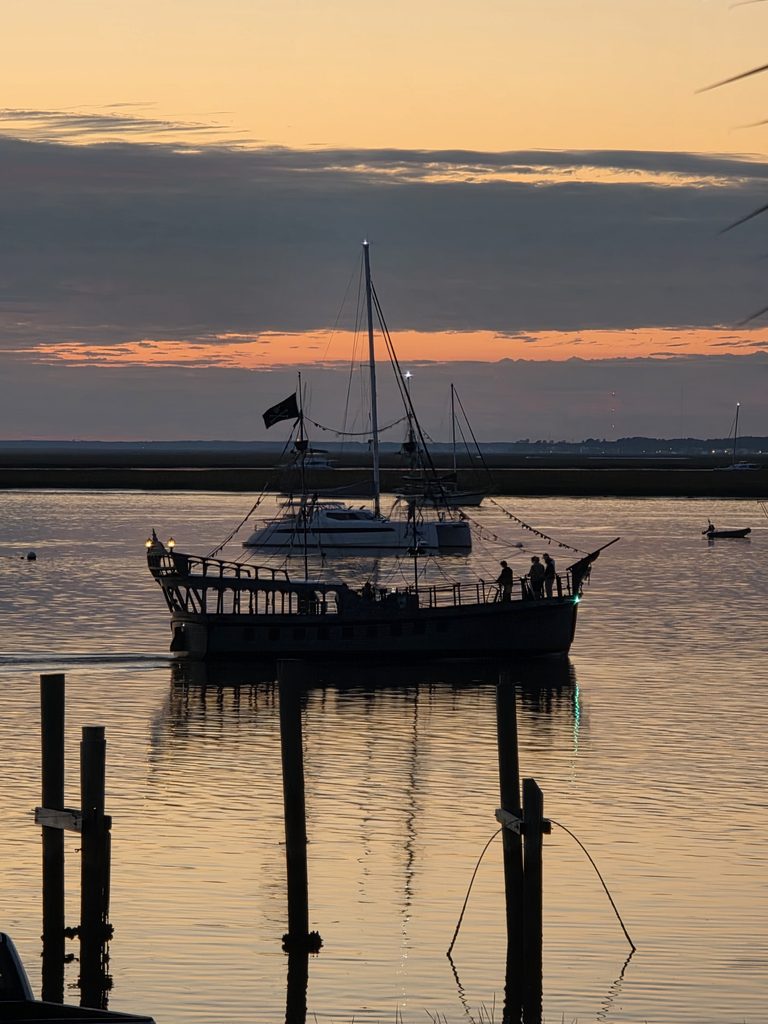
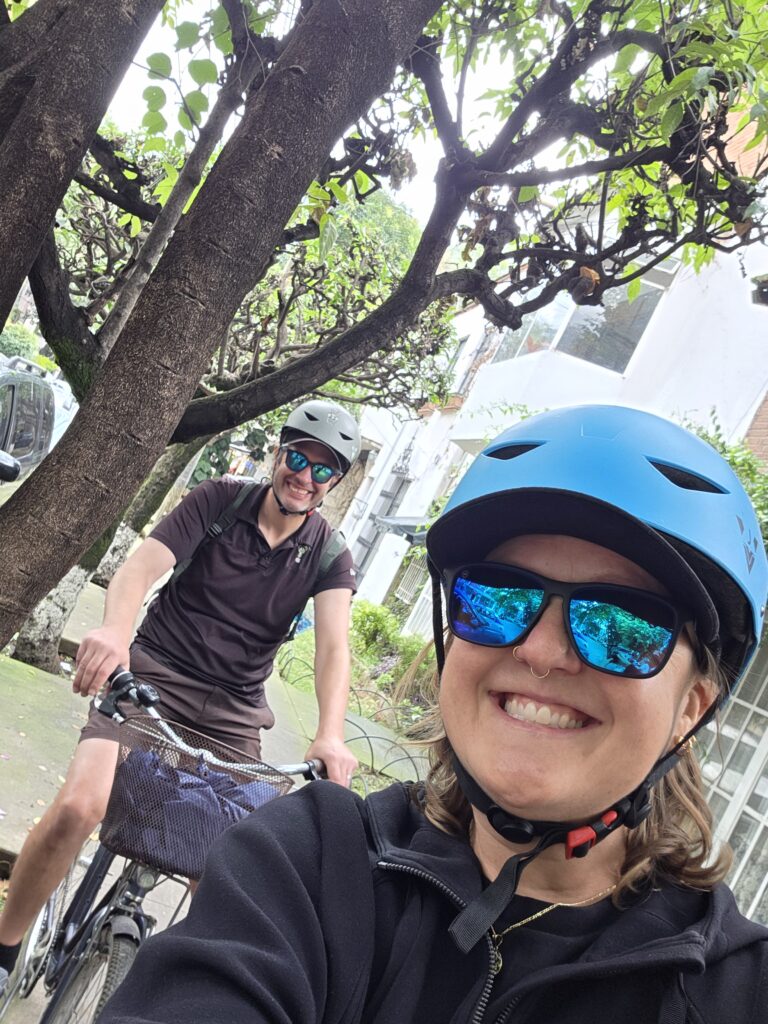
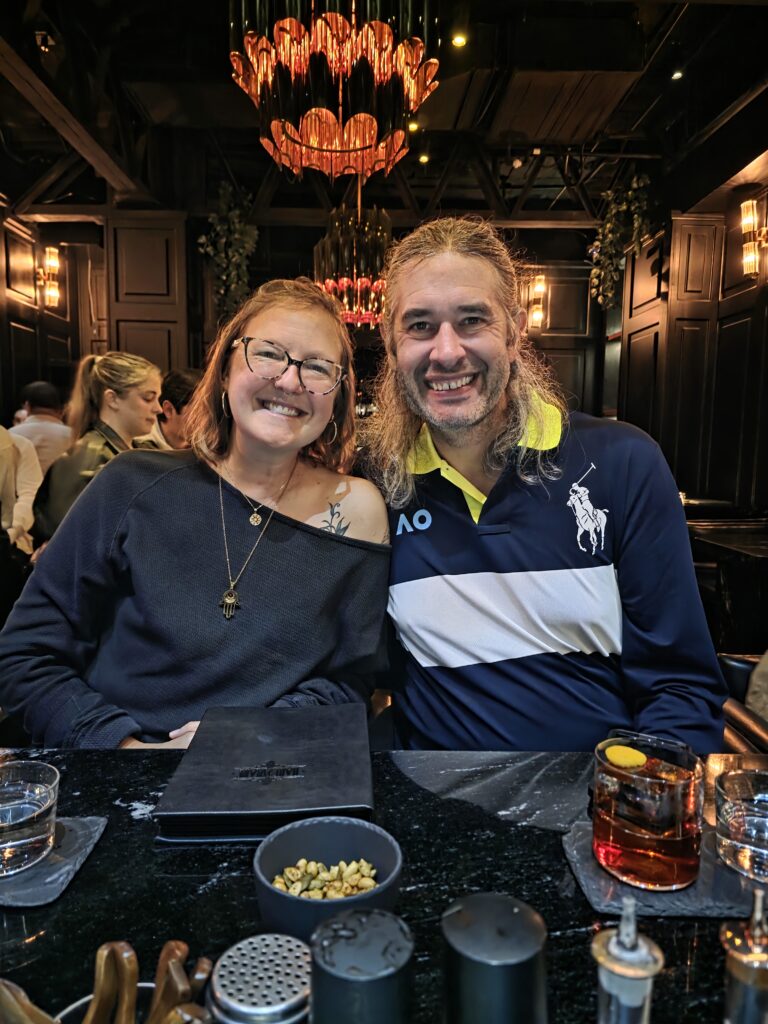
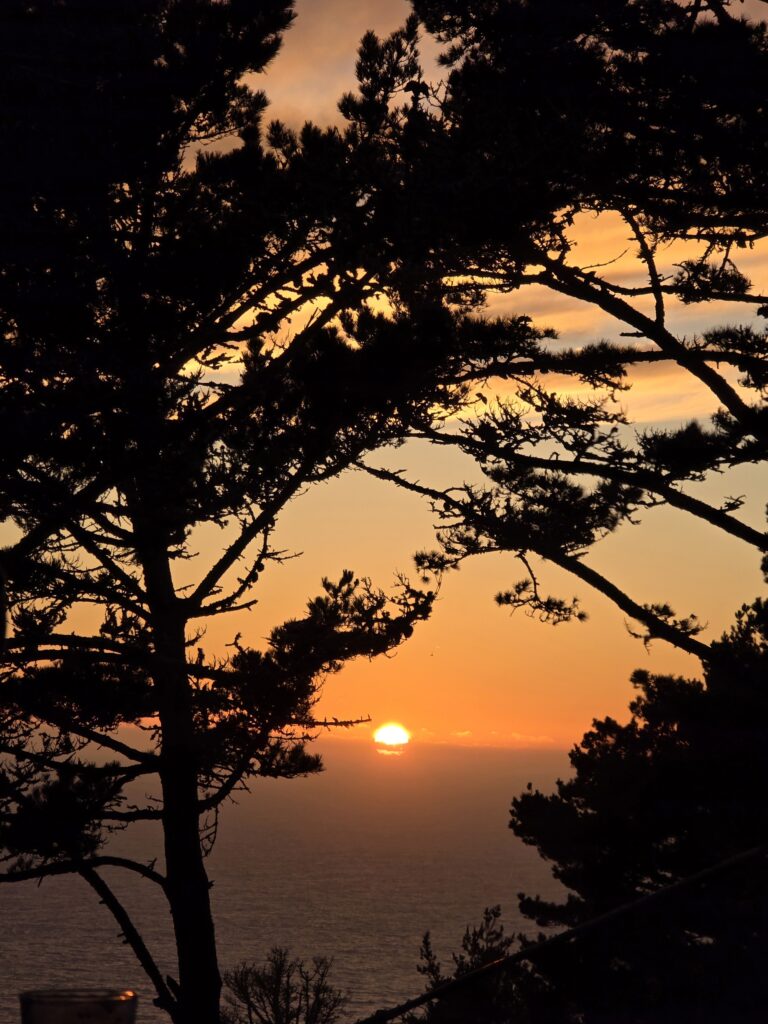
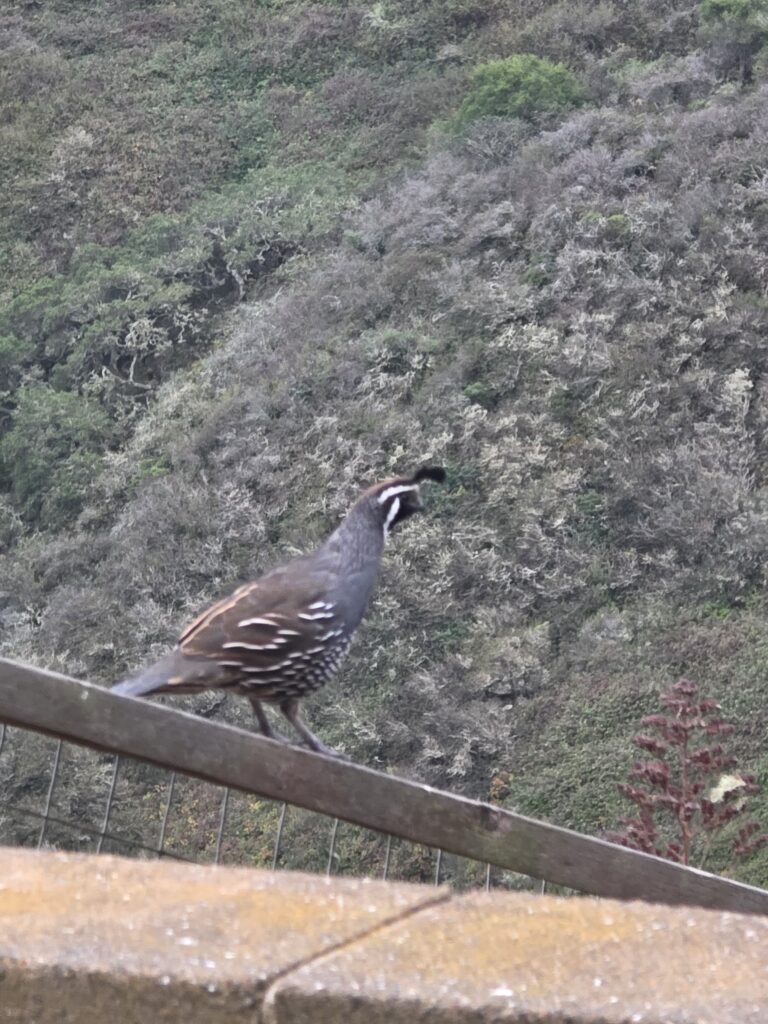
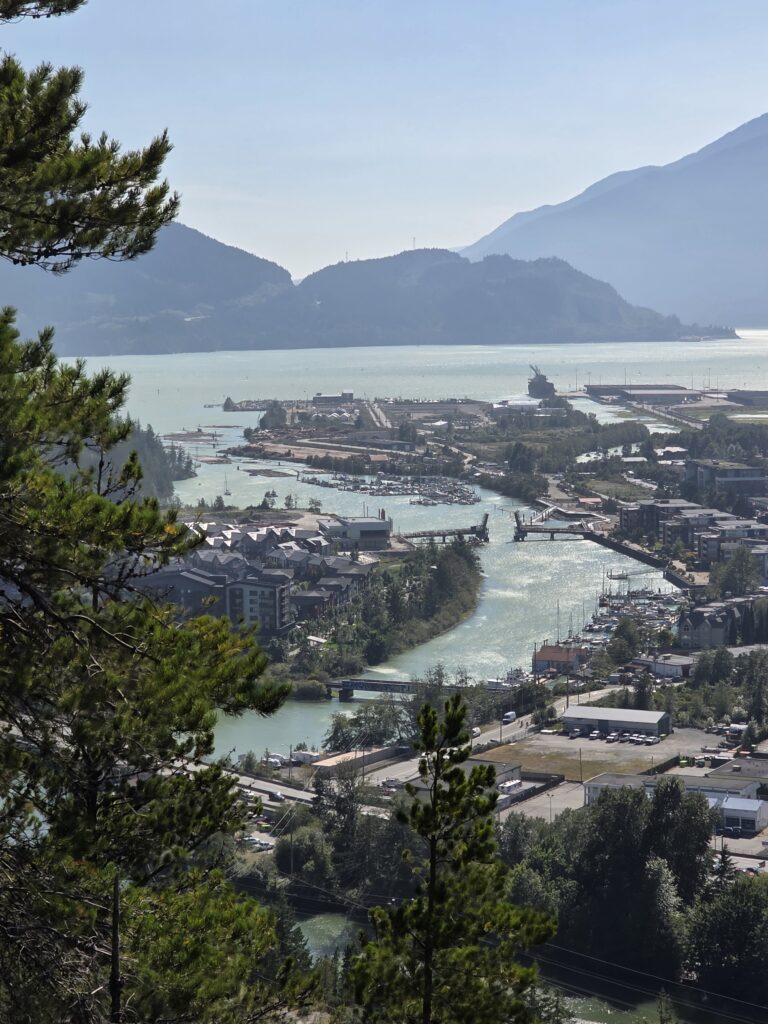
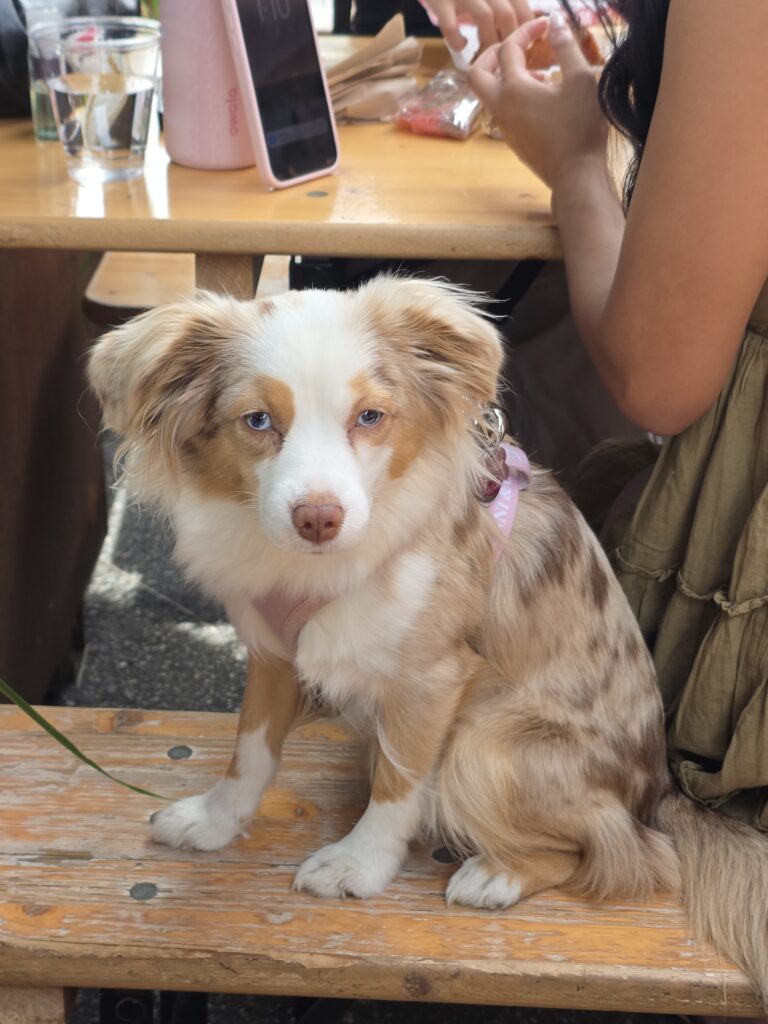
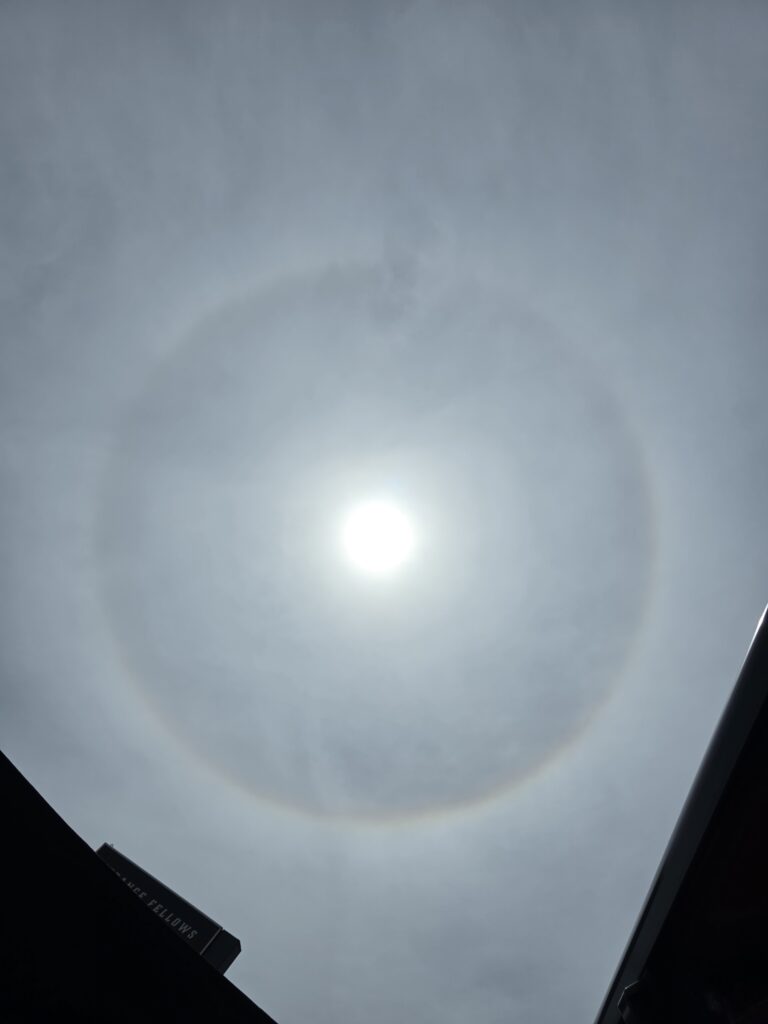
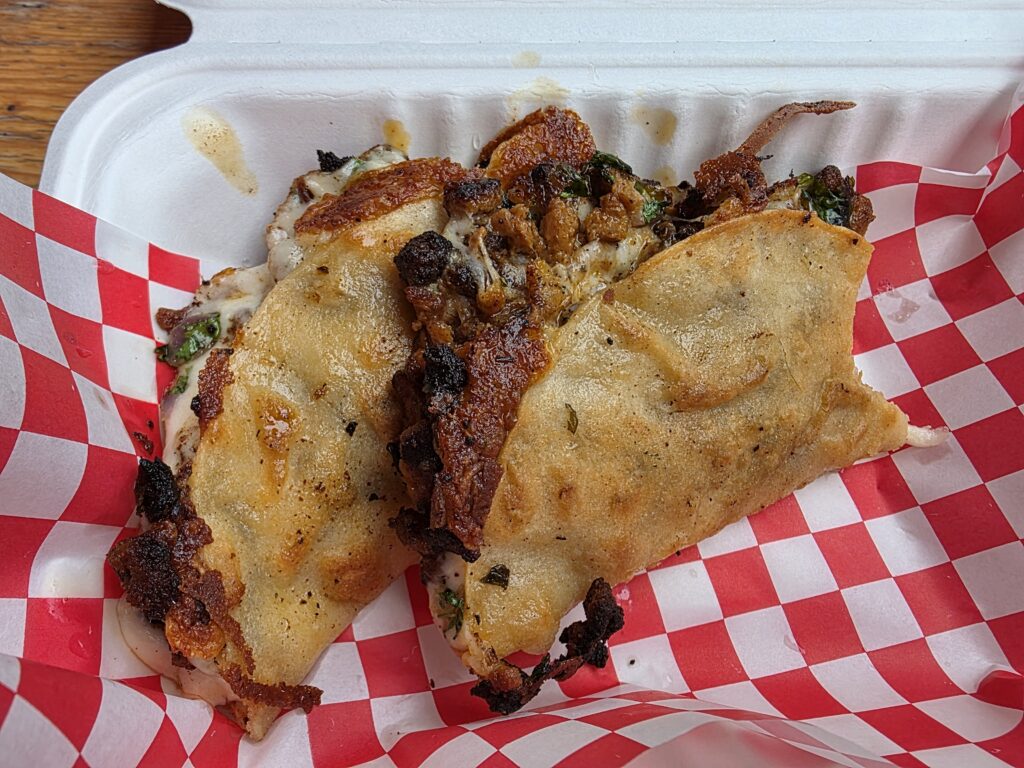
We are back in Minnesota after five months of travel and it feels so good to be “home”. I returned this past Friday only 30 minutes before the FAA grounded all flights due to “a massive telecommunications and radar communications outage caused by outdated equipment becoming overloaded with data.” I was beyond grateful that I didn’t get stuck in Jacksonville, Florida! No offense. I was ready to be home and was anxious to see my people!
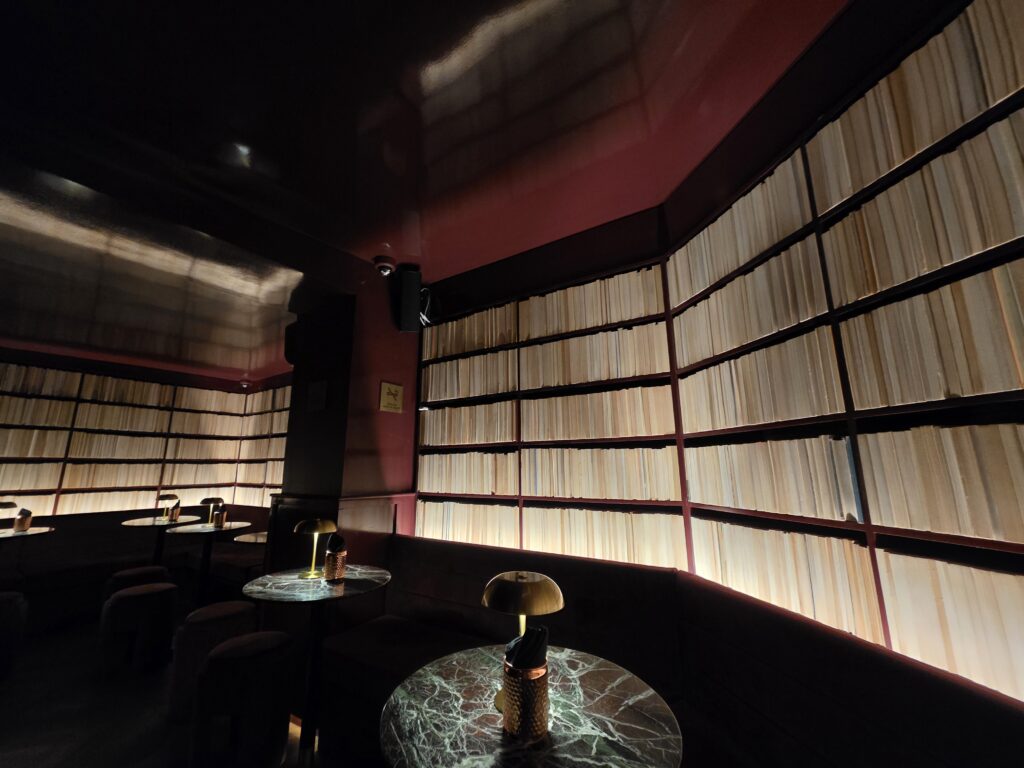
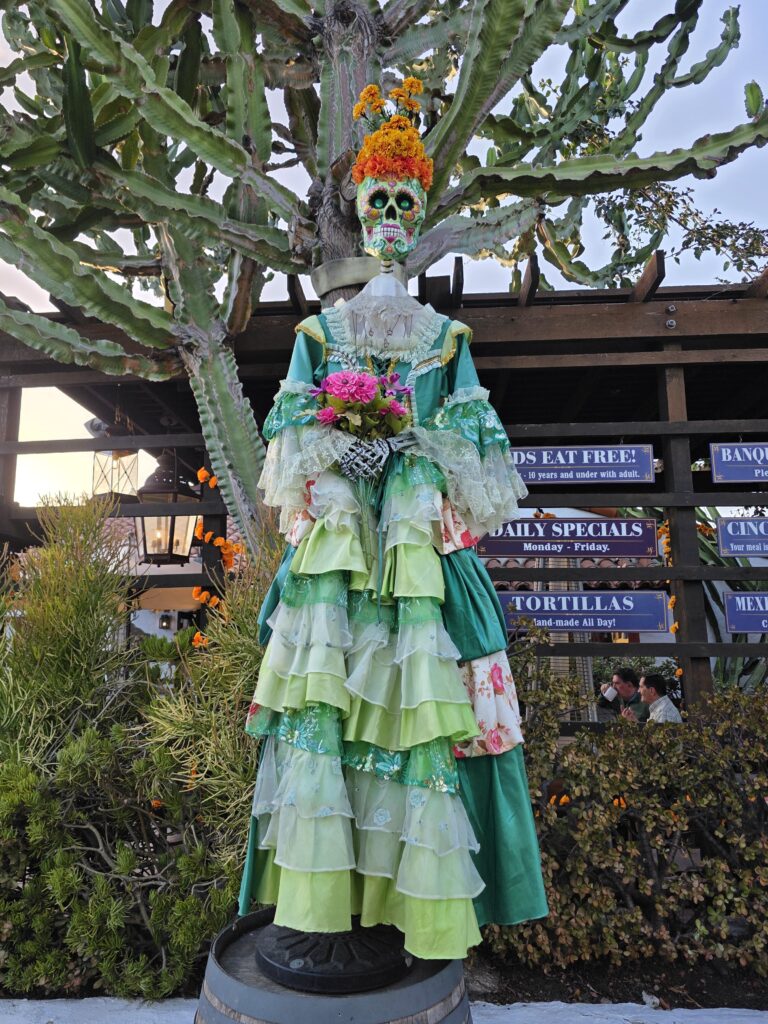
Our last week in Mexico City was wonderful. We visited a rooftop bar, saw more alebrijes (yes I’m obsessed), and even got to see the Milwaukee Brewers win the World Series! We can’t wait to go back. We left on October 31st and had a nice time visiting friends and some of Dave’s family in Hollywood, Florida the first week. On the 7th of November Dave returned to Minnesota and I went to Jacksonville, Florida to meet up with my mom and sisters for my first “mother daughter” trip in three years! We spent about five days on Amelia Island together, which is a about a 45 minute drive from the Jacksonville airport. None of us had ever been to Amelia Island, which is located on the Atlantic Coast of Northern Florida, before and we all felt like it was a gem of a find. The weather was perfect, we could walk the beach for hours, our place was nice, and most importantly the quality time with my family was priceless. I am so grateful it worked out for me to join this year!
We are now in the Midwest until December 27th. I can feel my heart swelling with the wonderful (re)connections we’ve already made with our circle and I’m sure that will continue throughout our visit. We intend to enjoy every minute! I am also excited to have a change in attire. It has been fun to “shop” in our storage unit for cold weather clothing that we haven’t needed since the last time we were home in the winter. It has been two years since we’ve been back for the holidays and we are excited to be a part of it again!
I chose “You Betcha” as the title for this post as it is a very Midwest saying and we’re proud to be from the Midwest, you betcha! Sending you a Universe of love wherever you are!
Alison and Dave
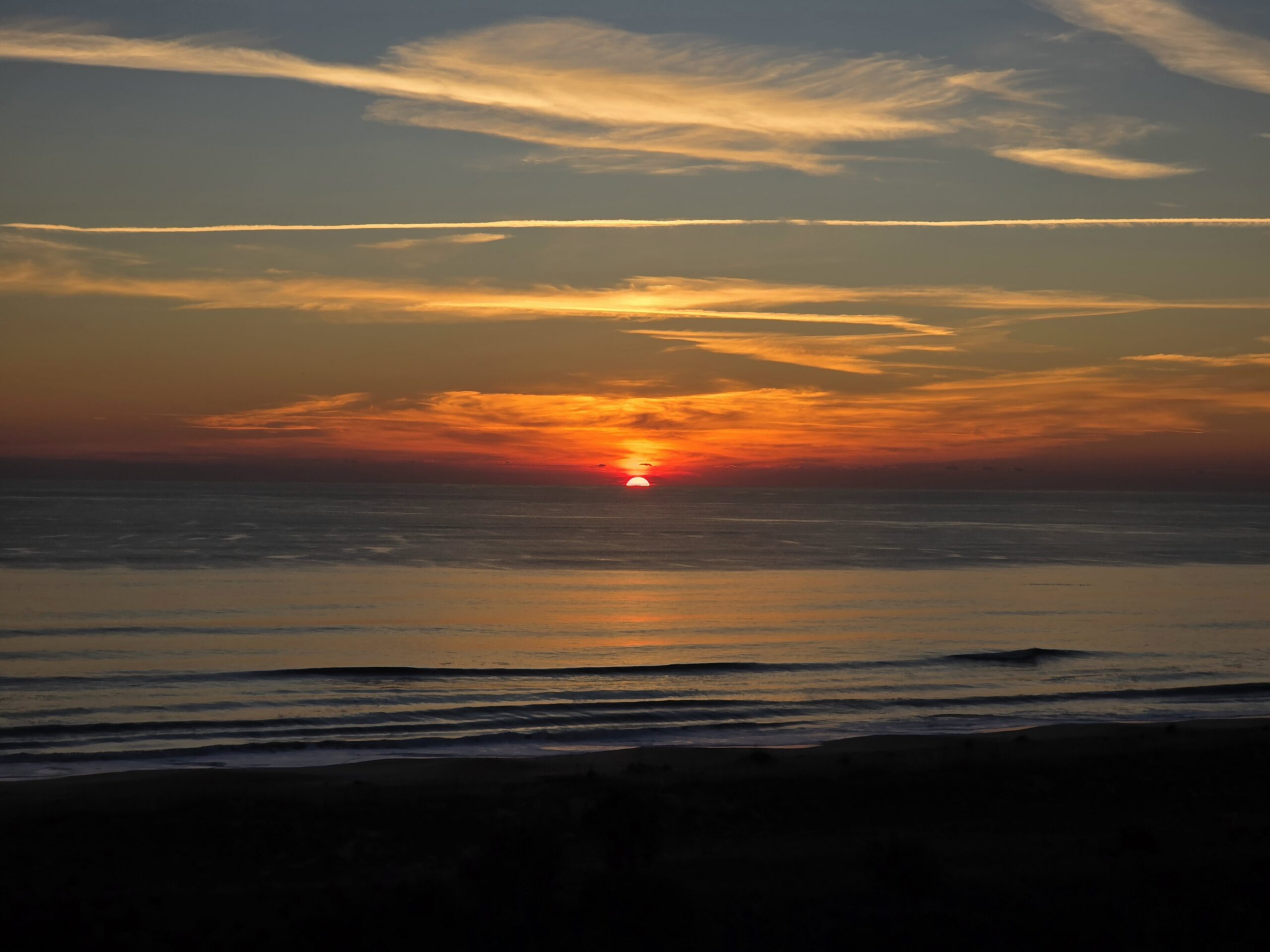
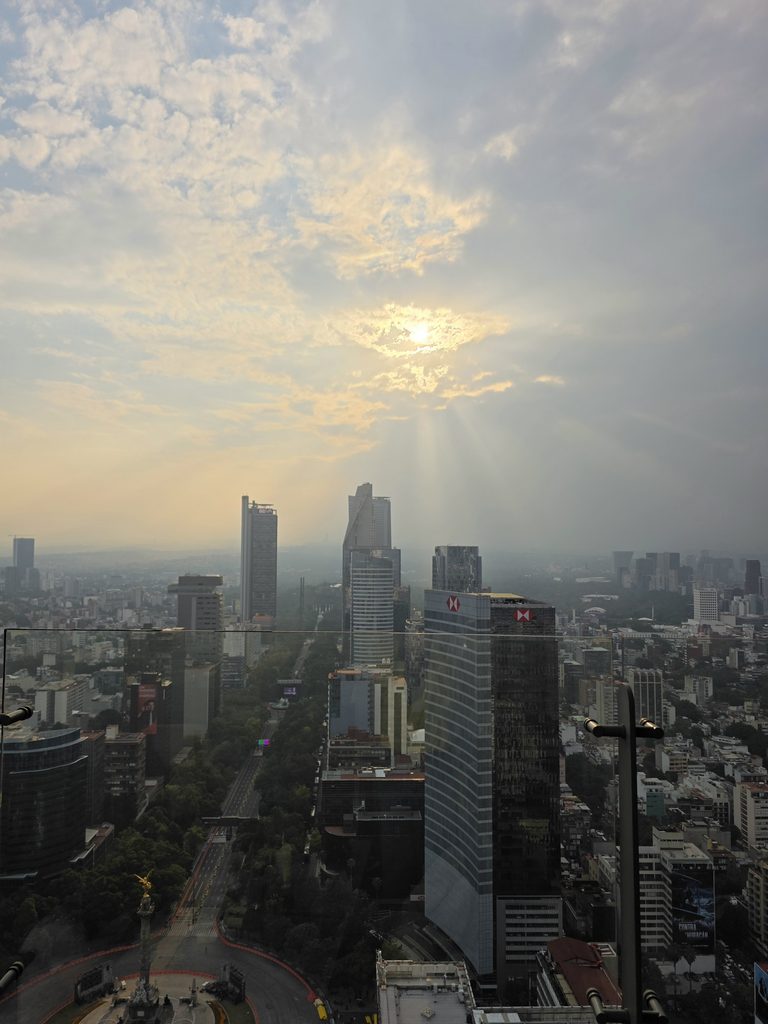
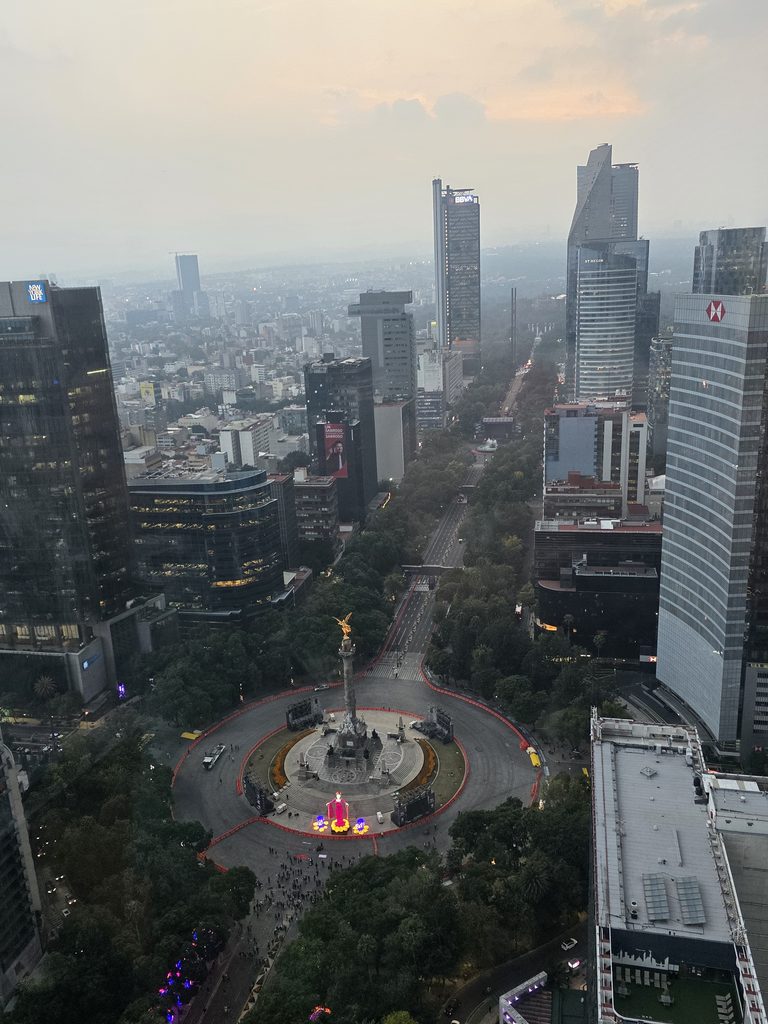
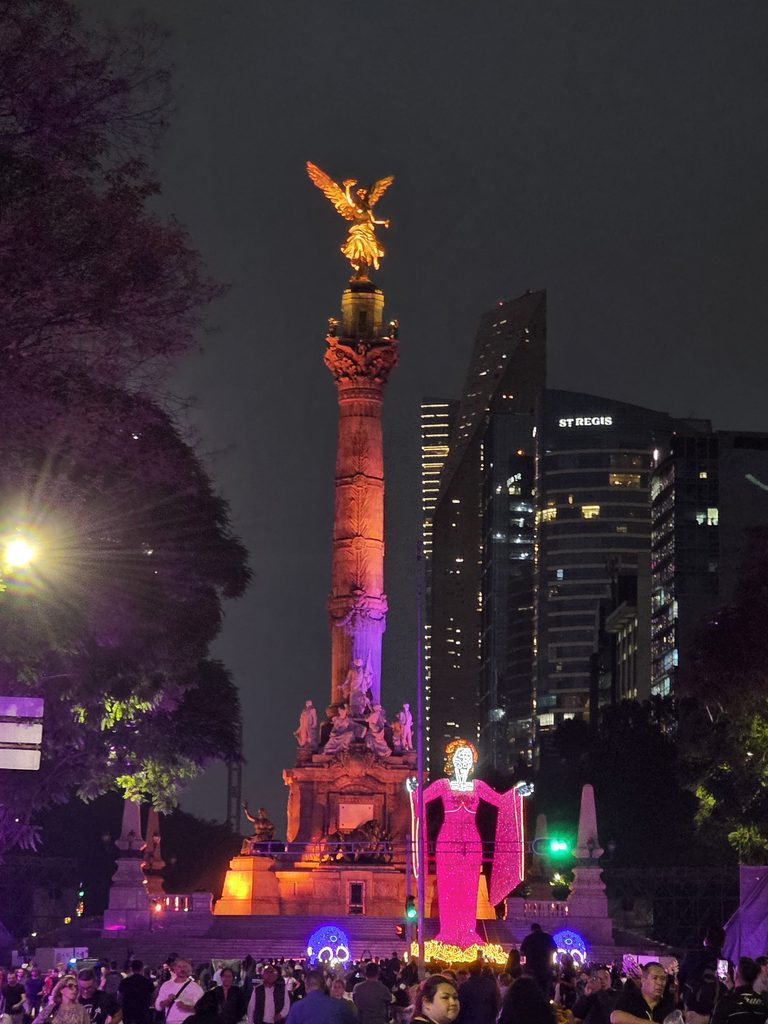
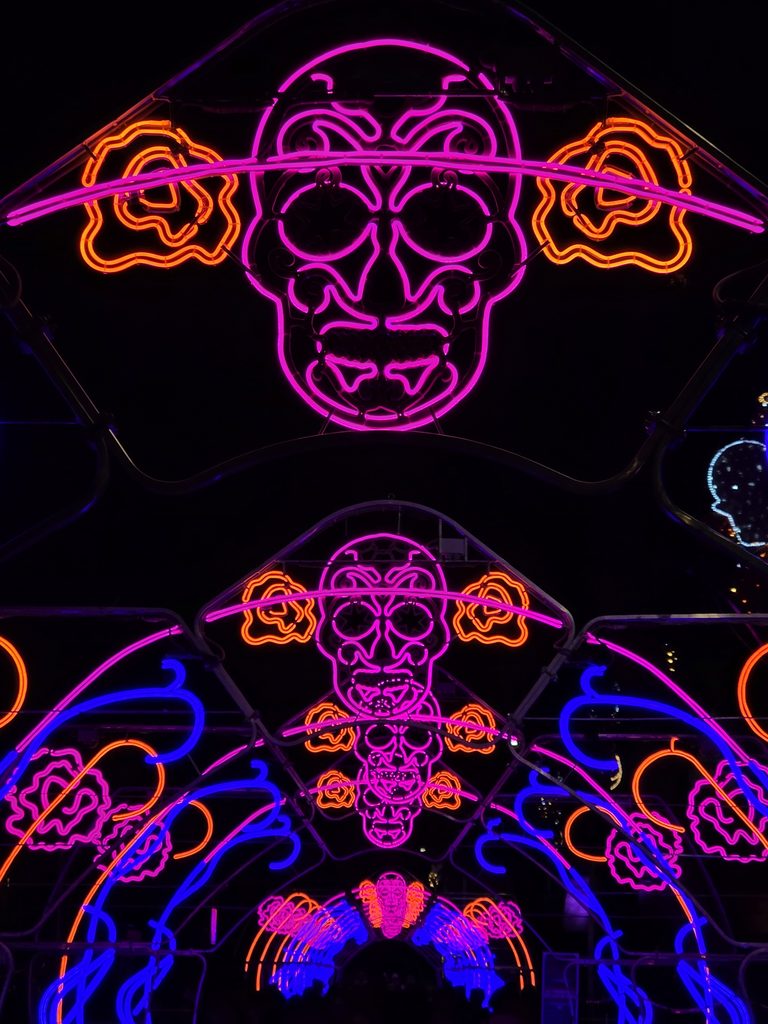
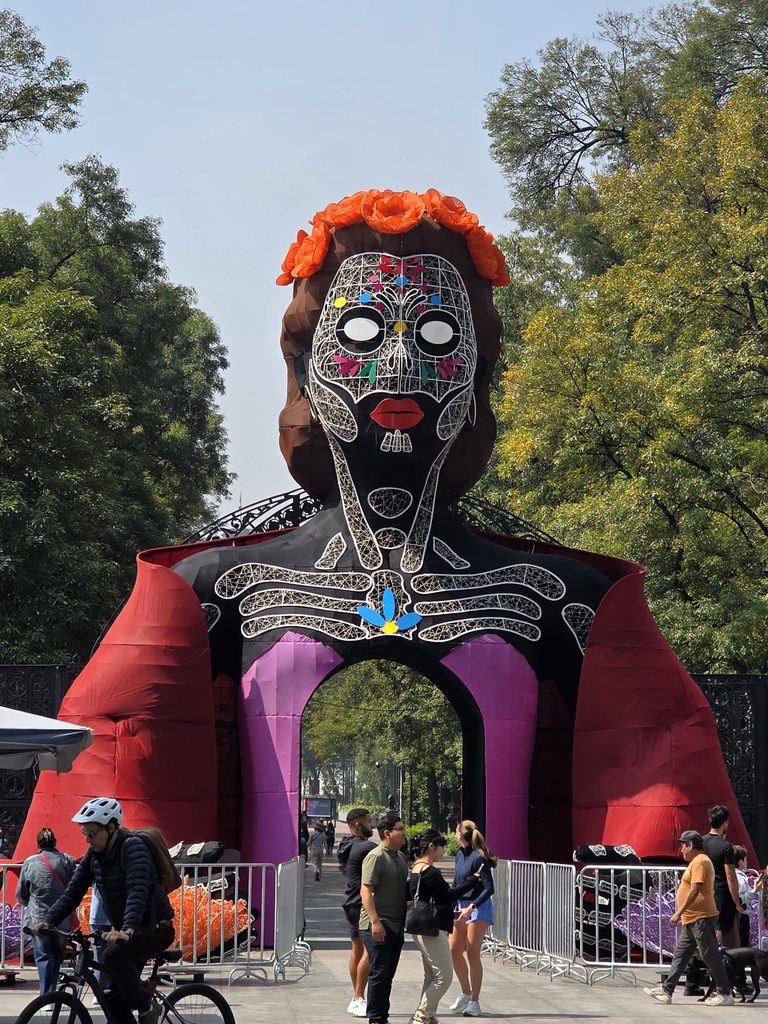
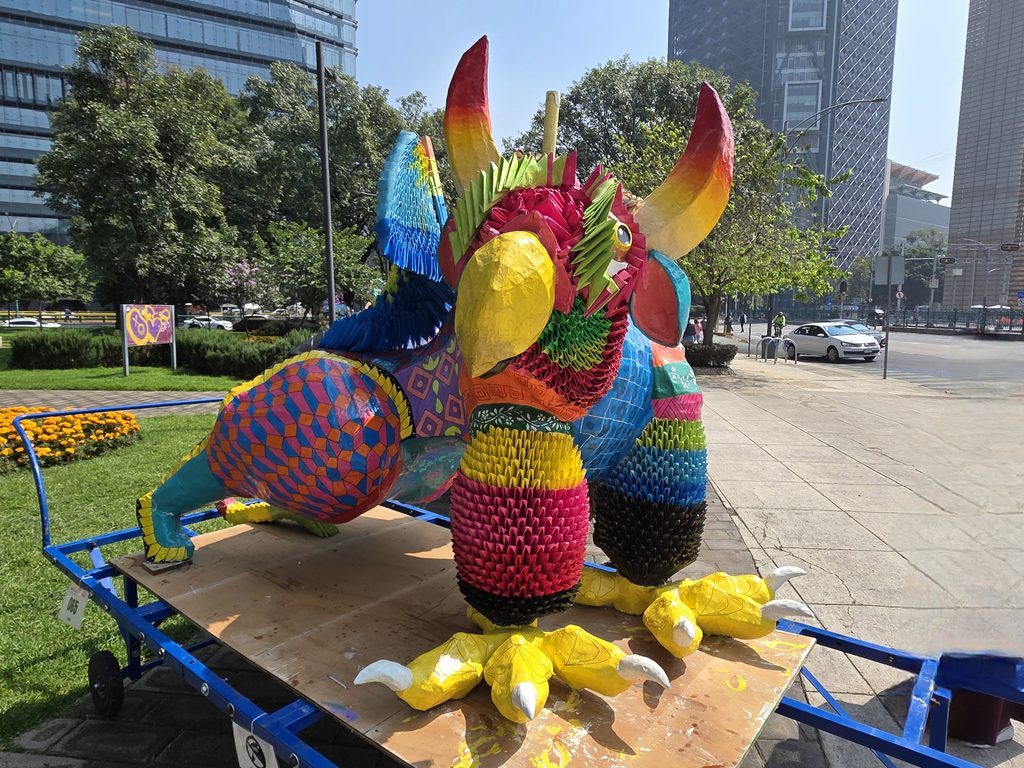
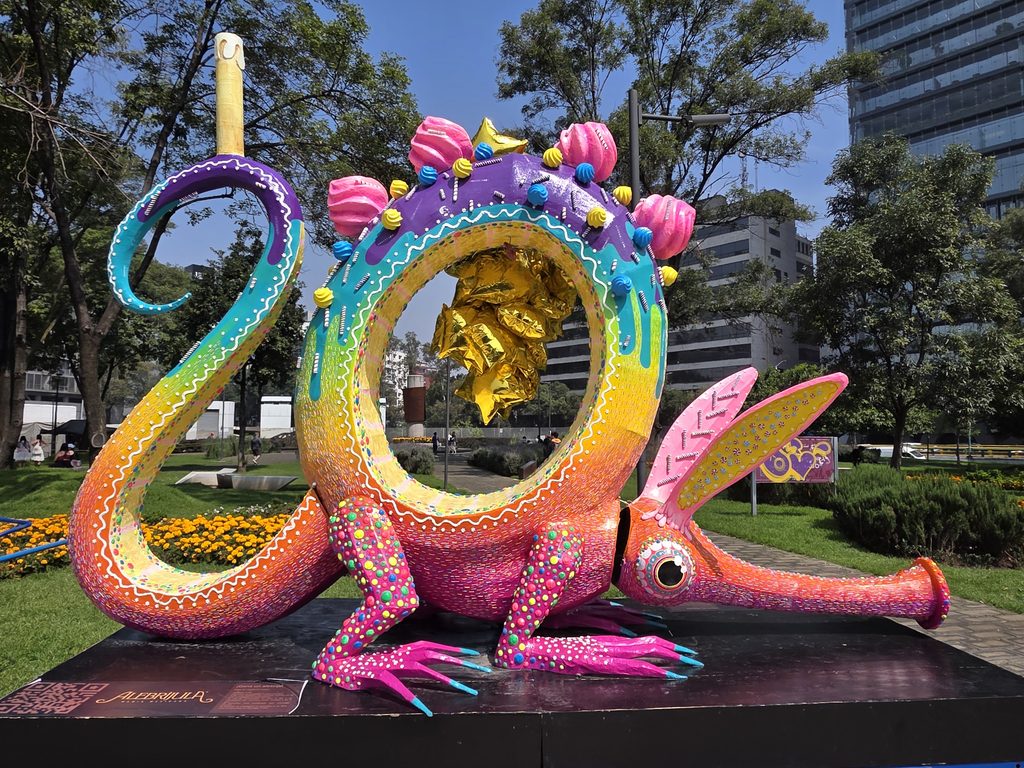
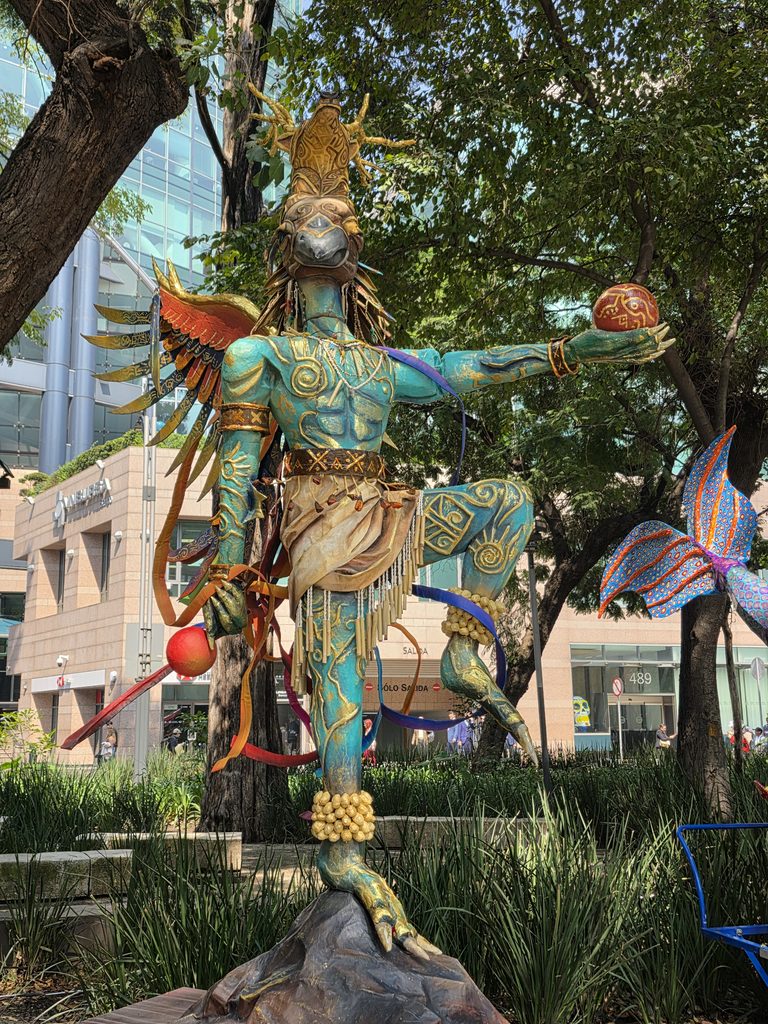
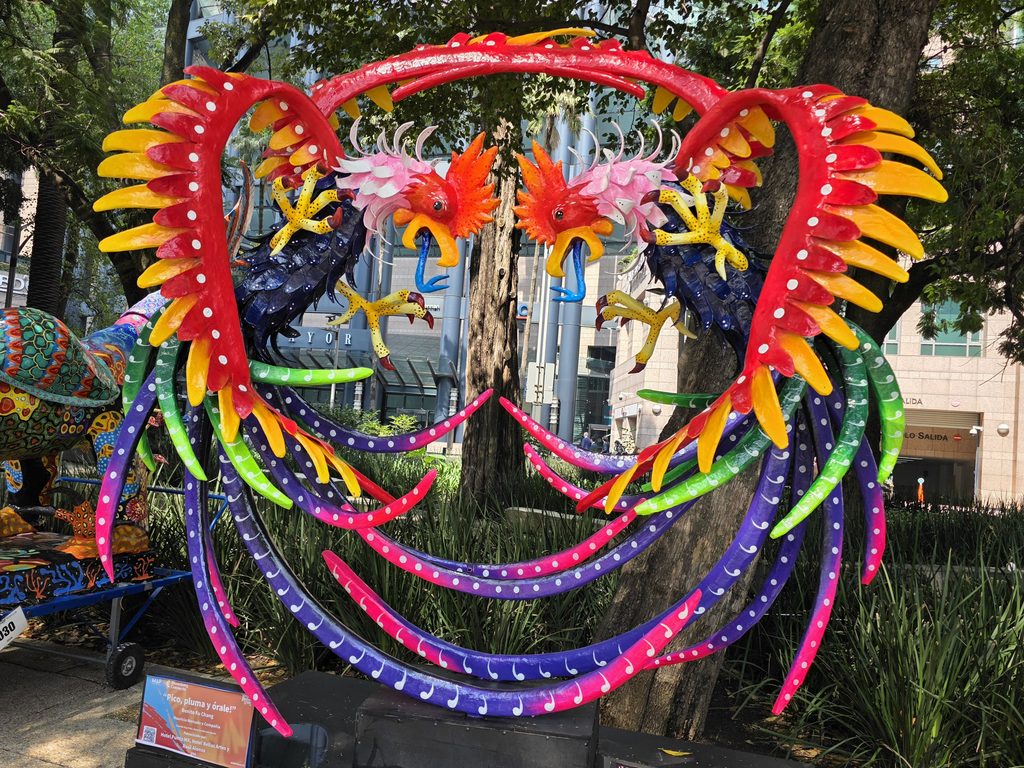
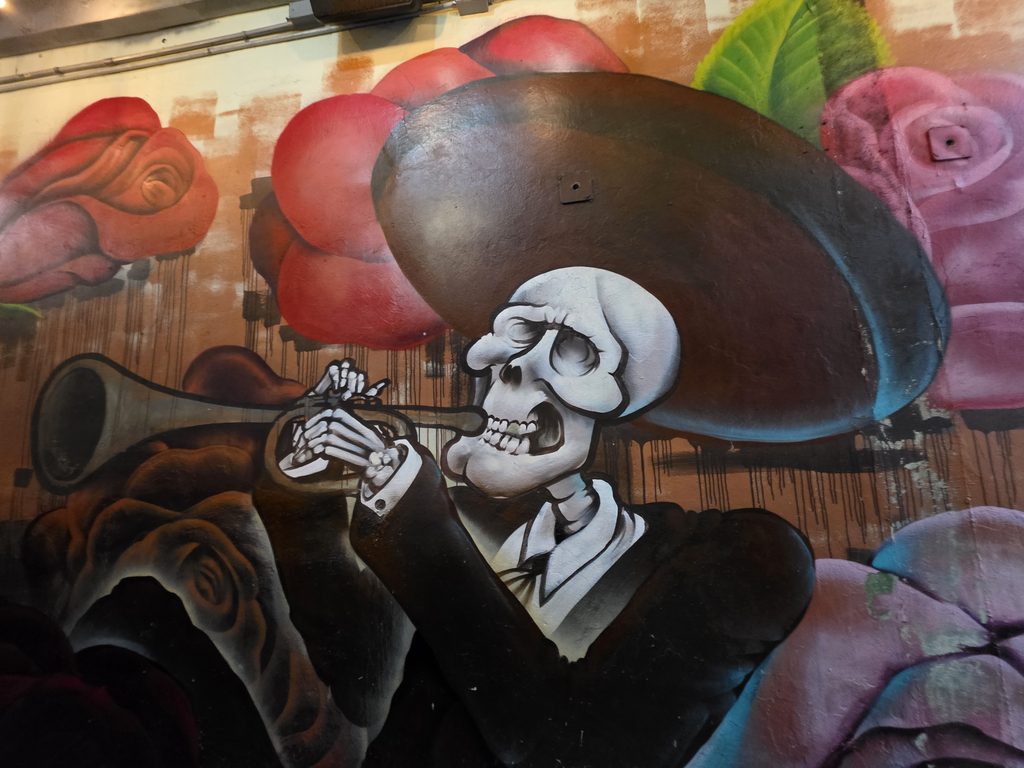
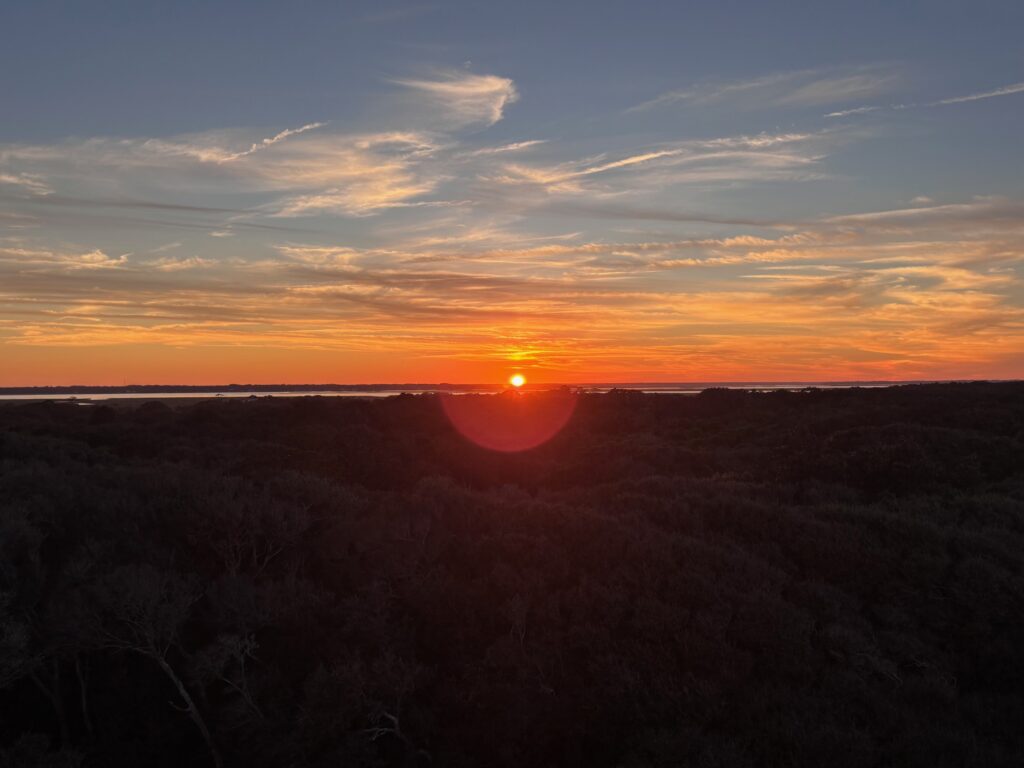
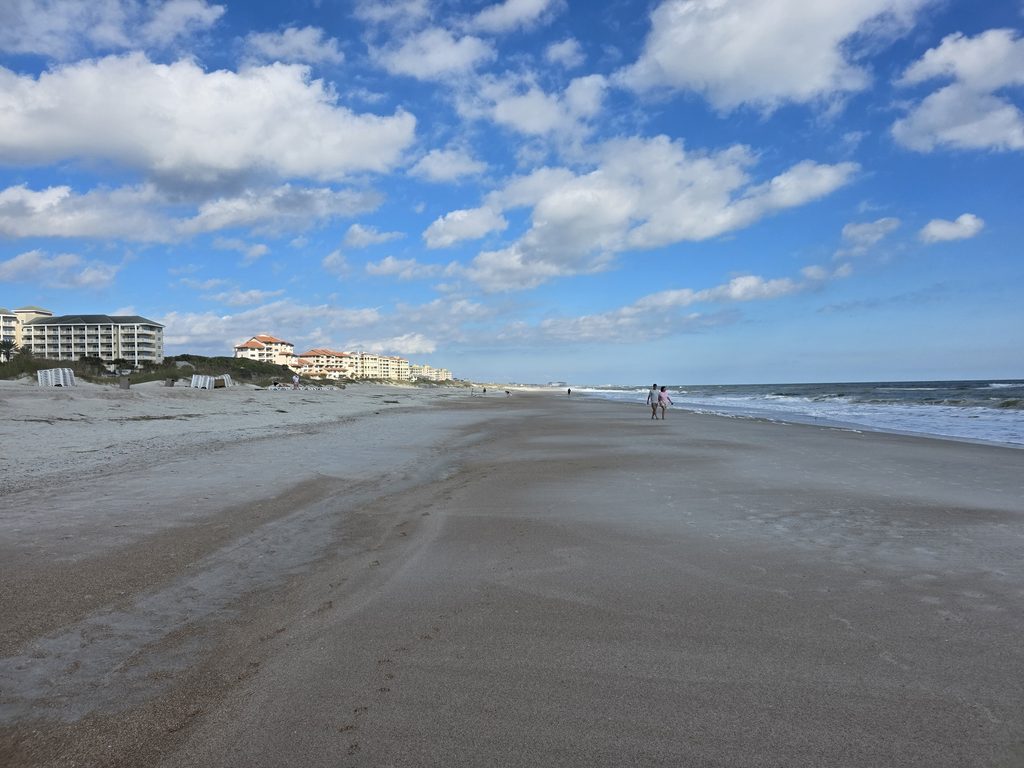
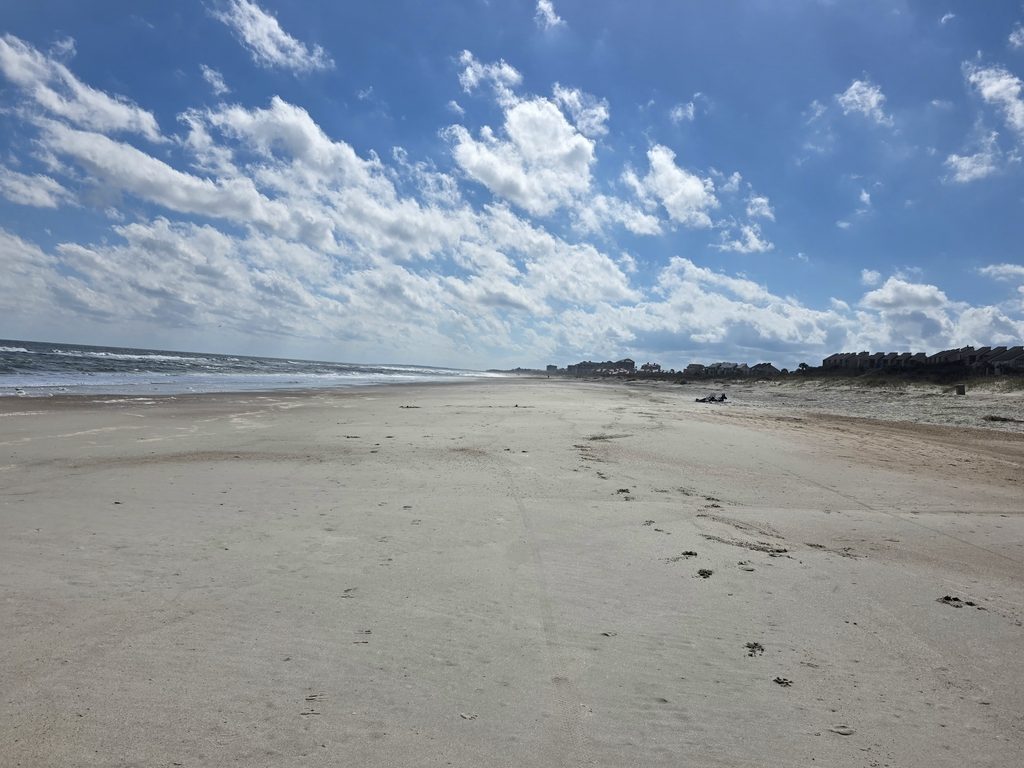
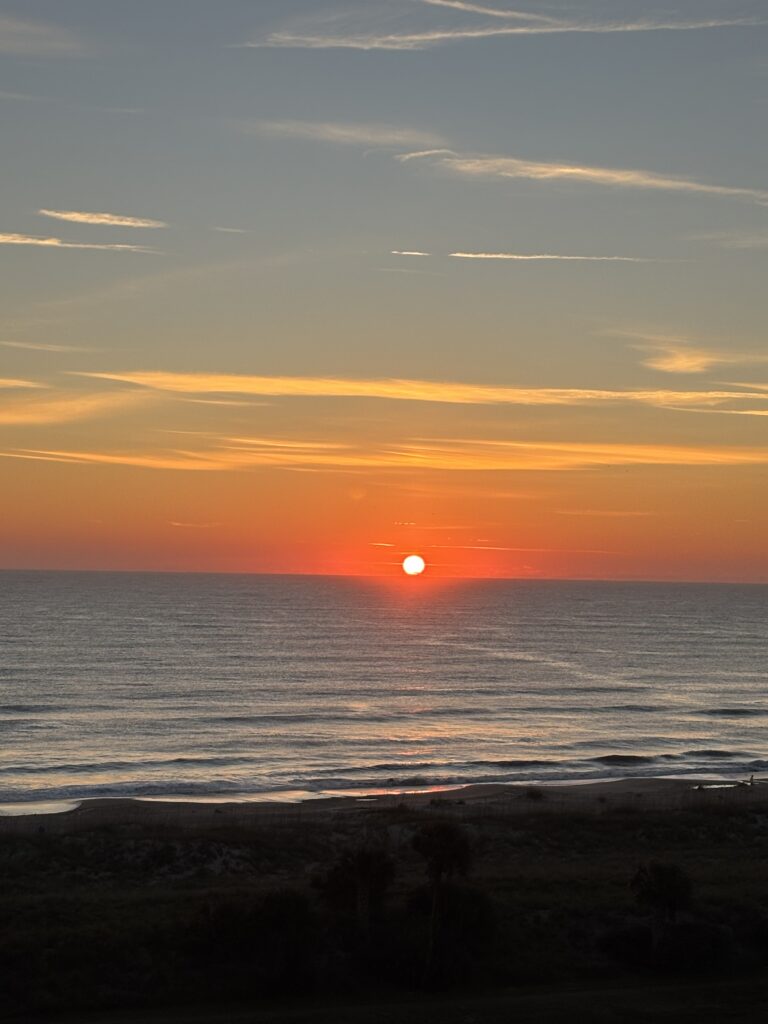
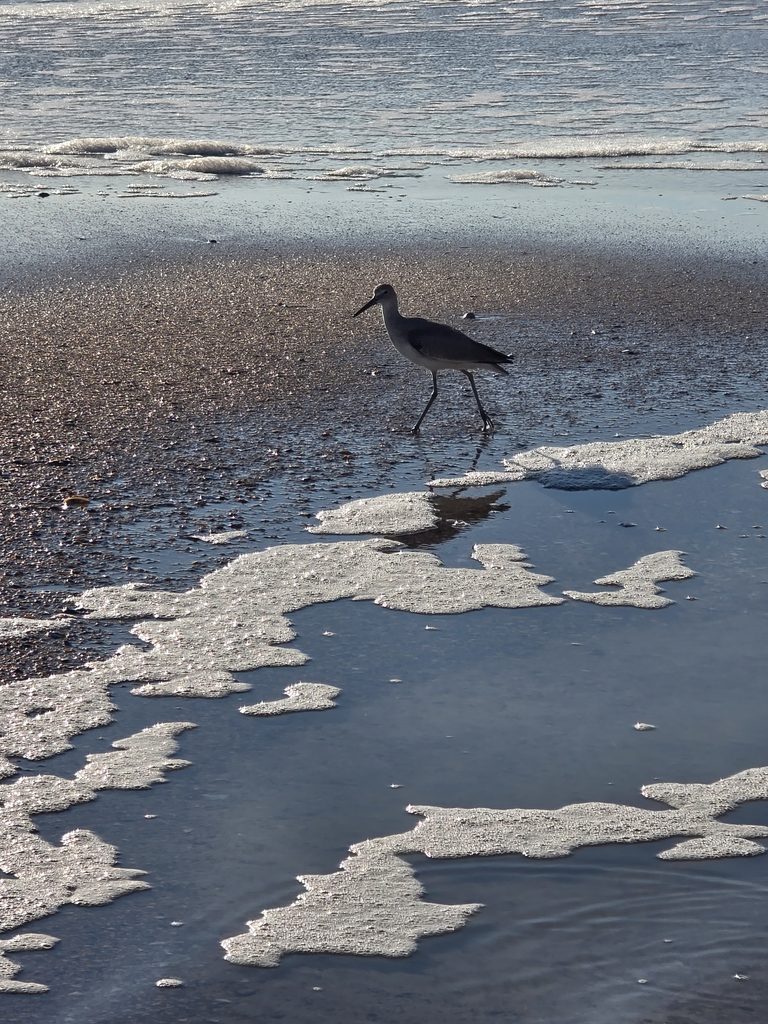
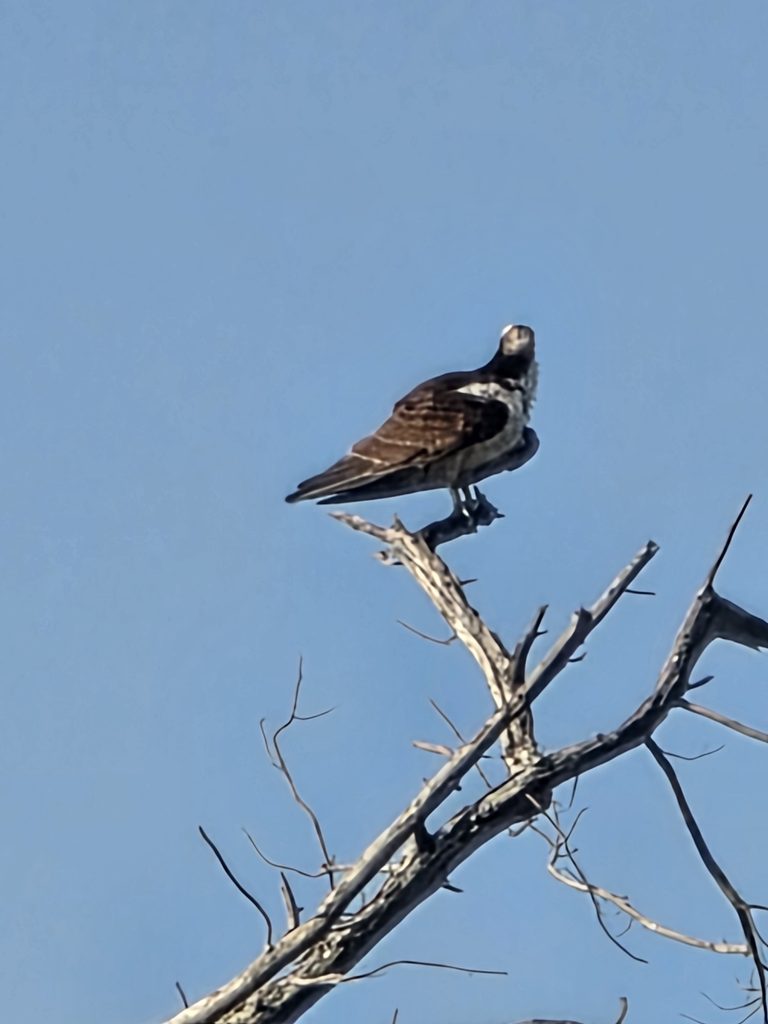
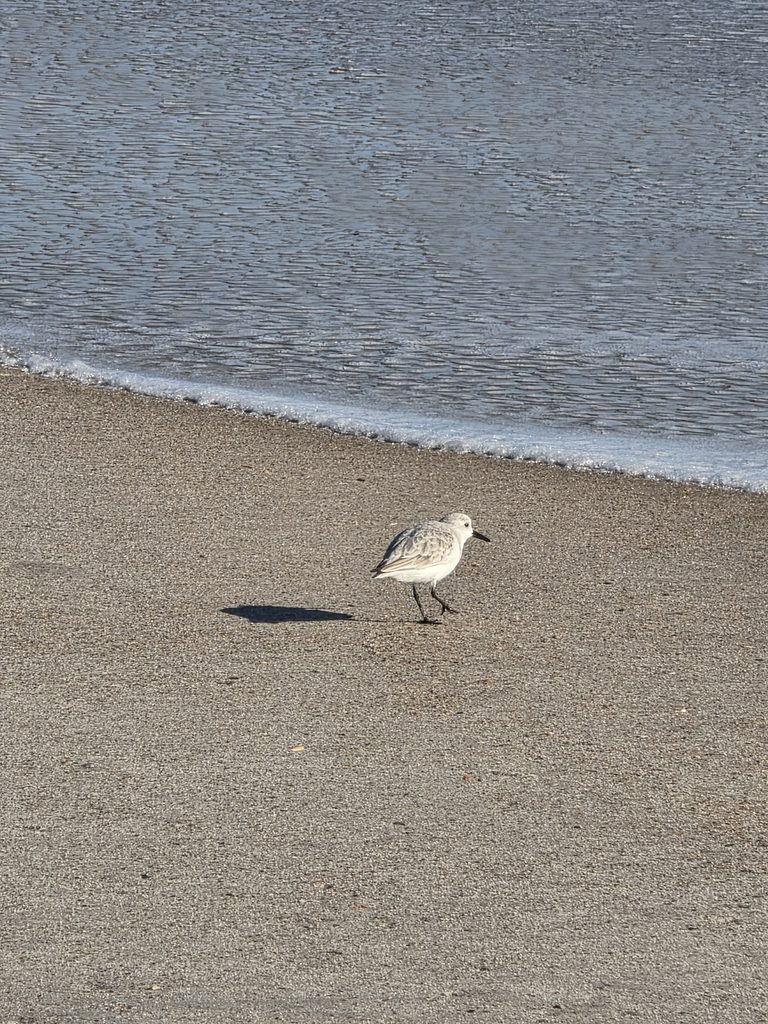
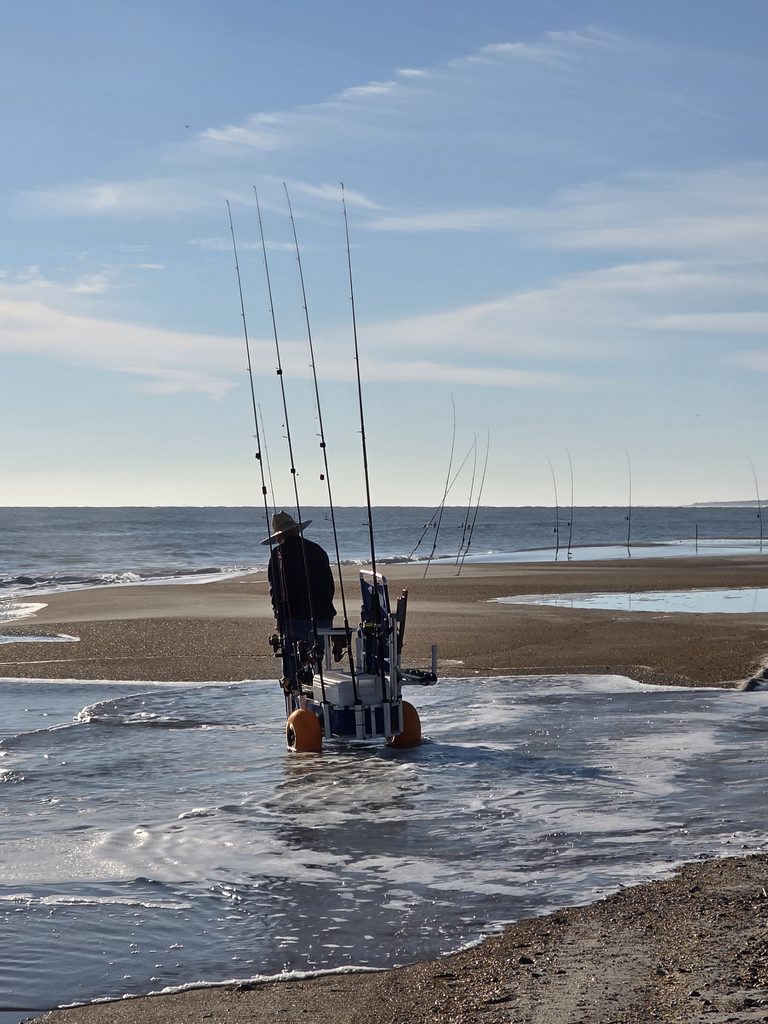
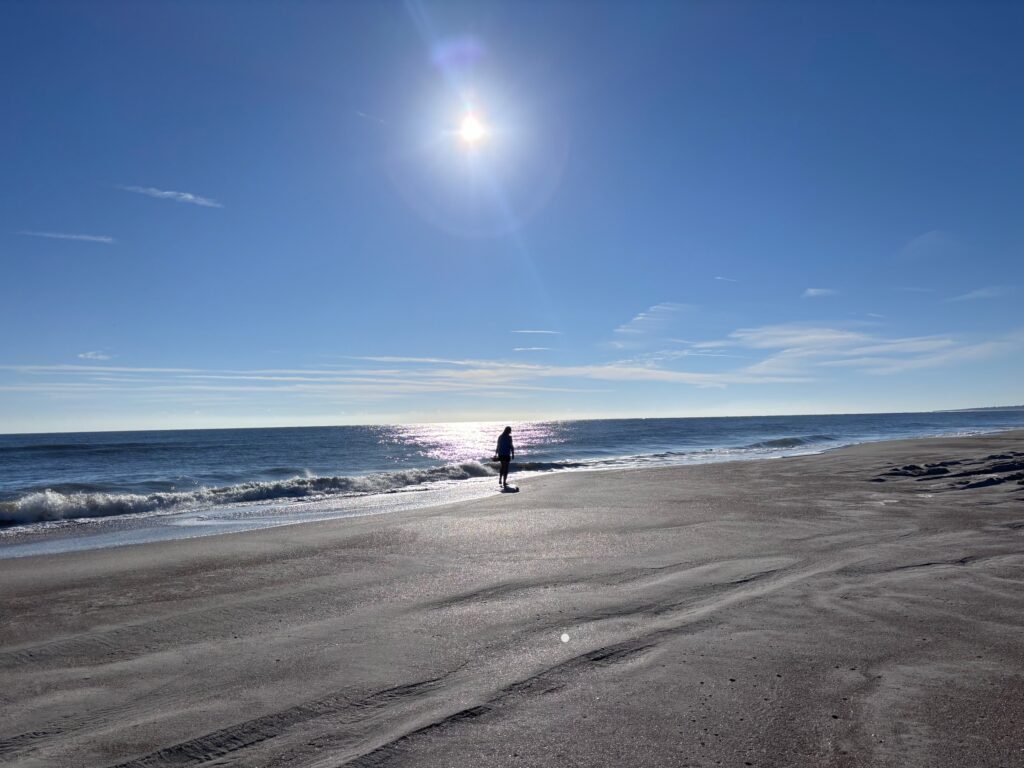
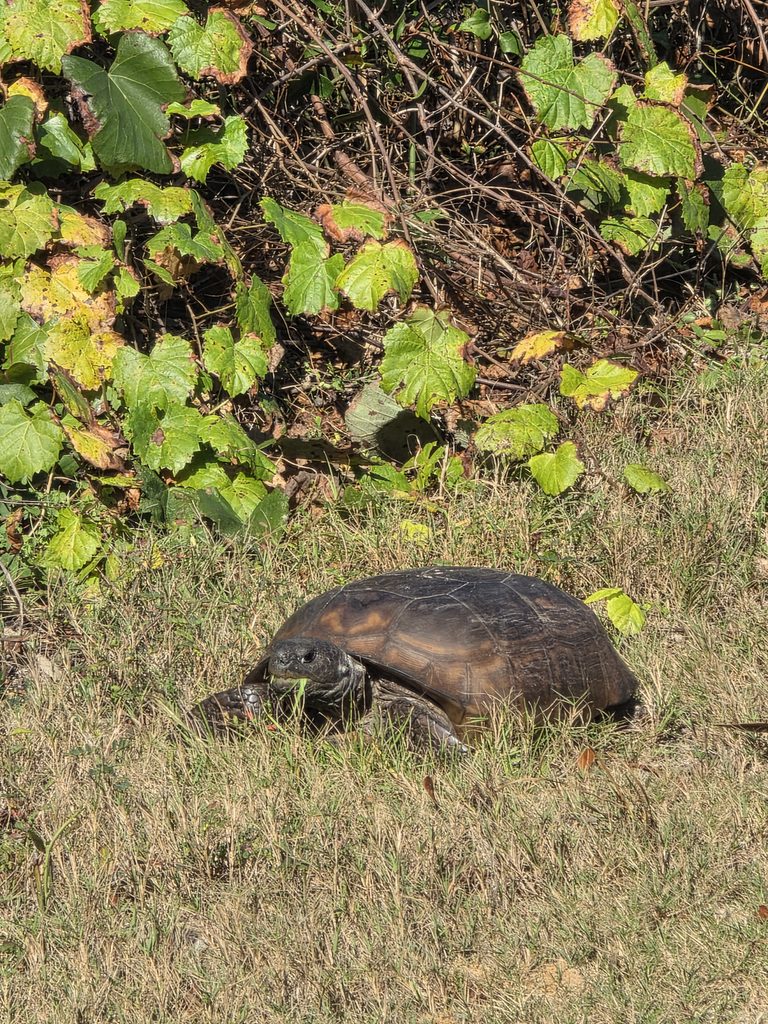
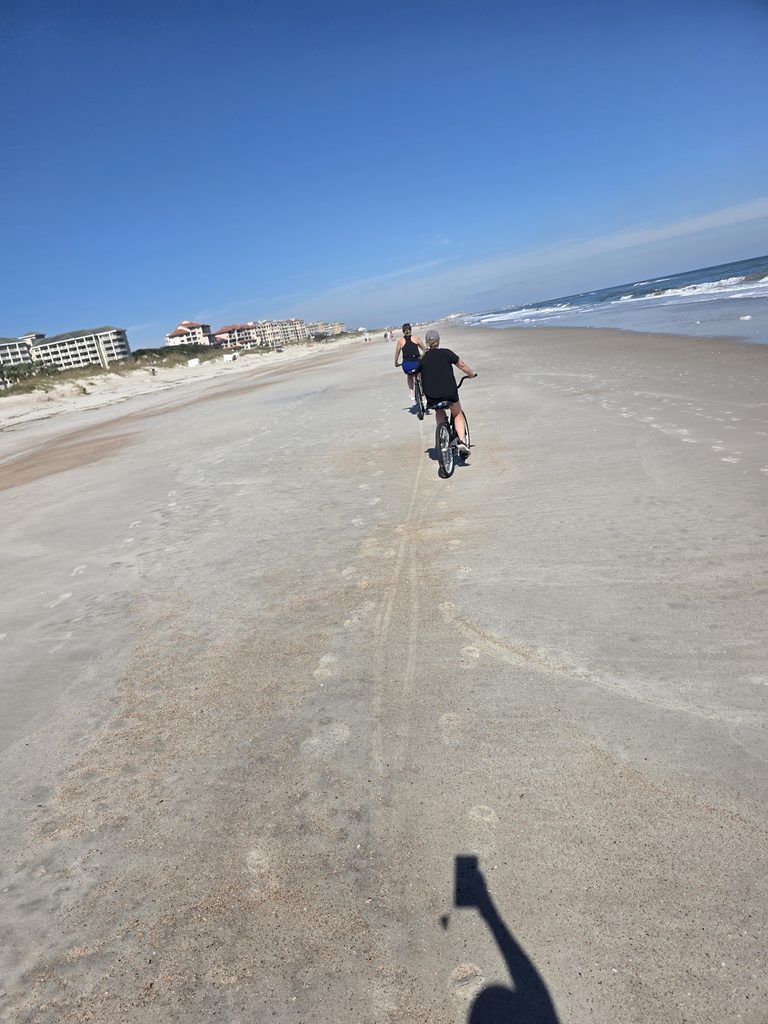
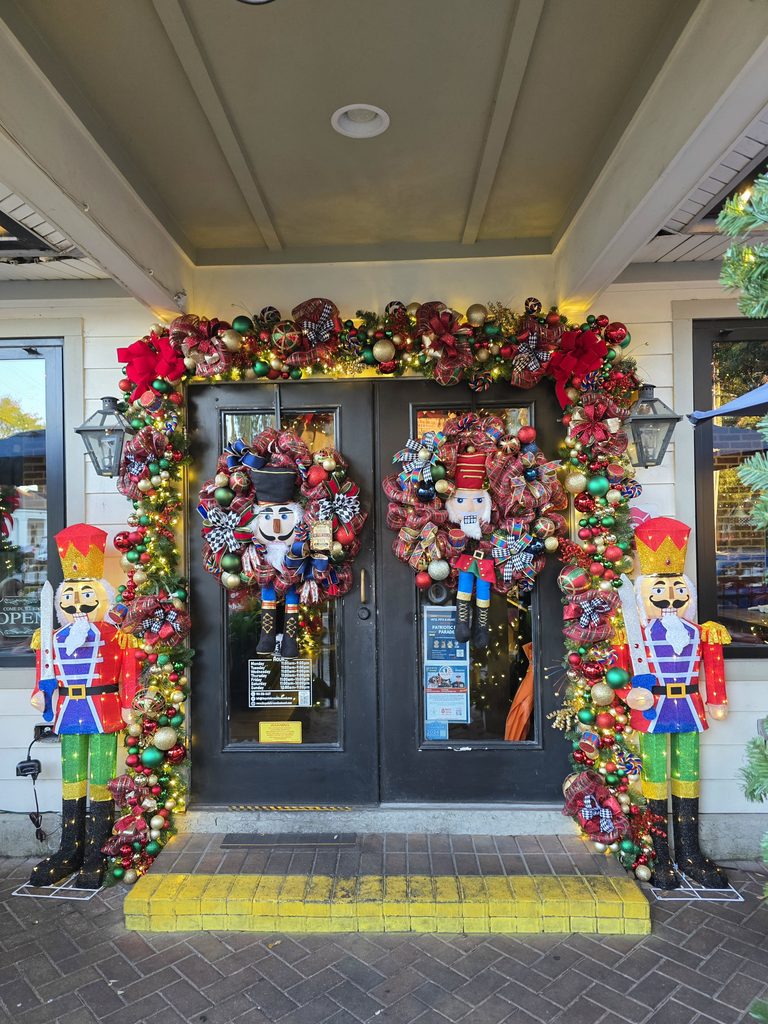
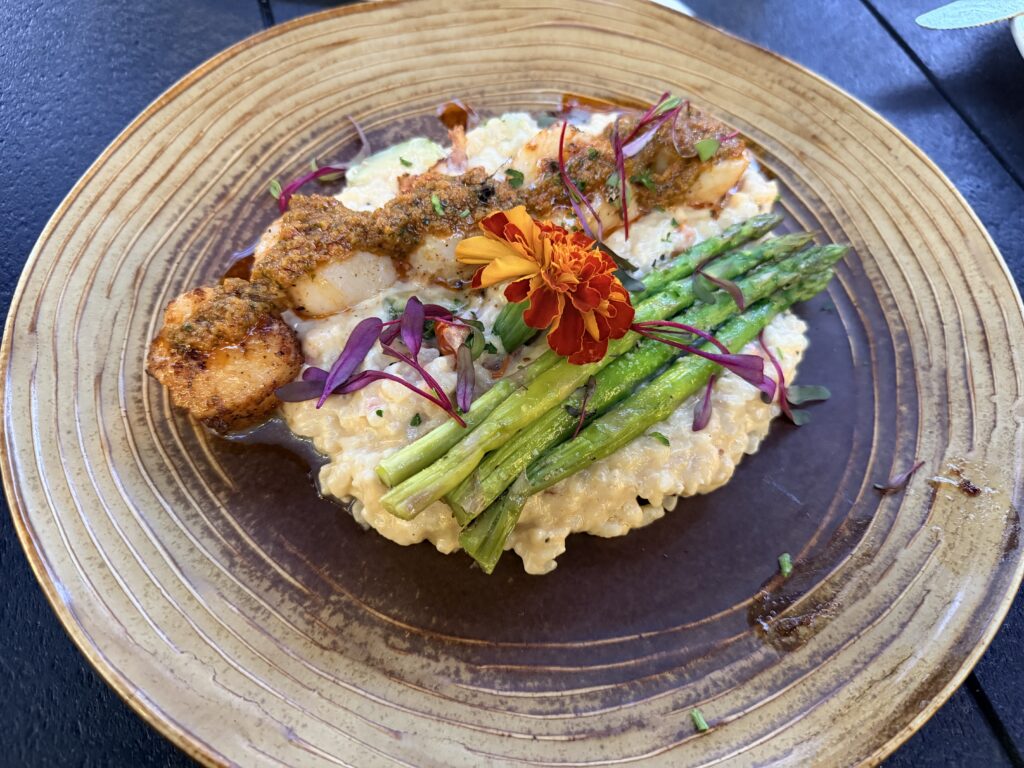
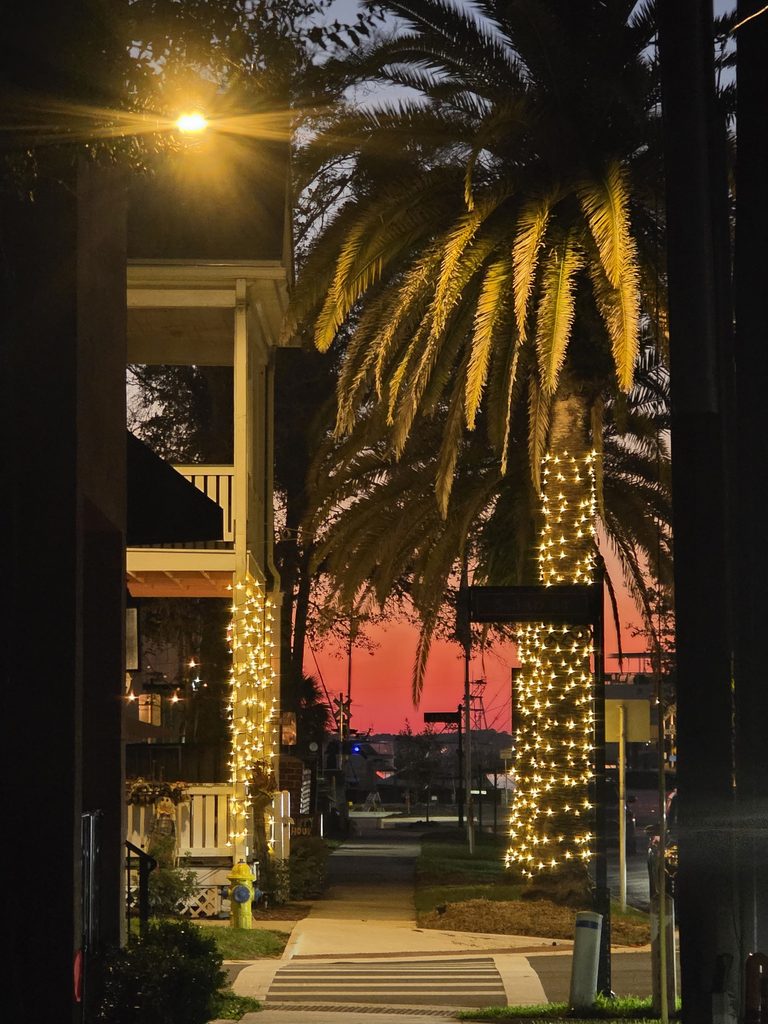
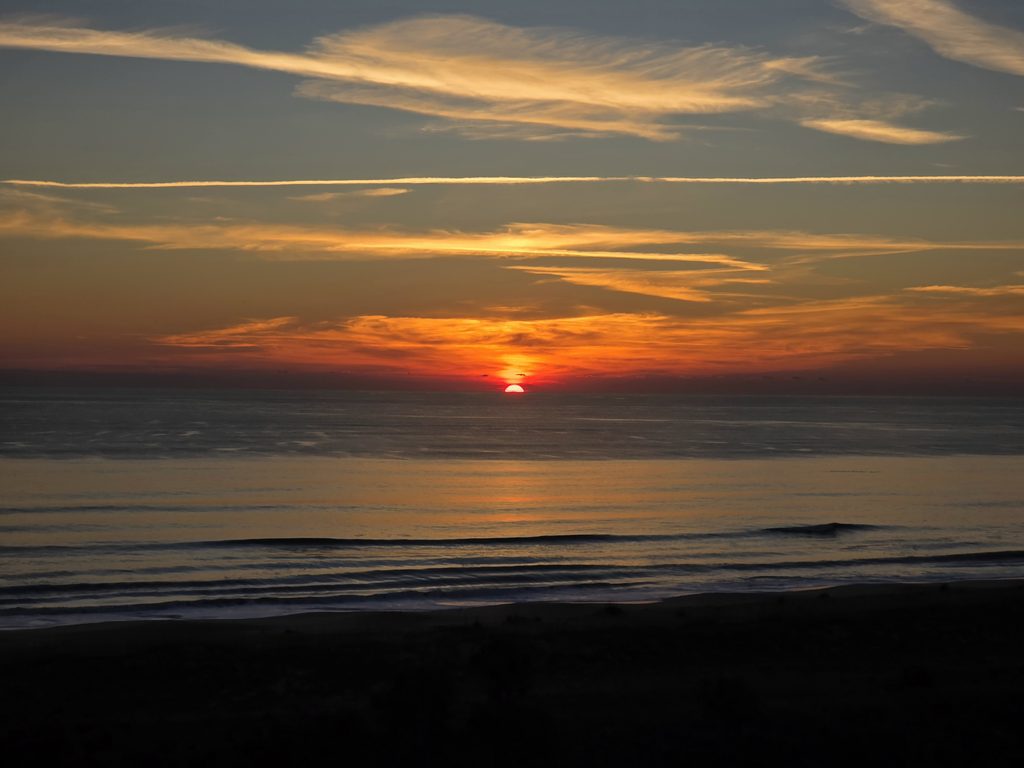
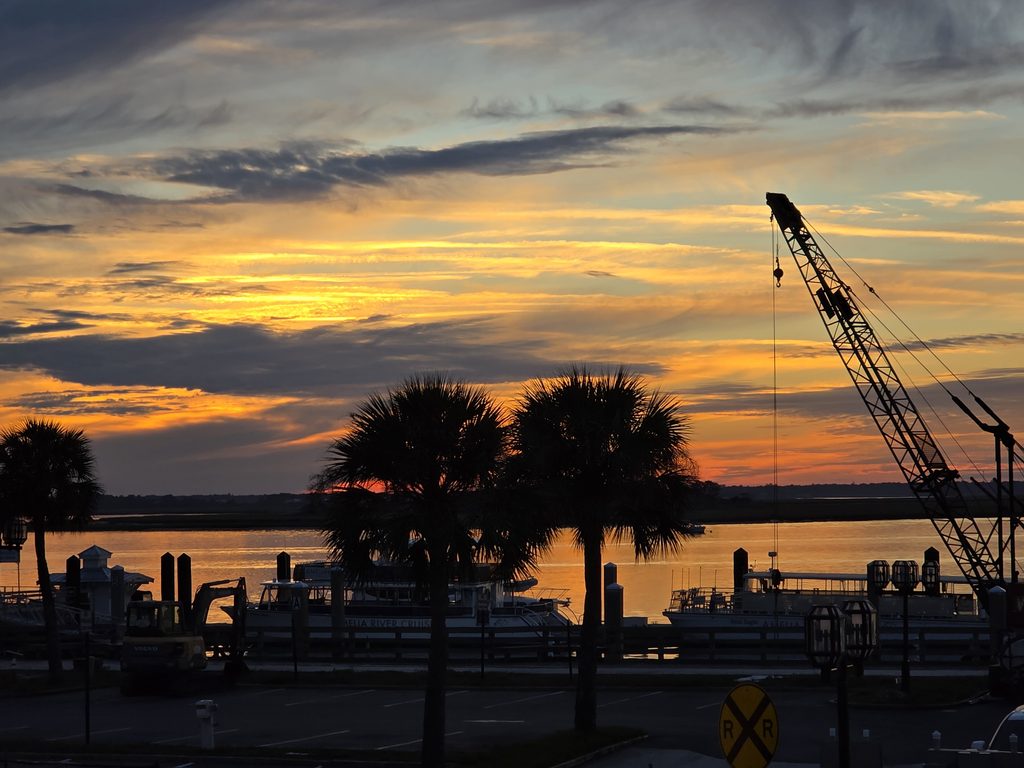
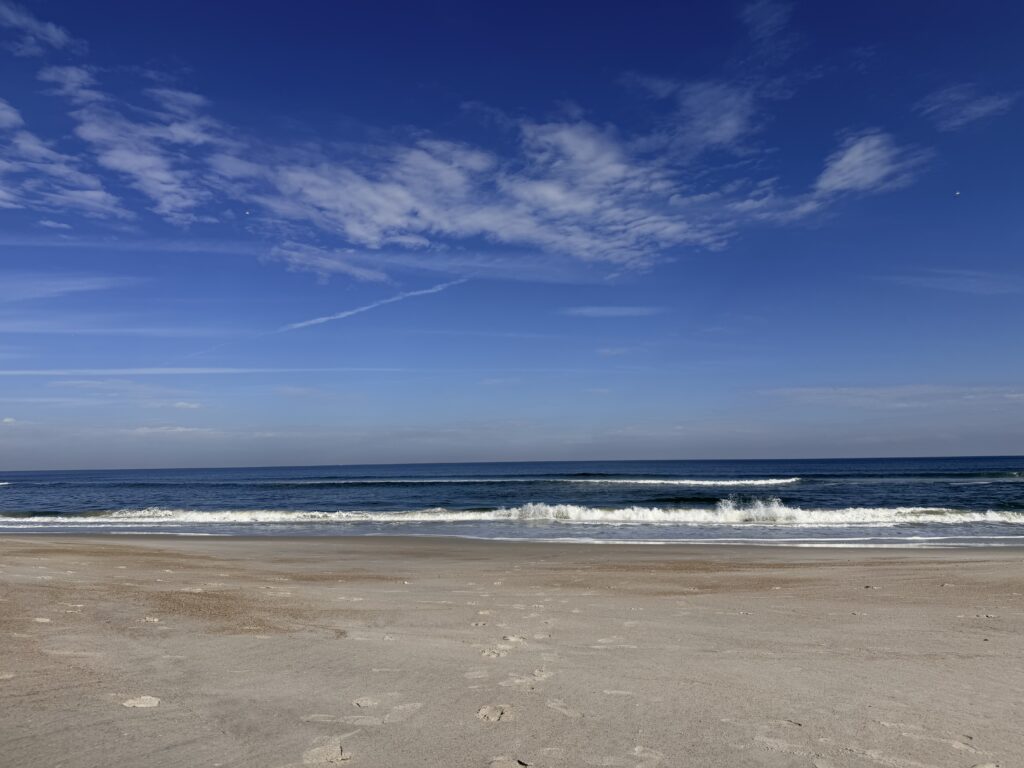
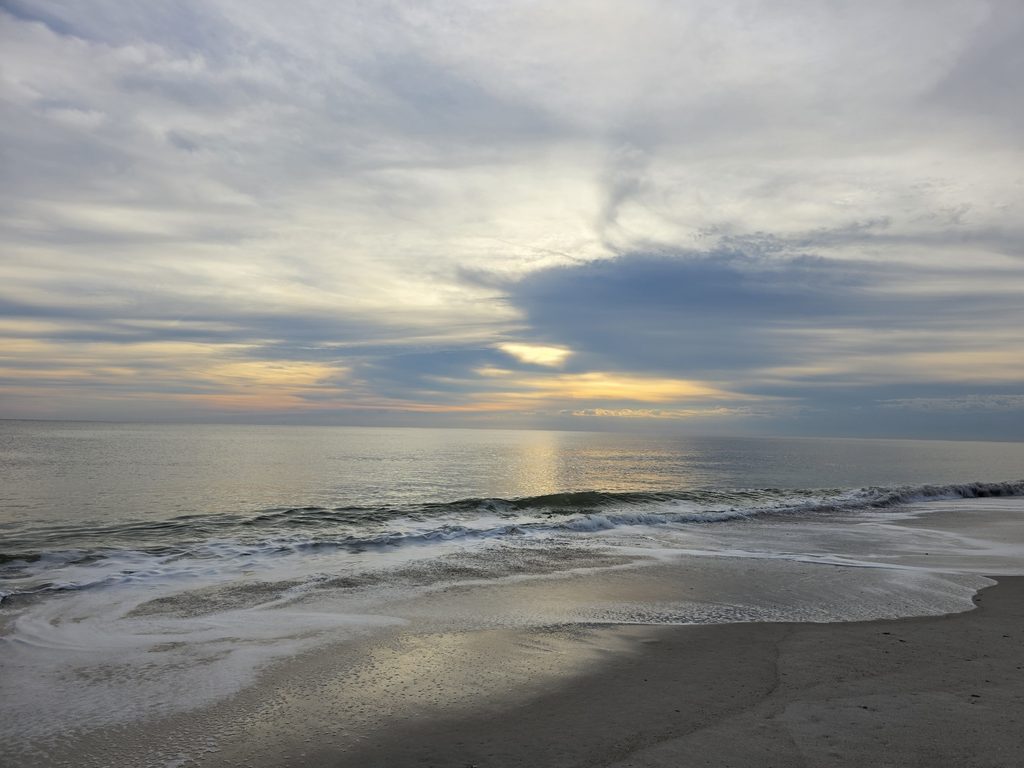
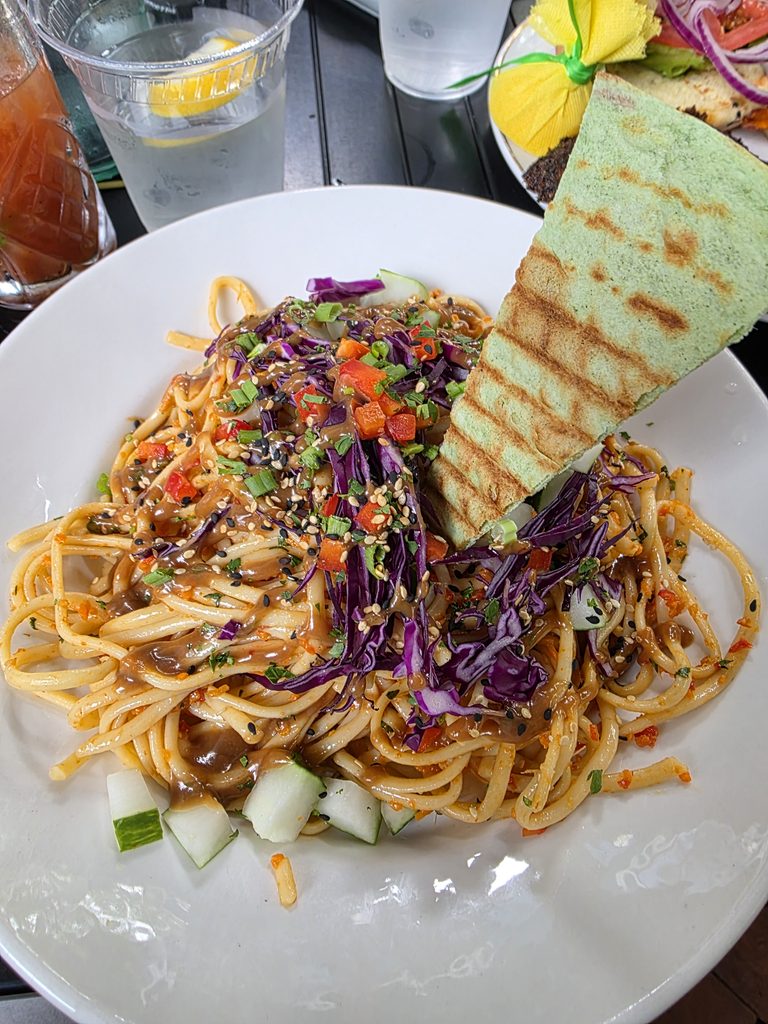
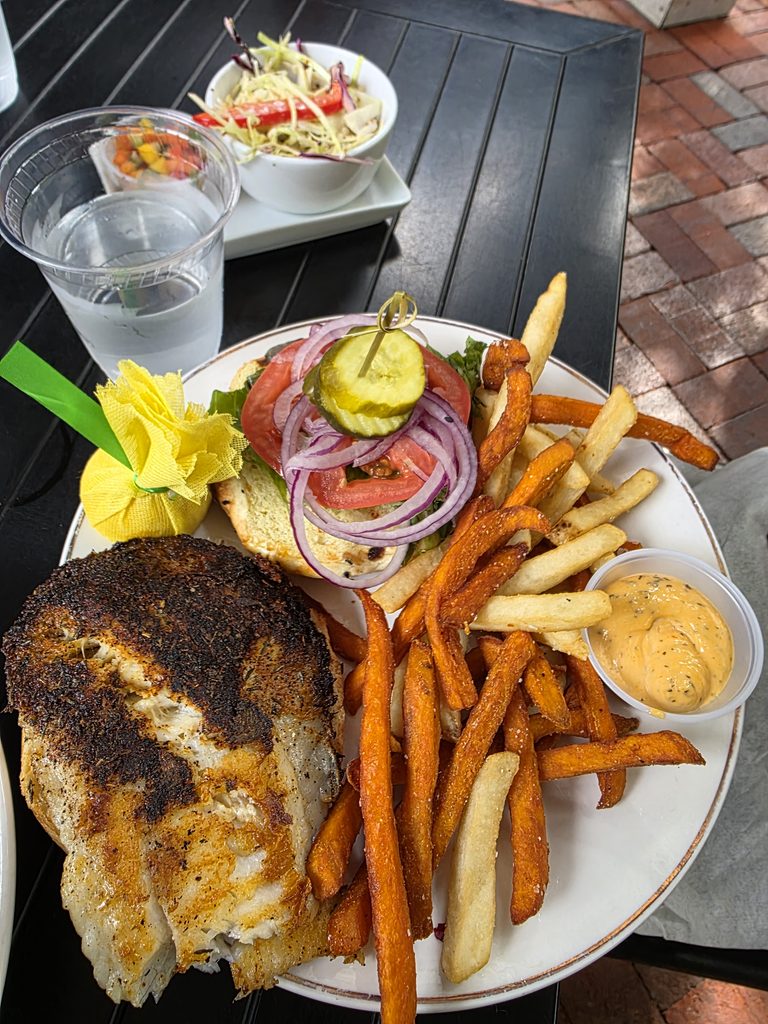
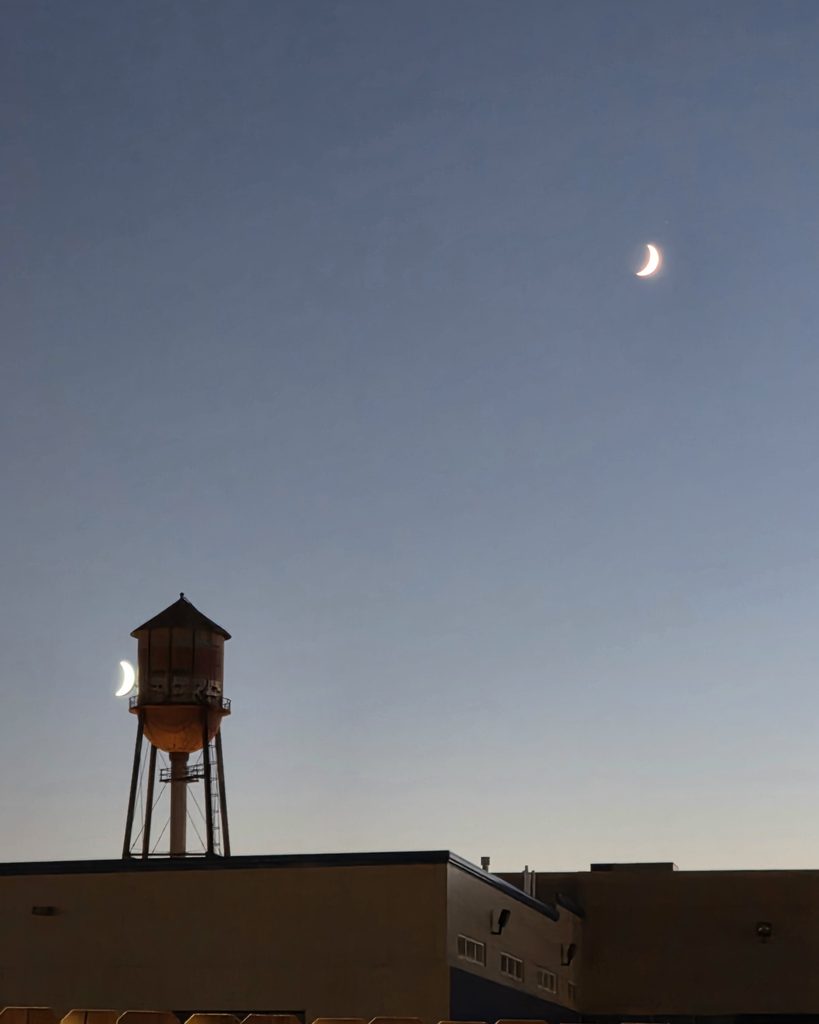
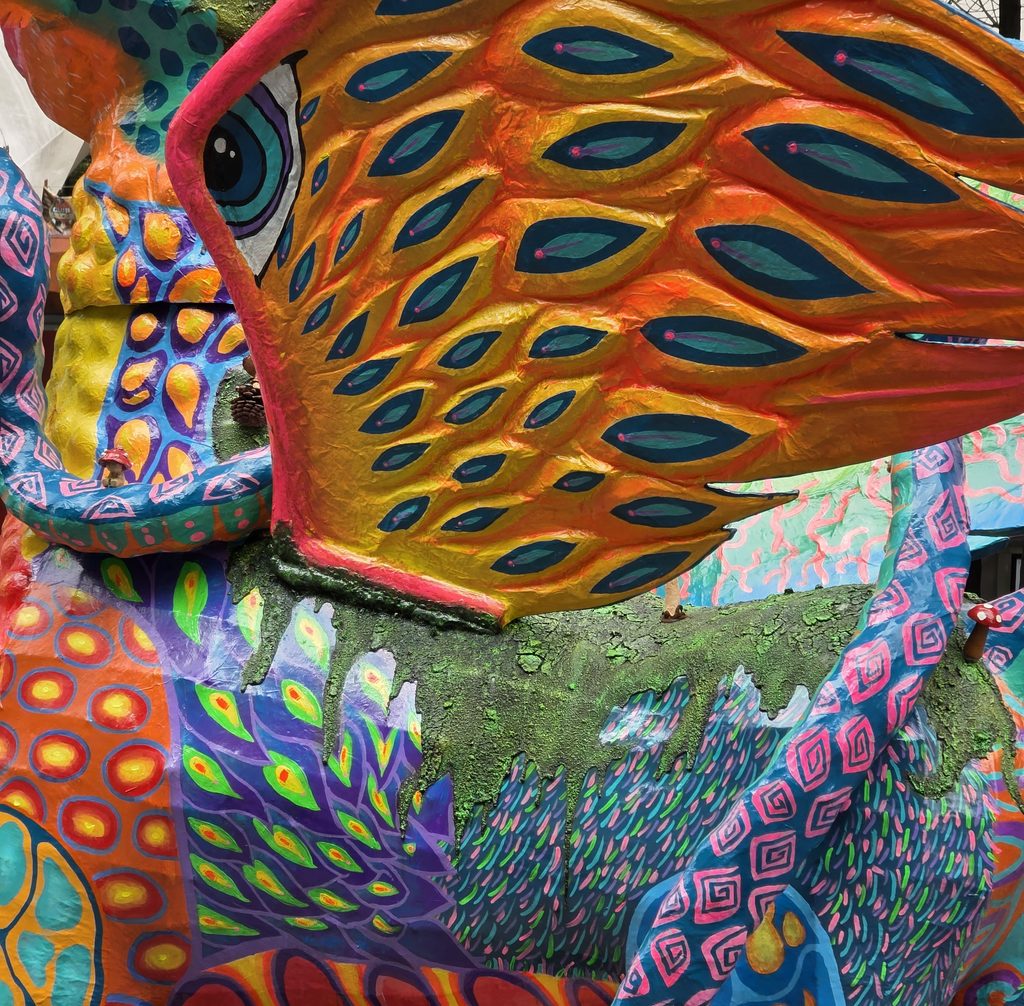
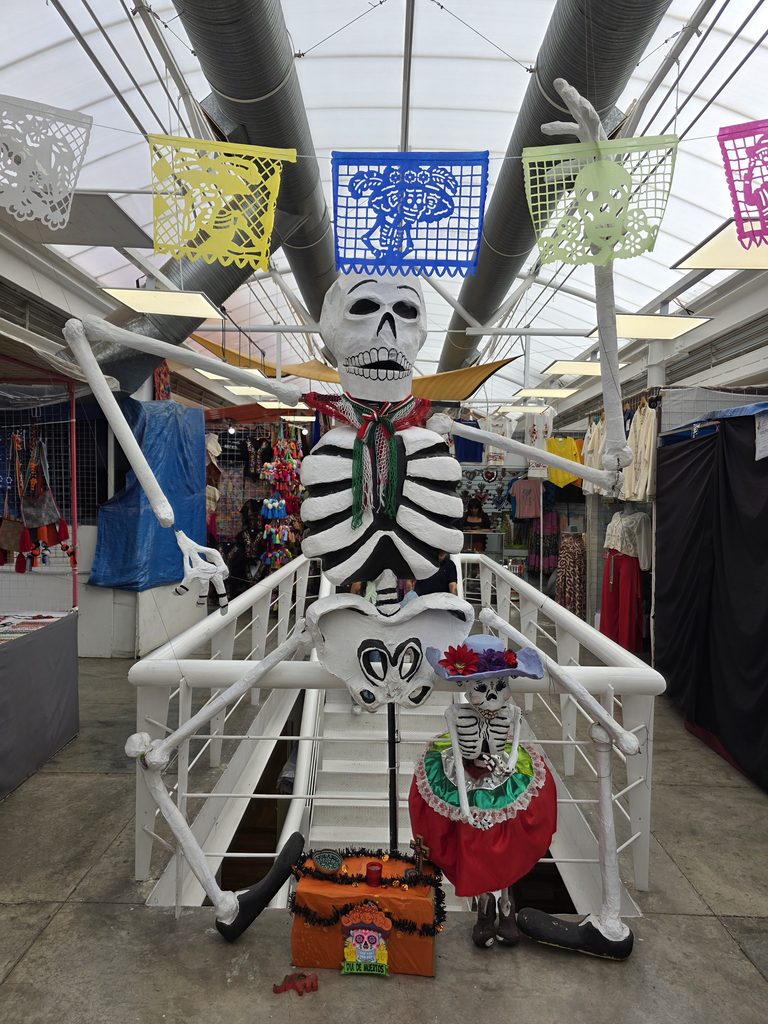
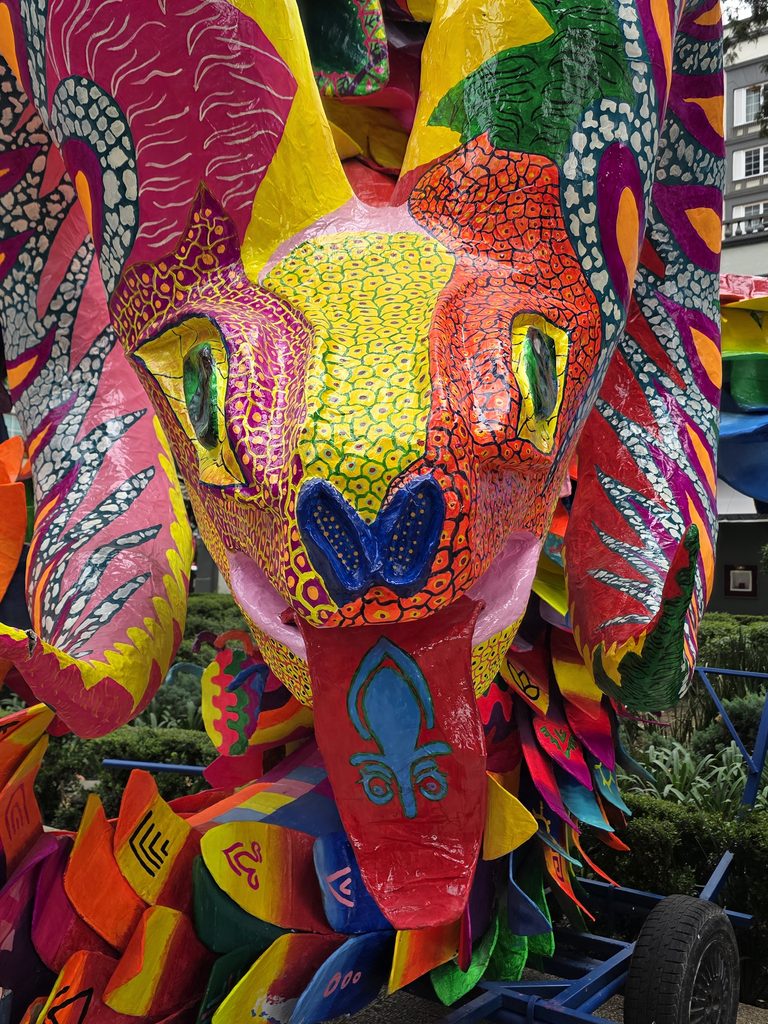
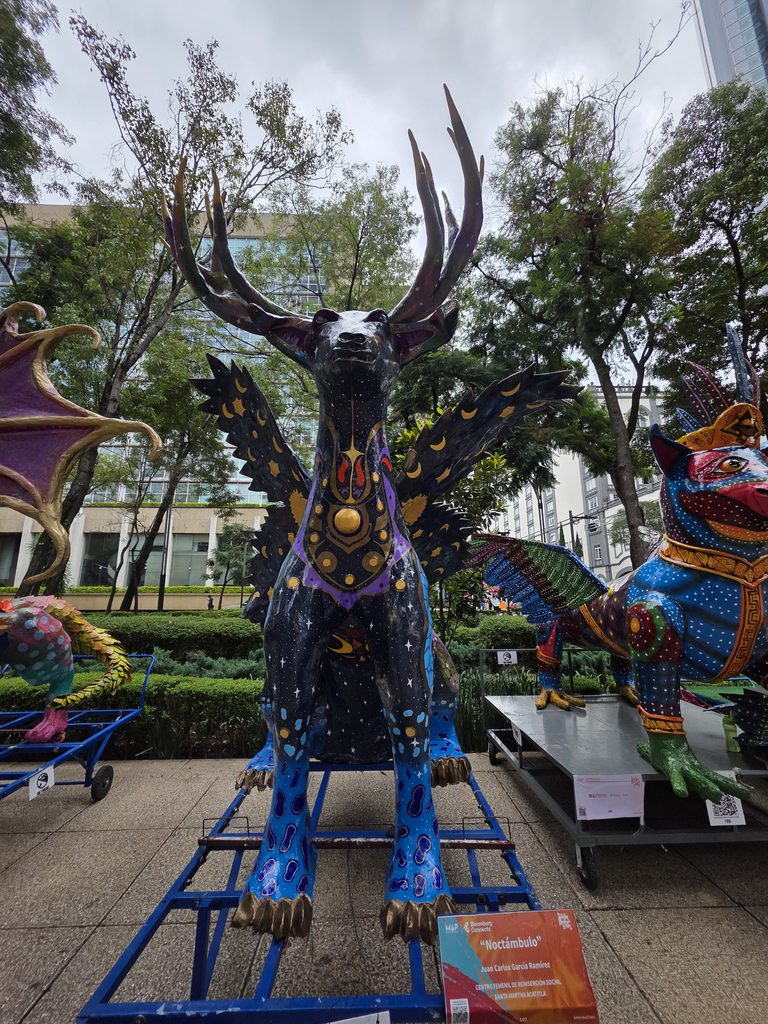
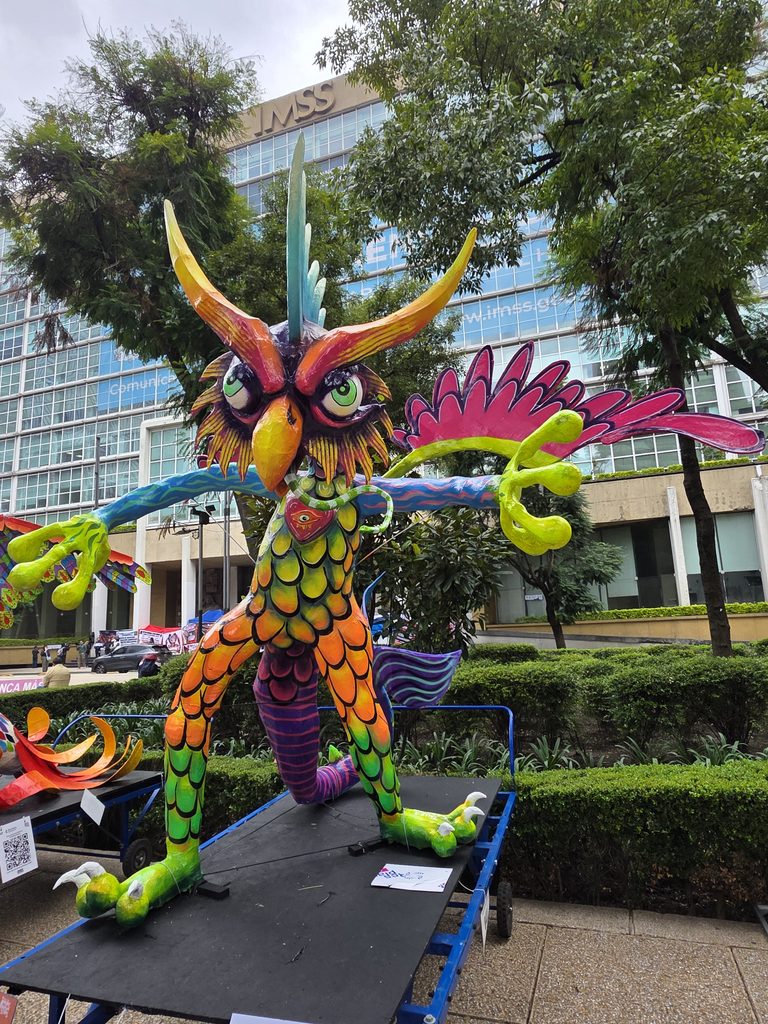
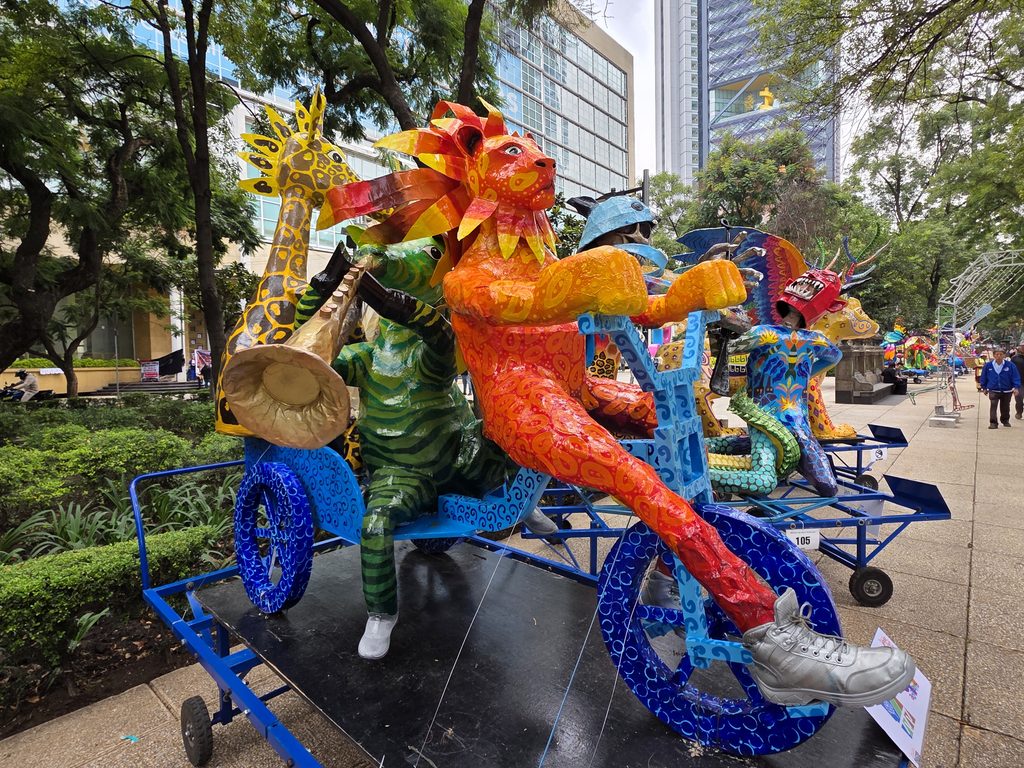
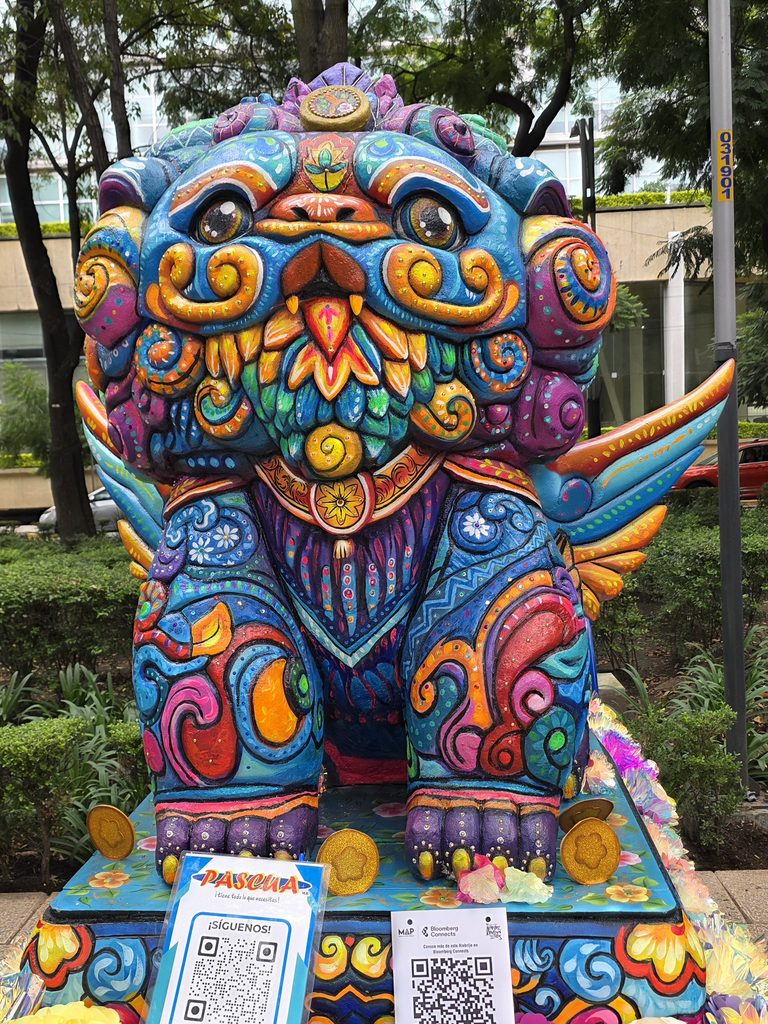
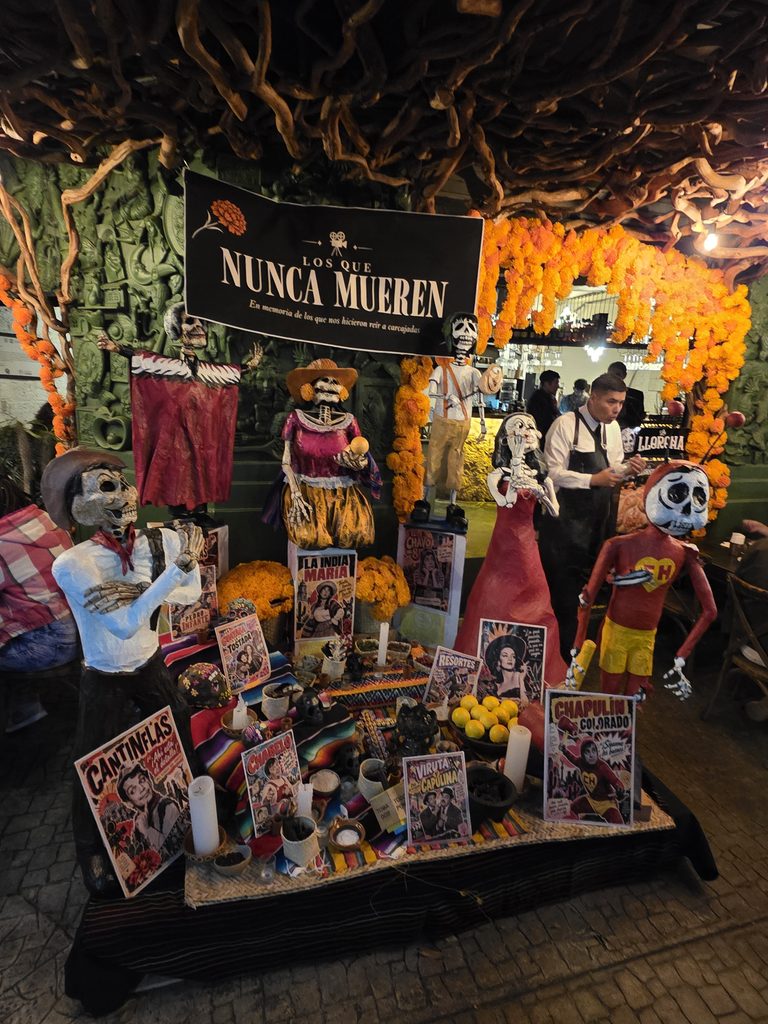
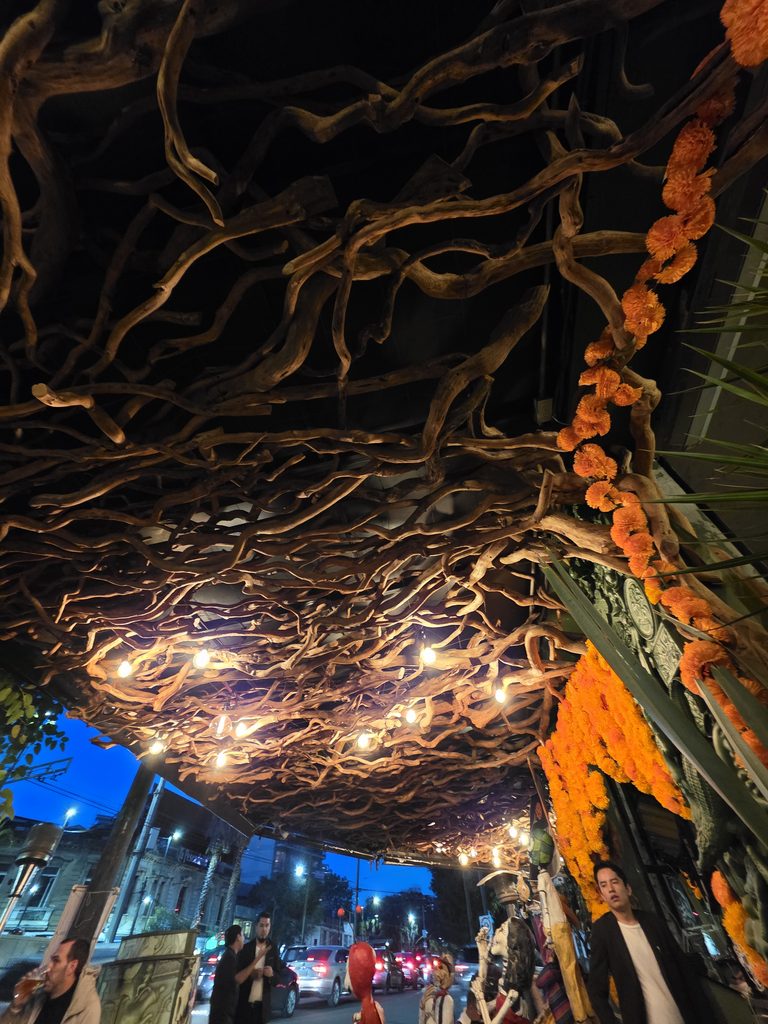
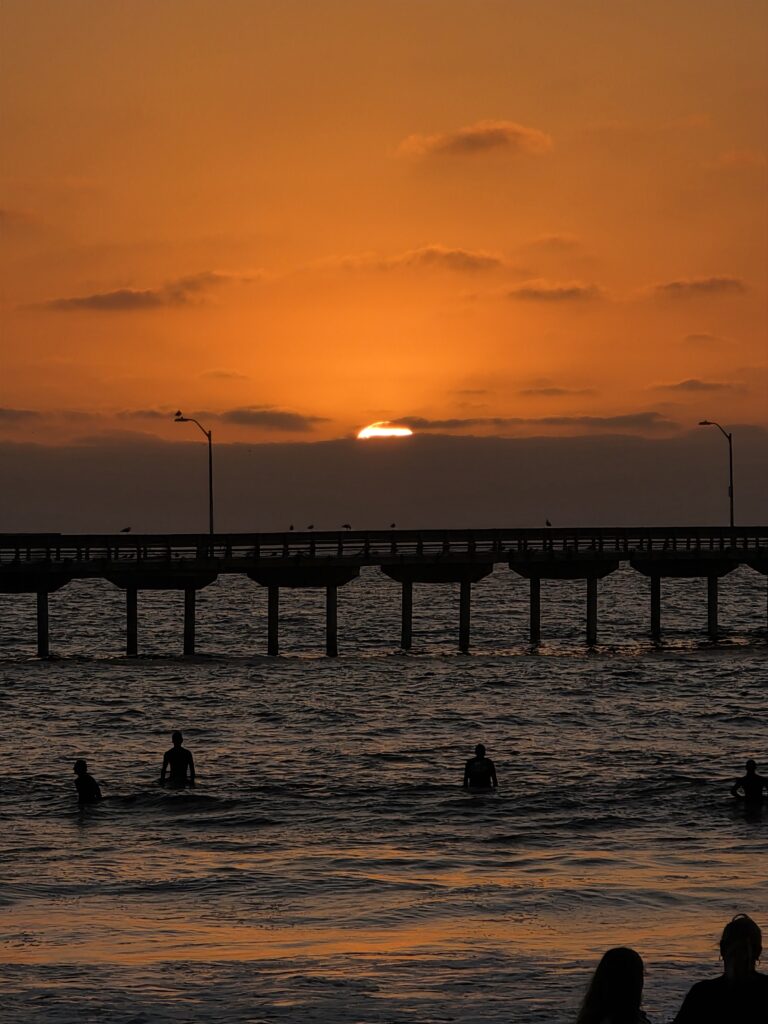
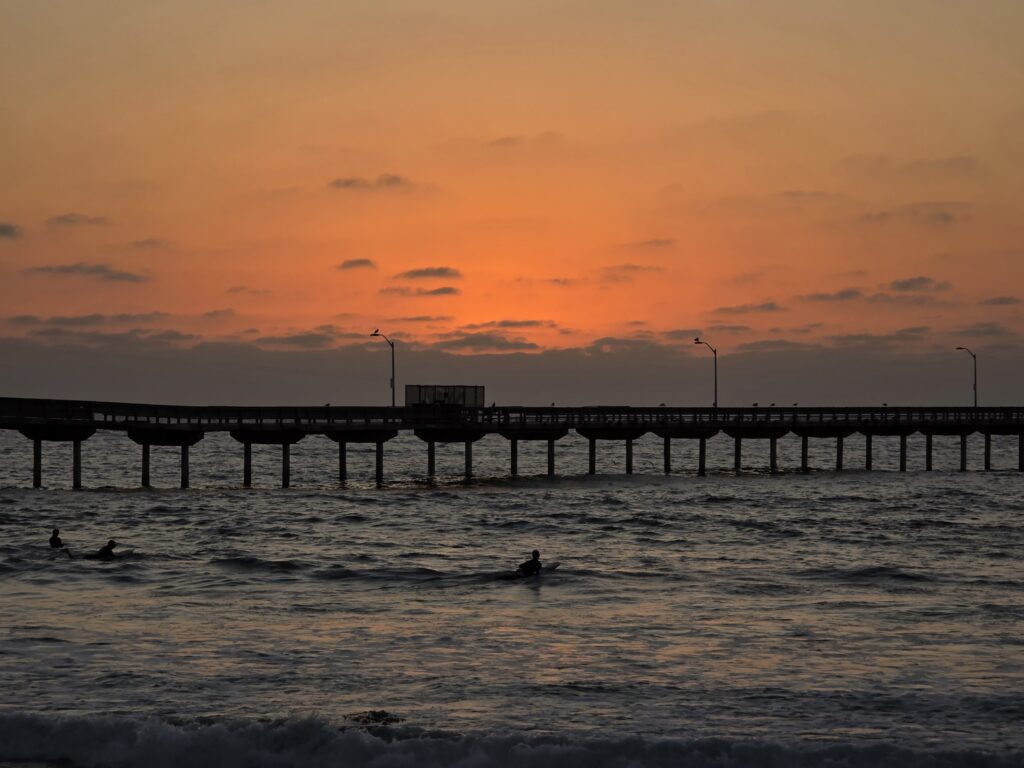
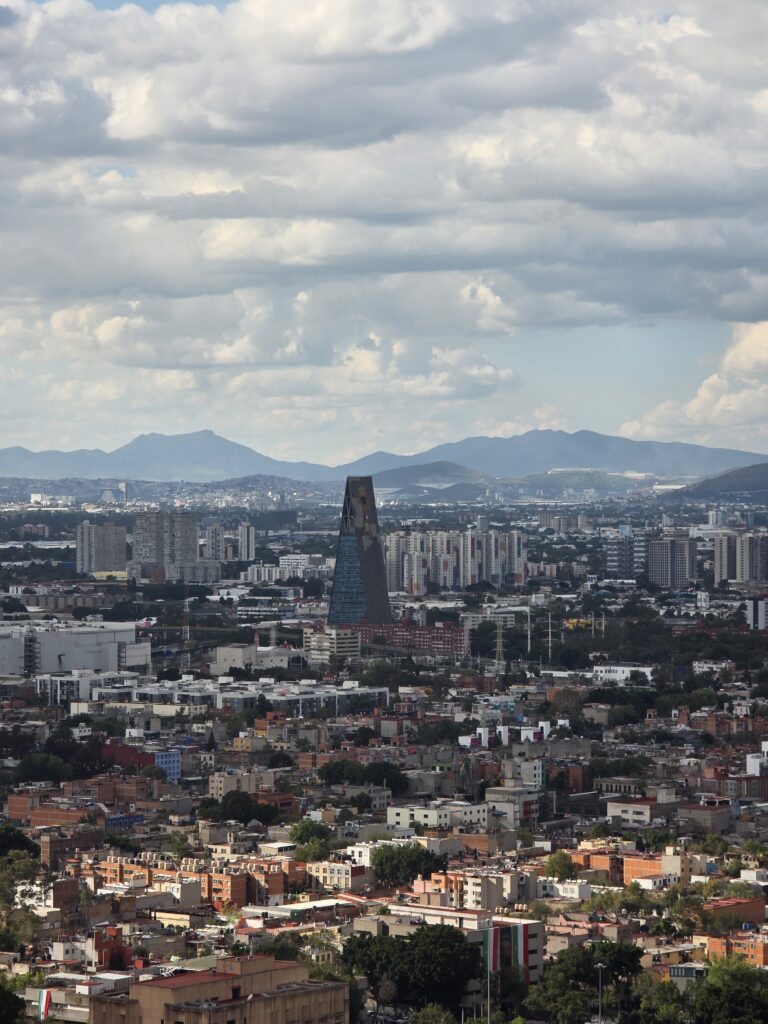
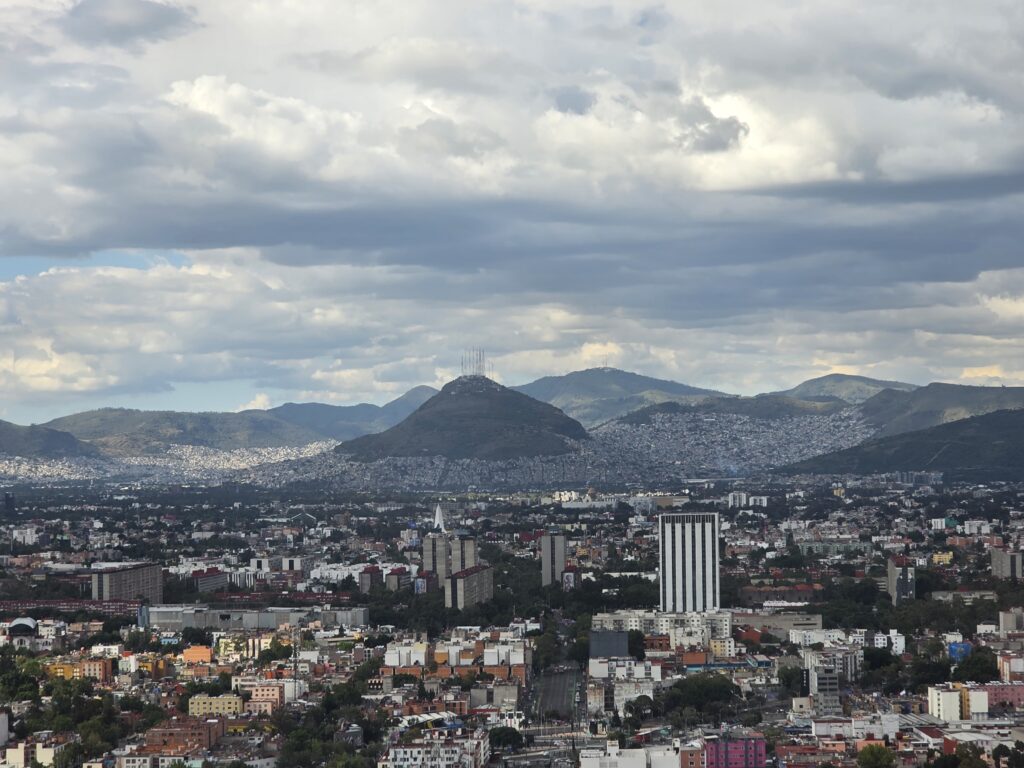
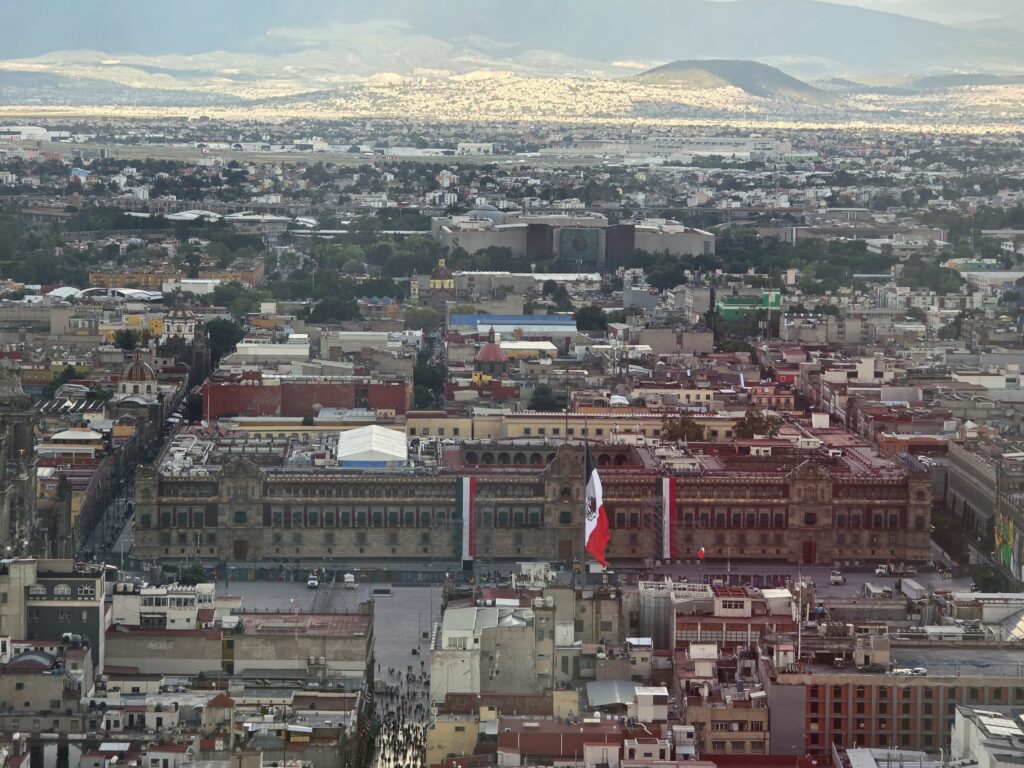
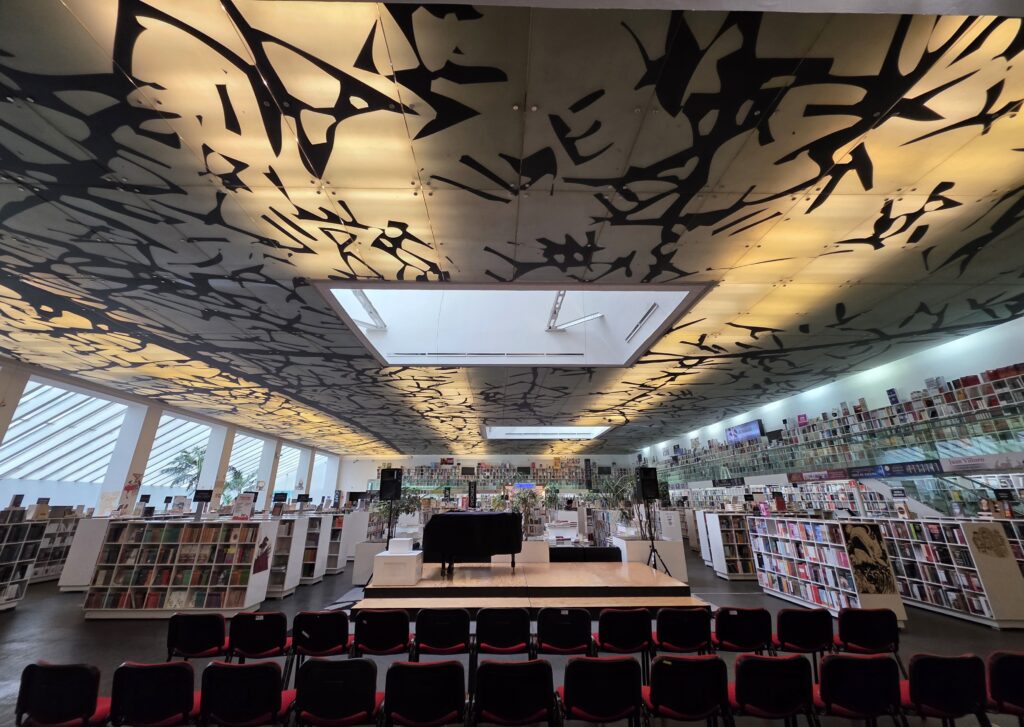
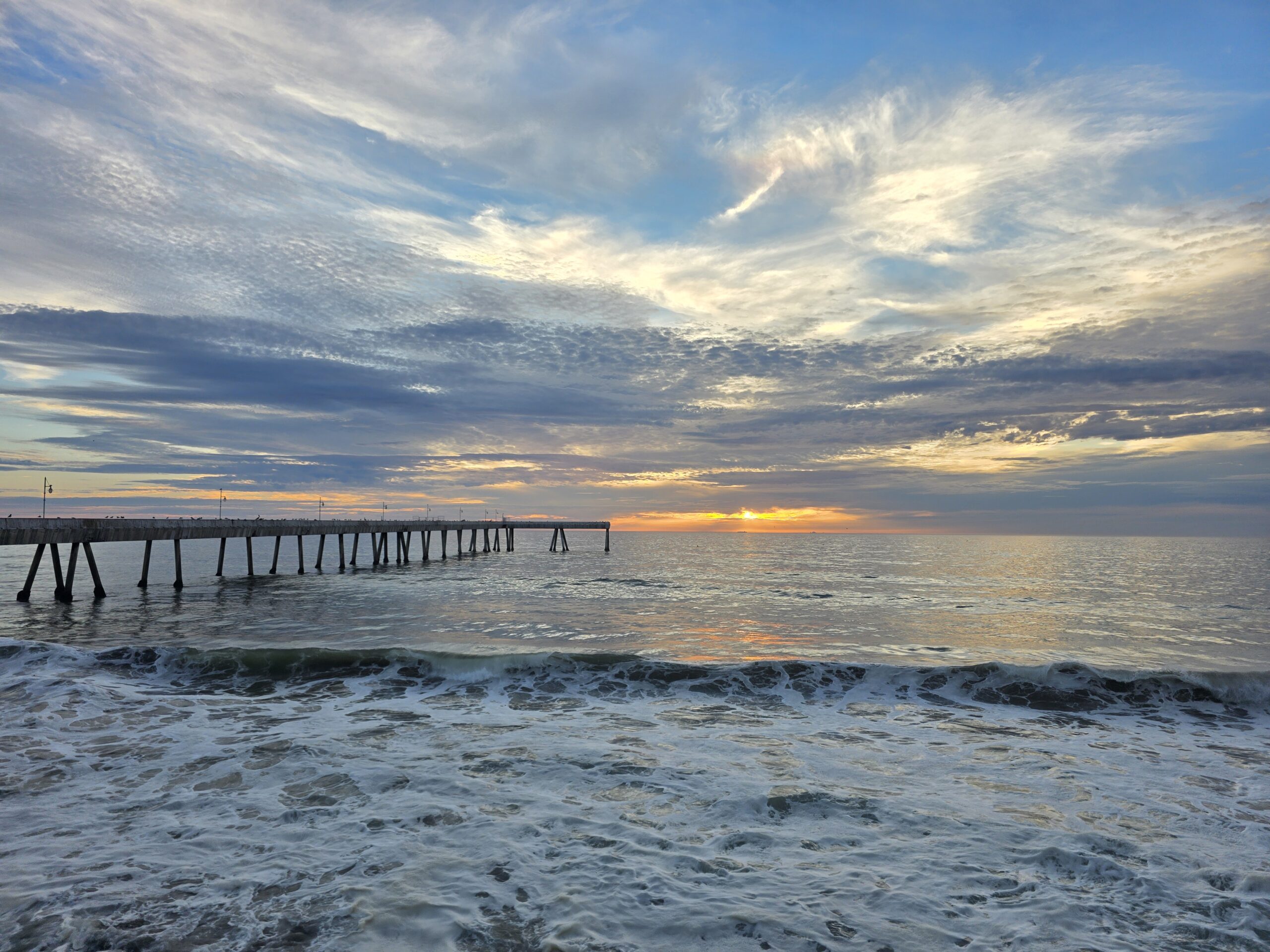
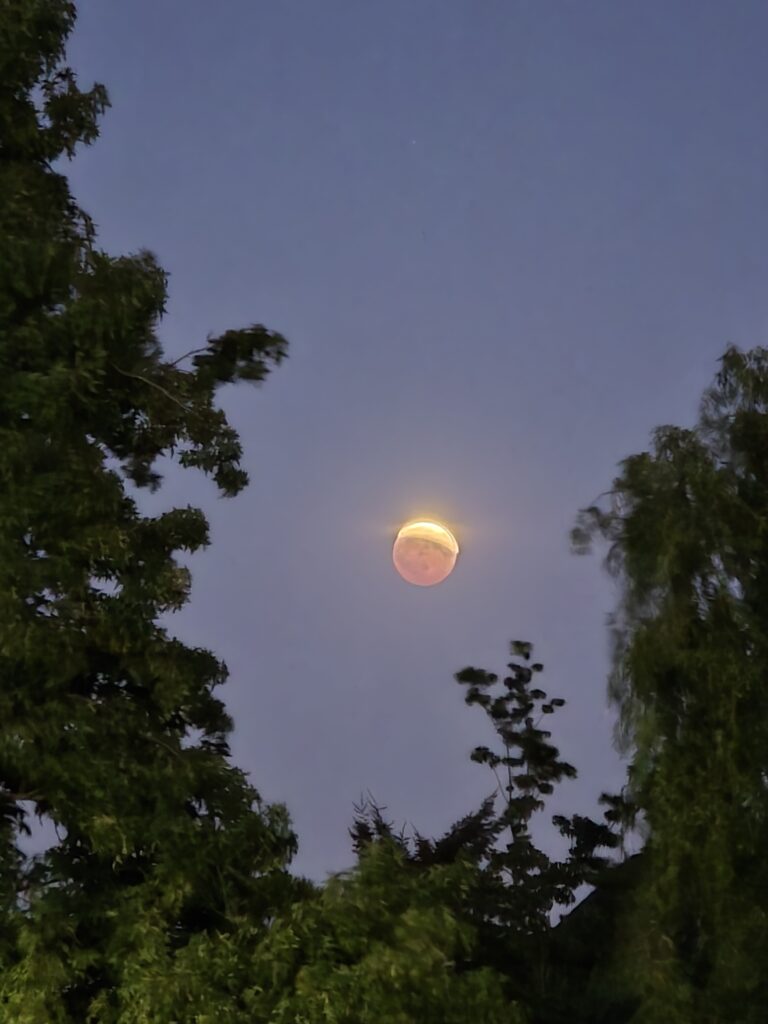
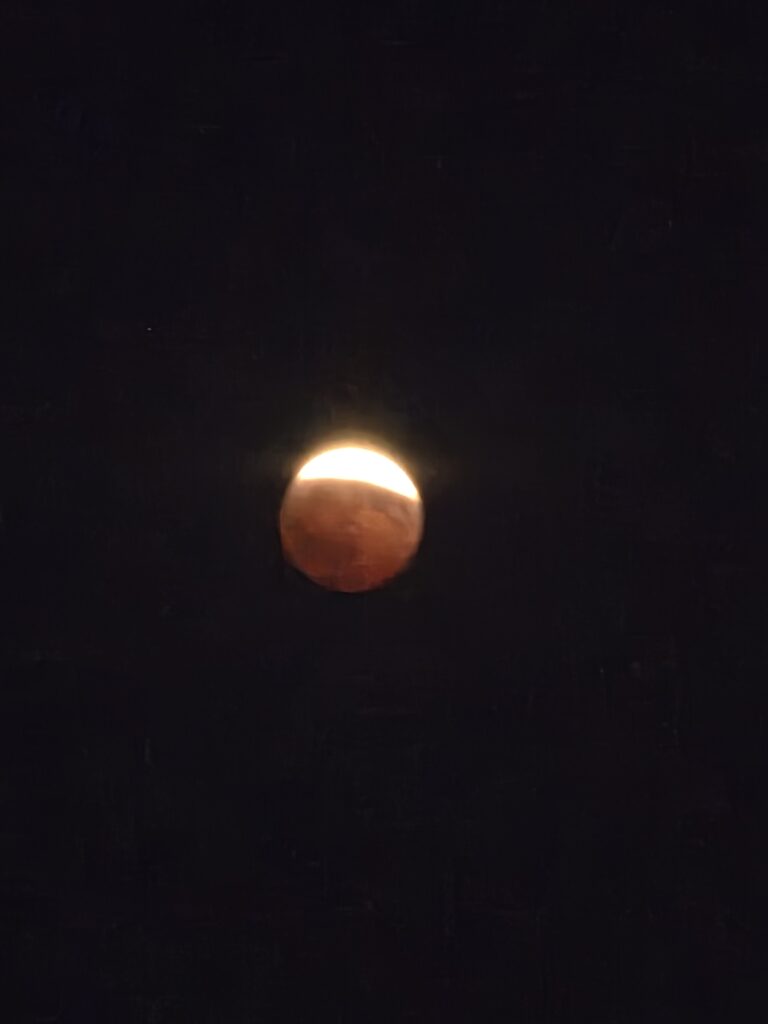
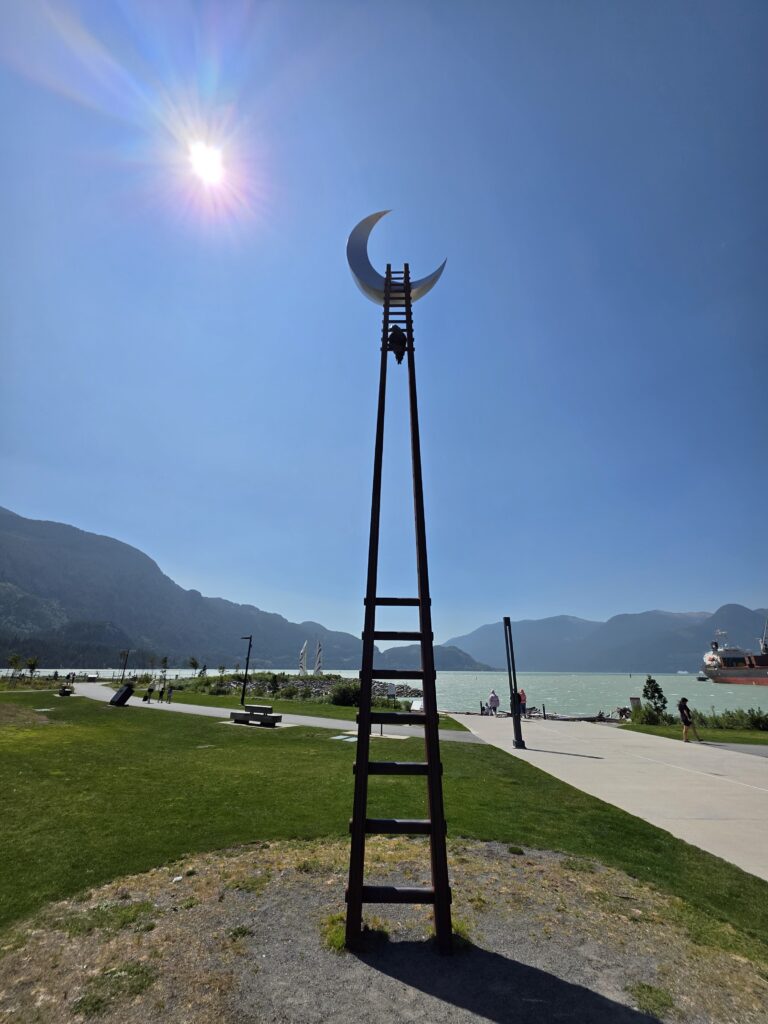
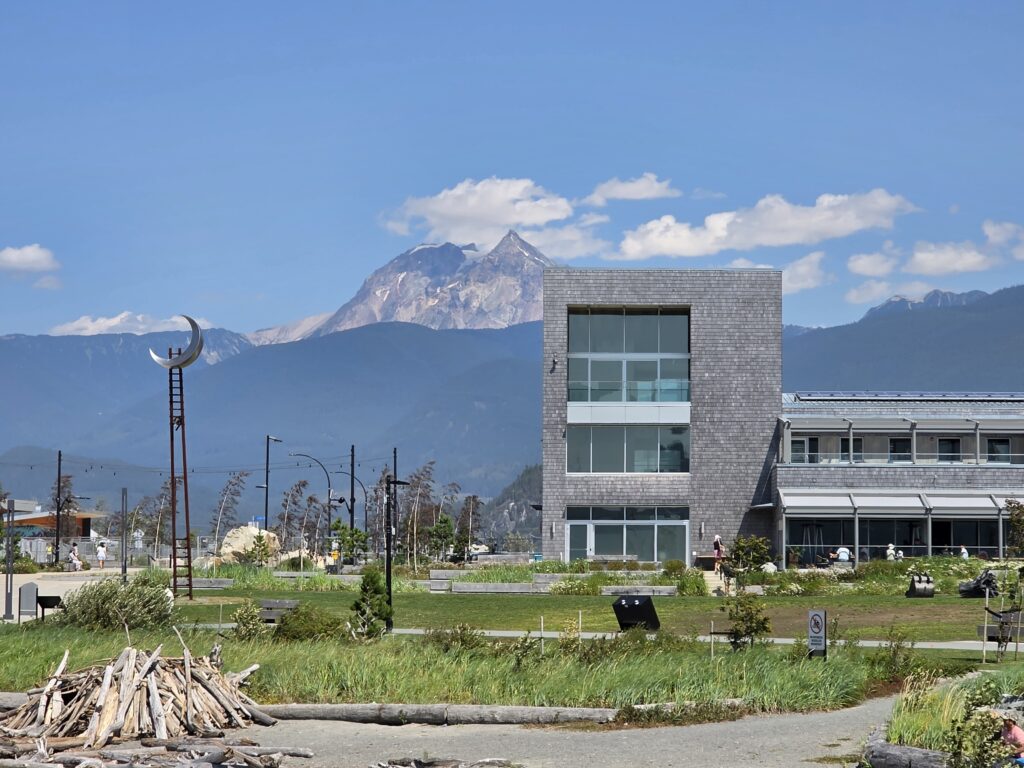
On October 27th, during our last week in Mexico City, we made reservations at Cityzen, which is the rooftop bar at Hotel Sofitel in the Reforma area of Mexico City. You have seen the statue in the lower left corner of the photo, The Angel of Independence, in several other pictures from our stay in Mexico City. We came to this bar once our last visit and it was fun to go back and take in the view. We had yet to be out in Reforma after the sun went down. It was fun to see everything illuminated. The next day I walked back to Reforma because the Alebrije statues were still on display and I hadn’t seen the other side of the street yet. This is the entrance to Bosque de Chapultepec (Chapultepec Forest). As you have probably already concluded, I couldn’t get enough of them. I was very impressed with how talented the Mexican artists are. Somehow each one seemed even more spectacular! I don’t know if you have ever seen the movie Coco, but I made the mistake of watching it on the plane to Florida, and was very touched by it. Mistake because I sobbed through the entire thing. The Alebrijes and ofrendas (altars) that the Mexican people make for Día de los Muertos are beautifully represented in this movie. On Sunday, November 1st, we met another friend that was in town from Connecticut at El Camino in Fort Lauderdale. This mural reminded me of Mexico City. On November 7th my mom, two sisters, and myself arrived safely at our place on Amelia Island just in time for the beautiful sunset. This is Fernandina Beach. I think that you can understand how we were able to walk it for several hours each day! Hopefully you won’t get sick of beach pictures because I took a lot of them. 😉The beautiful sunrise on the second day. Our place had the best view!I even was able to do some birding while I was there. This is a Willet. This is a very zoomed in/blurry picture of an Osprey. This little cutie is called a Sanderling. There were several fisher-people out each day. We asked and they were catching Pompano, Red Fish, Trout and Grouper among other things. The beach was pretty shelly in parts but once you hit the soft sand inside of the Amelia Island State Park it was lovely. One day we rented bikes an road around the property and along the beach. There were several of these adorable Gopher Tortoises on the property. We interrupted this one in the middle of lunch. Even though I do a lot of walking, biking on the beach is a completely different beast. I was pooped after this adventure and I’m glad I did it since it is something that I have never experienced before. That evening we rewarded our hard work with a delicious dinner at The Patio at 5th and Ash. It was fun to sit outside and take in decor. All four of us ordered the sea scallops for dinner and they were mouth watering. We definitely ate our fill of seafood while we were in Florida!A spectacular finale to a lovely day. The town of Amelia Island is SO cute! Old Town was established in 1811. I don’t think these sunrises could ever get old. Another beautiful sunset view from our dinner at the Salty Pelican. Our last full day we brought our chairs down to the beach and relaxed.Squeezing in one last walk in before we have to check out. Since we had time between check out and having to go to the airport we decided to have lunch at Cafe Karibo and boy was it yummy! This is the Spicy Thai Noodles…and the Blackened Grouper Sandwich. Both were super tasty! I’m definitely going to miss the fresh seafood for sure. It is always a little bittersweet saying goodbye to family and at least this time I get to see them soon! I am so grateful for the time we had together!I love how the moon is almost the same shape as the one on the water tower in this picture. It is good to be “home” you betcha!
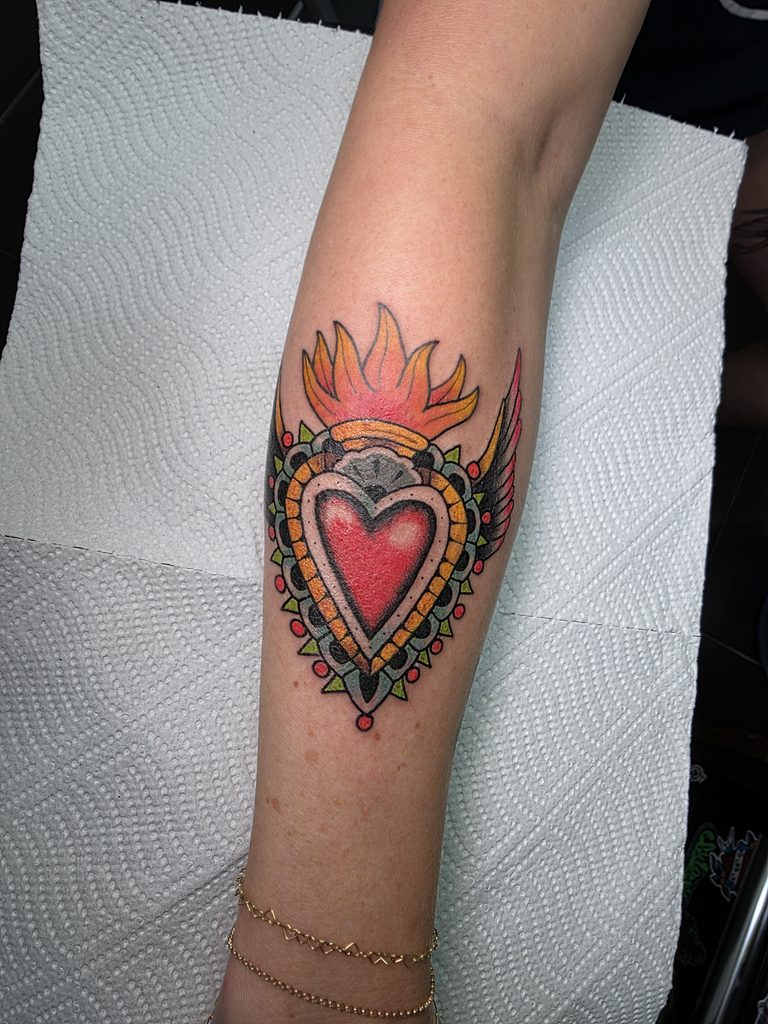
We have had another wonderful two weeks in Mexico City since you last heard from me. The week that Dave was gone went swimmingly. The sun came out everyday, I was able to meet with my Spanish tutor three times and even walked the hour and a half to Coyoacán to see her. I met with her partner after our meeting and got my sacred heart tattoo which I absolutely love. I was able to relax, read, and work with my Reiki teacher. I truly went where the spirit moved me and had a wonderful time. Dave had a great time as well and was grateful for the opportunity to meet and collaborate with his coworkers who traveled from all over the world to be at the Offsite. Some of them, some I have met before and some I haven’t, came to Mexico City after the Offsite so it was fun to meet and hang out with them. It is so cool that through our travels Dave has been able to meet more of his coworkers than he ever did while we were in Saint Paul. Now when we return to Europe in 2027 we’ll have new friends to visit in new places we haven’t been before. What a gift!
It was interesting to notice last week, with Dave back, how I felt lonelier than when he was gone. I found this curious because I was obviously overjoyed to have my buddy back. So, why the loneliness? I’ve been reflecting on this and other recent emotions to honor them and better understand their root causes, hoping to learn more about myself. If you have been following along on this blog for a while you may have noticed a trend when it comes near the end of each leg. While we’re gone and we don’t have the opportunity to see anyone, I get lonely sometimes and it is what it is. When it gets close to being able to see our people again, I liken it to a kid waiting for Christmas, the closer it gets the harder it is to wait. Dave and I were processing this a little bit together yesterday and I realized a new part of it that I hadn’t thought about before. When we travel to other countries we really try and be intentional about immersing ourselves in that culture. Whether it be through tours, volunteering, language study, or just everyday interactions, we make an effort to engage and to understand the people who live there and their way of life better. We thrive in it. It fills us up. It expands our perspectives. When we’re home we our filling our buckets by seeing our people, and that deeper cultural understanding that we thrive in while we’re away is lacking. I think we miss it and that is what motivates and encourages us to continue on this adventure for as long as we can.
After my last post my Stepdad texted me and said that he is proclaiming us VEPs (Very Educated Persons) and it was one of the best compliments I’ve ever received. For those of you who don’t know him, he has a way with words. He explained that we have earned this title because “he can’t think of anyone else who knows more about the world, the countries, their culture, their history, their art, their language, their geography, than us.” His message was a really powerful reminder of how fortunate we are to have the opportunity to be on this adventure. What a privilege it is to share it with all of you. That and the fact that I need not waste a minute of it feeling sad or lonely, because even when we miss our people and we may not be in close proximity to each other, we’re still living in this beautiful world together.
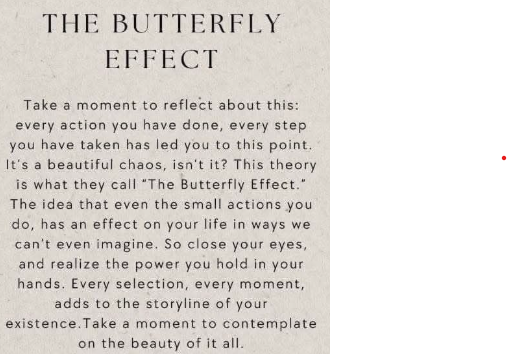
I’m going to let my photos and captions do the talking for what we’ve been up to the past two weeks and I do want to share a little bit about why I chose this title for Chapter 78. We took a tour with a guide at the Anthropological Museum on Saturday and he ended with this message, “you never know what a difference you’re making in the world or whose lives that you touch. Be aware of those seemingly small interactions and the effect you may have on the people around you. Know that you are doing great things.” His words made me think of the butterfly effect—the ripples that spread whether or not you are aware of them. It was a good reminder that in this world of beautiful chaos, it is important to step back, take it all in, and reflect on how we may be making a difference. It helps us remember to live in gratitude for each day and the fact that we are able to experience it.
Sending you a Universe of love wherever you are!
Alison and Dave
PS I wanted to mention that when you visit our outoftheswamlows site this time you may notice a difference. Dave has given it a glow-up and there are some new accessibility features as well. You’ll notice there are now pictures attached to the links for each chapter which we feel helps with the navigation. You’ll also notice that there is a new search option at the top where you can search key words or places and it will bring you to the post where it was mentioned. Finally, at the end of the chapter you’ll notice a place to subscribe. We’re still working on this function and in theory if you subscribe you’ll get updates when I’ve posted or Dave has updated his data and you should be able to leave comments. Signup and we’ll figure it out together! 🙂 We hope you like the new look!
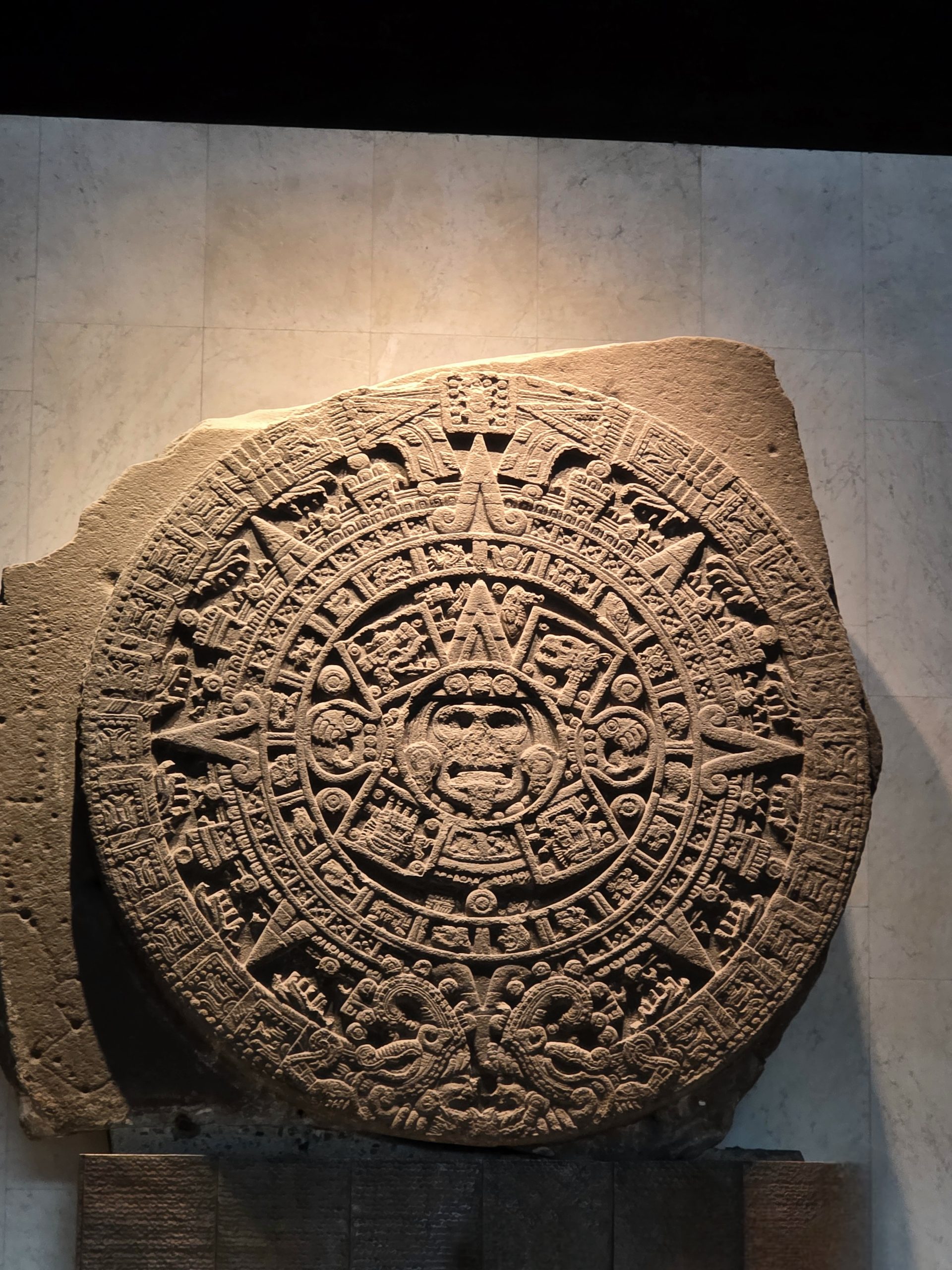
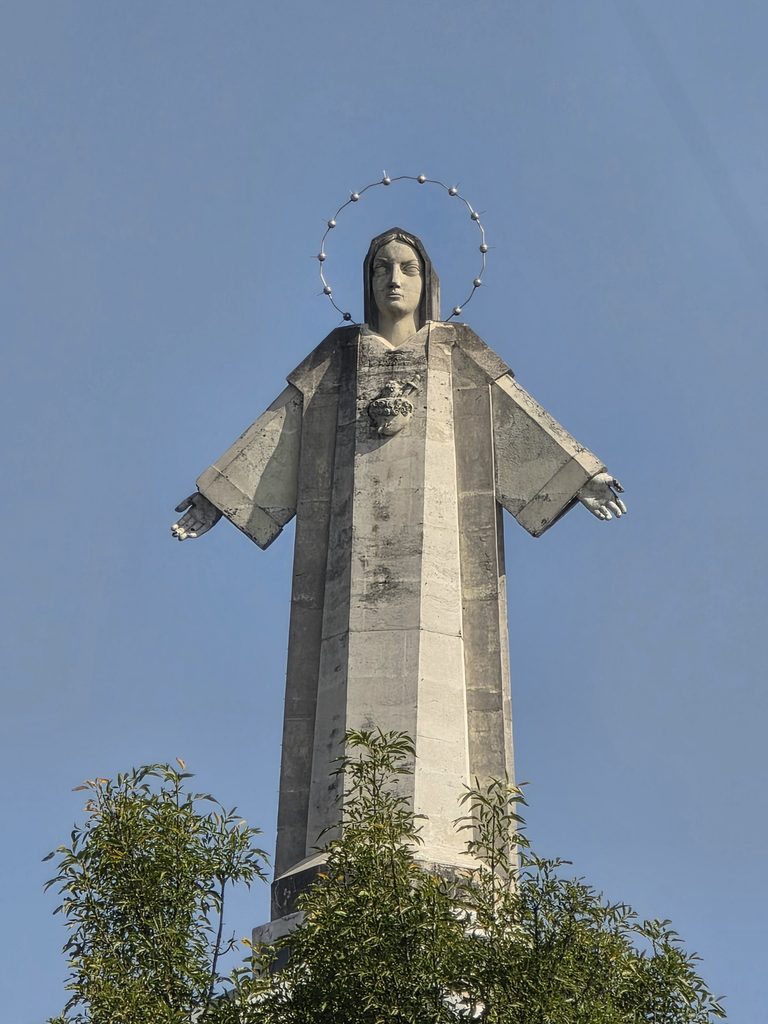
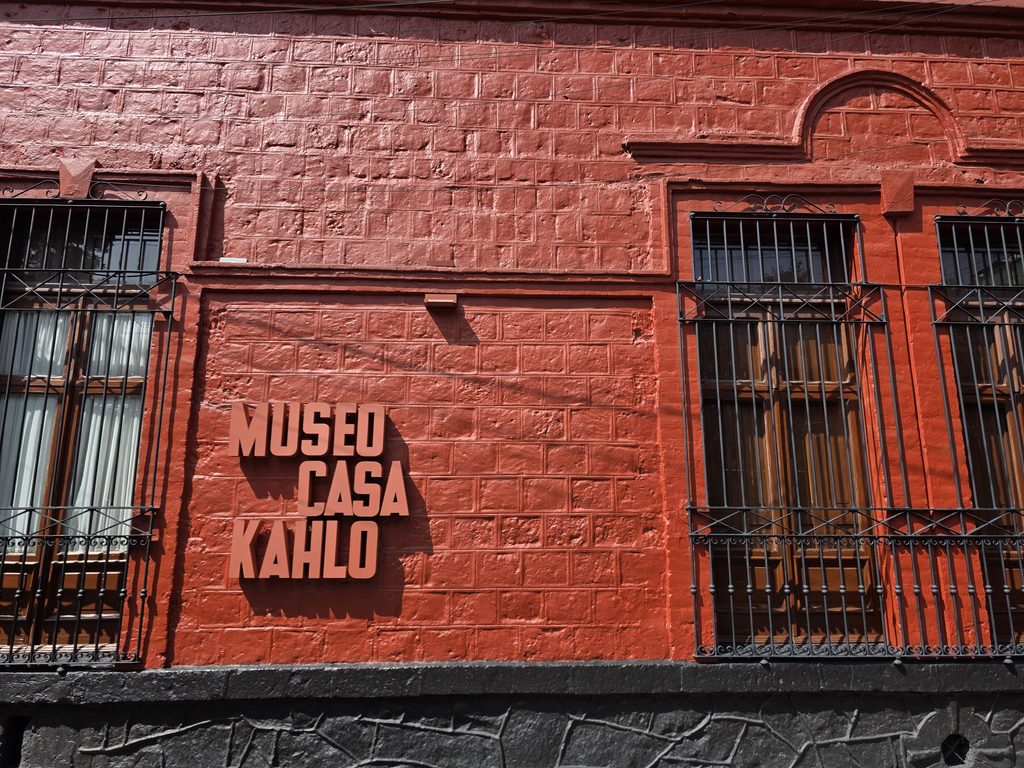
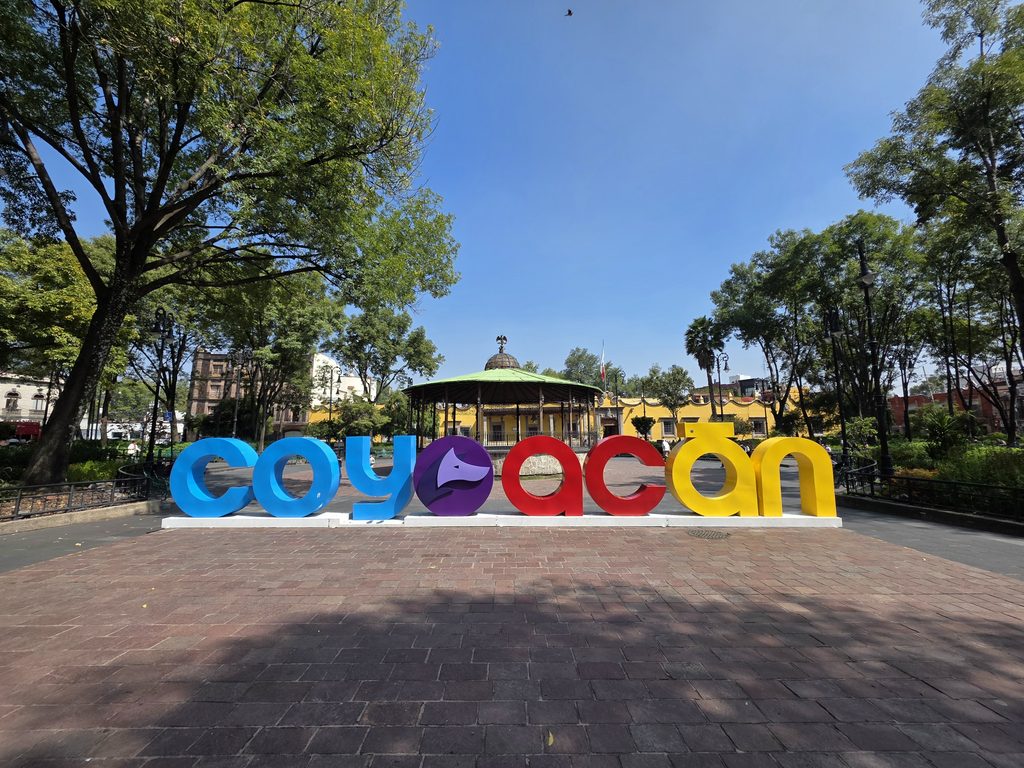
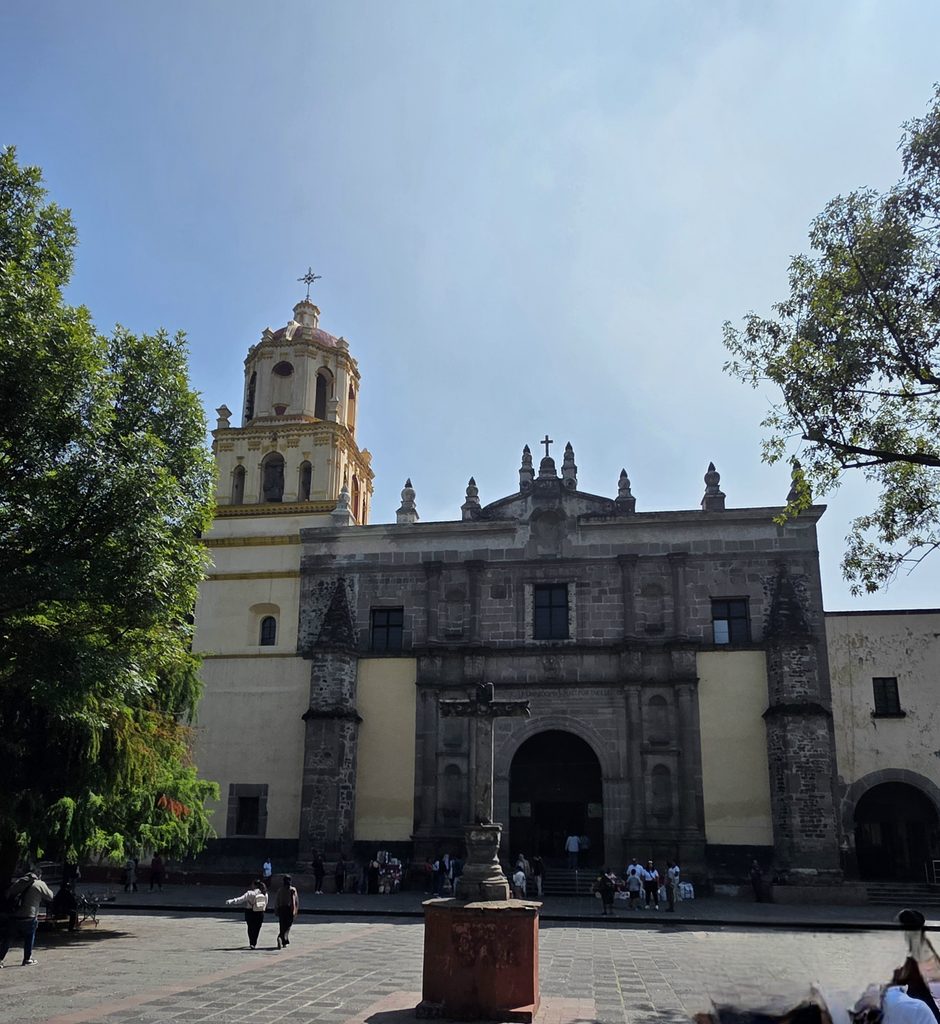
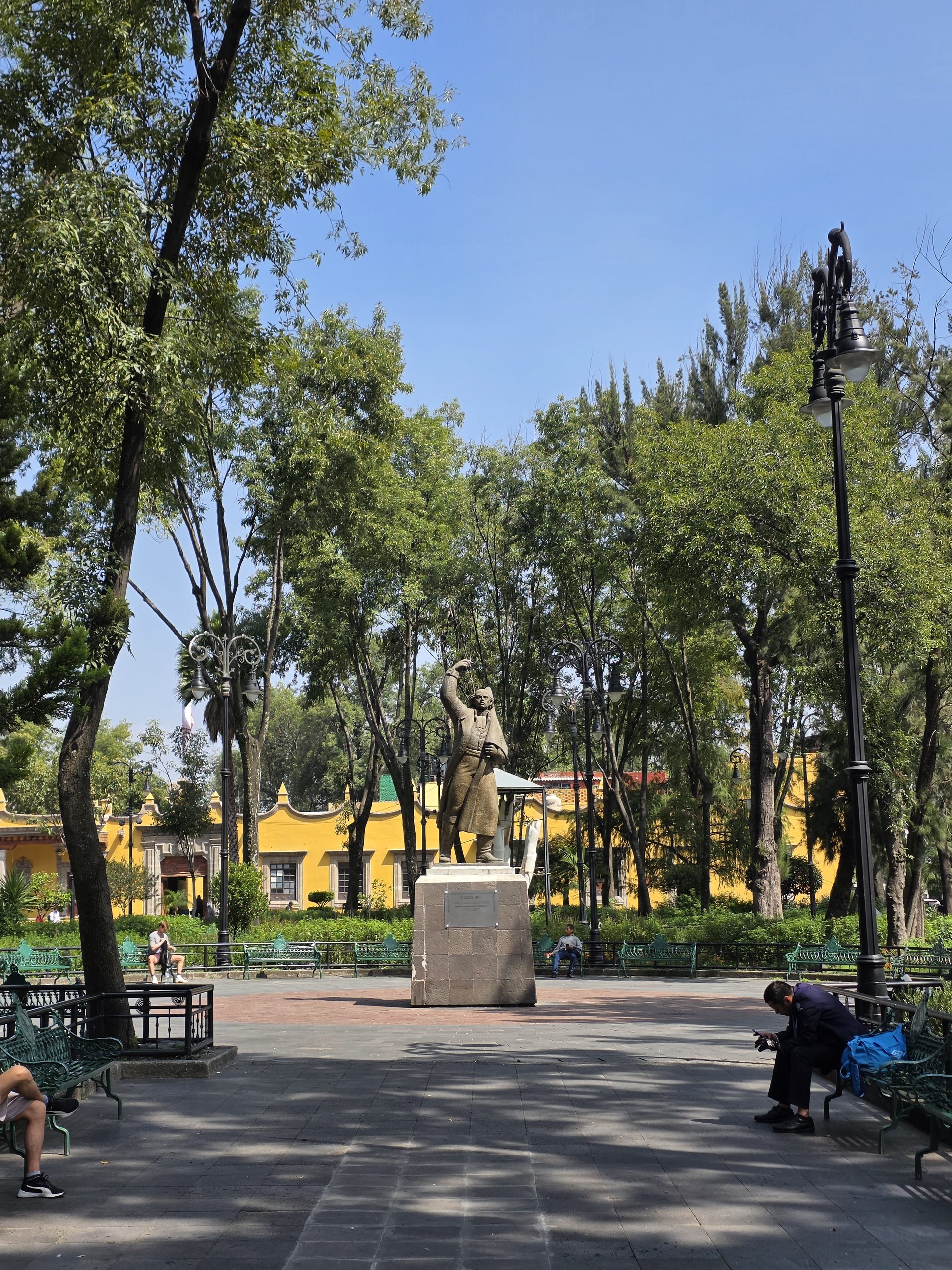
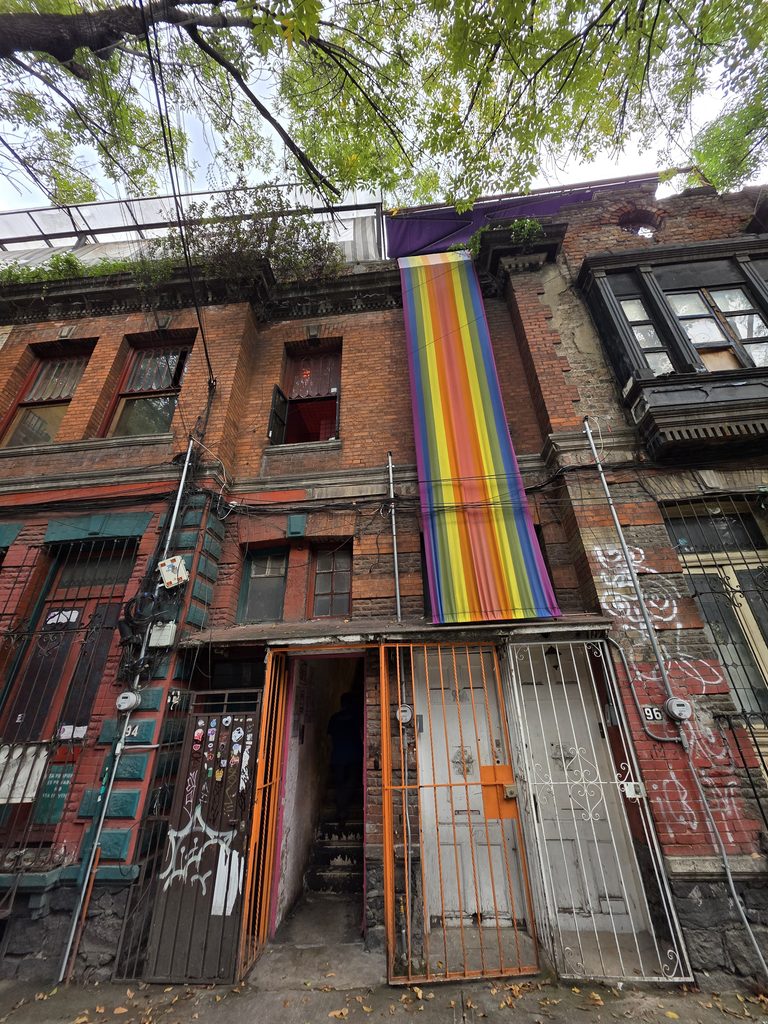
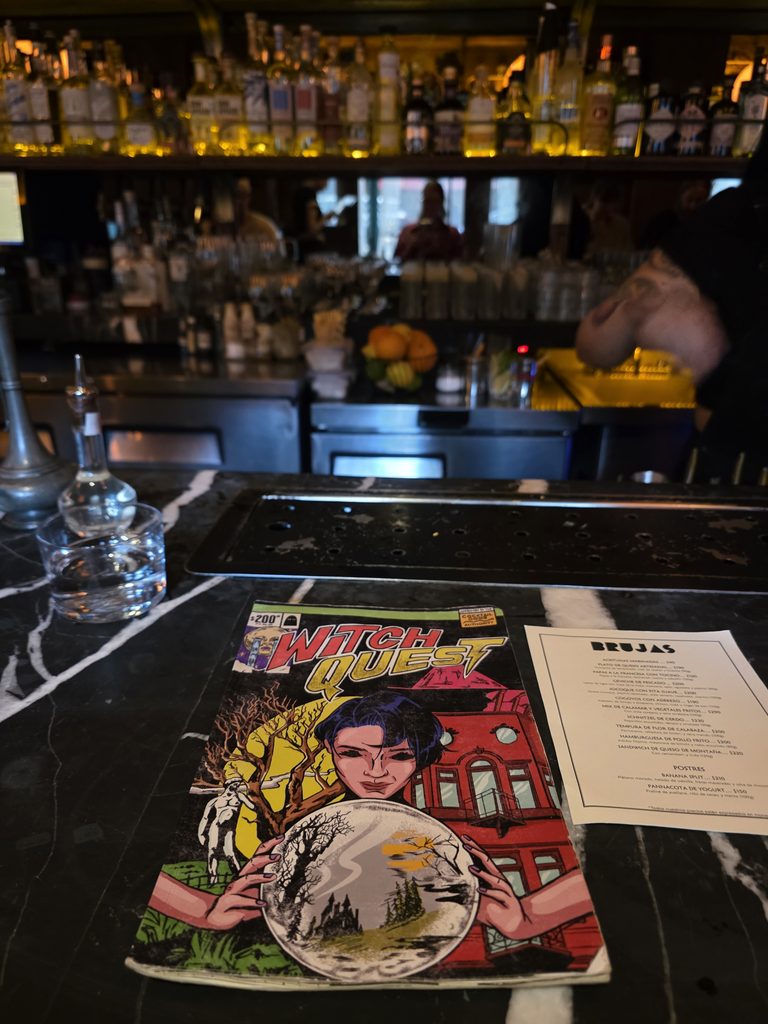
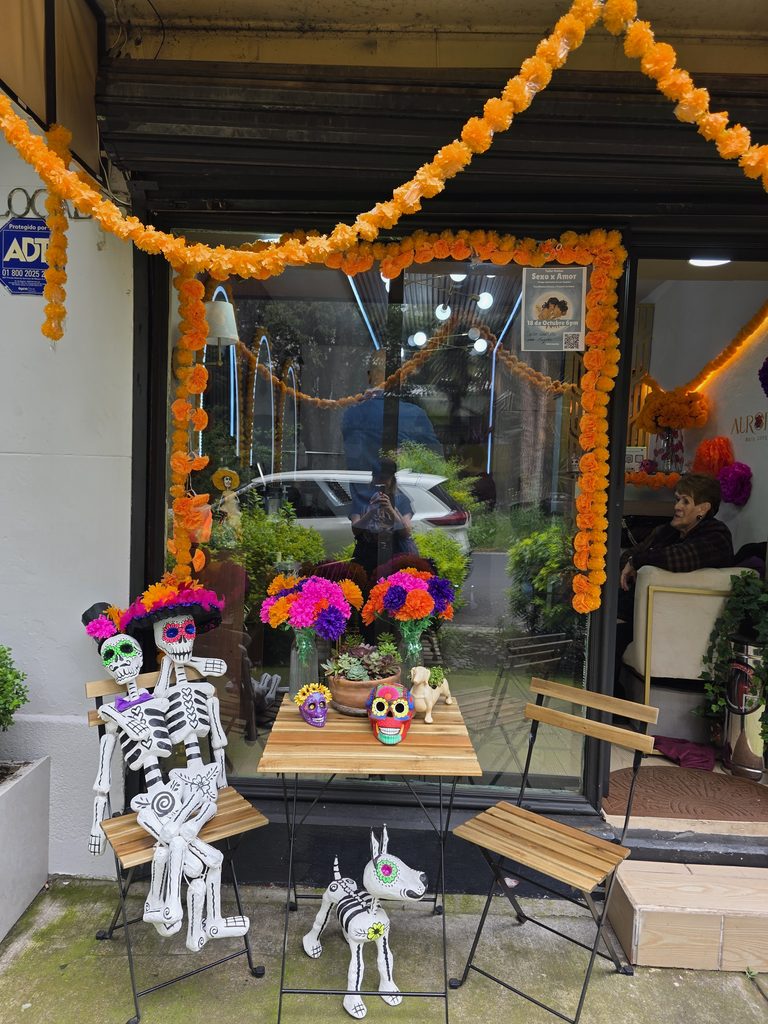
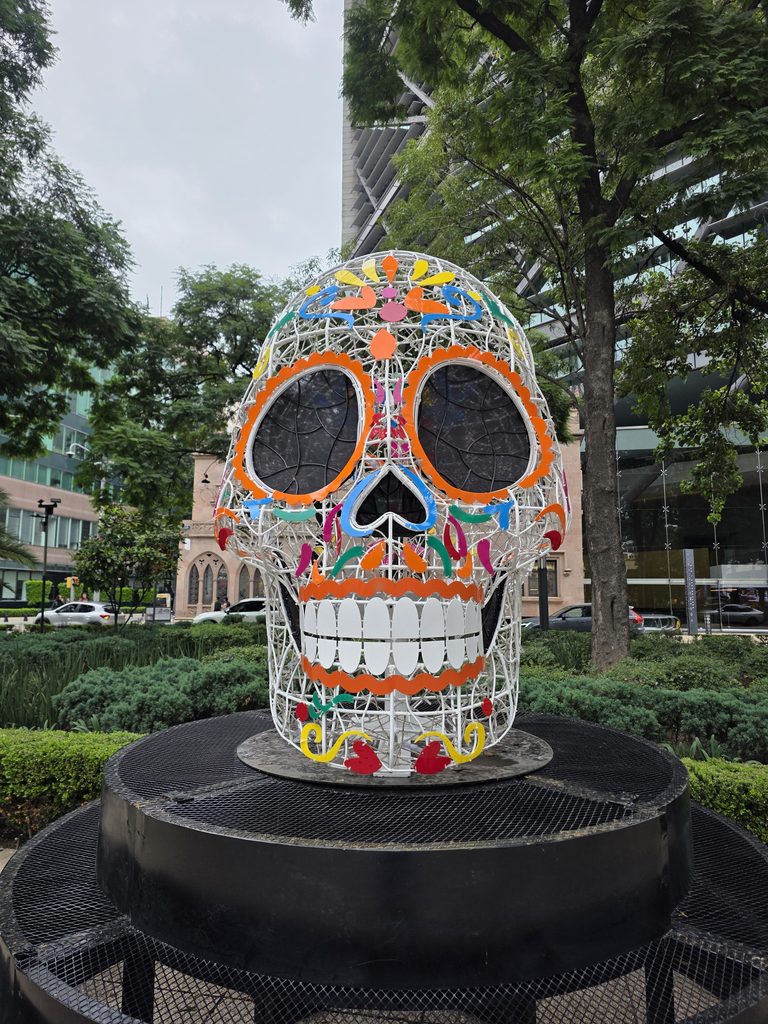
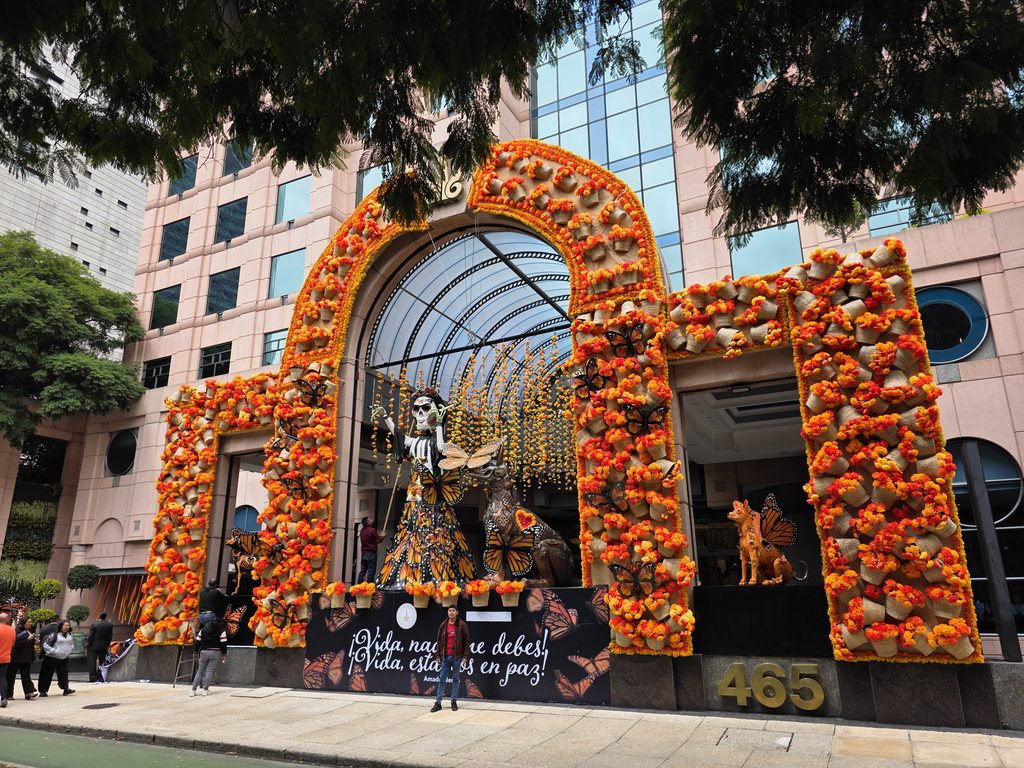
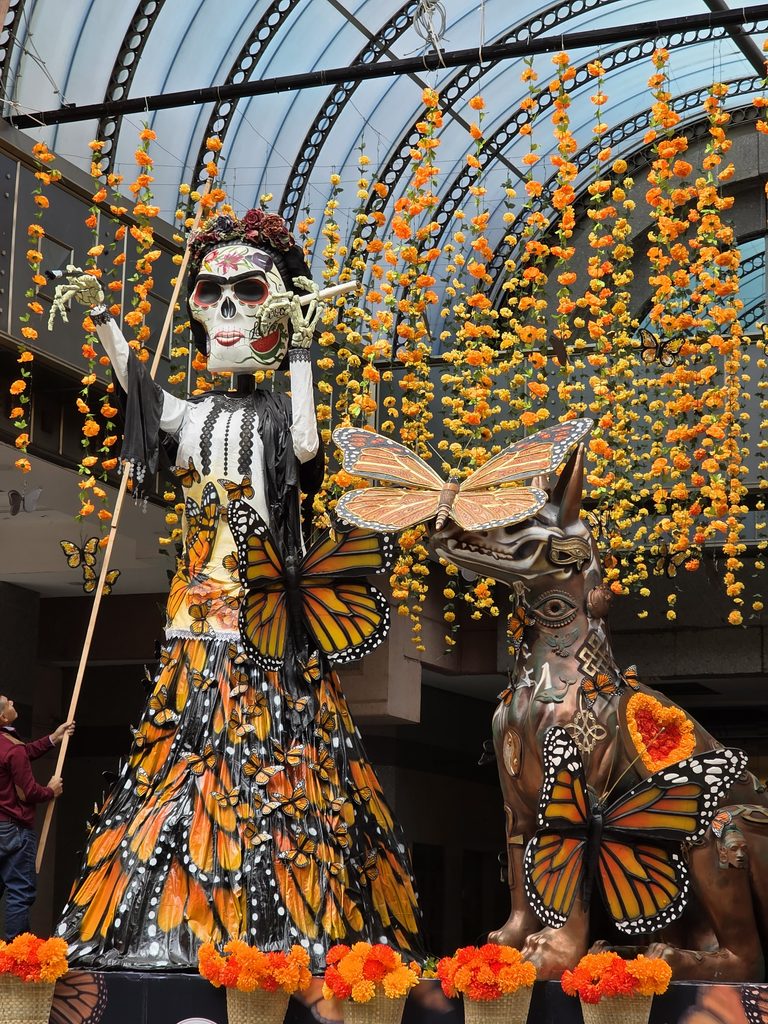
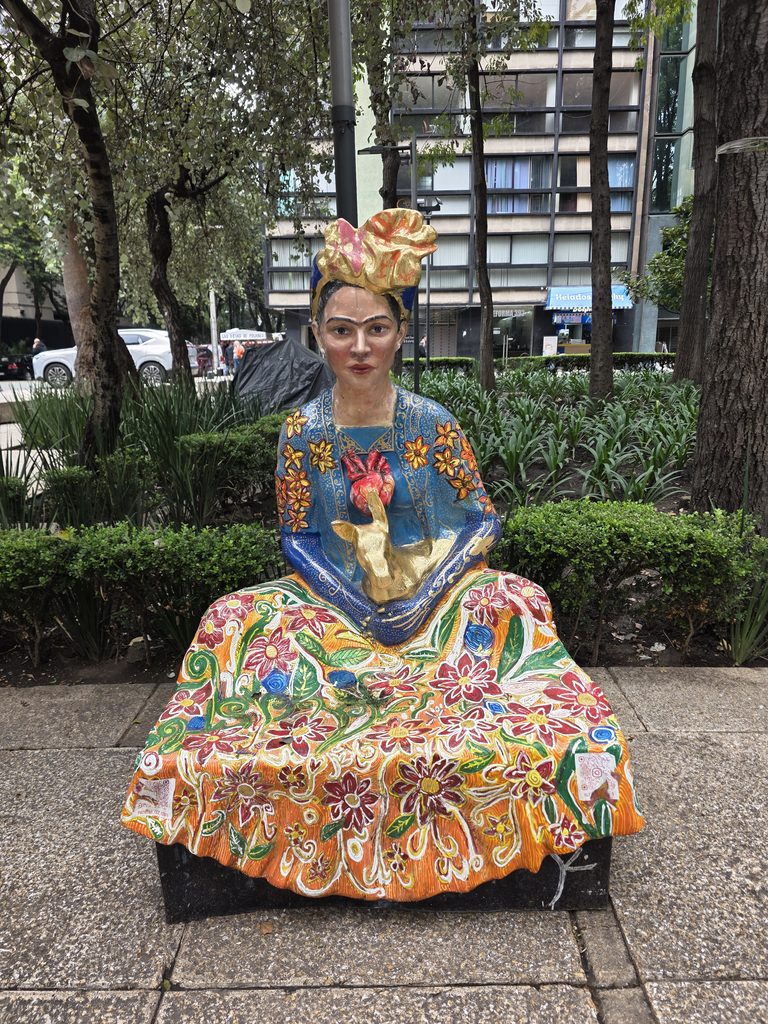
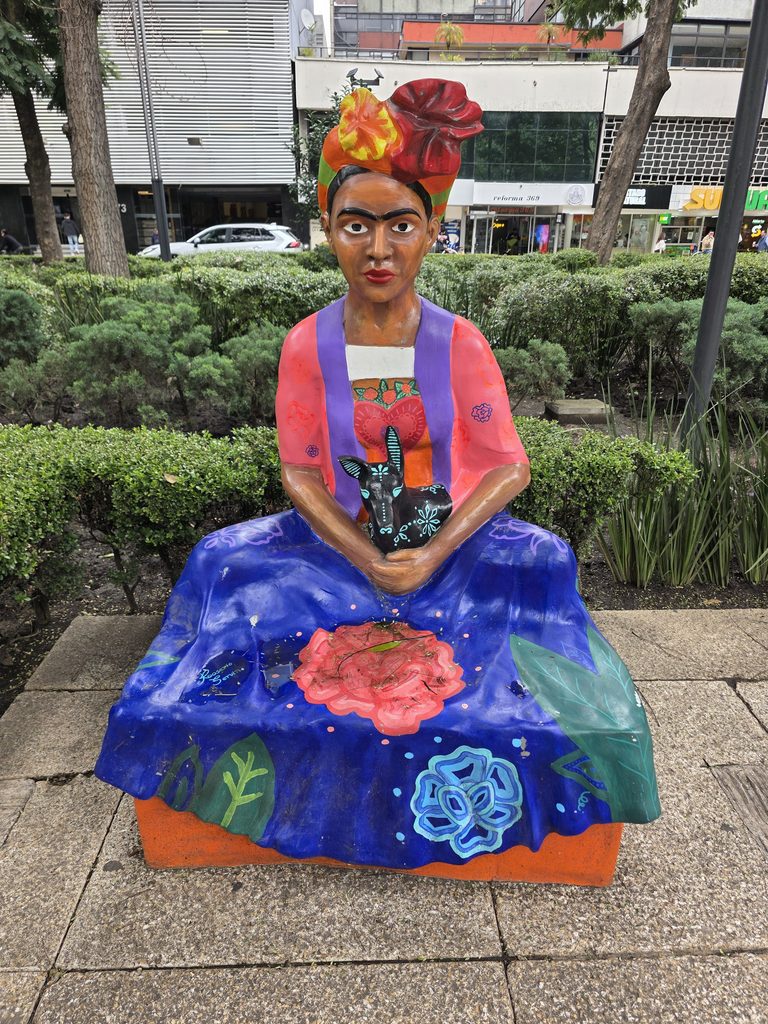
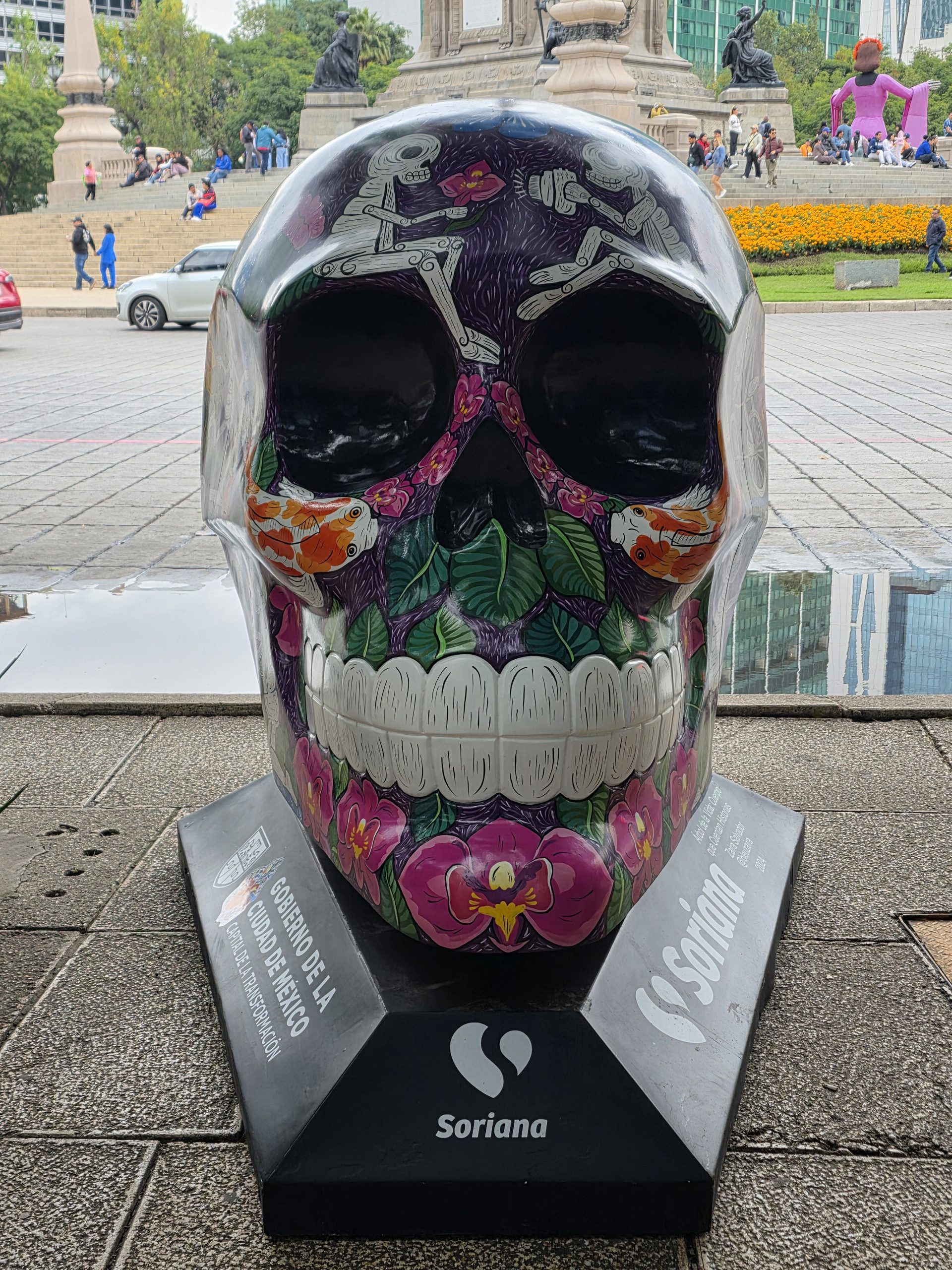
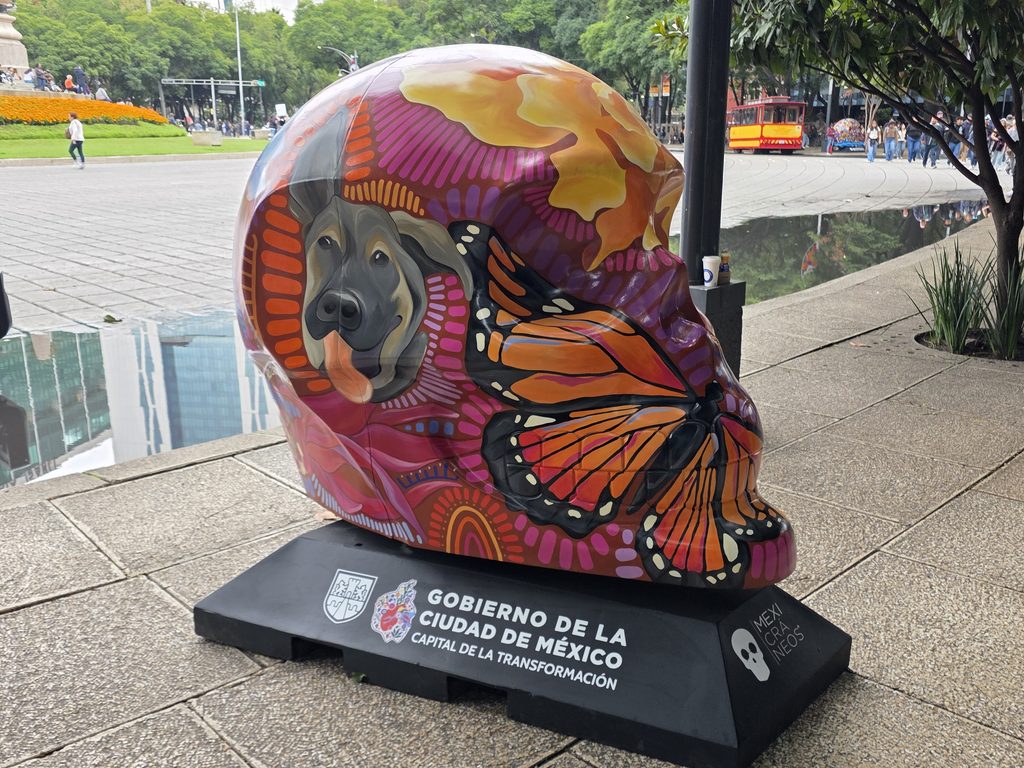
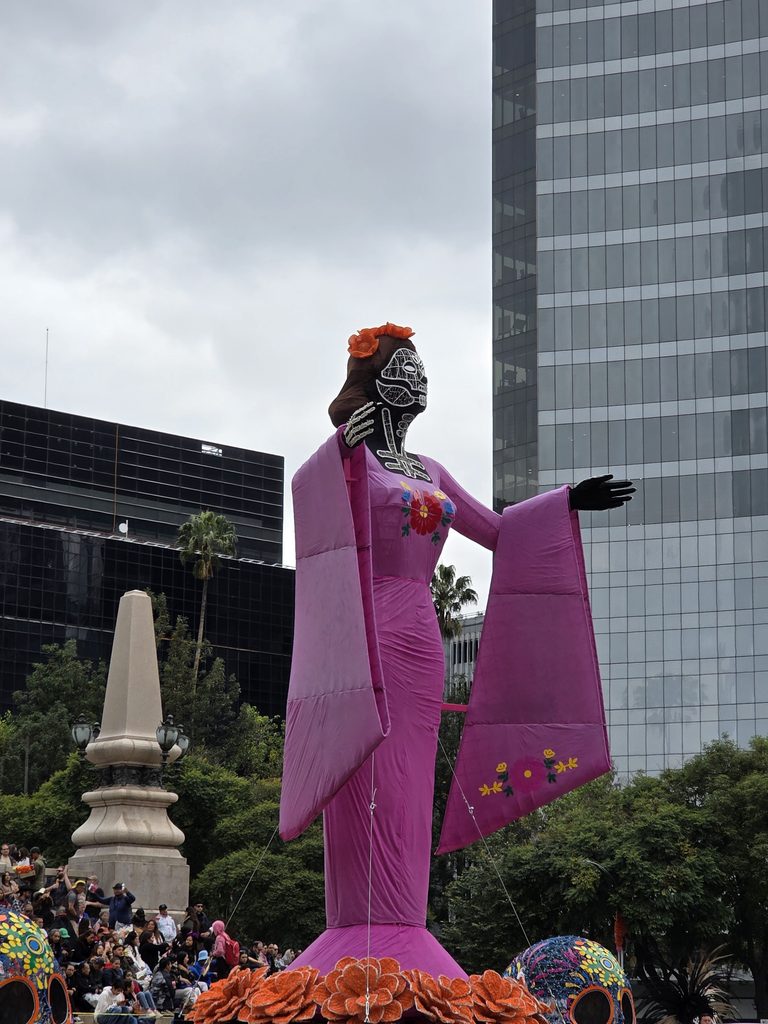
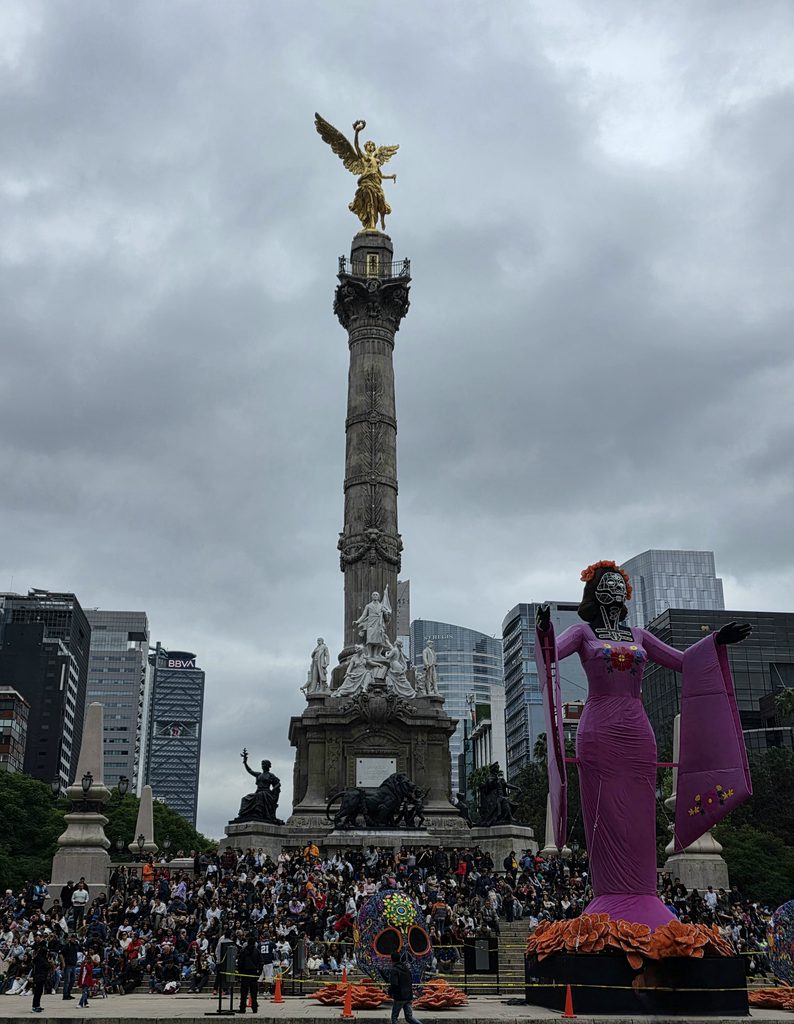
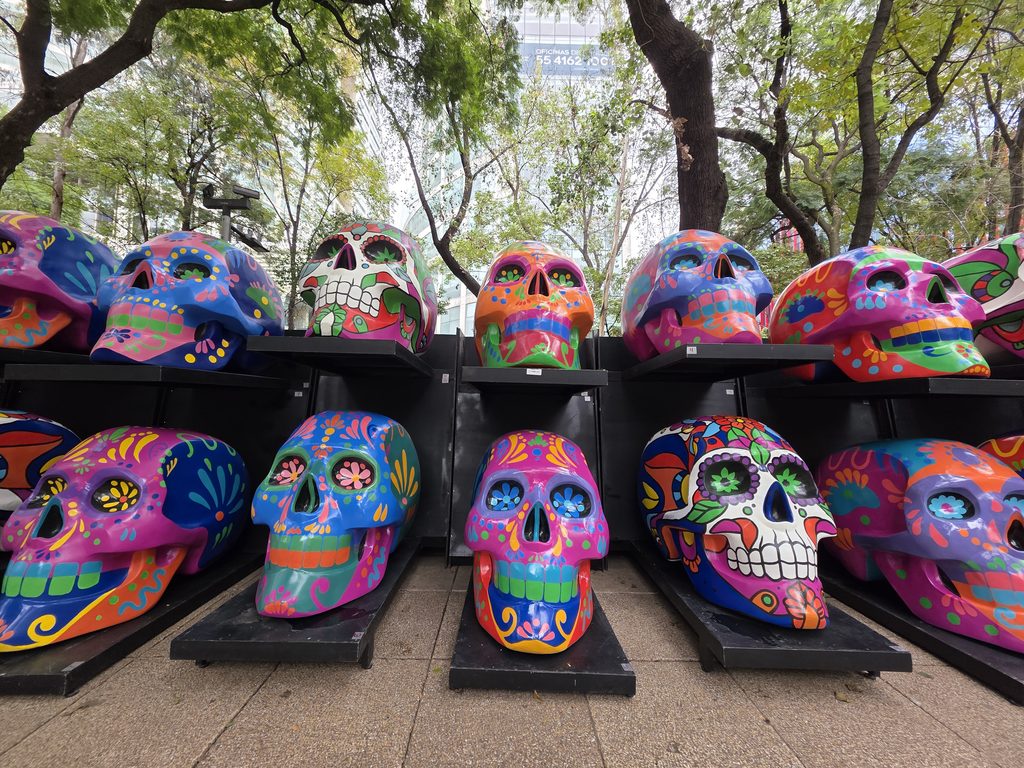
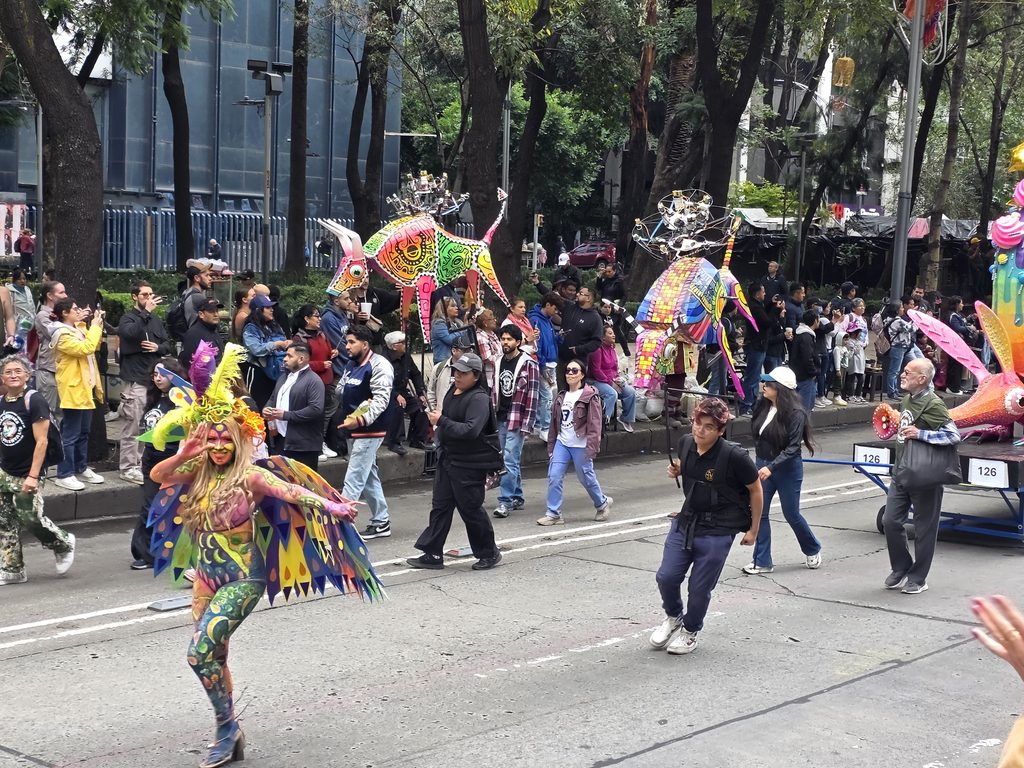
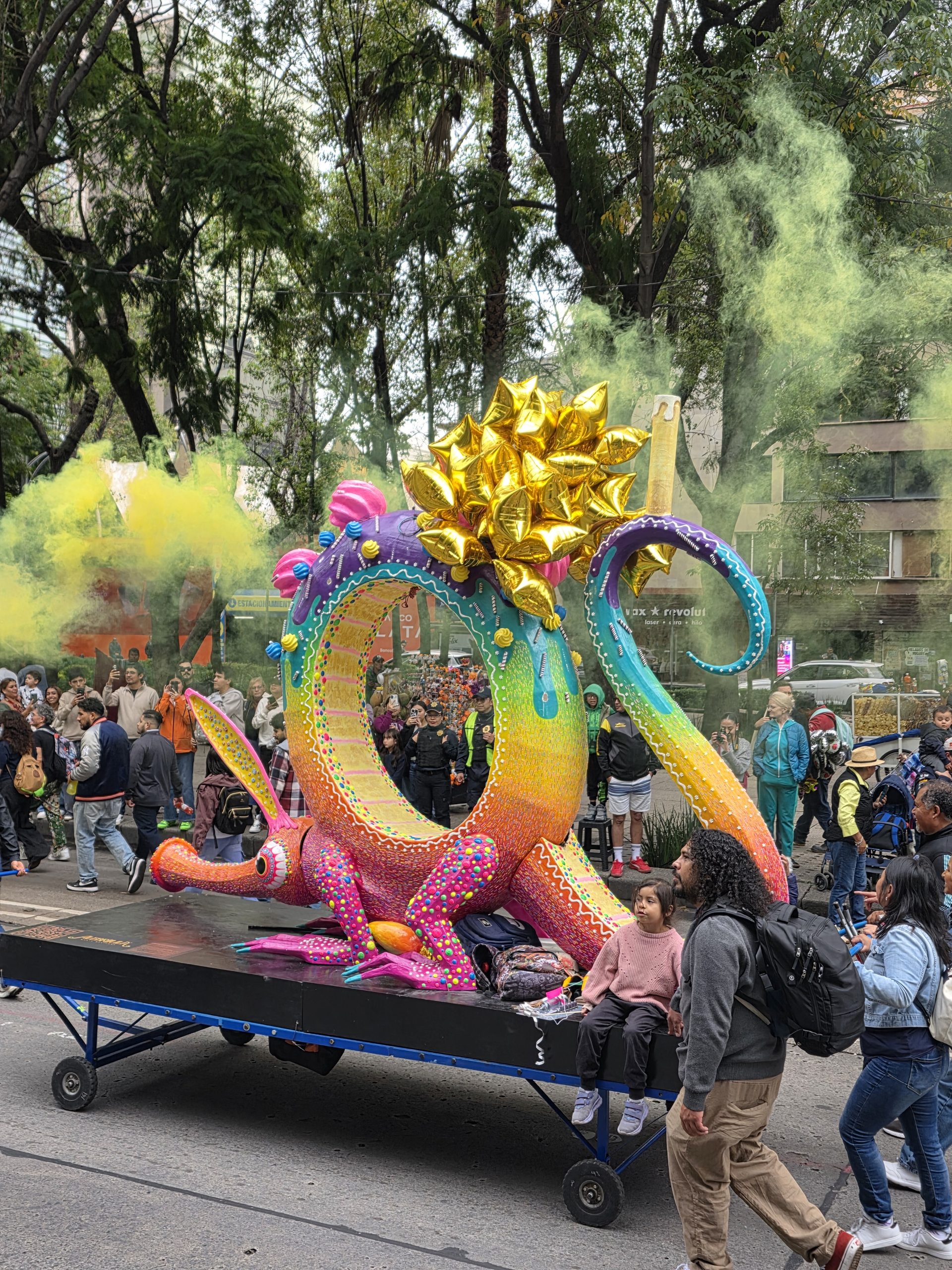
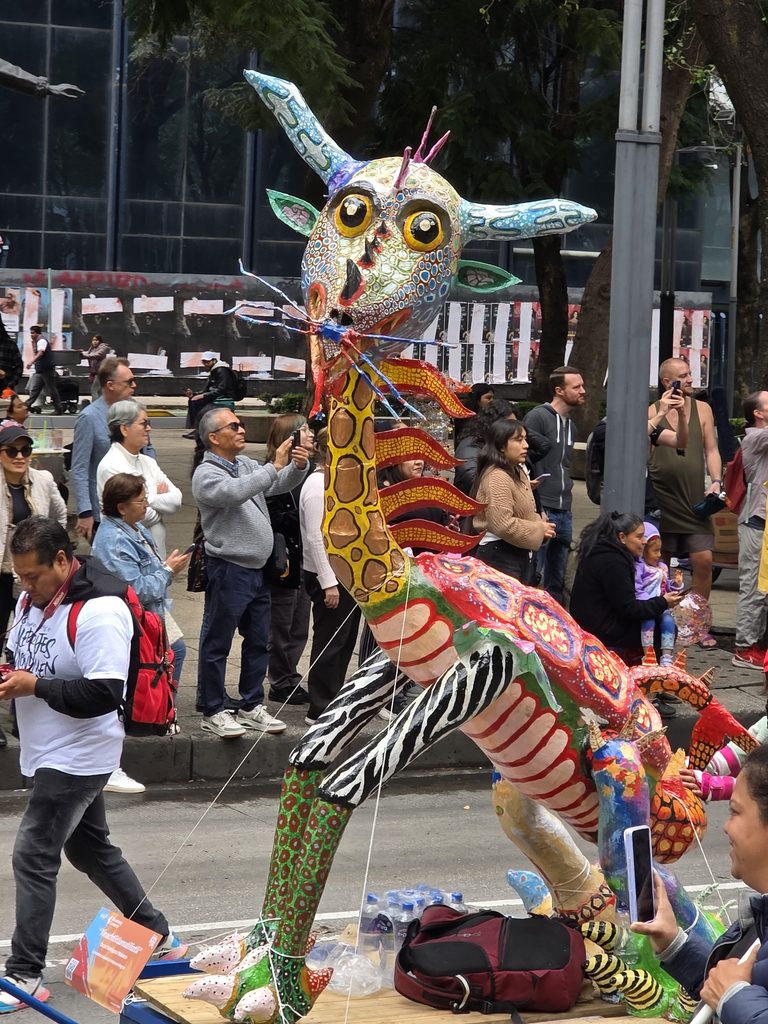
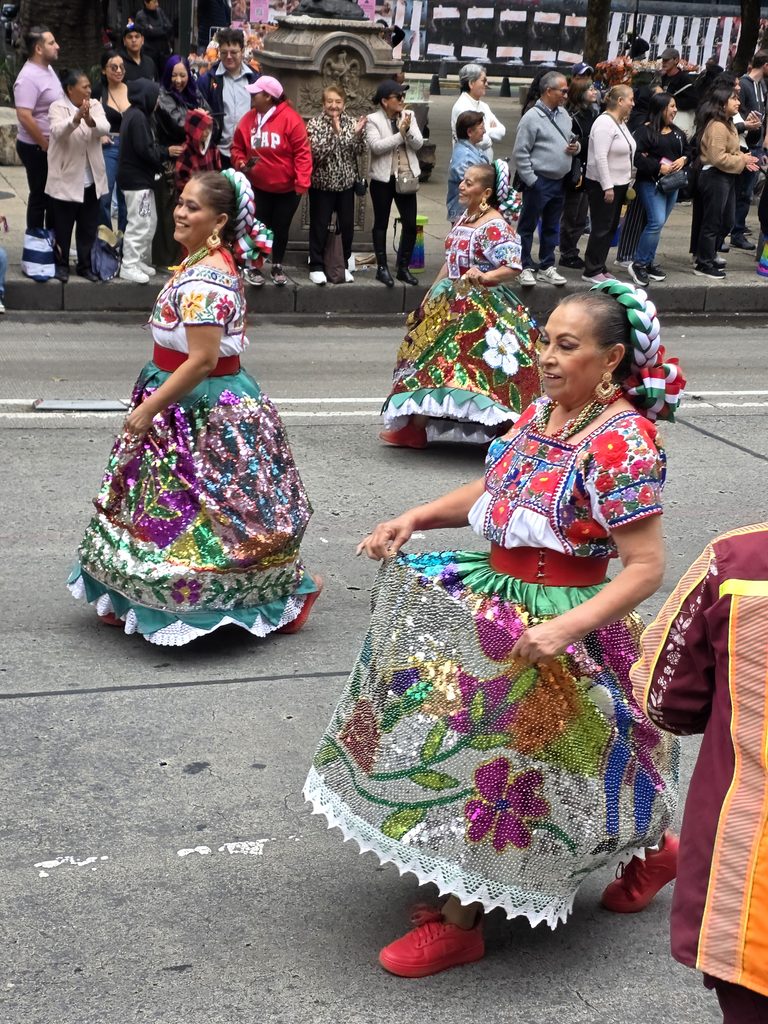
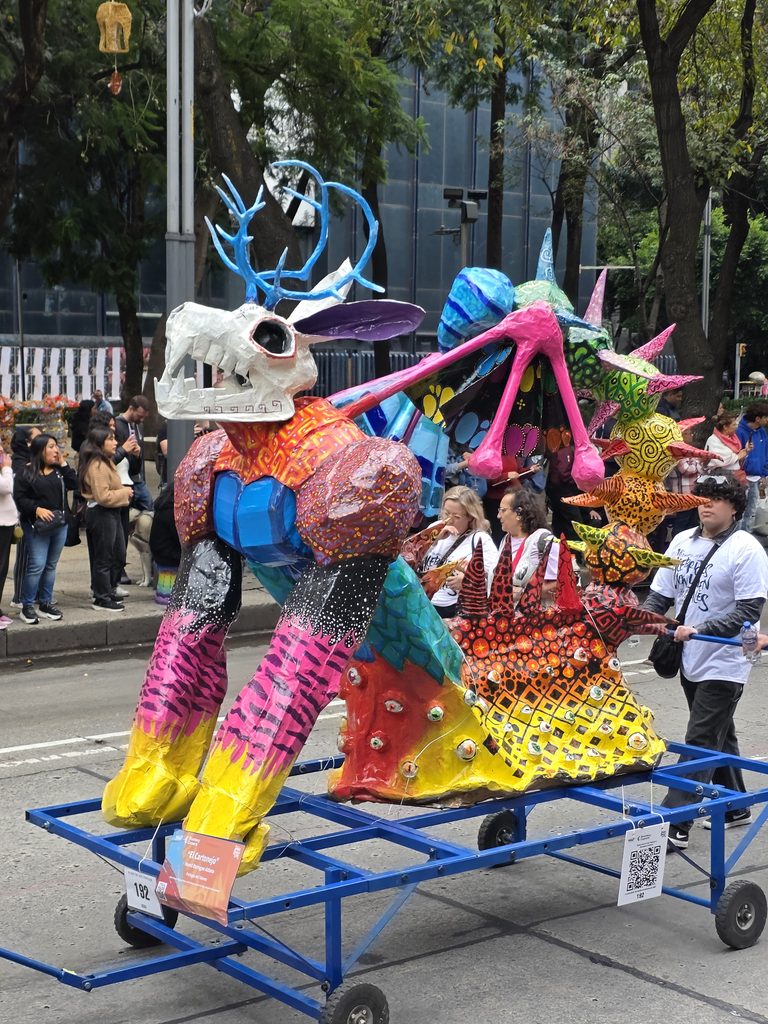
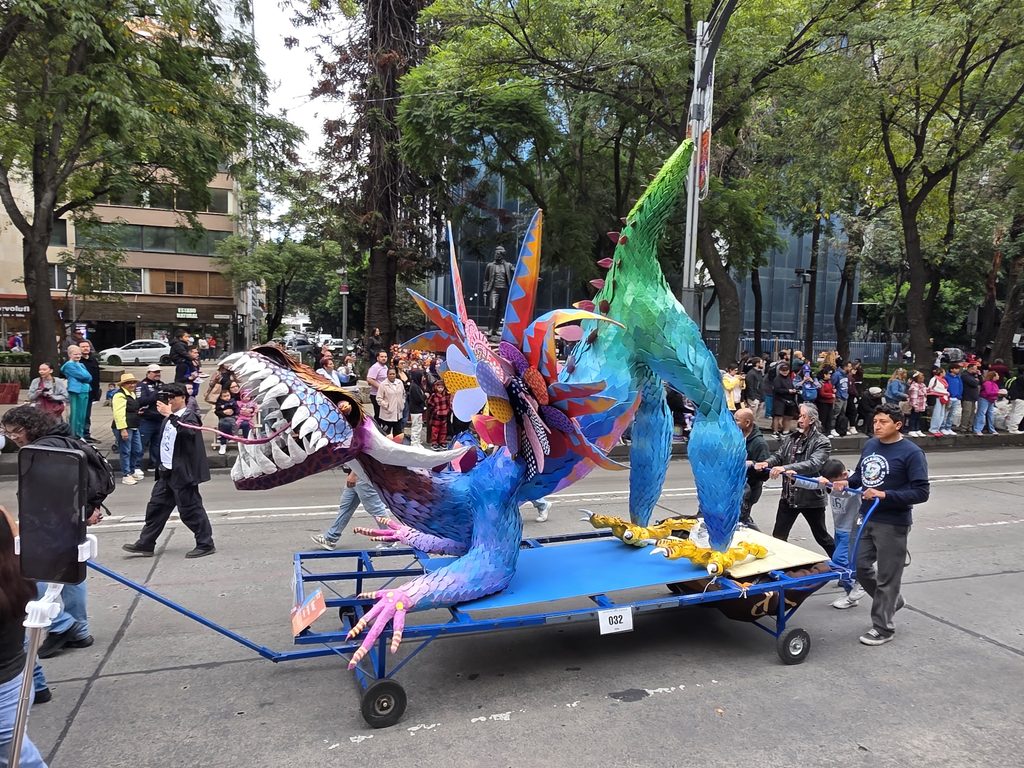
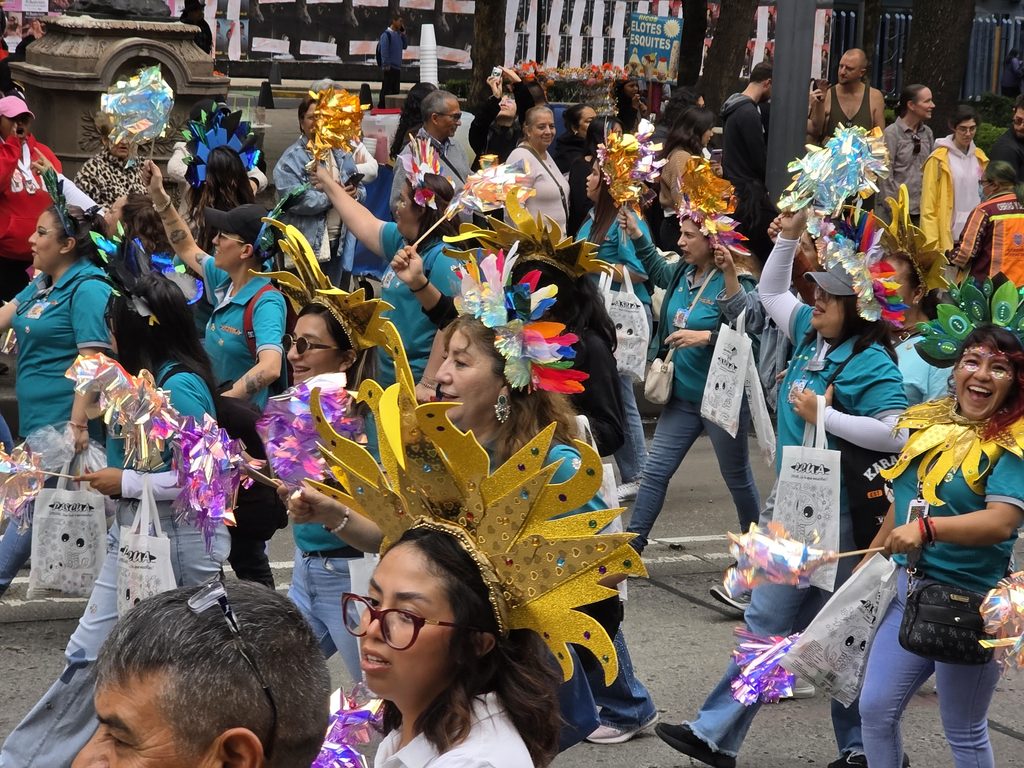
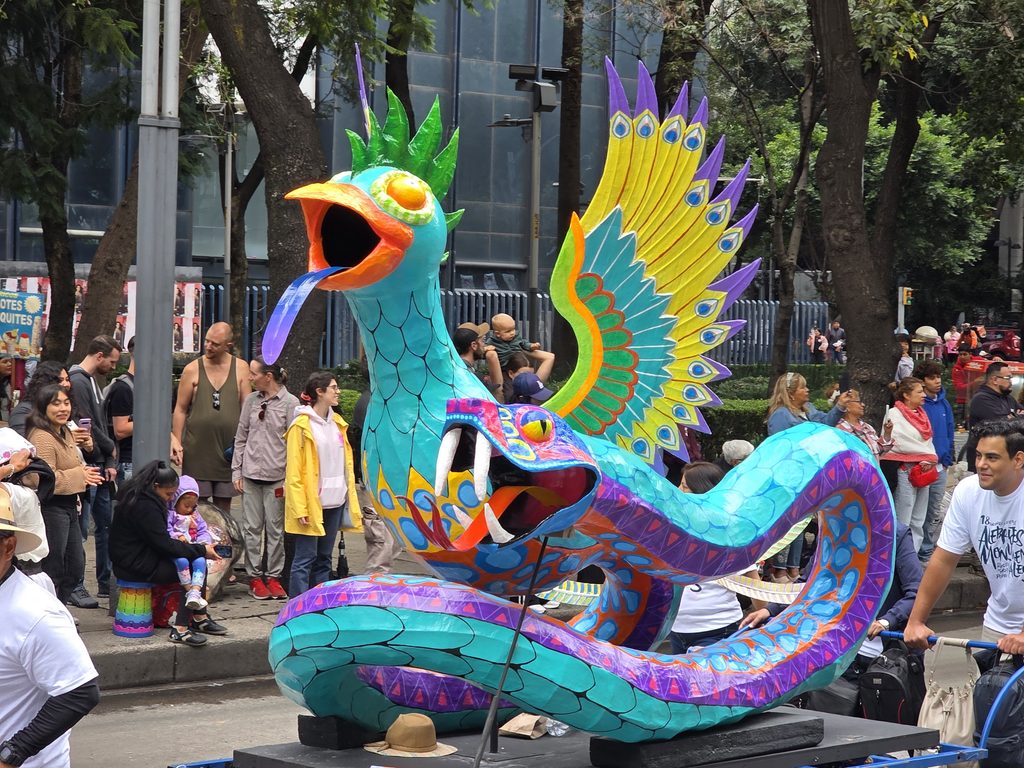
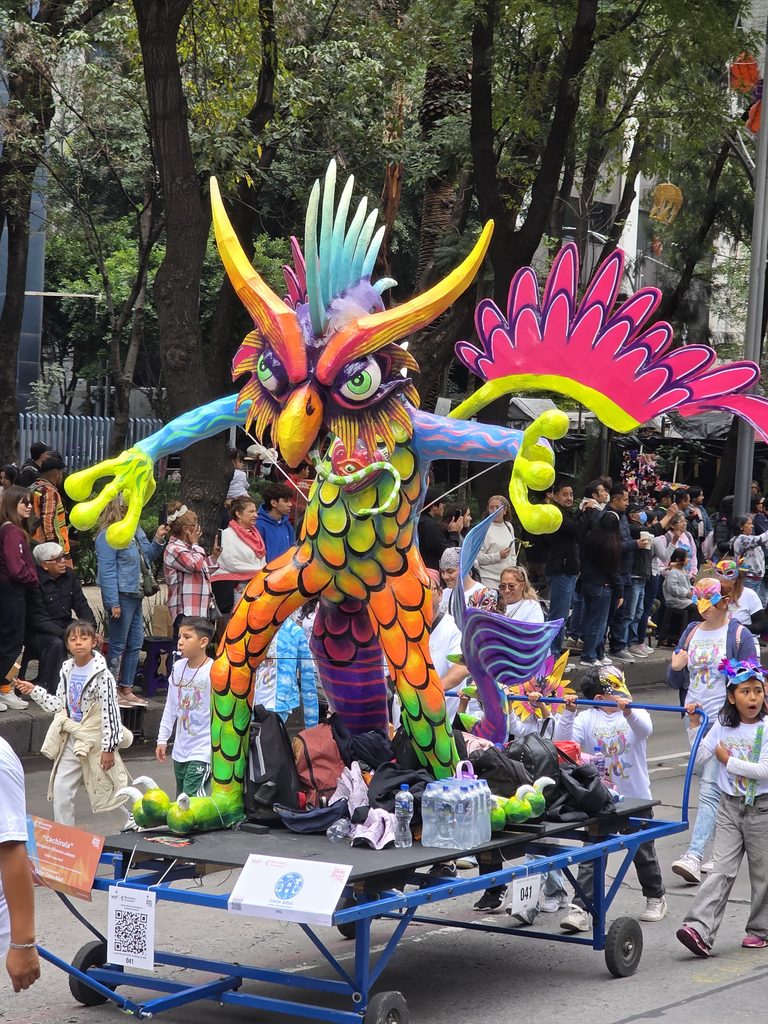
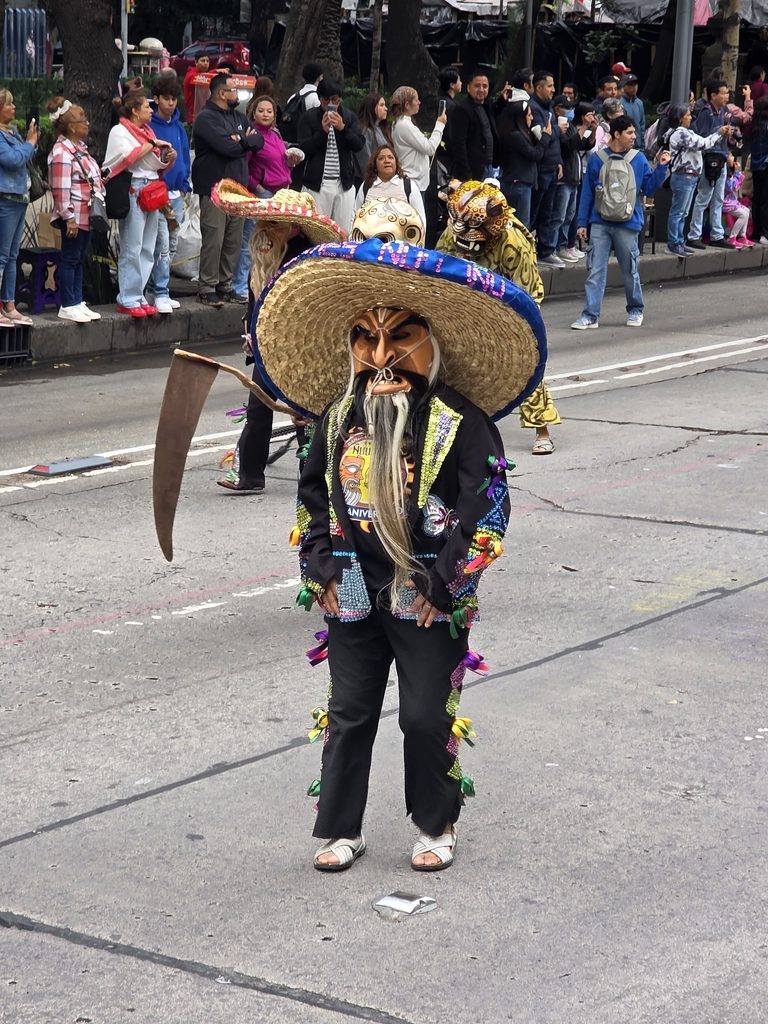
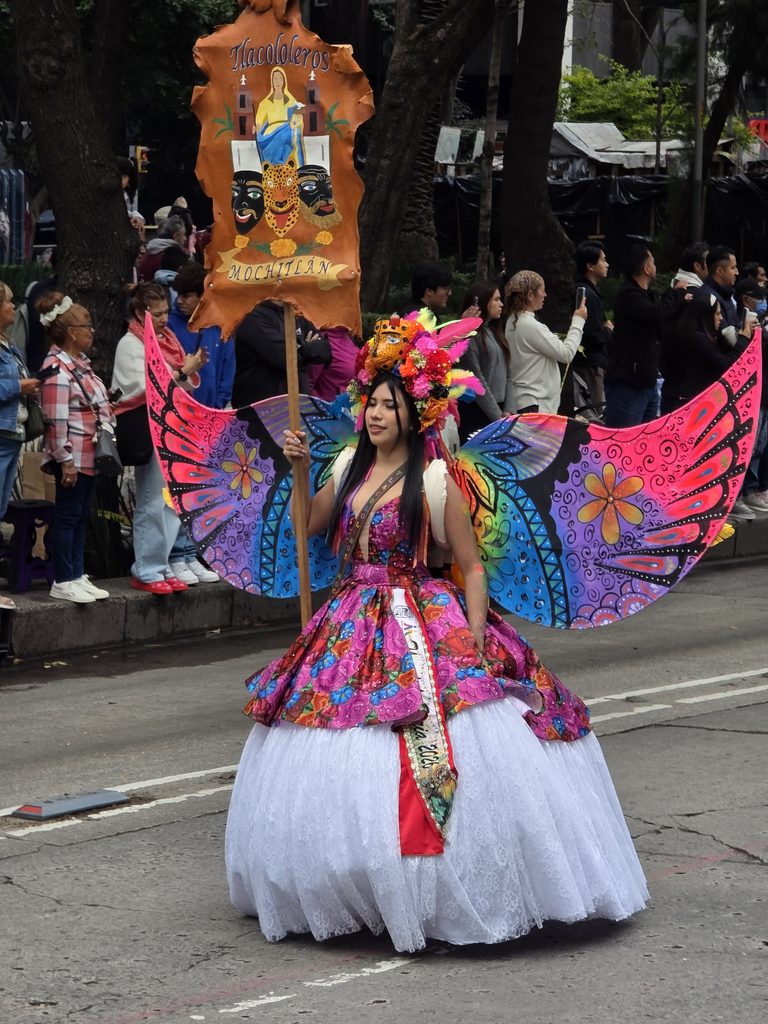
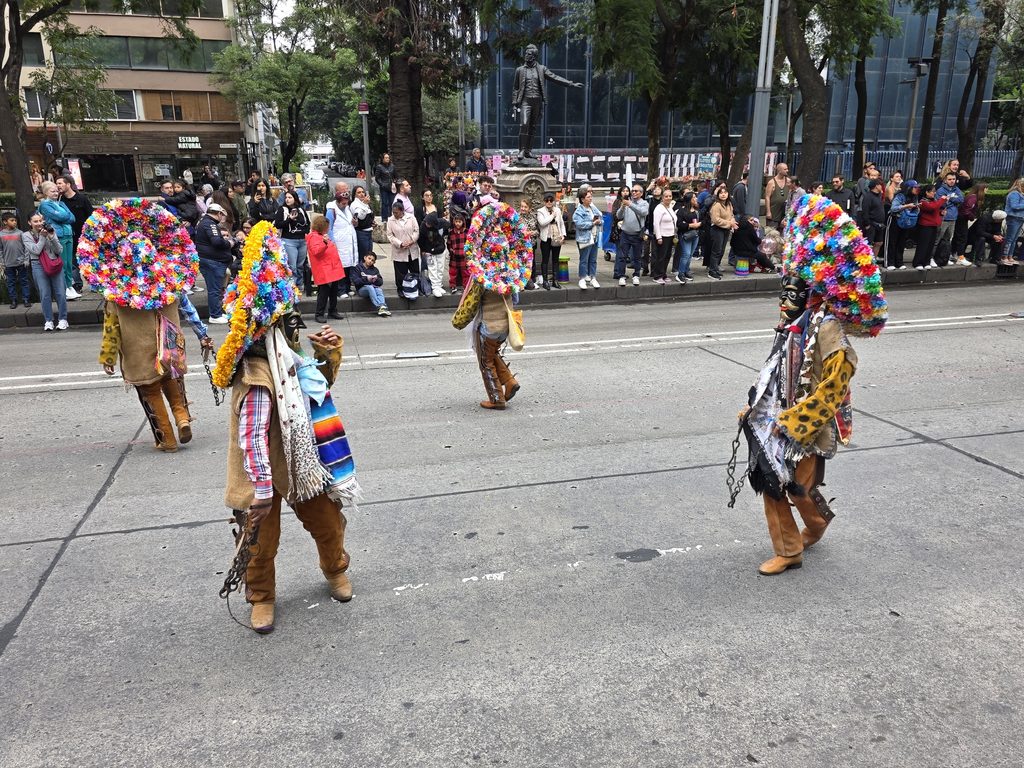
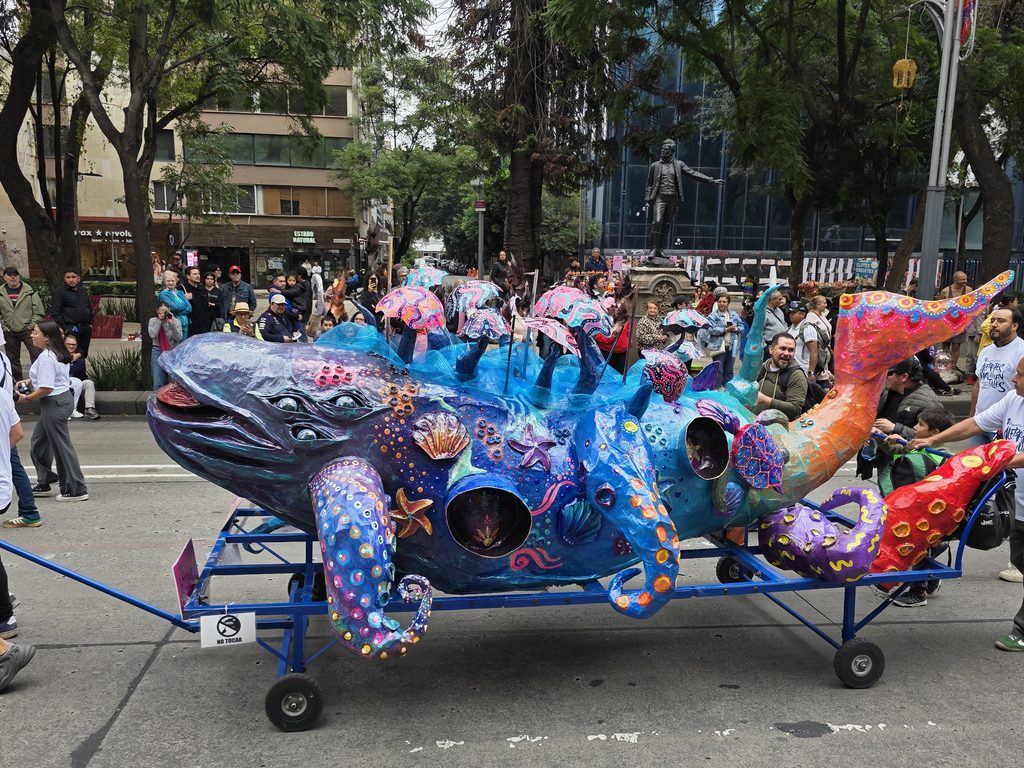
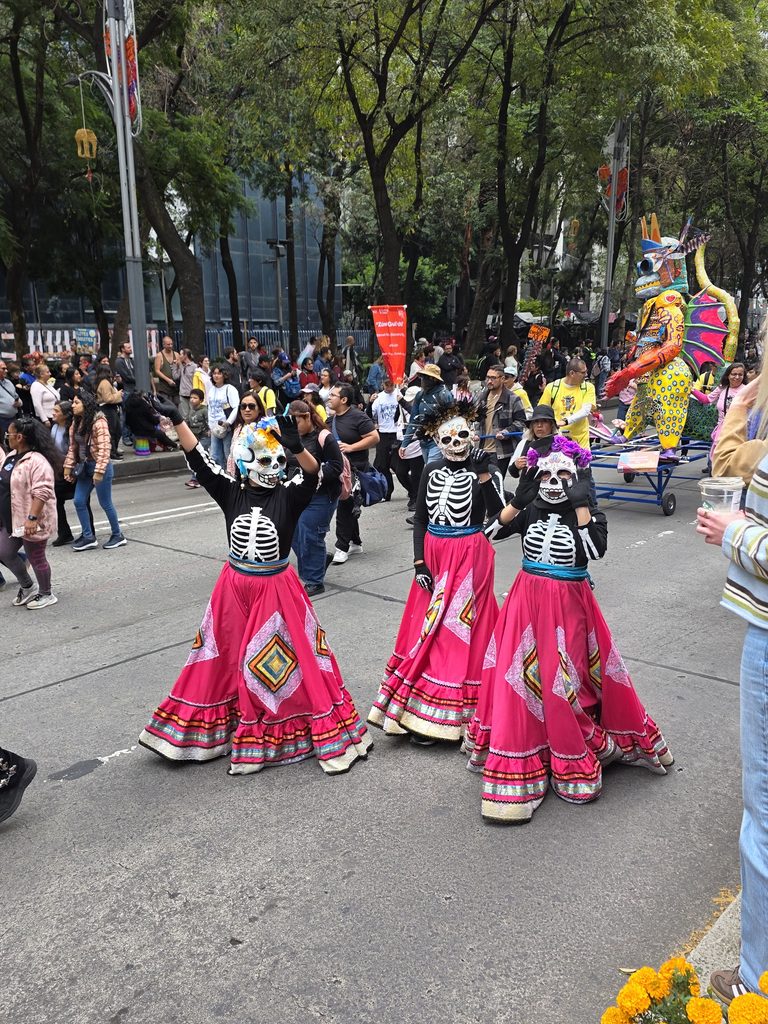
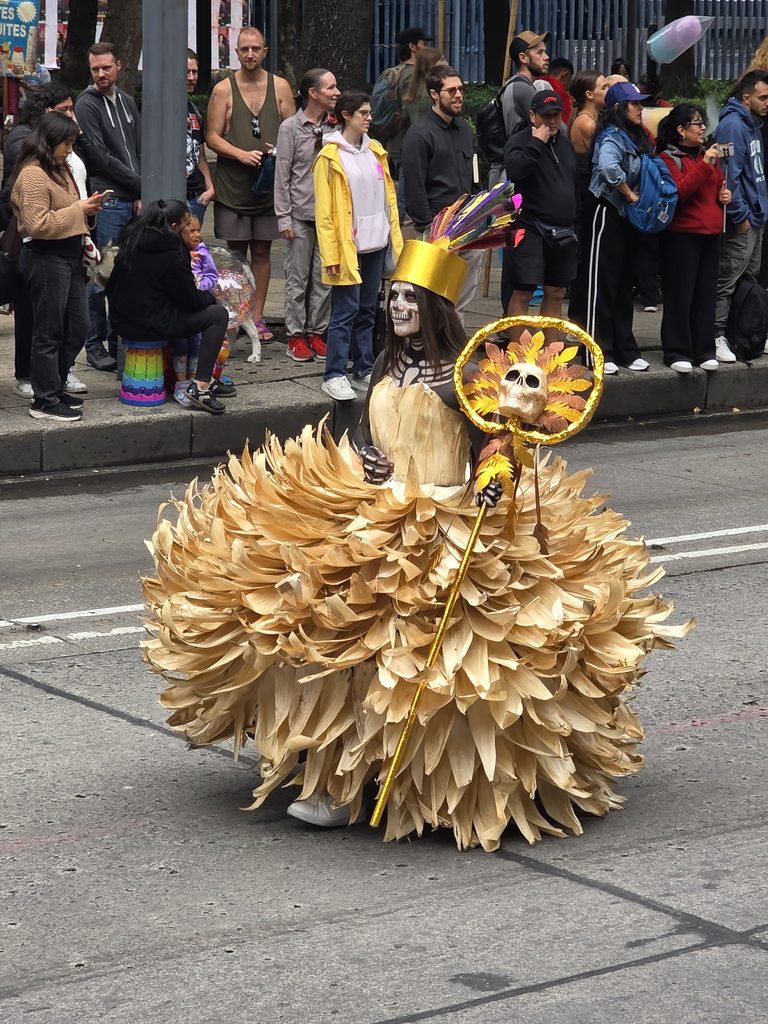
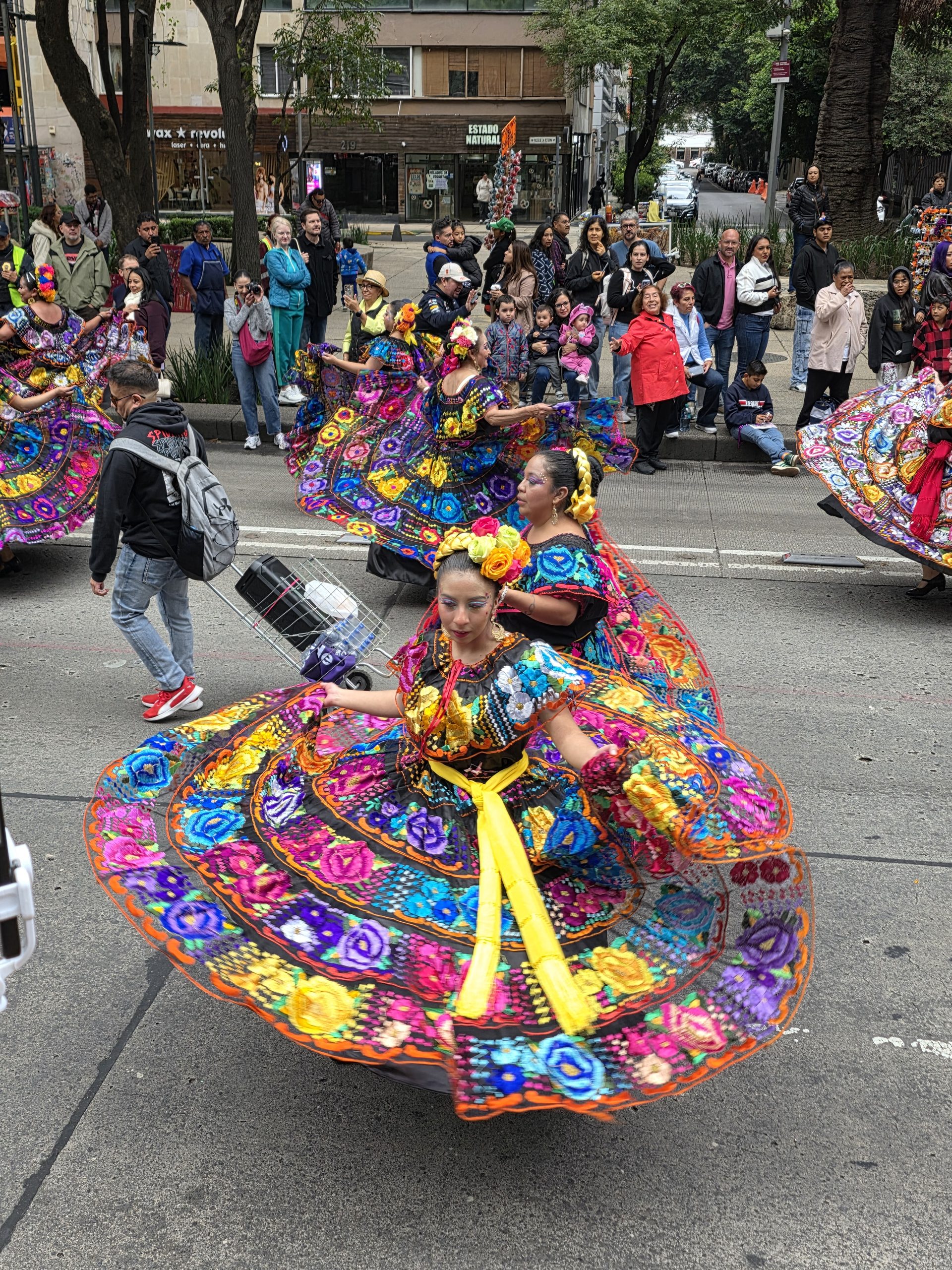
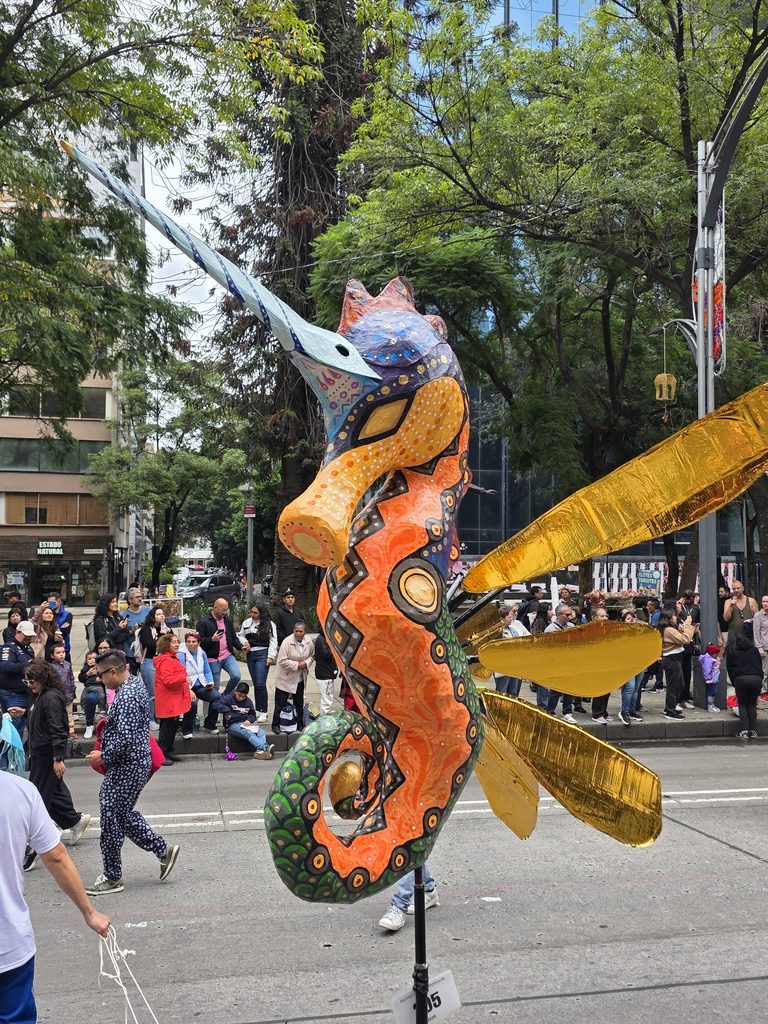
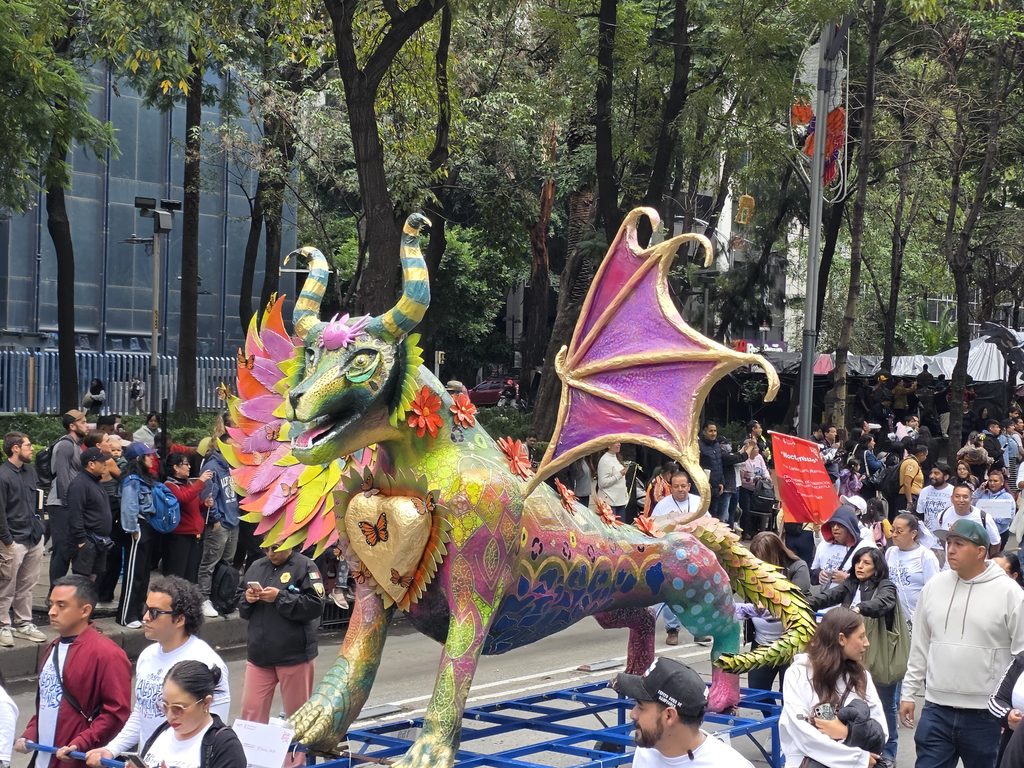
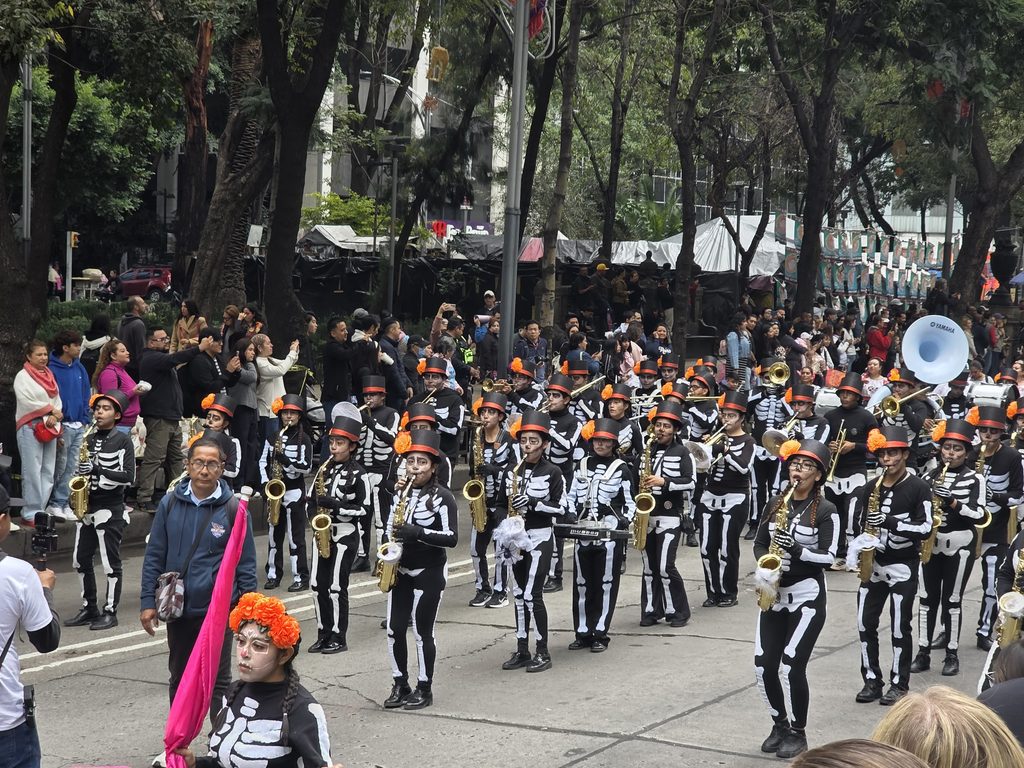
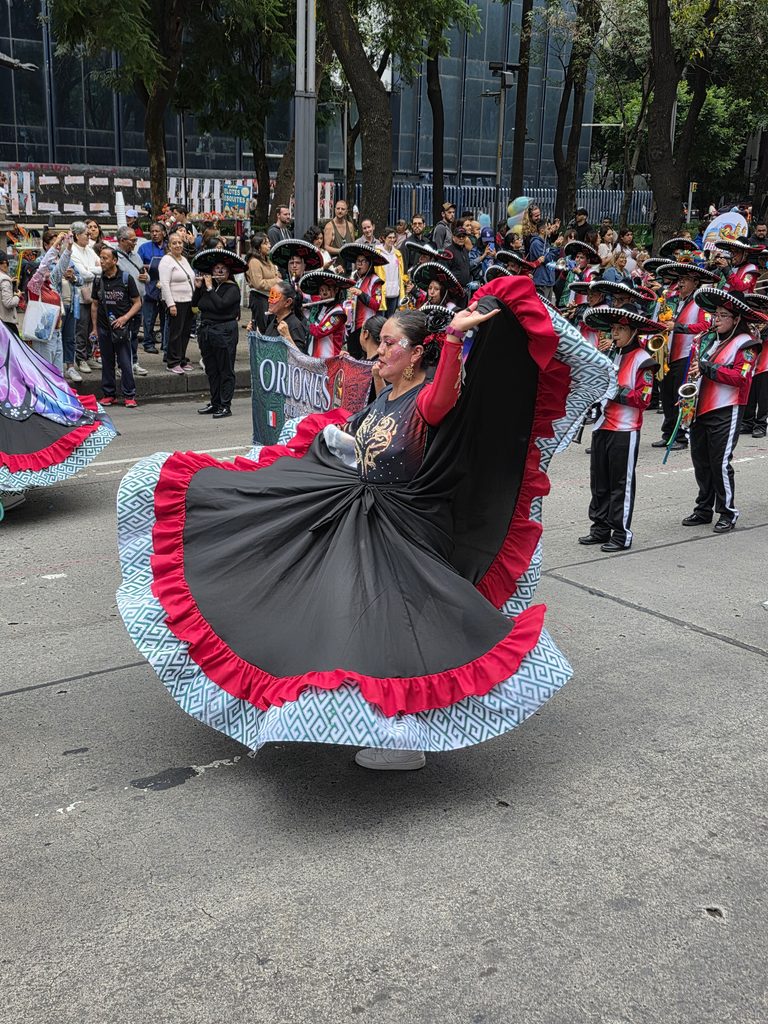
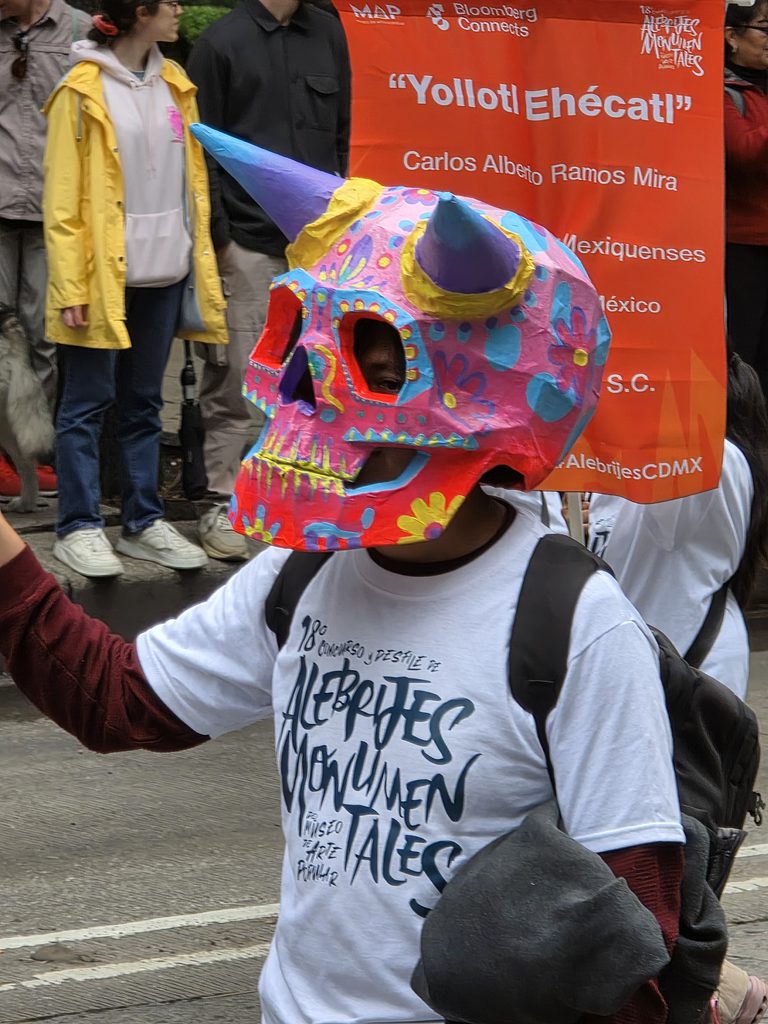
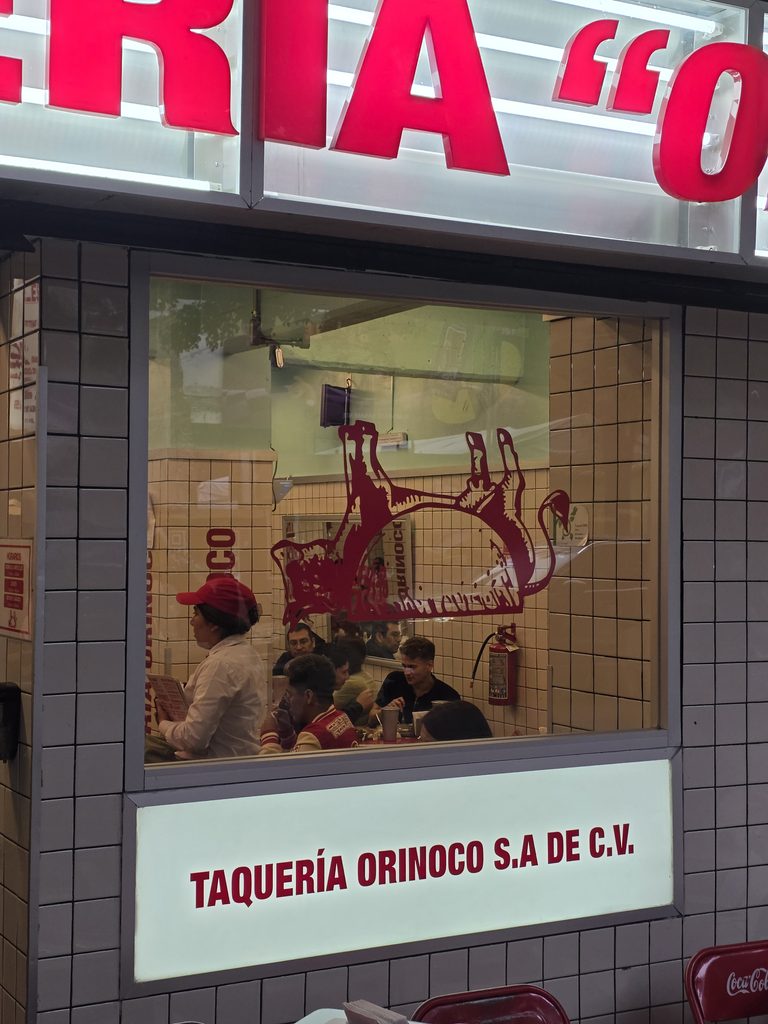
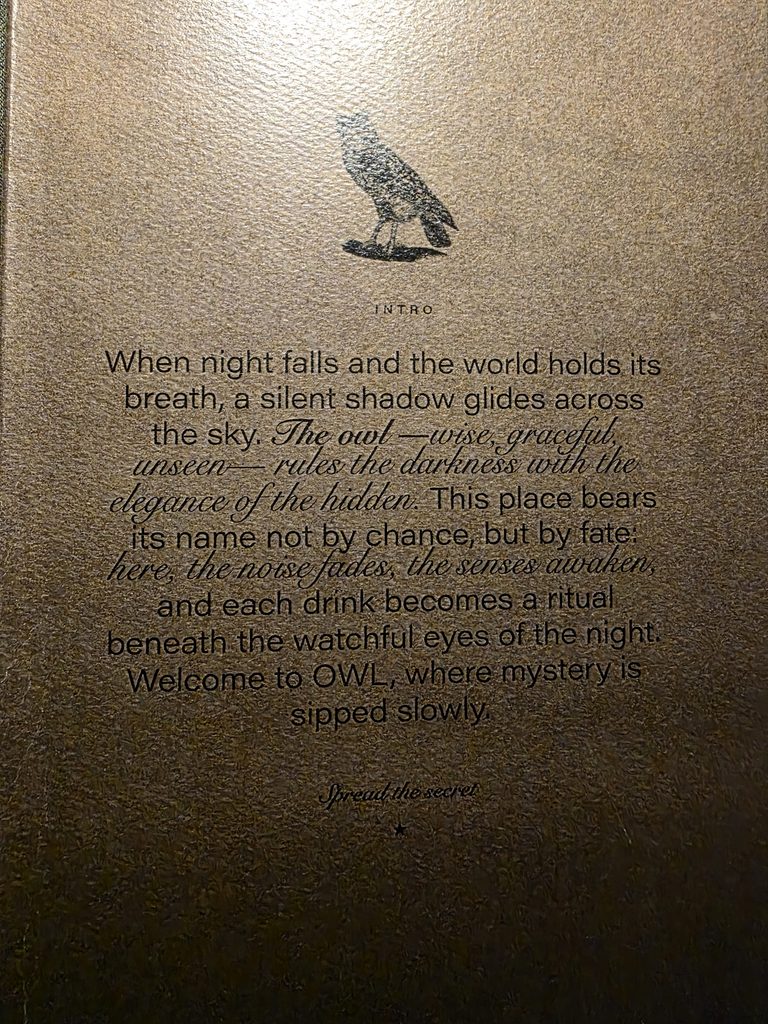
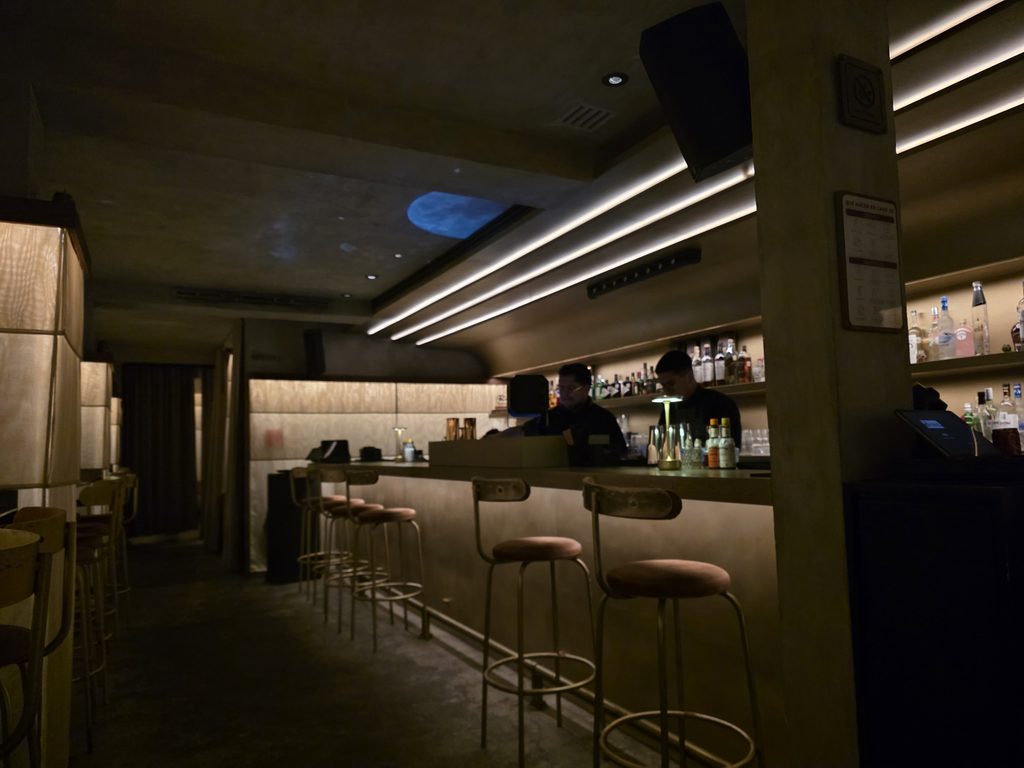
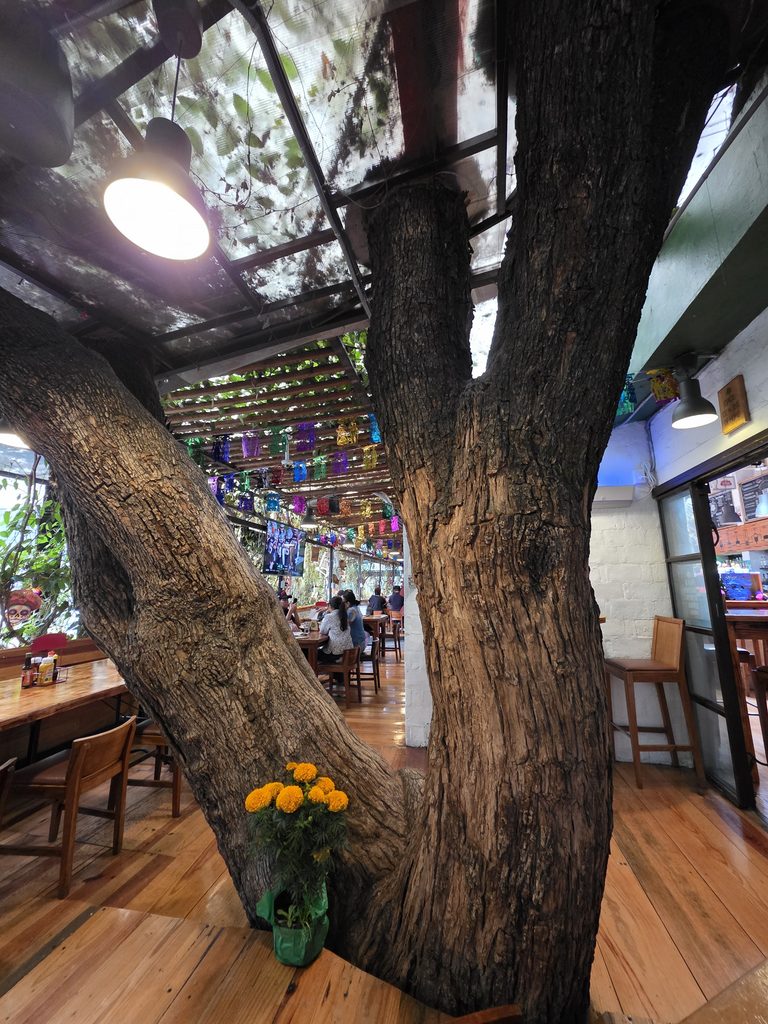
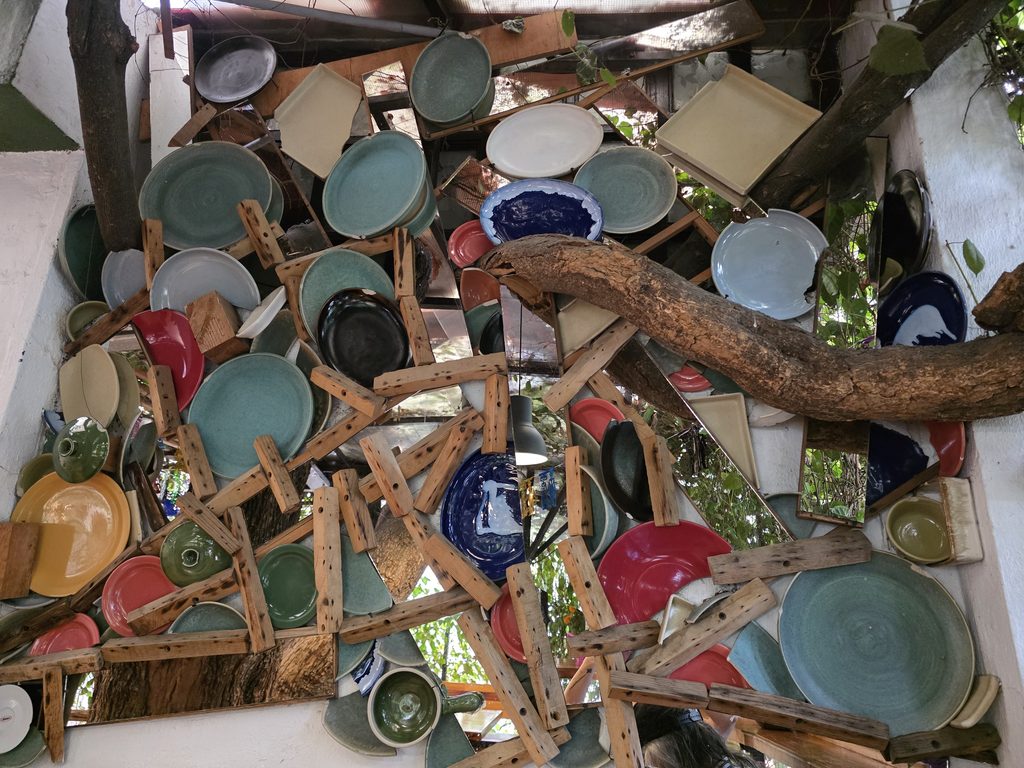
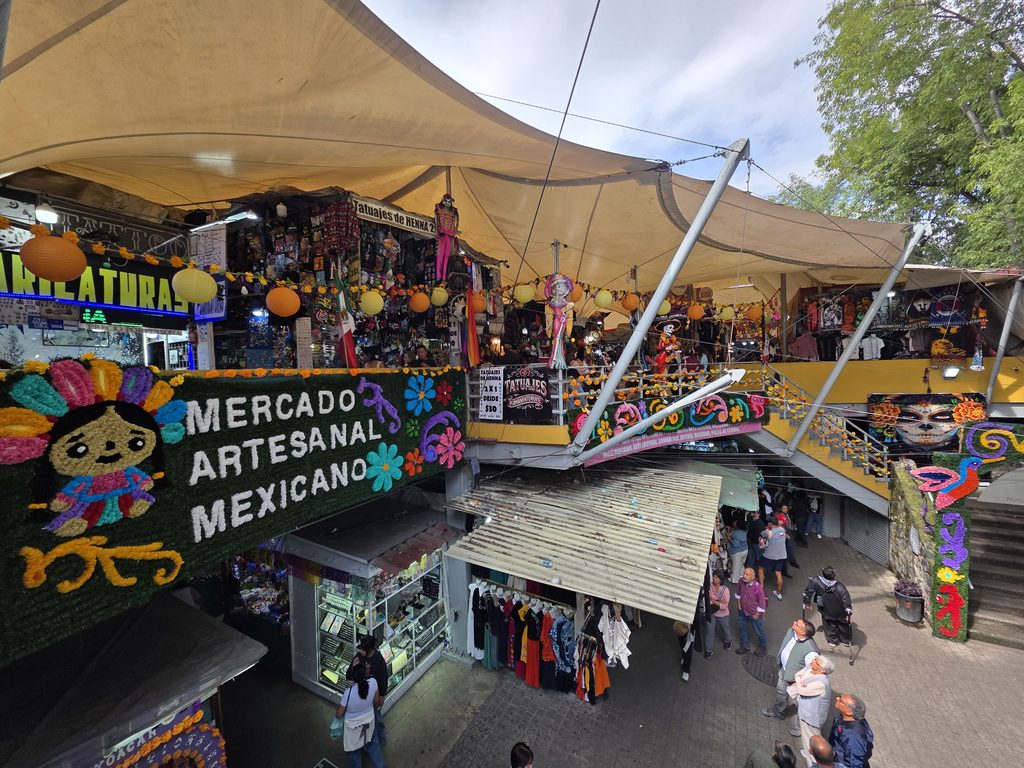
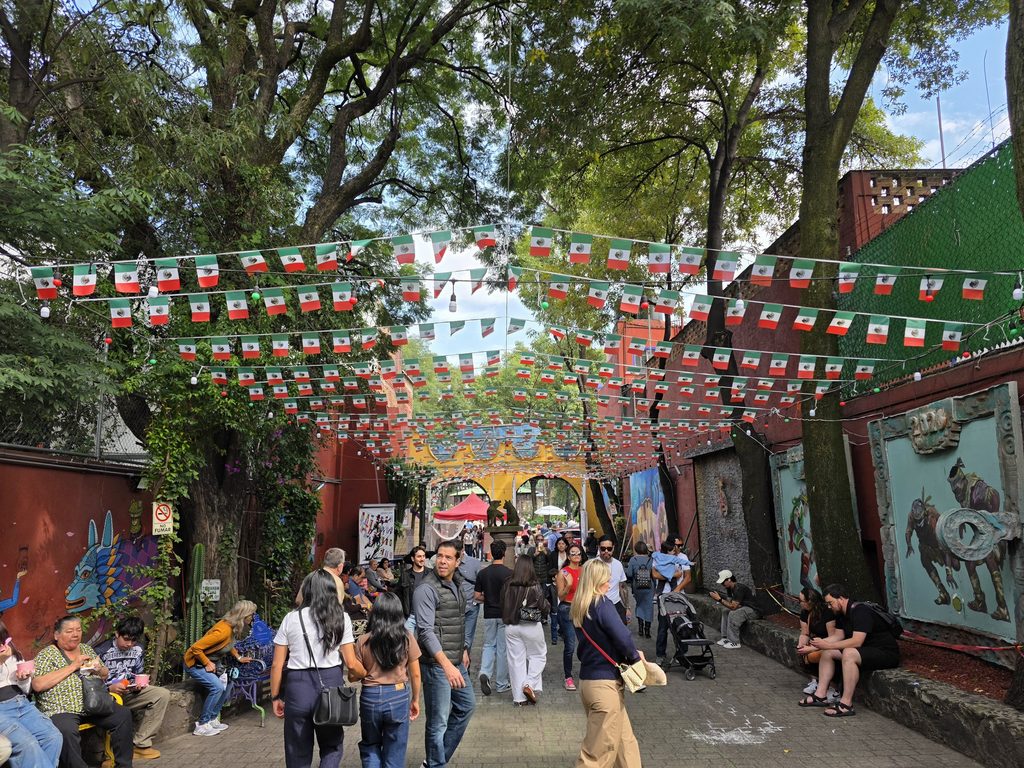
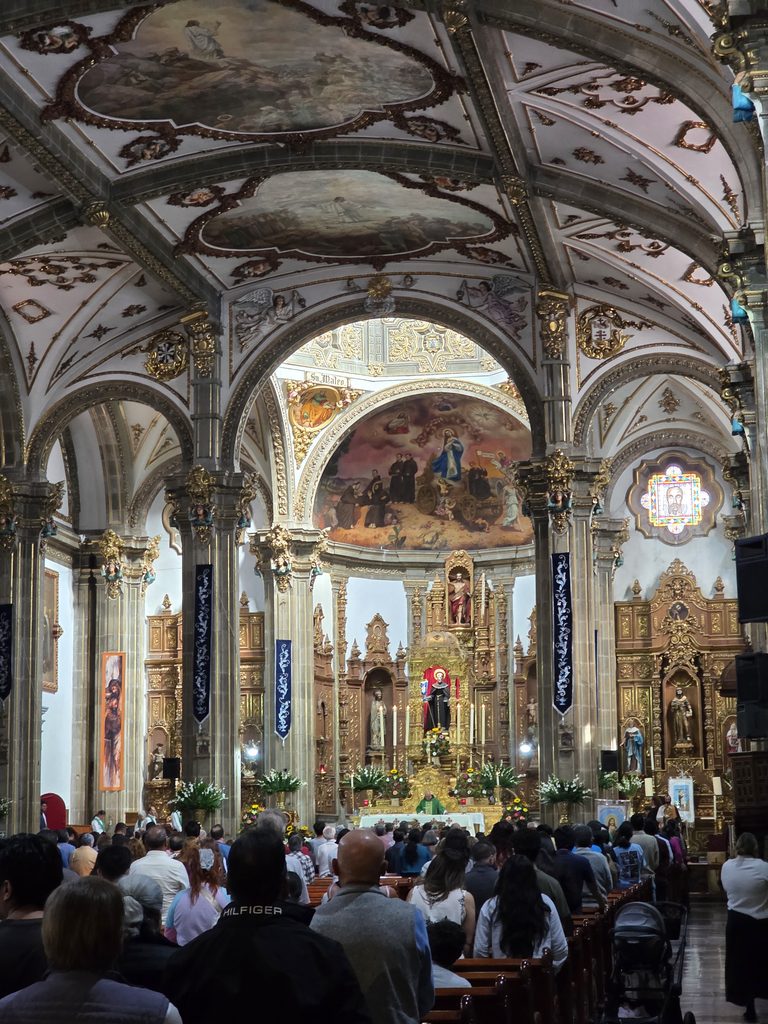
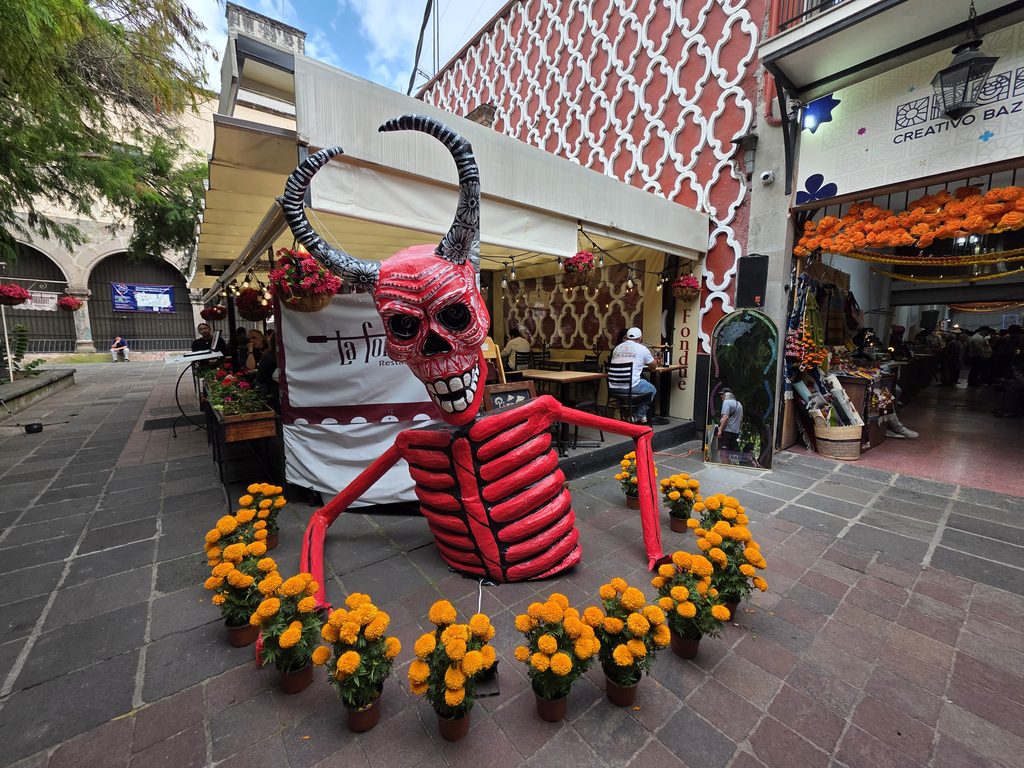
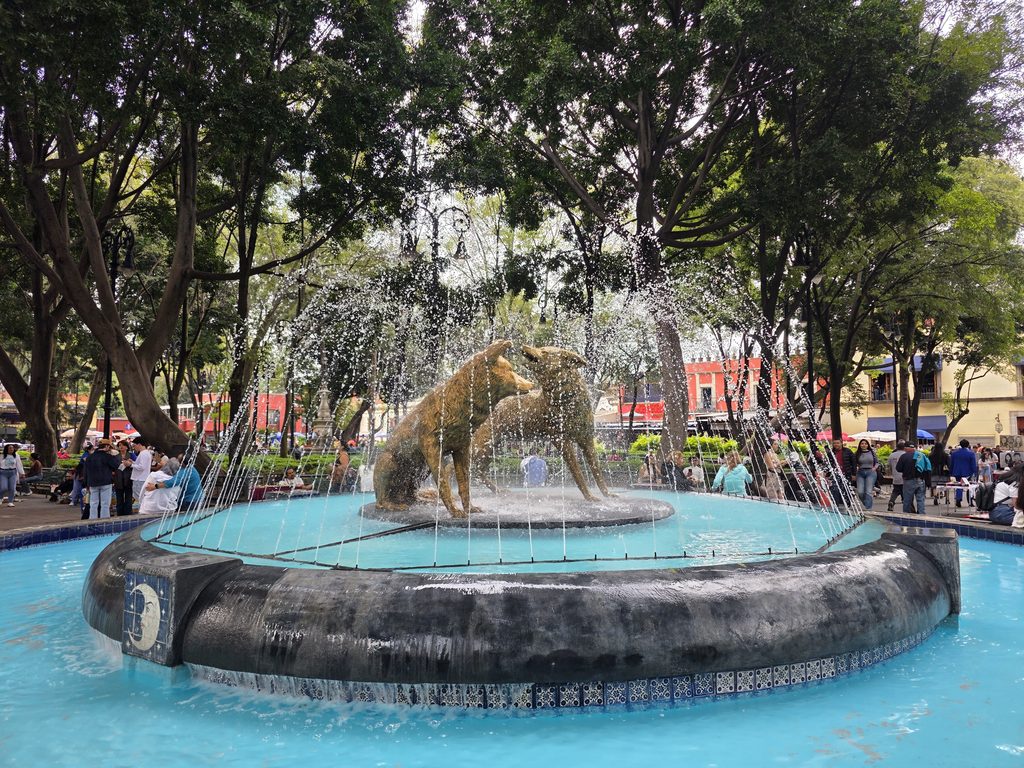
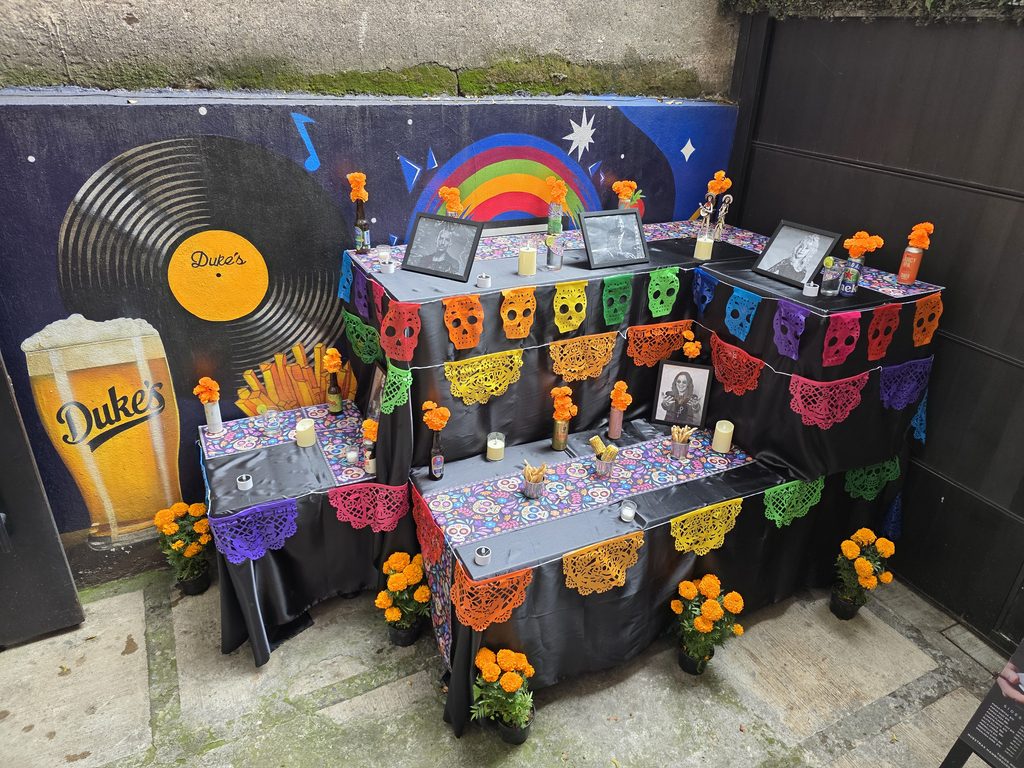
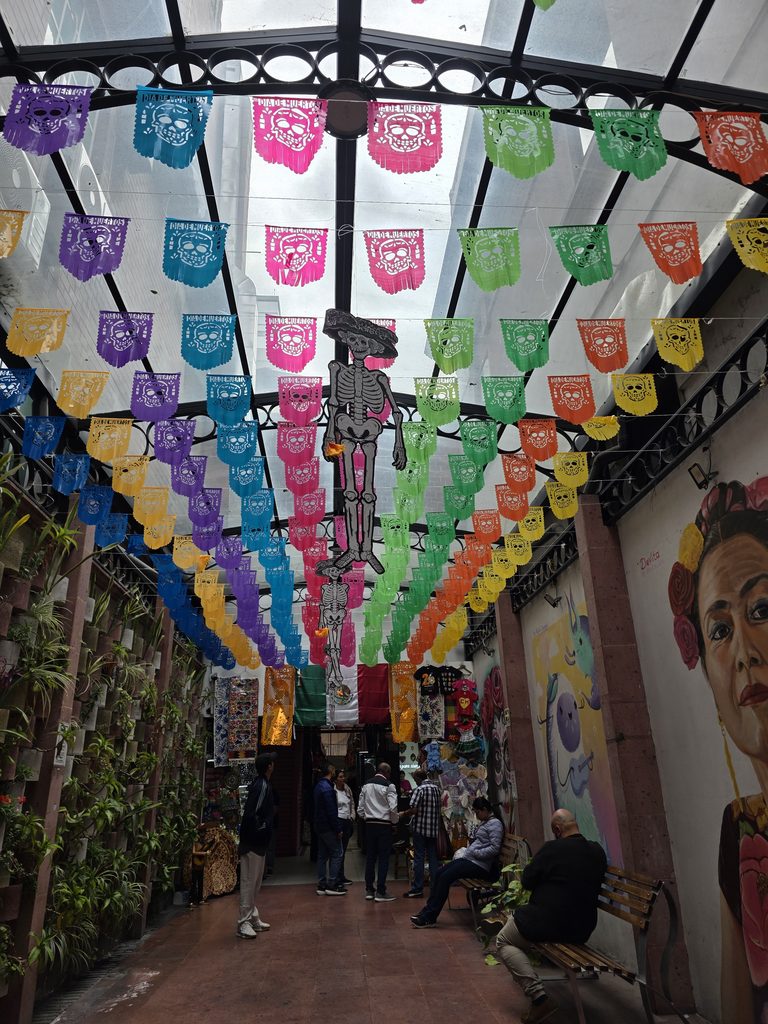
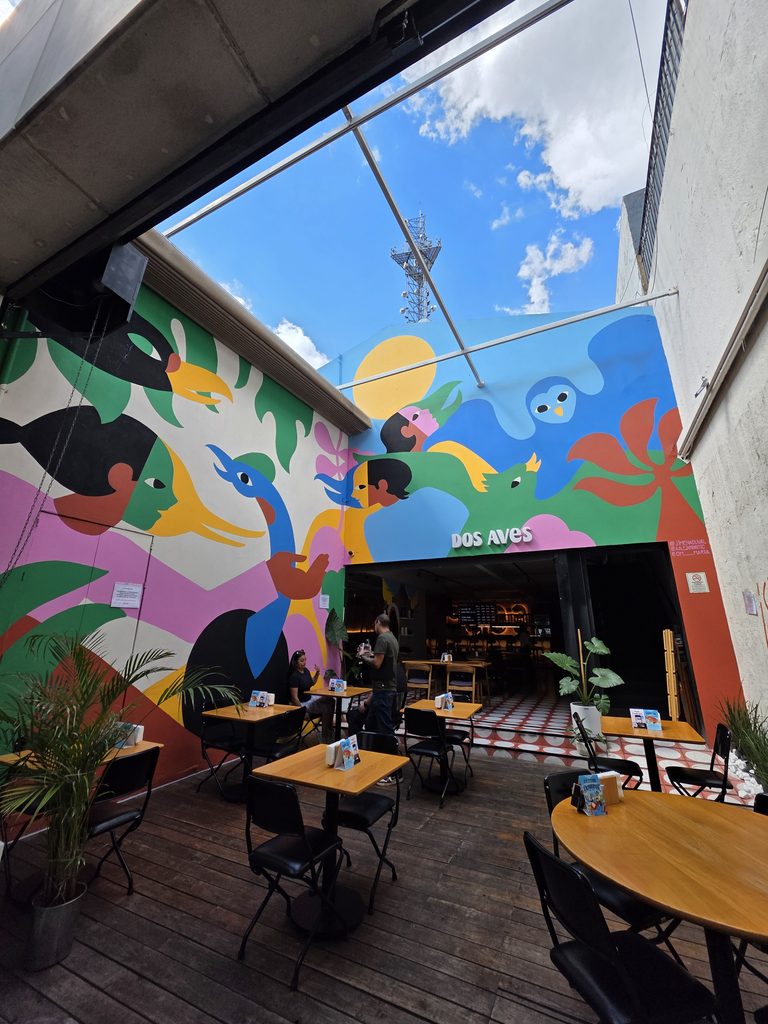
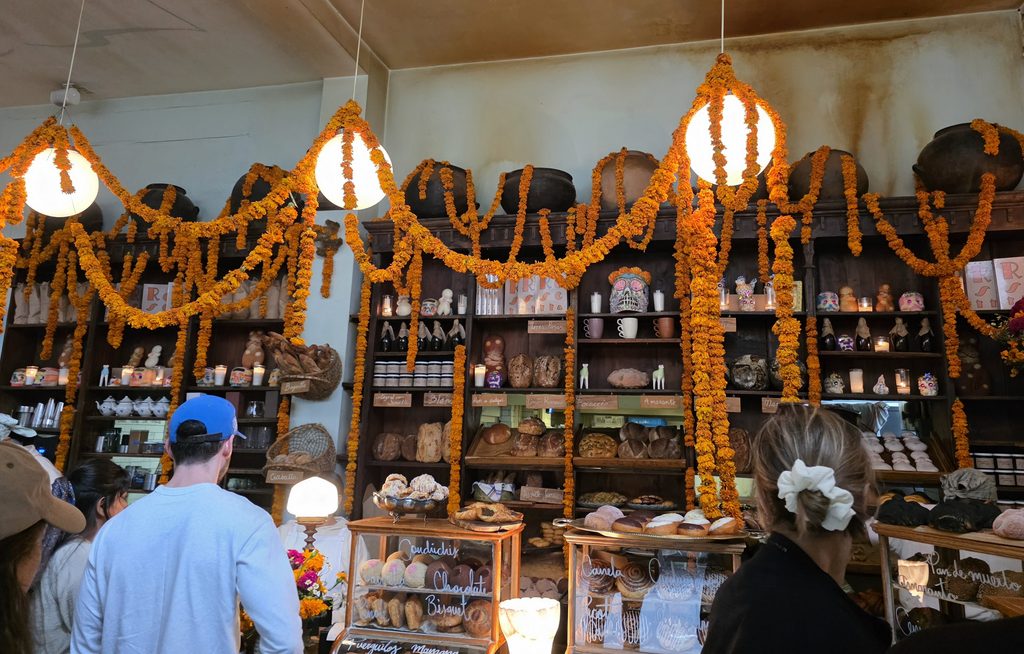
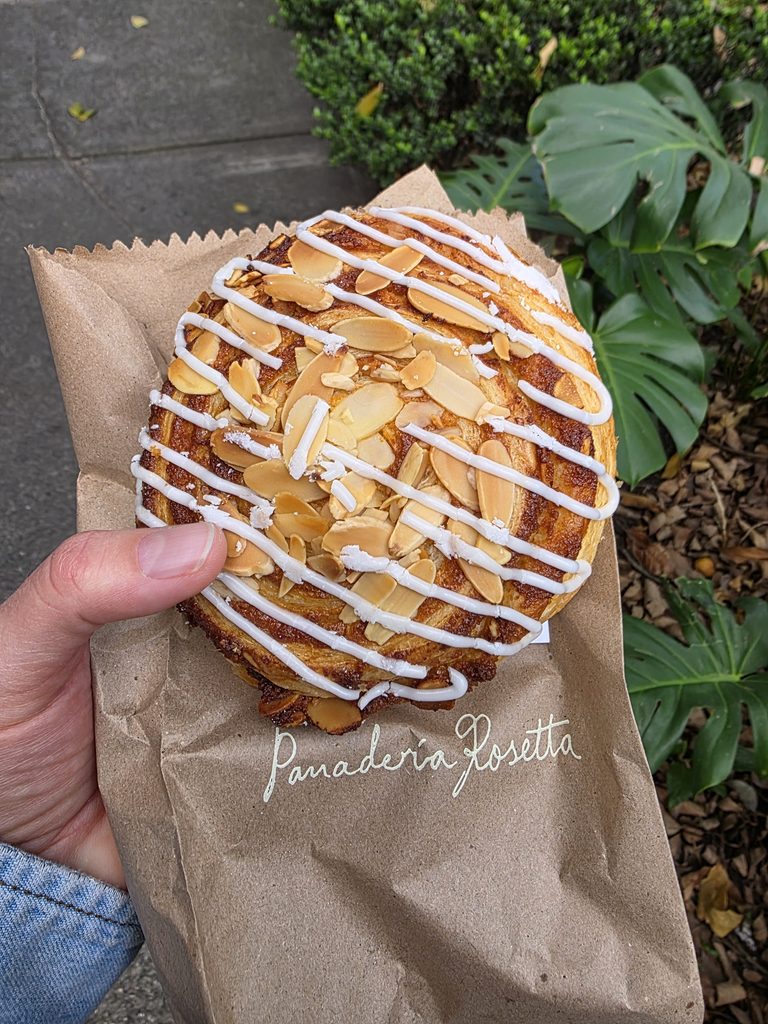
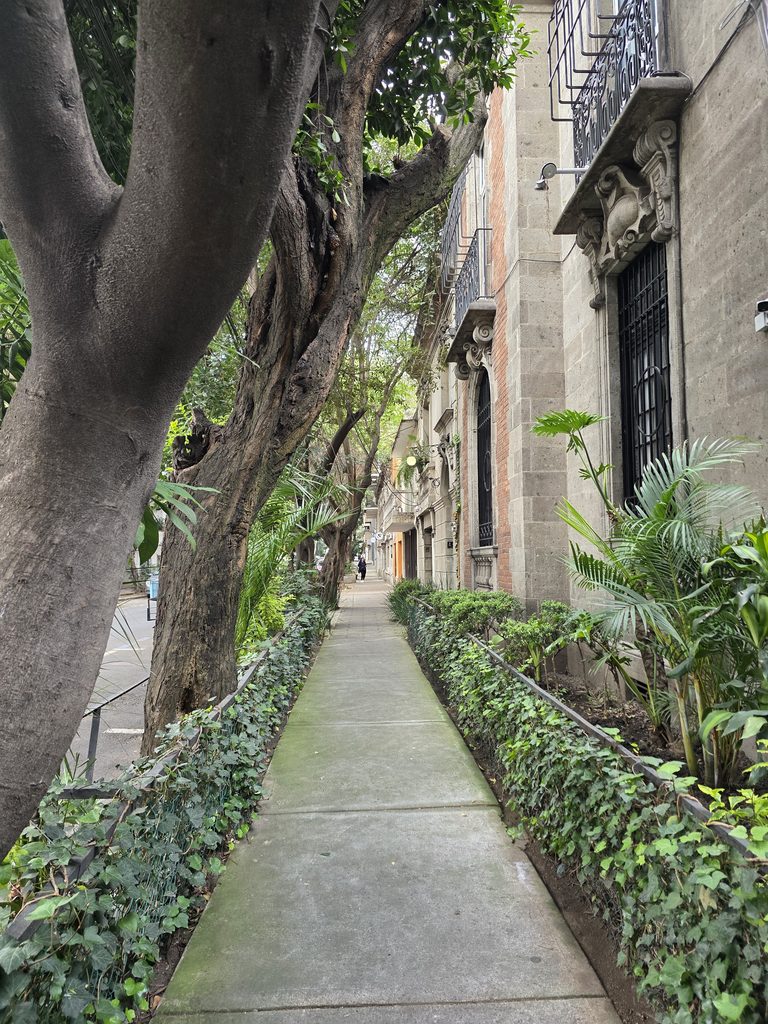
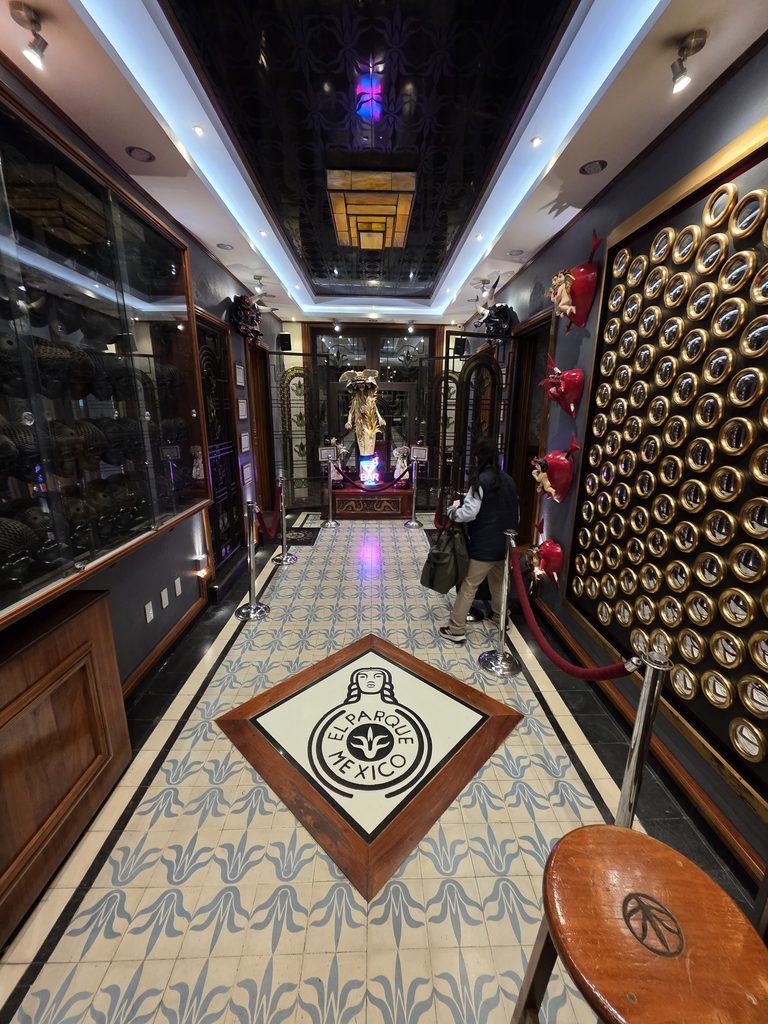
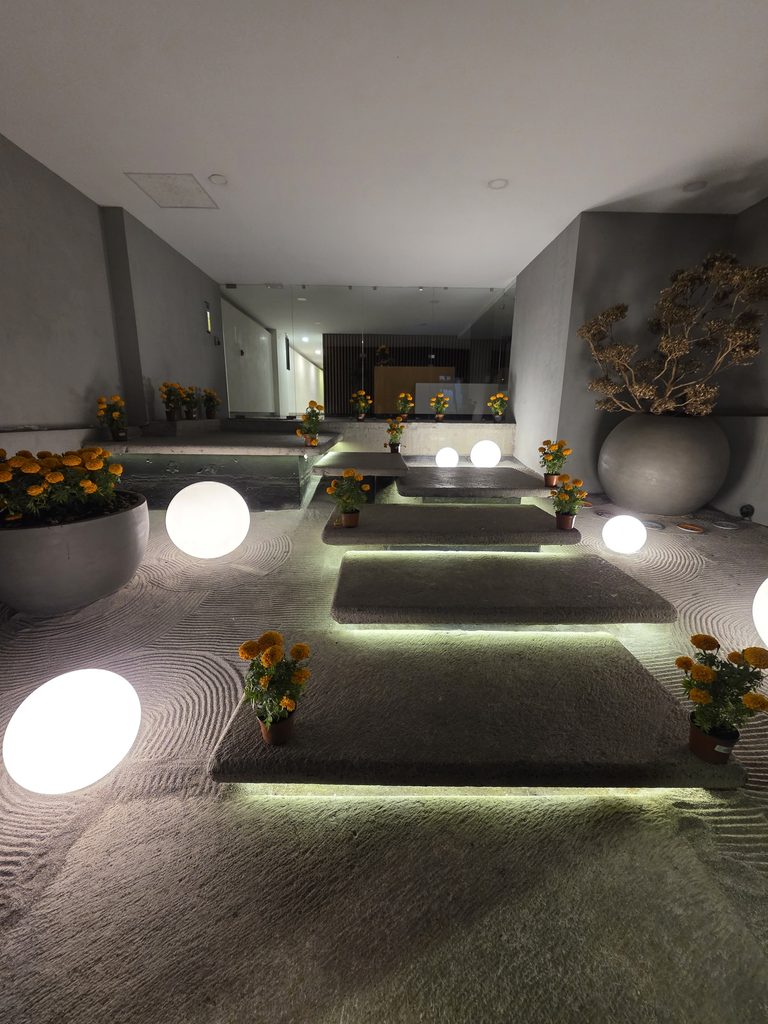
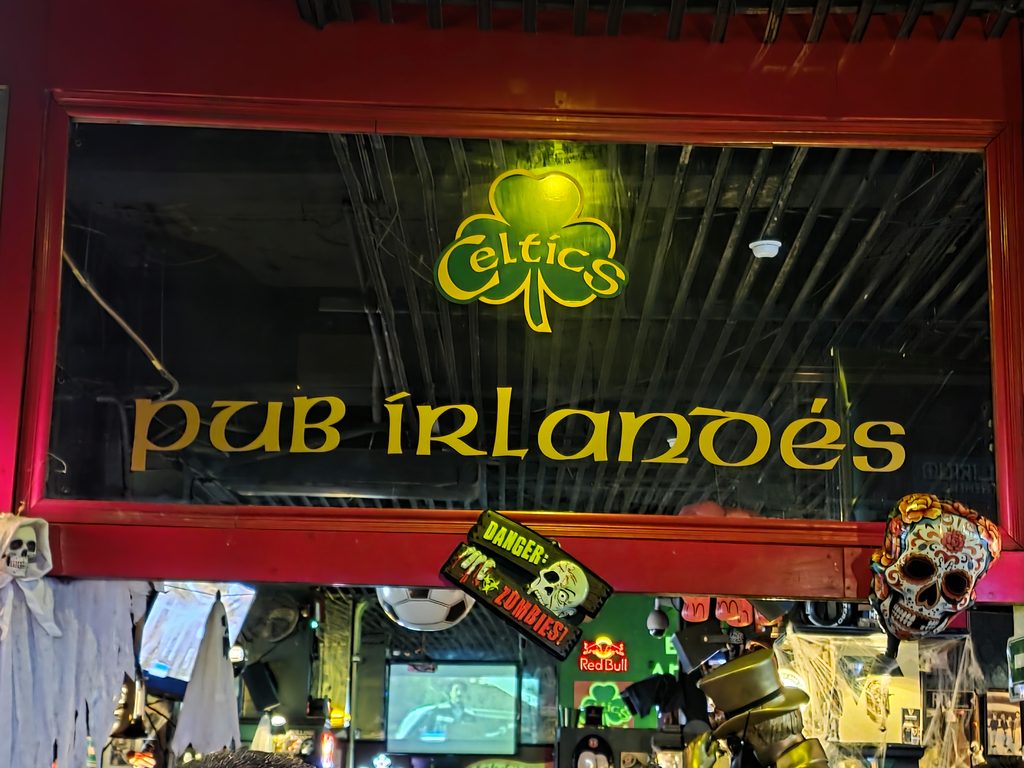
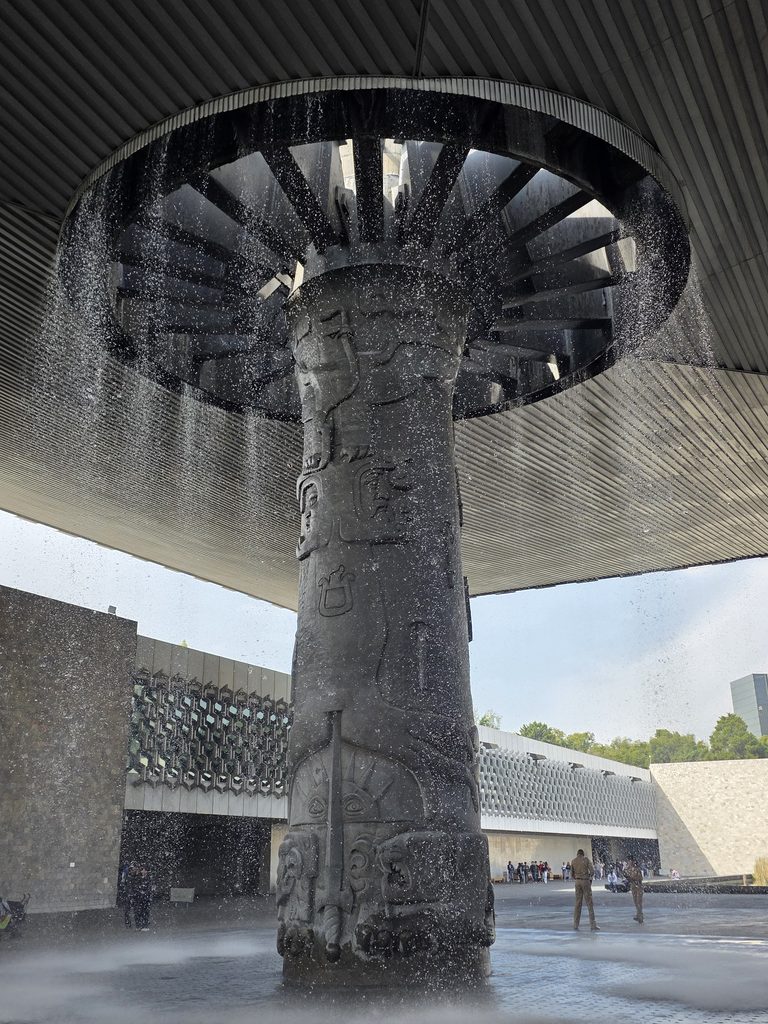
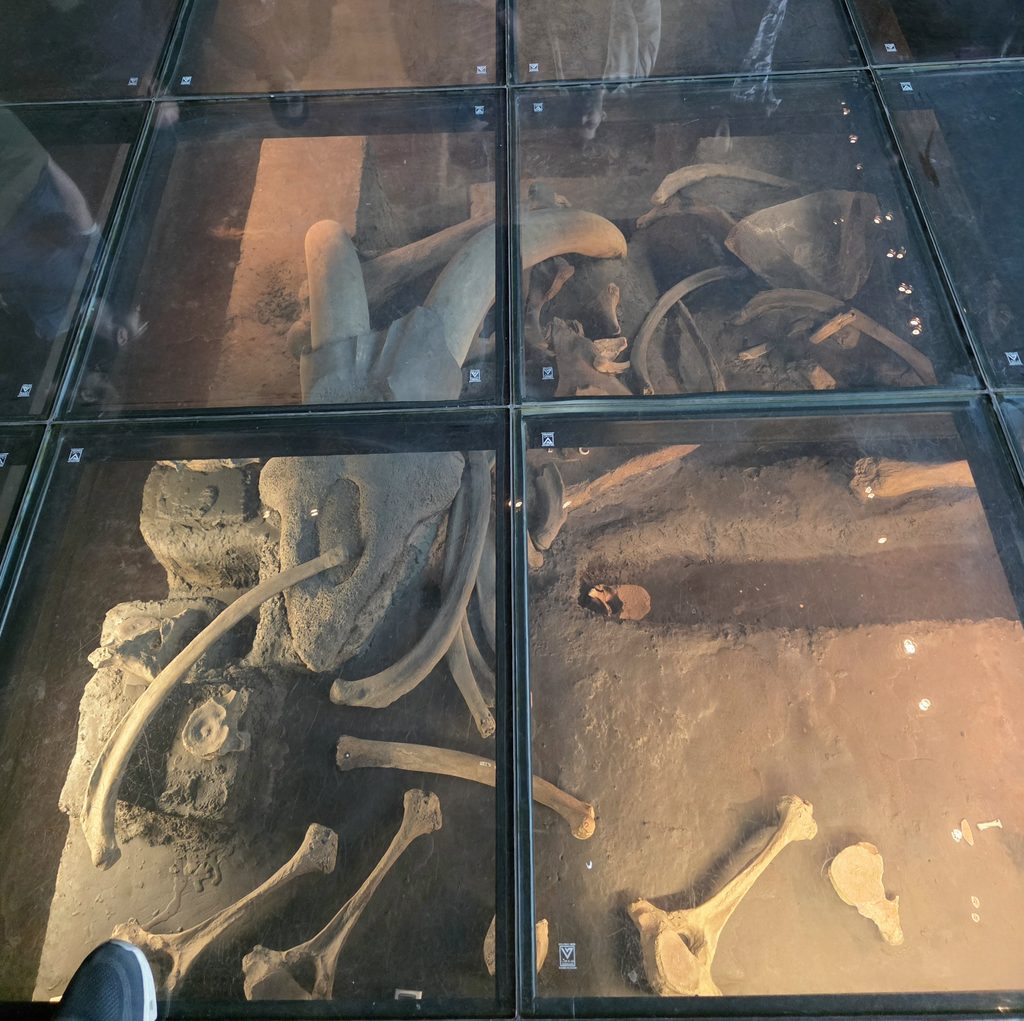
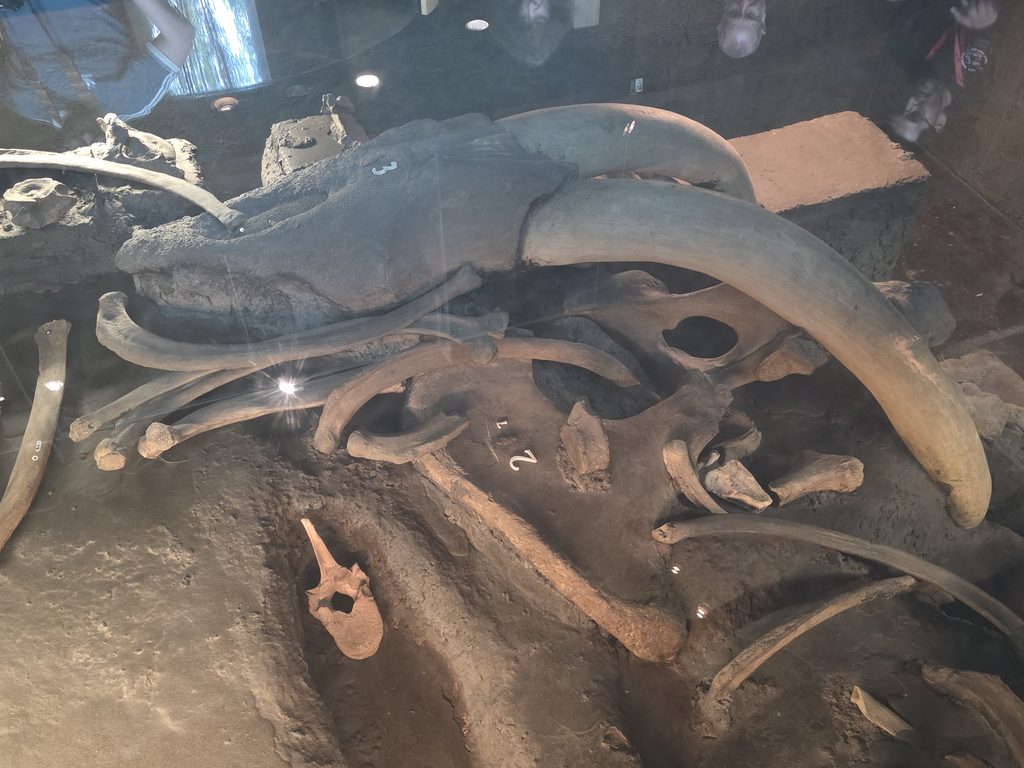
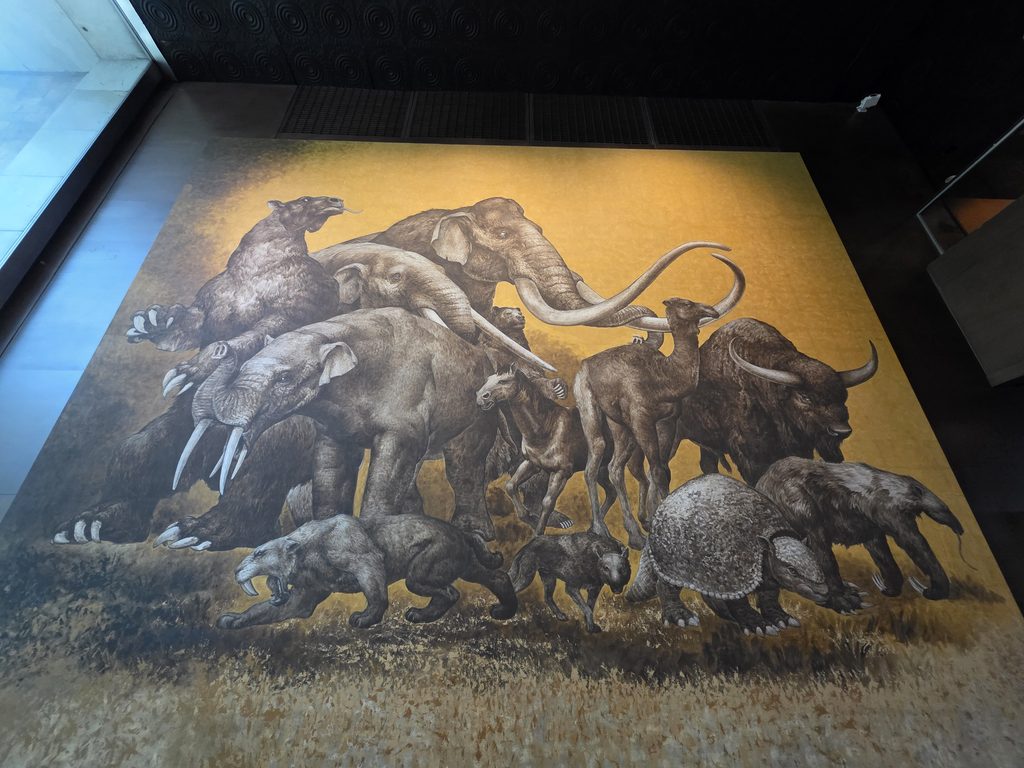
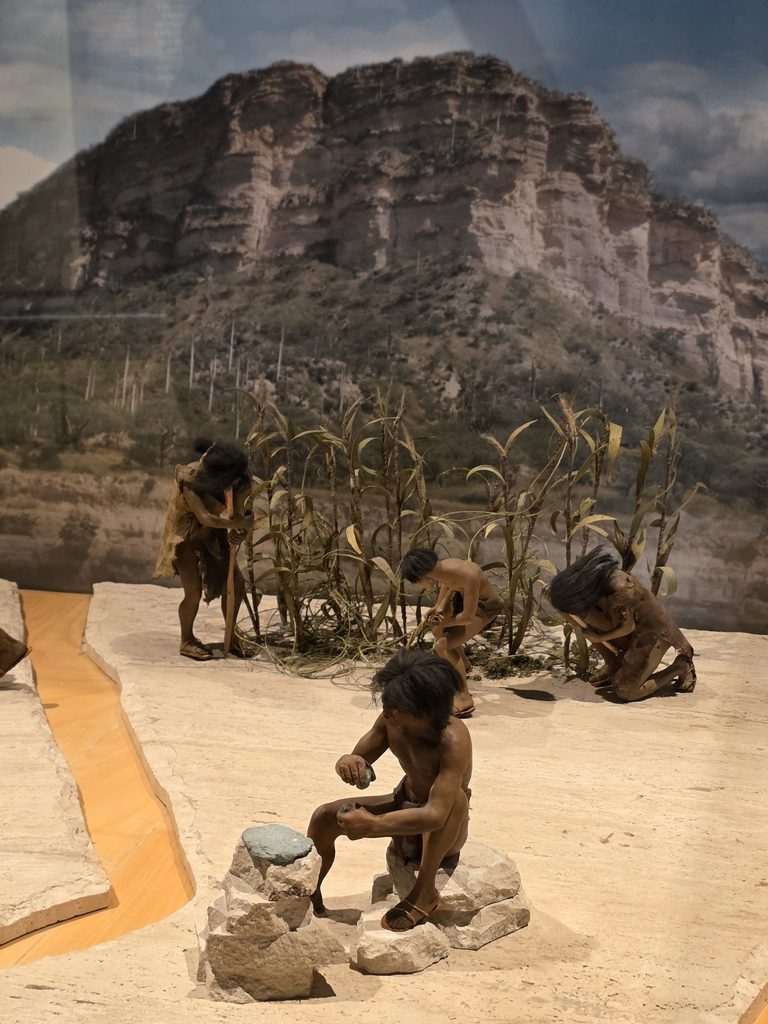
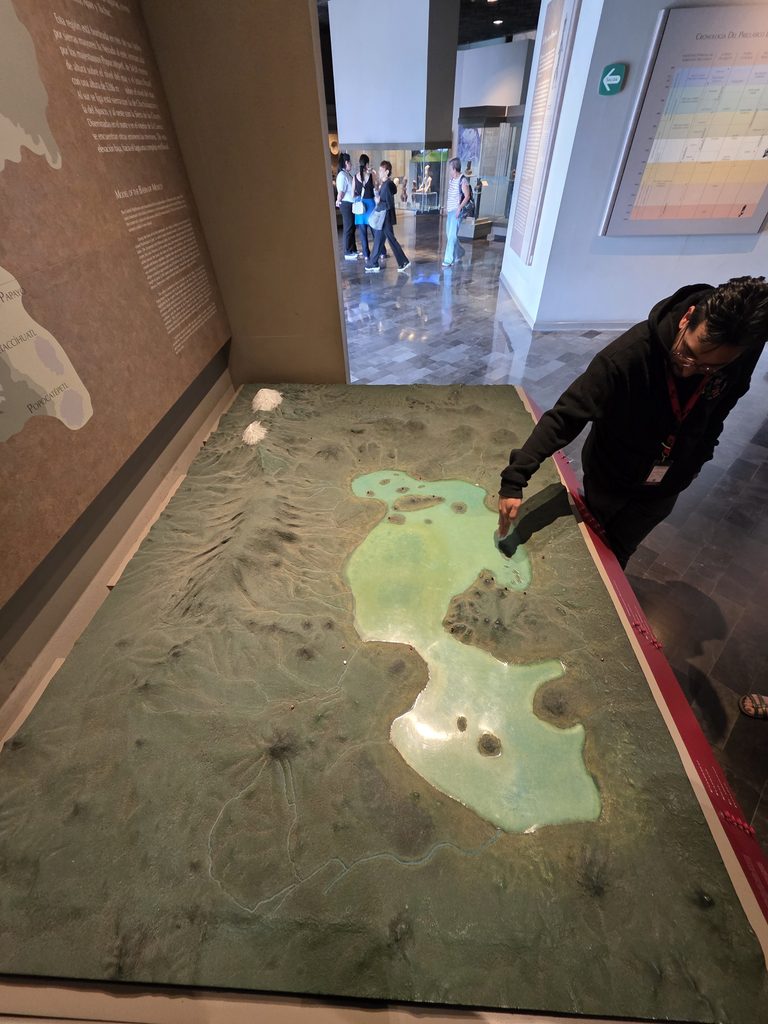
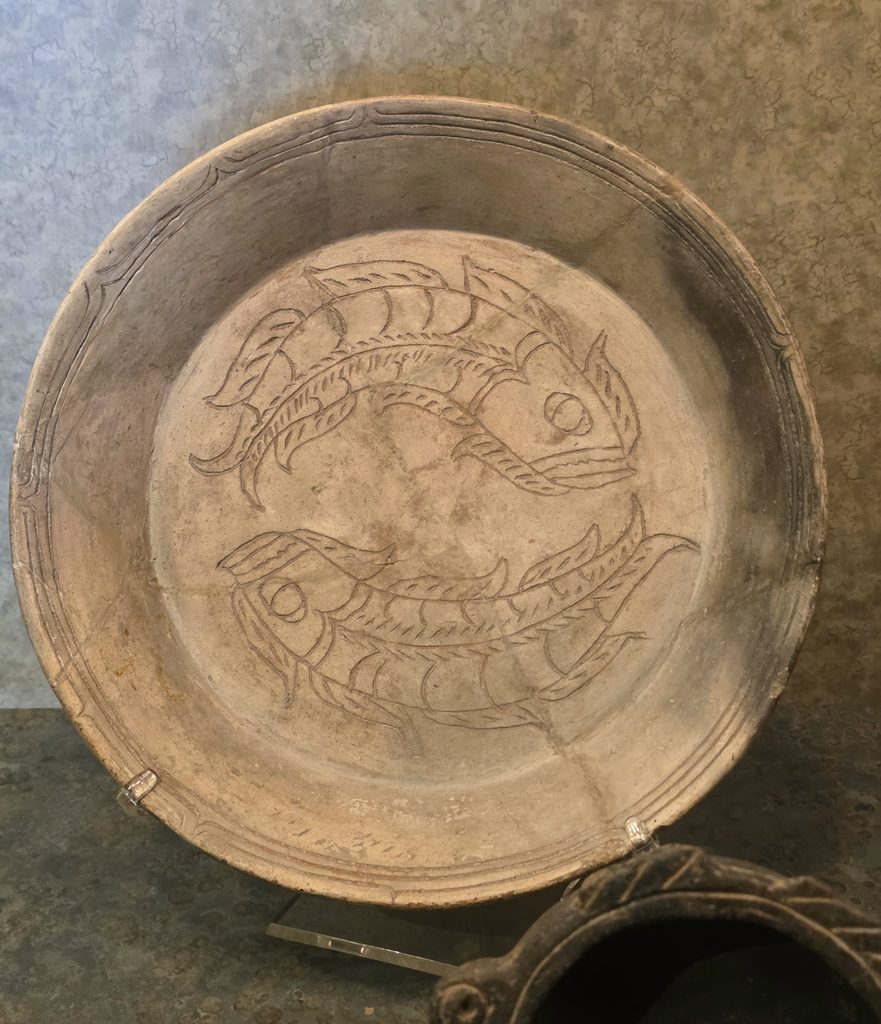
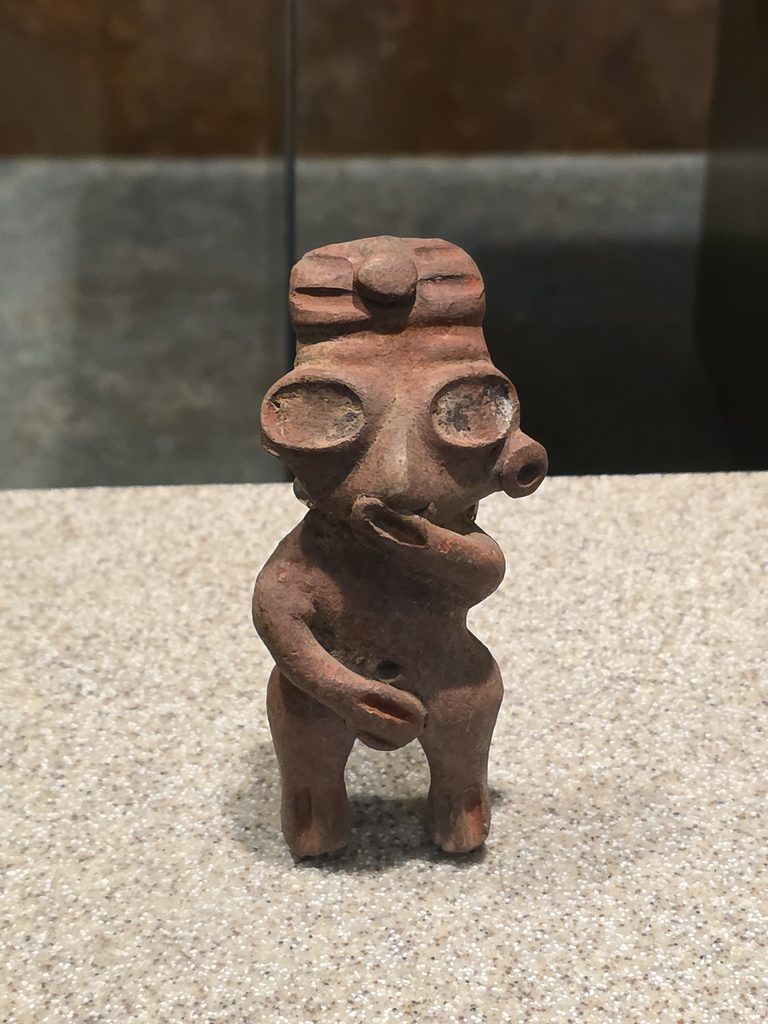
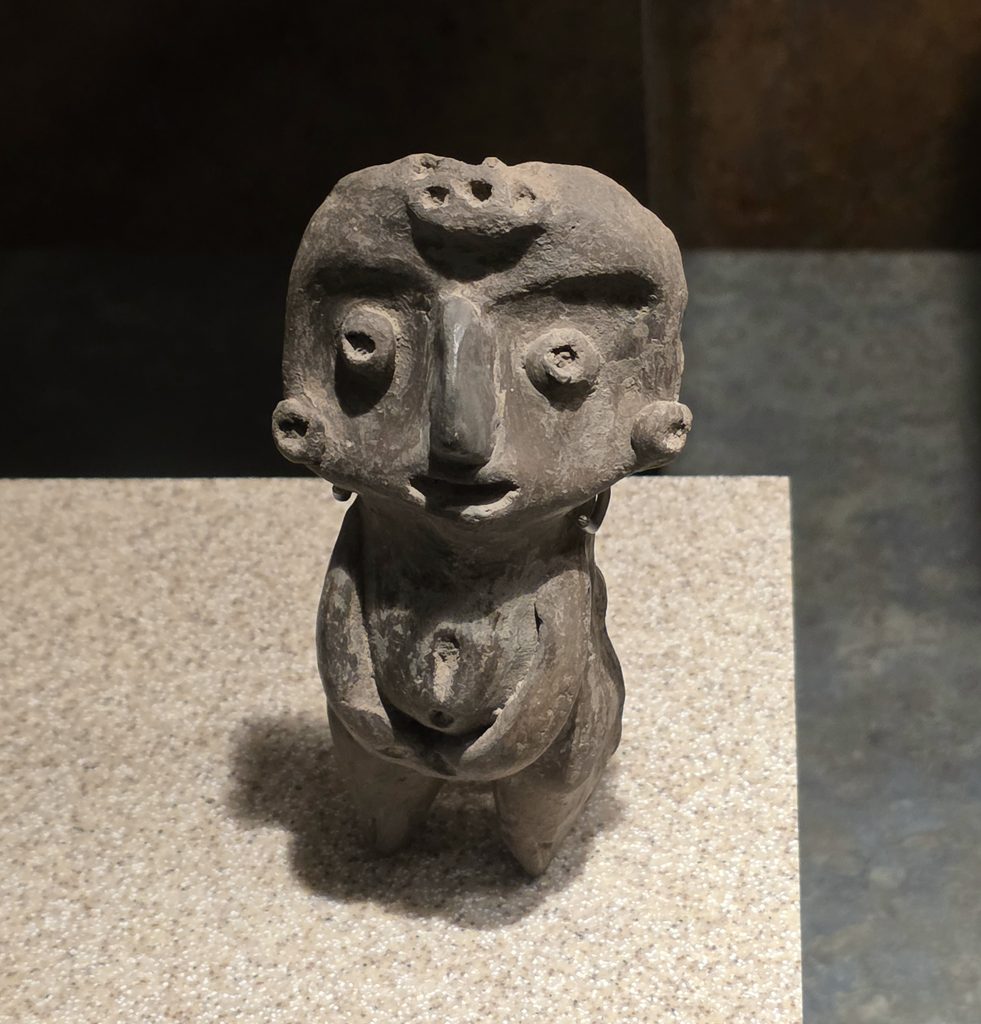
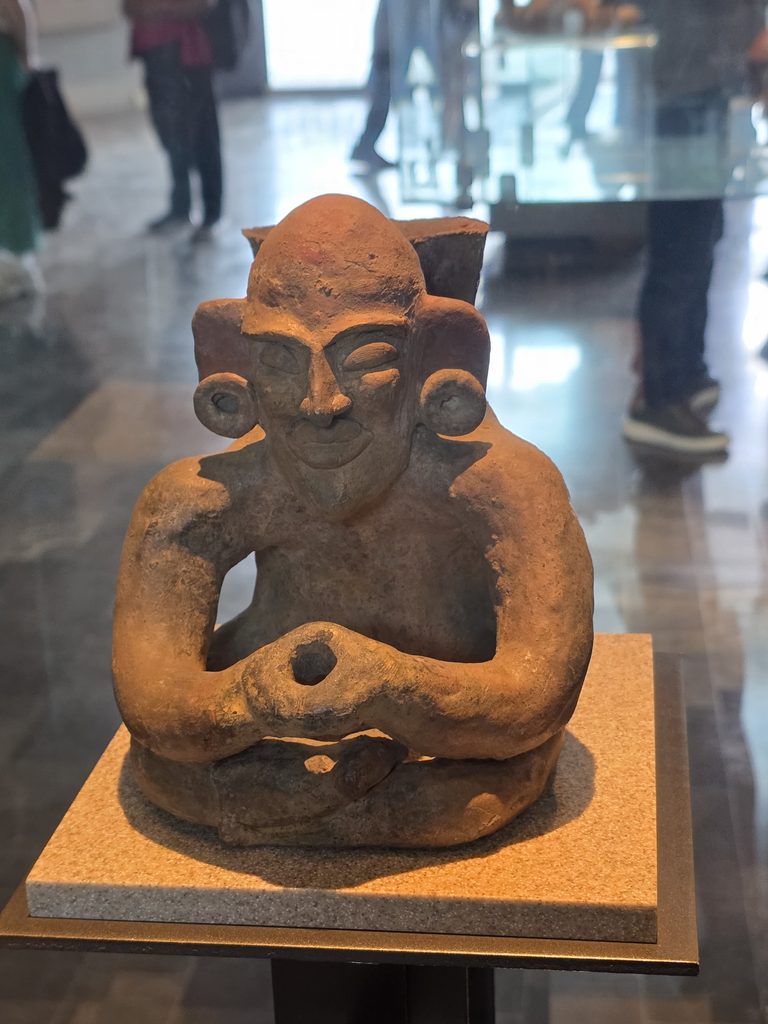
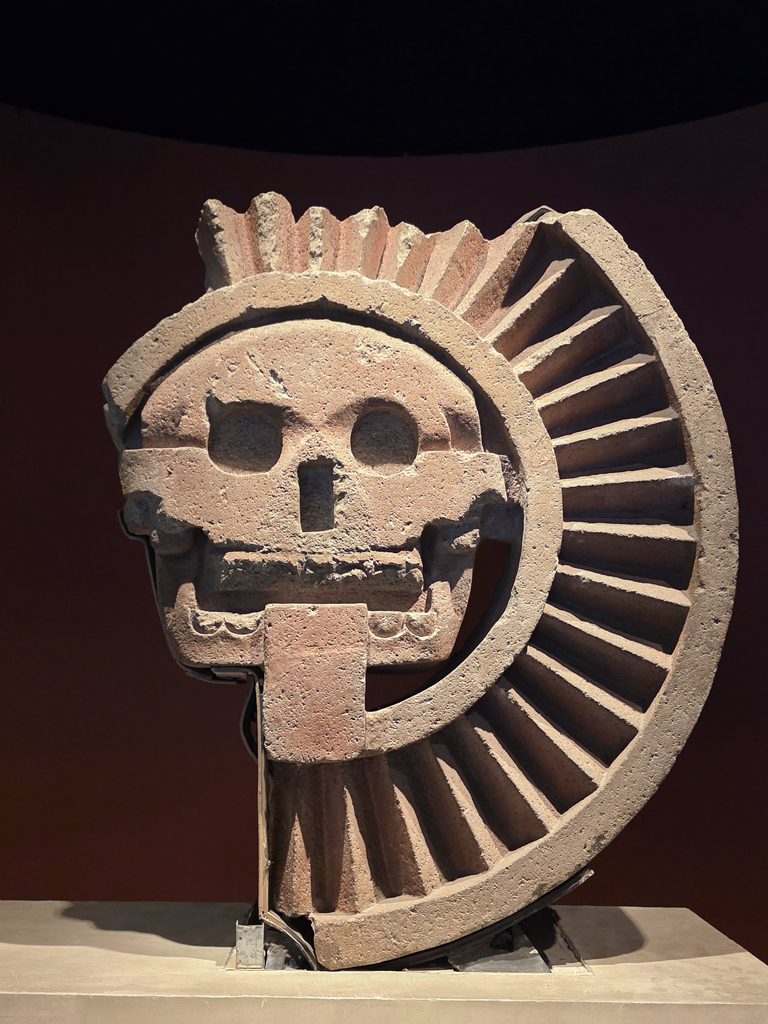
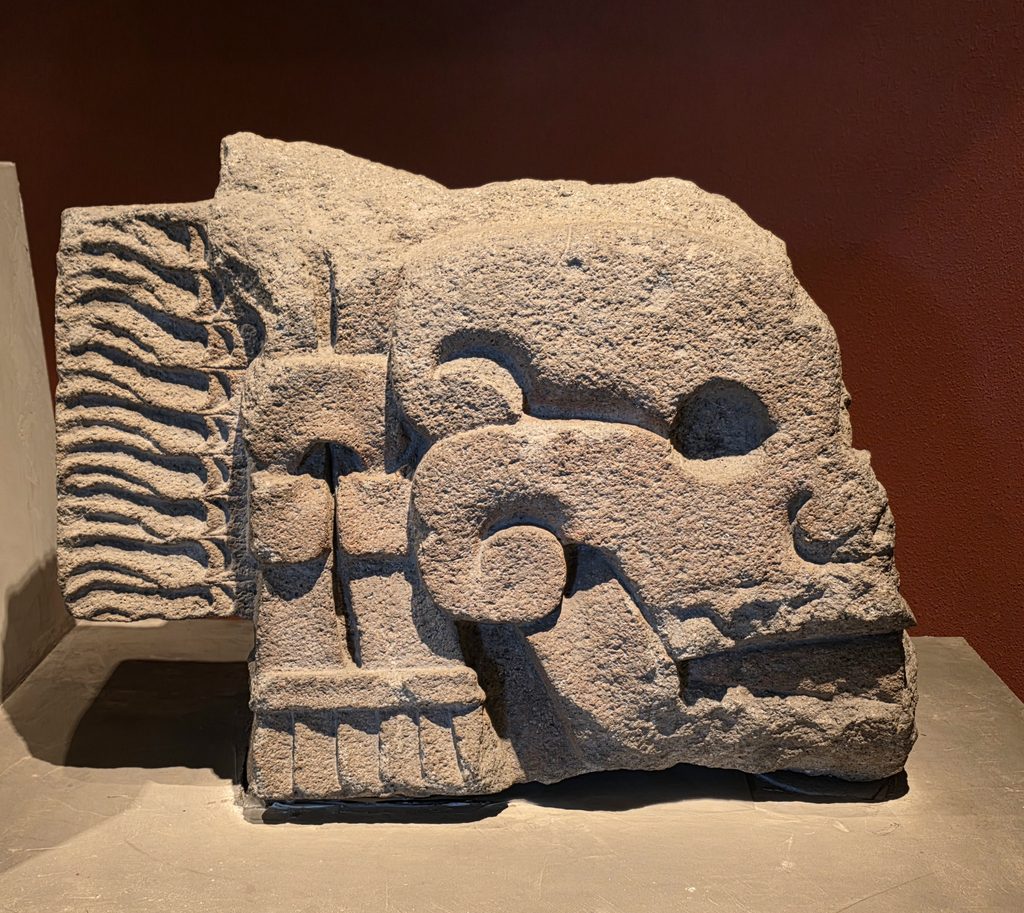
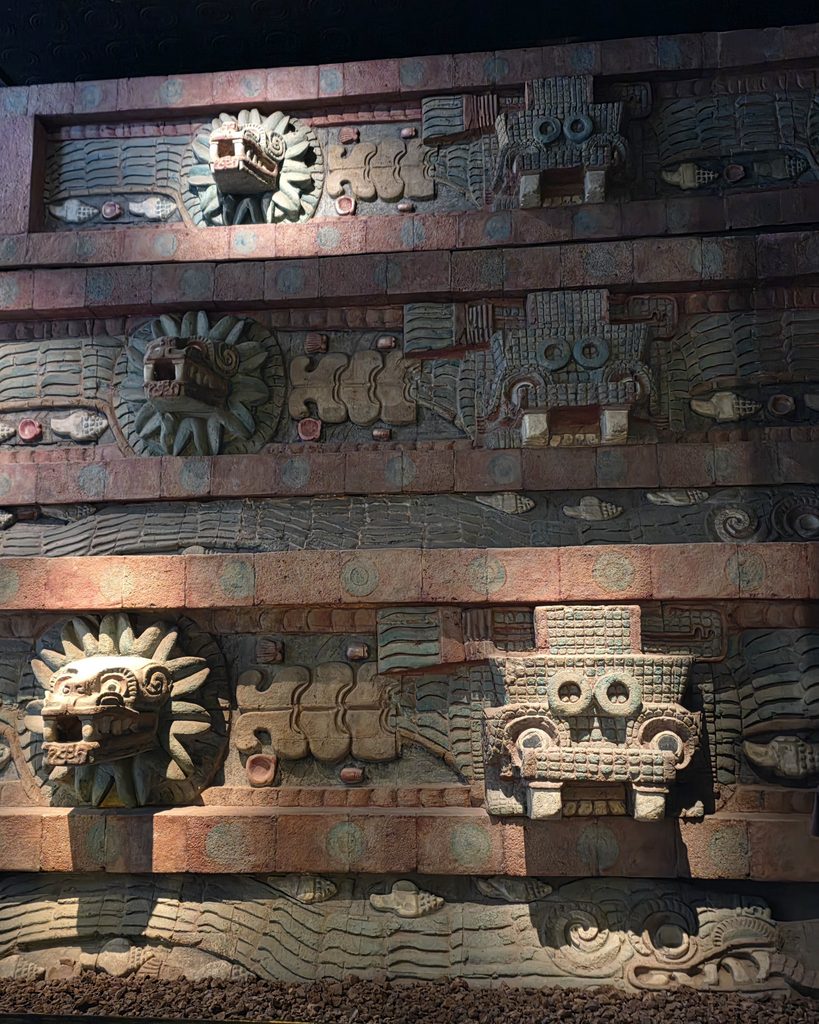
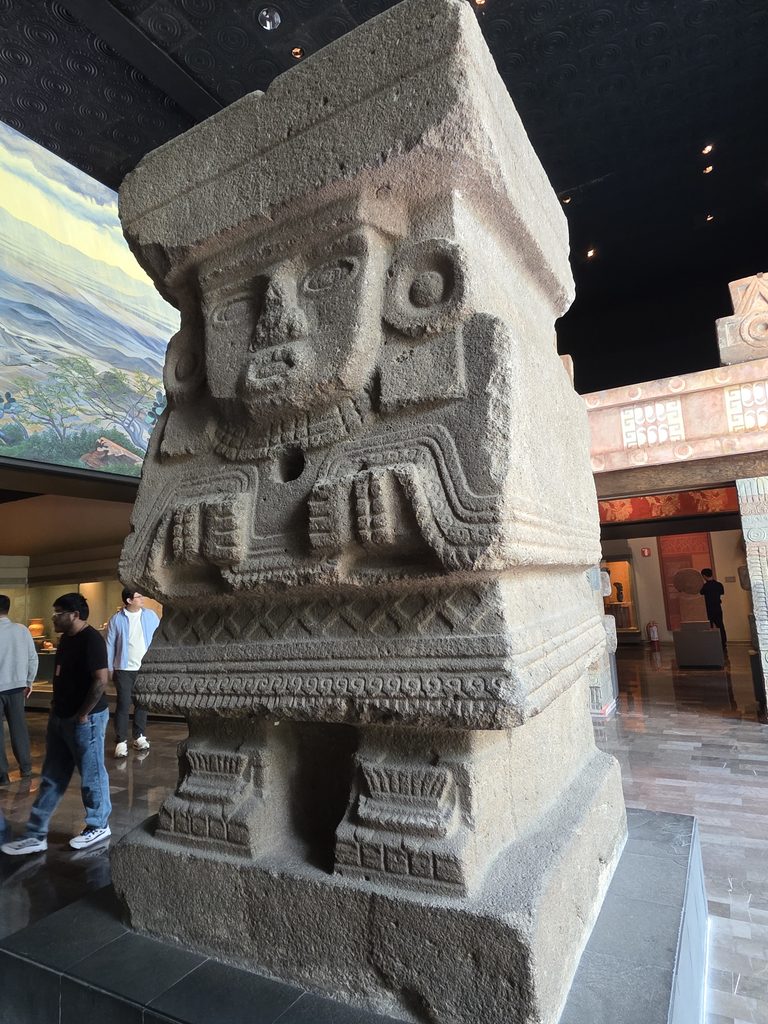
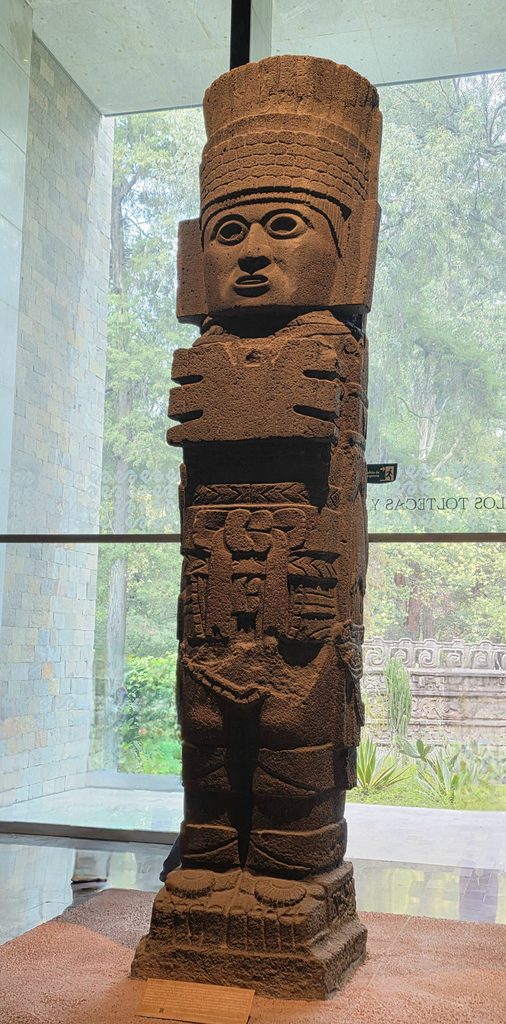
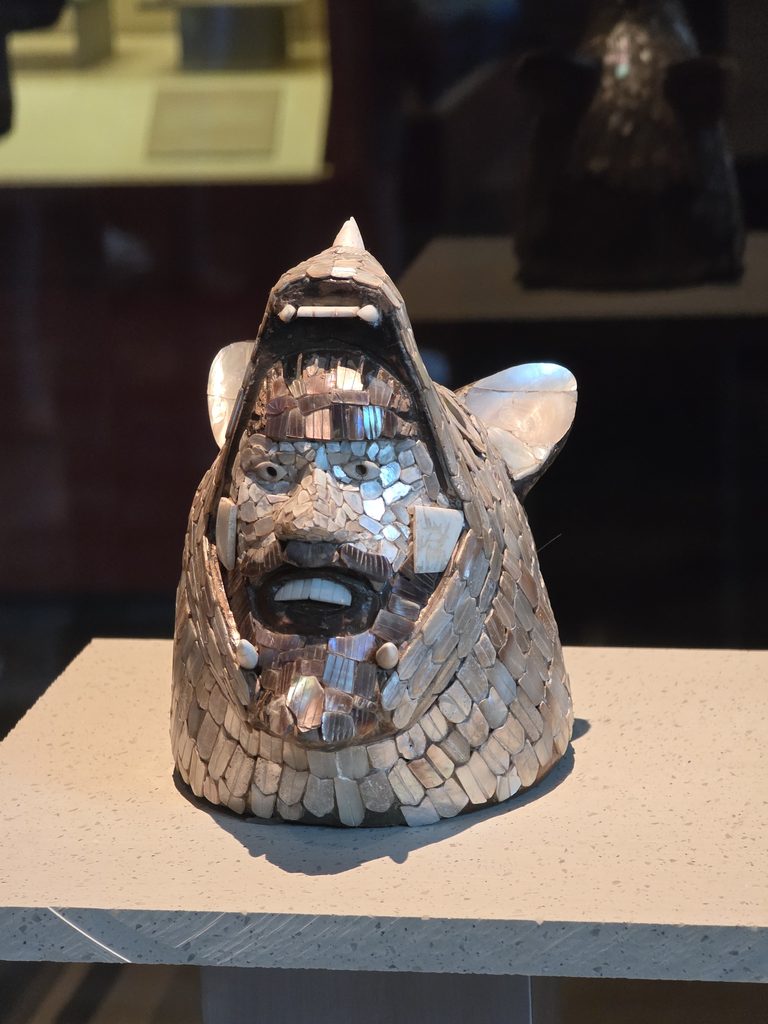
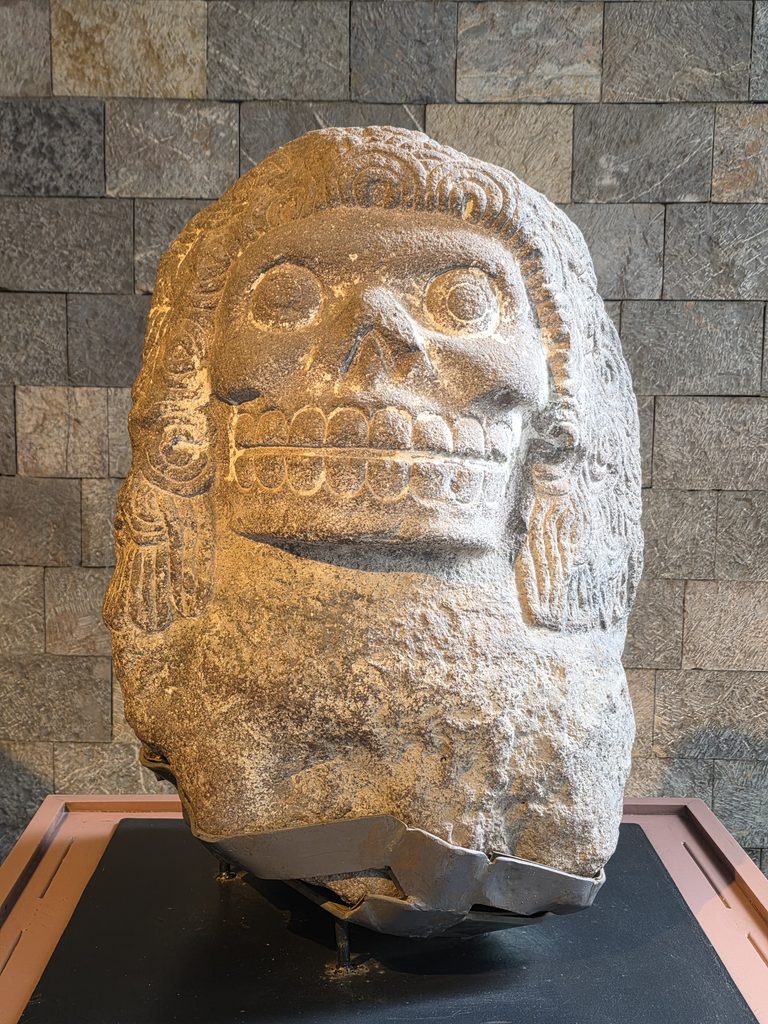
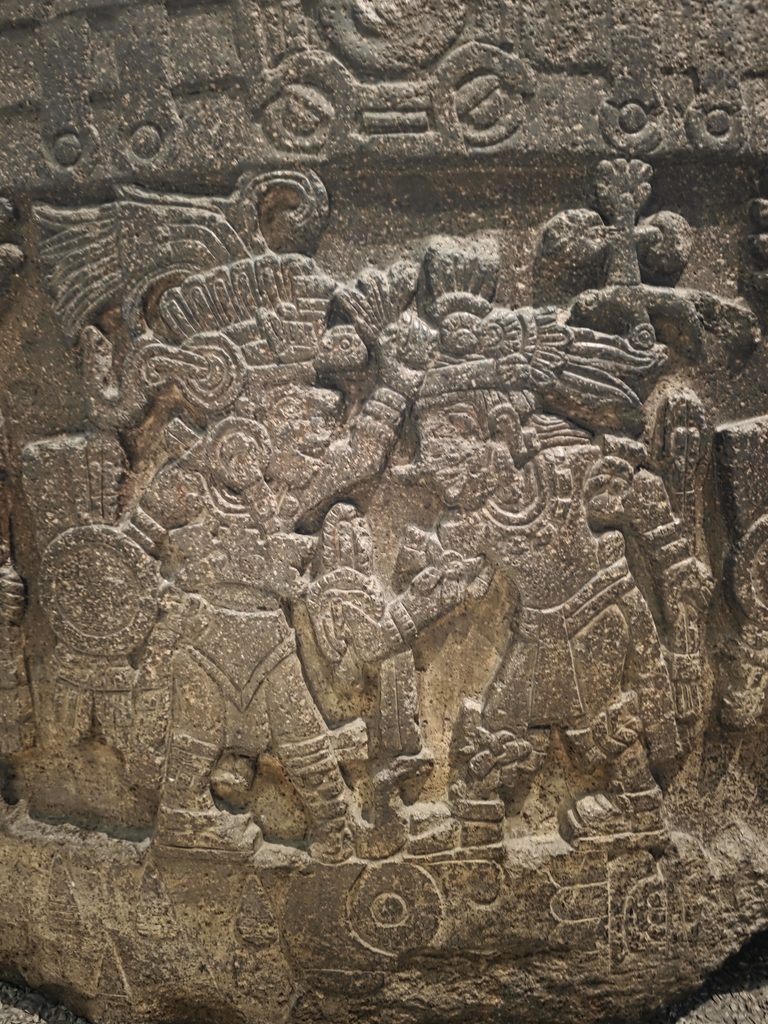
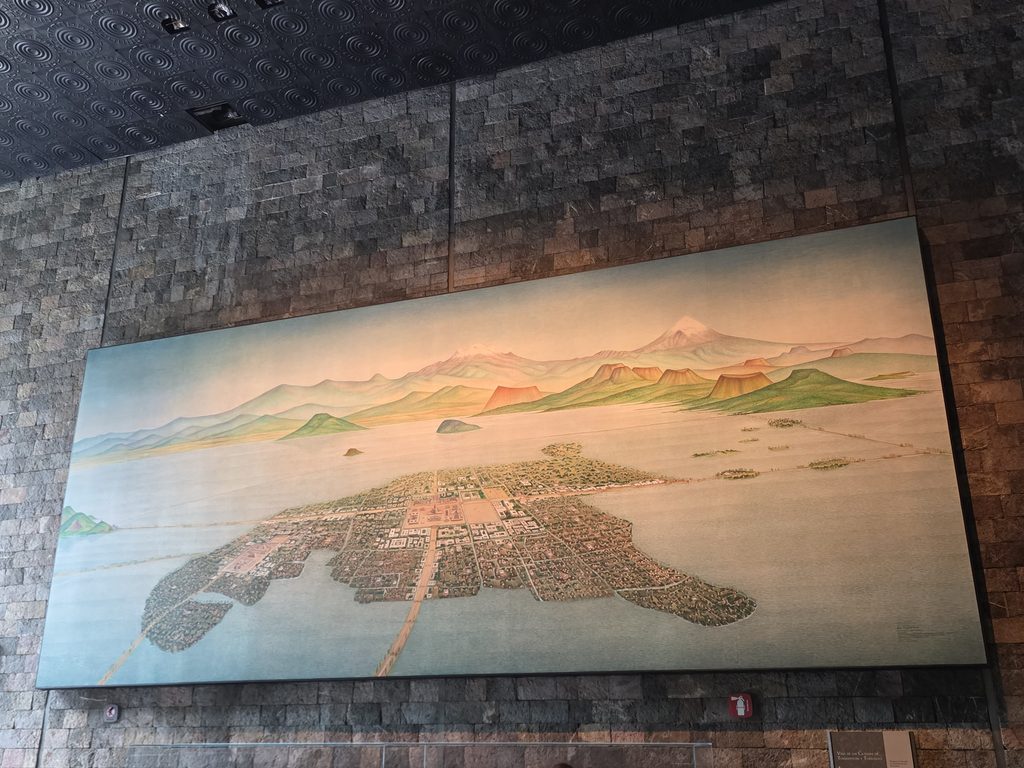
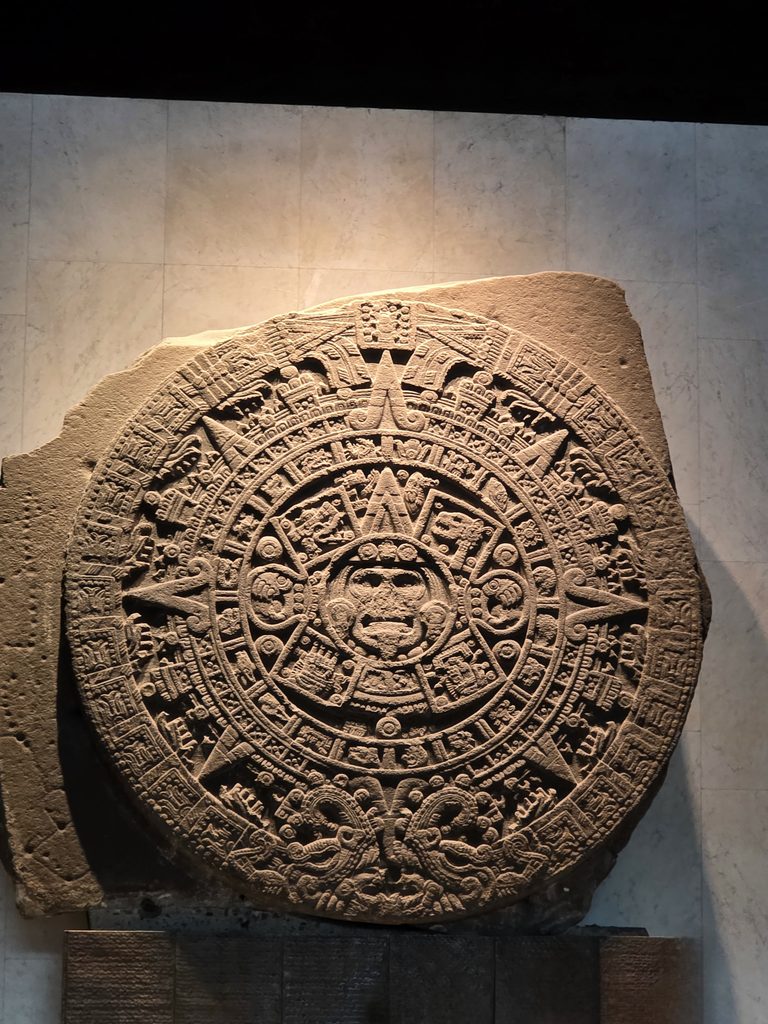
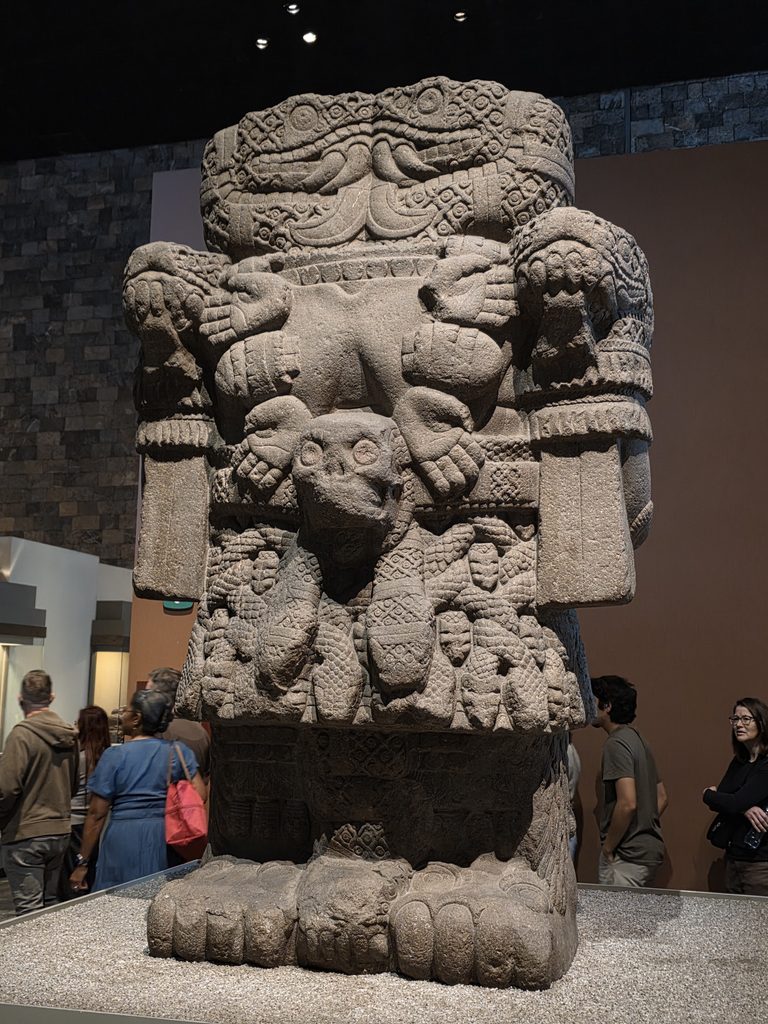
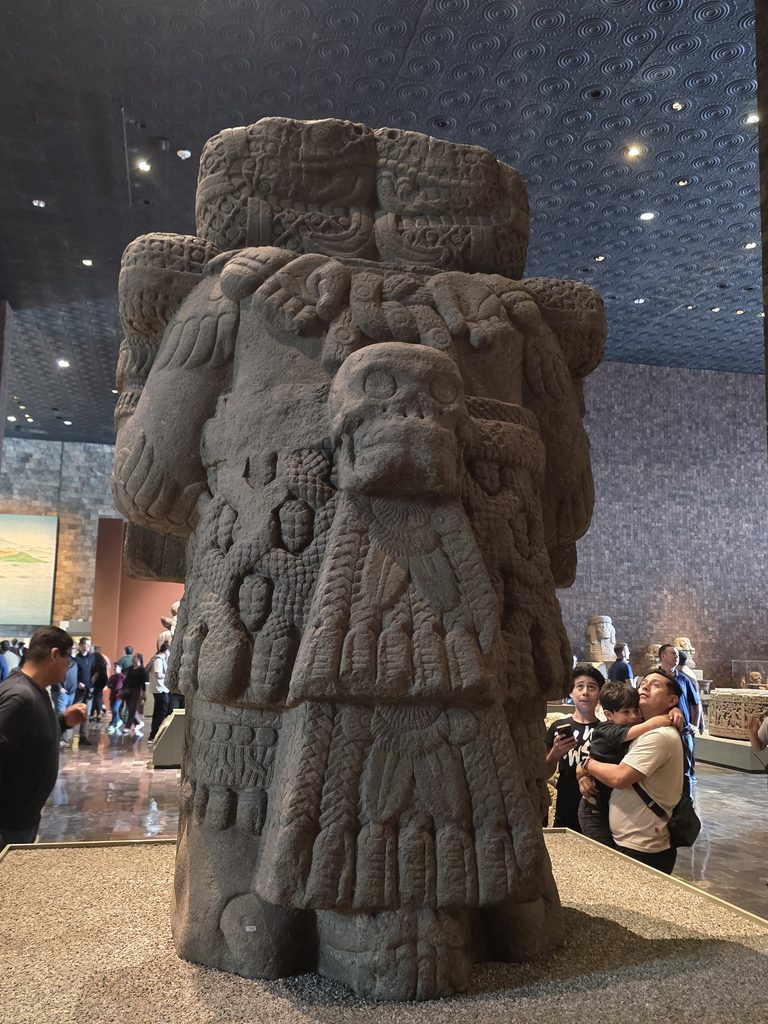
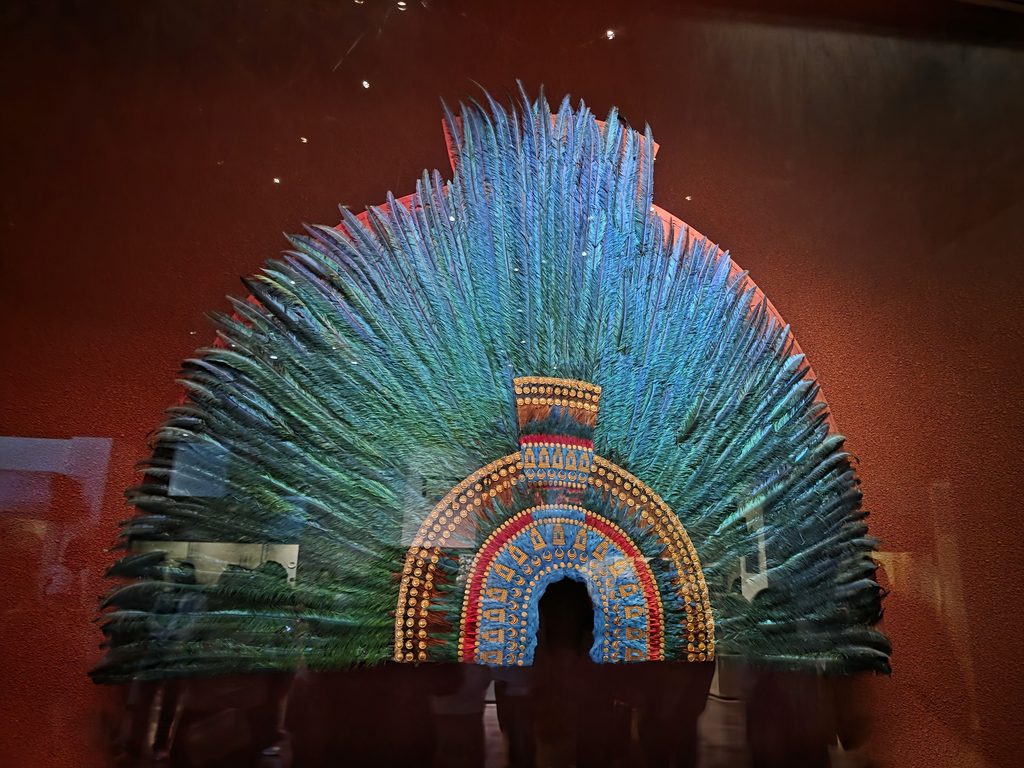
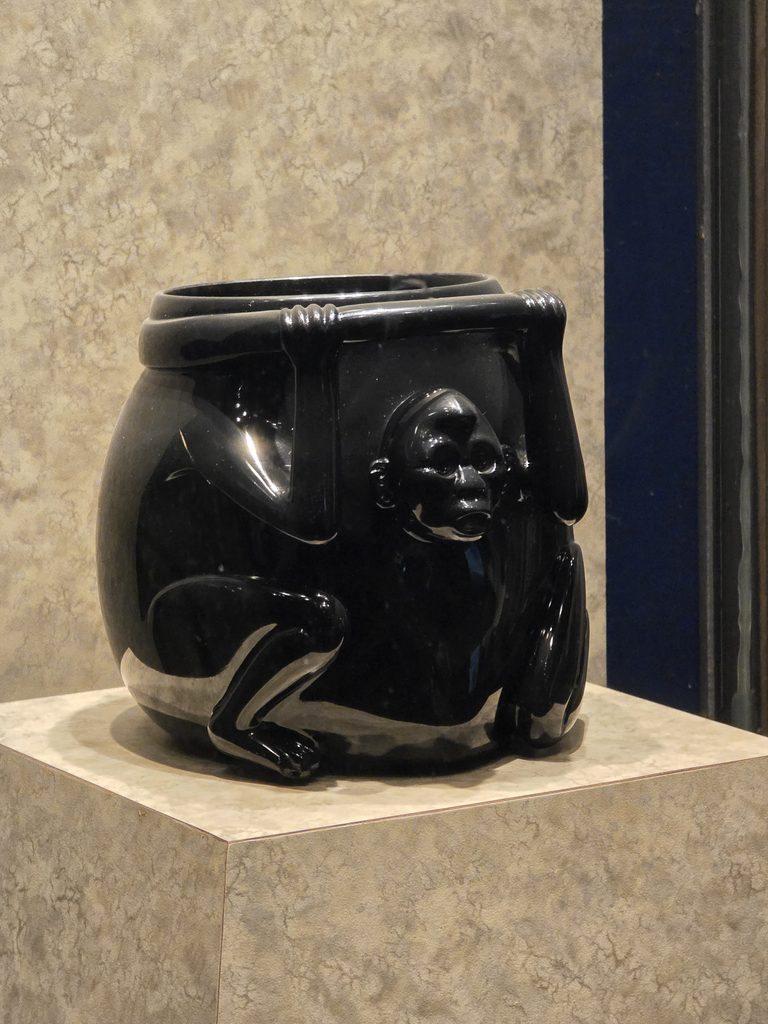
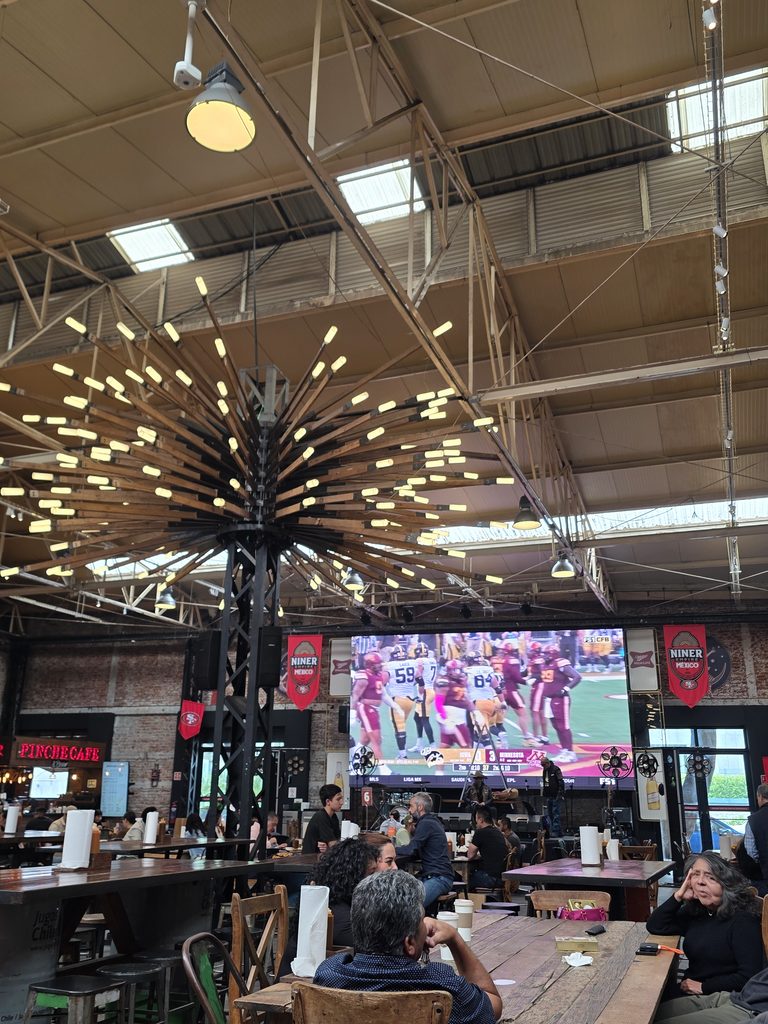
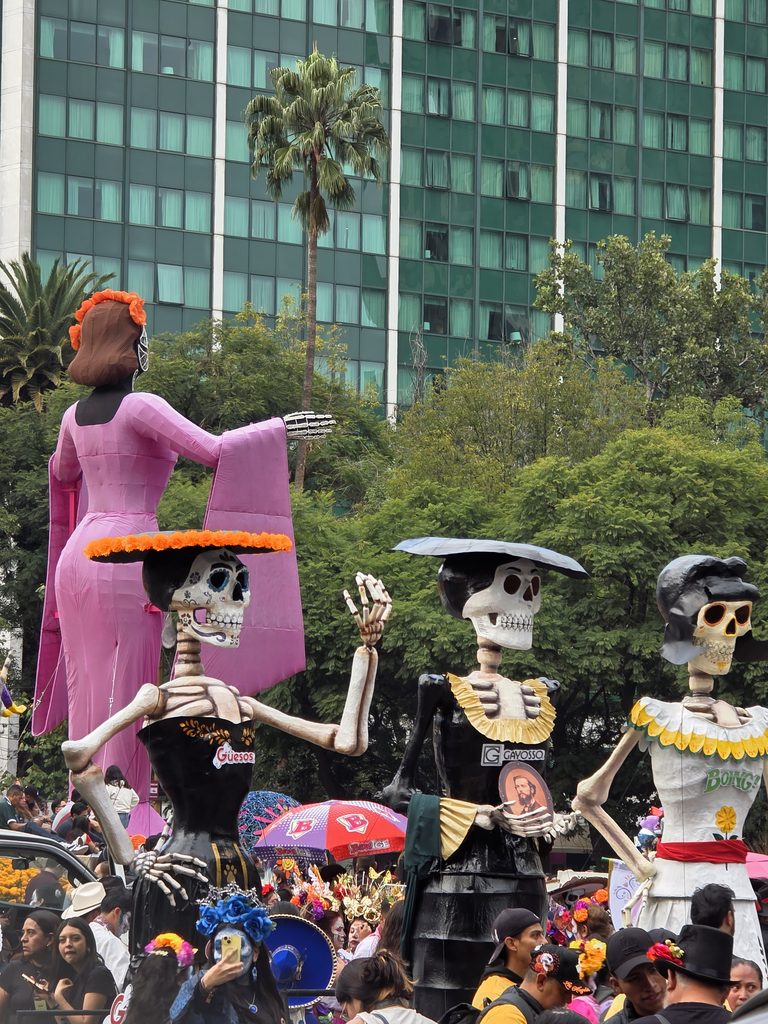
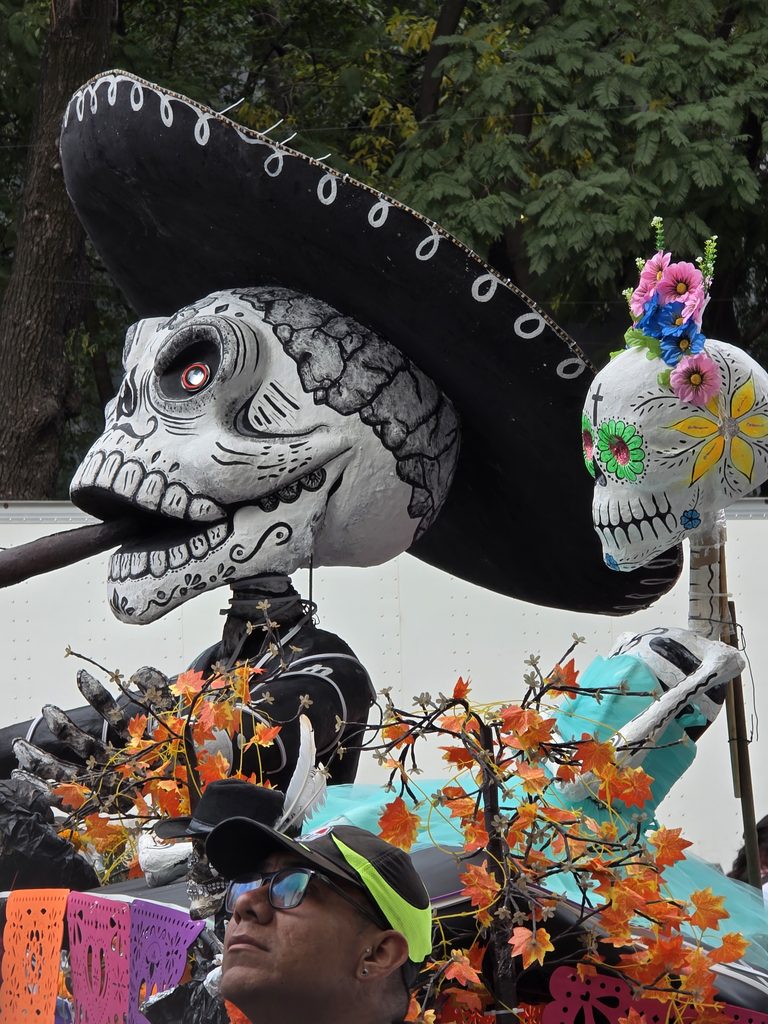
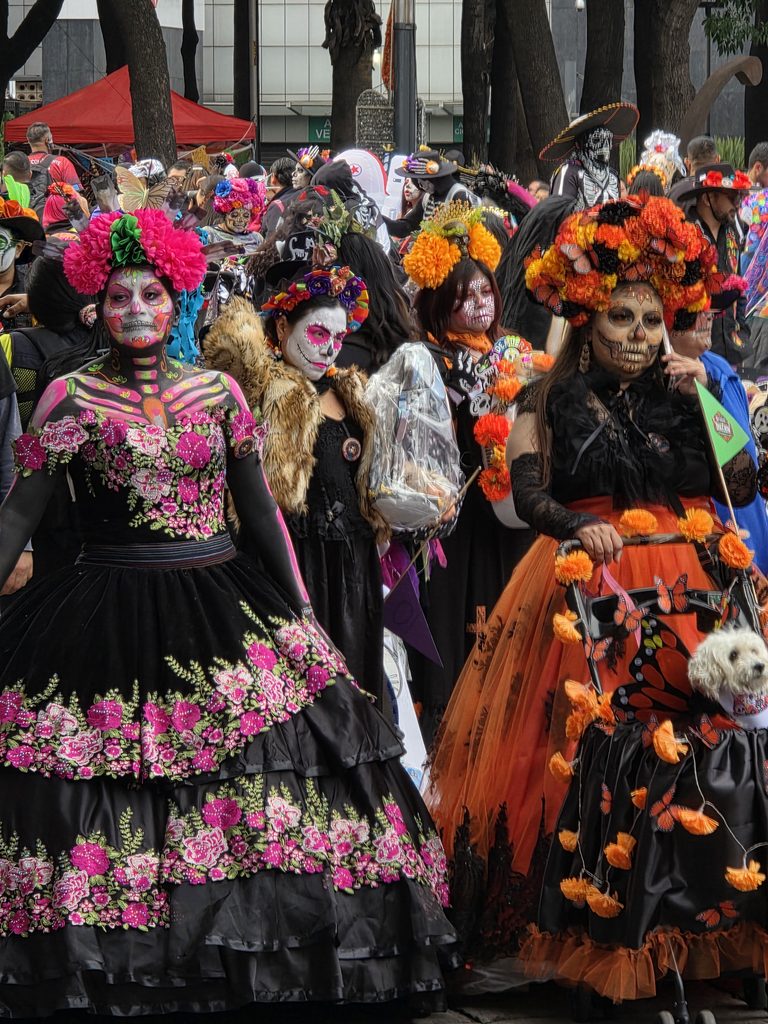
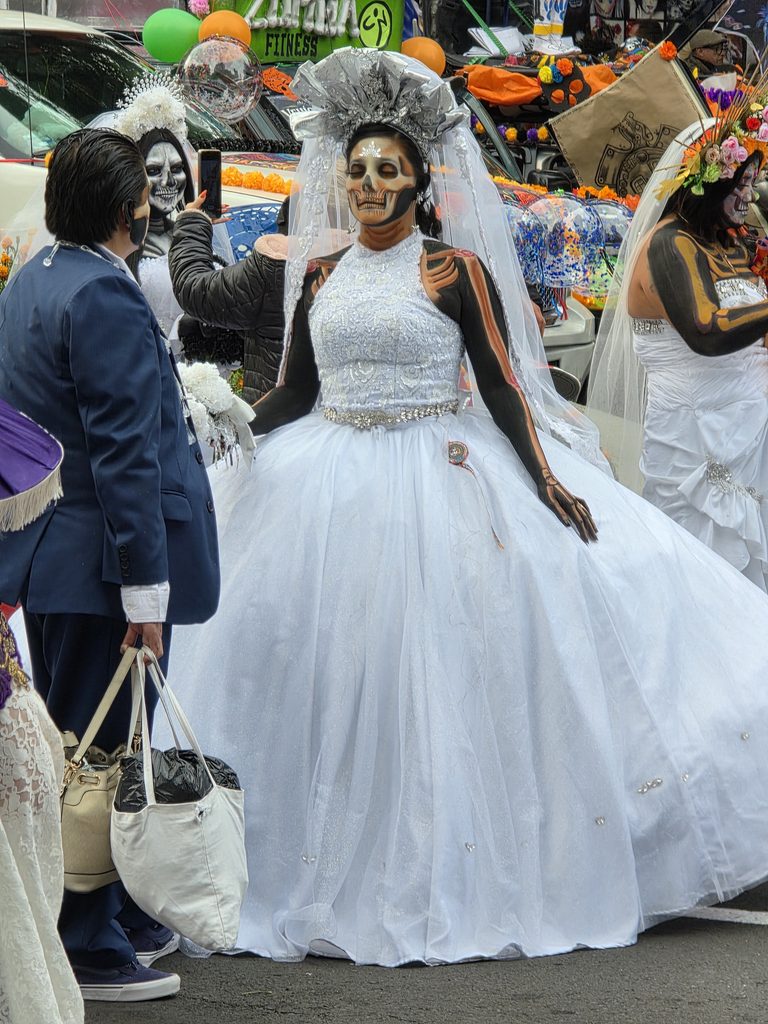
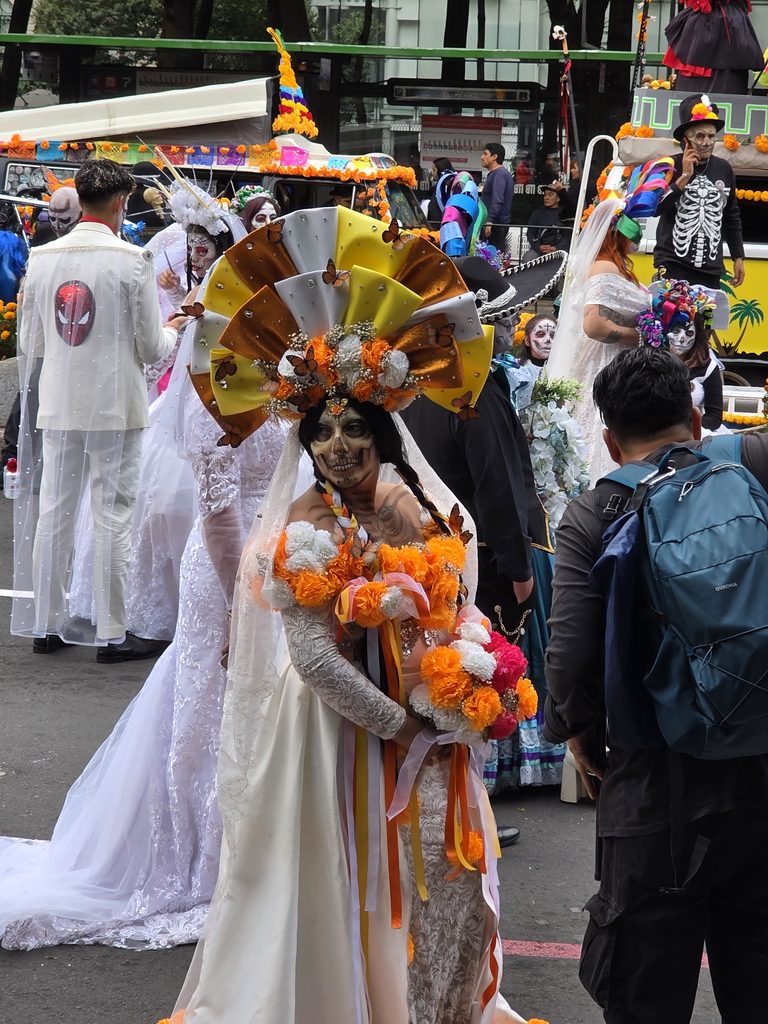
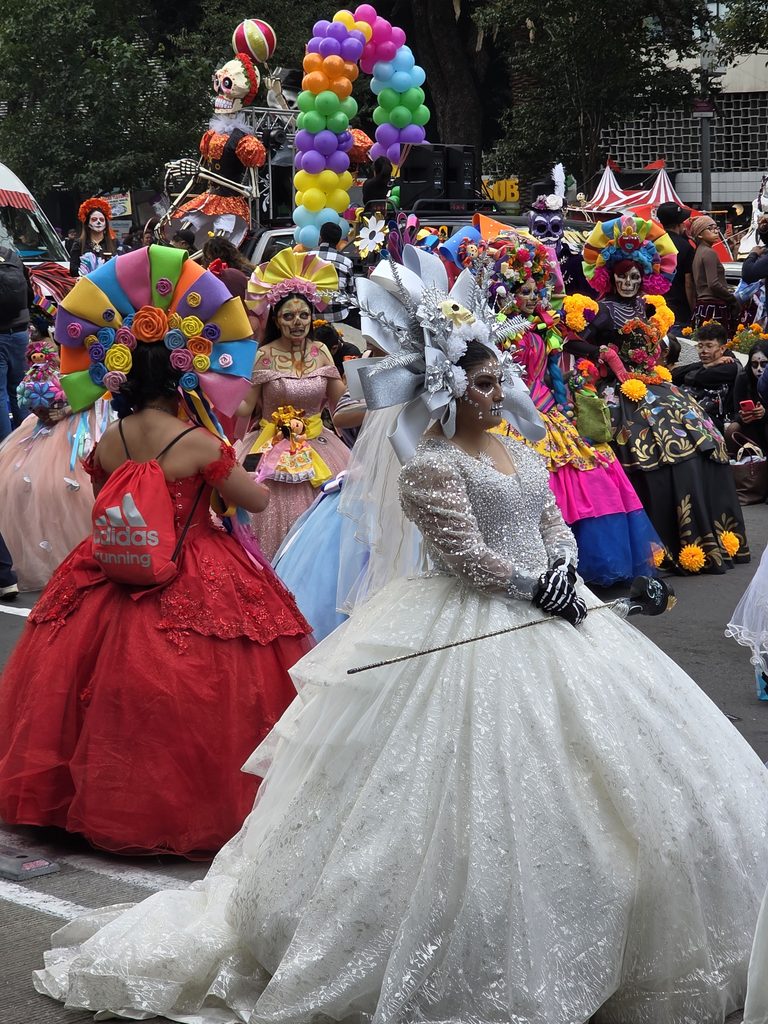
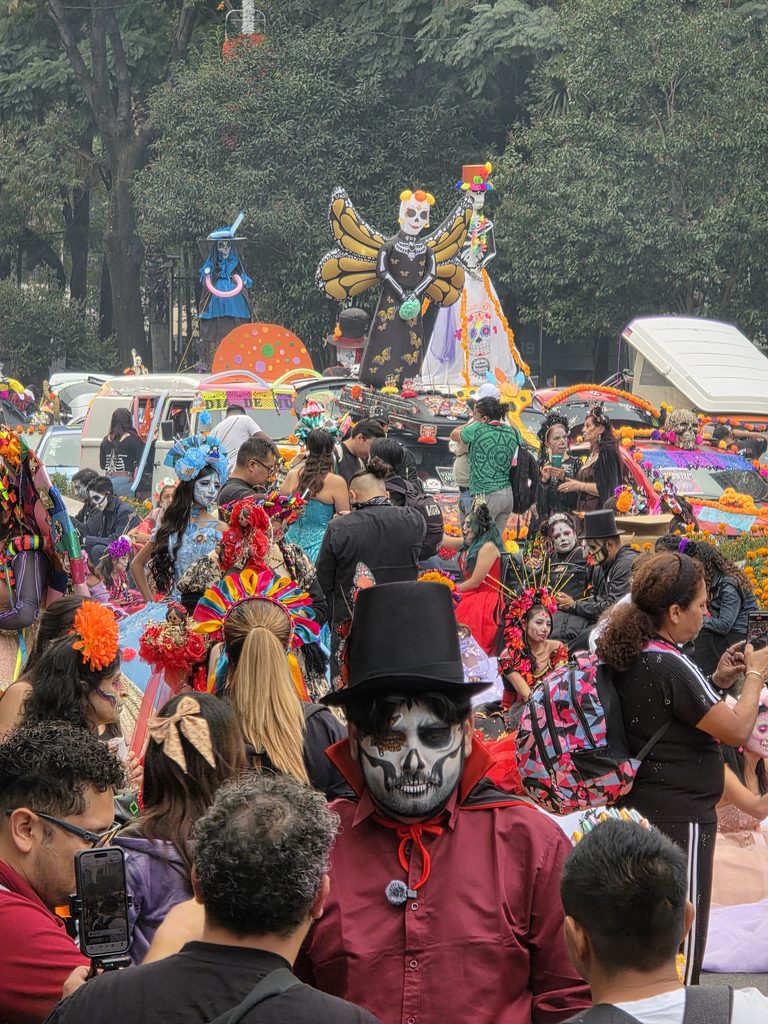
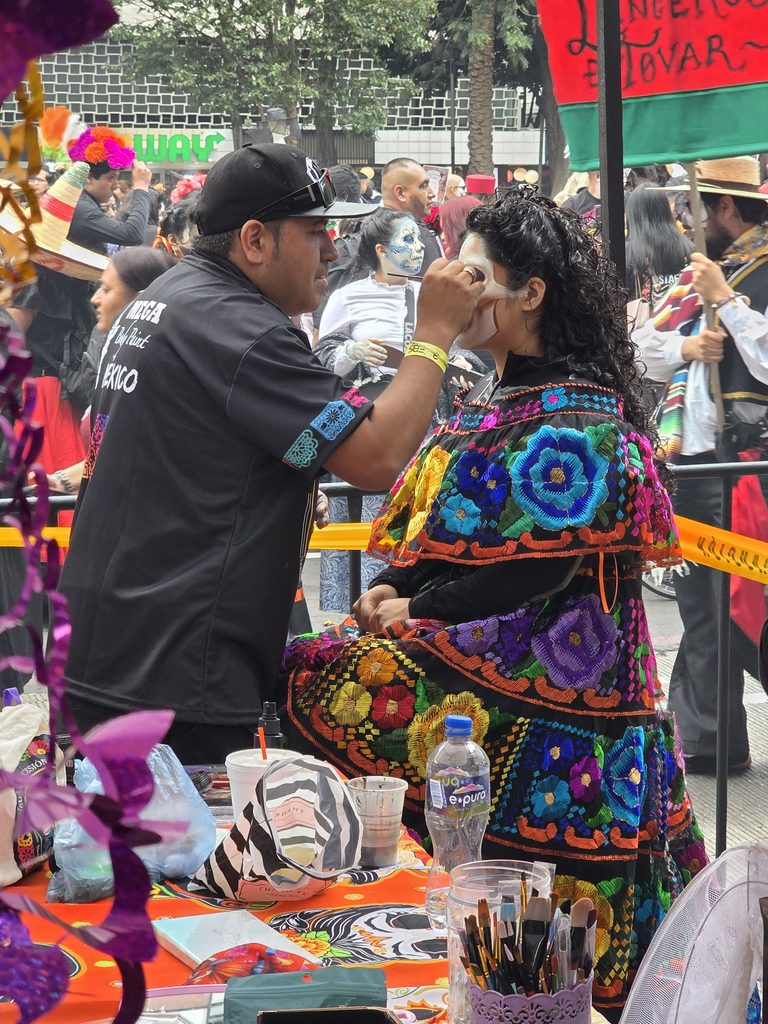
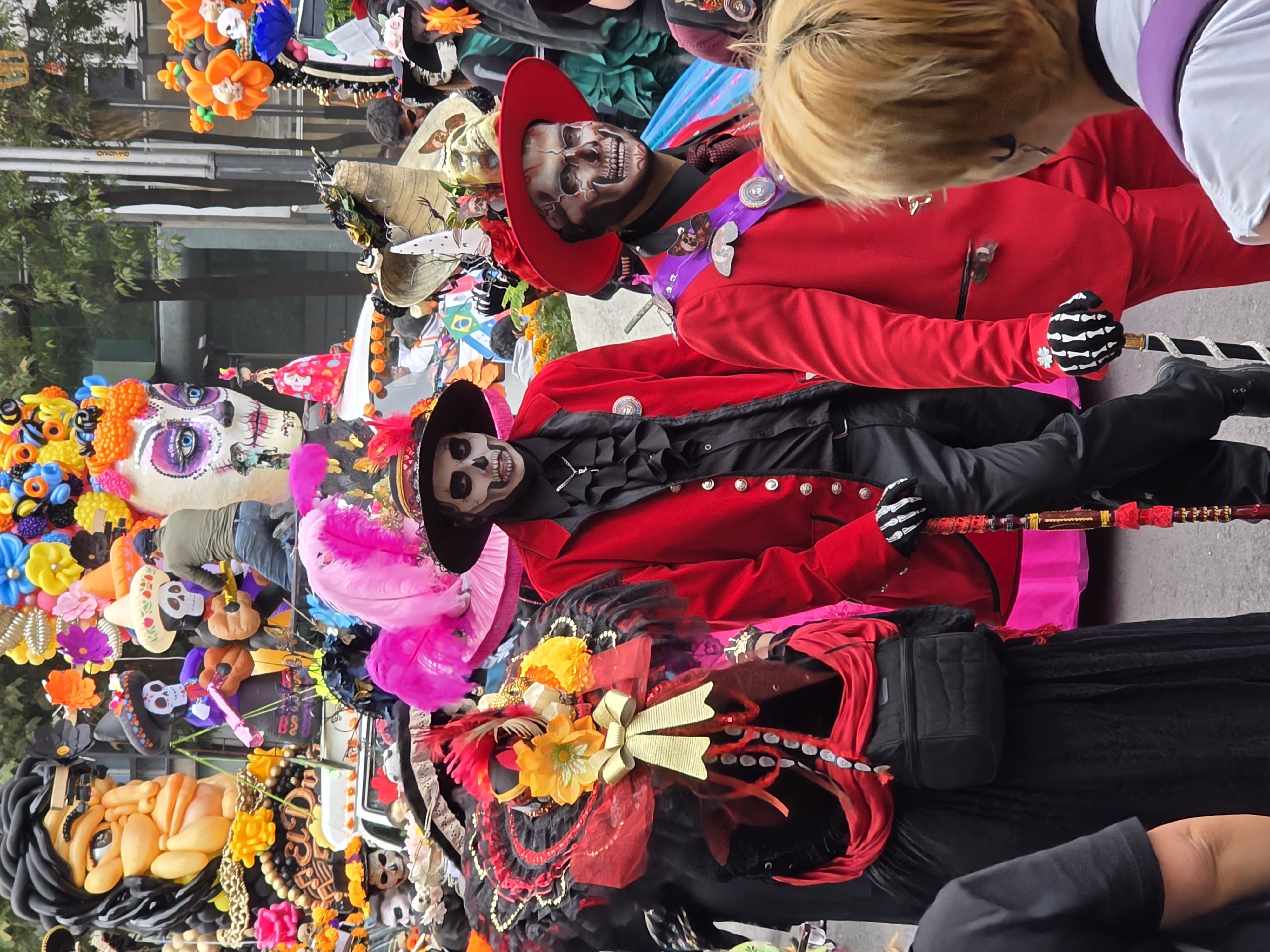
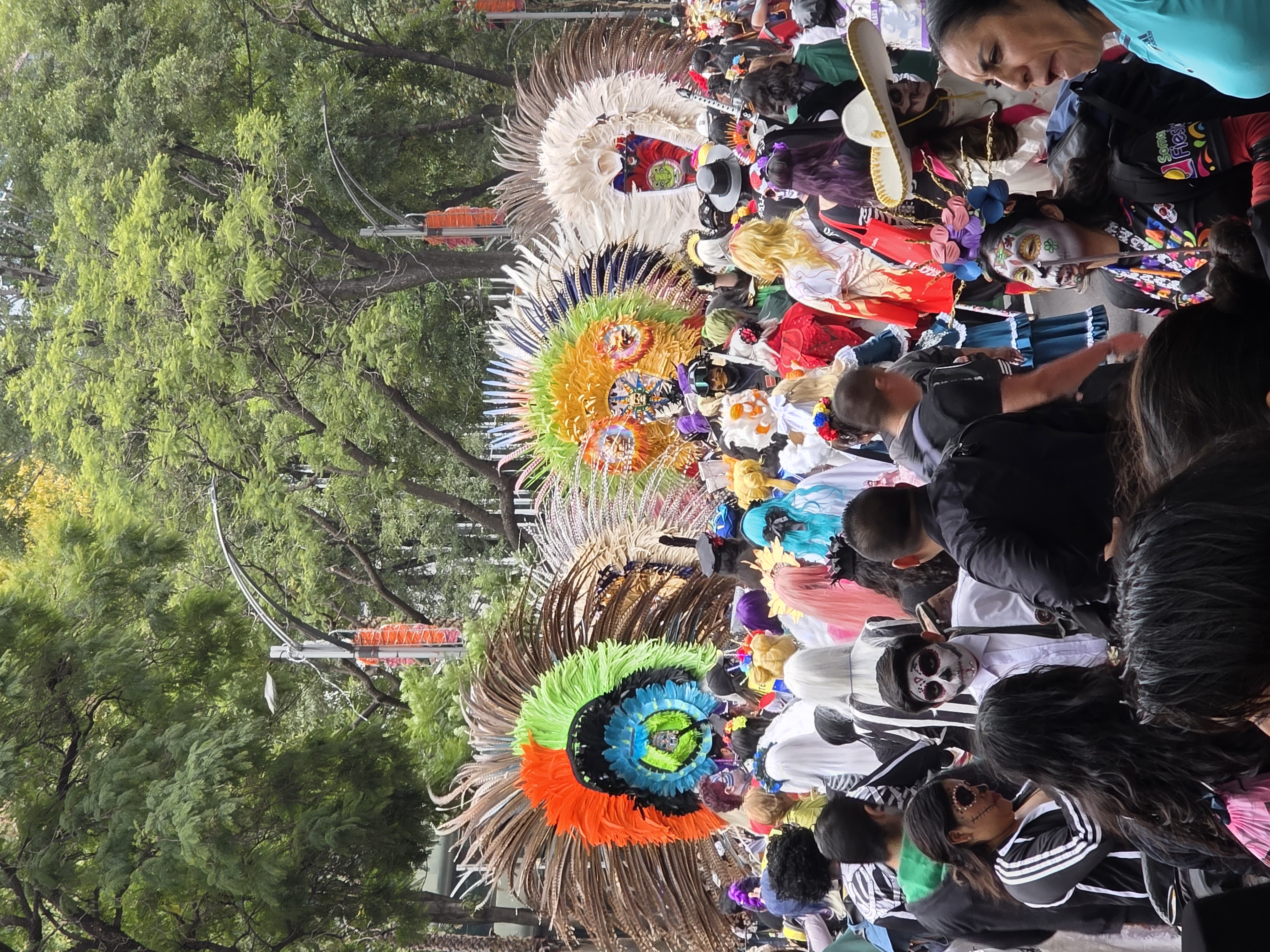
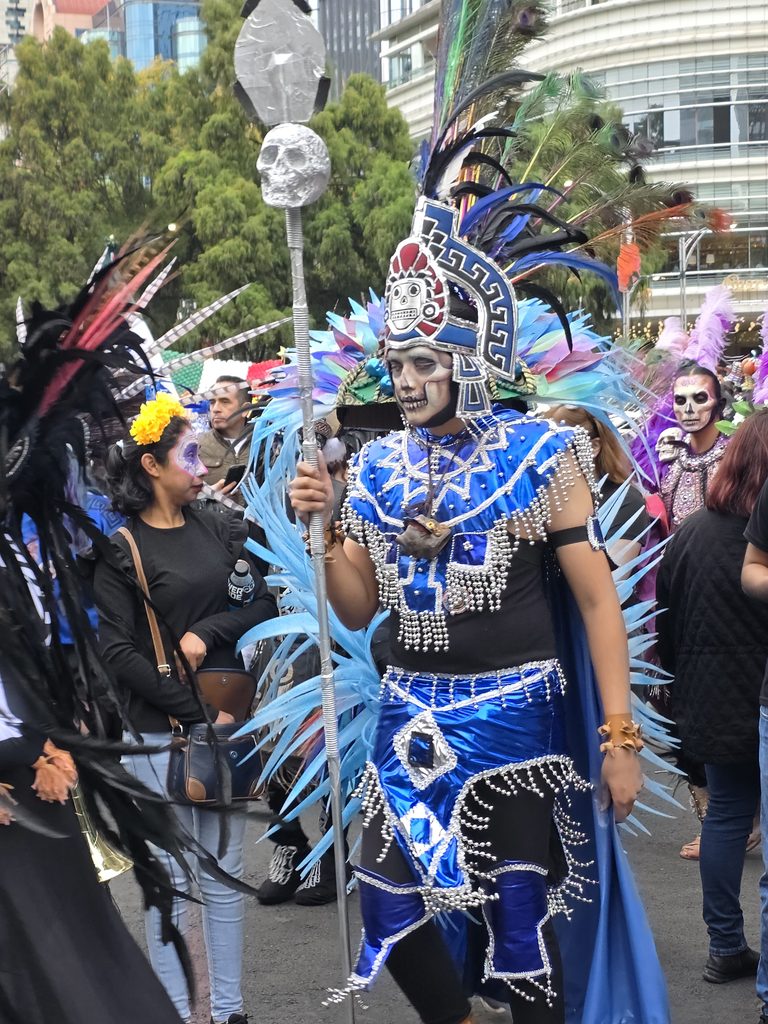
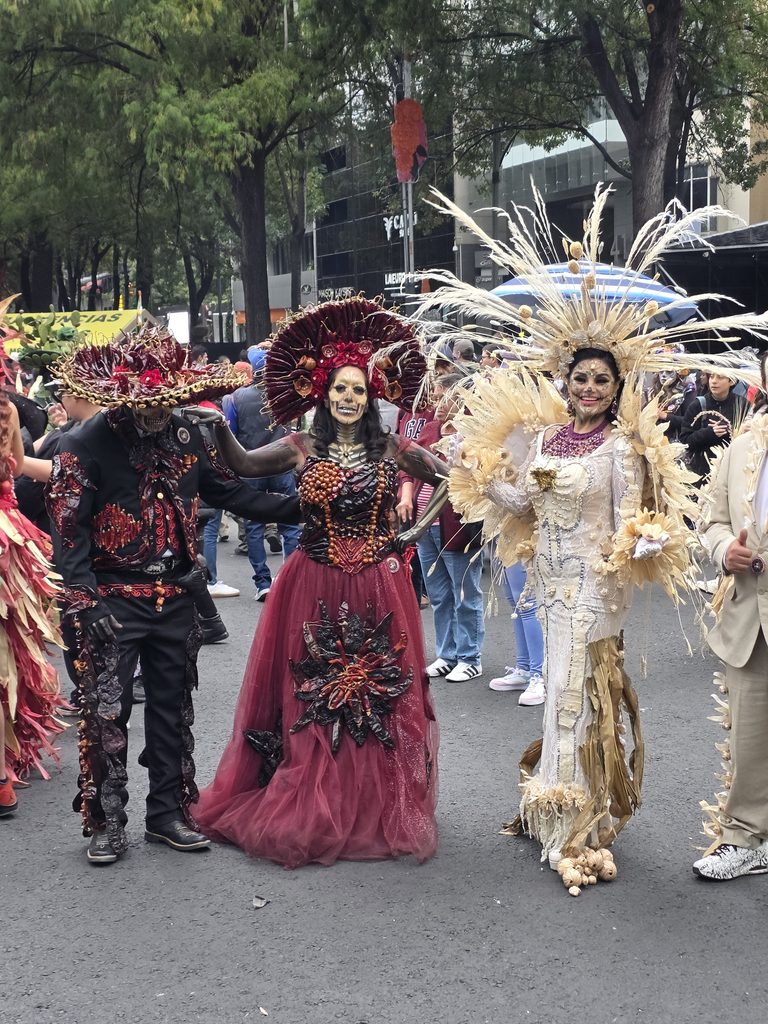
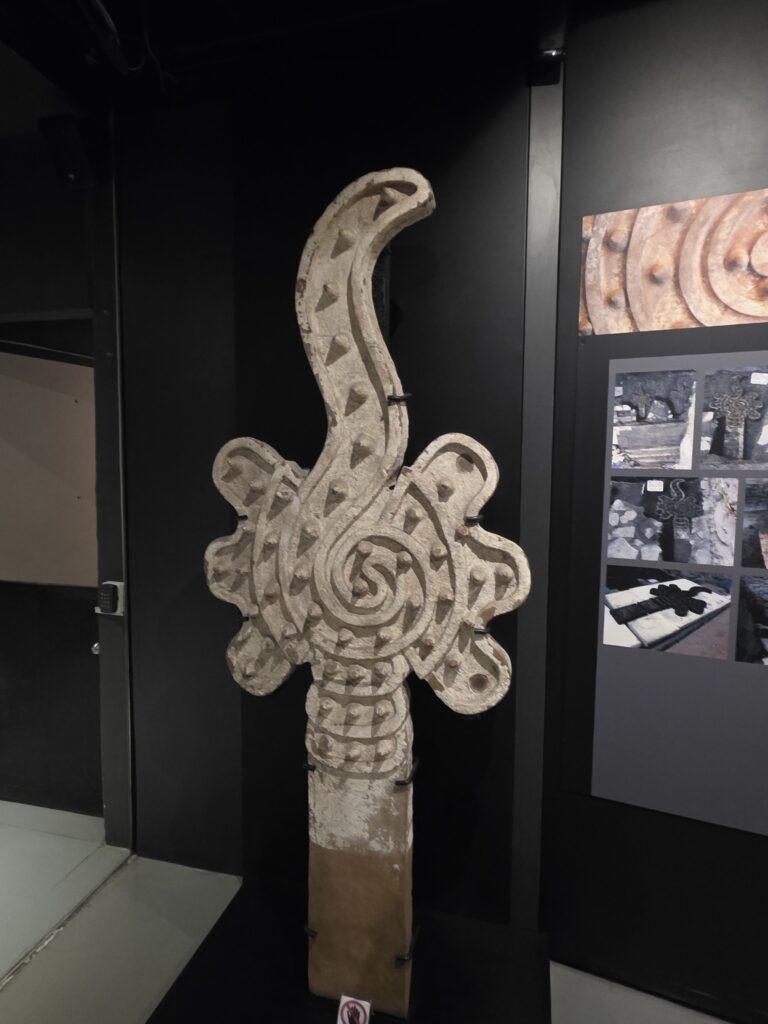
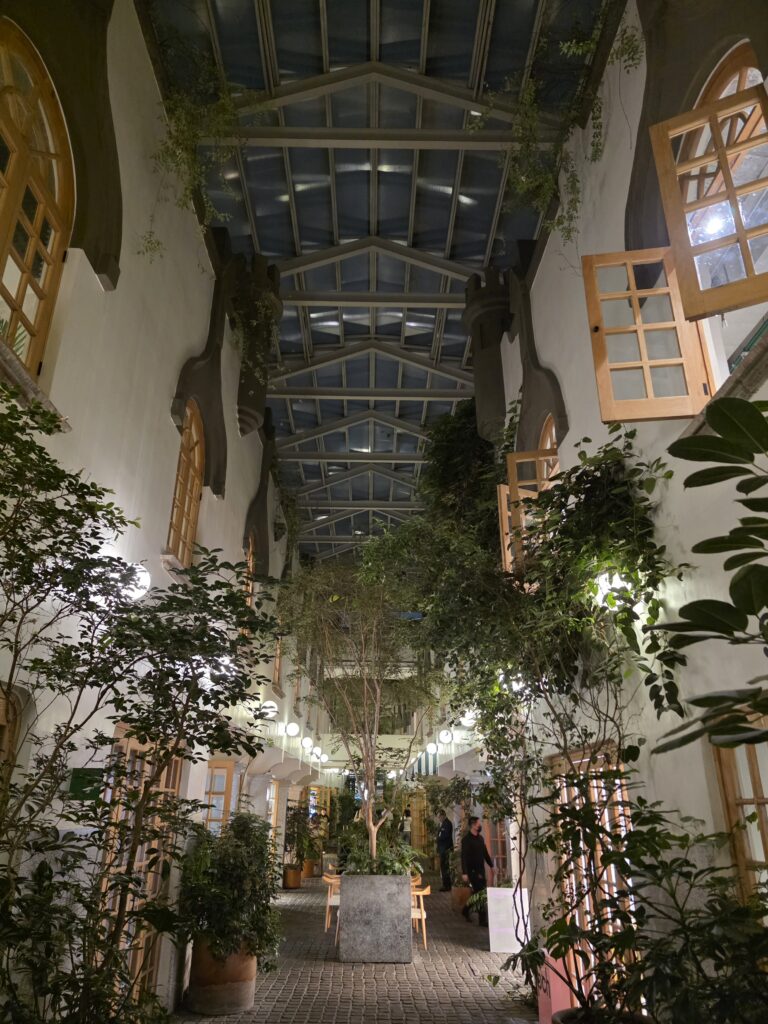
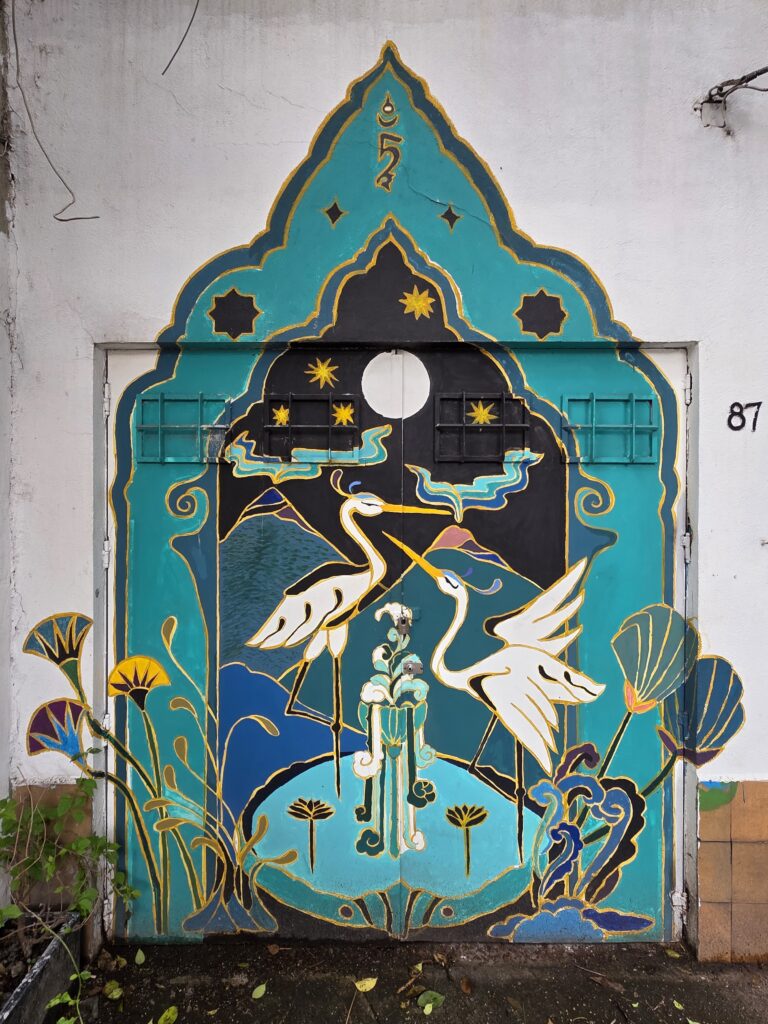
I saw this statue, Nuestra Señora del Tránsito (Our Lady of the Transit) is a statue on top of the Parroquia del Purísimo Corazón de María (Parish of the Immaculate Heart of Mary) located in the Col del Valle neighborhood of Mexico City, on my walk to Coyoacán.The Frida Kahlo Museum in Coyoacán. It has a new paint color, it used to be blue, than when we were here before. This Coyoacán sign is in the main plaza of Coyoacán called Plaza Hidalgo. Parroquia San Juan Bautista (Church of Saint John the Baptist).This bronze statue of Miguel Hidalgo y Costilla, who is the leader who started the Mexican War of Independence, is located in Jardin Hidalgo. My completed sagrado corazón tattoo. Loto Rojo Tatuajes & Body Piercing in Coyoacán.During the week Dave was away I walked around Roma Norte, the neighborhood we stayed in last time we were in Mexico City. This is the entrance to Revuelta Queer House, a multidisciplinary cultural space and gallery, where we met our new friends from Wisconsin, last time we were here. I enjoyed walking around our old neighborhood and it made me very grateful for where we’re staying this time. I have found that Condesa has a more neighborhood feel than Roma Norte; its abundance of towering trees, wide boulevards, and parks help you feel more in nature than in a big city.After I walked around the old neighborhood I popped in to Bar Las Brujas and had a delicious martini. “Bar Brujas in Roma Norte has been featured in North America’s 50 Best Bars for three consecutive years (ranking #47 in 2023, #45 in 2024, and #65 in 2025), and ranked on the Top 500 Bars list (#90 in 2025 and #335 in 2026)” and has a very unique vibe. I’ve really been enjoying how many storefronts have begun decorating for Día de Muertos. The Saturday after Dave returned from his offsite, October 17th, we ventured out to the Reforma neighborhood for the Alebrijes parade. We had a great time and a couple of Dave’s coworkers were able to join us!“Raices del Alma” Day of the Dead (Dia de Muertos) facade decoration at the Hotel Marquis Reforma. This sculpture is part of the temporary public art exhibition “100 Fridas for Frida” displayed along Paseo de la Reforma where the parade was taking place. There was also a large collection of Mexicráneo (a combination of Mexico and cranium) sculptures that are part of another exhibition supported by the local government along Paseo de la Reforma to celebrate Mexican culture and for El Día de Muertos.Catrina sculpture in front of the Ángel de la Independencia.More of the Mexicráneo sculptures. The Alebrijes Parade which began its trek in Centro, about 2 to 4 kilometers (1.2 to 2.5 miles), finally arrives! Many groups spend two to four months creating their Alebrijes. “Teams first build a rigid inner skeleton out of iron rods or wire, layer it with cane reeds (carrizo), and then apply multiple layers of specialized hard papier-mâché known as cartonería. Once dry, the tedious process of painting intricate geometric and fluorescent patterns begins.” Google“The Mexico City Monumental Alebrijes Parade (Desfile de Alebrijes Monumentales), organized annually by the Museo de Arte Popular (MAP), celebrates and preserves traditional Mexican folk art, particularly cartonería (a heavy-duty papier-mâché technique) and the collective imagination of national artisans. It provides a major public stage for independent artisans from across Mexico (including Guerrero, Oaxaca, Guanajuato, and Mexico City) to showcase monumental, multi-meter-tall sculptures. Alebrijes originated in the 1930s from the fever dreams of Mexico City cartoner Pedro Linares López, who envisioned whimsical, hybrid chimera-like creatures.” GoogleThe parade also included several different cultural groups and marching bands. The joyful energy was palpable. “This dancer is portraying “El Viejo Lucas”, a traditional character from the Danza de los Tecuanes (Dance of the Tecuanes) folk dance from the state of Puebla, Mexico.”Her traditional Mexican folk costume represents “Tlacololeros Mochitlán”. “The tlacololeros or guamileros, people who do not own farmland, go to the hills to select a spot they like, clear it, burn it, and plant their corn, using the tarecua as a farming tool, and then harvest the crop that allows them to survive. The land cleared, burned, and prepared for planting is called tlacolol or guamil, words that give rise to the terms tlacololeros or guamileros.” You can learn more about it here: https://www.mochitlangro.gob.mx/tlacololeros-mochitlan/The tlacololeros.More amazing Alebrijes! “Catrinas (La Calavera Catrina) are iconic, elegantly dressed female skeleton figures that serve as a central symbol of the Day of the Dead (Día de Muertos) in Mexico.”Another Catrina whose costume is made from corn husks. These dancers are wearing traditional Traje de Chiapaneca (Chiapaneco folk dance dress). I couldn’t get enough of the beautiful bright colors!One of the many marching bands. Close-up of the amazing details painted on one of the Alebrijes. What a special experience!After the parade we treated ourselves to some of the amazing tacos at Taquería Orinoco.And then we finished of the night at Owl Bar (Speakeasy).It was definitely a vibe. Sunday the 18th was another beautiful day so Dave and I walked to Coyoacán together because he had never been. We started with a delicious lunch at Centenario 107. The open-air terrace with live trees really made the ambiance special. The decor was super cool too!After lunch we visited the Mercado Artesanal Mexicano. Art imitating life, imitating art… It was cool to see handmade art by local artists at the Mercado instead of the same recreations that you find in other souvenir shops. After the market we took a peek inside of Parroquia de San Juan Bautista (Parish of St. John the Baptist) but didn’t spend too much time because there was a service going on. Exploring around Hidalgo Square. Fuente de los Coyotes (Coyote Fountain) in Jardin Centenario. More markets, more fun decorations. This beautiful “ofrenda altar” is traditional for Día de Muertos and is set up at Duke’s Burger and Beer in Coyoacán. The week following the Alebrijes Parade they set them up on display along Paseo de la Reforma. It was fun to go and get an up close look at them. After visiting the Alebrijes I went to Mercado de Artesanías Insurgentes in Zona Rosa in pursuit of a magnet for my dad. 🙂Another day I visited a “new to me” brewery, Taproom Dos Aves, I liked the decor better than the beer. Last Thursday I FINALLY made it to Panadería Rosetta. People had been telling me since the last time we were in Mexico City that I had to go and try their delicious baked goods. This definitely did not disappoint! I can’t get over the beauty of our neighborhood. On Thursday night we had a delicious farewell dinner at Cantina La Llorona with our friend and Dave’s coworker from the UK, who we actually met up with twice while we were in South America. The food was delicious and the decor was spectacular!After dinner we got churros for dessert at Churrería El Moro walked around and took in the sights of the neighborhood. This is the grand entrance to Hotel Parque México Boutique in Condesa. This Zen style entrance to an apartment building definitely reminded me of Japan. Mexico City is so diverse and cool! Friday night we found an Irish Pub in our neighborhood that was playing the World Series so we were able to watch the Brewers play the first game and win in Milwaukee. I found it fun that we were at an Irish Pub in Mexico City watching the Milwaukee Brewers play baseball. Earth school is wild!Saturday we took our tour of the Museo Nacional de Antropología (The Anthropological Museum). This gigantic fountain is the only thing holding up the roof just inside the main entrance to the museum’s courtyard. We ran into Diego, our tour guide from the Centro Historico walking tour that we took four weeks prior. Another example of how small Mexico City is! We started our tour in the “Peopling of the Americas” room. This is the fossilized remains of the Santa Isabel Ixtapan mammoth and is displayed in the floor. This painting, “La founa del Plestoceno” (The Pleistocene Fauna) by Iker Larrauri.This diorama depicts Indigenous peoples around 5000 BCE. Through it we learned that the discovery of domesticated plants made the people less nomadic because they didn’t have to travel to find the resources they needed. In the room that taught us about the Preclassic Era in Mesoamerica, which lasted from roughly 2500 BCE to 200 CE, we see what Lake Texcoco, the lake that Mexico City was built on, looked like at the time. Part of the lake was salt water and part of it was fresh water. They Ancients built a dam to dry up the land so they could build on it. Even so, as our tour guide explained, the water will always try and find a way to return. “Zohapilco-Talapacoya Dish” One of the few descriptions in English explains, “Naturalistic images are commonly found on ceramics of this era and represent some of the fauna greatly valued by these groups. This particular dish featuring linear decoration along its rim, is adorned at the bottom with a design depicting two white fish; fish like these frequented fresh water lakes of the area.”It was fascinating to learn about the designs of these tiny statues. Many of them are created with a belly button because people during that time believed that it was considered the center of the soul or life force, specifically because of its connection to the mother through the umbilical cord. Our guide also told us that archeologists and historians have also been able to analyze the fingerprints of the artist to learn about how they have changed over the years. You never know what kind of impact you make. This is a depiction of Huehuetéotl, the god of fire. It was one of the first Gods introduced to the continent 2000 years ago. You may have noticed that most of the pottery that was created during this period served a function. Whether it was to carry water or cook food it served a purpose. This Disco de la Muerte (Disk of Death) is a Mesoamerican stone artifact that was found in 1963/1964 in front of the Pyramid of the Sun at Teotihuacán. “Associated with the Classic Teotihuacán period (approx. 1-650 CE) is tied to solar movement, the birth and decline of the sun, and ritual sacrifice.”This sculpture represents a human skull with a dangling tongue or death mask associated with the Teotihuacán culture. This is a full-scale replica facade of the Temple of the Feathered Serpent (Templo de Quetzalcóatl) located atTeotihuacán . Quetzalcóatl is depicted on the left and Tláloc, the God of rain, is depicted on the right. “Quetzalcóatl (Feathered Serpent God) was Credited as one of the primary gods who helped form the world and humanity, descending to the underworld (Mictlan) to retrieve bones to forge the current era.” The story goes that because he borrowed the bones from the underworld that is why people must die so that their bones can be returned. The religions/faiths/ beliefs/ practices of that time were open, meaning that nothing was done in private. The Mexican pyramid, unlike the pyramids of Egypt which were tombs, were used as temples that were built flat to have platforms so all the population can witness the open religion, like human sacrifices. When leadership would change, and the new ruler wanted to make their pyramid bigger or taller, they would build an additional layer on top of the already existing pyramid because it was seen sacred, and couldn’t be destroyed. There was one point in recorded history when a new ruler chose not to build a new layer on top of a pyramid. Because his father had slipped on the slick surface and died during a heavy rainy season, the son used his reign to build an irrigation system into the structure, ensuring he wouldn’t meet the same fate. I believe that was King Acamapichtli, and feel free to dig into that more on your own. One more thing to note, the Aztecs were viewed as especially barbaric because of their use of human sacrifice for a longer period of time than other ancient civilizations. We learned that all ancient civilizations had human sacrifice but during the time of the Aztecs there weren’t any cows, sheep, goats or horses that they could sacrifice so they used what they had, people. This is the massive stone monolith of Chalchiuhtlicue (often associated with the Teotihuacán water goddess or Great Goddess).This is Atlante de Tula (Toltec Atlantean figure) a stone warrior sculpture from the ancient Toltec city of Tula, Hidalgo. Guerreror Coyote de Tula (Coyote Warrior of Tula). This Pre-Columbian Toltec artifact is from the Early Postclassic Period (900-1250 CE) has impressive detail using seashells. The sculpture is often referred to as the Imagen de la Muerte (Image of Death). Our tour guide pointed out that the Ancients preferred death to look more like Grandma than our depiction using the Grim Reaper. He said it makes death feel more approachable. 🙂We have now entered our last room on the tour, Sala Mexica (Mexica/Aztec Hall). This is a small portion of the detail on the side of the Piedra de Moctezuma ( also known as the Cuauhxicalli de Moctezuma Ilhuicamina) which is a cylindrical stone vessel that commemorates Mexica military campaigns and rulers. This painting is entitled La Isla de Tonochtitlan-Tlatelolco en el siglo XVI (The Island of Tonochtitlan-Tlatelolco in the 16th Century) by Mexican artist and anthropologist Luis Covorrubias and depicts an “aerial panoramic reconstruction of the pre-Hispanic twin cities of Tenochtitlan and Tlatelolco sitting on the waters of Lake Texcoco surrounded by causeways, floating gardens and the volcanoes of the Valley of Mexico.”The Piedra del Sol (Aztec Sun Stone) was found in 1790 and weighs 6 tons. The outer ring represents the 365 day calendar. The next ring represents 260 days of the ritual calendar, then there is a ring of crops. “Surrounding the central face are four square panels representing the previous four cosmic ages or “suns”—Four Jaguar, Four Wind, Four Rain, and Four Water—each of which was destroyed by cataclysm. The Aztecs believed they lived in the fifth and final era (the Fifth Sun, associated with movement and earthquakes). Central Face (Tonatiuh): The middle of the stone depicts the sun god Tonatiuh (or an earth-monster variant) with a tongue shaped like. sacrificial flint blade, symbolizing a divine thirst for blood and energy to keep the cosmos in motion.” Our guide informed us that each of the Mexican peso coins, 1, 2, 5, and 10, depict one part of the outer ring of the Sun Stone. Another interesting fact is that when the Sun Stone was first discovered it was put on display for the people to see. They say that it got people thinking, if we can make something like this without the Spanish, why do we need them? It is said to have inspired the idea of getting rid of the Spanish hence began the movement for Mexican Independence in 1810. This is the front of the statue that represents Coatlicue (“She of the Serpent Skirt”), the Mexica earth and mother goddess associated with fertility, life, death, and natural destruction. She originally stood in the sacred precinct of Tenochtitlan before being buried following the Spanish conquest in 1521.And the back. This is a replica of Penacho de Moctezuma. The headdress of Aztec ruler Moctezuma II. It is a replica because the original is now housed in the World Museum in Vienna Austria. It is the subject of a long-standing repatriation dispute with Mexico because the Austrian government, at the time of the reception, claimed they received it as a “gift” and there was no way to prove otherwise. It wouldn’t be able to be returned at this point because the 16th century green quetzal, blue cotinga, and pink flamingo feathers would not survive the trip due to their fragility. Our final point of interest on our tour was of this Vasija del monito de obsidiana (Obsidian Monkey Vase). Found in Texcoco, Mexico it is famously carved from a single piece of golden obsidian sourced from Sierra de las Navajas in Hidalgo. Our guide expressed that he likes to finish his tour at this piece to remind us that even though we might not know the impact of our actions now we are still creating great things. I am so glad that we took that tour. As you can tell we learned SO much. Most of which we wouldn’t have learned without the knowledge of our guide. After our tour we had worked up an appetite so we made our way through the Polanco neighborhood in search of food. We saw some cool things. I just love the way these design elements incorporate nature. Polanco is where we discovered Pinche Gringo BBQ. They had delicious smoked meats and we were able to watch some of the Minnesota Gopher football game against Iowa which was a real treat! Sunday afternoon, after watching the Vikings beat the Colts in American football, we made our way back to Reforma to watch the setting up for the Catrinas parade. The makeup and costumes were impressive to say the least. I can’t even imagine how much time went into creating these incredible looks. More than 20,000 people dressed as Catrinas gathered along Paseo de la Reforma for yesterday’s 13th Mega Catrinas Procession yesterday!!!There were several booths where you could get your face painted. One thing is for sure, Mexicans definitely know how to celebrate their culture! What a great way to finish off our last weekend in Mexico City!
“Mexico City proper has about 9.0 million to 9.2 million residents, while the wider Greater Mexico City metropolitan area is home to roughly 22 million to 25 million people depending on the regional boundaries.” Google
In spite of this, two people that we met on our biking taco tour on Saturday were at Handshake Speakeasy Saturday night, at the same time as us!
In spite of this, we ran into four people we met/ sat next to at Librería Valladolid Friday night, as we were leaving Handshake on Saturday.
Earth school is wild and I’m here for it!
The 1st week in Mexico City (CDMX) I found a tutor, an immersion class, met with an organization where I might be able to do language exchange, and started reiki again for the first time in six months. I felt a profound sense of heart exploding love for the palpable change being in Mexico City was already bringing.
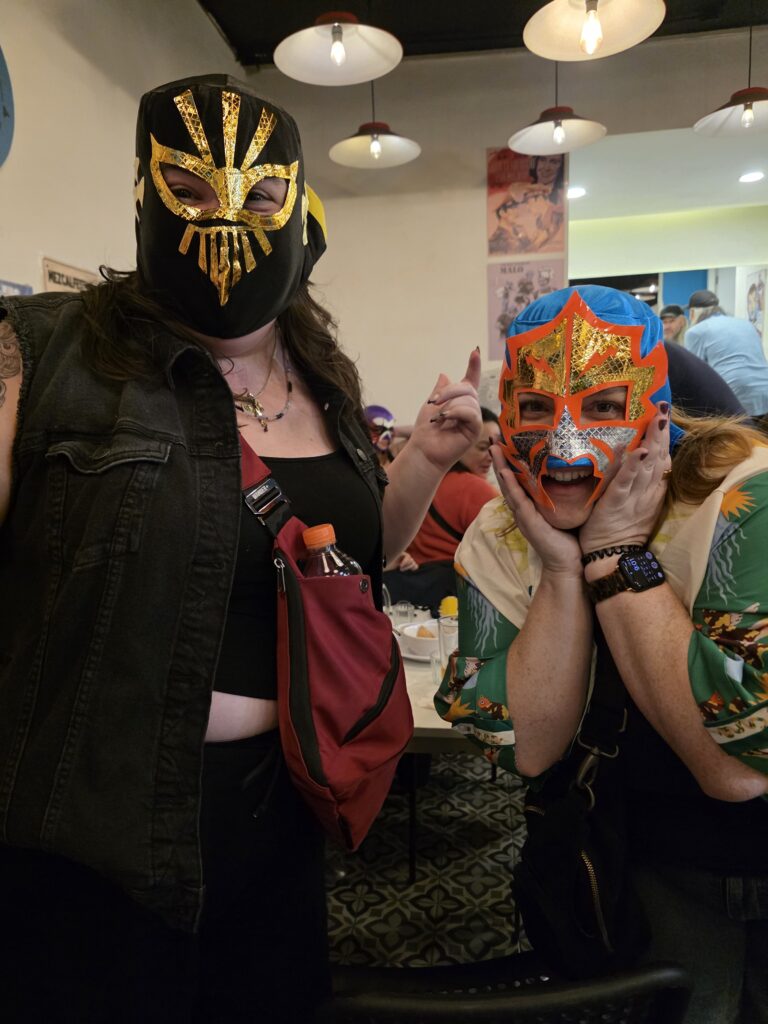
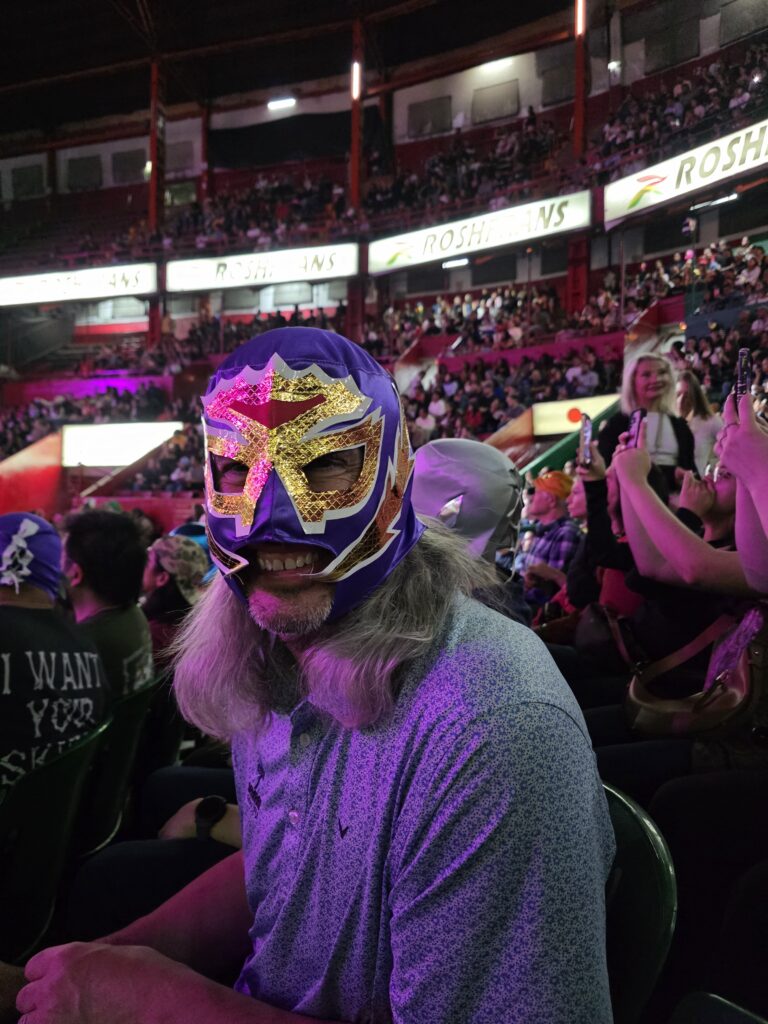
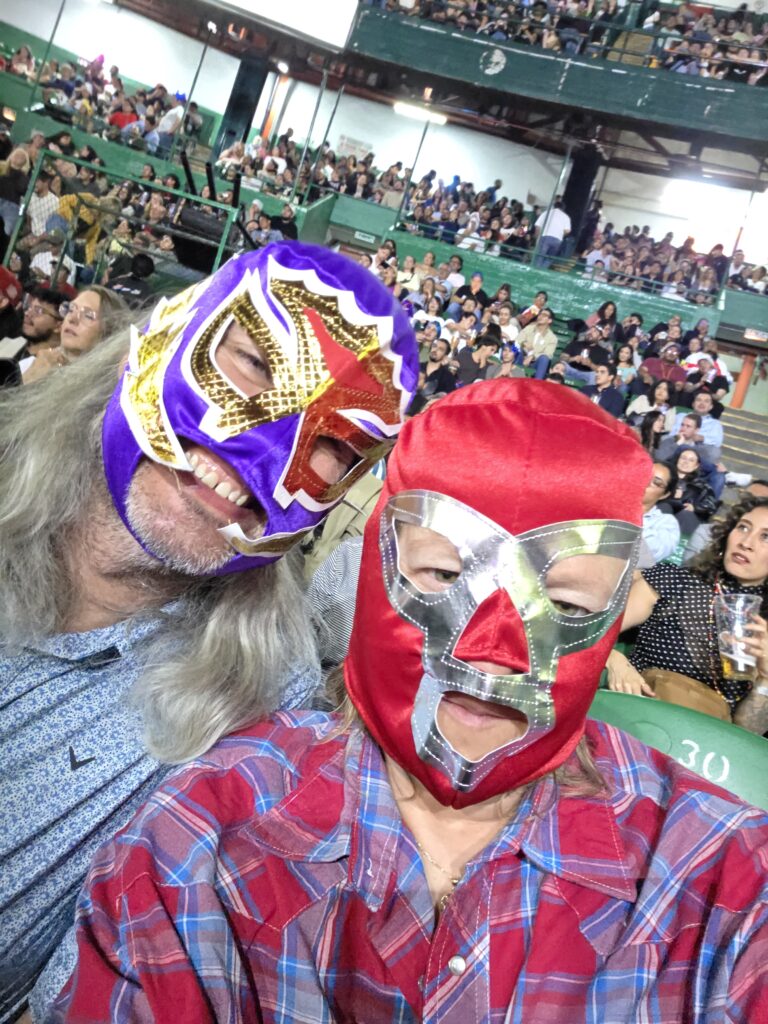
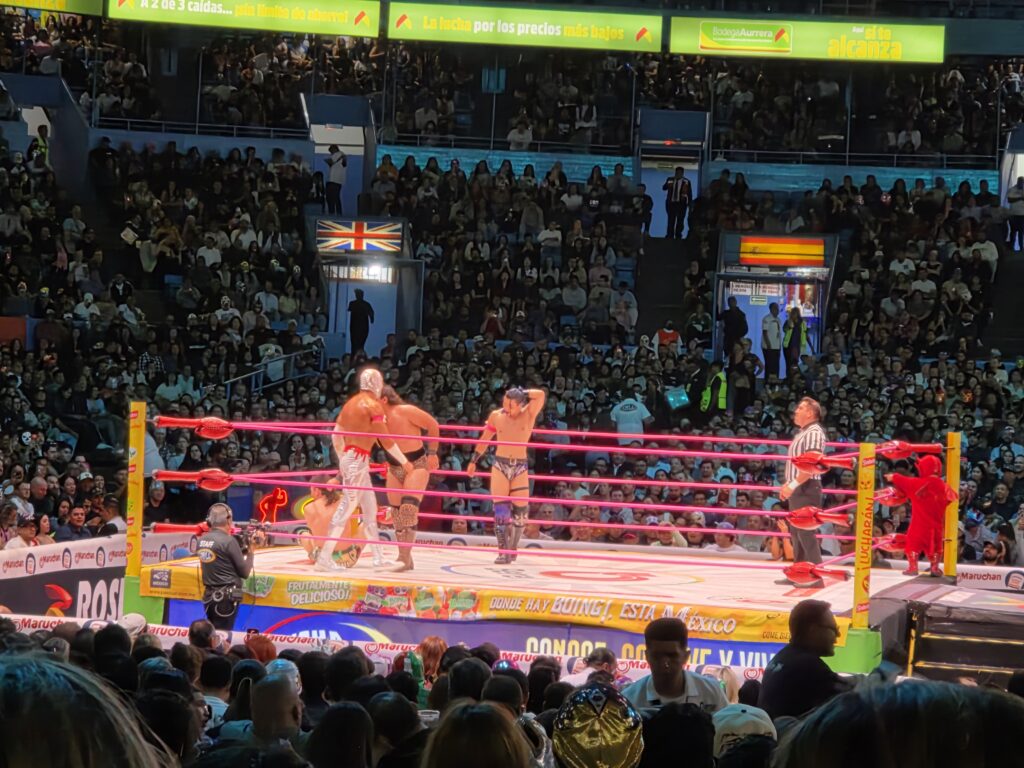
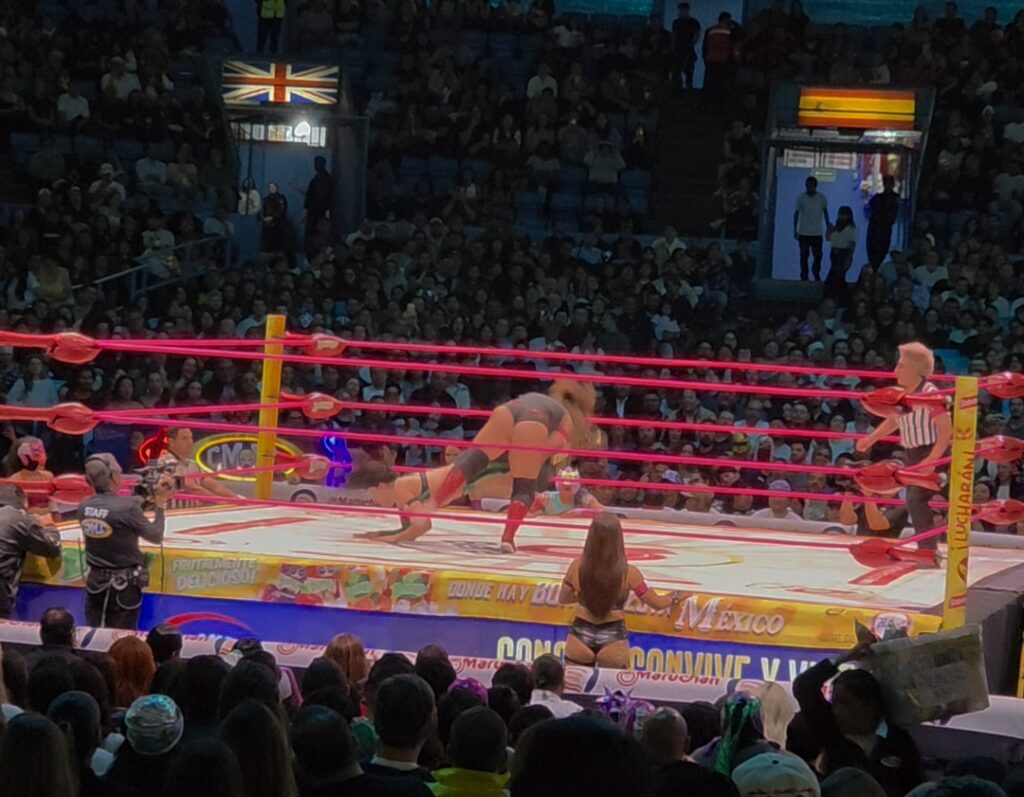
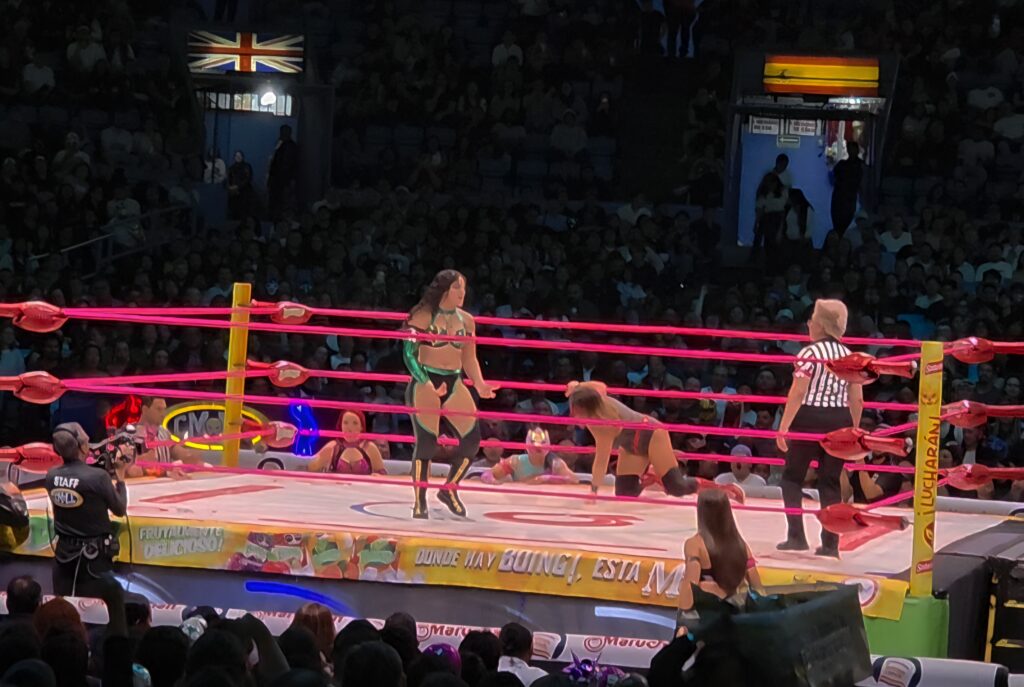
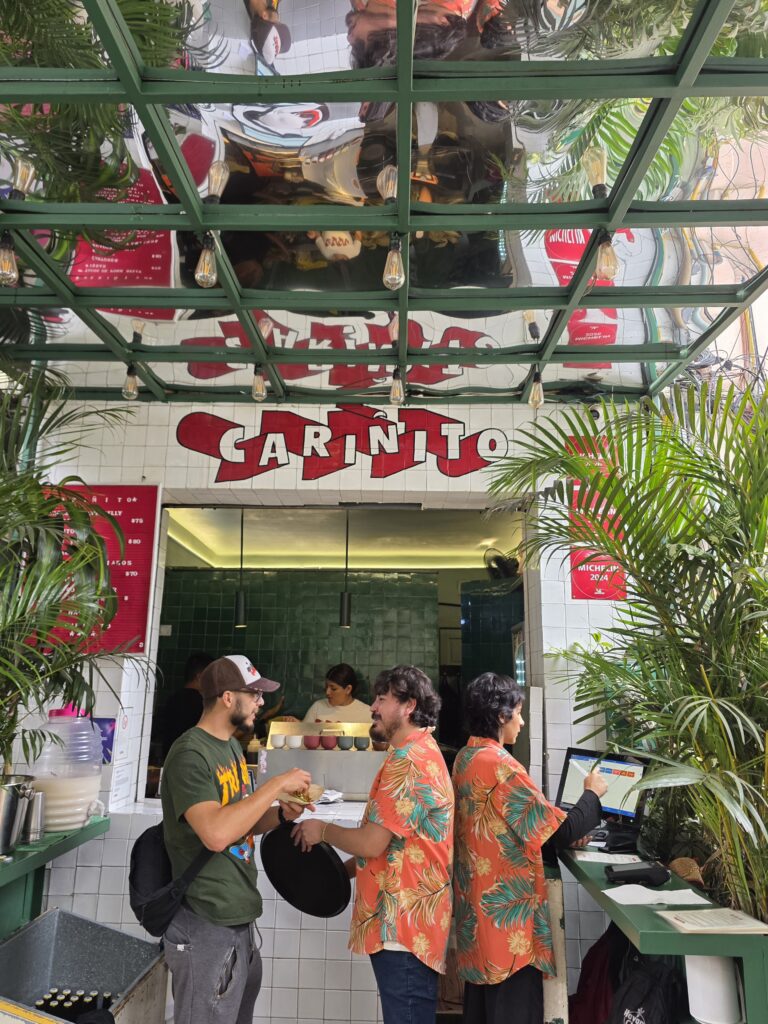
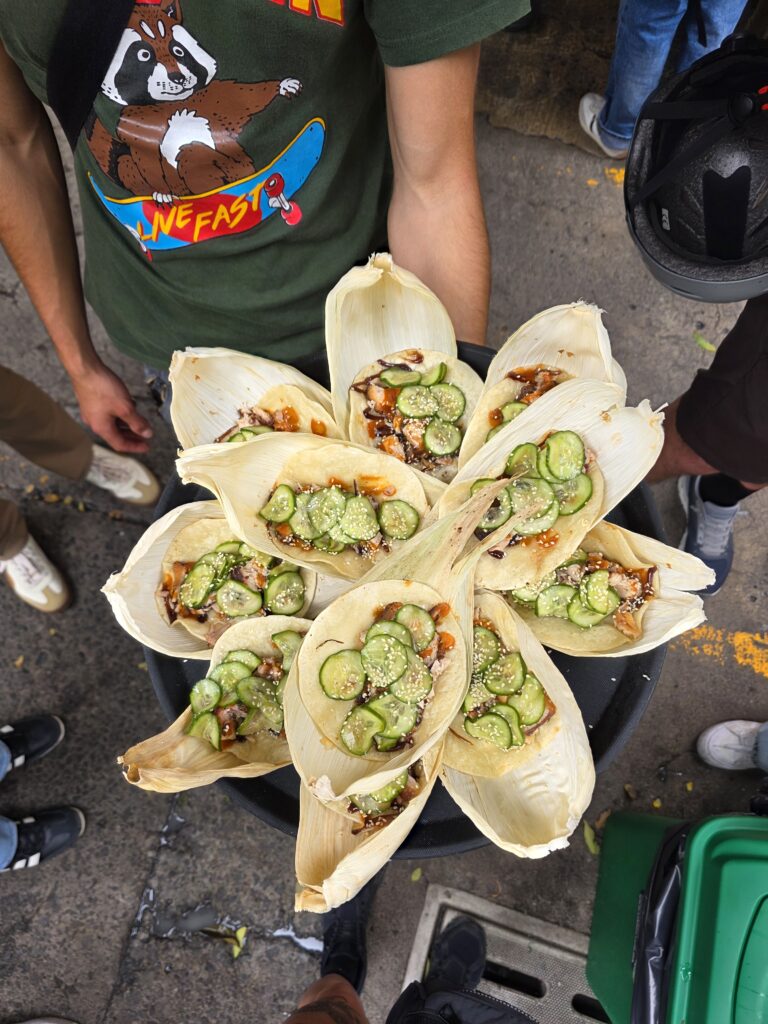
Friday night, October 2nd, we took a tour which included the women’s championship of Lucha Libre at Arena México. The tour started at Tizne Tacomotora in Roma Norte for greetings and tacos. There were about 20 people in our tour group and that is where we met two women from Georgia who became fast friends. After filling our bellies, panza llena, with delicious tacos we made our way to a mezcal bar that I can’t seem to remember the name of, to taste mezcal and learn more about the history of Lucha Libre. We love taking tours for the opportunity to learn about the cultures we are immersed in, and for meeting like minded people who also have an appreciation for what we’re collectively experiencing. Lucha Libre may seem like a kitschy thing to do when you’re in Mexico City and I will implore you to see it differently. It was an incredible experience that I’m glad we had. I would highly recommend it to anyone who is visiting CDMX and I would easily do it again. We found the tour on Viator and it was put on by a company called El Taco Club. They were awesome!
I feel sometimes it is easier to not have people to hang out with when we’re away because, once I get a taste of it, it is harder to not have someone to hang out with. I became profoundly aware of this when we met those two incredible women from Georgia, and were able to spend more time with them the following Monday, before they returned home on Wednesday. They are definitely our people, and I know our paths will cross again, and that connection made me miss my people back home even more. All the things.
On Saturday the 3rd we walked to Bosque de Chapultepec and visited the Museo Nacional de Historia Castillo de Chapultepec for the first time. “Chapultepec Castle is located on top of Chapultepec Hill in Mexico City’s Chapultepec park. The name Chapultepec is the Nahuatl word chapoltepēc which means “on the hill of the grasshopper”. It is located at the entrance to Chapultepec park, at a height of 2,325 metres above sea level. Its history spans colonial construction, military use, imperial and presidential residence, and its transformation into a national museum.” Google. The history, art, architecture, and views from above definitely made this museum worth the visit.
On Sunday the 4th we took a walking tour of the Centro Historico with Walking Tours México. Looking for free walking tours on Google, whenever we visit a new city, was one of the best pieces of advice a friend gave me. This is how I found this tour and it was beyond! Our guide Diego was so knowledgeable and friendly, and we learned SO much! We would Definitely take a tour from him again. Here are some tidbits we learned:
Don’t plan on being in CDMX on the 19th September. Historically the last several massive earthquakes happened, 50 years apart, on that exact date! The last one being on the 19th of September 2022.
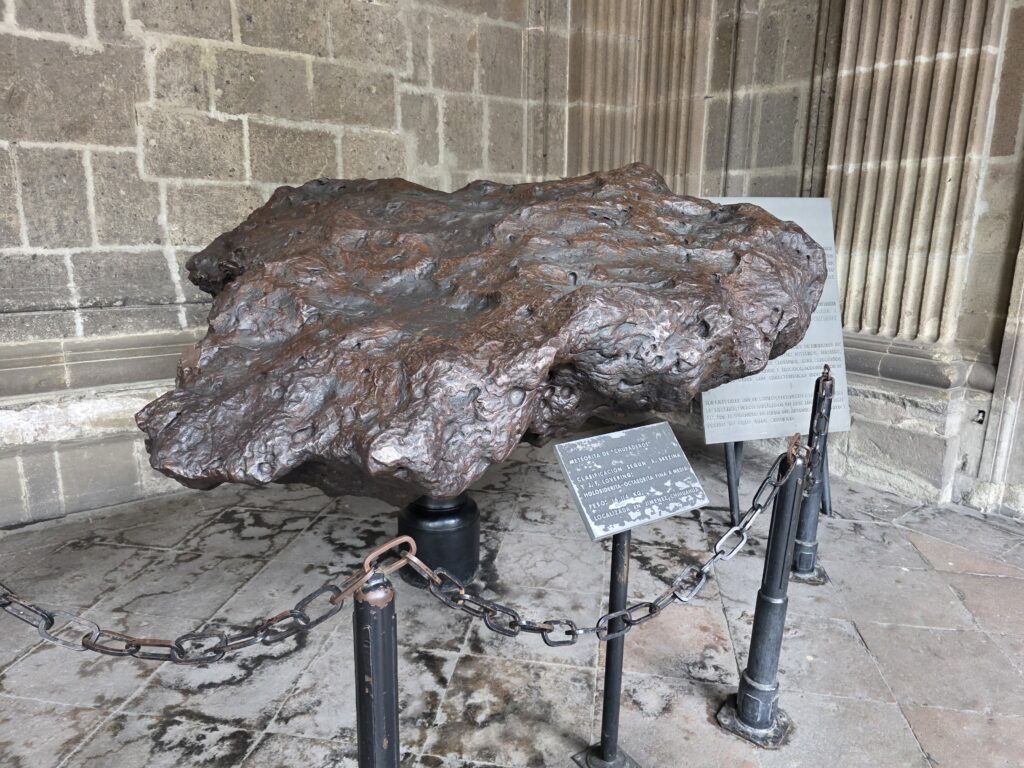
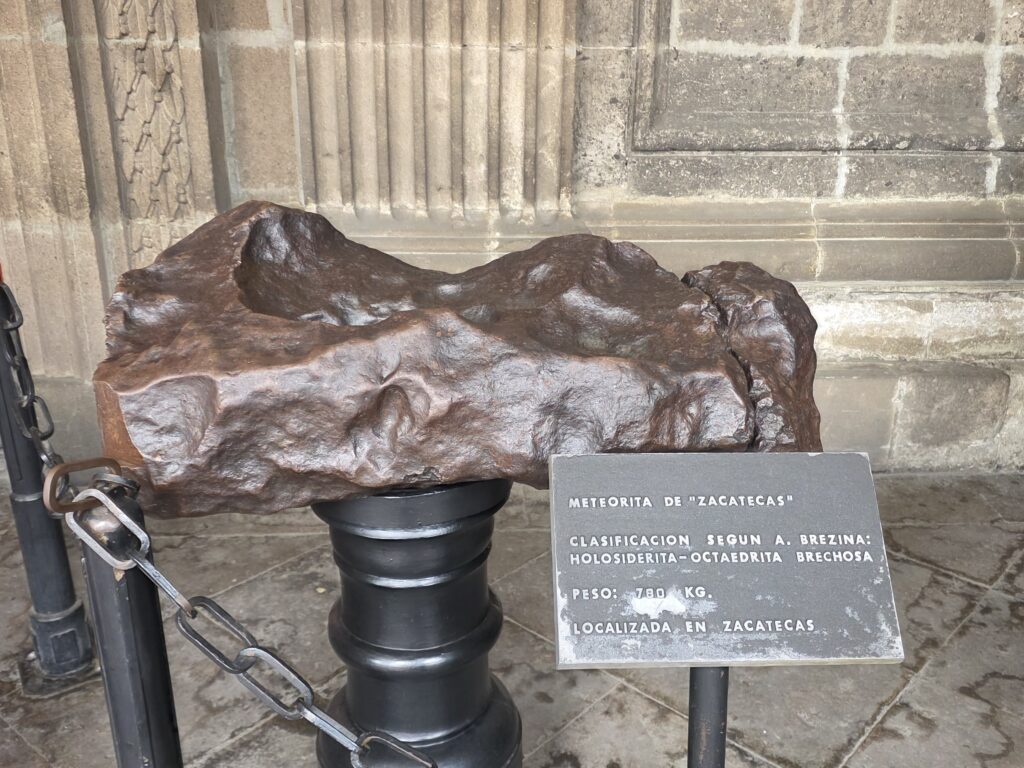
CDMX has the biggest meteorite collection that you can touch. The biggest one, weighing as much as 14 elephants, was discovered in the 19th century.
“The original capital Tenochtitlan (or México-Tenochtitlan) was founded around 1325 C.E. by the Mexica people (Aztecs) on an island in Lake Texcoco.” The original street from that capital, Calle Tacuba, still exists! When Spain invaded, murdered practically everyone, and leveled the city, November 8, 1519, they used the bricks from the pyramids that already existed to build new buildings. Our guide helped us to recognize where those original stones were used.
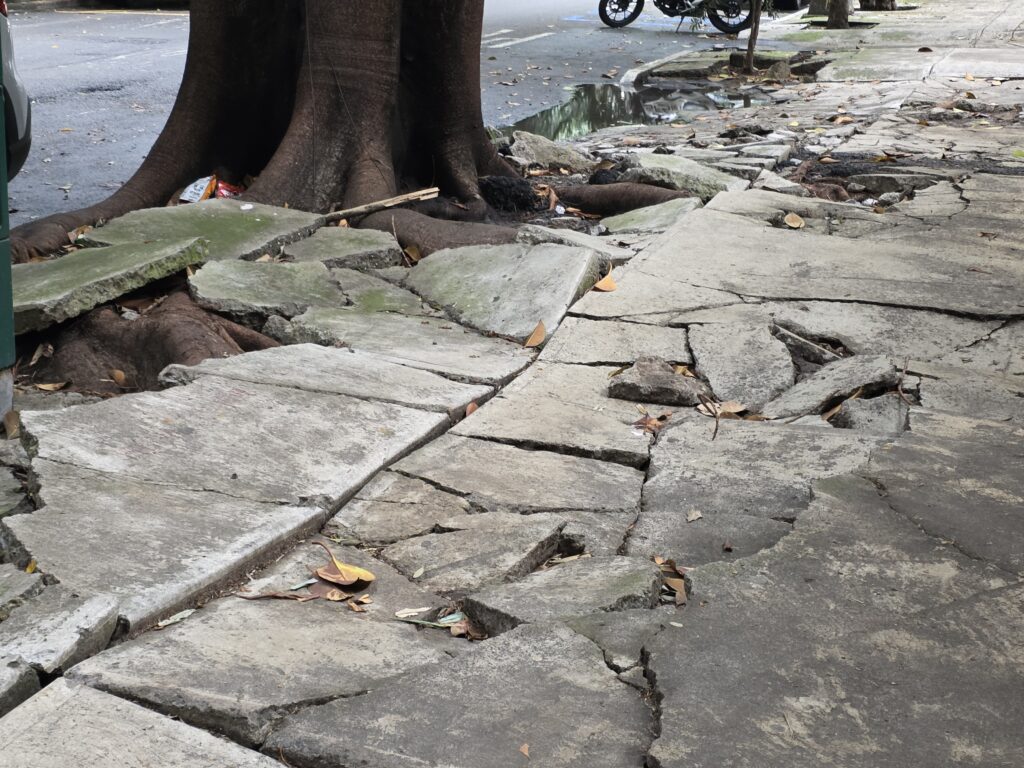
“Mexico City is sinking at a rate of nearly 10 inches (about 25 cm) per year, with some high-risk areas dropping over 2 cm (more than 0.5 inches) per month.” This fascinated me so I looked up how it compared to how fast Venice is sinking because Venice is what I think of when I think of cities that are sinking. This is what I learned, “Mexico City is sinking at an astronomically faster rate than Venice. While Venice is the global “poster child” for sinking cities, its actual rate of ground subsidence is minimal compared to Mexico City’s dramatic decline. Mexico City is sinking roughly 100 to 200 times faster than Venice. Mexico City sinks more in a single month than Venice does in an entire decade” Google. The visual depiction of this with the sagging balconies and unleveled streets is shocking.
The beginning of the second week I was supposed to start my immersion class. I believe I wrote in my previous post that I was excited to find something only a ten minute walk from my Air BnB and one that was seemingly inexpensive, compared to the other classes I had found. Going into the first day on Monday I had already had two sessions with my incredible tutor so my expectations were pretty high. Unfortunately I didn’t get good vibes from the get go. I didn’t feel welcomed and I felt a little untethered with the lack of information that was shared. I learned after the woman who was supposed to be my teacher arrived, that the two other students in my group had taken one or two weeks of instruction with her prior to this week’s class. There were a lot of “we did this last week” and “you should know this” comments from the instructor that made me feel very much like I was not on the same level. After the first day I felt very strongly that this class wasn’t for me. I have discovered a couple things about myself through this experience. First, I thrive in the know. Clear expectations is definitely an environment where I find the most success. Second, I no longer will suffer through something that doesn’t align with my soul/ truth, just because I signed up for it. I am glad I put myself out there and that I had an opportunity to put what I’ve learned into action. After the first class, I reached out to the director and explained my situation, received a refund, and now I am able to put that money toward more time with my amazing tutor. Win, honor, win! Thank you Universe for always taking care of me.
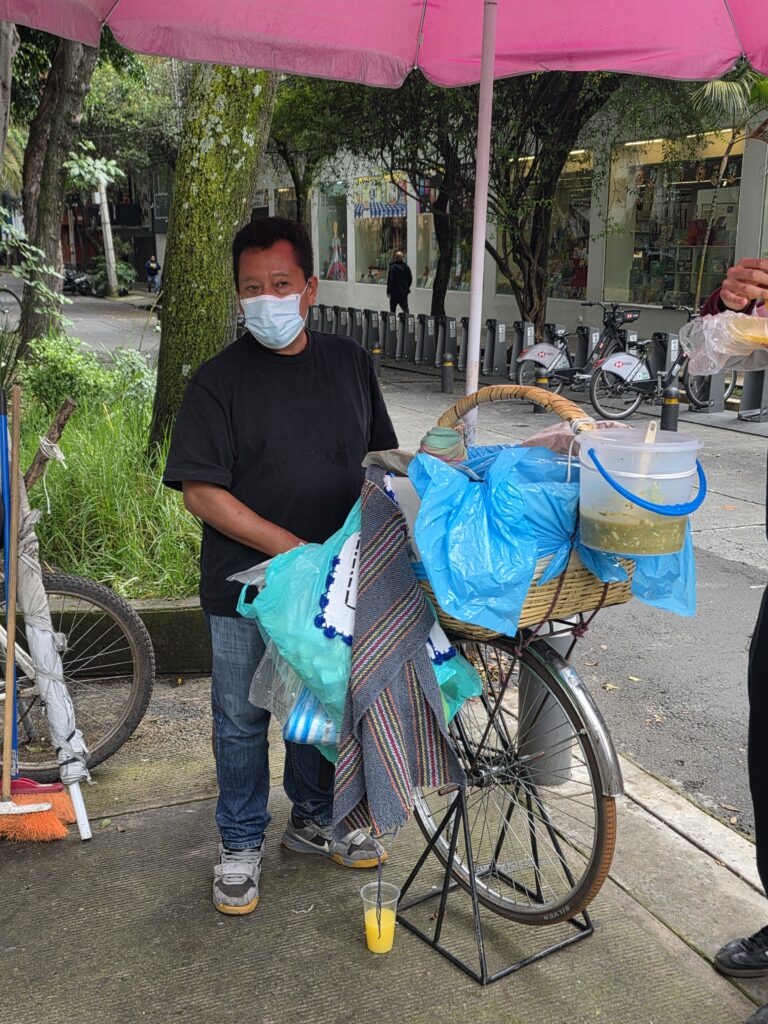
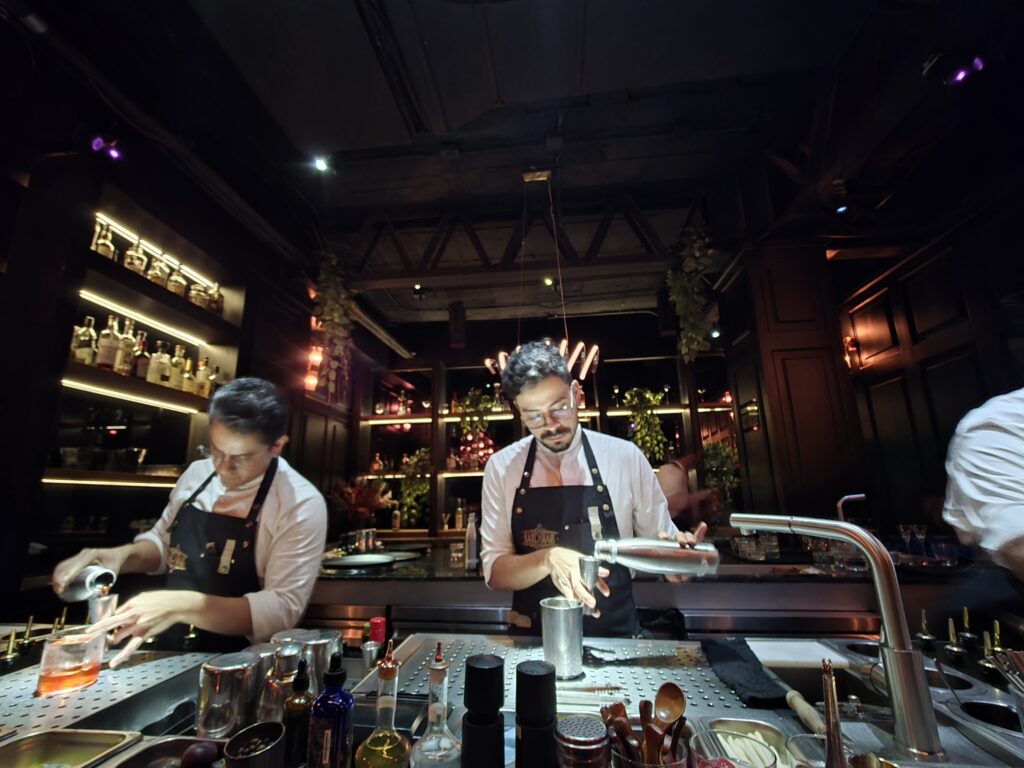
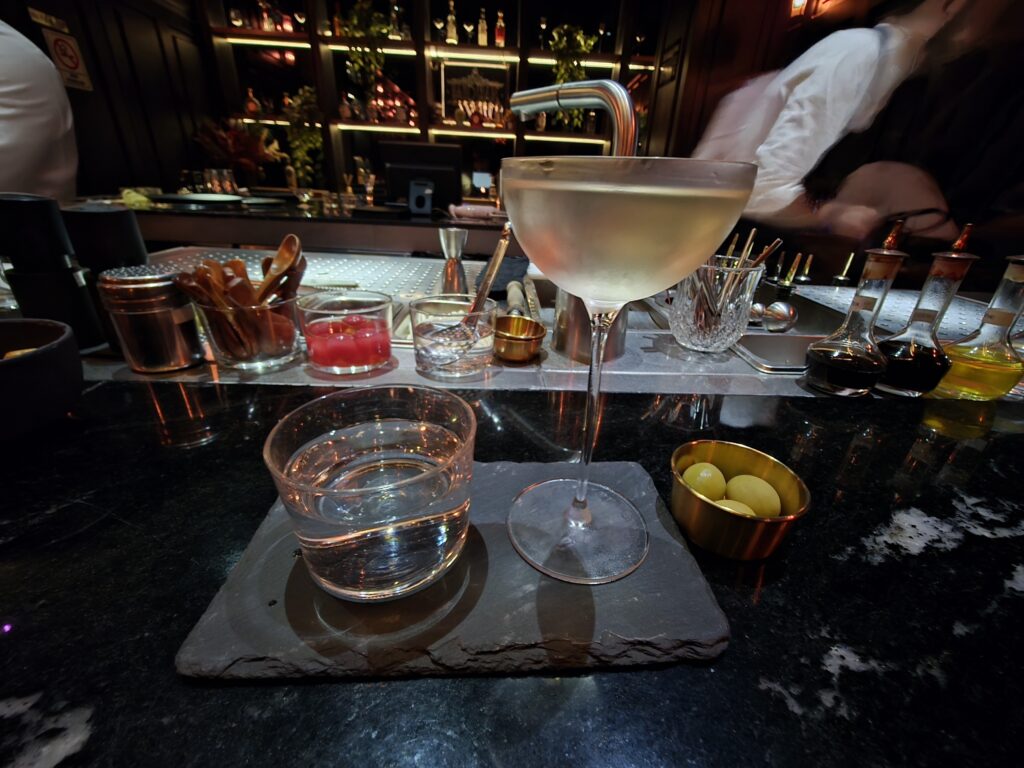
This past weekend was another full one, corazón contento. Friday night we went to Librería Valladolid, which is a speakeasy type bar located in the basement of Hotel Casa Izel Roma Norte (formerly known as Maison México Roma). The ambiance and cocktails definitely lived up to its reputation. On Saturday we had our bicycle taco tour, also with El Taco Club, and it was a blast! The sun came out on Saturday for the first time in the two weeks since we arrived and I feel like it was a good omen for a good day. We stopped at five different taco spots; three street stands and two brick and mortar, and had an incredible taste voyage. The first street taco stand we visited was featured on the first season of Taco Chronicles on Netflix. The tacos were only 10 pesos, which is about 55 cents USD, and he said that the day before he made and sold over 20,000 tacos. Needless to say it was a delicious return on investment. Saturday evening, after a nap due to my food coma, we went to Handshake Speakeasy. We had a front row seat at the bar and were entertained by a spectacle of the senses. We also learned that the bar had just been named the sixth-best bar in the world that very week! What an experience!
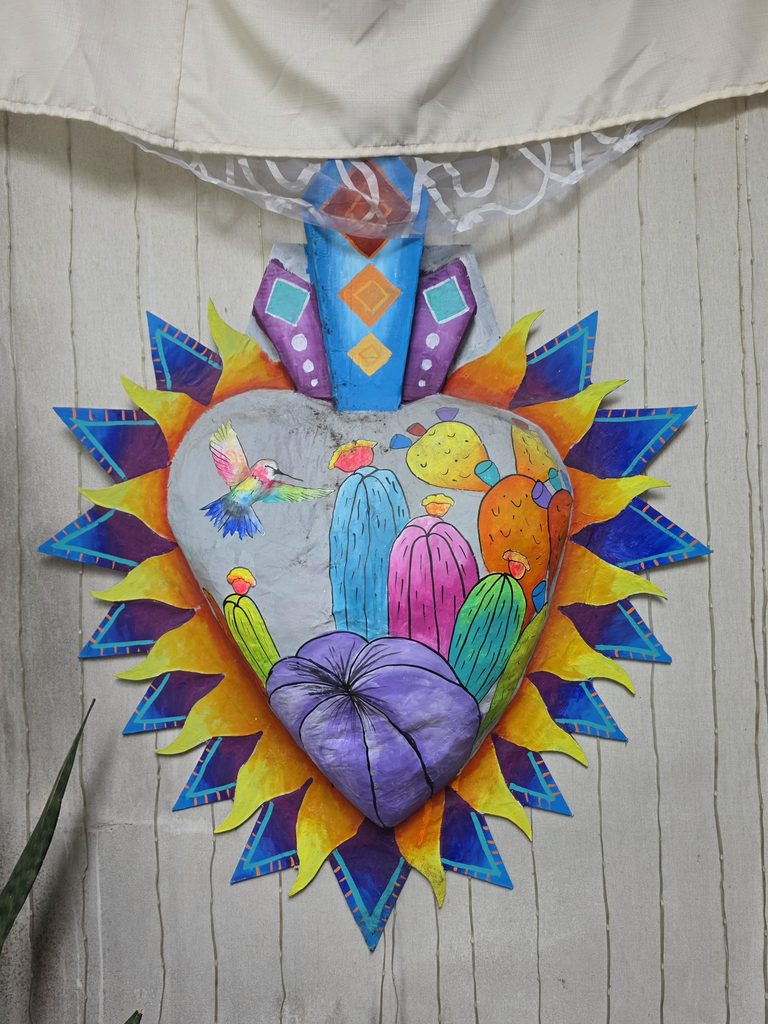
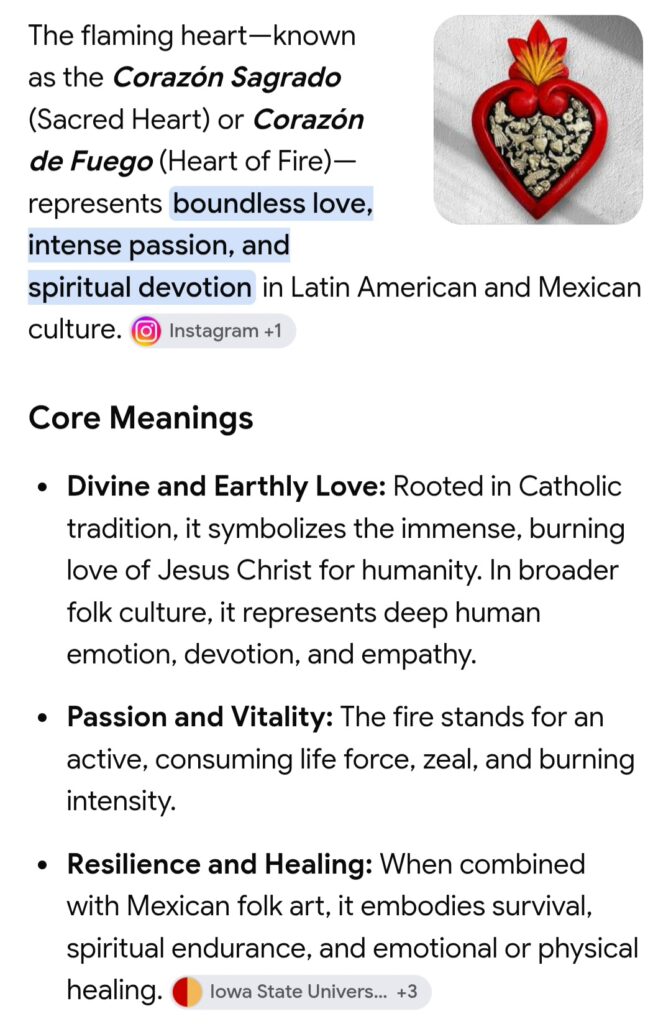
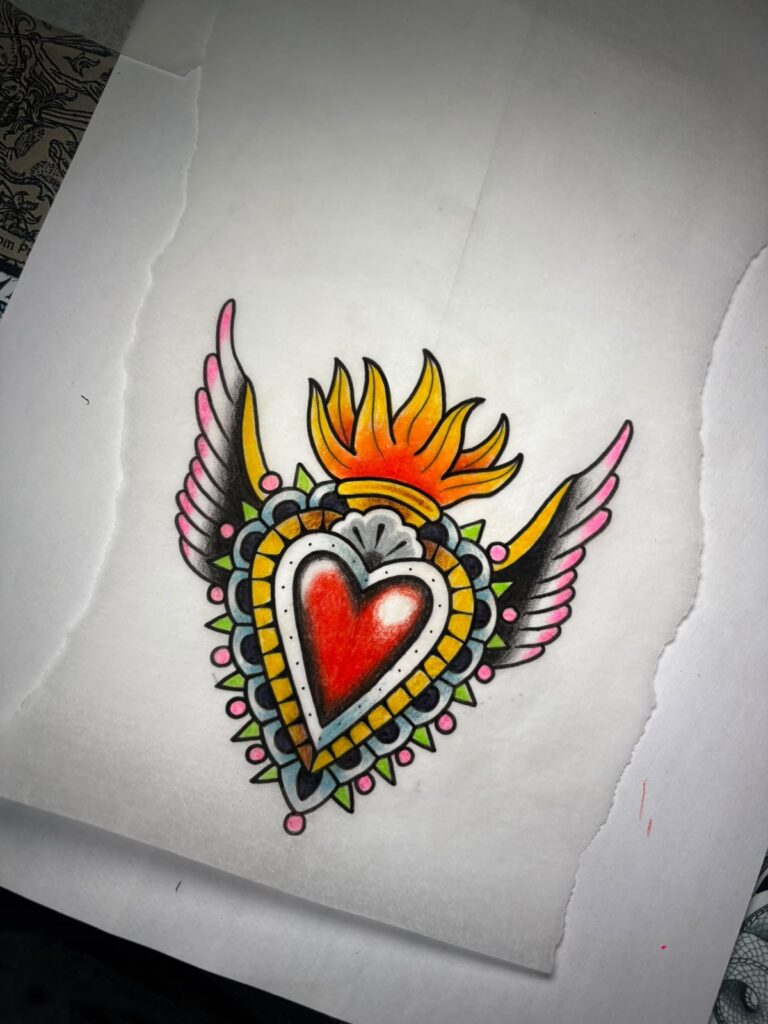
Dave left this morning for his week-long offsite in Riviera Maya. I will miss him and love having him as my adventure buddy, and I am reminding myself that I don’t “need” him to feel complete. I am happy that he gets to go to his offsite, and I’m excited to have some “me” time. Multiple things can exist at the same time!!! I’m looking forward to choosing how to spend my time based on what my heart wants. I’m excited to go where the spirit moves me. Whether it be reading, having lots of chats, seeing my Spanish tutor three times, I get to choose. Tomorrow I’m visiting my tutor in Coyoacán and I’m getting a sacred heart tattoo in honor of my love of God, Latino Culture, and humanity. My tutor’s partner is the tattoo artist so it feels good to be able to support him that way. I had someone tell me once that “tattoos are the art that travels with you” and I felt that to be so true! When I decided that the Sacred Heart (sagrado corazon) was the tattoo I thought I wanted to get, I looked up the meaning behind it to make sure it was in fact the correct choice for me. What I found confirmed it:
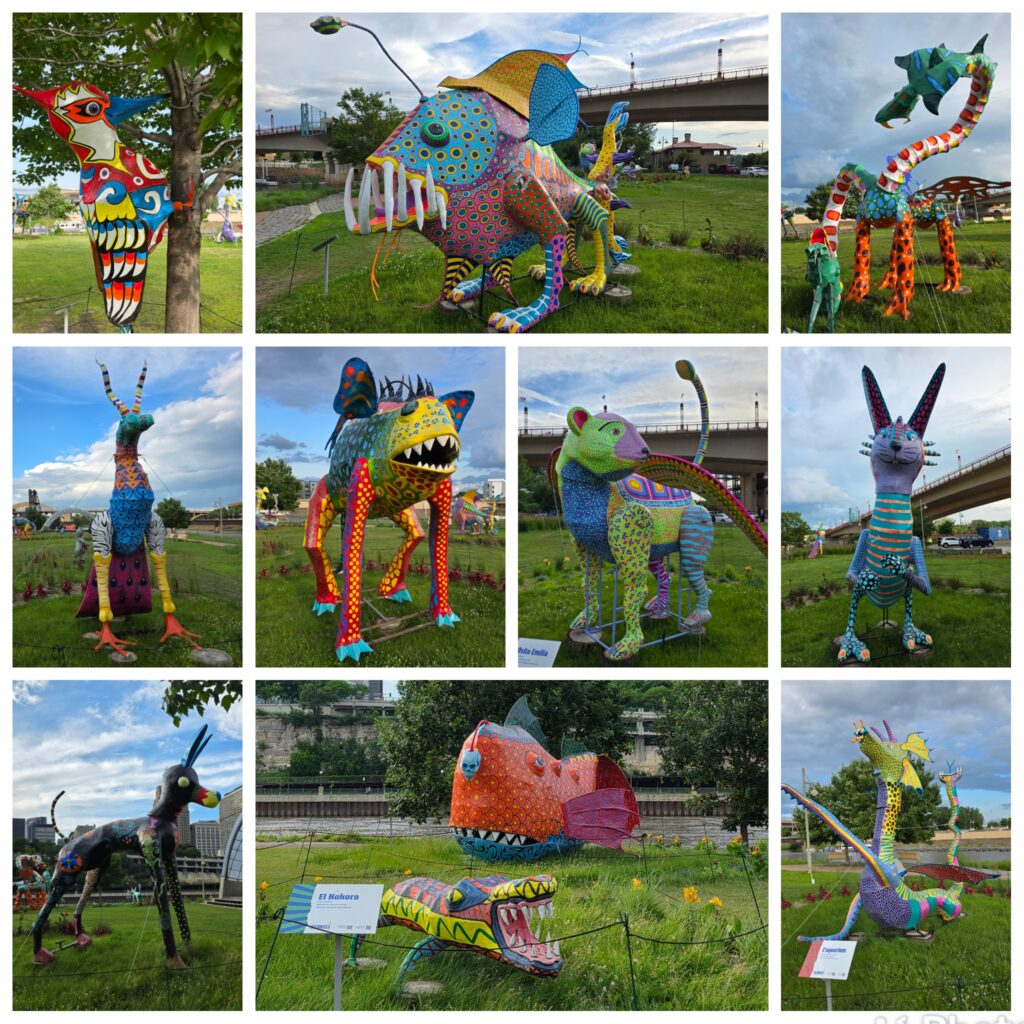
Next weekend the Alebrijes parade is on Saturday. “Alebrijes are brightly colored, surreal Mexican folk art sculptures of fantastical hybrid animals. They originated in Mexico City in 1936″. I learned about this parade from watching “Best of the World with Antoni Porowski” on Hulu. For those of you who don’t know, Antoni was the culinary expert on the revamped series Queer Eye. I was really excited to learn that we were going to be in Mexico City for the parade and also can’t wait to explore more of the area of Zocalo where the parade begins. Funnily enough, after this realization, I made a connection to the fact that Saint Paul, Minnesota had a temporary sculpture exhibit of Alebrijes on Raspberry Island back in 2025 that I went to.
We have definitely taken advantage of the time that we have spent here so far and I’m excited that we have three more weeks of it! I definitely feel like we are living the title of this post, panza llena, corazón contento, and that we are exactly where we’re supposed to be. Sending a Universe of love and light to you wherever you may be in this big, messy, beautiful world!
❤️Love,
Alison and Dave
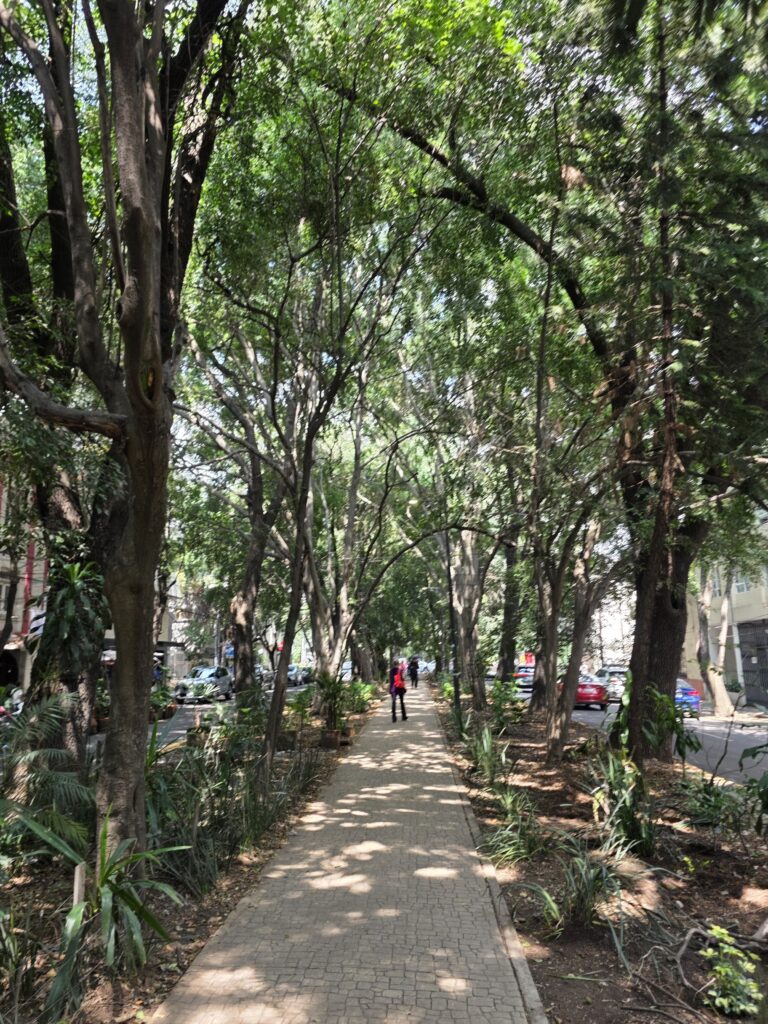
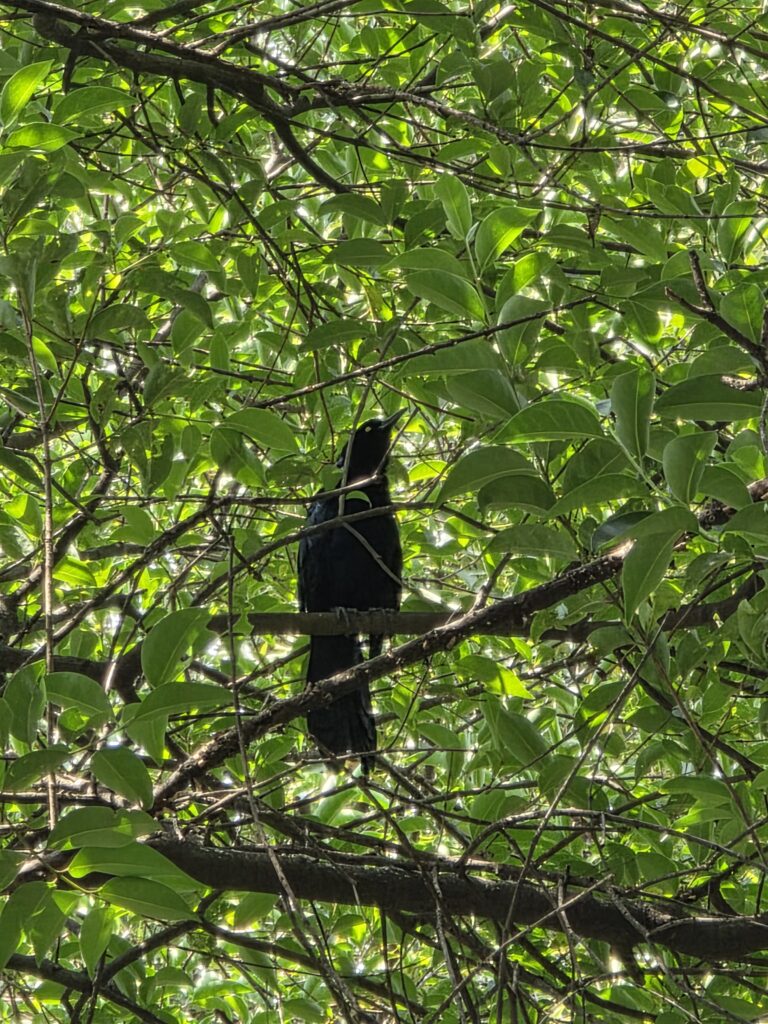
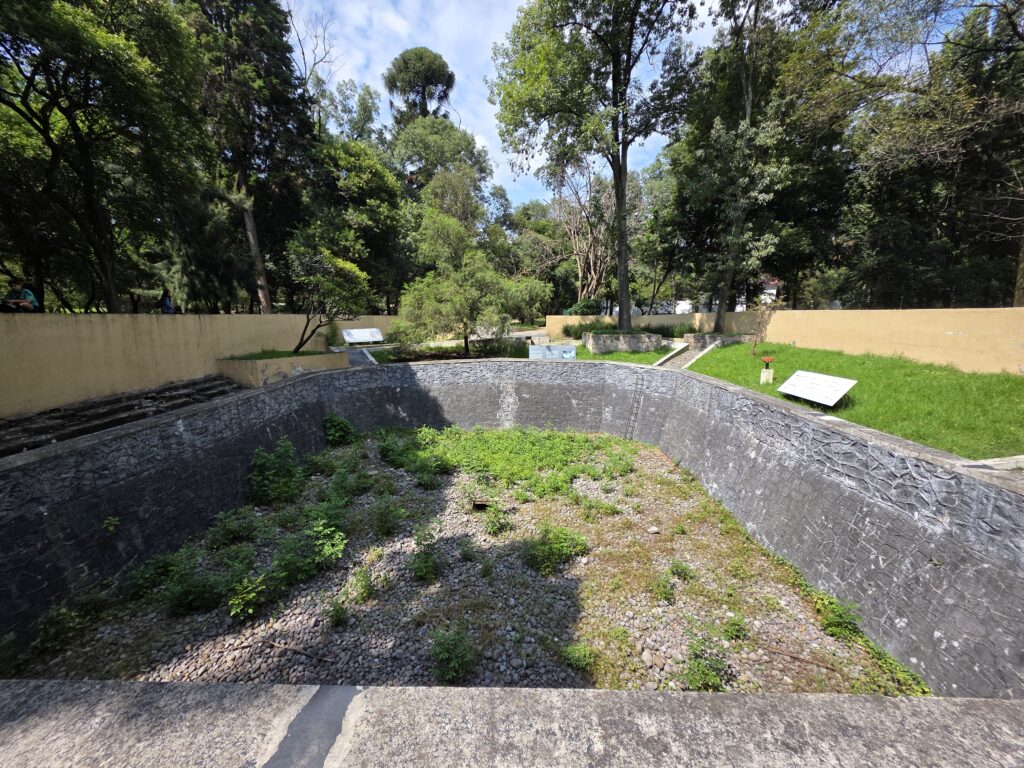
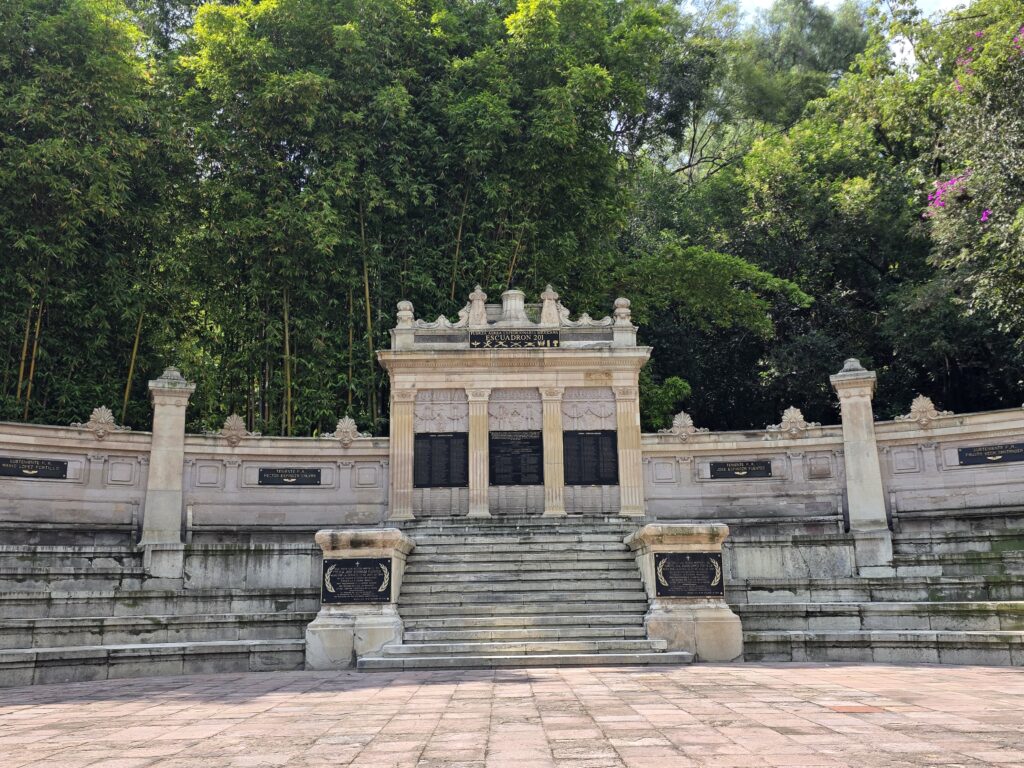
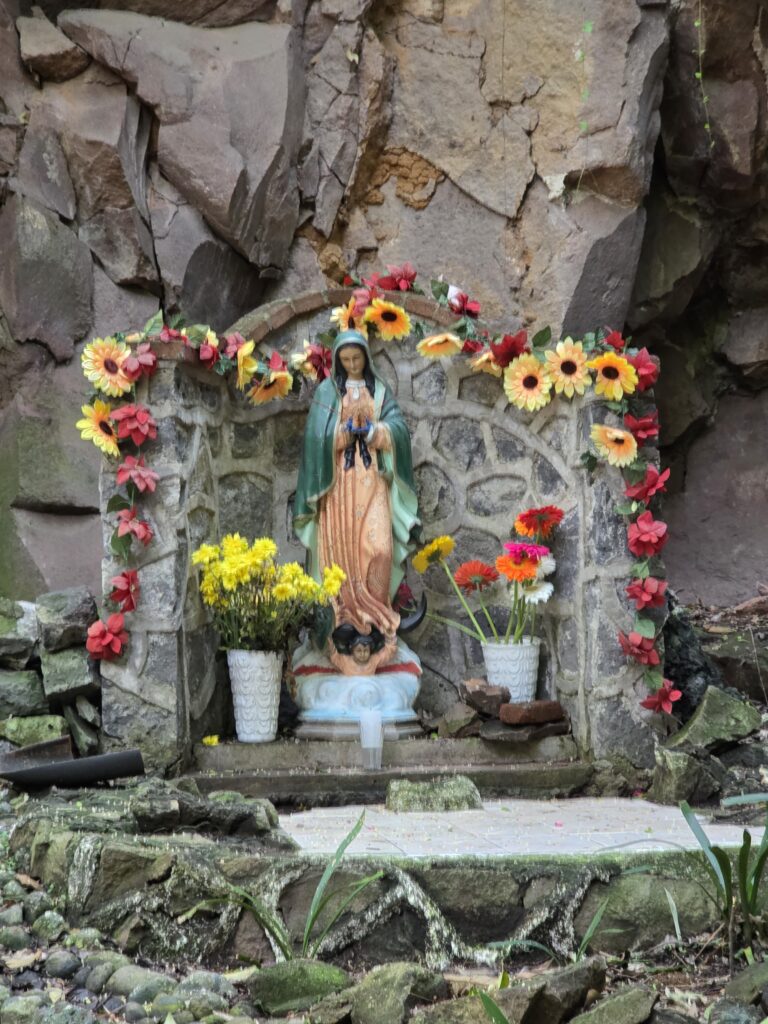
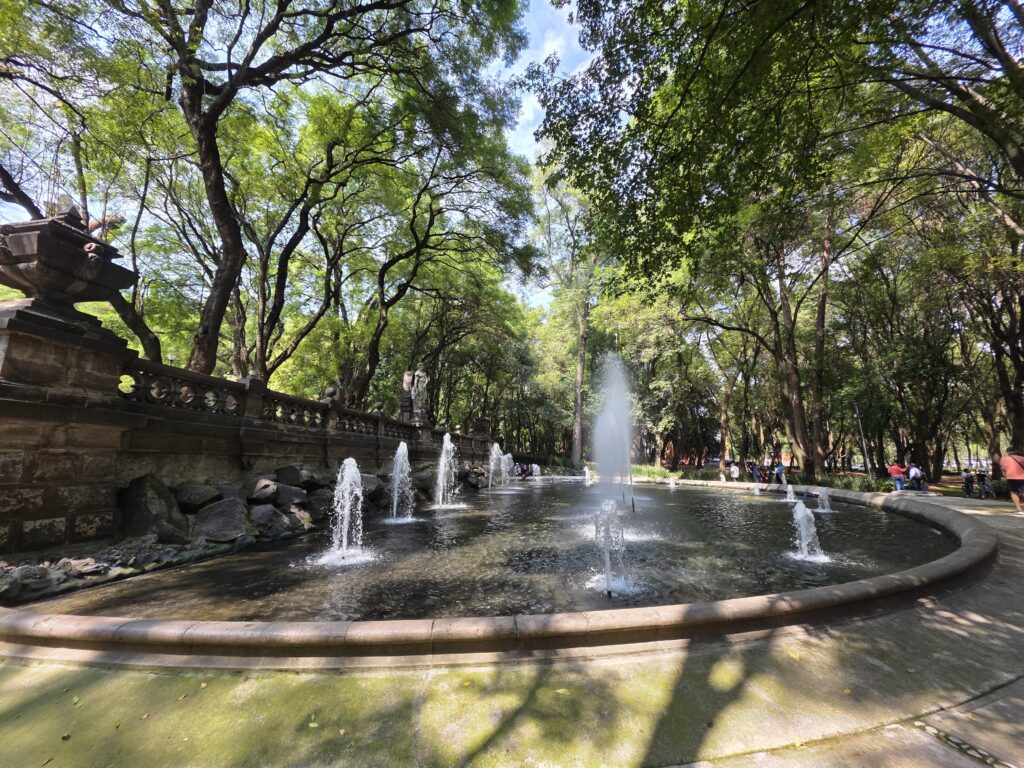
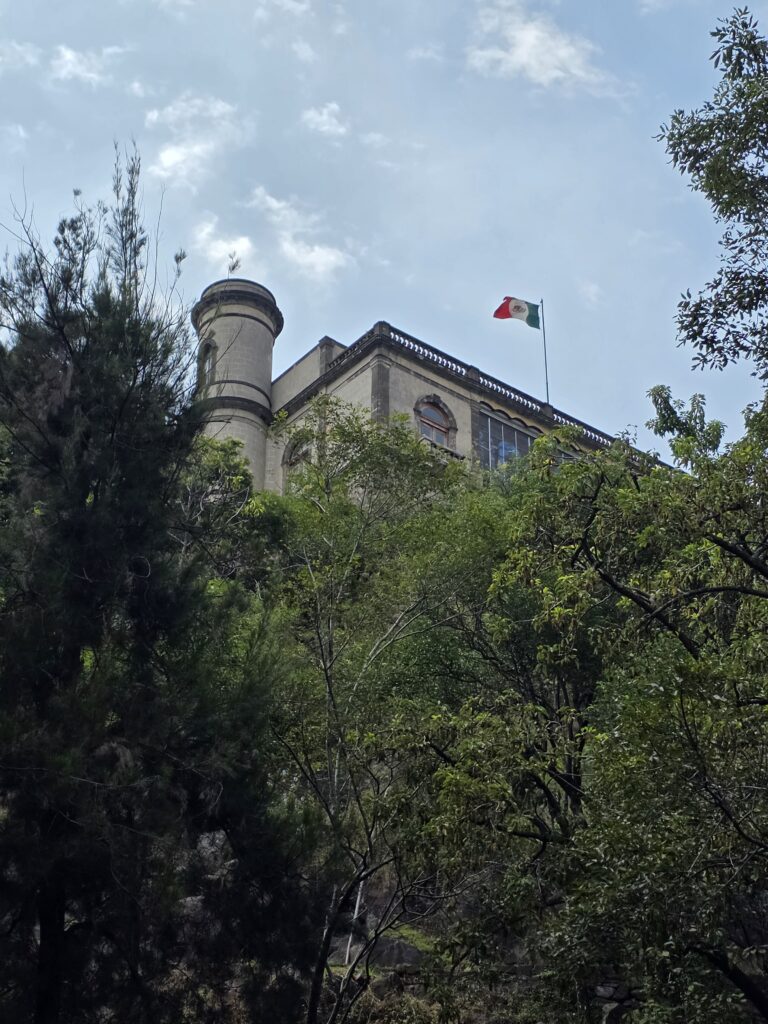
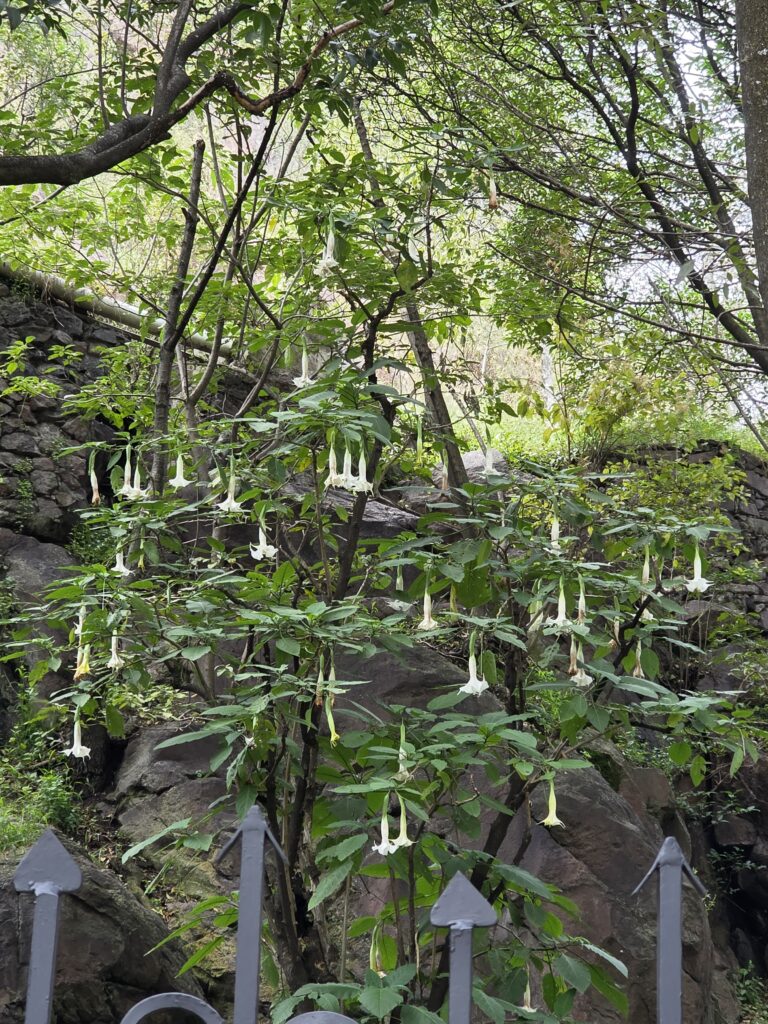
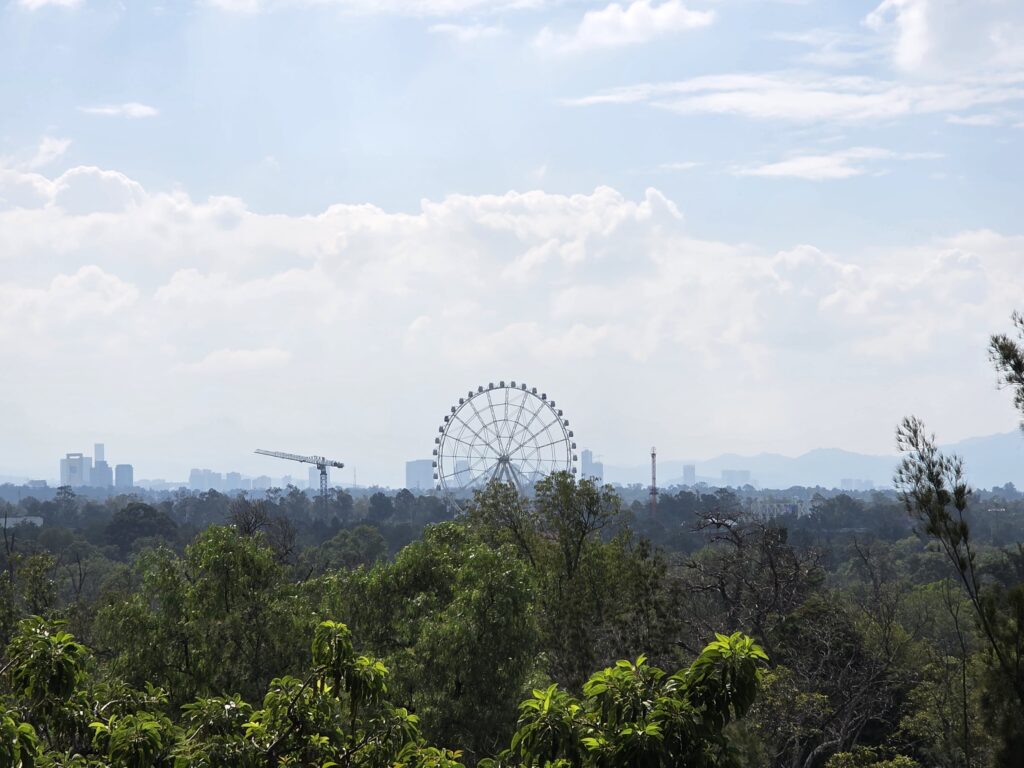
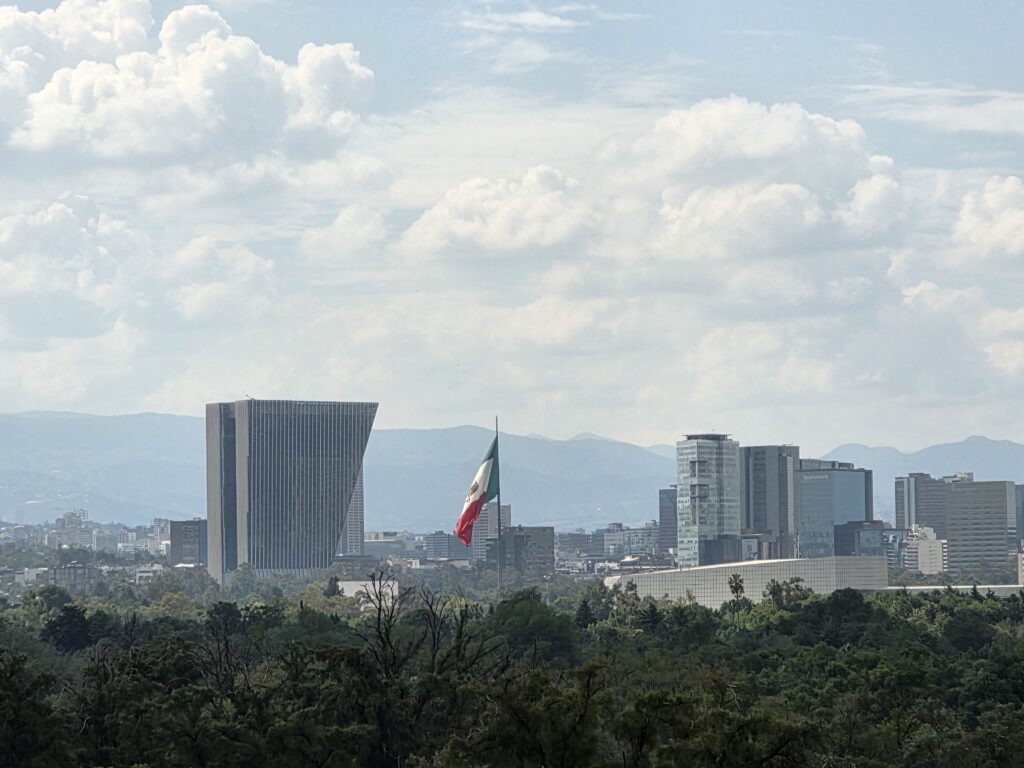
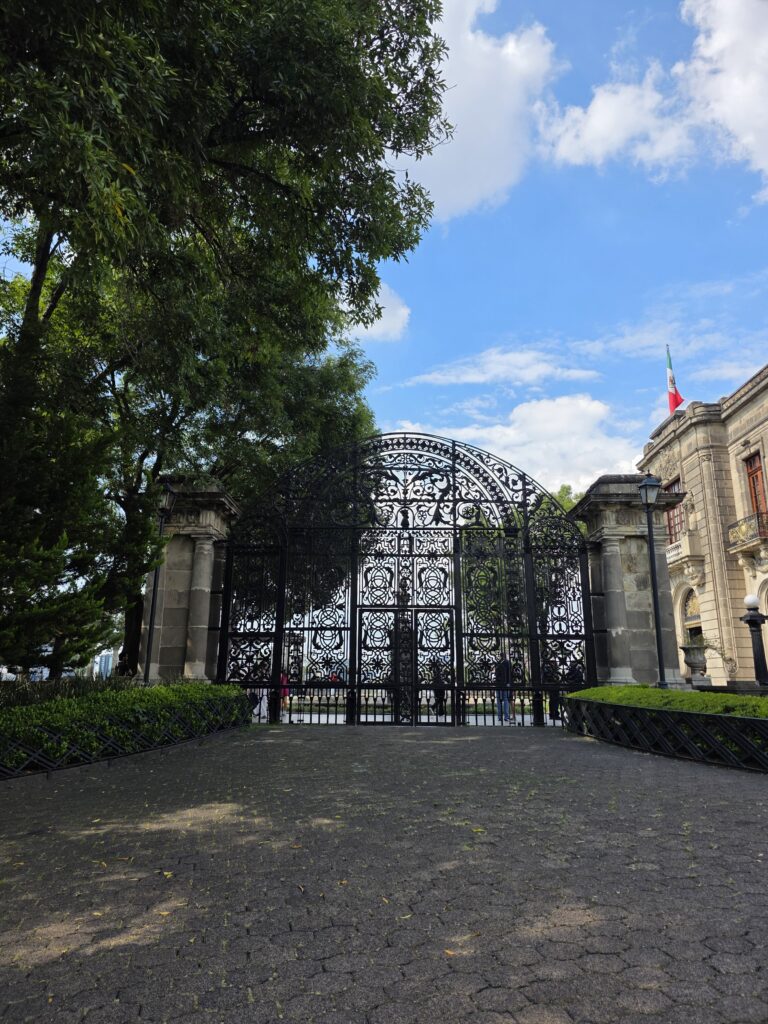
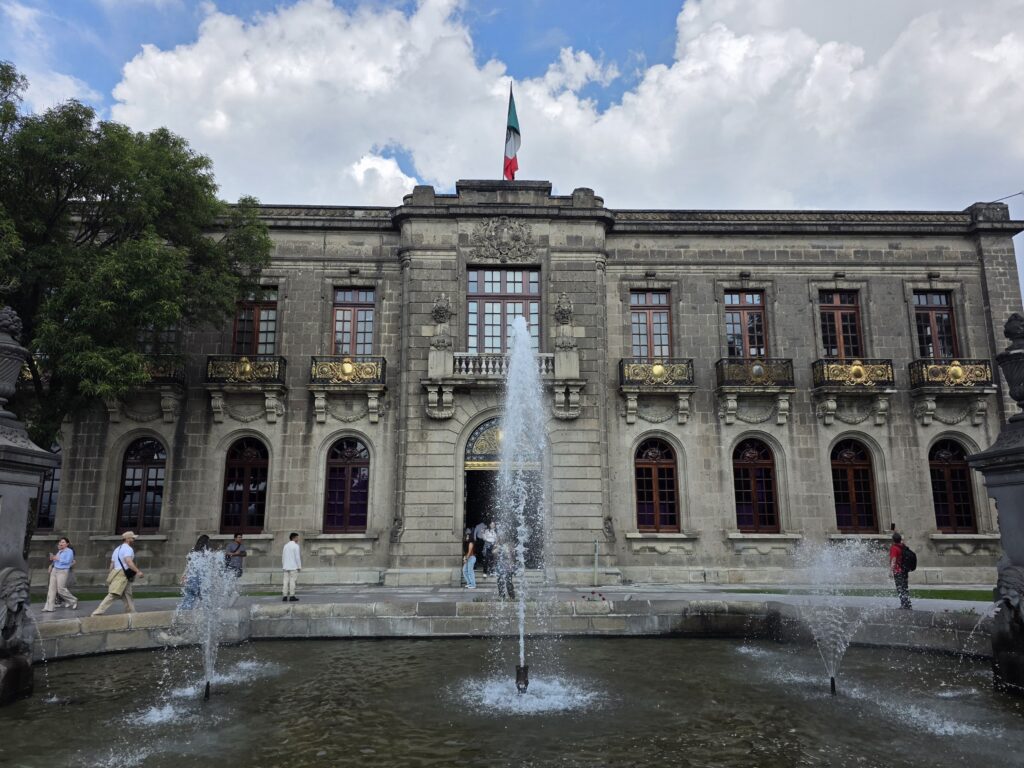
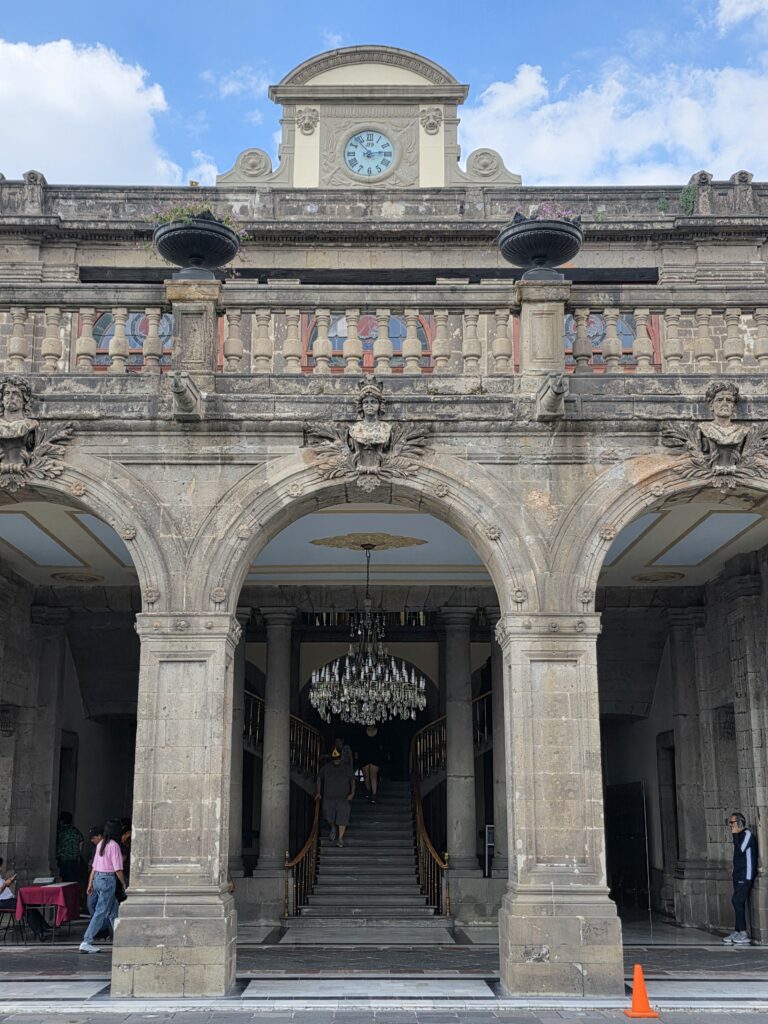
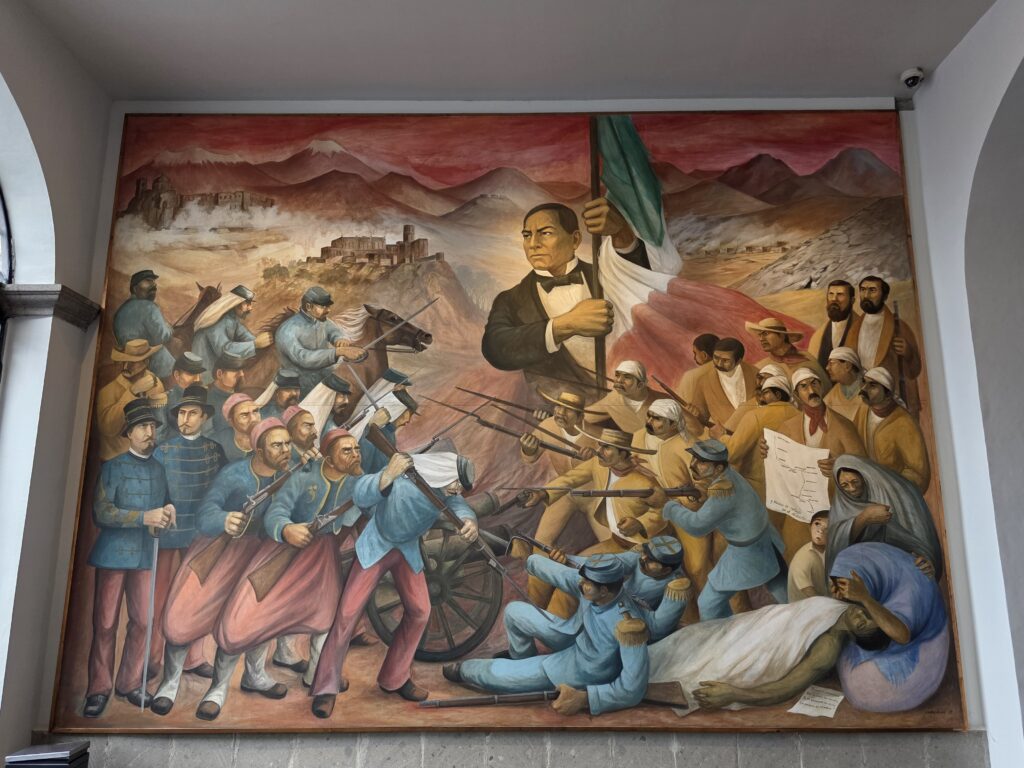
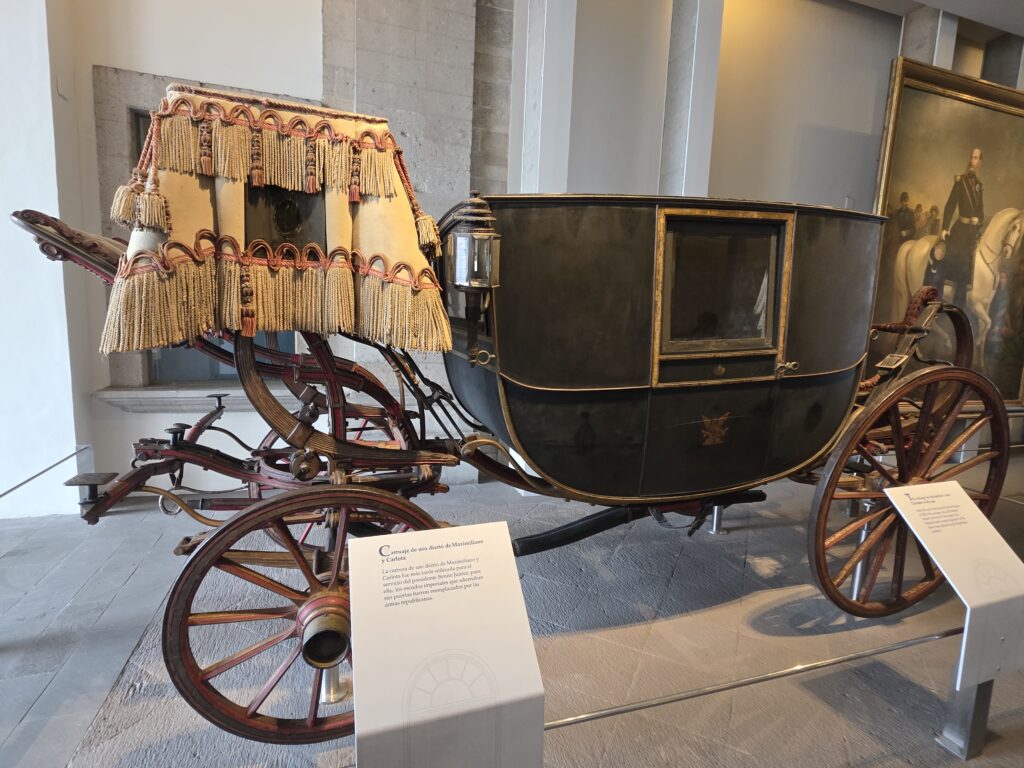
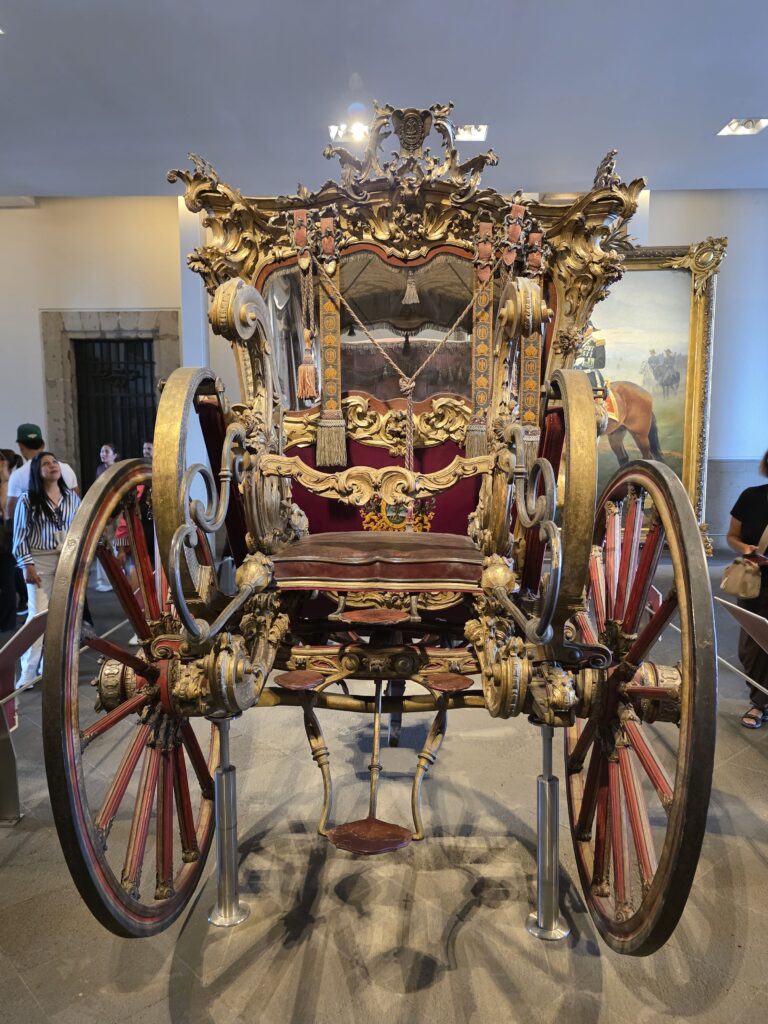
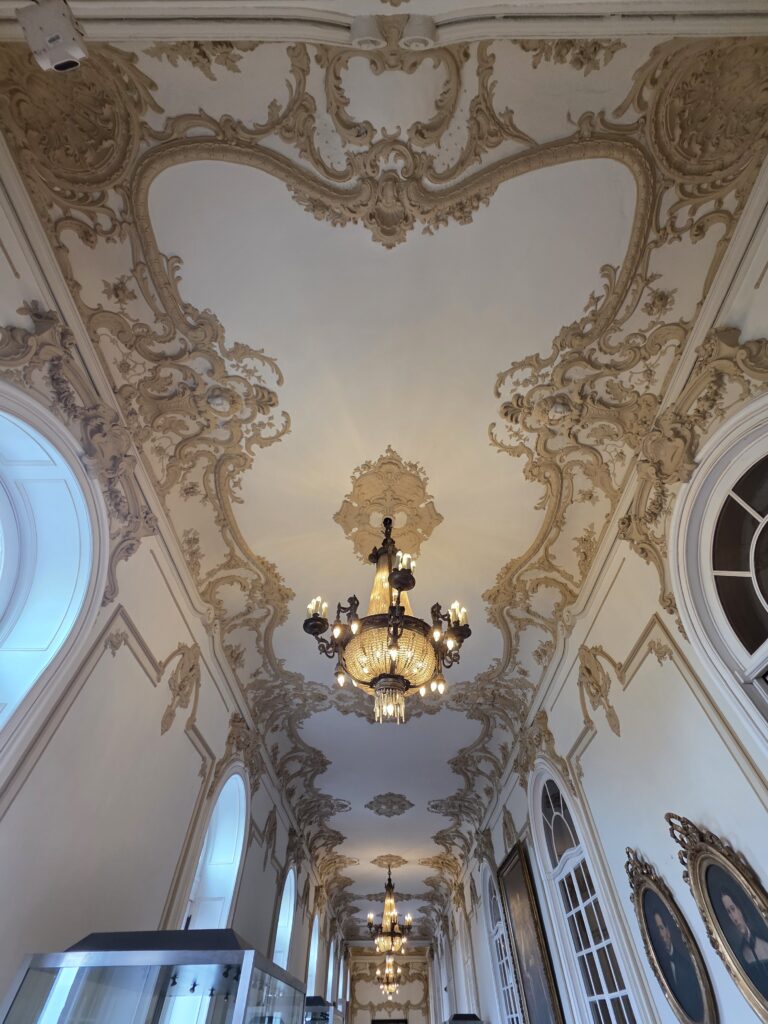
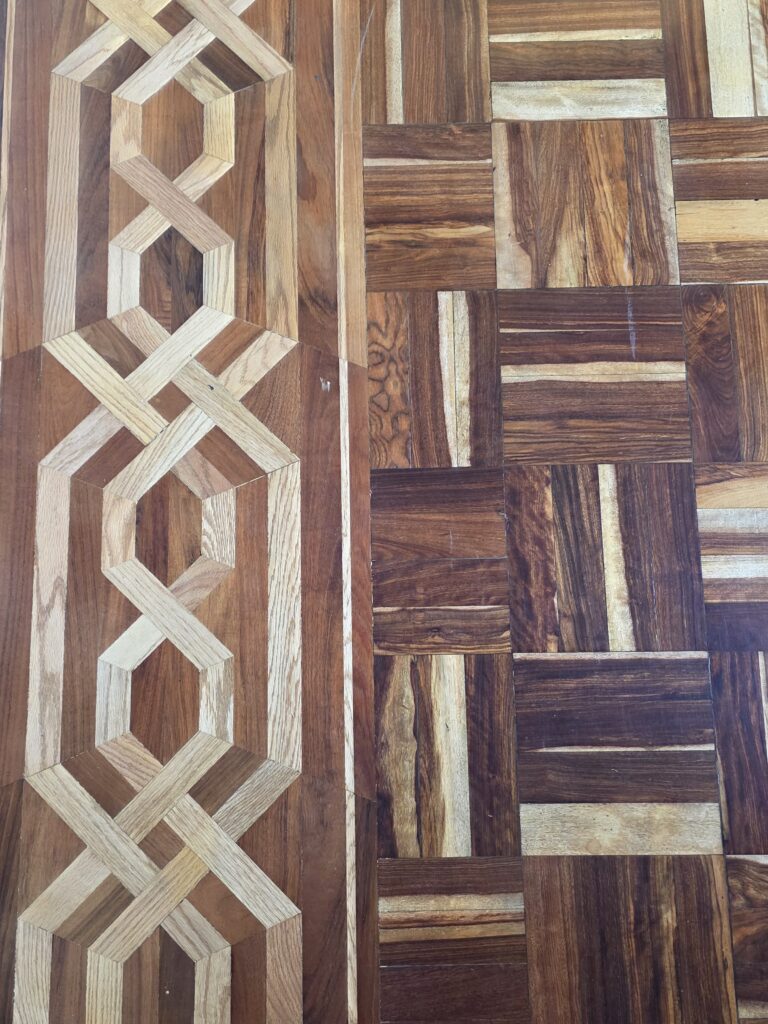
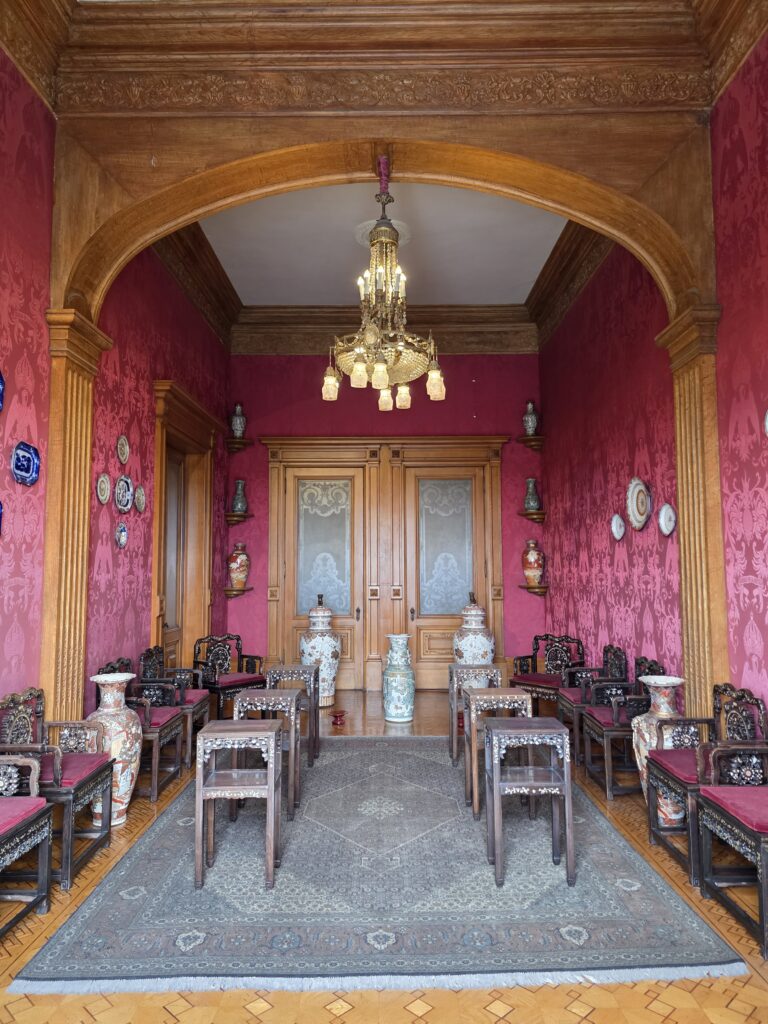
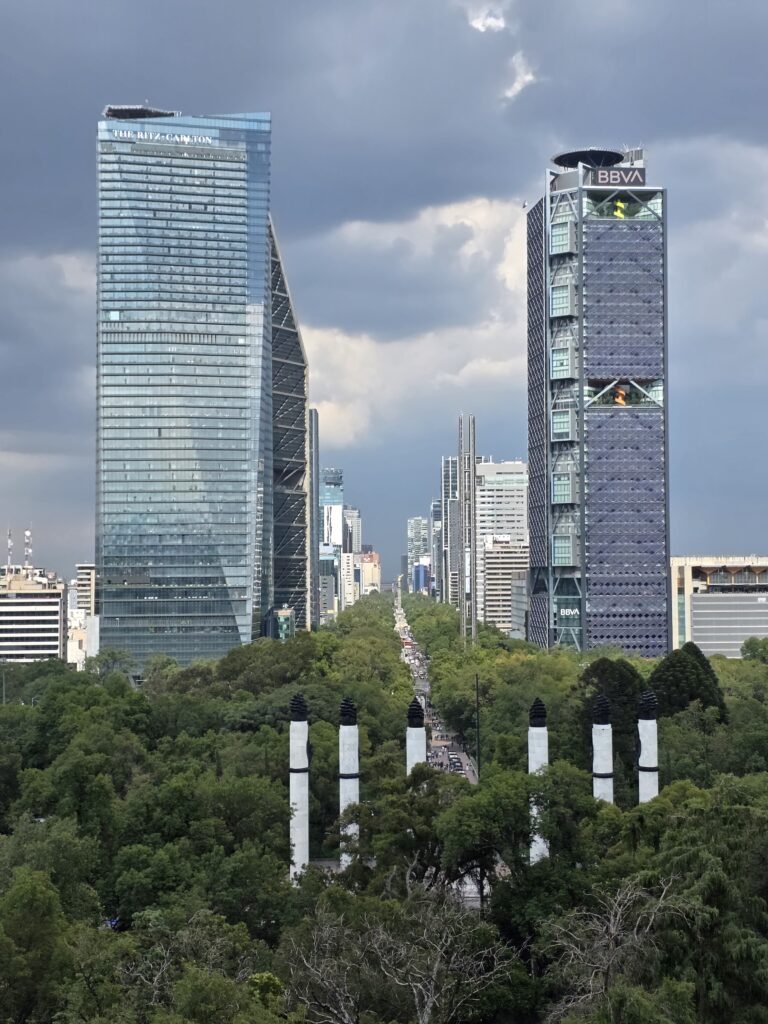
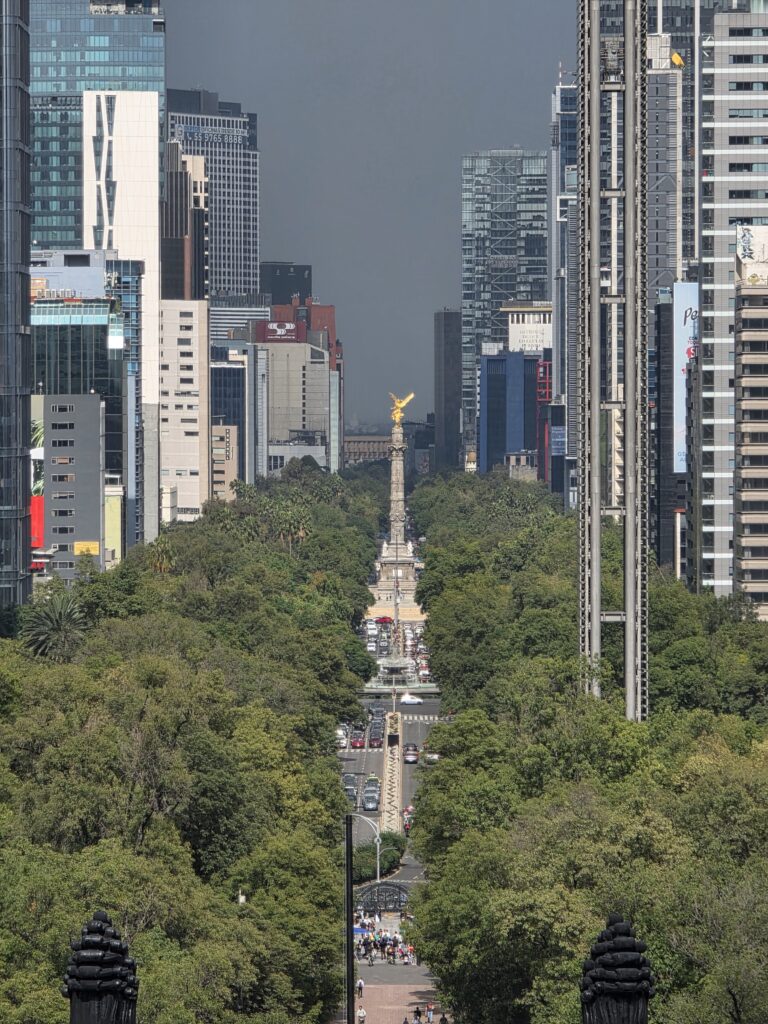
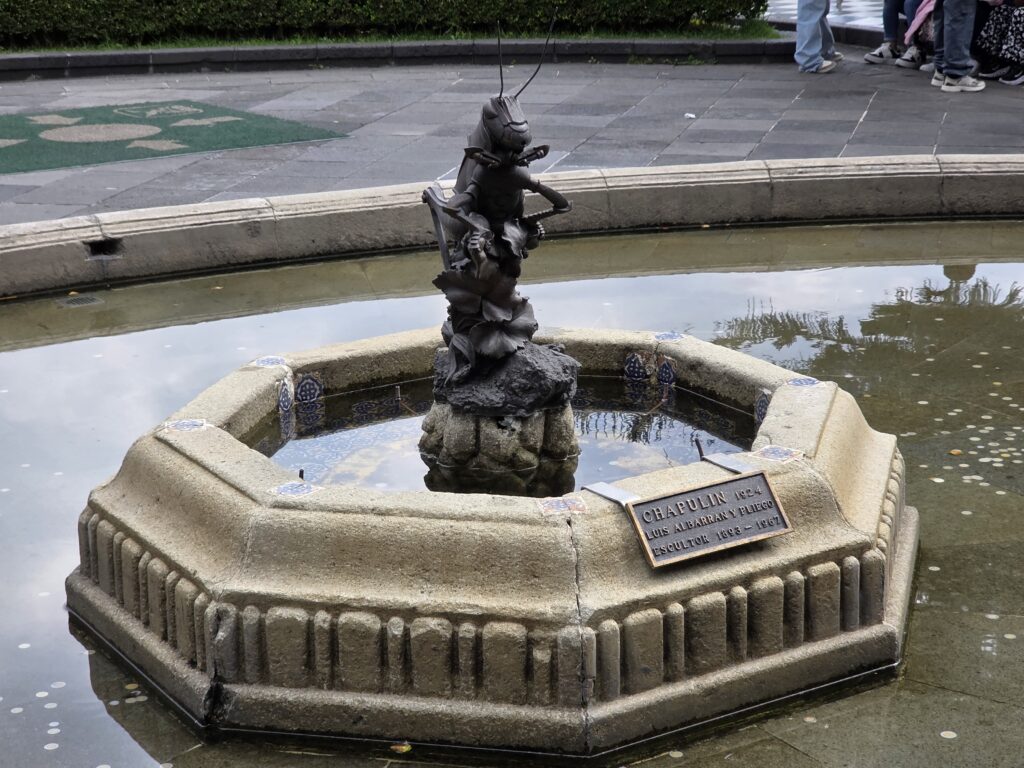
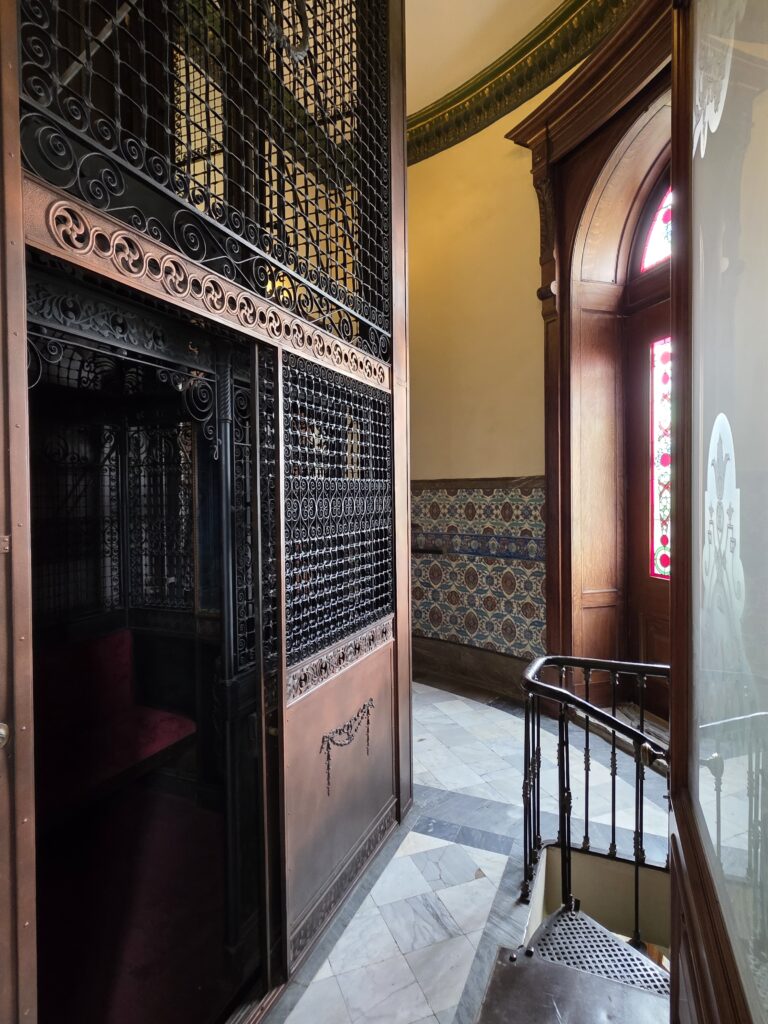
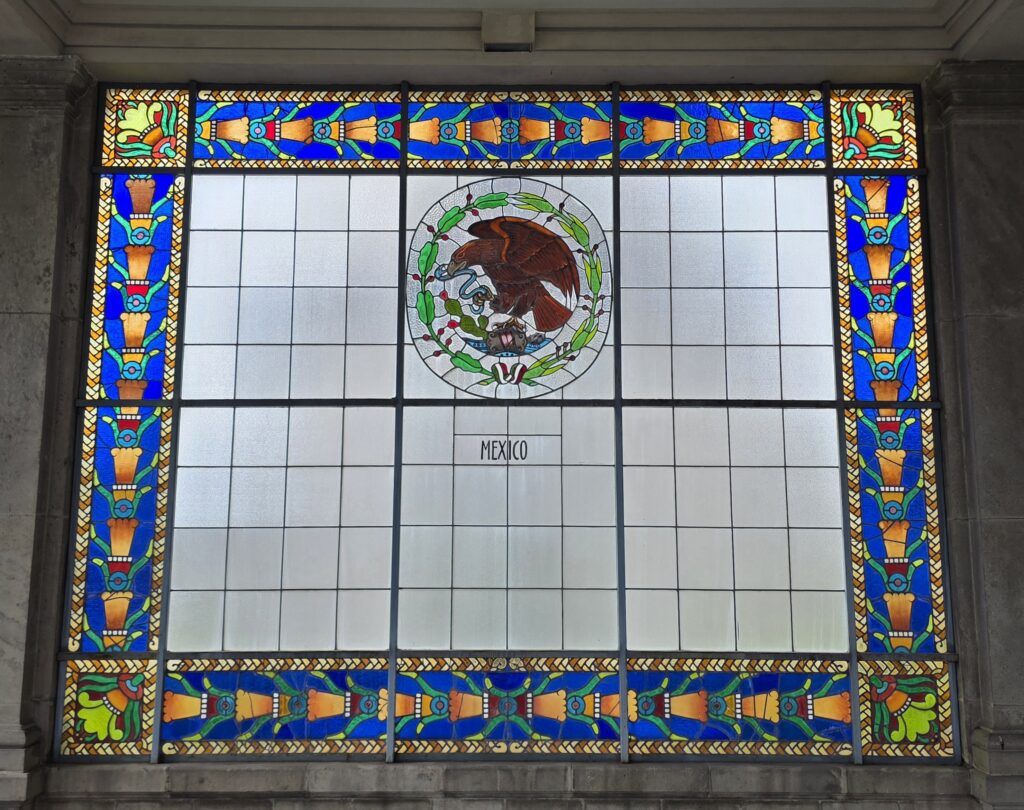
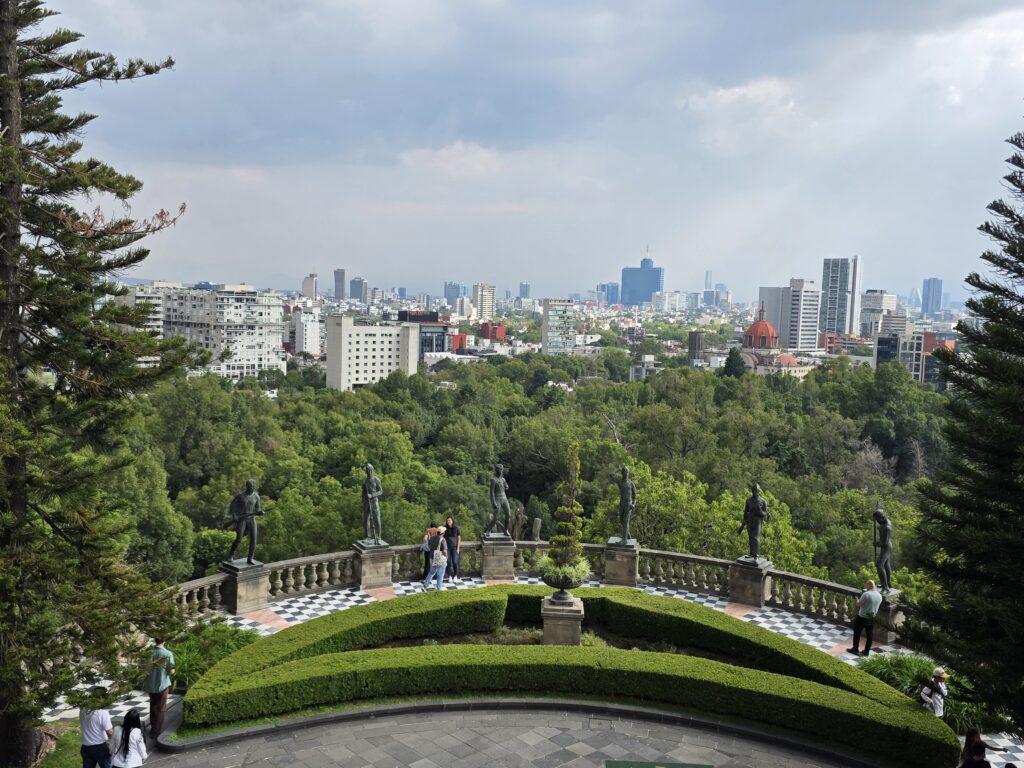
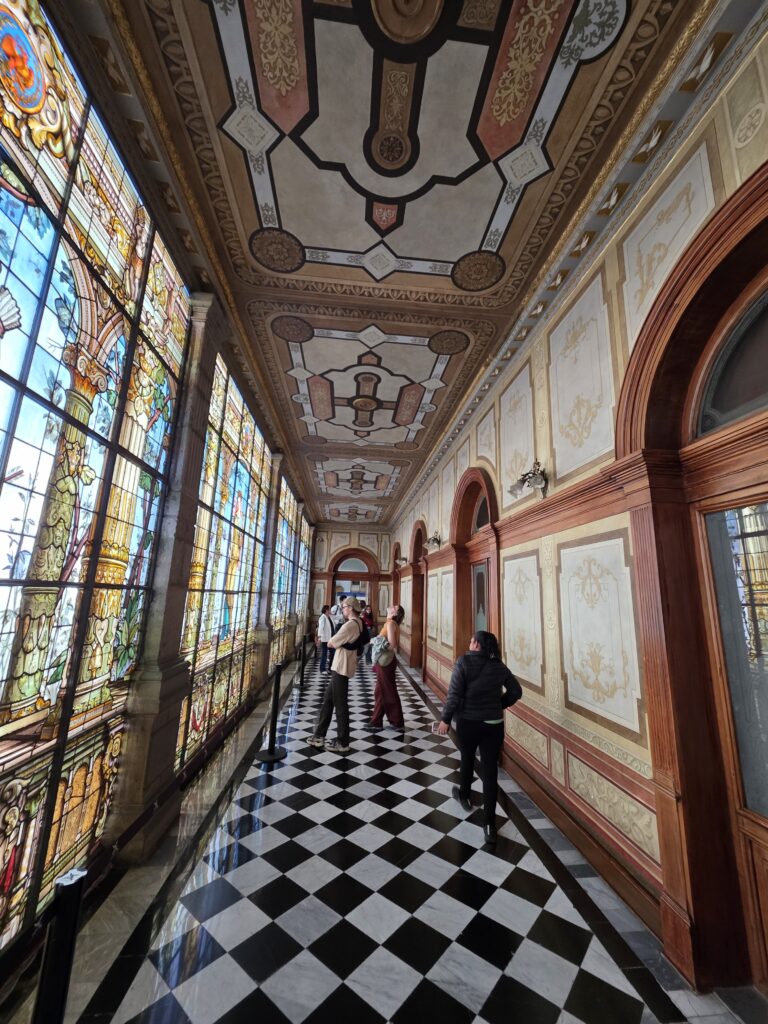
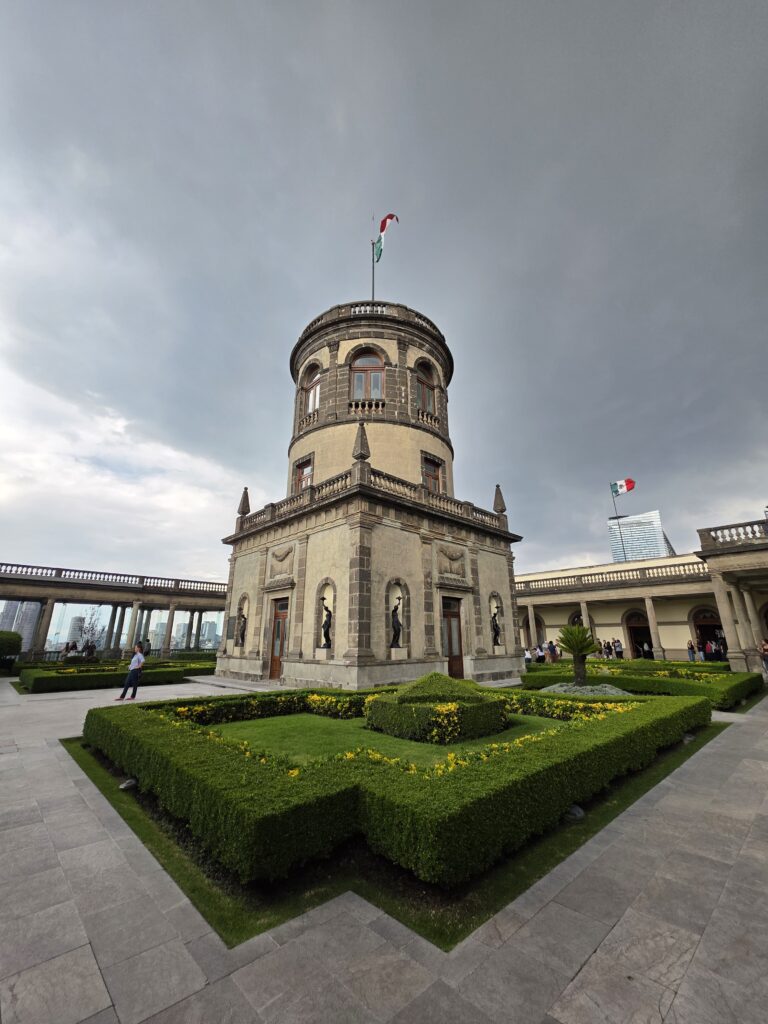
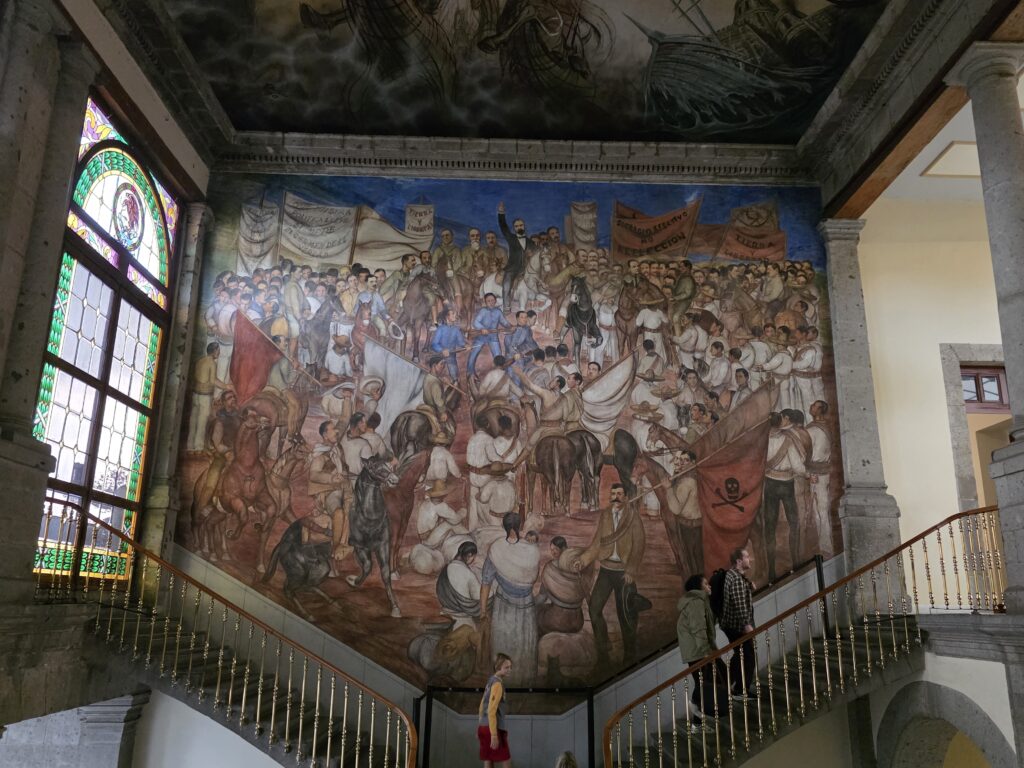
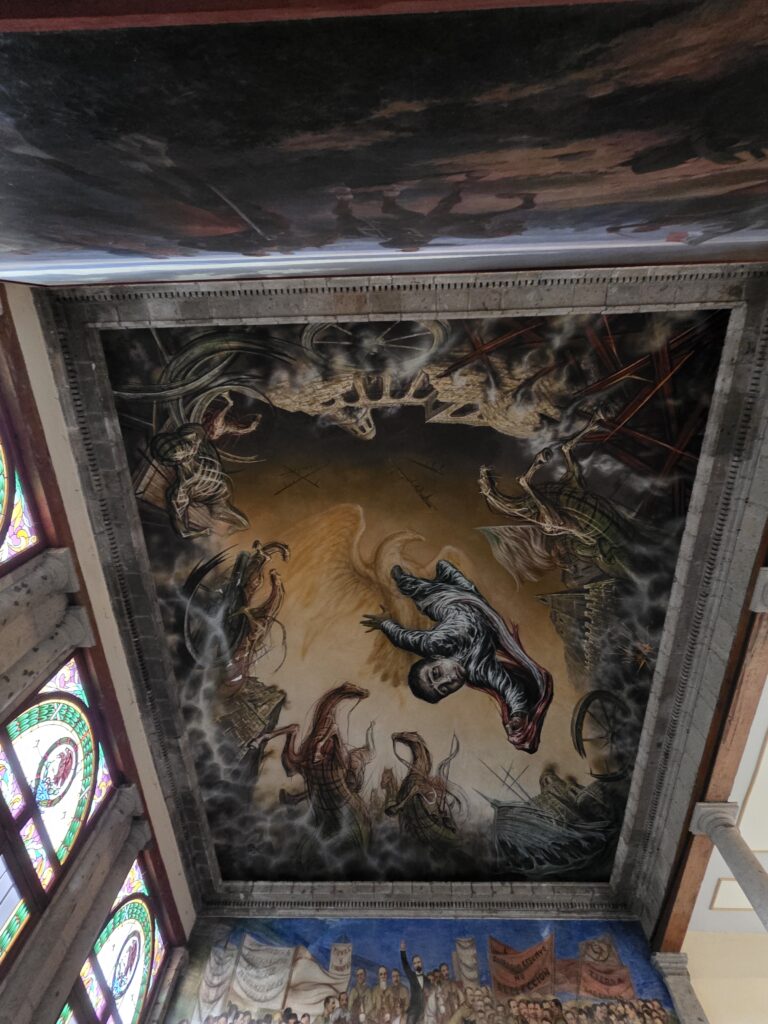
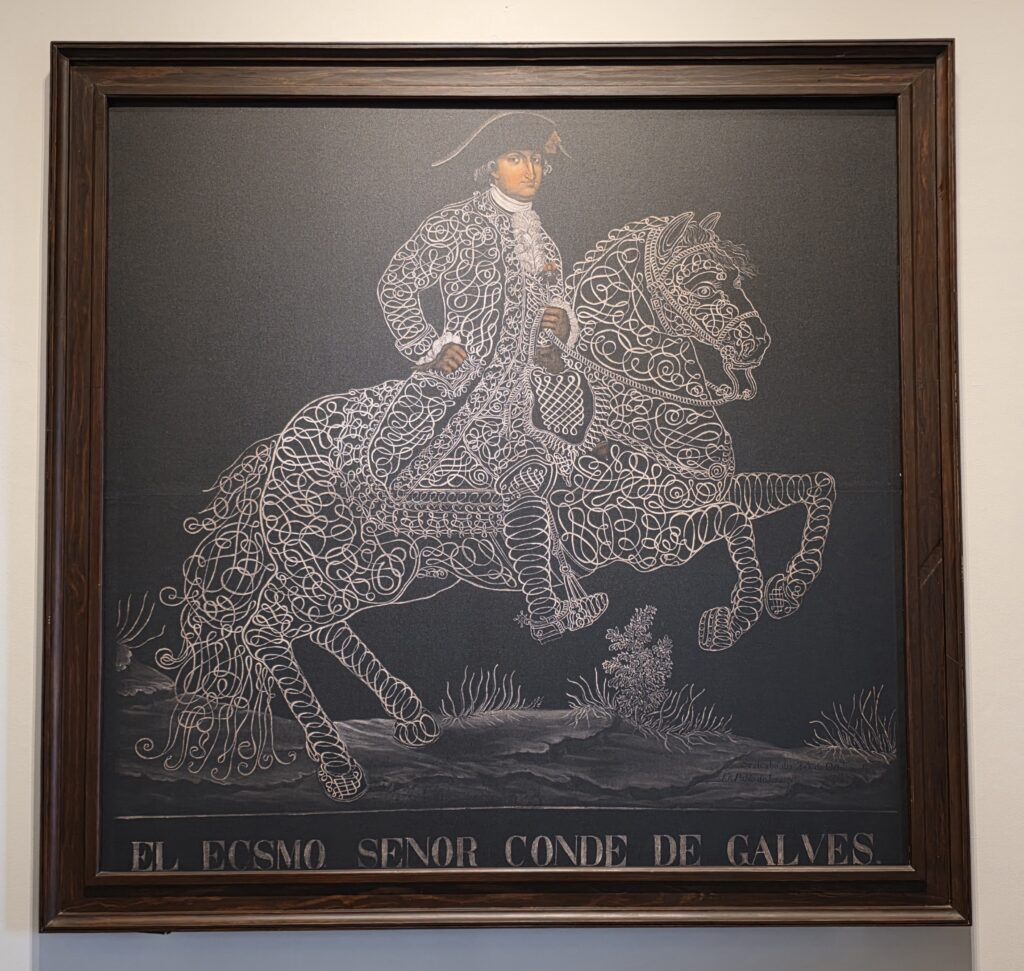
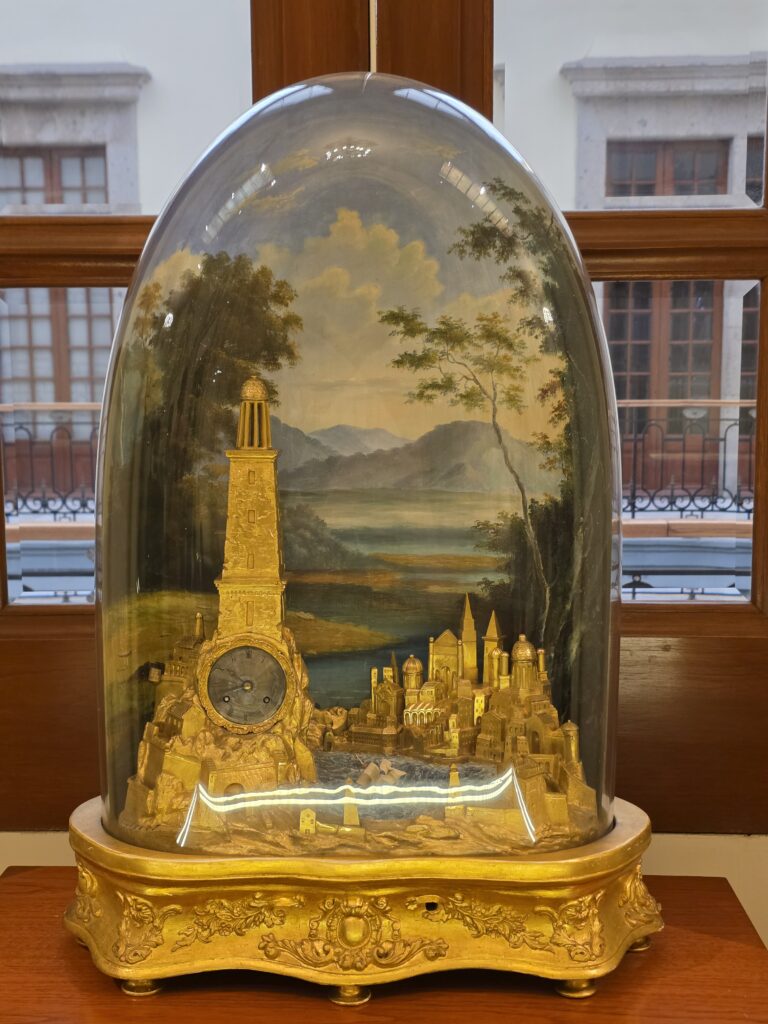
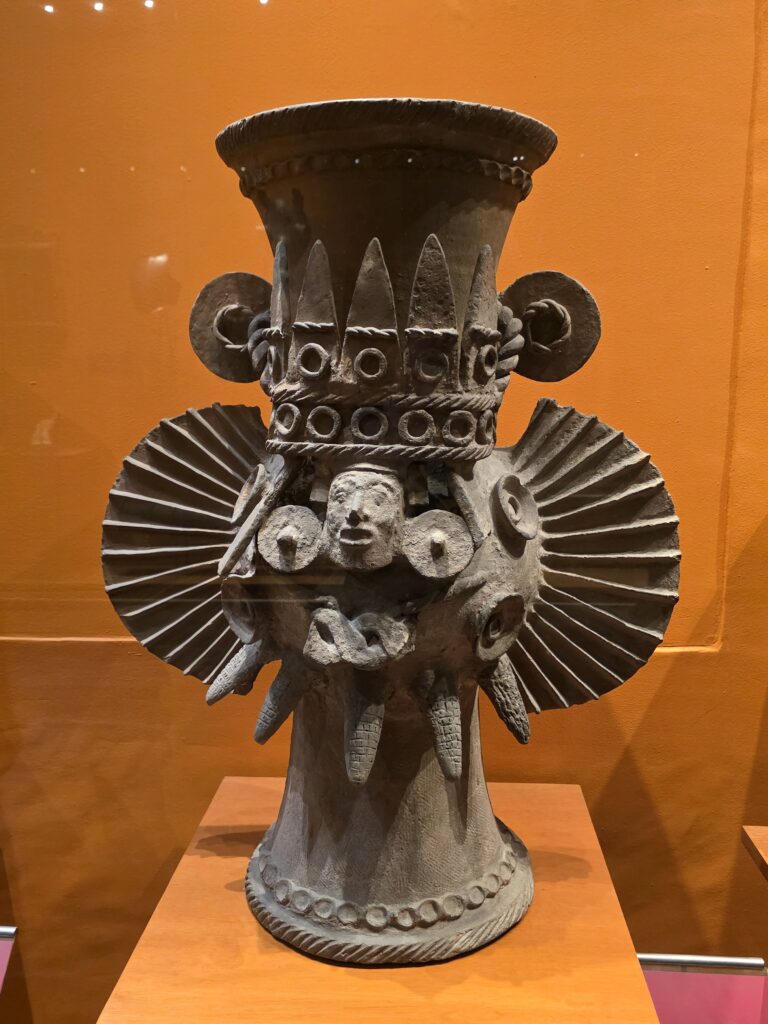
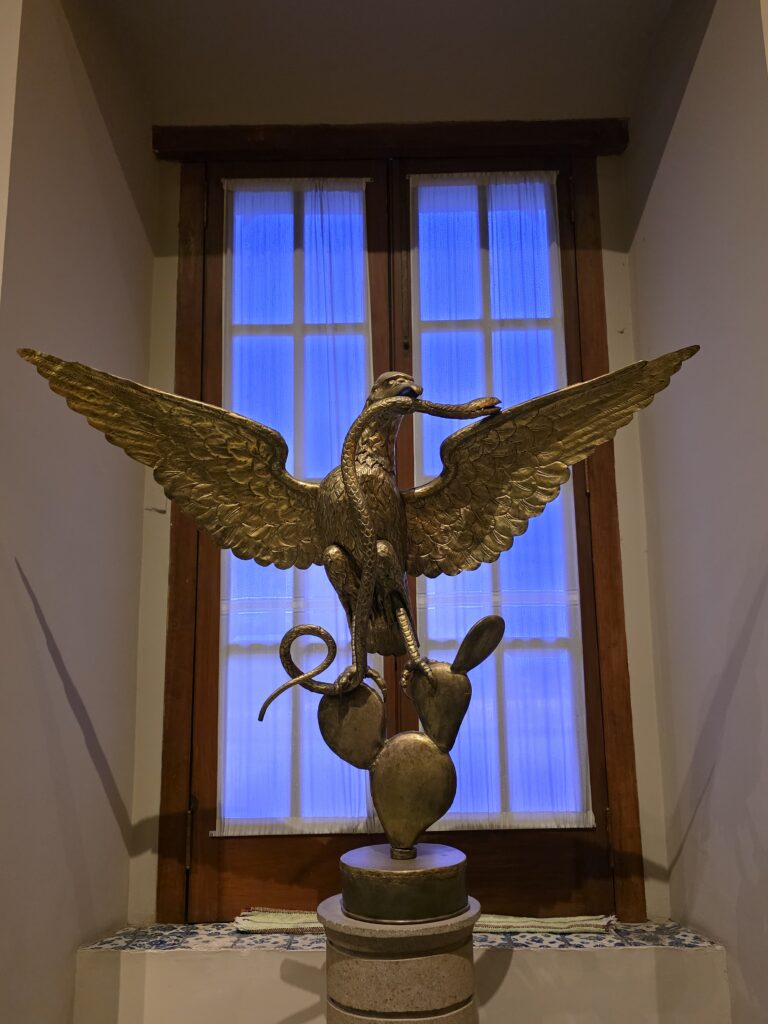
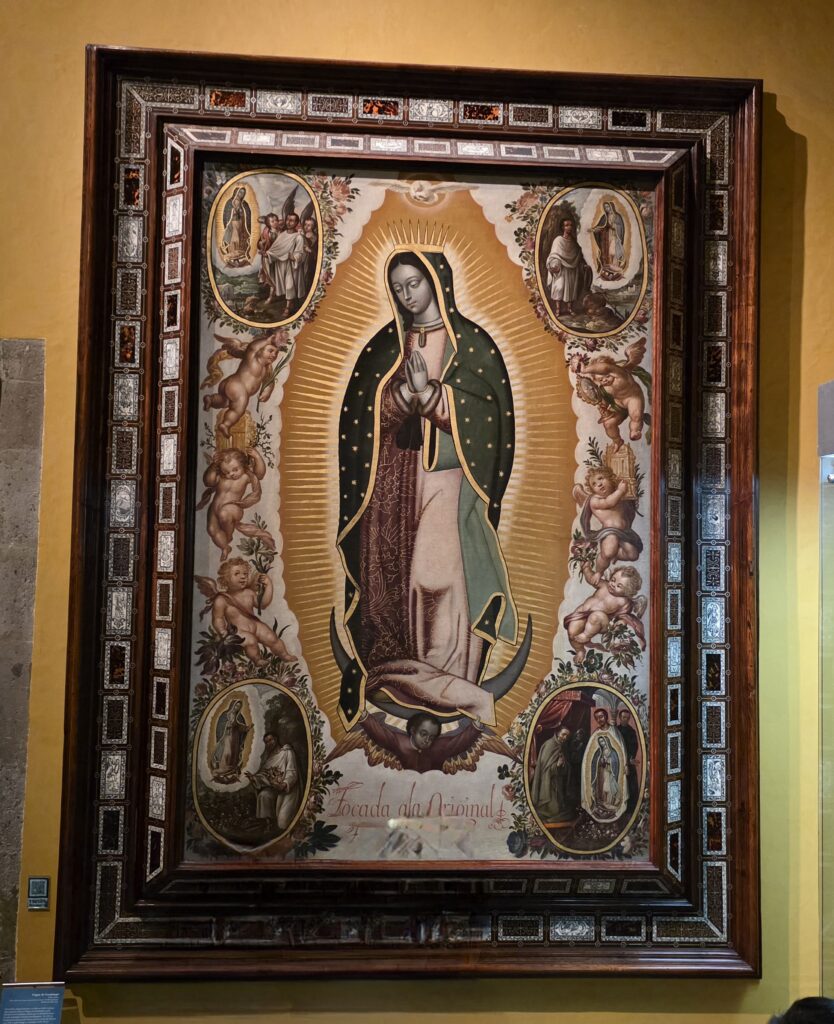
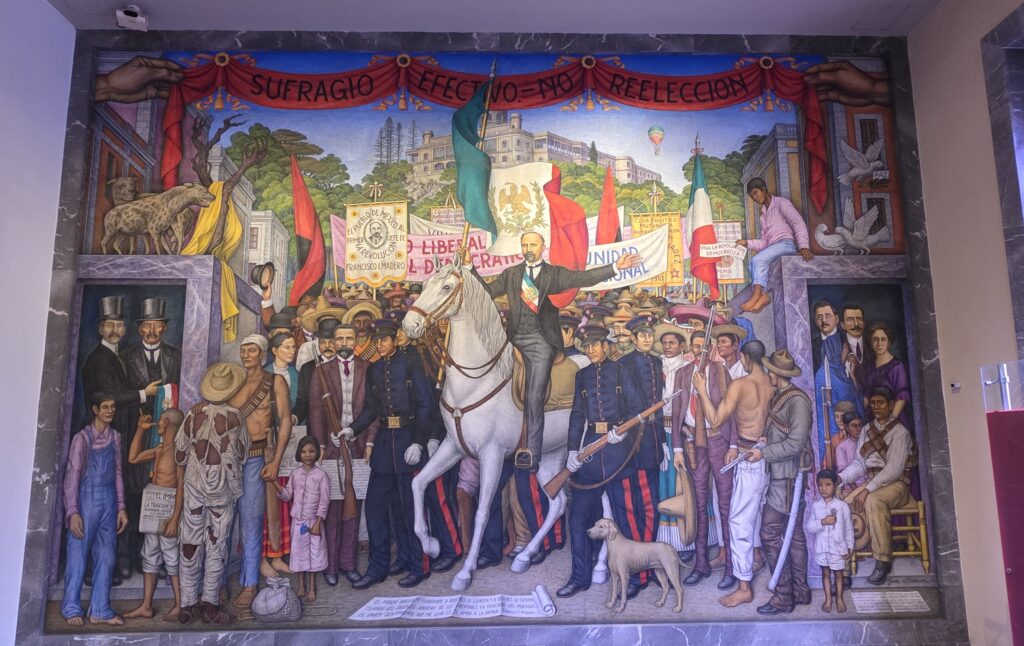
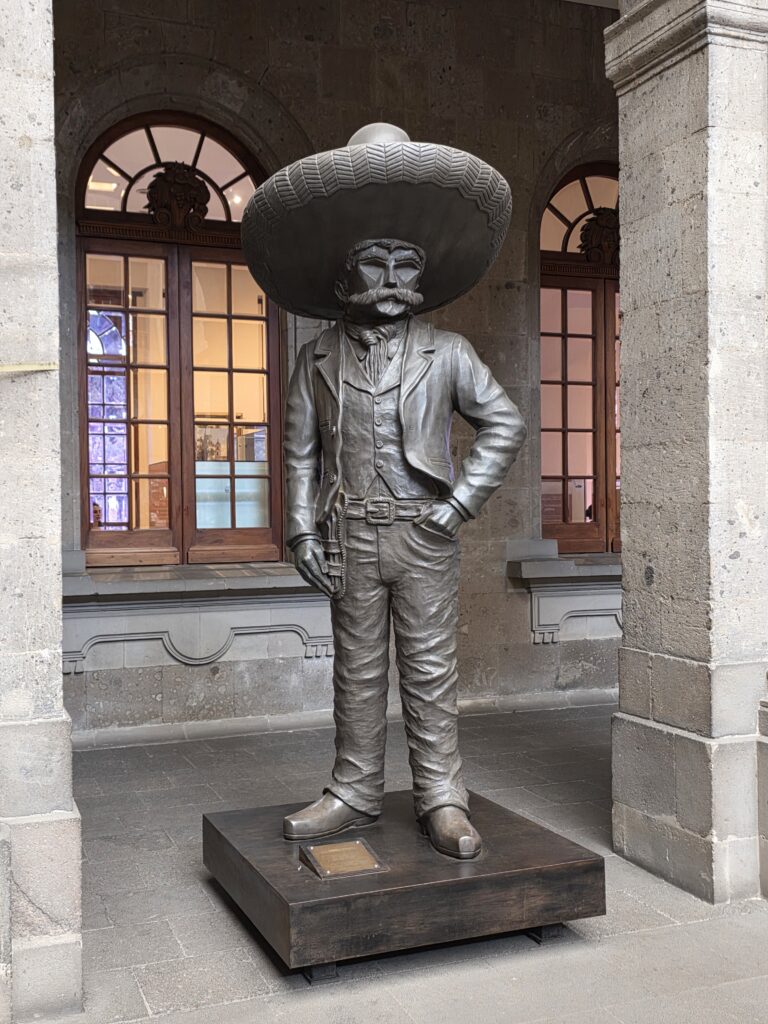
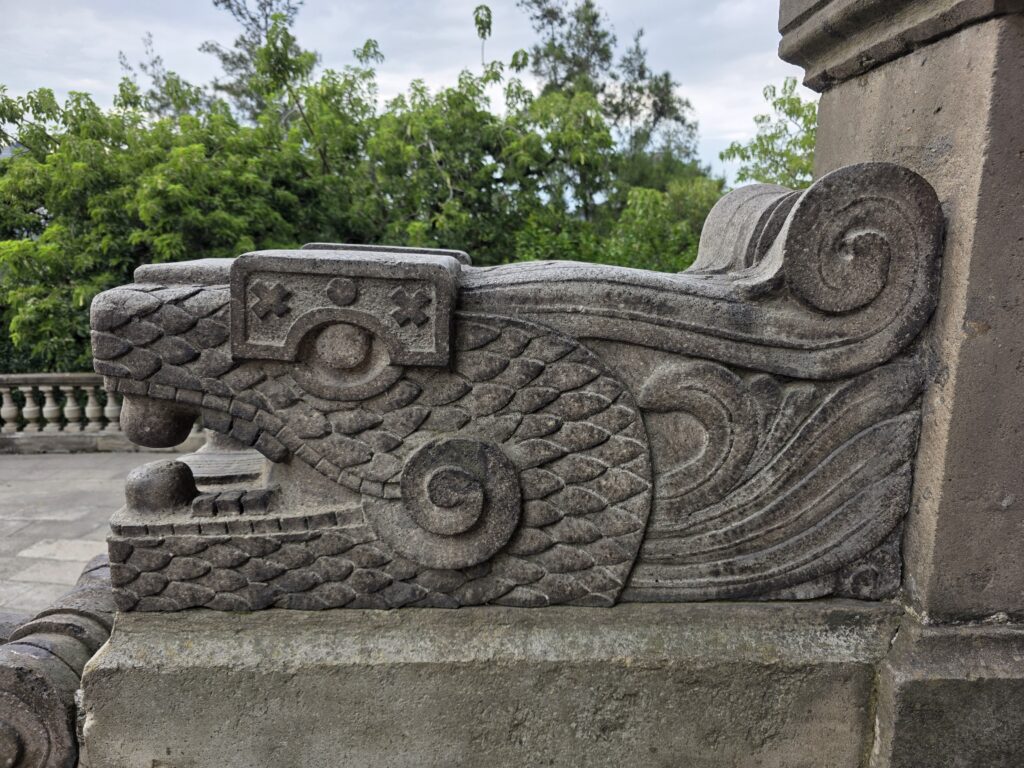
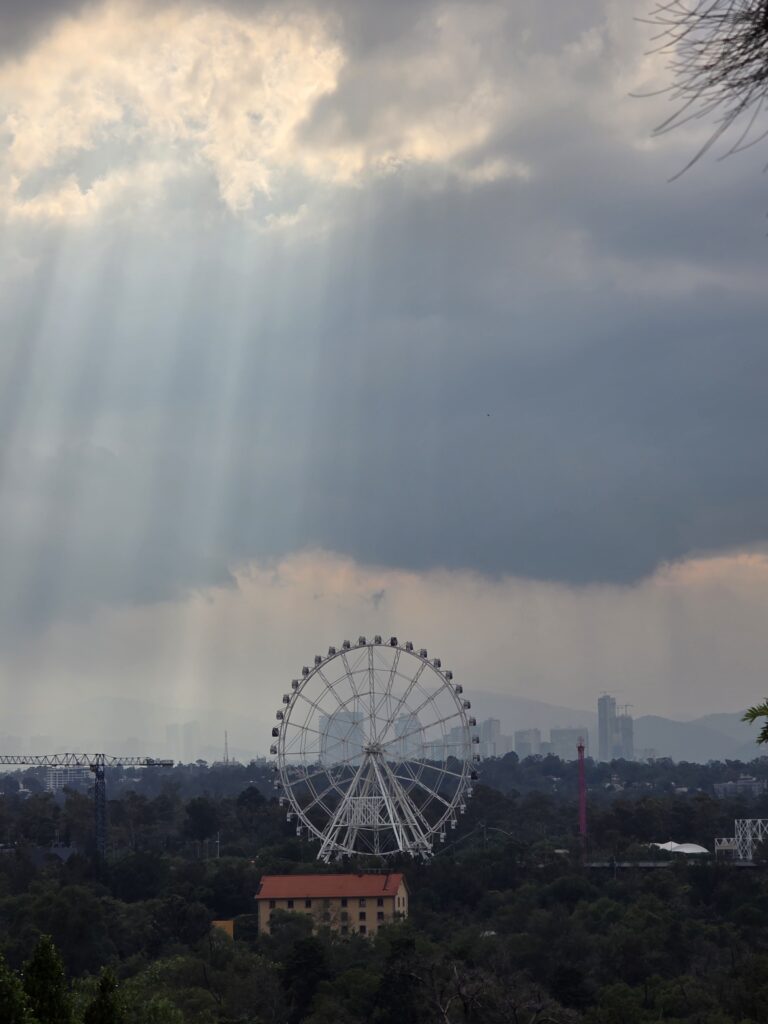
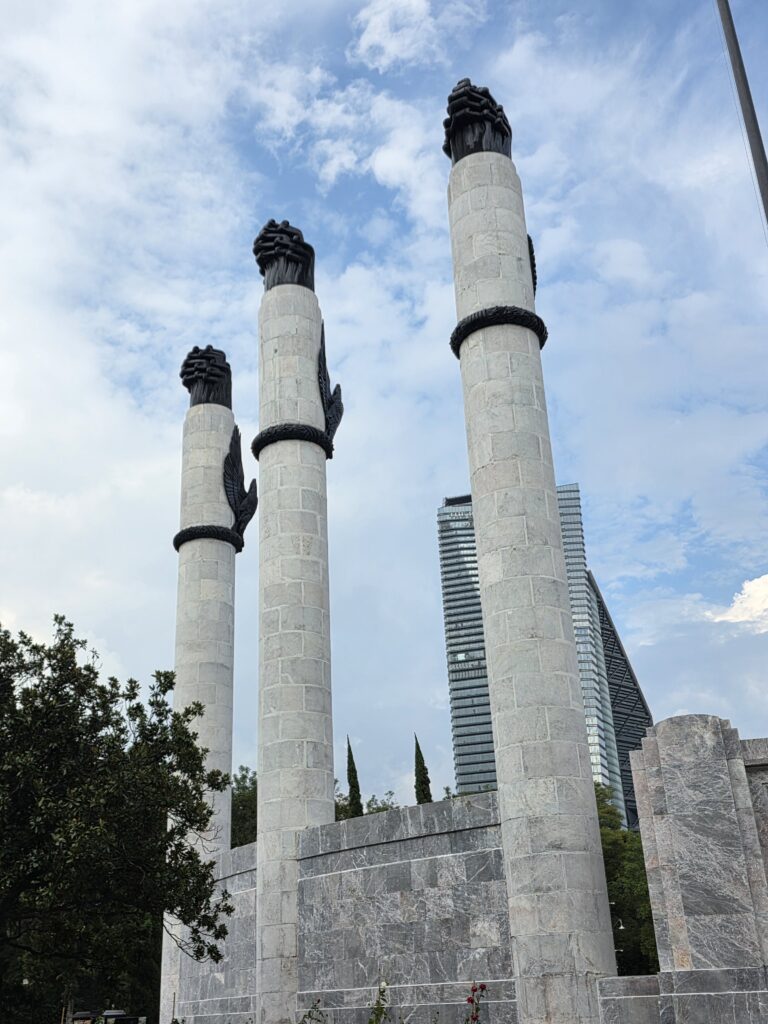
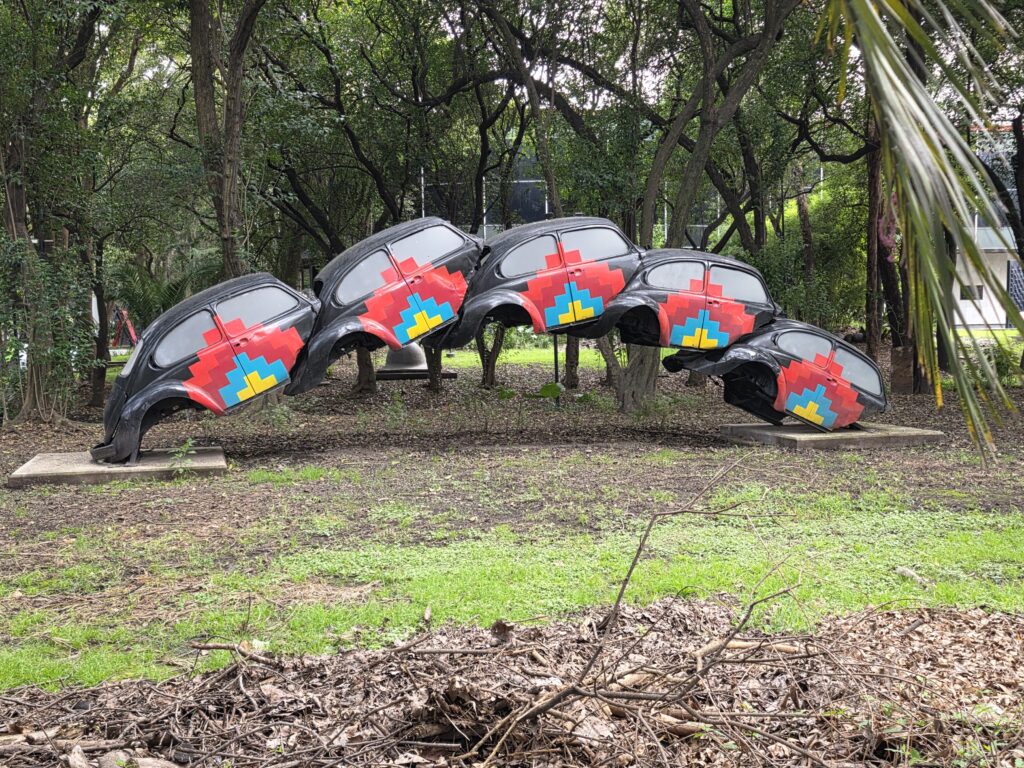
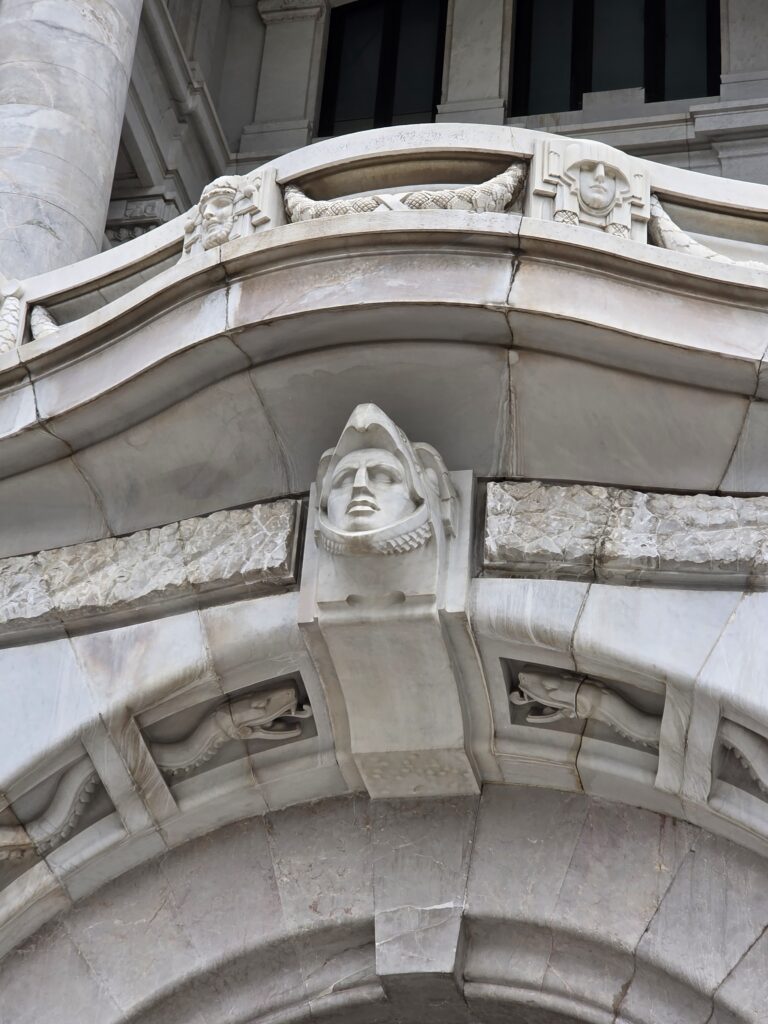
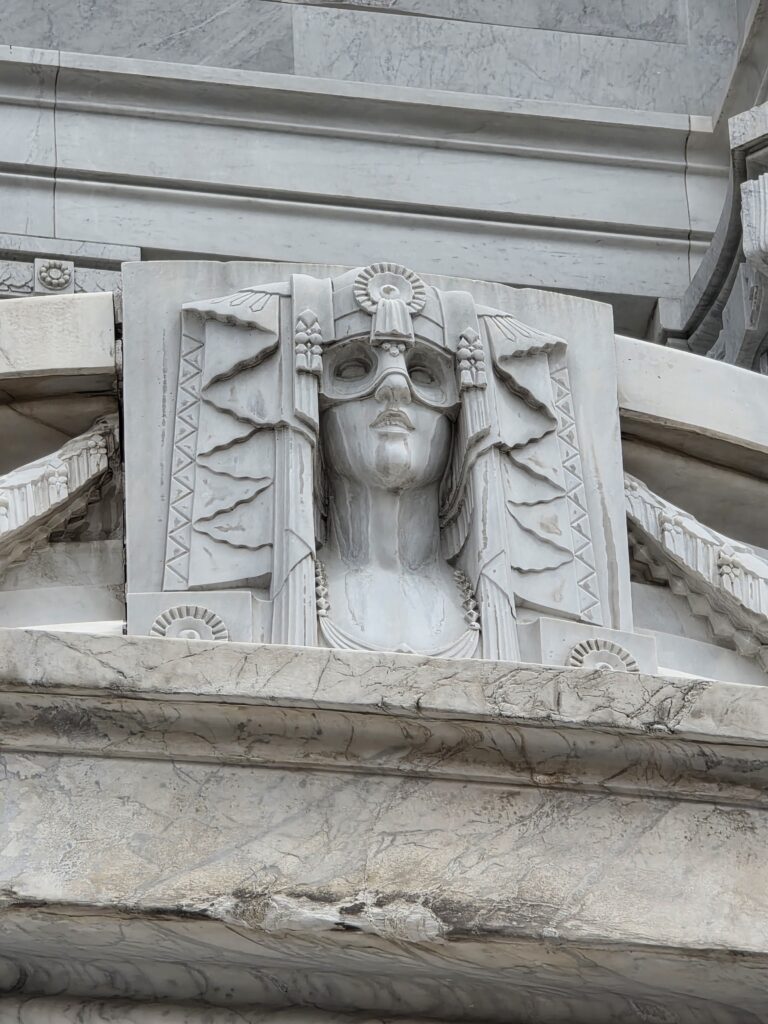
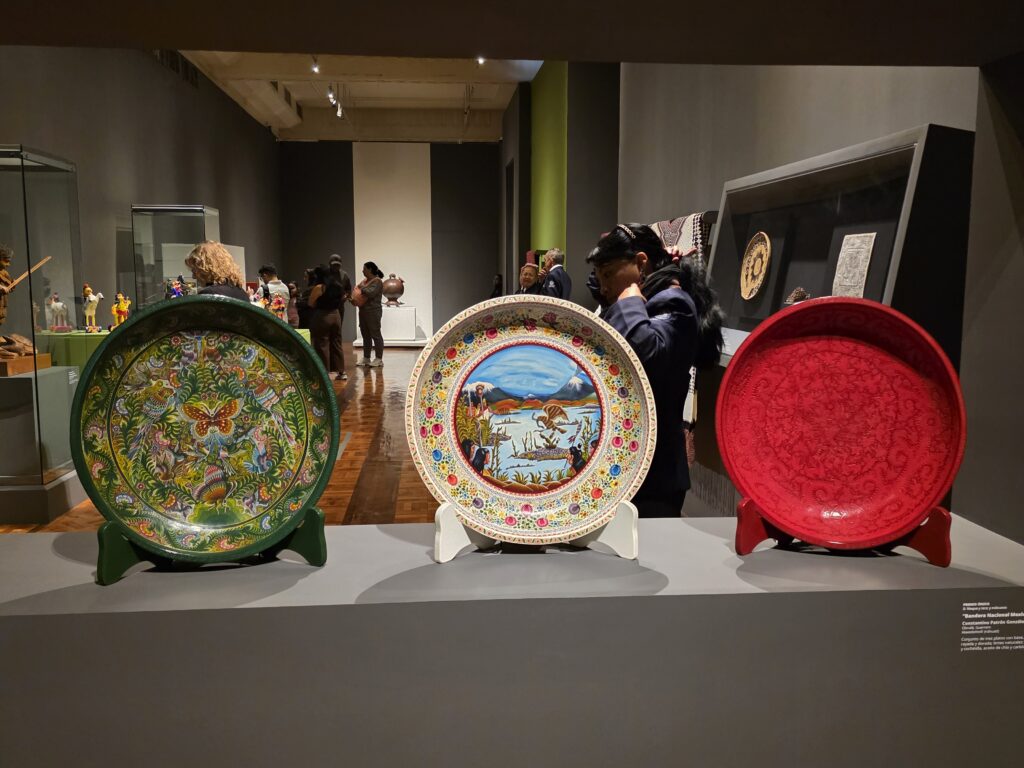
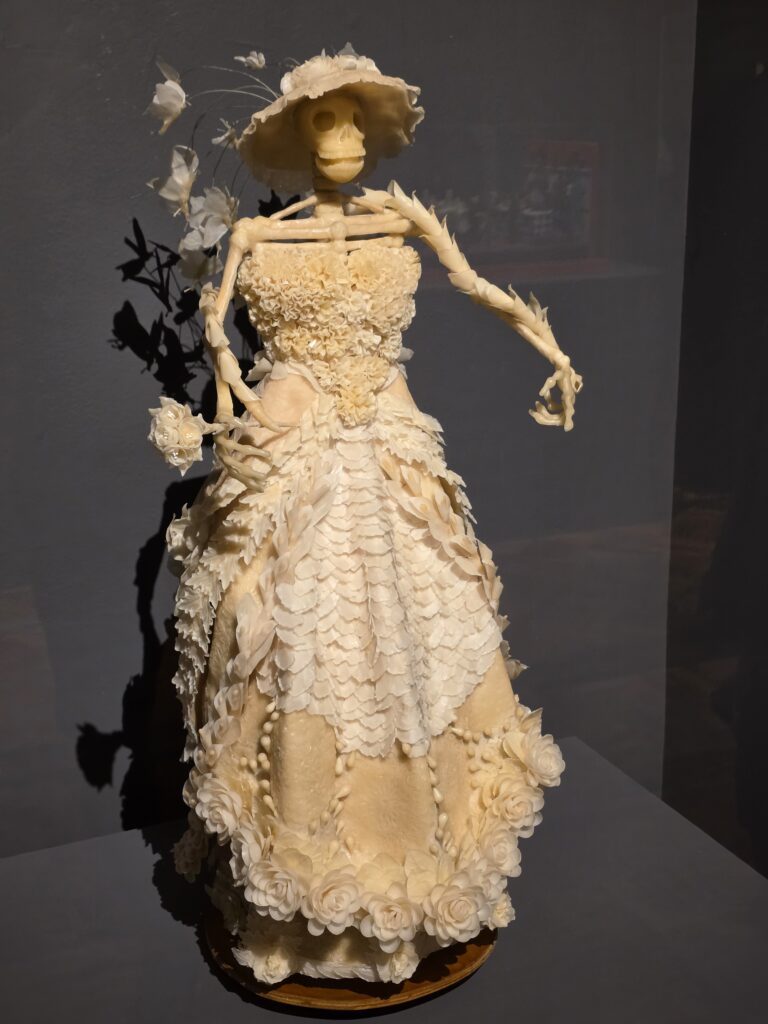
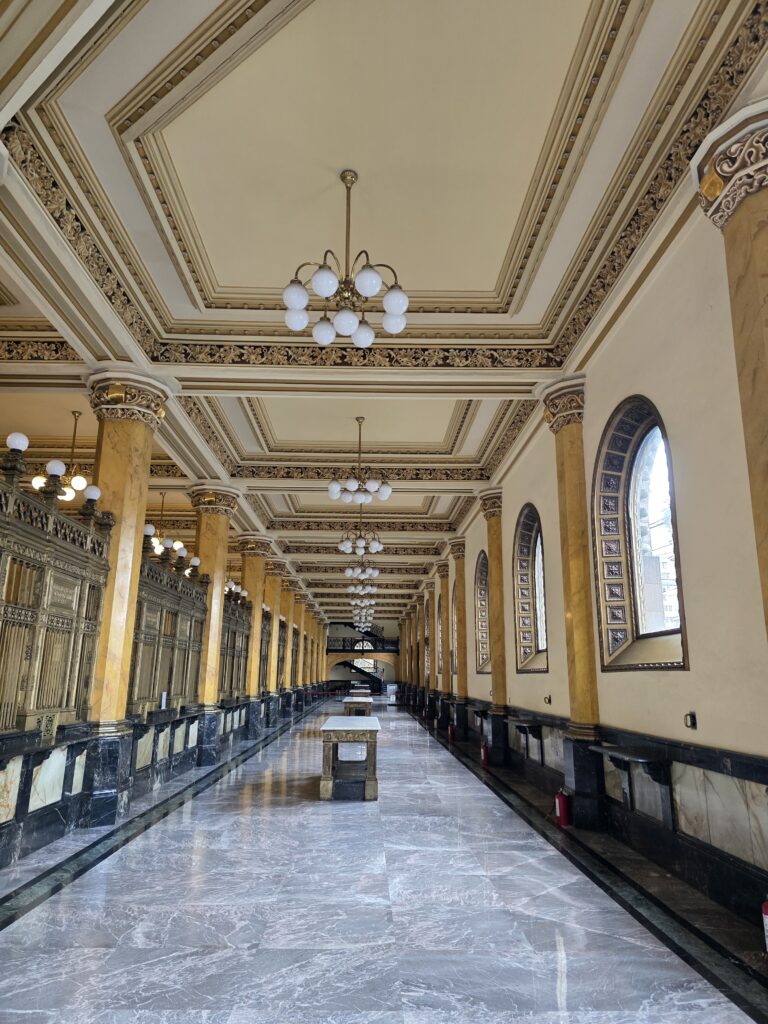
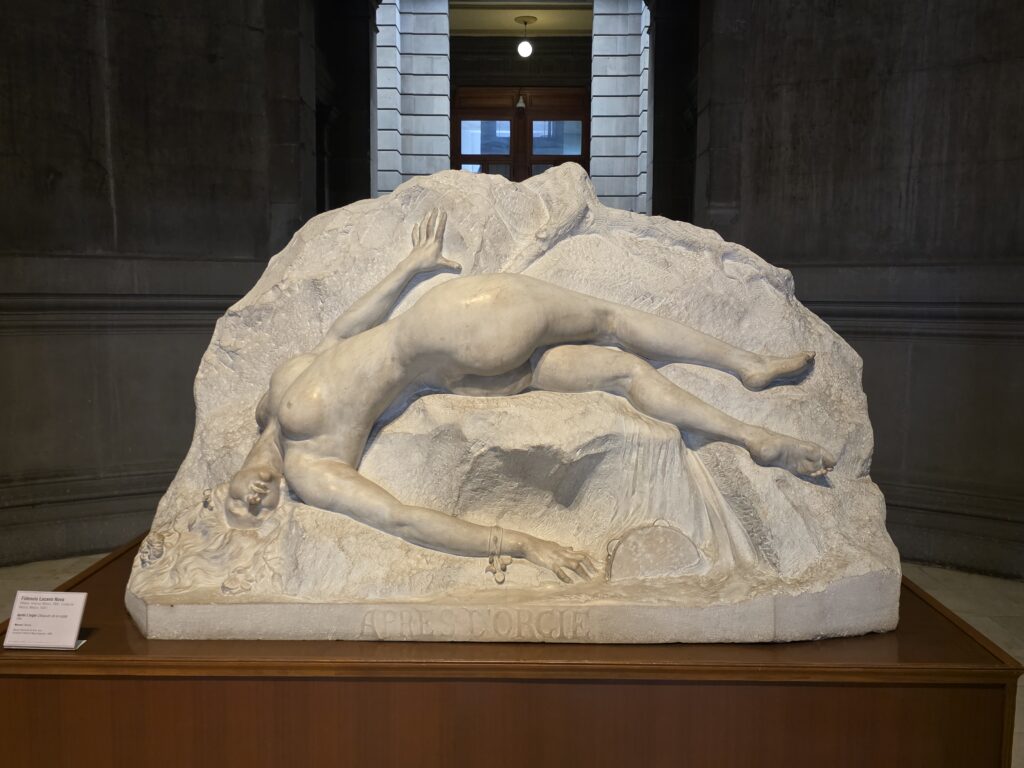
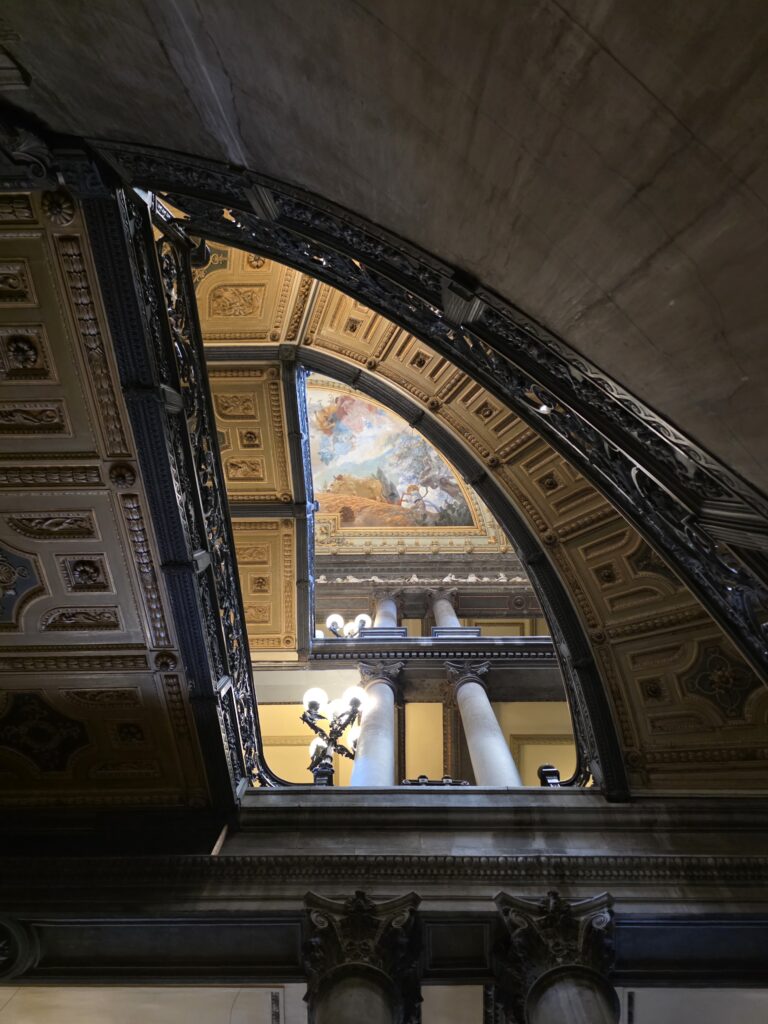
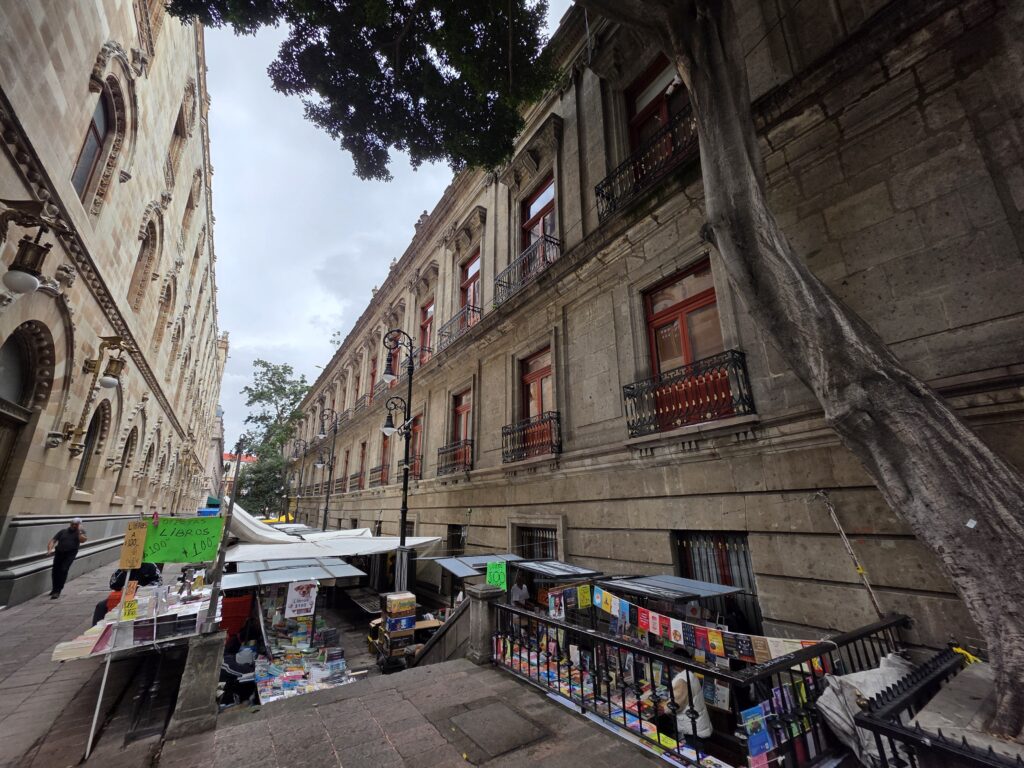
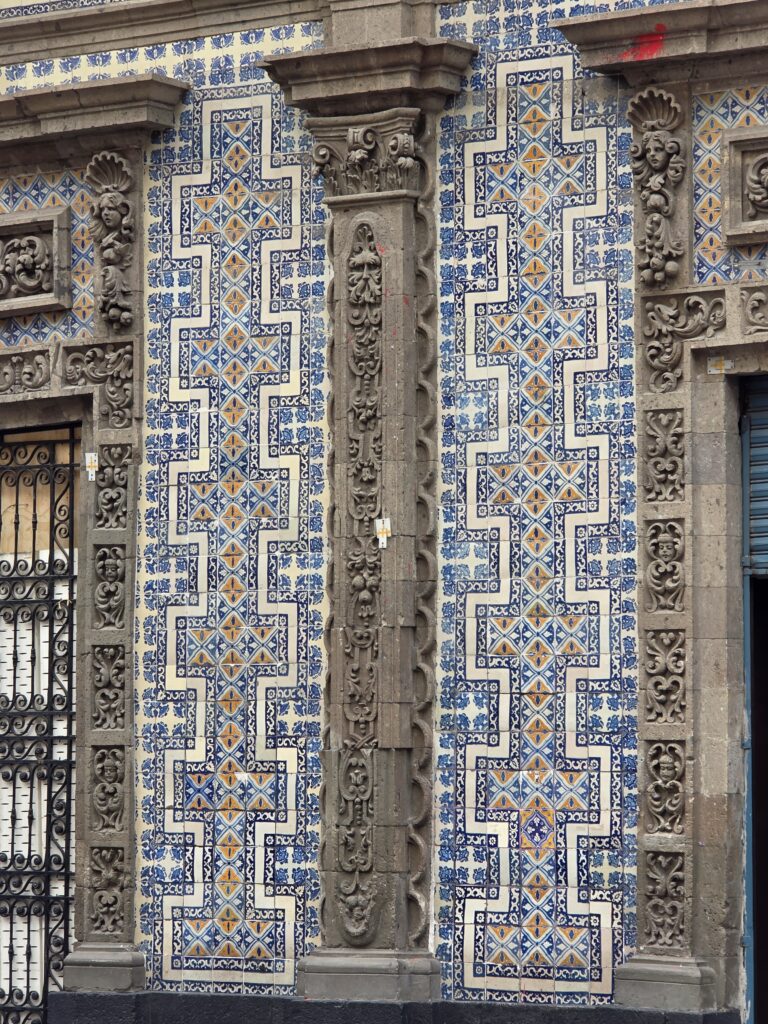
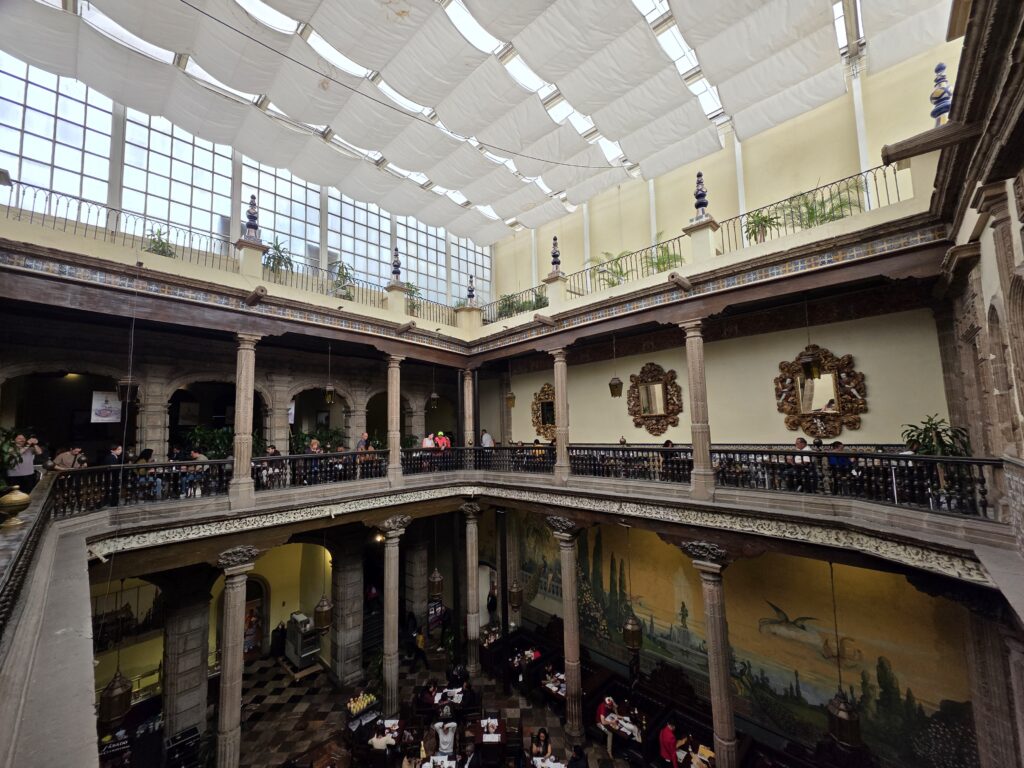
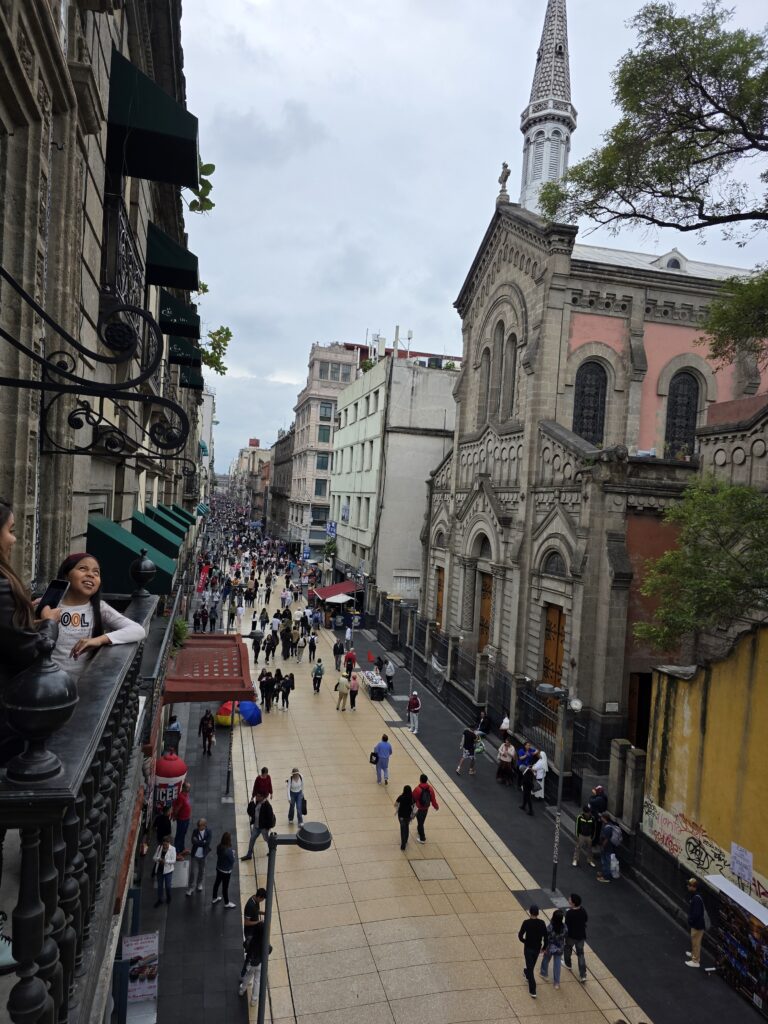
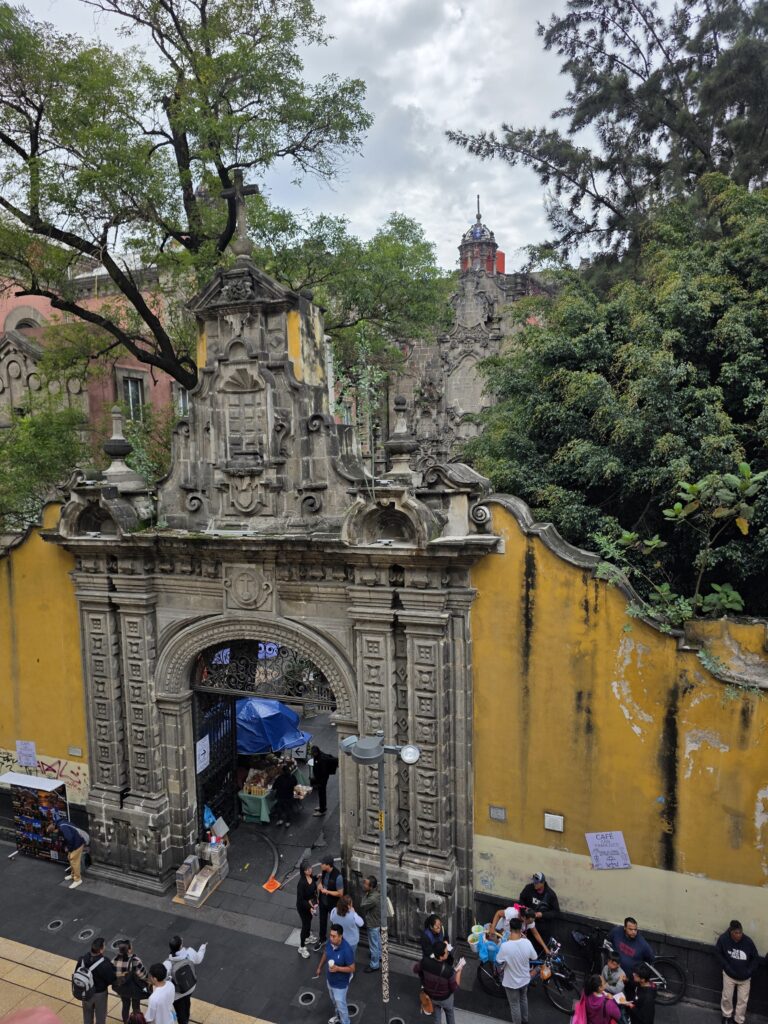
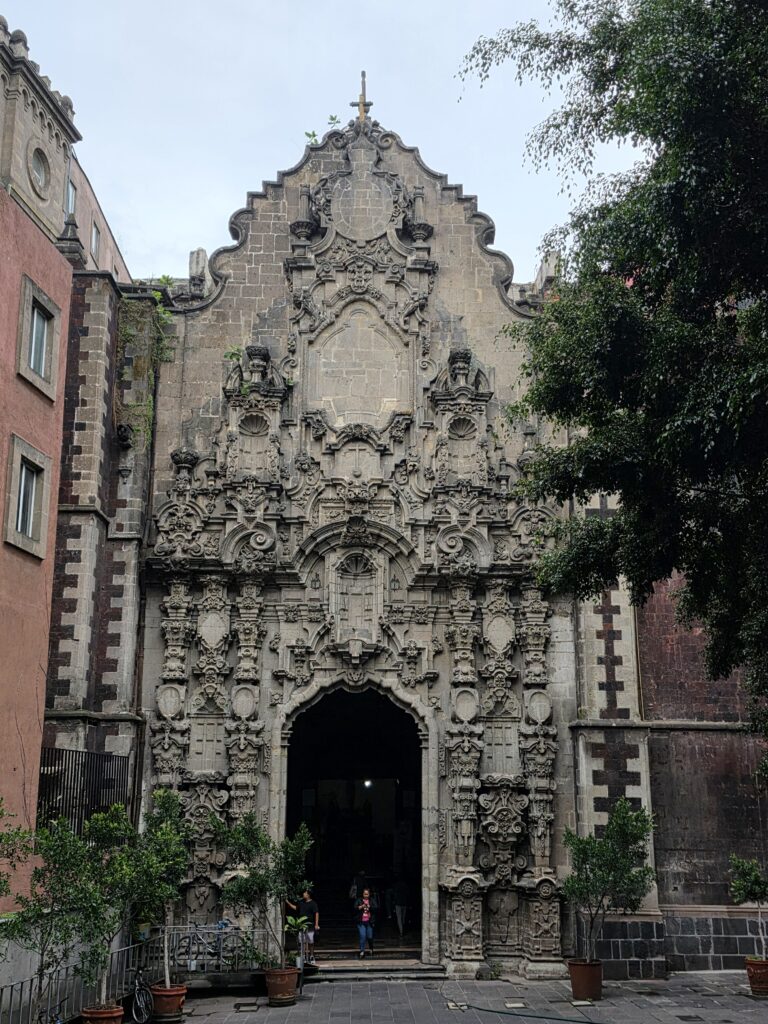
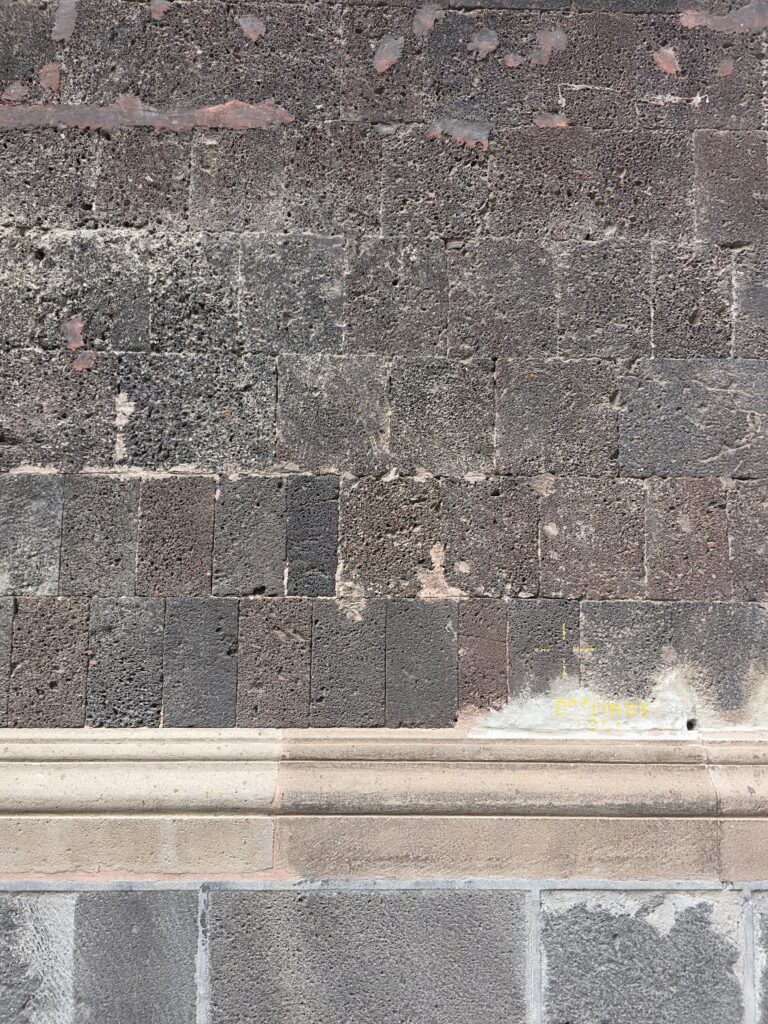
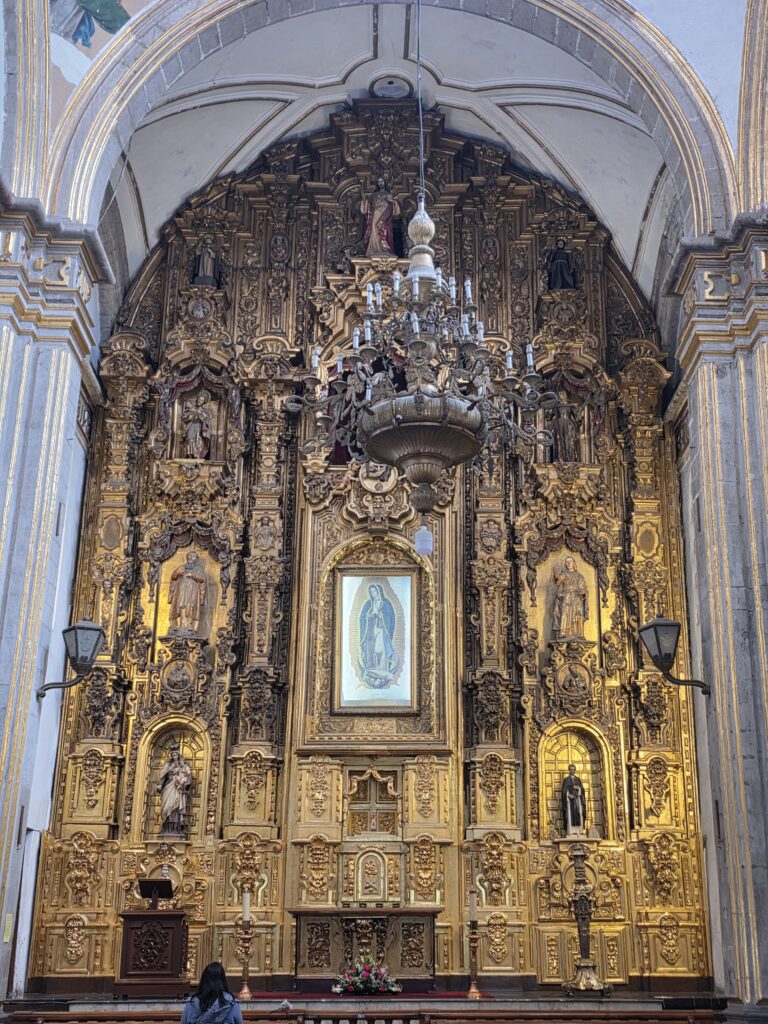
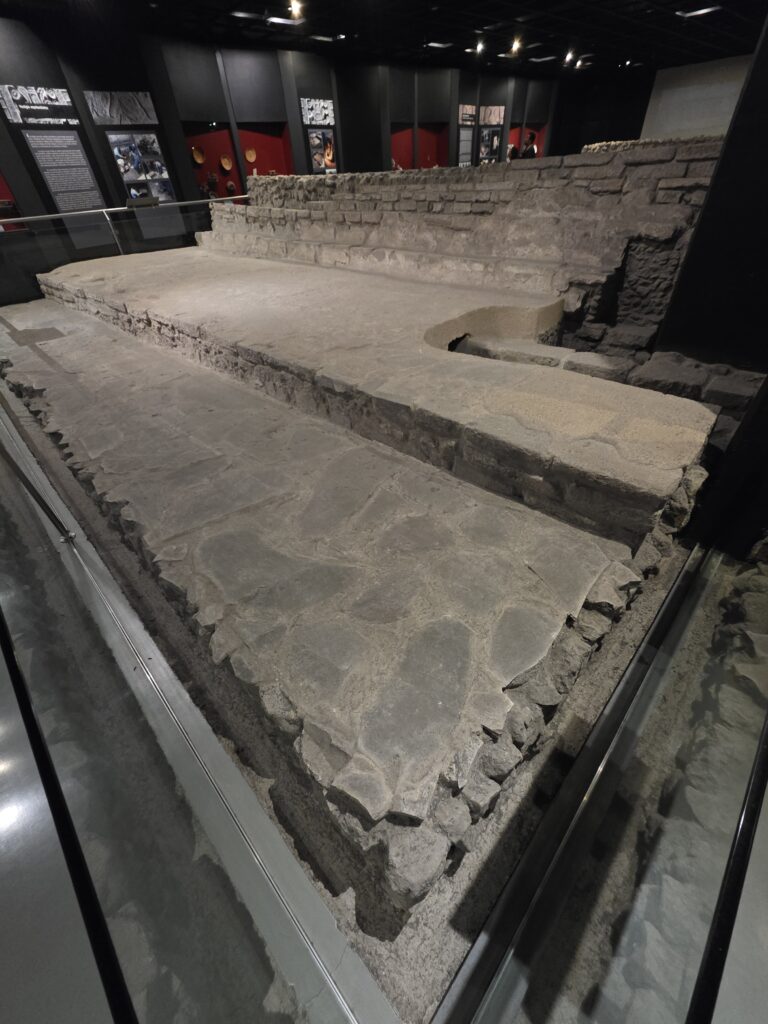
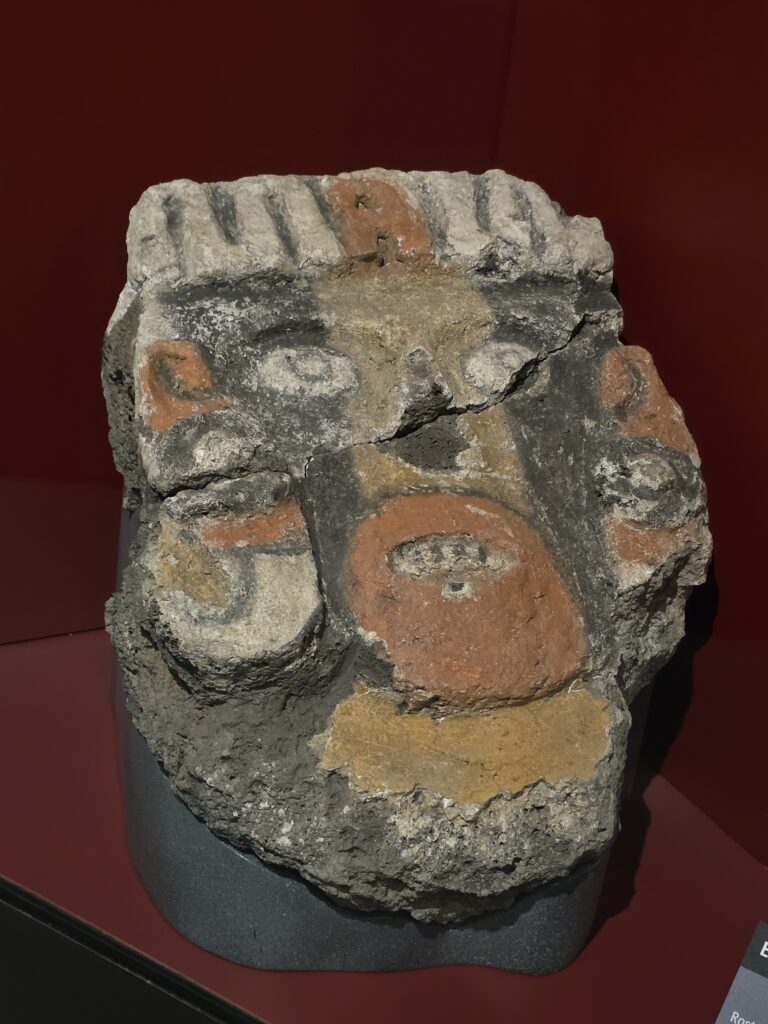
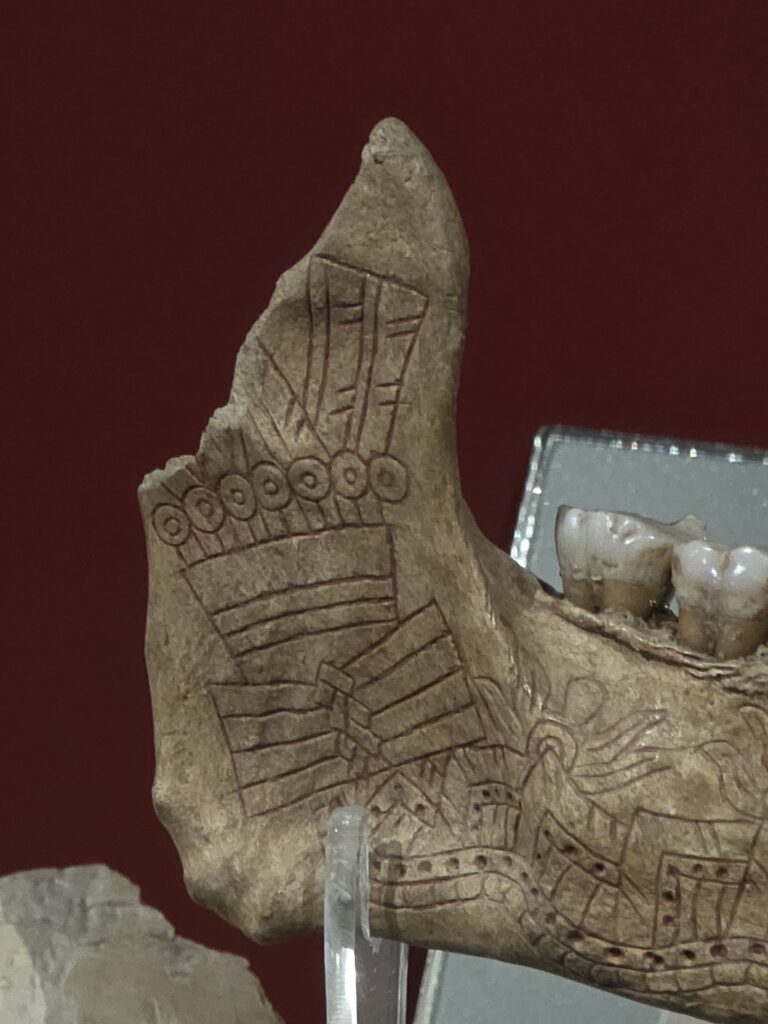
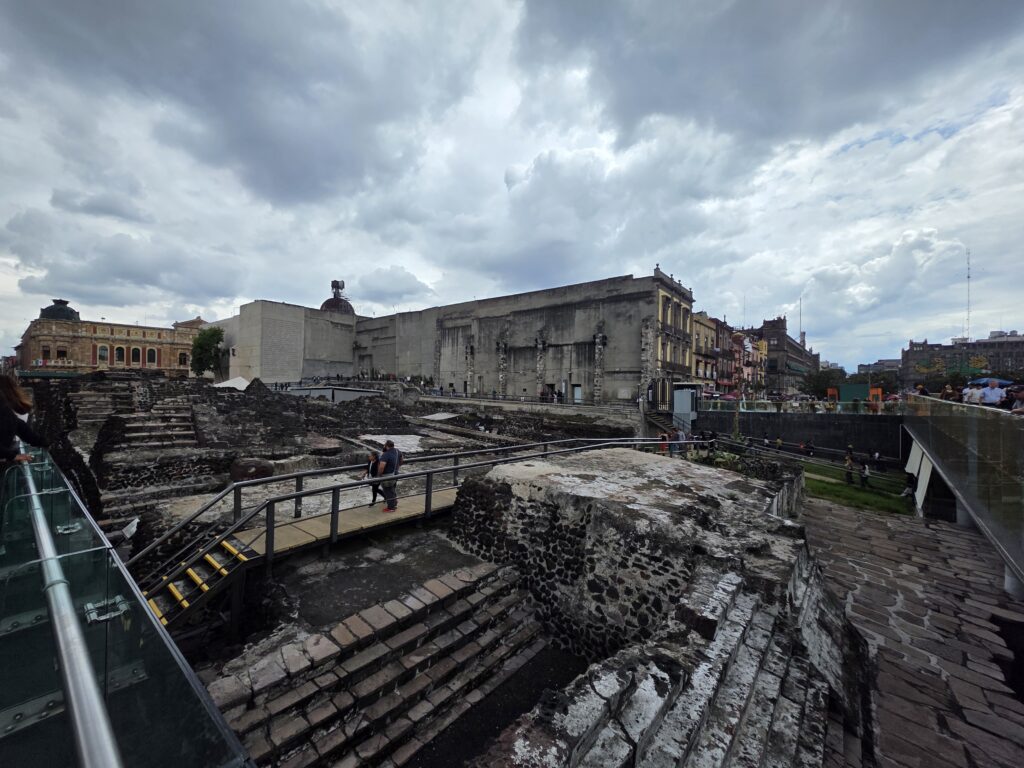
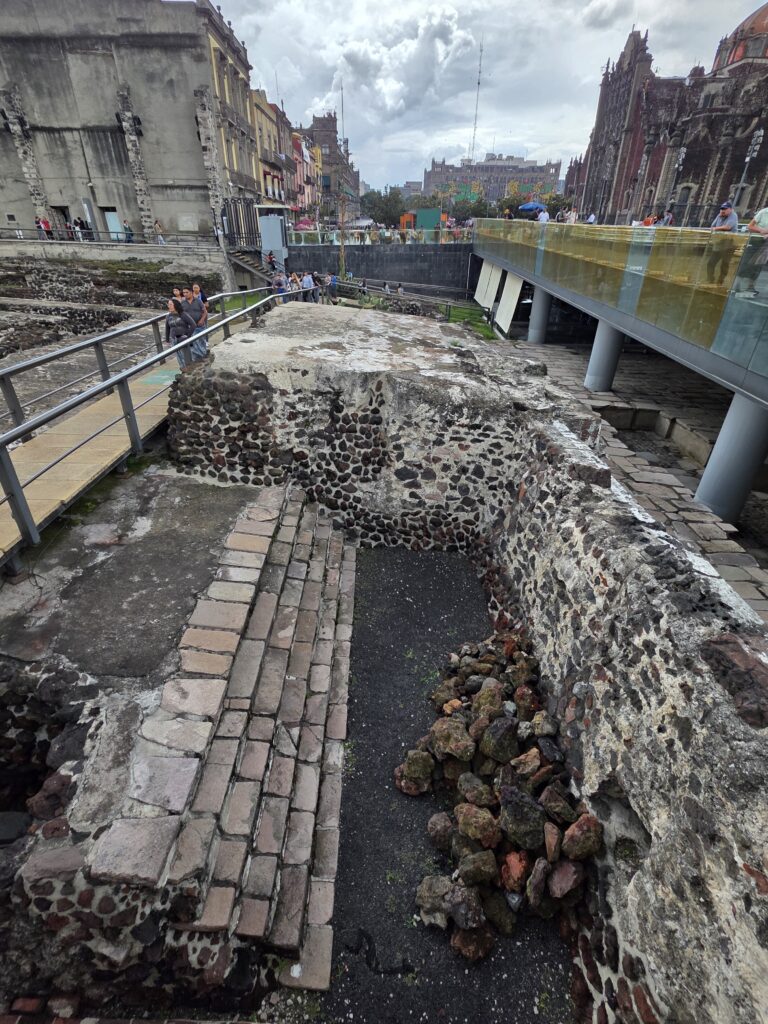
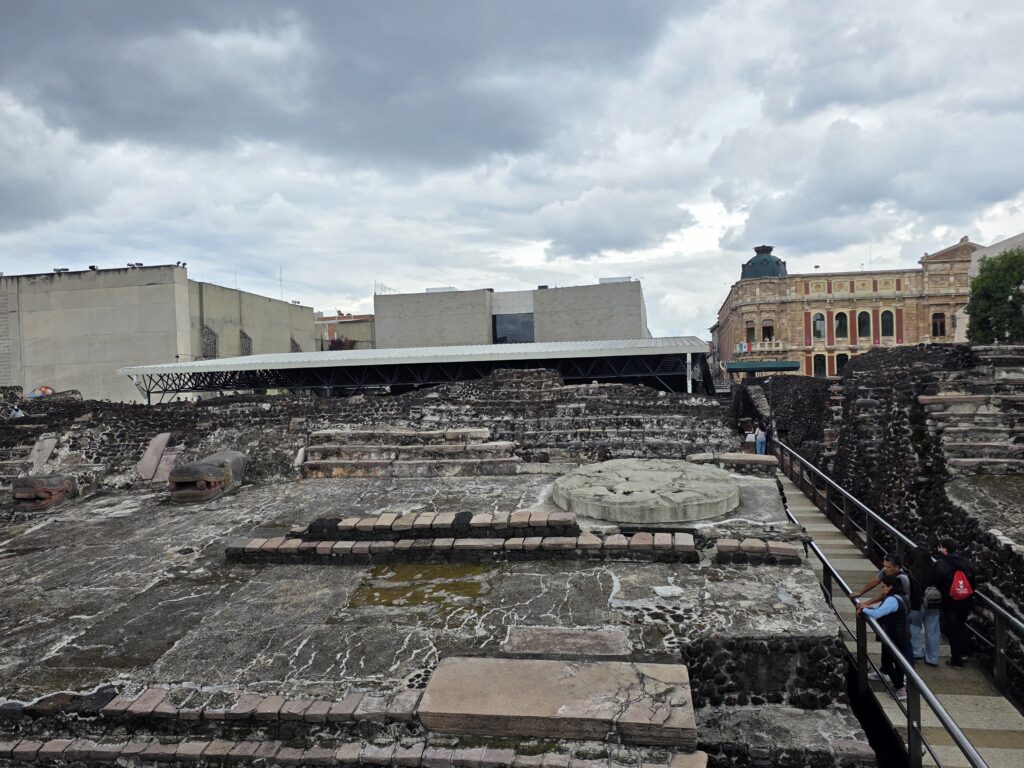
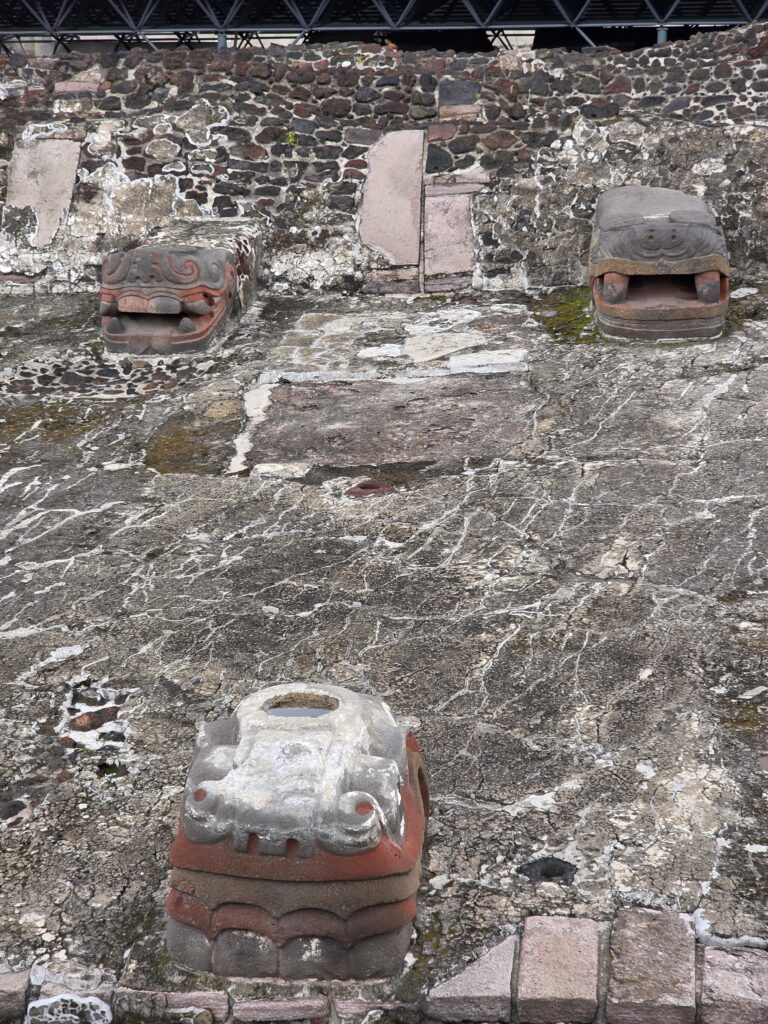
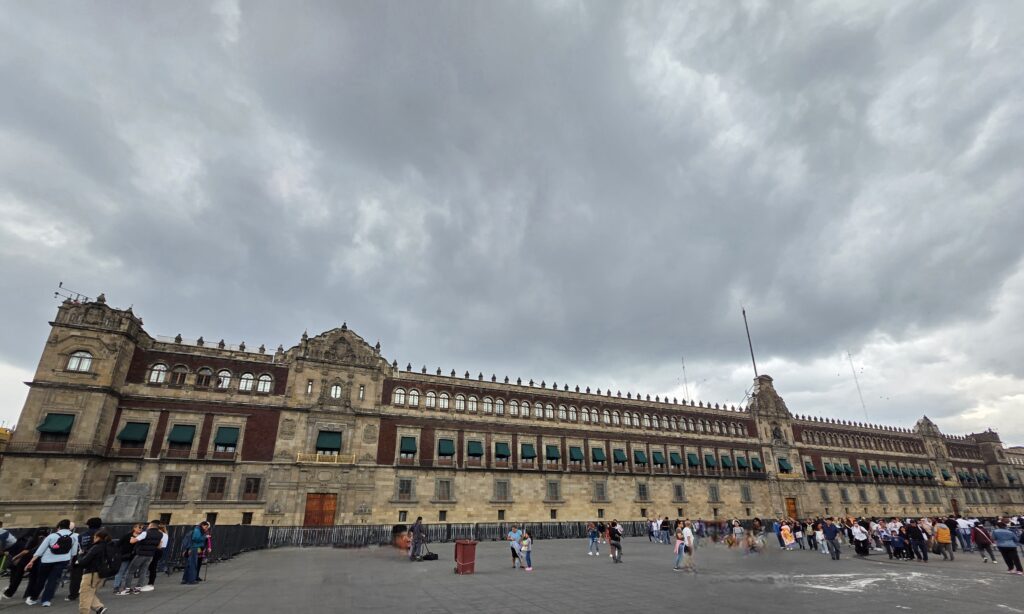
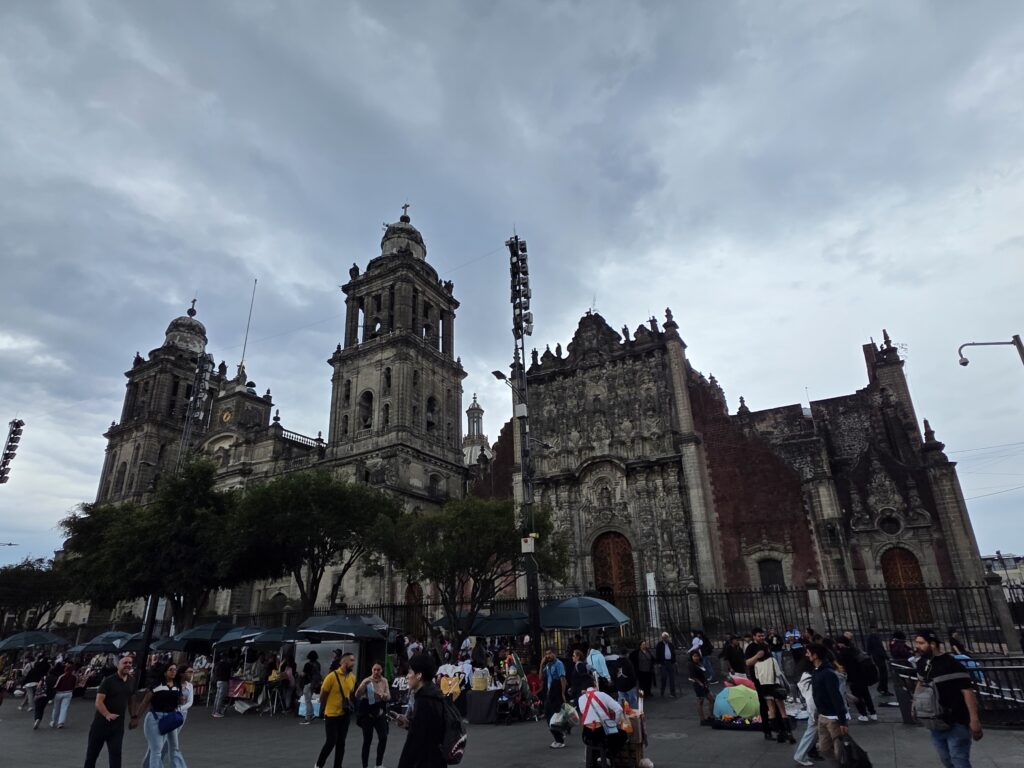
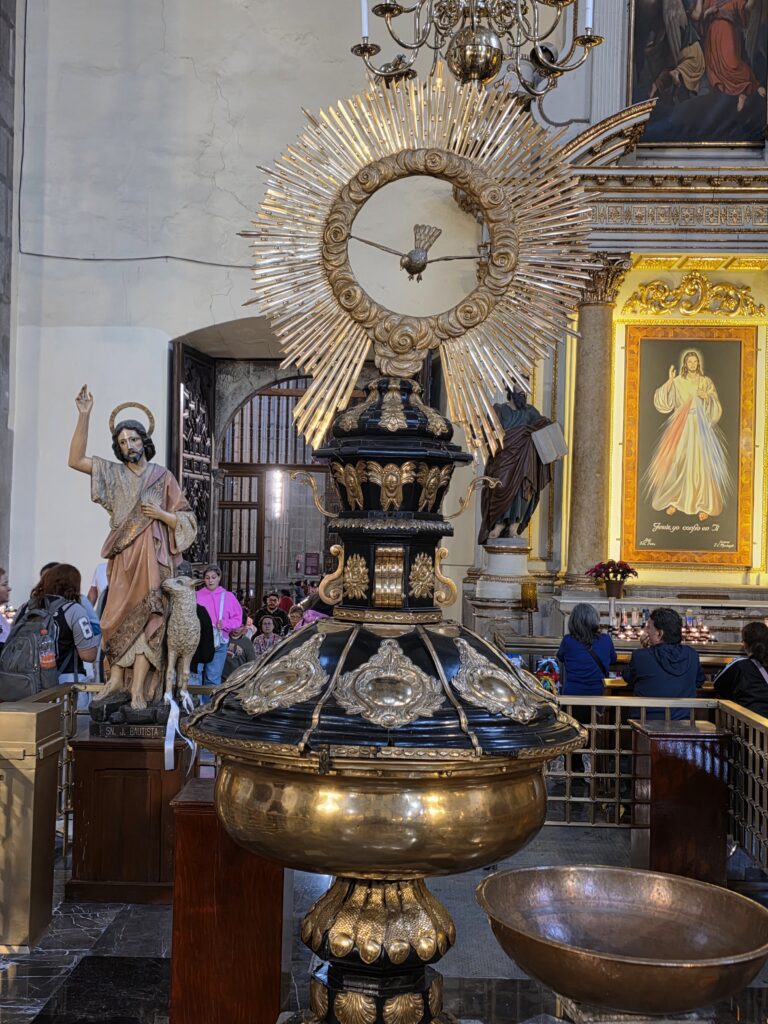
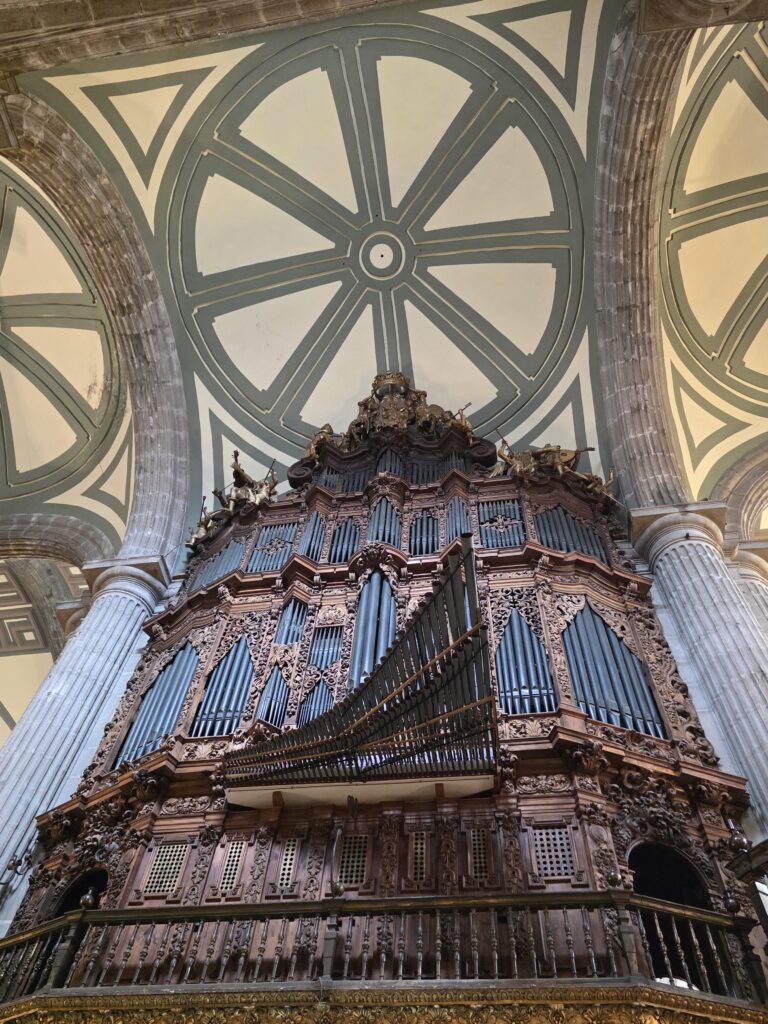
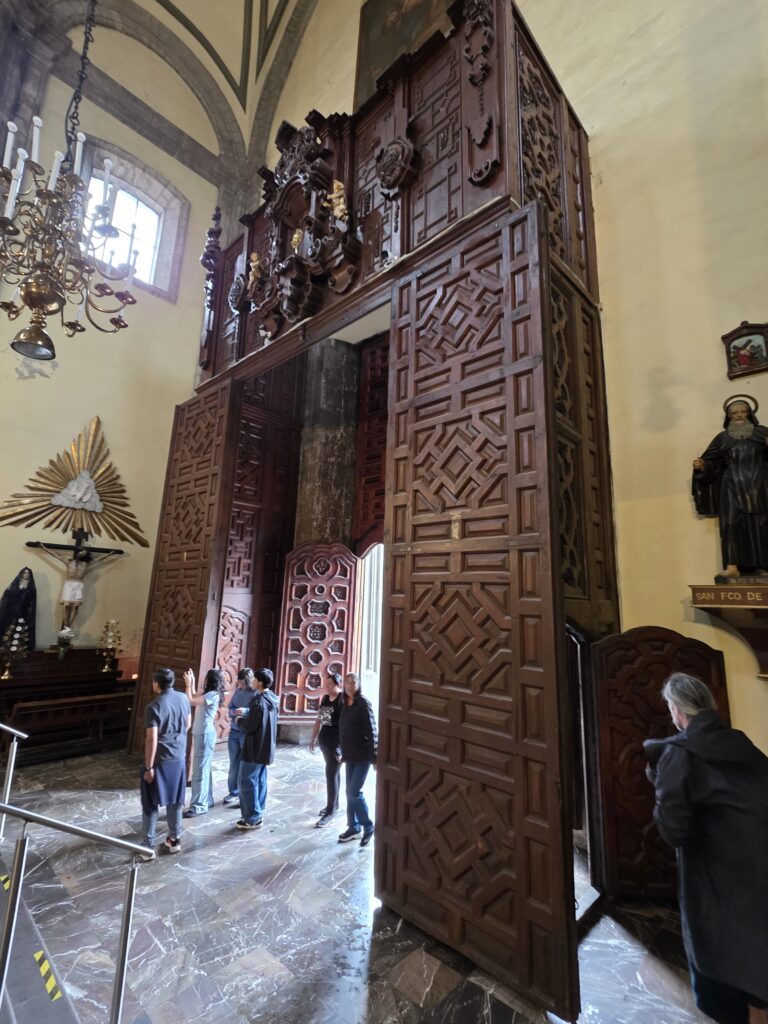
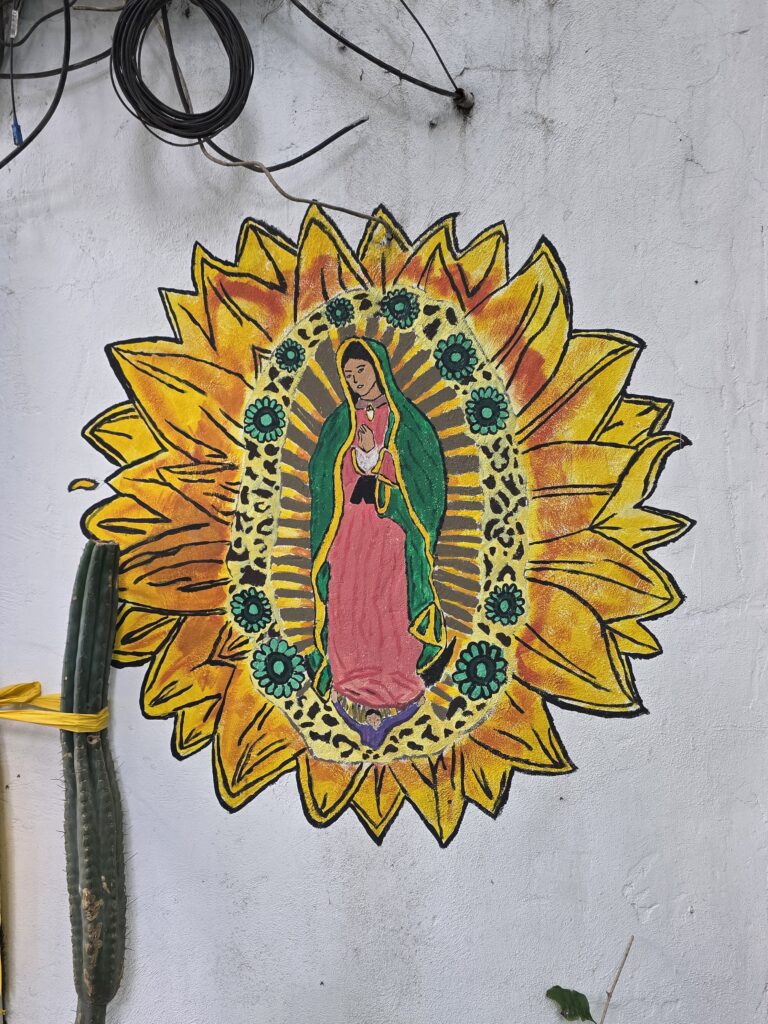
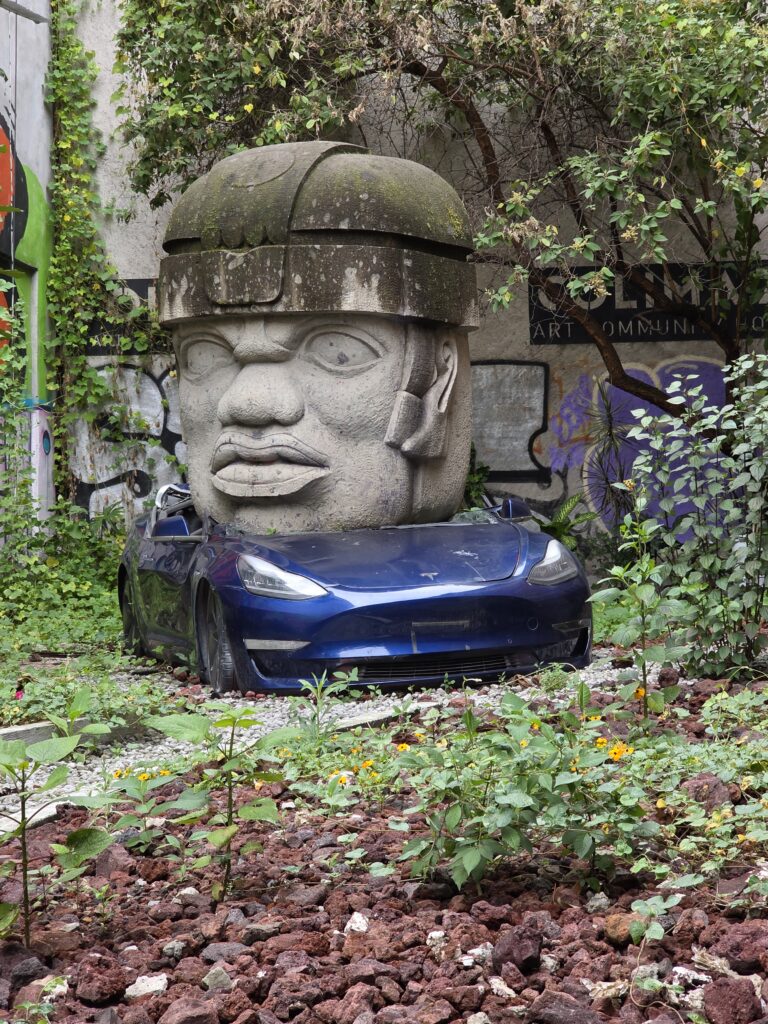
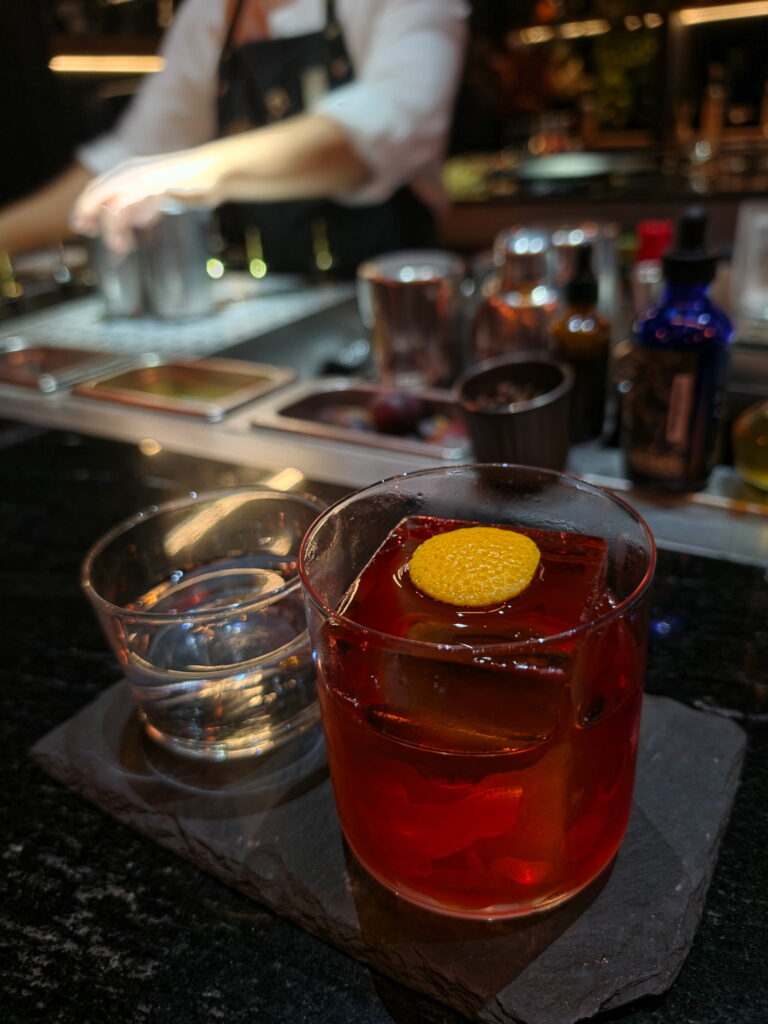
Our amazing tour guides teaching us about Lucha Libre.Our amazing friends from Georgia! We were given these masks as our “free” gift and they were quite a hit!It was hard to not feel the energy once we were inside the arena. Can you tell? The opening bout or “lucha”.I only took videos of the female championship match so here are a couple screenshots. That is Persephone in green. She is the reigning female champion for the CMLL, which stands for Consejo Mundial de Lucha Libre, which translates to World Wrestling Council. You can see her on Antoni’s “Best of the World” episode in Mexico City. One of the many beautiful pedestrian boulevards in our neighborhood of Condesa. On our way to Bosque de Chapultepec (Chapultepec Park).Great-tailed Grackle. “Baños de Moctezuma (Moctezuma’s Baths) are a pre-Hispanic stone water reservoir and hydraulic structure located in the First Section of the Bosque de Chapultepec in Mexico City. Original Purpose: Built in the 15th century (part of an ancient system designed with help from figures like Nezahualcóyotl), the stone basin was actually a water storage container and spring-fed distribution box (caja de agua) that supplied fresh water to nearby fields, estates, and eventually colonial-era haciendas like La Condesa”“Tribuna Monumental” which honors the Mexican Air Force’s Squadron 201 and the Mexican Expeditionary Air Force that fought on the Pacific front during WWII.”This is an outdoor stone grotto shrine dedicated the Virgin of Guadalupe (Our Lady of Gudalupe) in Bosque de Chapultepec.“Fuente de la Templanza” Feel free to read more about the history of this fountain here: https://mexicocity.cdmx.gob.mx/venues/fuente-de-la-templanza/First views of Chapultepec Castle from below. A beautiful Angel’s Trumpet tree. Taking in the views as we hike up to the castle. This is Aztlán Feria de Chapultepec. One of the biggest Mexican Flags I’ve ever seen! Located at Campo Marte. The intricately designed gates to the entrance of Chapultepec Castle.Chapultepec Castle.Another grand entrance. “Juárez, símbolo de la República frente a la Intervención francesa” (Juárez, Symbol of the Republic Against the French Intervention) was painted in 1972 by Mexican artist Antonio González Orozco and is located inside of the Carriage Hall. This is the “daily-use carriage” of Emperor Maximilian I and Empress Carlota. Carriage of Emperor Maximilian of Habsburg. This room reminds me of where you can see all the “Popemobiles” at the Vatican. The details inside of Chapultepec Castle were incredible from the ceilings…to the floors. The Salón Fumador (Smoking Room).The building on the left is Chapultepec Uno R509 ( housing The Ritz-Carlton) located on Paseo del a Reforma. The building on the right is Torre BBVA which I feel looks like it has slides built in between some of the floors which, if that is in fact what they are, is simultaneously amazing and terrifying! The pillars in the foreground are the Altar a la Patria (aka El Monumento a los Niños Héroes)The statue in the middle of Paseo de la Reforma is called Monumento a la Independencia) Angel of Independence. Fuente del Chaupulin (Grasshopper Fountain. This elevator, “built and installed around 1900 during the Porfiriato era, is considered one of the first and oldest elevators in Mexico City.” This pic is for my brother-in-law. 😉This beautiful stained glass is in the Staircase of Honor. View from the upstairs. Galeria de Emplomados (Hall of Leaded Glass)Caballero Alto (High Knight).Alegoría de la Revolución Mexicana (Allegory of the Revolution) painted in 1933 by Eduardo Solares Gutiérrez.La intervención norteamericana (The North American Intervention) painted in 1970 by Gabriel Flores Garcia. “The artwork dramatically portrays the 1847 U.S. invasion of Mexico and the defense of Chapultepec Castle, famously featuring a falling figure wrapped in the Mexican flag to symbolize the Niños Héroes (Boy Heroes) and the resistance of the Military Academy cadets.”“Equestrian Portrait of Viceroy Bernardo de Gálvez” Who was a Spanish military leader, governor of Louisiana and Viceroy of New Spain. Painted in 1786 is a collaborative piece by Fray Jerónimo (who painted the face and hands in oil) and Fray Pablo de Jesús (who executed the intricate calligraphic line work). So much incredible art in this museum!I thought this 19th-century French architectural table clock was pretty spectacular!This is a “pre-Hispanic anthropomorphic “theater-style” censer or brazier that was used in elite or funerary contexts to burn sacred resins like copal.”This sculpture is a representation of the foundational Aztec legend of Tenochtitlan, which also forms the central emblem of the Mexican flag and national coat of arms. This beautiful rendition of “The Virgin of Guadalupe” was painted by Tomás Julián in the late 17th century. “El Retablo de la Revolución (Sufragio efectivo, no reelección) Was painted by Juan O’Gorman in 1968 and depicts the March of Loyalty of February 9, 1913, showing President Francisco I. Madero on horseback accompanied by military cadets as he left Chapultepec Castle toward the National Center to confront the armed uprising during the Mexican Revolution.”“Zapata, 100 años” Created by David Camorlinga to commemorate the centennial legacy of the Mexican revolutionary leader Emiliano Zapata.This sculpture is of the Feathered Serpent was on the staircase as we were leaving Chapultepec Castle. As you can see I had a VERY hard time filtering what images to share from this visit and these are still only a fraction of them! Another view of the Ferris wheel from above with some beautiful “God Light”, skyline, and mountains in the background. El Monumento a los Niños Héroes from the ground. Saw this cool sculpture through the fence of the Sculpture Garden at the Museum of Modern Art after our visit to the castle. It is called “Beetle Bridge” and is by Mexican visual artist Betsabeé Romero. I definitely think that this would be a museum worth visiting. Sunday, October 4th’s walking tour of the Centro Histórico started at Palacio de Bellas Artes. Our guide explained that the “Italian architect, Adamo Boari, basically had free reign in his designing of the outside of the building. He started the project in 1904 in the Art Nouveau and Neoclassical styles, and the Mexican architect Federico E. Mariscal, who completed the building in 1934 with an Art Deco interior.”The “free reign” included his girlfriend at the time… and his dog. Inside of the museum, which wasn’t open when we visited the weekend prior, was a special exhibition highlighting the best artists from around México. This is the 13th year that they have had the “contest” and here are some of the winners. These are wooden trays or bartea, featuring a hand-painted scene of the Mexican flag, volcanoes , and an eagle. They were created by Constantino Percho González who is from Guerrero, Mexico. “Mirada Ancestral” (Ancestral Gaze) is created by artistic duo ONKA. It is meticulously crafted using popotillo (straw art) which is a Pre-Hispanic Mexican technique where dyed wild grass straws (sacapixtle) are individually cut and pressed onto a surface layered with beeswax and resin.” I cannot even imagine how long it took to create this!Can you guess what this incredible piece is made of??? WAX!!! “The technique is called cera escamada (flaked or scaled wax), a traditional Mexican cereria (waxwork) technique where hundreds of tiny, individually molded and stamped sheet of pure beeswax are layered onto a rigid reed framework (carrizo).” This piece is called “La Catrina” and is by Maria Salazar Gutiérrez who is from Jesús María, Jalisco. The incredible interior hallway of the Postal Palace. Après l’orgie (After the Orgy) created in 1909 by Mexican sculptor Fidencio Lucano Nava located in the lobby of the National Art Museum (MUNAL).The amazing layers, staircases and details inside of MUNAL.Meteorite “Chupaderos” is the biggest of the meteorites in the collection was discovered in Jimenez, Chihuahua, Mexico. El Callejón de los Libreros offers an excellent depiction of a “sunken” street and curved balconies. It makes sense since the original capital was built on a lake. The beautiful Talavera tile facade of Casa de los Azulejos (House of Tiles) is an 18th-Century Baroque palace. Also where the original Sanborns restaurant is located.The inside of the house. This was once a private residence!Calle Tacuba from one of the balconies. “Built in the 14th century (around 1377–1389) as the Tlacopan causeway, it connected the island city of Mexico-Tenochtitlan to the mainland west”.The exterior wall, Capilla de Balvanera (Balvanera Chapel) of the San Francisco de Asis Convent. The entrance to the chapel. You can see here the difference between the old and new materials that were used the build the chapel. You can tell the stones above the line, were taken from the original pyramids when they were destroyed by the Spanish, because of their purple hue. The inside of the Templo de San Francisco de Asis, rebuilt between 1710 and 1766.The Calmécac Site Museum is located in the basement of the Spanish Cultural Center. There you can see the ruins that were uncovered less than ten years ago when a parking ramp was going to be built on the site. “The Calmécac was the elite school in ancient Tenochtitlan where the children of the Mexica nobility (pipiltin) were trained to become priests, military commanders, judges, and supreme rulers (such as Emperor Moctezuma II). This structure discovered beneath Mexico City existed during the final decades of the Aztec Empire, with archaeologists identifying seven distinct construction phases built between 1486 and 1521″. SO cool!!! It makes you wonder how much more is buried underneath the buildings. Other items that were found during the excavation. Archeologists determined that this person was of nobility because of how well the teeth are intact. The mandible is said to be engraved as part of an elaborate sacred postmortem ritual. These designs were said to be part of the original architectural crown lining the upper edge or roof of the Calmécac building to decorate the facade. “This is the archaeological excavation site of Templo Mayor (Great Temple of Tenochtitlan). It served as the primary ceremonial and religious center of the Aztec empire in their capital city, Tenochtitlan. The double pyramid was dedicated simultaneously to Huitzilopochtli (god of war and the sun) and Tlaloc (god of rain and agriculture). The structure was originally built around 1325 and was rebuilt and enlarged multiple times over successive centuries before being largely destroyed by Spanish forces in 1521.”“The round stone on the right side is the Coyolxauhqui Stone. It depicts the Aztec moon goddess Coyolxauhqui in a dismembered state. It was accidentally uncovered on February 21, 1978 by electrical grid workers and triggered a full archaeological excavation of the Templo Mayor.”Palacio Nacional (National Palace) located on Plaza de las Constitución (El Zócalo). Also where the alejibres parade begins on Saturday.We finished our walking tour outside of the Mexico City Metropolitan Cathedral and were able to pop inside just at it started to rain. A baptismal font inside the Sagrario Metropolitano. The smaller chapel inside the cathedral. The epic 18th-century Gospel Organ was built by Jorge de Sesma between 1693 and 1695. A magnificent way to end the day! I can’t believe I’m only one week in picture wise. I’ve GOT to work on my filtering! Neighborhood delights. Why you have to pay attention while walking around the city!Librería Valladolid.Pasaje El Parián, located at Avenida Álvaro Obregón in Roma Norte, was a great place to get a break from the rain!Our Lady of Guadalupe. More beautiful street art. Ready for our Taco Tour!Stop #1: Tacos de Canasta (basket tacos) as seen on season 1 of Taco Chronicles on Netflix. Stop #4. This place uses flour tortillas instead of corn. I was sticking with the veggie options and had a delicious chili relleno taco here. Tacos not pictured tasted better than they looked. 😉“Neo Ta Memes (also known as Tesla Crushed by Olmec Head) by Chavis Mármol. “This piece contrasts ancient indigenous heritage with modern technology and contemporary capitalism”.Stop #5Beautiful presentation from the Mexican/Japanese fusion taco restaurant. Now it is time for a nap. 🙂Handshake Speakeasy. Dirty Martini.Mezcal Negroni. Such a cool place!My future Sacred Heart tattoo. My writing nook for the day. Glad the sun came out for it!
Back in 1999, when I was studying abroad in the south of France, I met the first person from California I had ever known. When we met they tried to explain to me the vast differences, and almost divisiveness, between Northern California (NorCal) and Southern California (SoCal), and the people who lived there. At the time, I had only visited Southern California, and that was for just a week, so I really had no idea what they were talking about. After spending the last four weeks traveling through both NorCal and SoCal though, I feel like I finally understand at least part of what they meant, especially when it comes to the climate. In San Diego (SoCal) in particular, it was, at least for the two weeks we were there, 75 and sunny practically every single day. Whatever way you look at it, all of California is beautiful. It may be expensive, but the scenery, and the geographic diversity, from one part of the state to another make it an incredible place to experience. I’m really glad we had the chance to see it for ourselves.
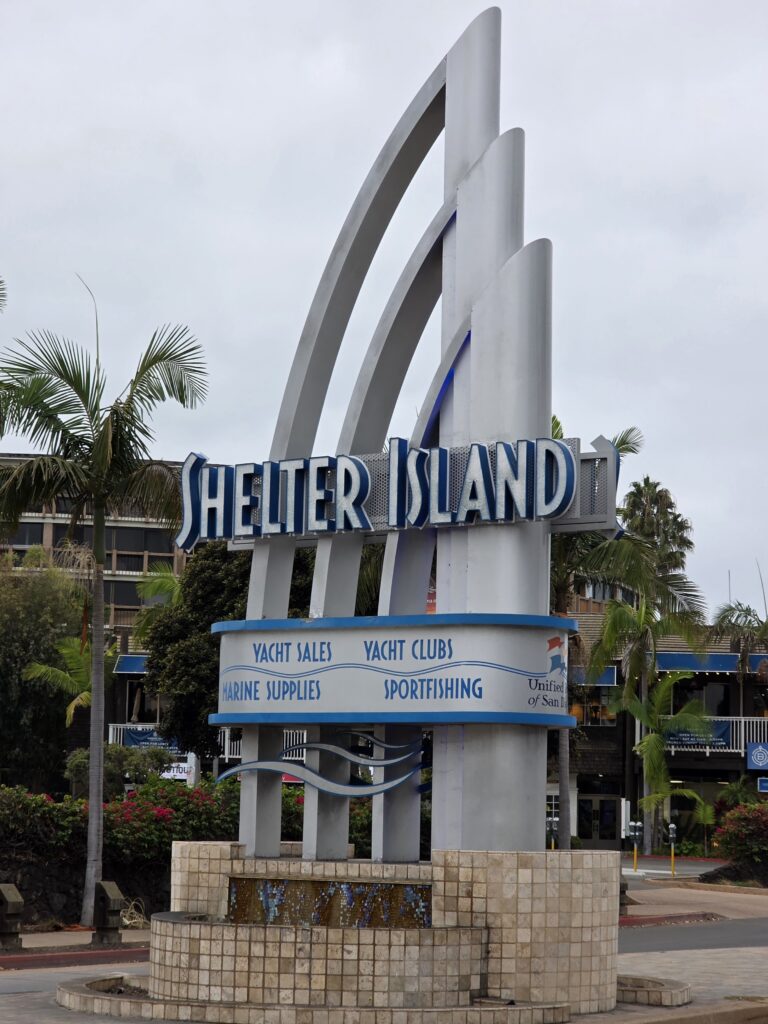
We definitely took advantage of the beautiful weather by being outside as much as possible. Our Air BnB was located in the Point Loma neighborhood about an hour on public transportation from Downtown San Diego. Initially I was bummed that we were so far away and after visiting the downtown area I had a greater sense of gratitude for where we were. We initially picked Point Loma solely based off of the fact that the Air BnB was less expensive. After visiting downtown we realized it was also more quiet and peaceful. Just down the hill from our Air BnB was the port called La Playa where there were several bars, restaurants and shops. There were other things to do as well like visit the somewhat secluded Kellogg beach with pristine water and sparkling sand or walk along the paths of Shelter Island which I did more than once.
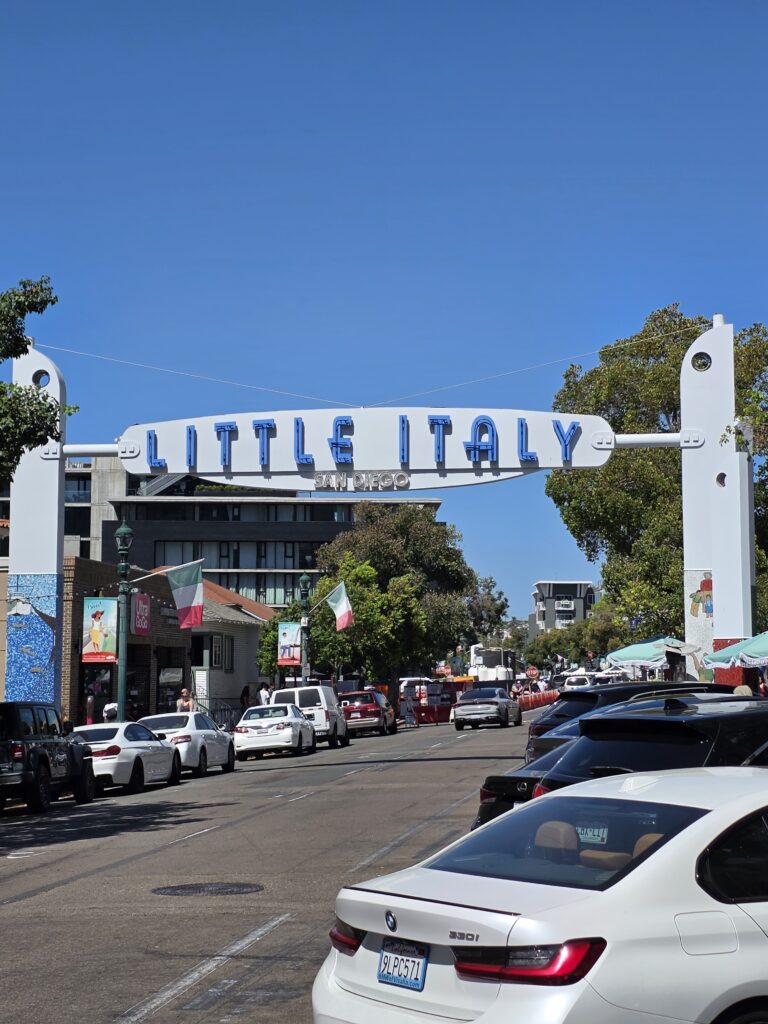
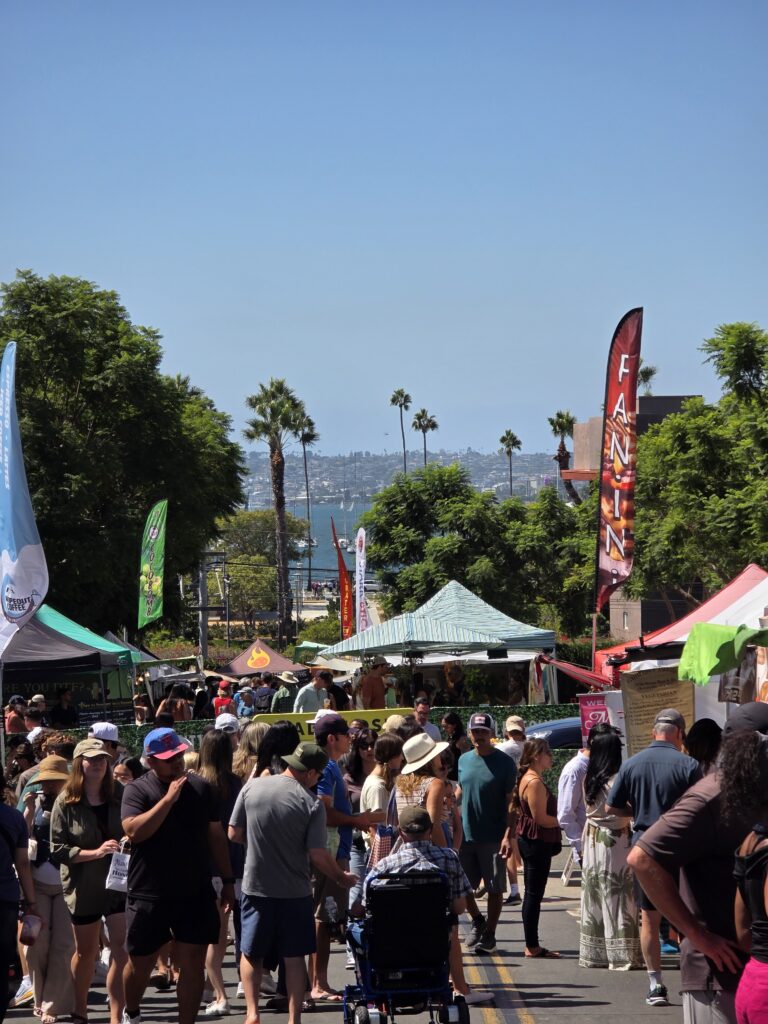
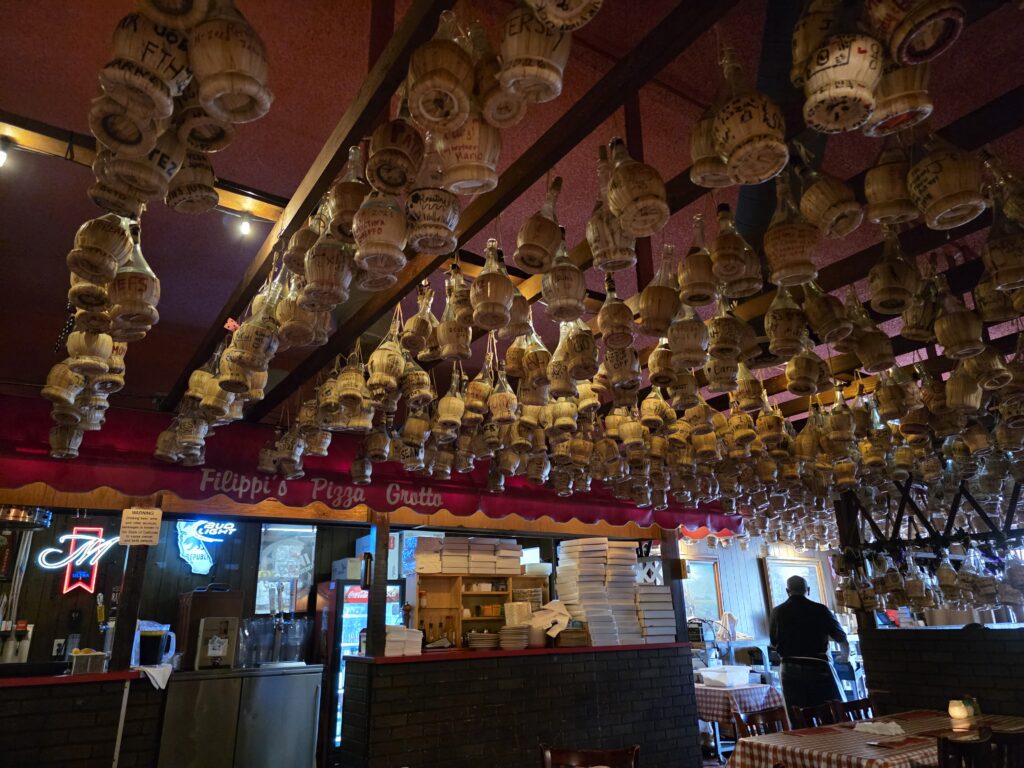
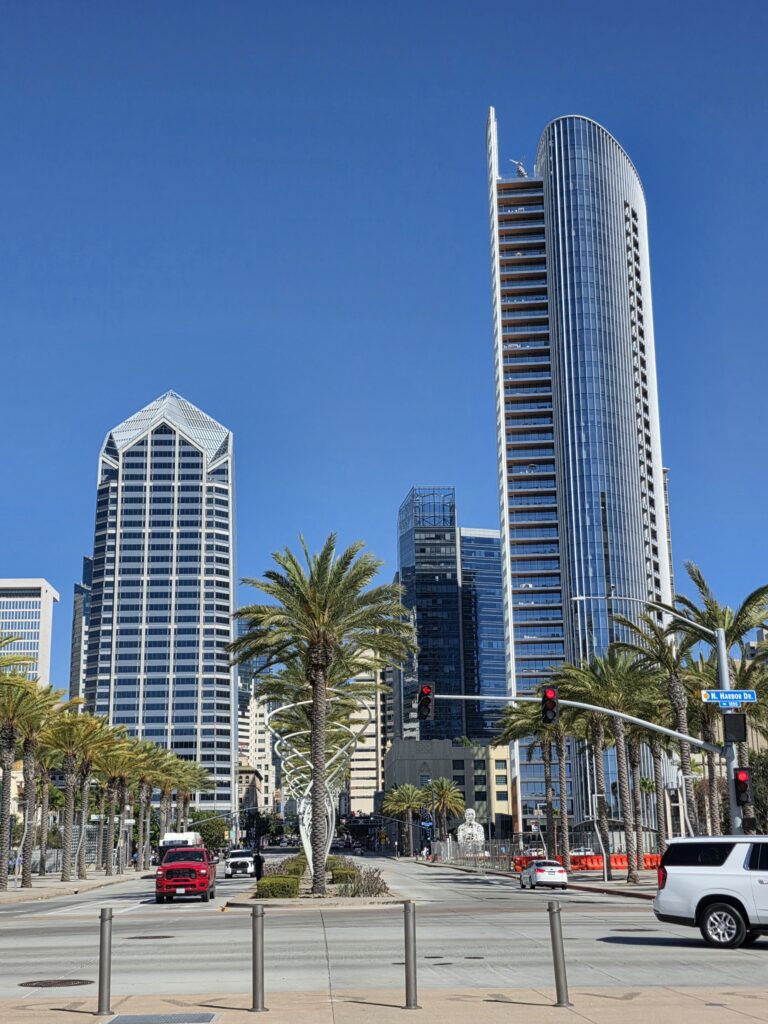
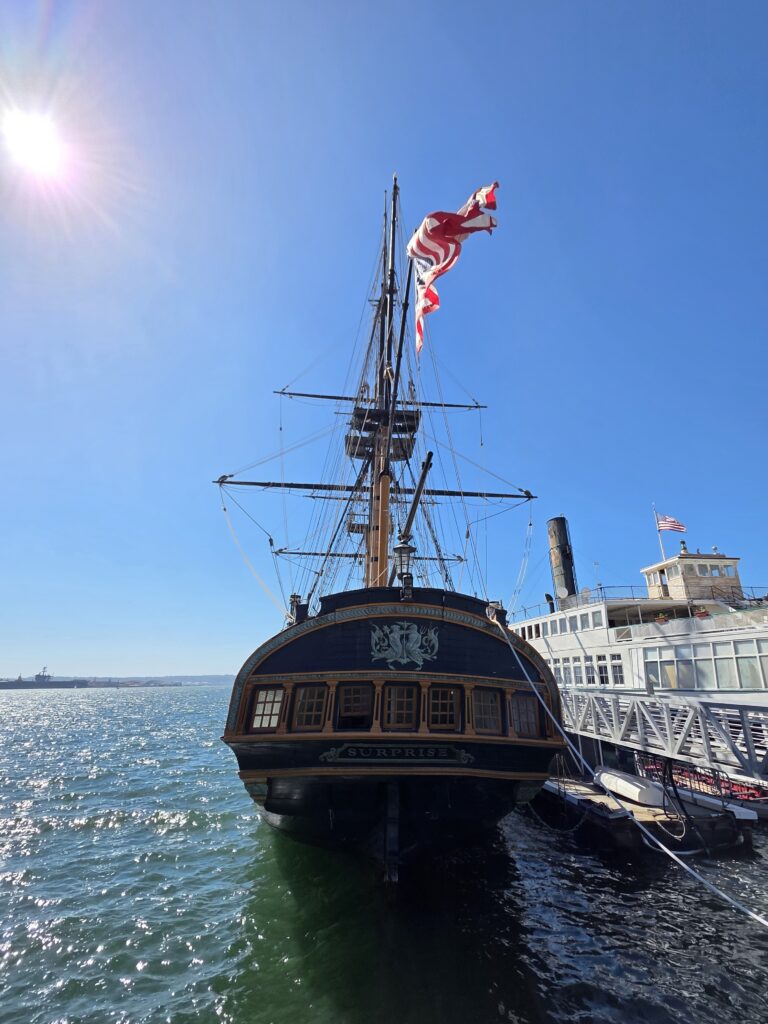
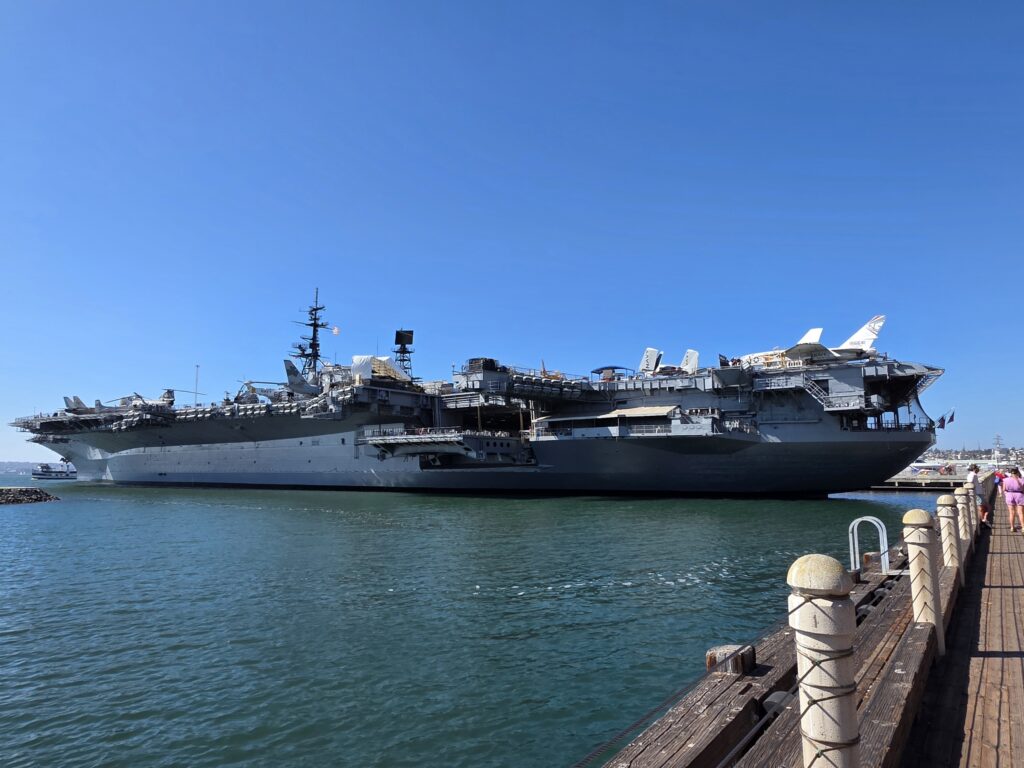
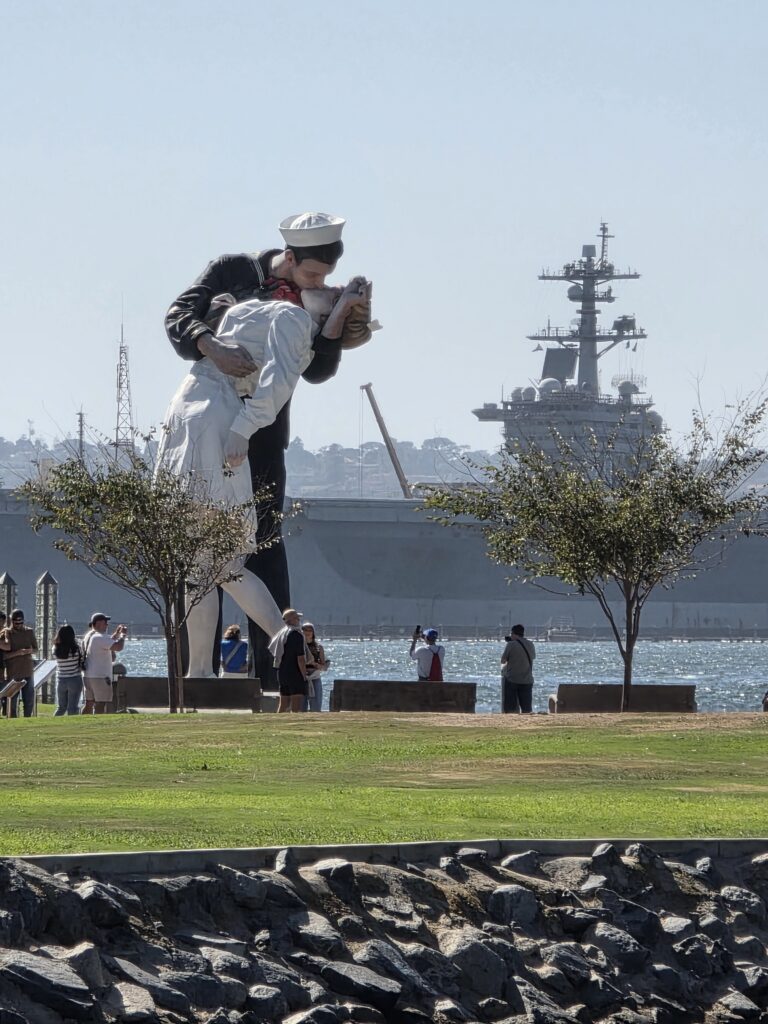
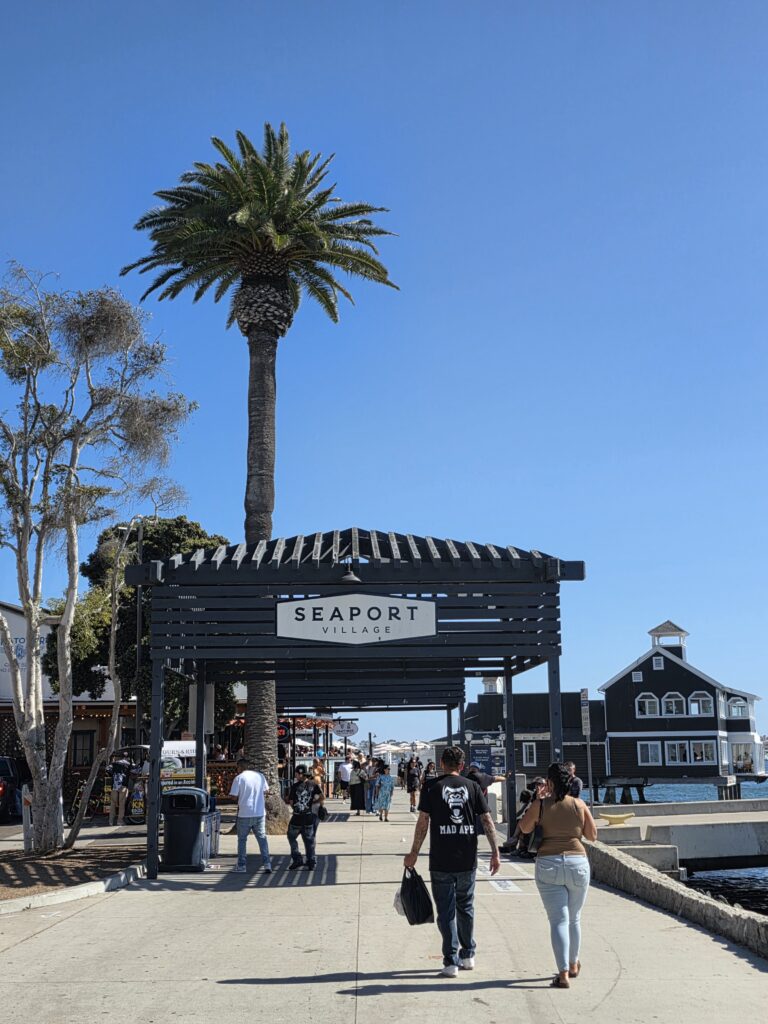
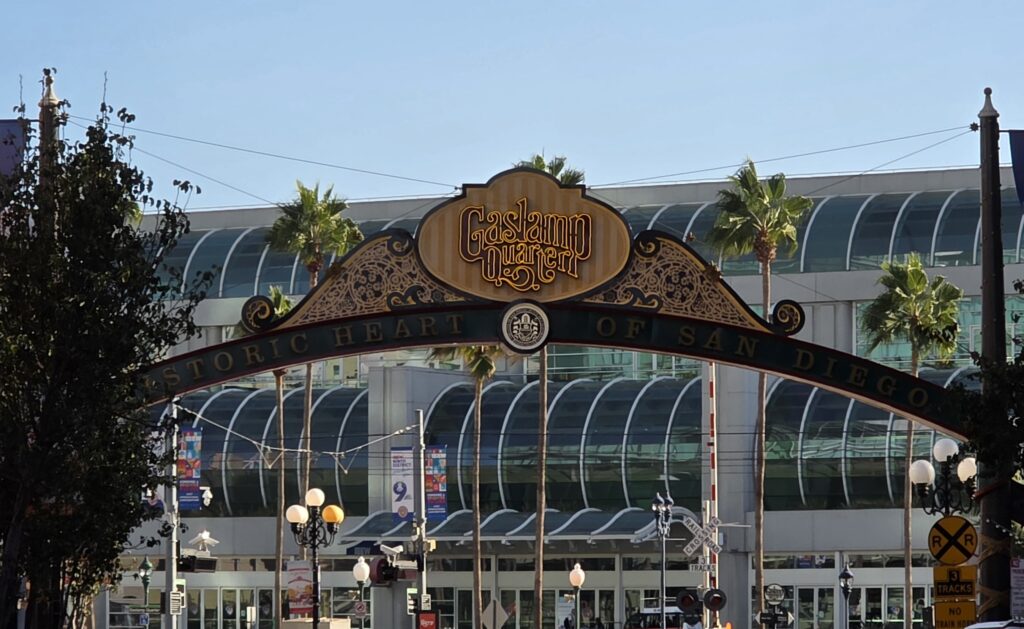
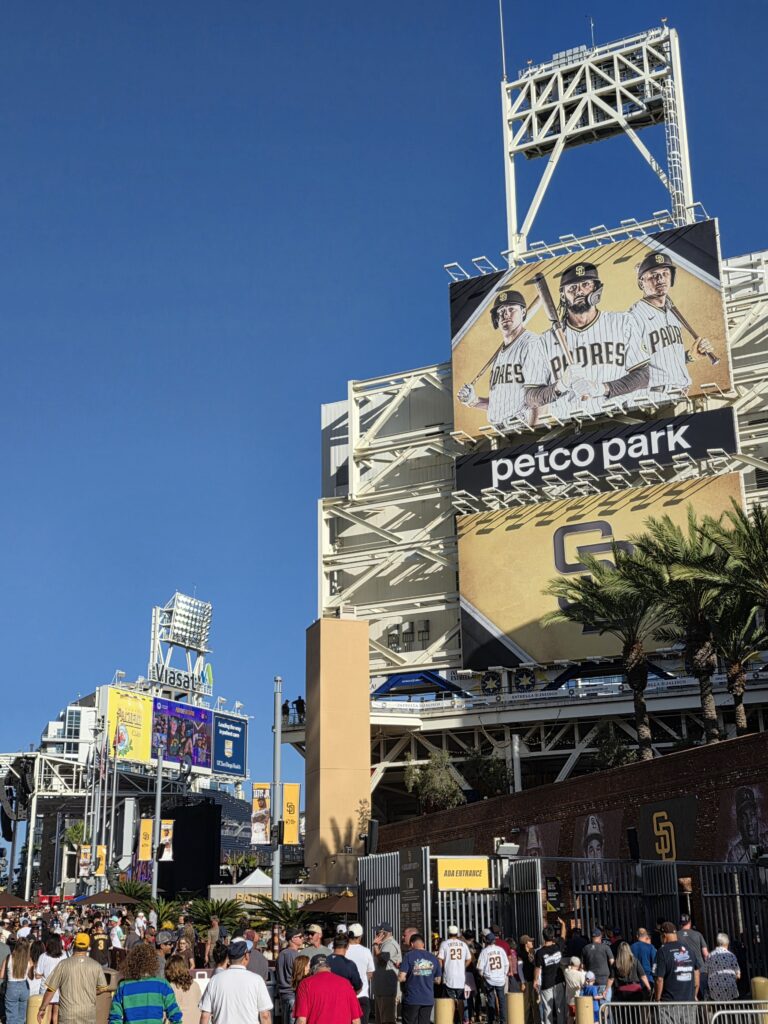
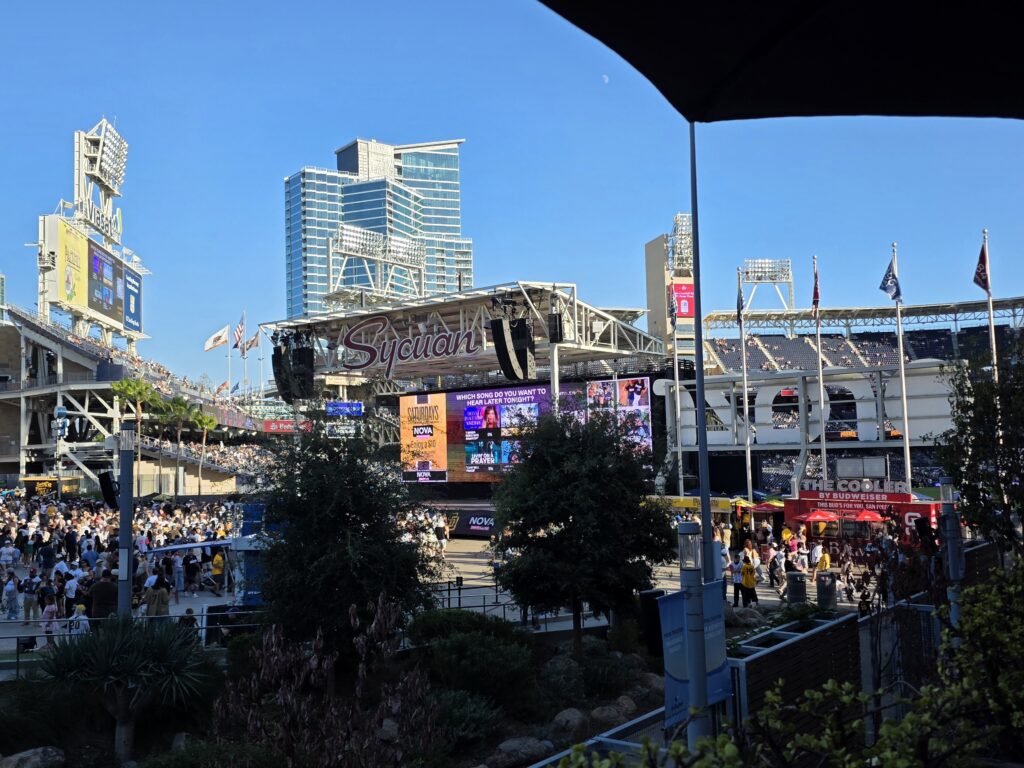
We had one very full weekend while we were in San Diego and we packed it in. Friday the 18th we booked a sunset cruise around Mission Bay. Even though we didn’t see much of the sunset it was fun to see that area from the water and we met some nice people as well. Saturday we adventured to the downtown area. We started at the farmer’s market in Little Italy and then had lunch at Filippi’s Pizza Grotto re: our friend’s recommendation. After that we made are way down to the water and walked on the Embarcadero past the USS Midway on our way to Seaport Village. From there we wandered through the Gaslamp Quarter and finished our day at a rooftop bar in Gallagher Square overlooking Petco Park where the Padres were playing that evening. We decided that was a cheaper option than going to the game and I’m glad that is what we did.
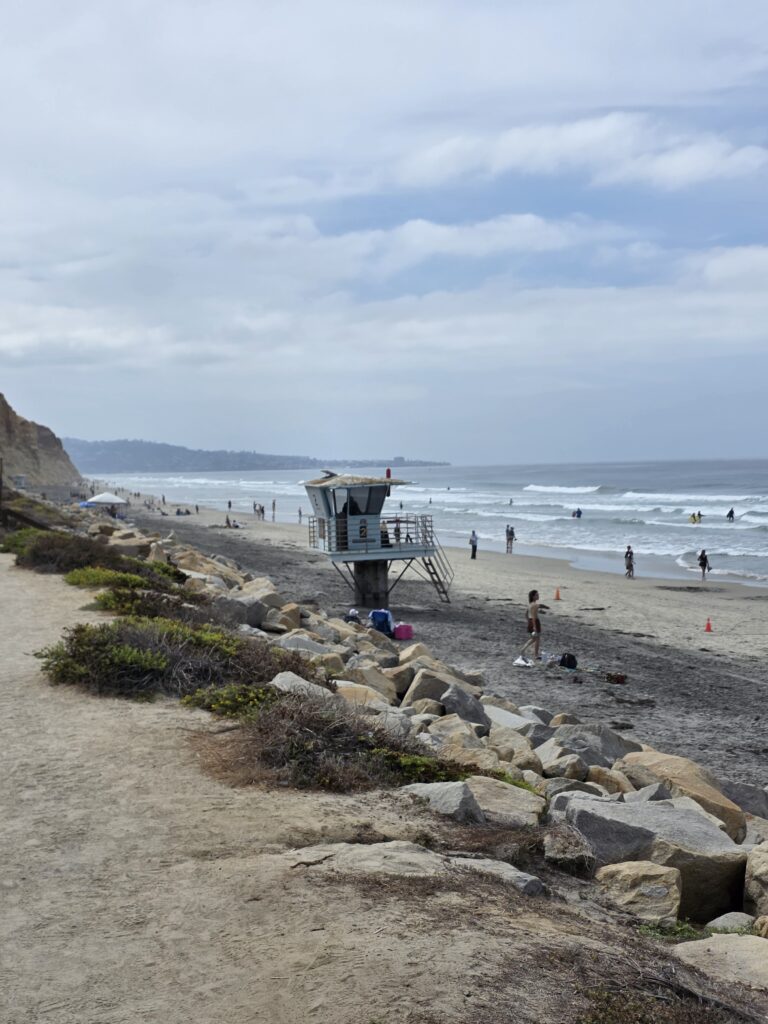
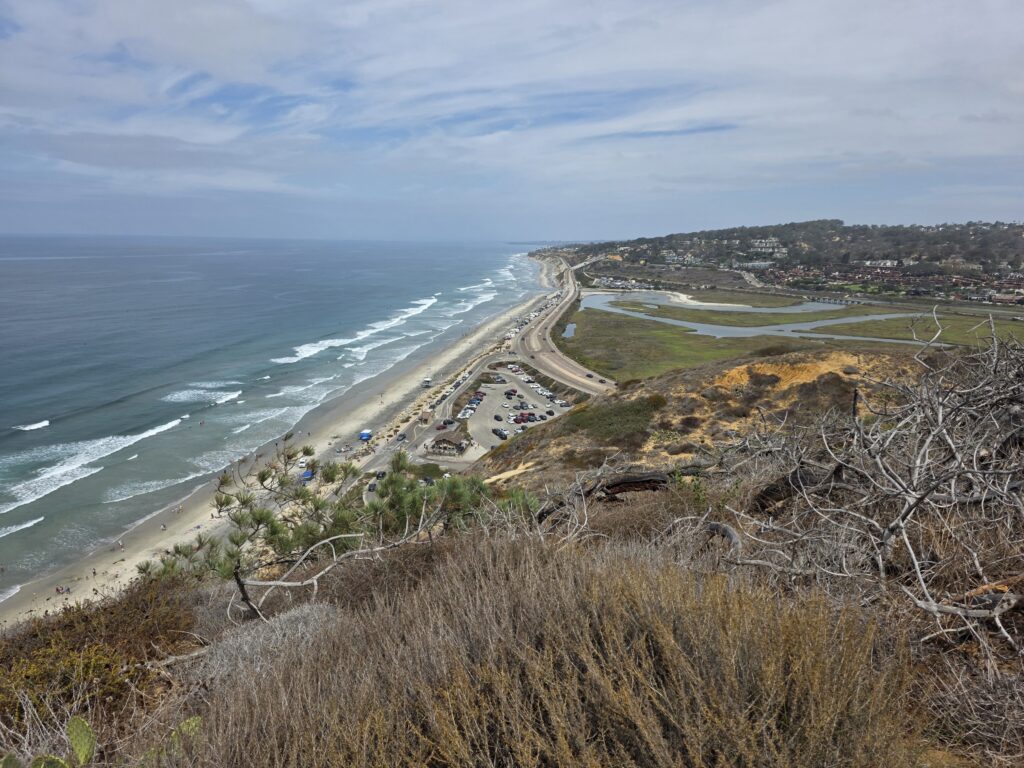
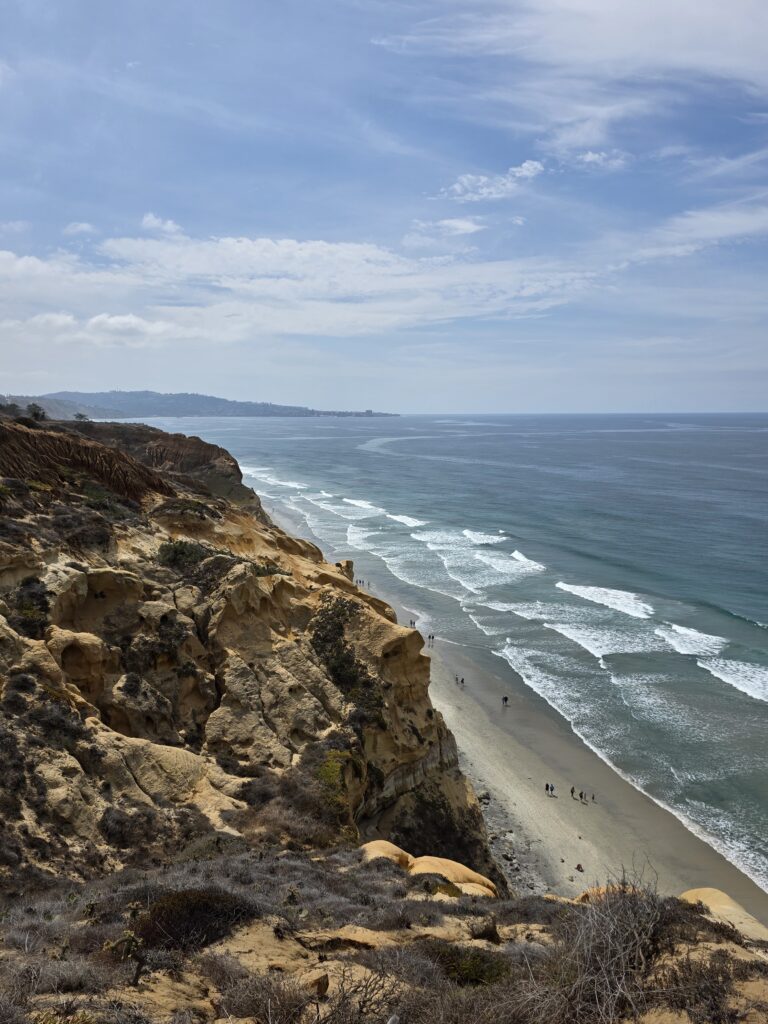
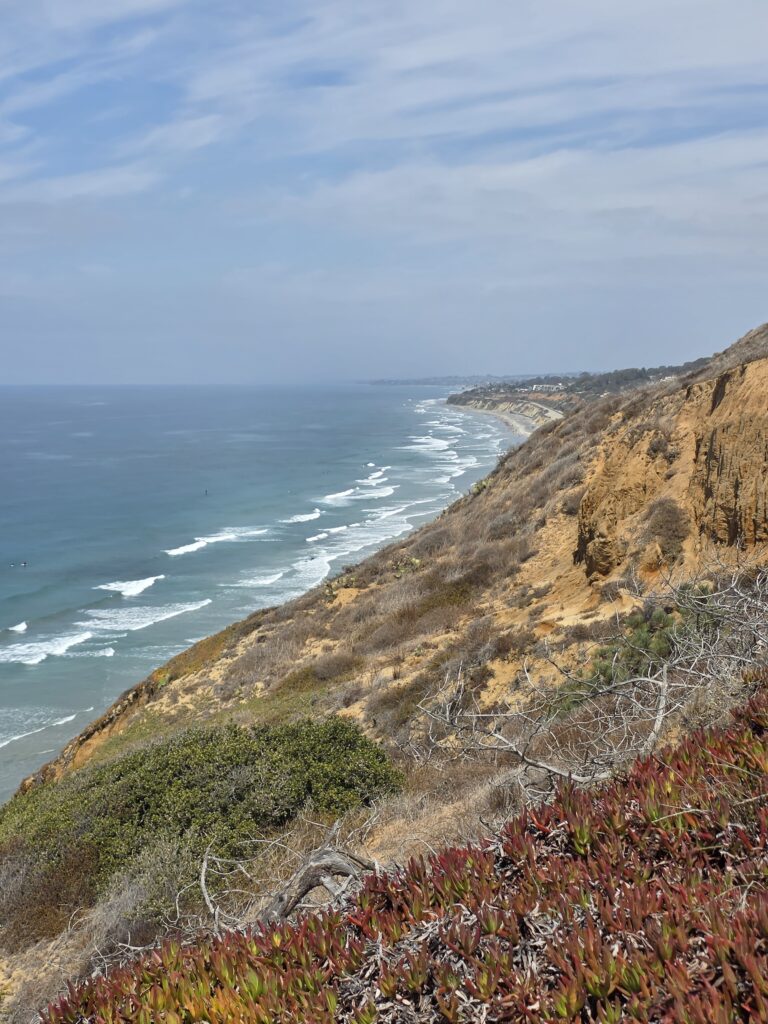
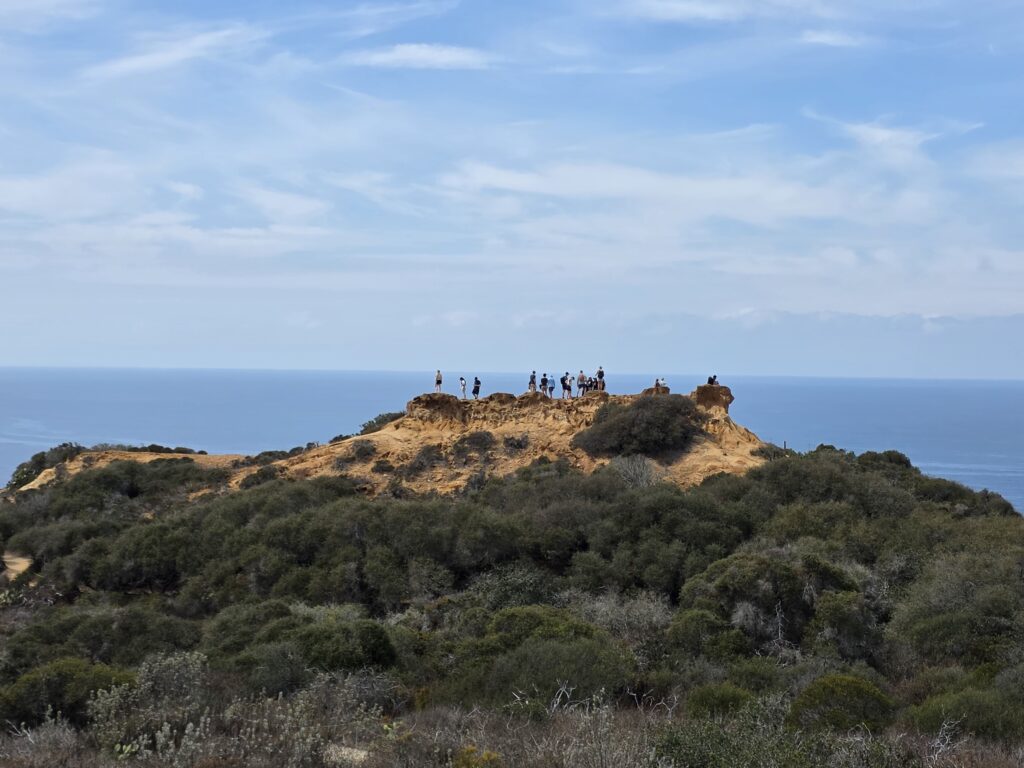
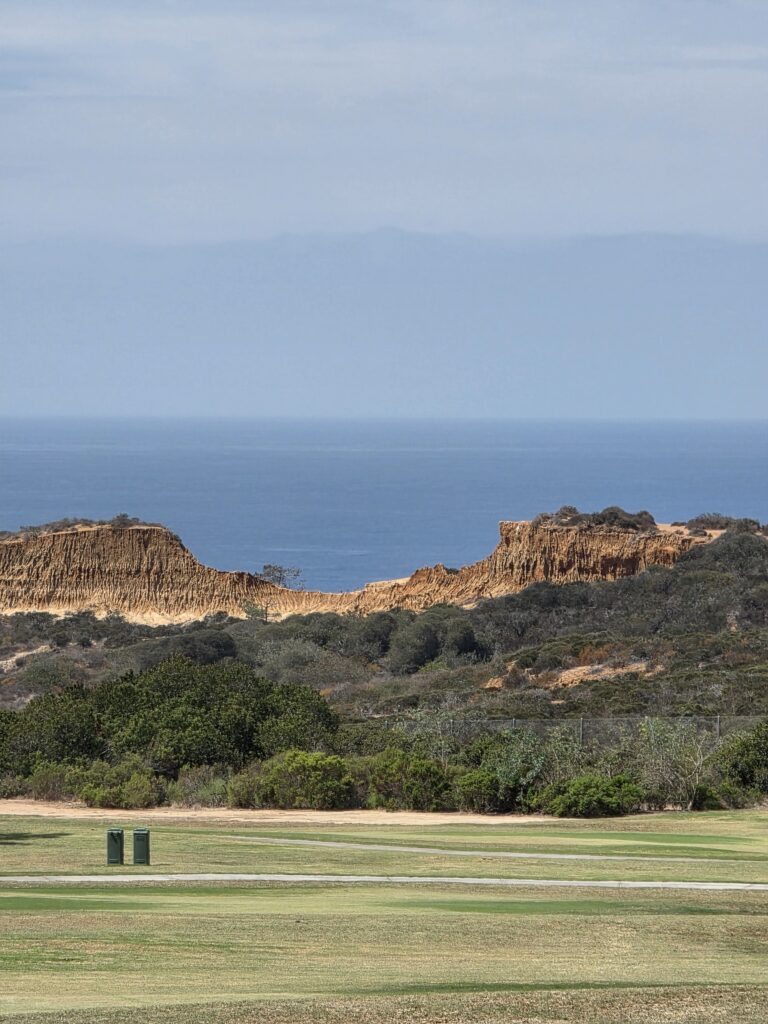
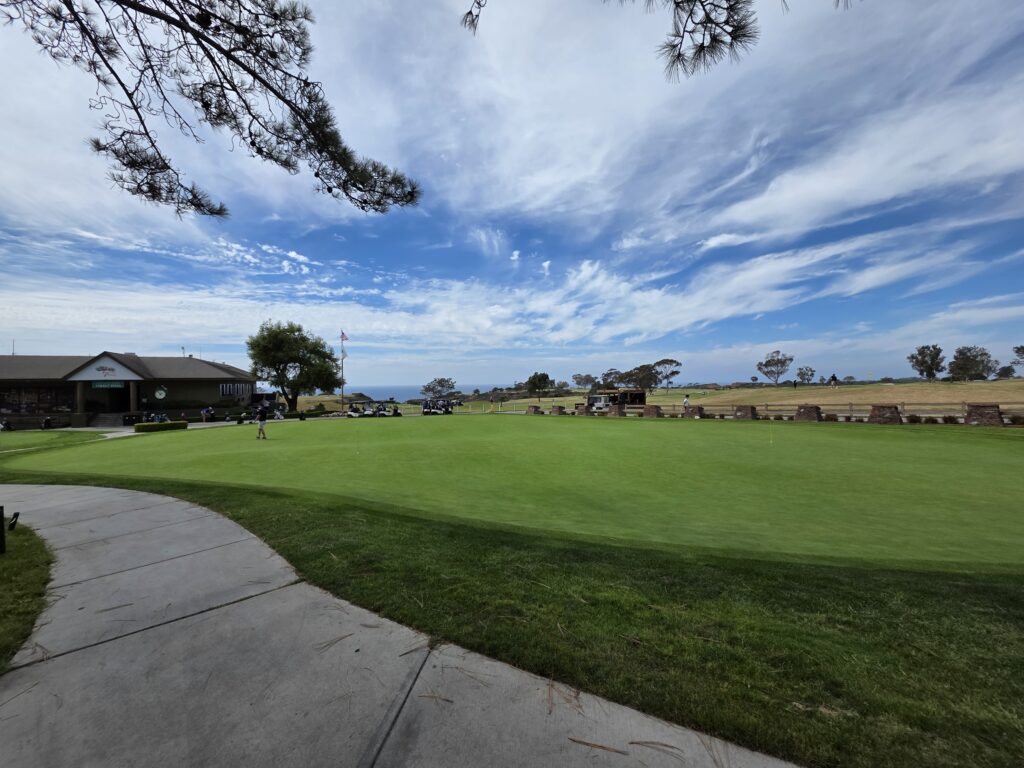
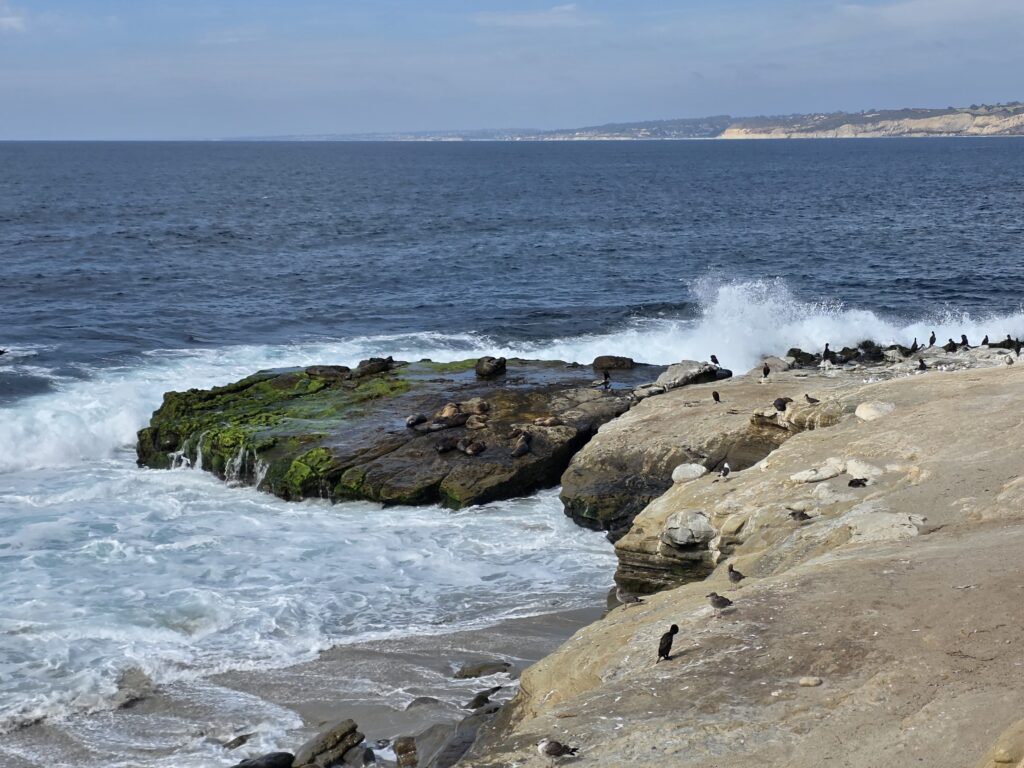
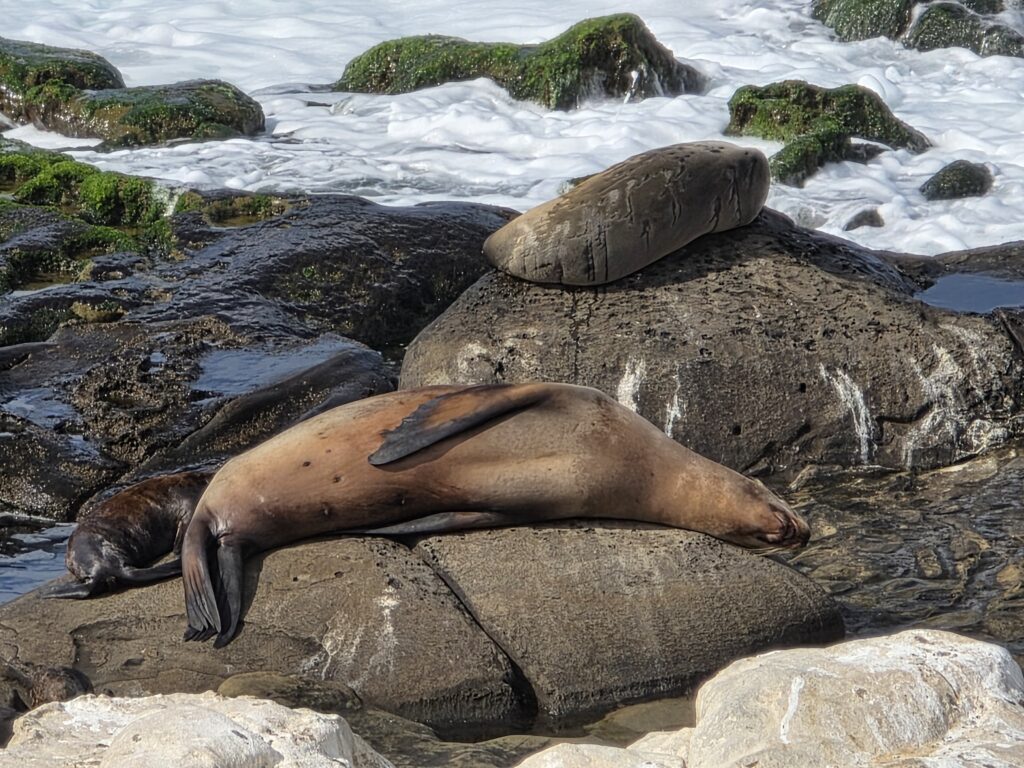
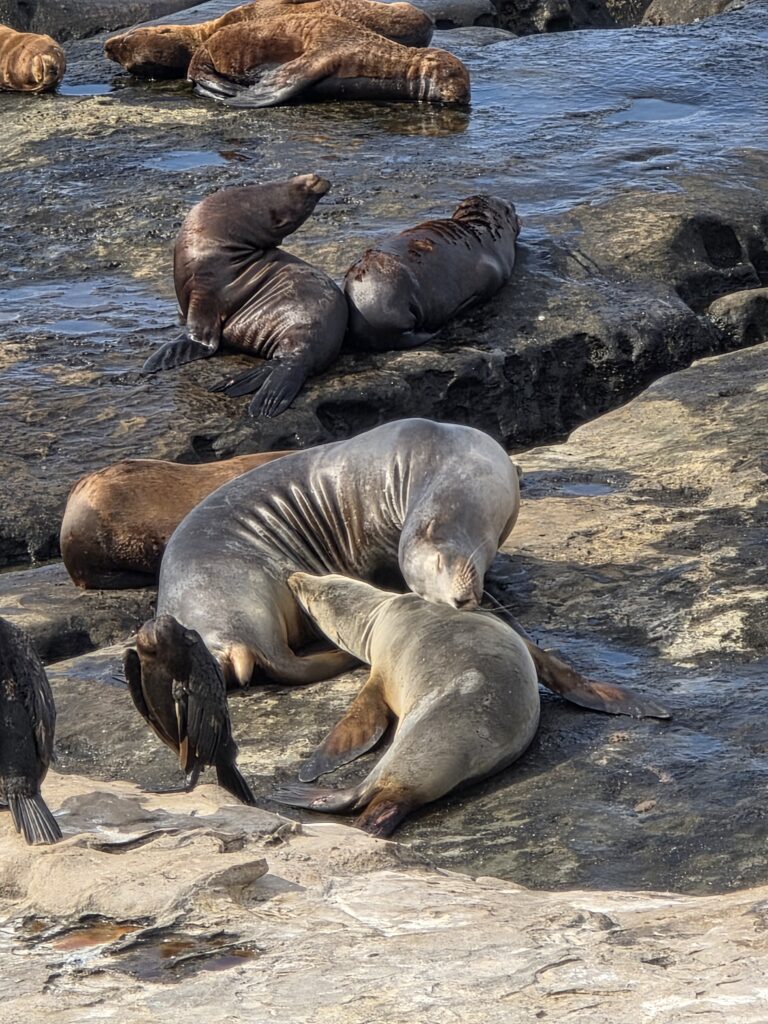
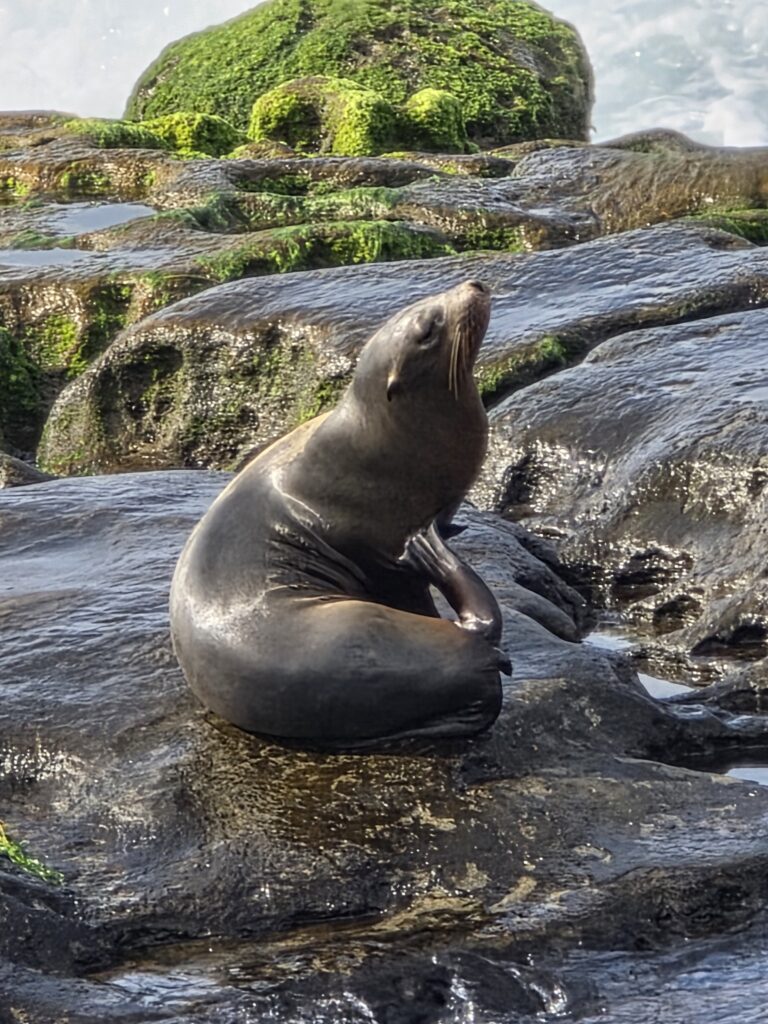
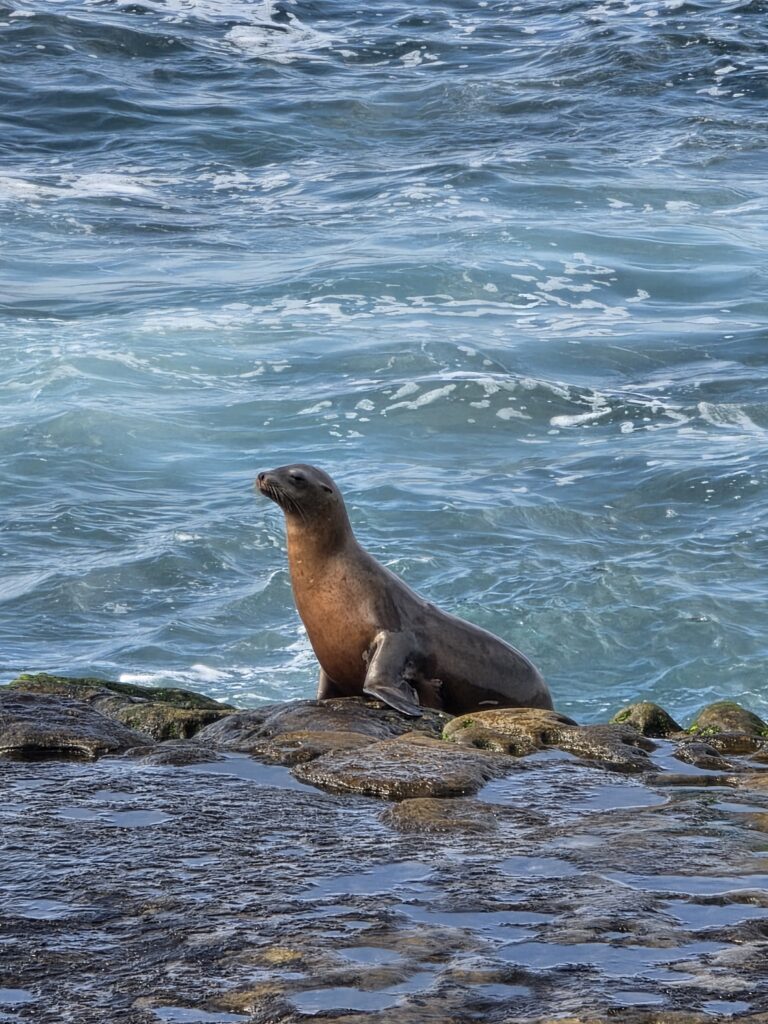
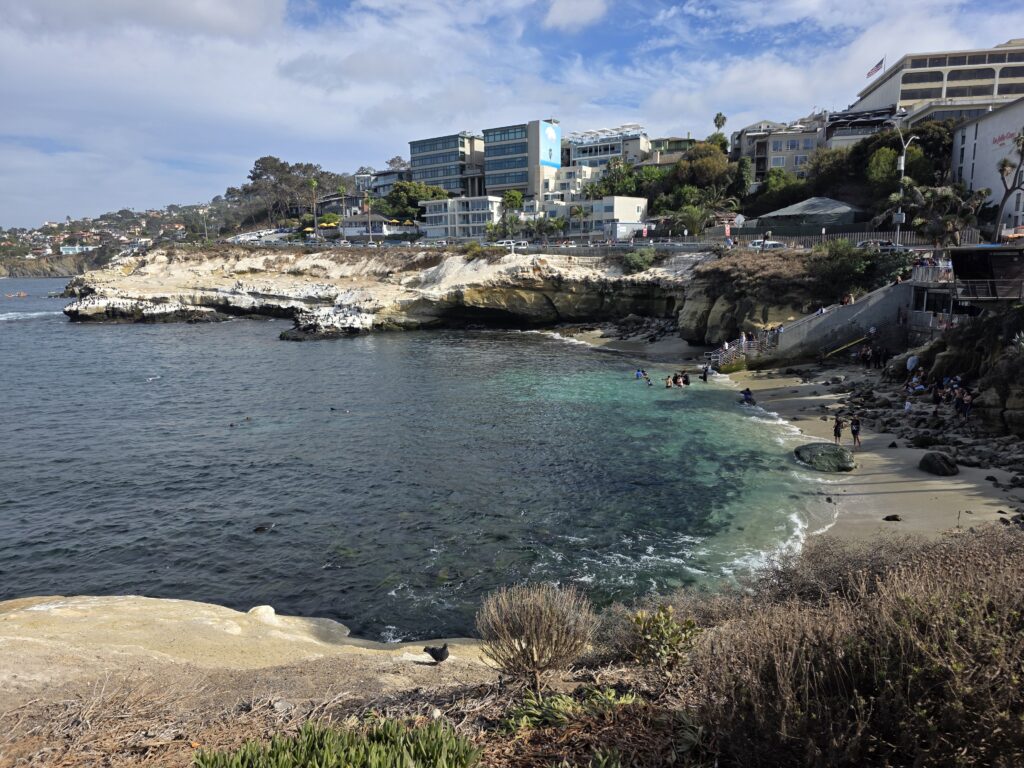
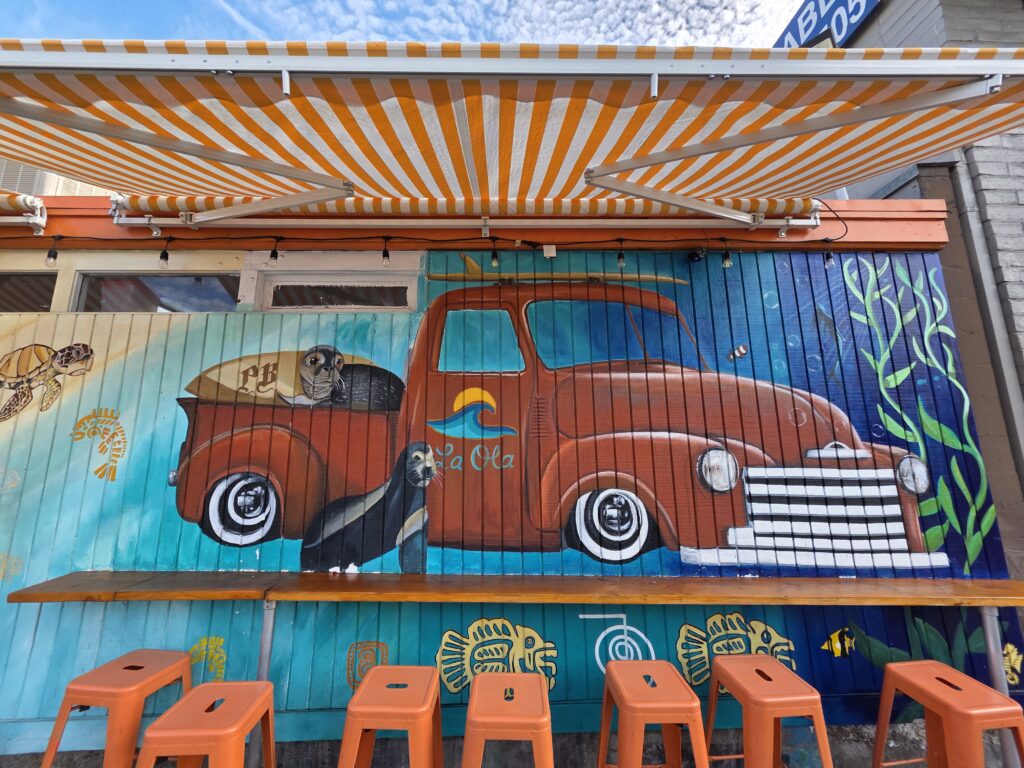
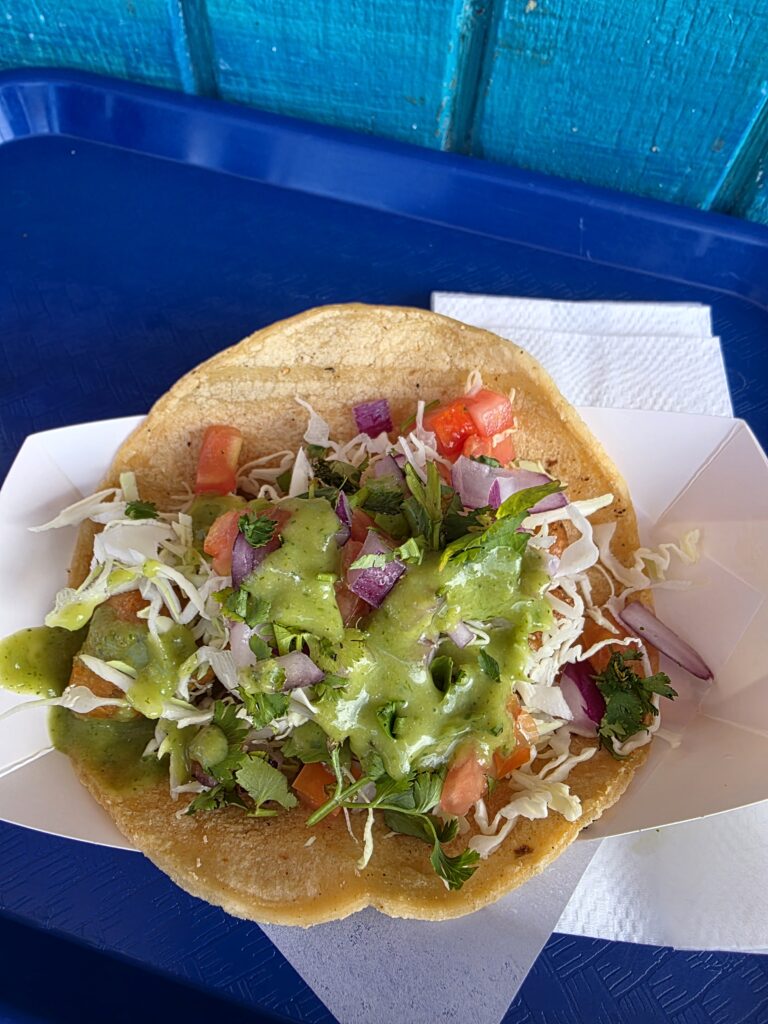
On Sunday the 20th we took an Uber to the northernmost end of Torrey Pines State National Reserve and began our visit by hiking the Guy Fleming Trail which offered great views of Torrey Pines Beach and coastline. The trail also took us past Torrey Pines Golf Course, which for you golf lovers has hosted the US Open twice in 2008 and 2021, for you non-golf lovers, it has nice views. From the golf course we took the bus to La Jolla and visited La Jolla cove where all the adorable, albeit stinky, sea lions hang out. La Jolla is a beautiful area and I’m glad we went. Our next and last stop of the day was Pacific Beach. My friend had recommended a taco restaurant called La Ola Seafood, and for only $3, I had the best fish taco of my life! I’m still thinking about it. After the tasty taco we walked along the beach and took in the sights. The day ended with 25,000 steps and a deeper understanding as to why people love San Diego so much!
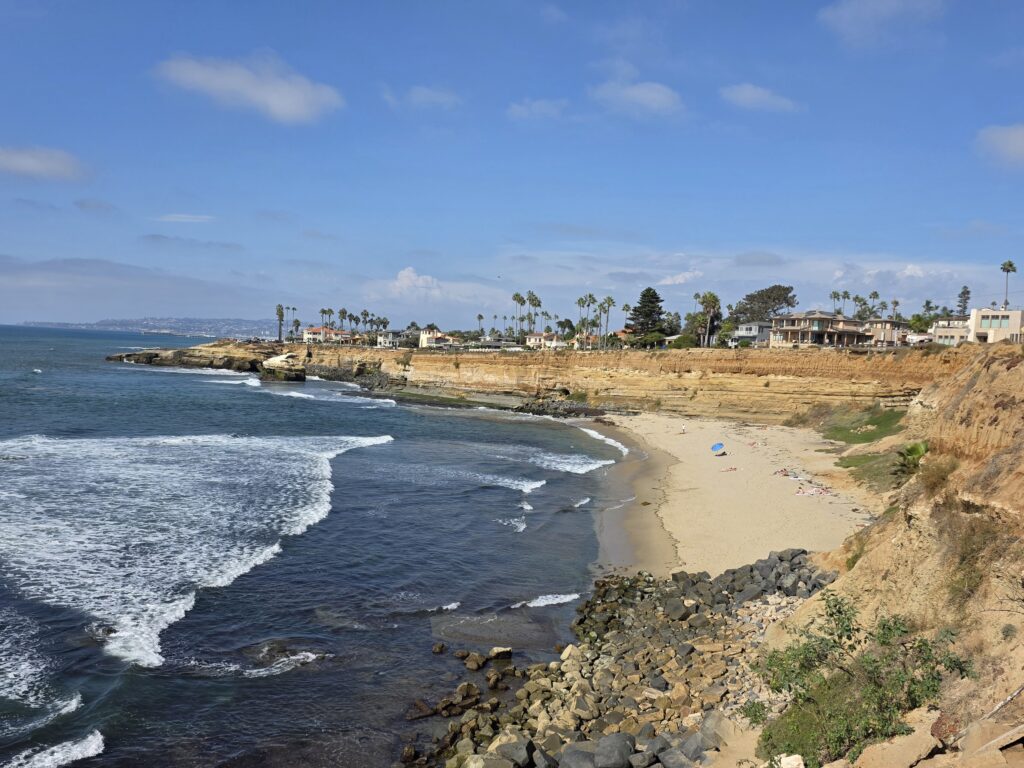
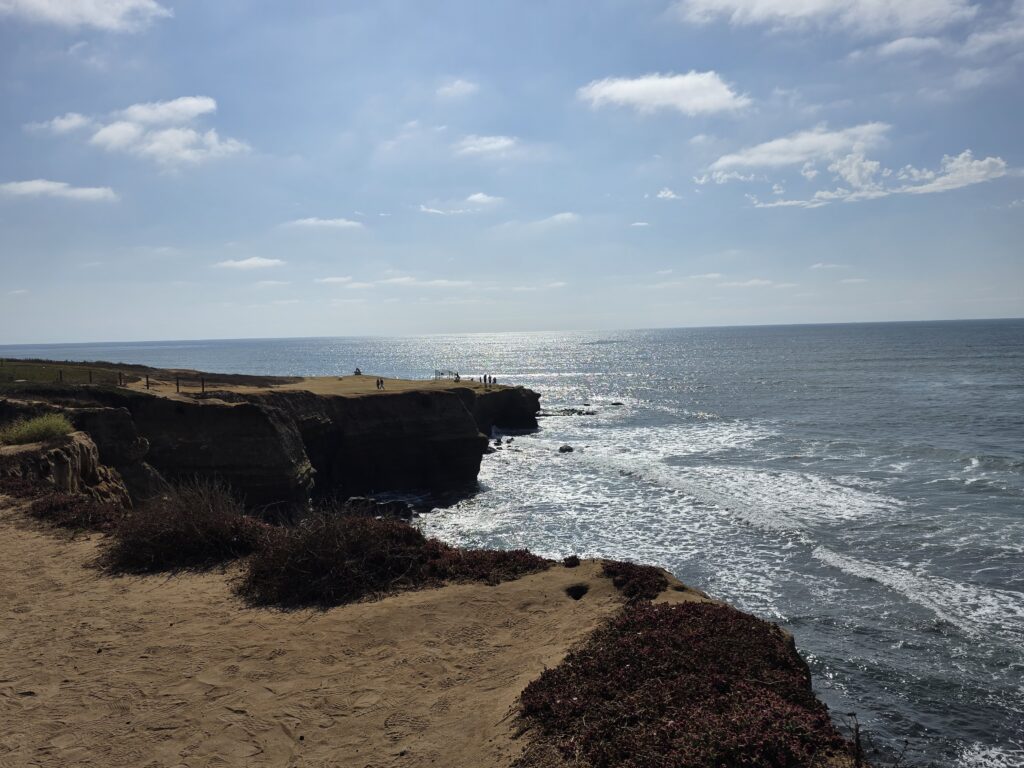
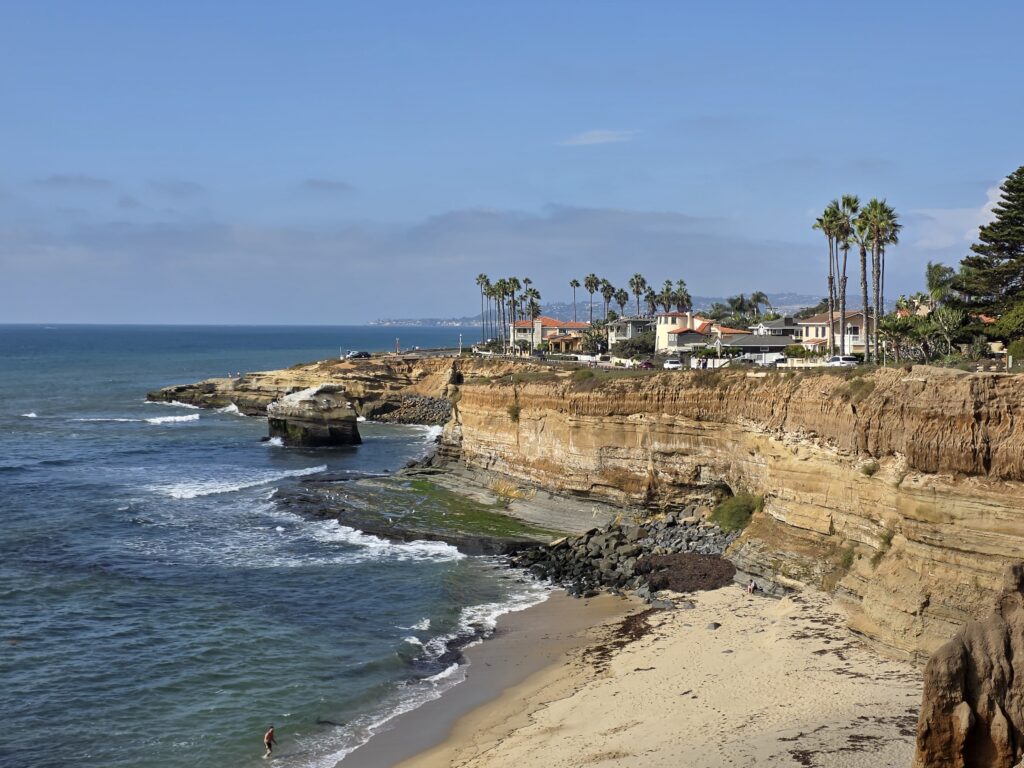
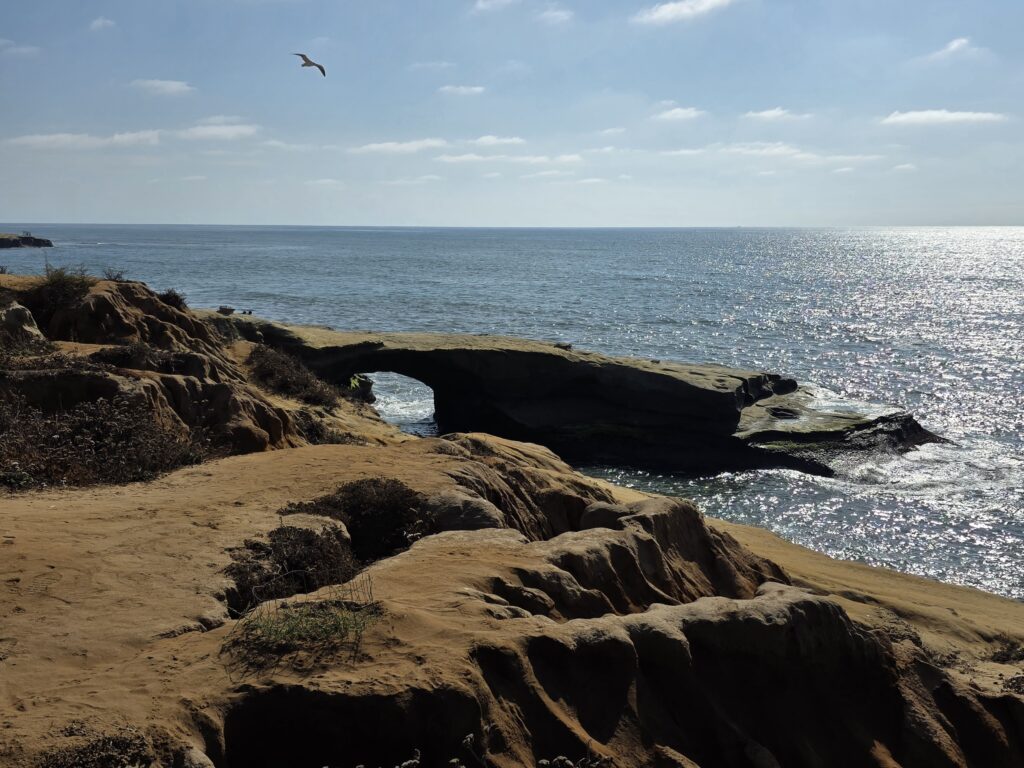
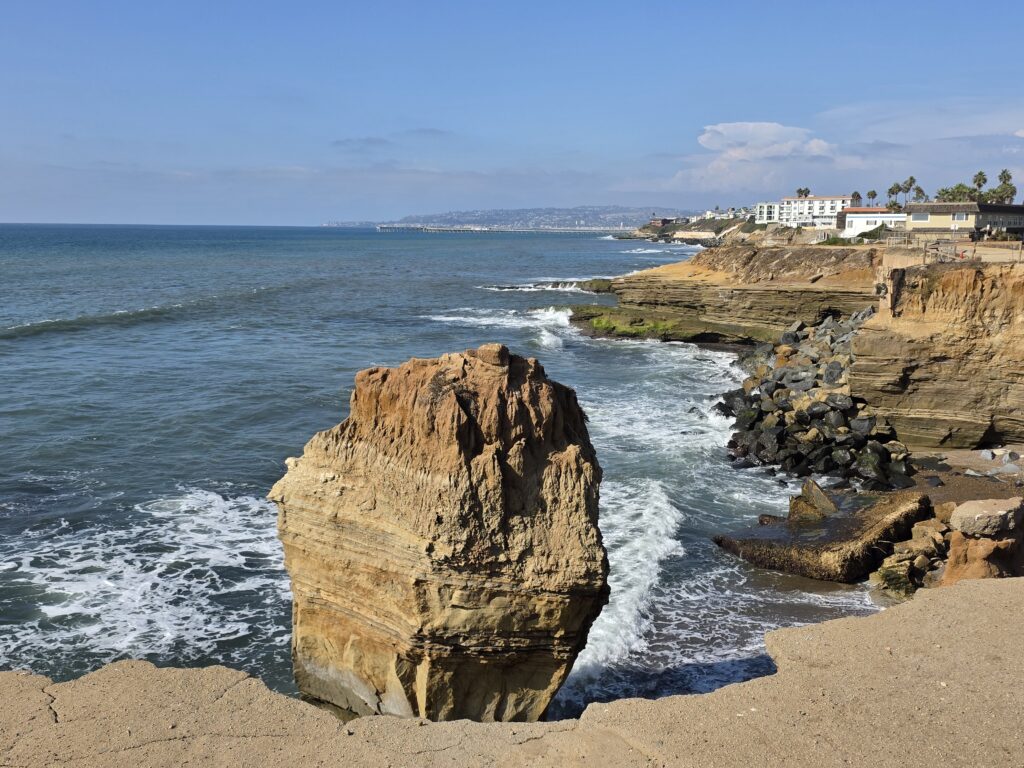
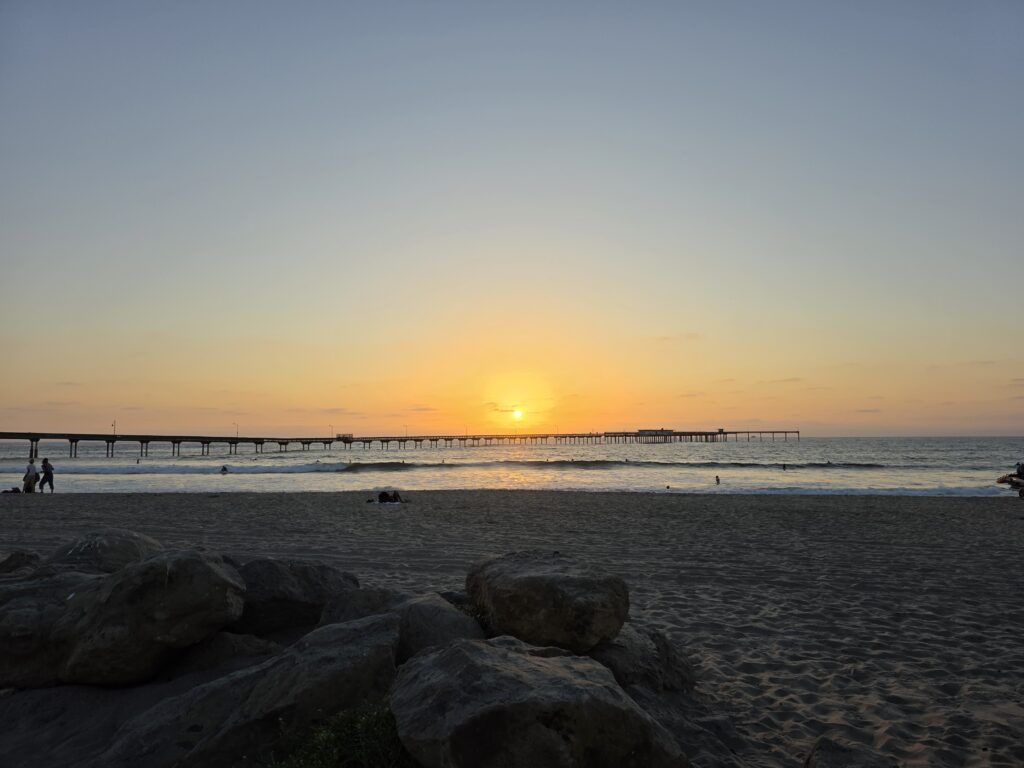
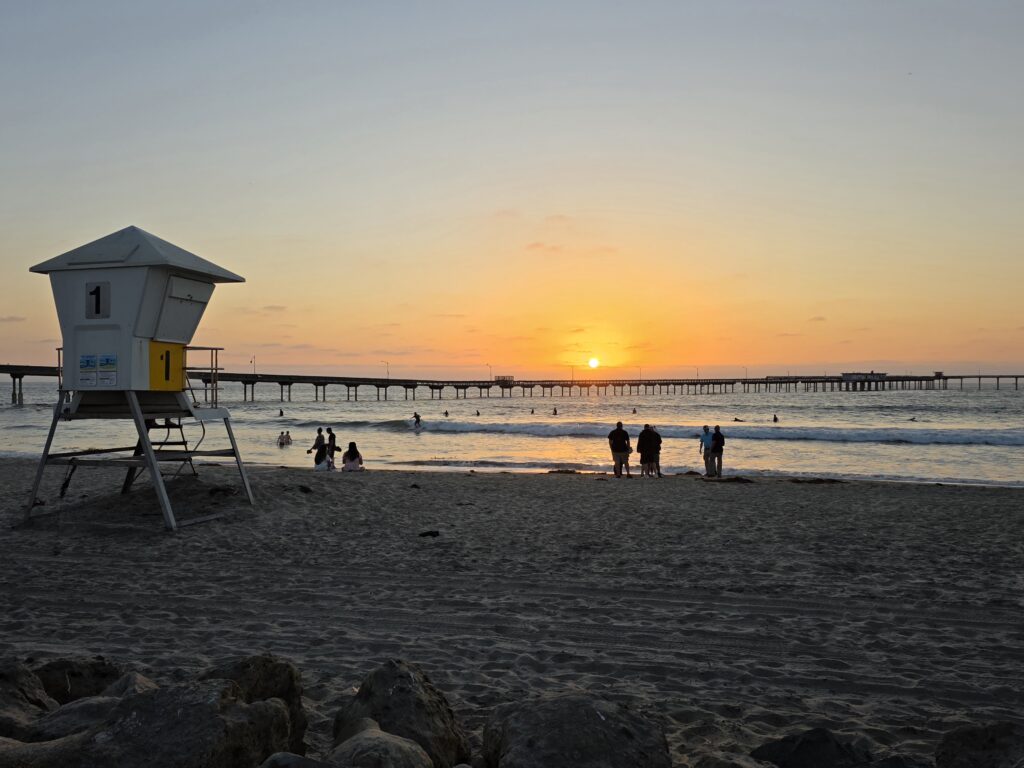
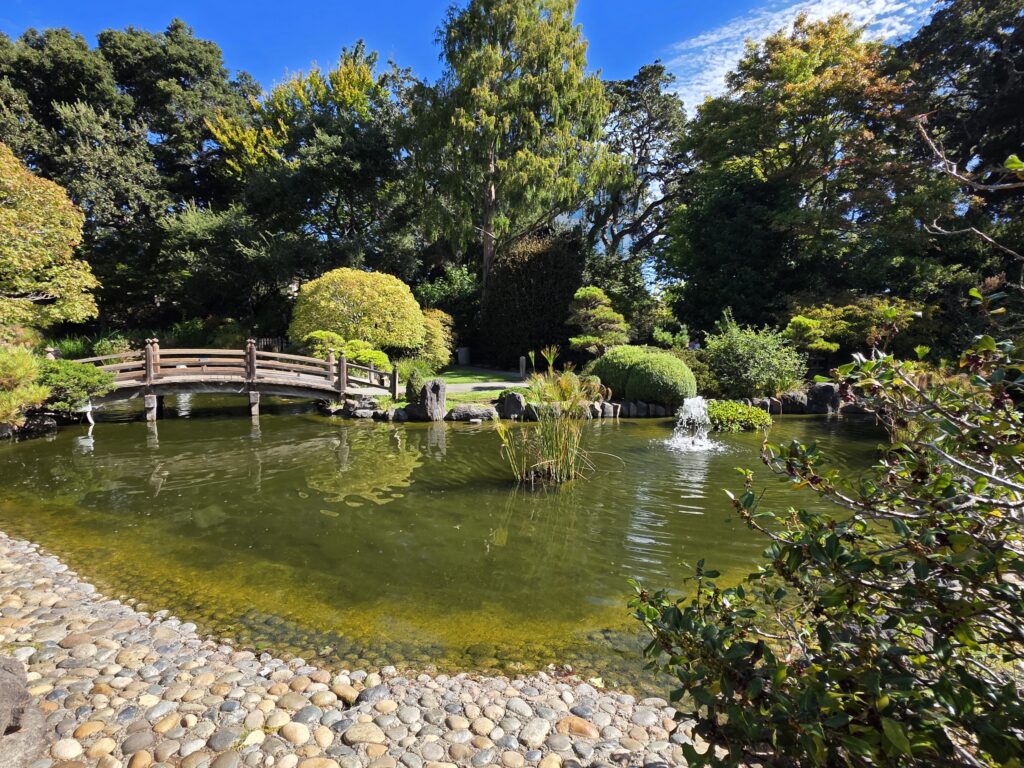
Last week we explored Balboa Park on Tuesday and were able to visit the adorable Spanish Art Village that is inside of its enormous expanse. I didn’t do enough research ahead of time to know that most everything inside of Balboa Park closes around 430pm so we weren’t able to visit any of the numerous museums or the Japanese Garden and it was still fun to walk around. Last Thursday we rounded out our two week stay with a return to Ocean Beach. On the way there I walked past the Sunset Cliffs which were absolutely gorgeous. We watched the sunset on the beach and enjoyed the pizza and beer at Pizza Port again. It was a great way to end our stay.
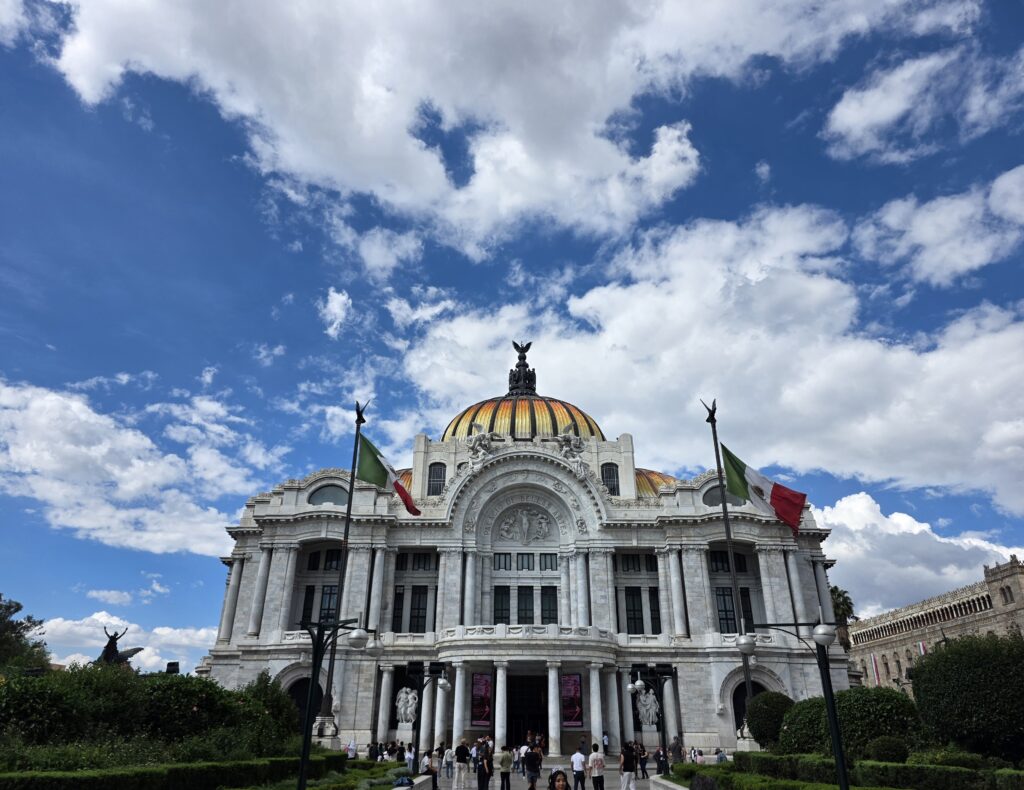
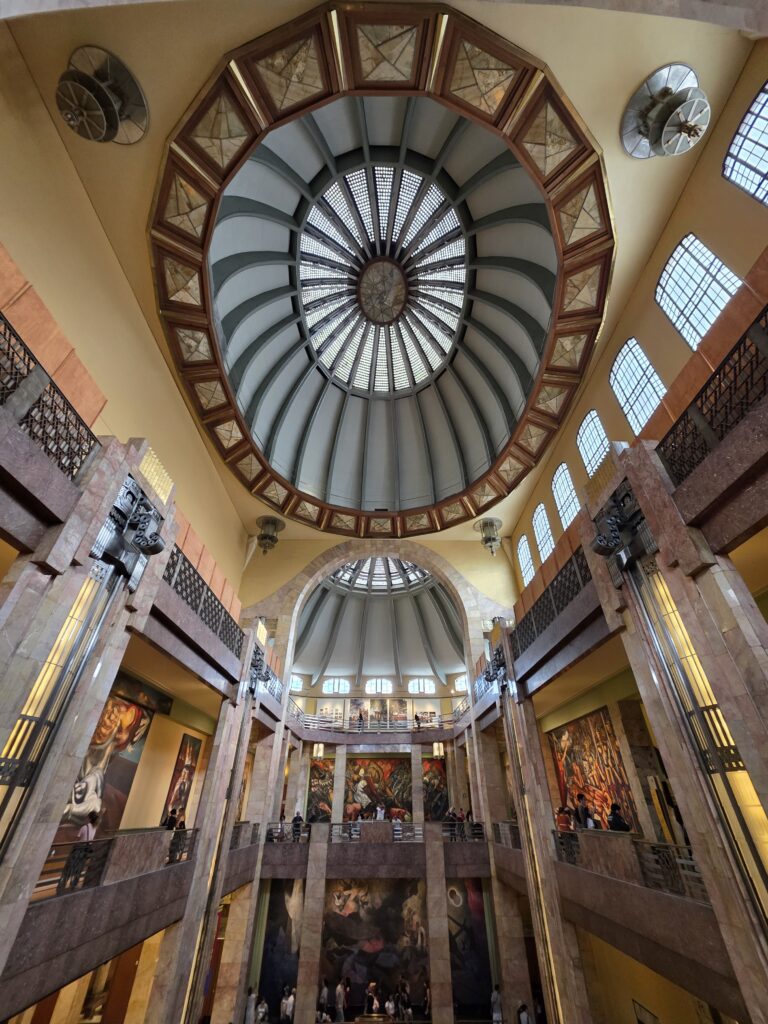
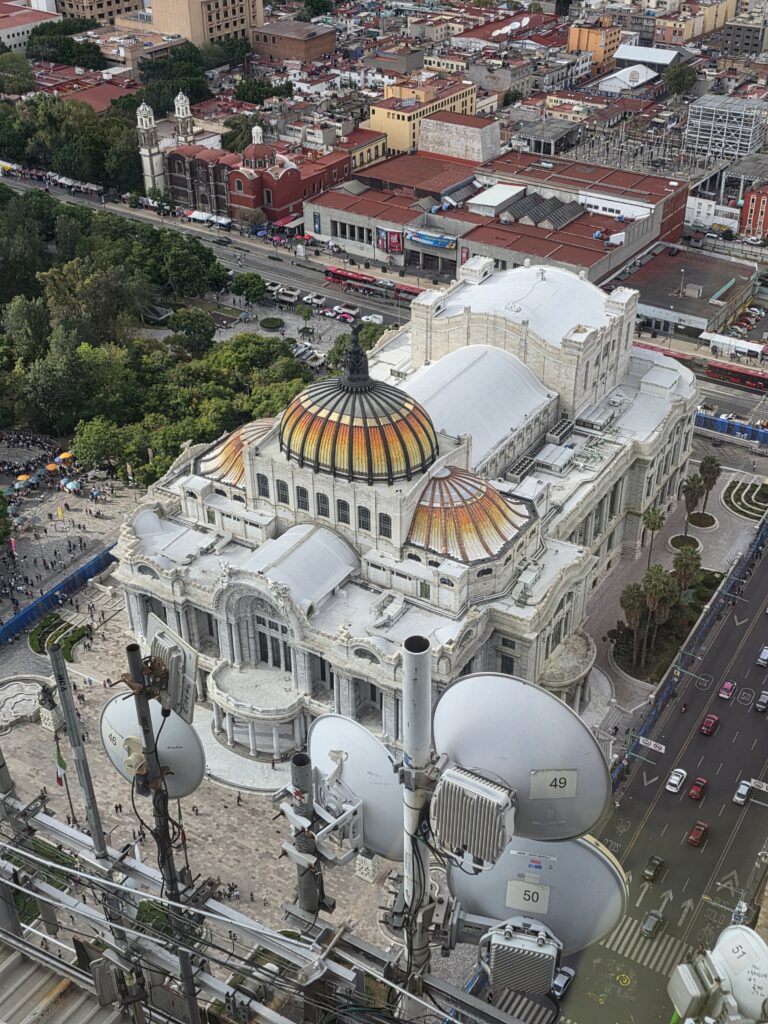
On Saturday the 26th we arrived in Mexico City for the next five weeks! We are SO excited to be back and to be able to be here for an extended period of time, so we can really immerse ourselves in the language, culture, and everything that Mexico City has to offer. Our Air BnB is in the neighborhood of Condesa which is known for its leafy, tree-lined streets, Art Deco architecture, and vibrant culinary and cafe culture. It is also very safe to walk around which I appreciate especially since Dave will be away at his whole company meet-up for one of the weeks. Sunday we did our customary grocery shop and then made our way the Palacio de Bellas Artes which is a fantastic Art Deco style museum that is free on Sundays. After that we crossed the street to Nivel 40 SkyBar to get a beer and take in the spectacular views from above. The Palacio is near Centro Histórico, or Centro, which is the historic heart of the city, built over the ruins of the ancient Aztec capital, Tenochtitlan. We have yet to explore that area so we are excited to return for a walking tour this coming Sunday. We have also planned a couple other excursions that we didn’t have time to experience our last visit. The first one is Lucha Libre. “Lucha Libre, which translates to “free fighting” or “freestyle wrestling” is a popular style of professional wrestling from Mexico that features high-flying acrobatic moves, rapid holds, and iconic colorful masks.” We’re doing that on Friday and then the following weekend we reserved a bicycle taco tour. Mexico City, as I mentioned, is known for the culinary scene and tacos are at the top of the list, so we are very excited for that taste voyage!
In the weeks leading up to our return to Mexico City I was really focused on trying to find some sort of language school or immersion experience so that I can work on my Spanish while we’re here. I have never had any formal Spanish instruction so up until this point I have basically been speaking what I like to call “Spafranglais”. I start with the French (français) verb because that is the language I studied, try and give it a Spanish accent, and then finish with English, anglais in French. As you can probably guess I can barely pass with that method. ?I wasn’t able to find anything before we arrived and just yesterday morning I found a group immersion experience only a 10 minute walk from our Air BnB! I am registered to start that next week as it is Monday-Friday from 9am-1pm. I also found a one on one opportunity that I will start tomorrow. I had a conversation today with my tutor to evaluate my level and what my goals are for our time together. I also sent out several emails this morning to inquire about volunteer opportunities. I am manifesting that all of this is going to yield big results, fingers crossed. I am very excited!
I feel like we are exactly where we are supposed to be right now. We’re trying to manifest everything we want from this experience and are remaining open to whatever the Universe wants us to learn during our time here. I feel like this leg of the adventure has been flying by with only a little over six weeks until we’re home. I imagine that part of it is that this leg is only five months instead of eight like the last. Maybe it is because we’ve been in the US more and have been able to see people? I don’t know and either way we are going to take advantage of every minute with a full heart of gratitude for just being a part of this big, messy, and as I just learned from my friend-brutiful, world. Sending you a Universe of love and light wherever you are. Until next time.
Love, Alison and Dave
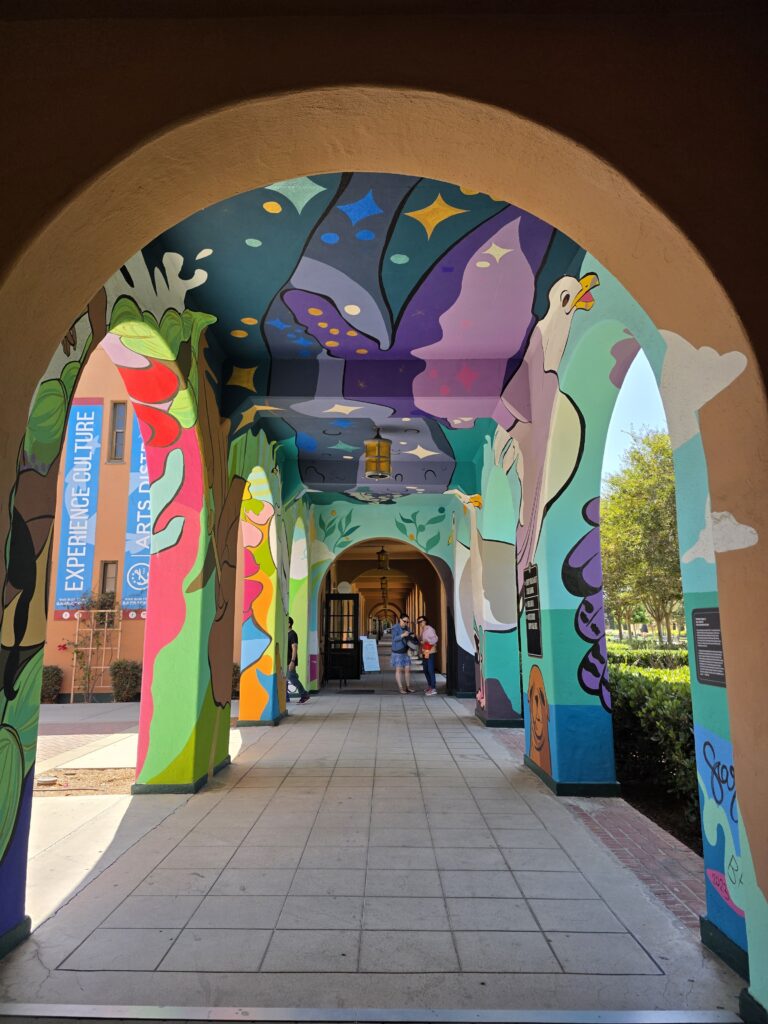
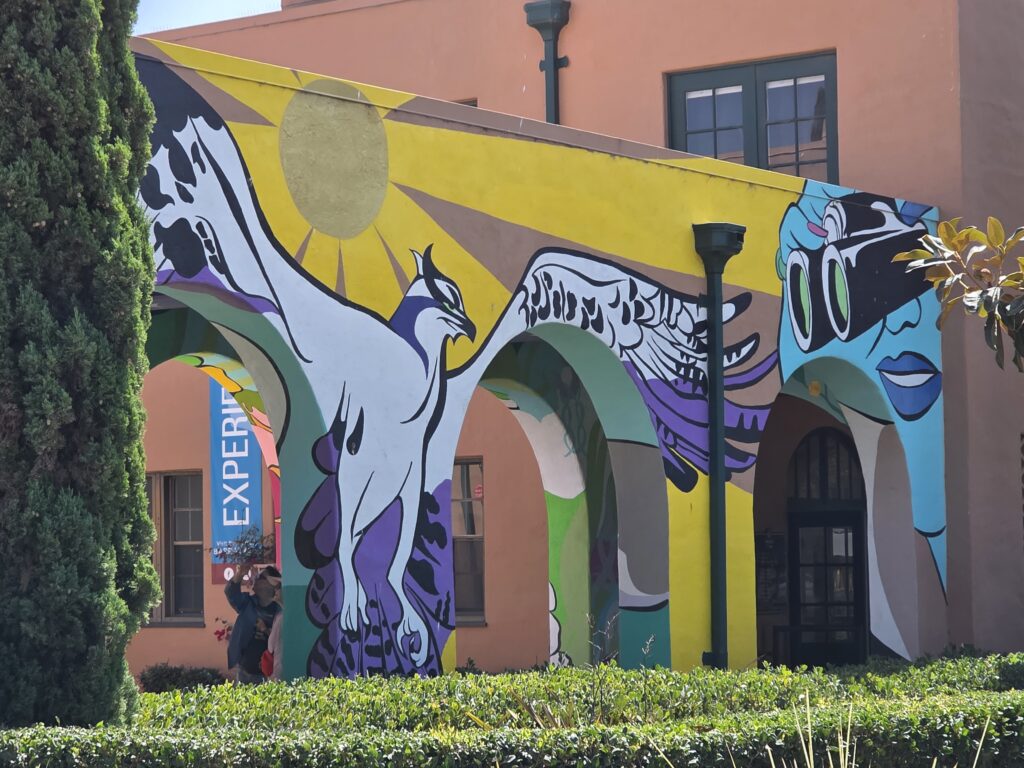
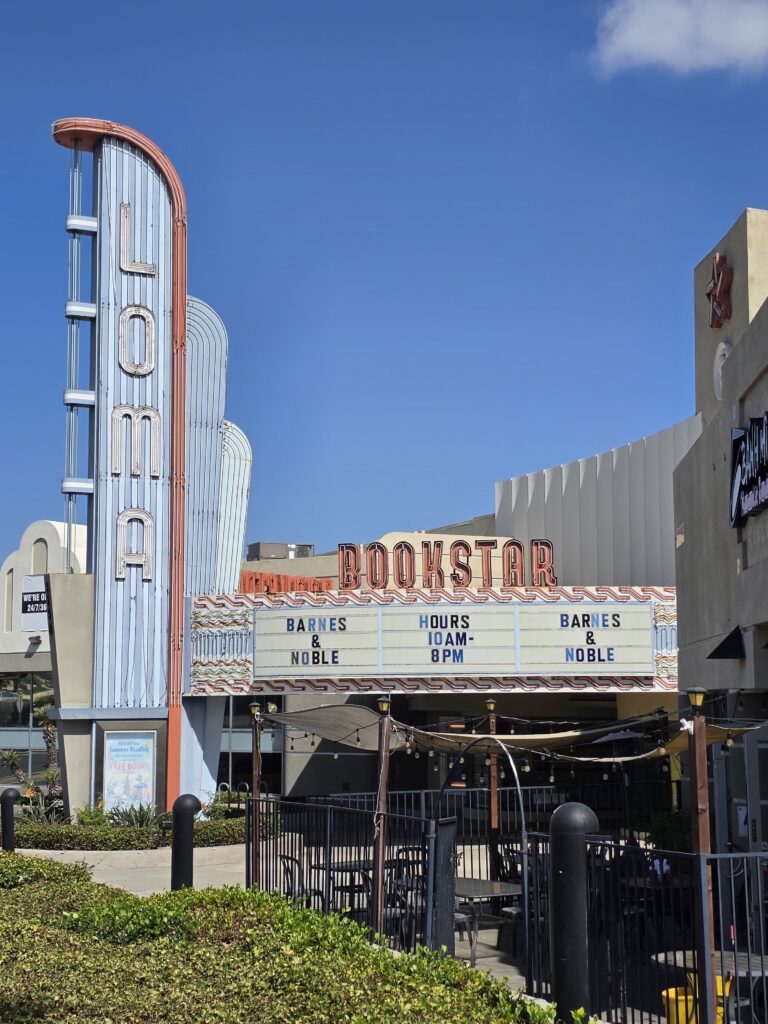
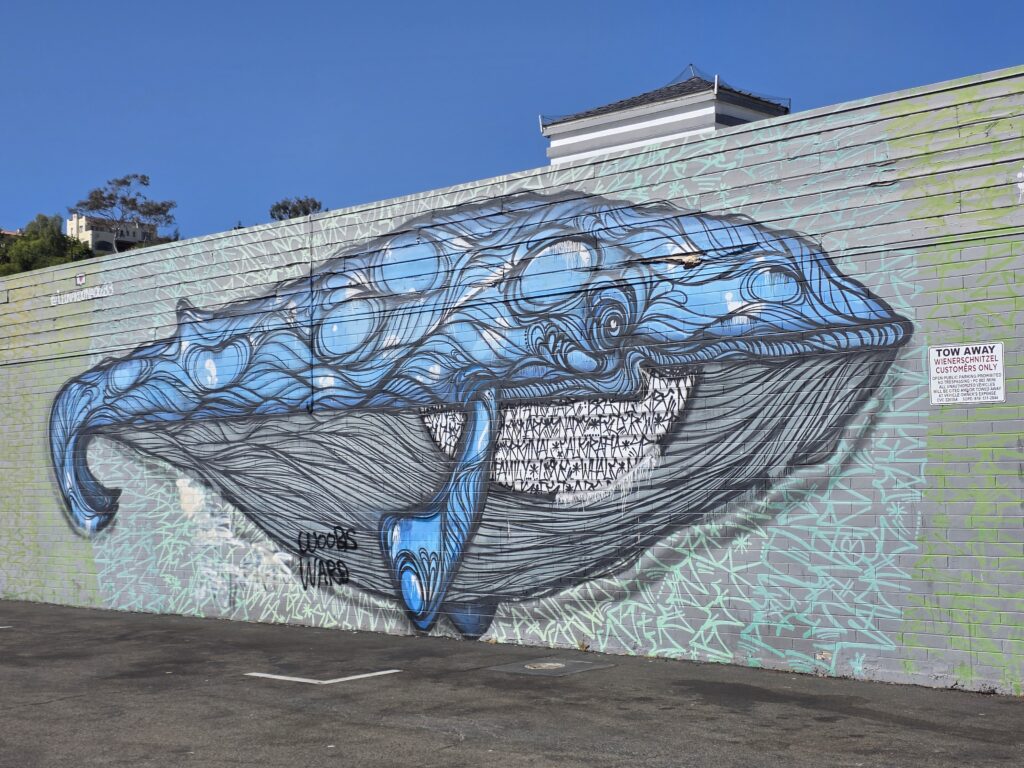
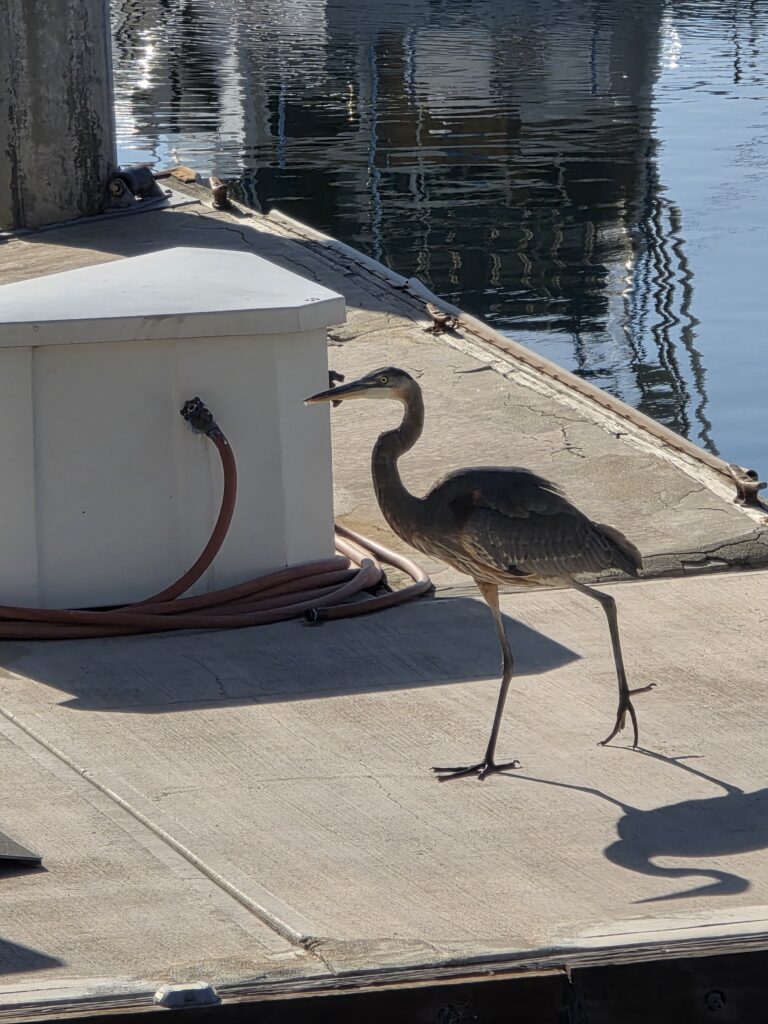
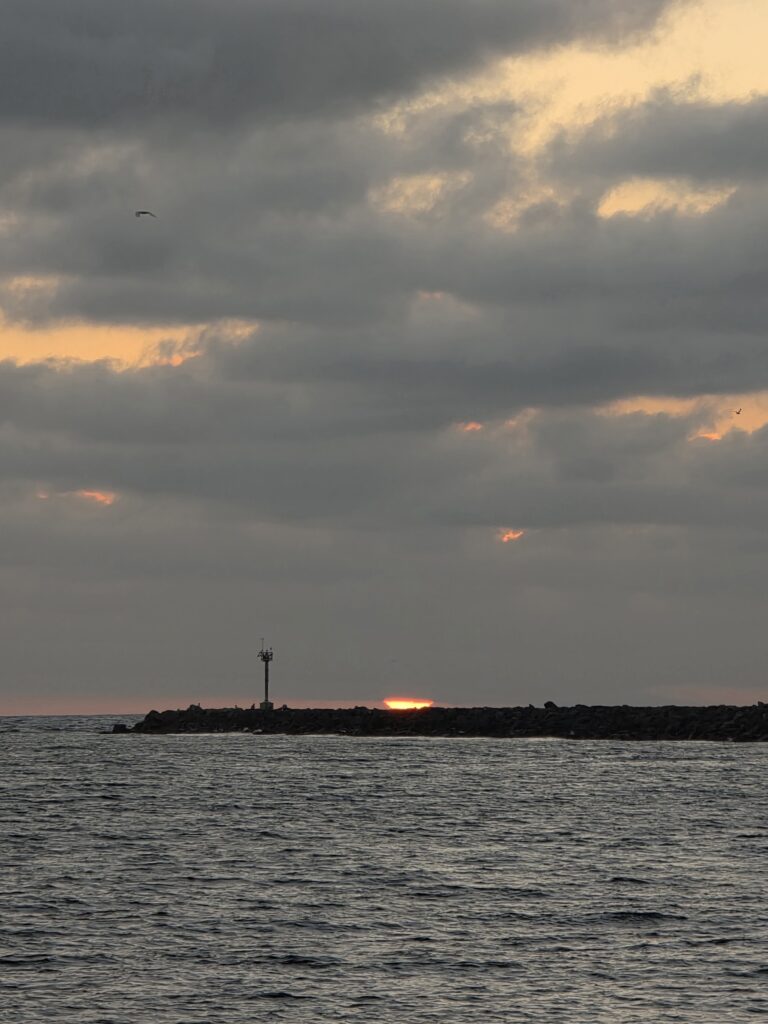
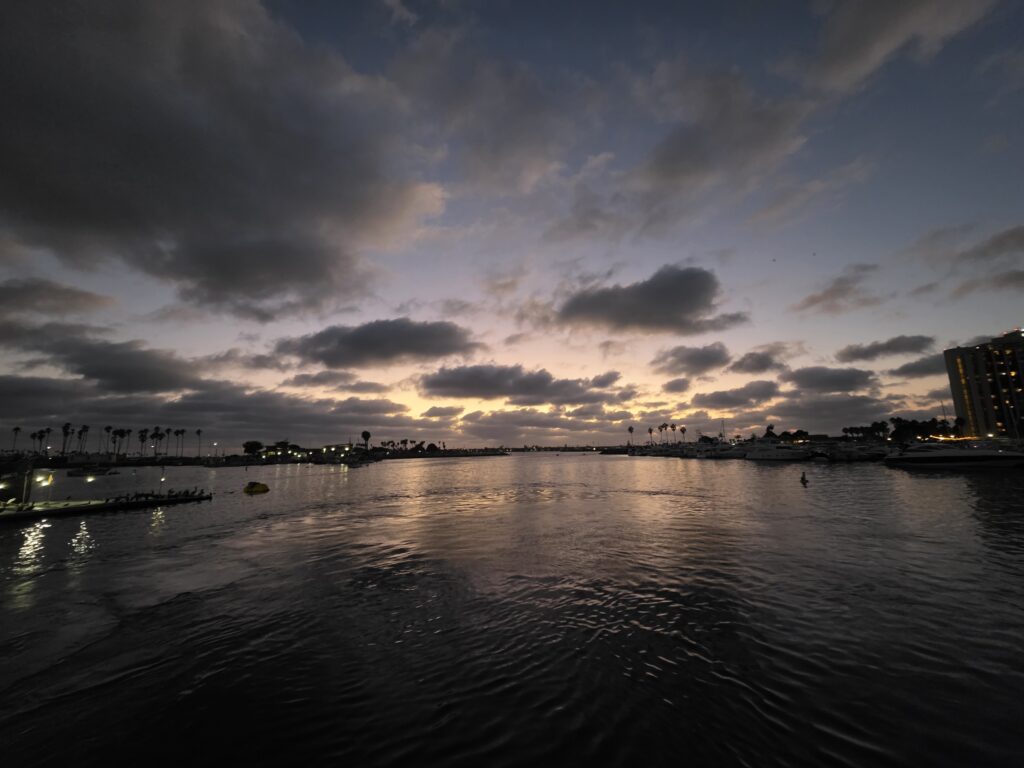
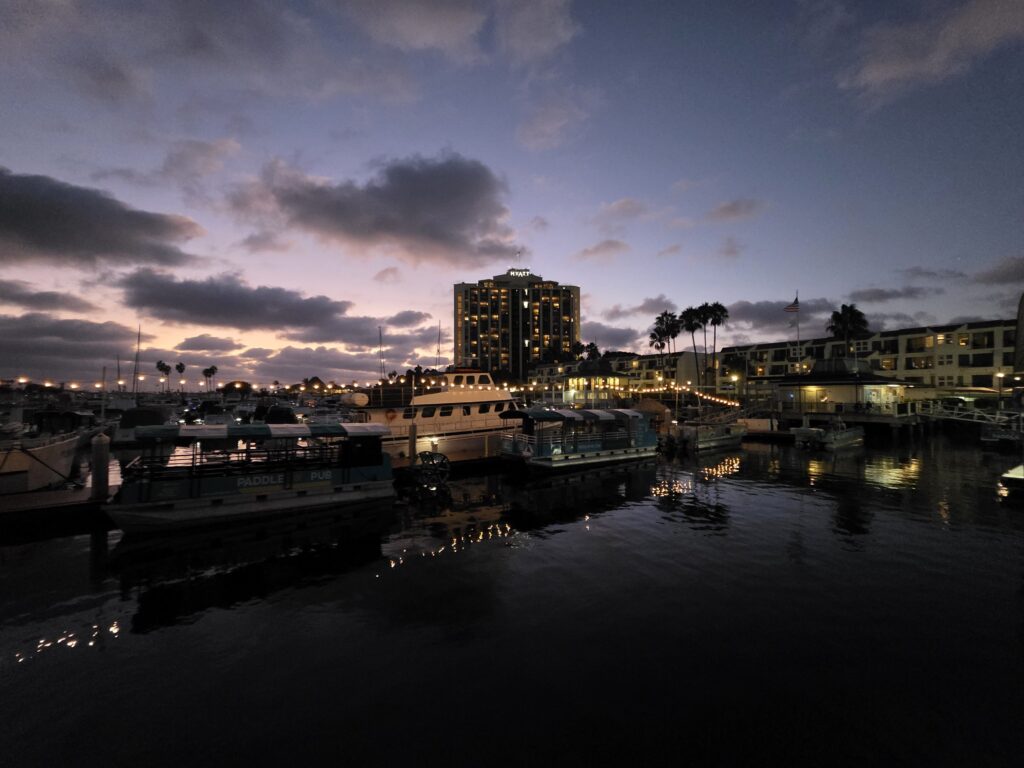
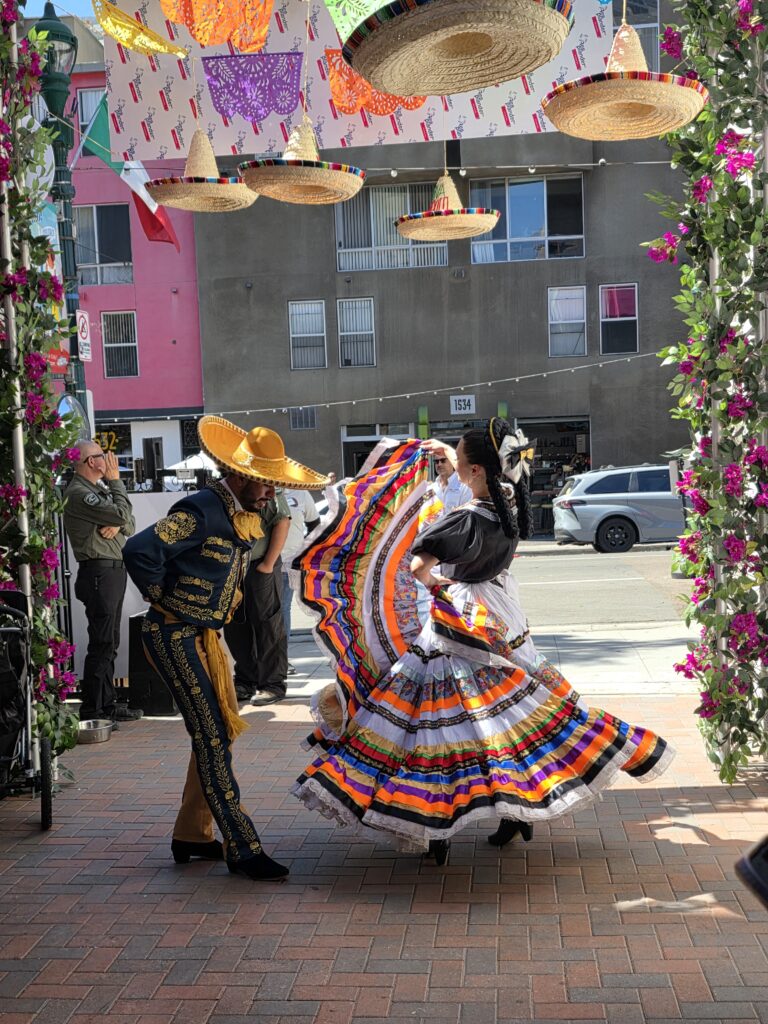
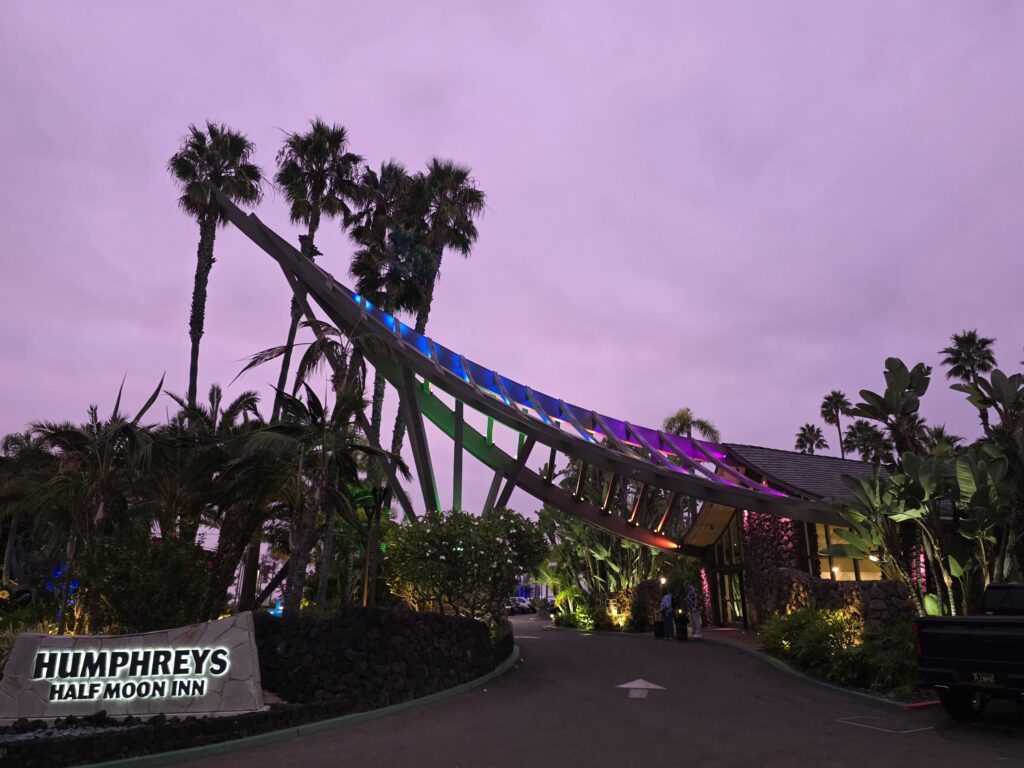
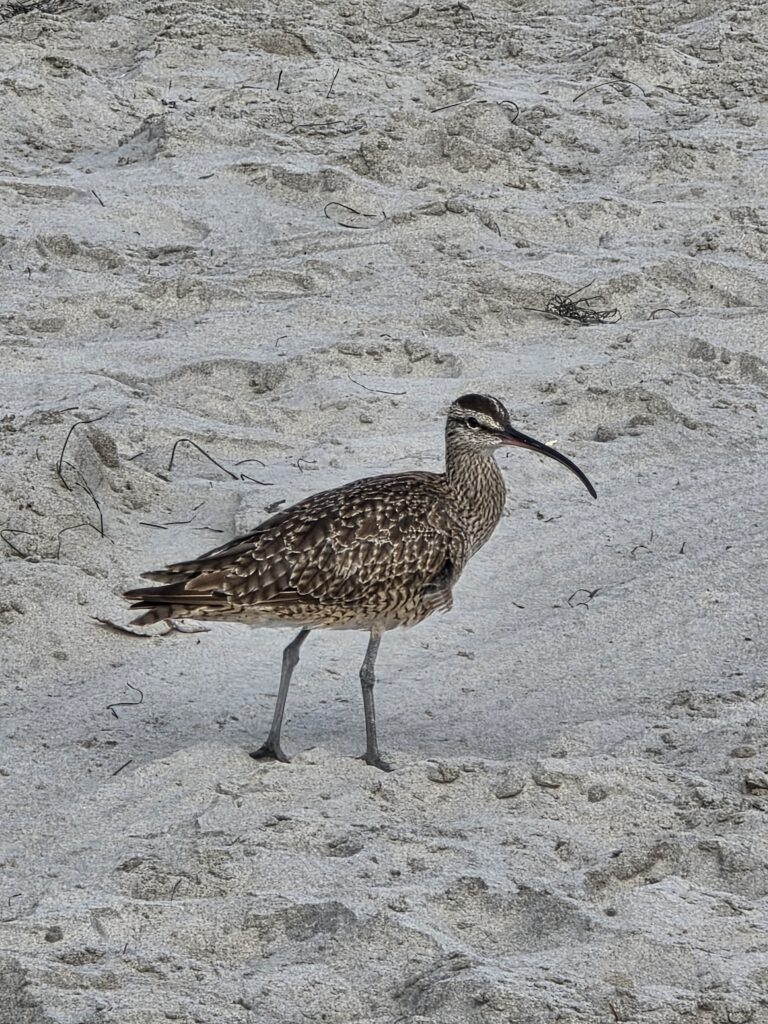
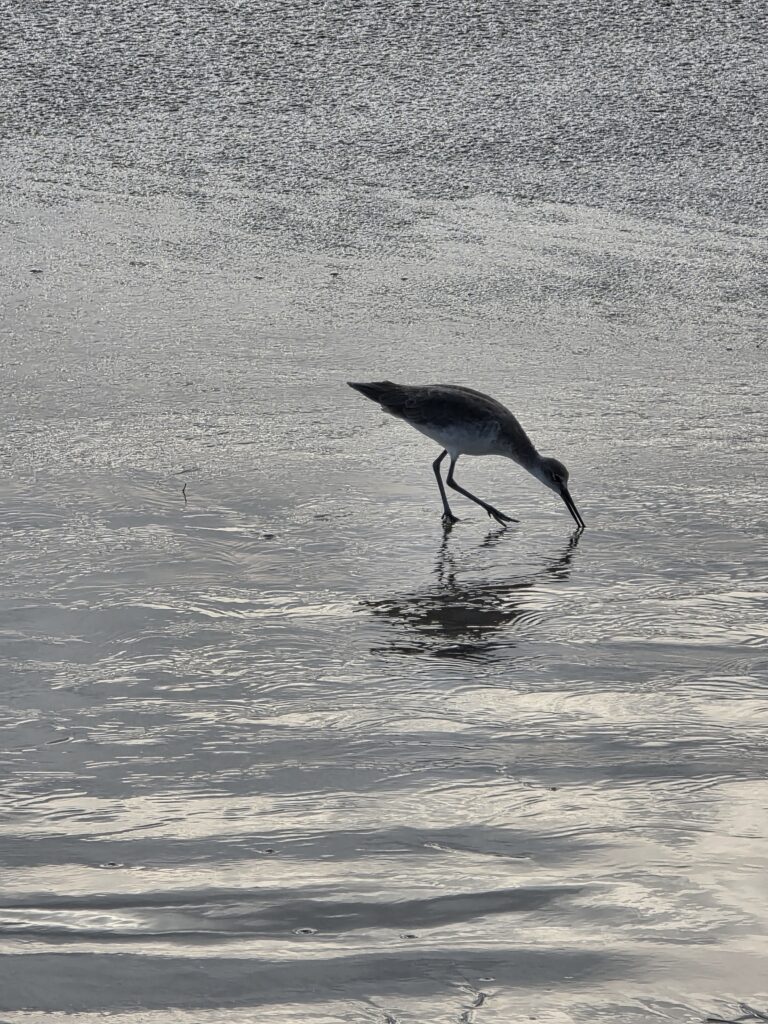
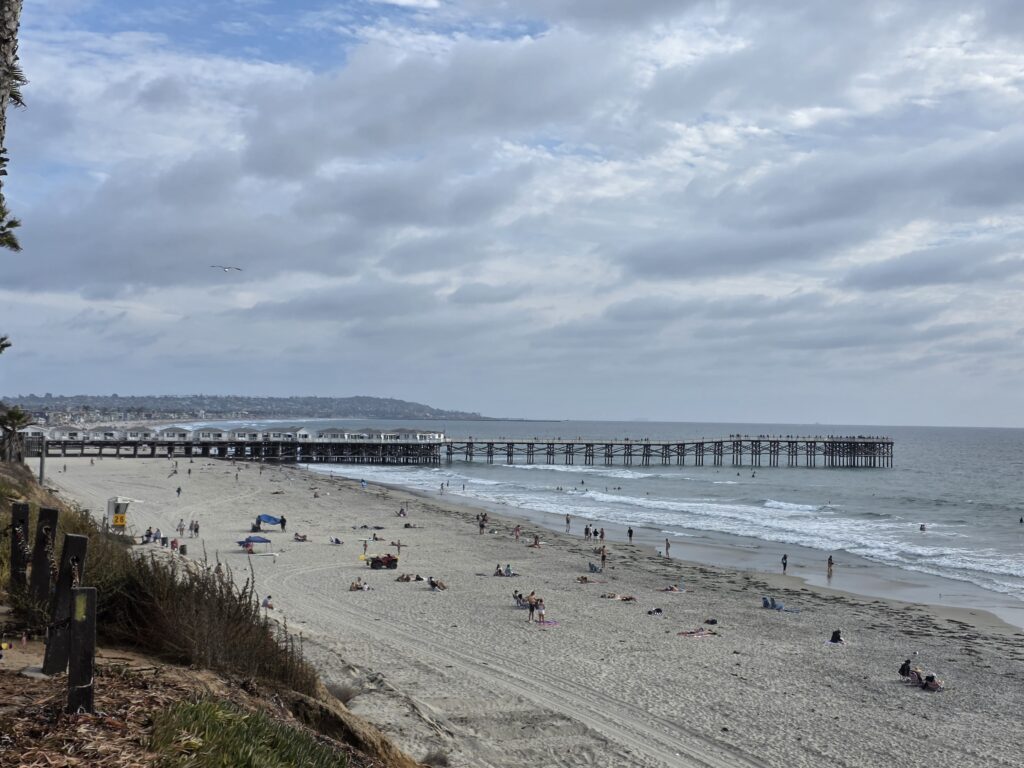
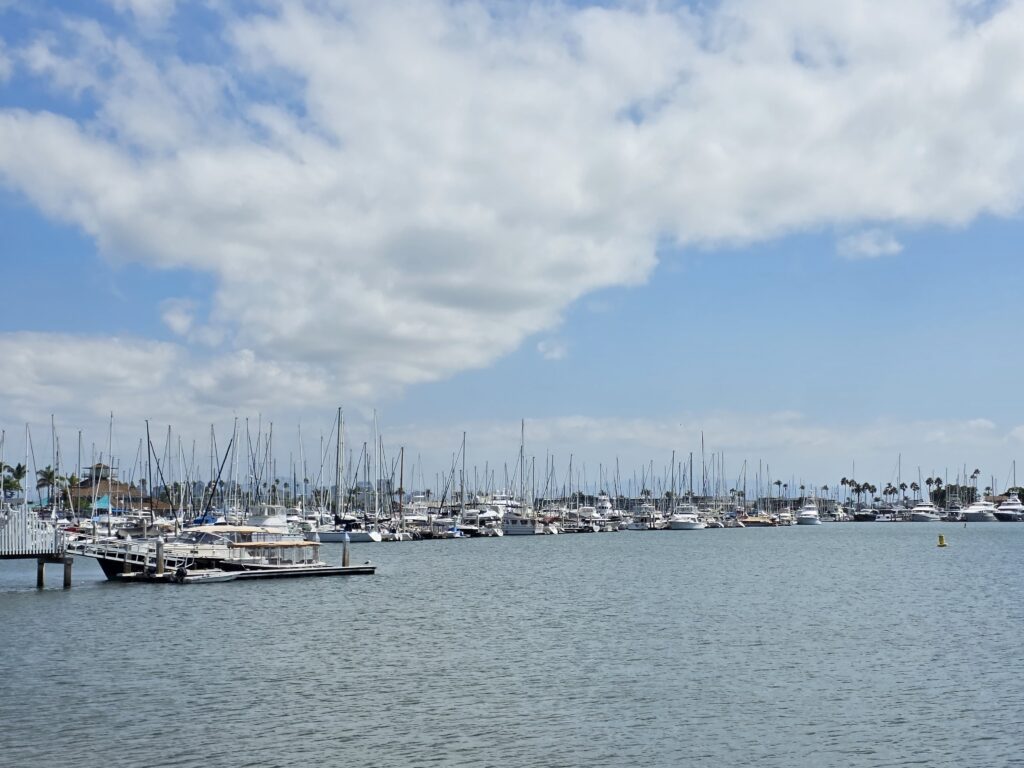
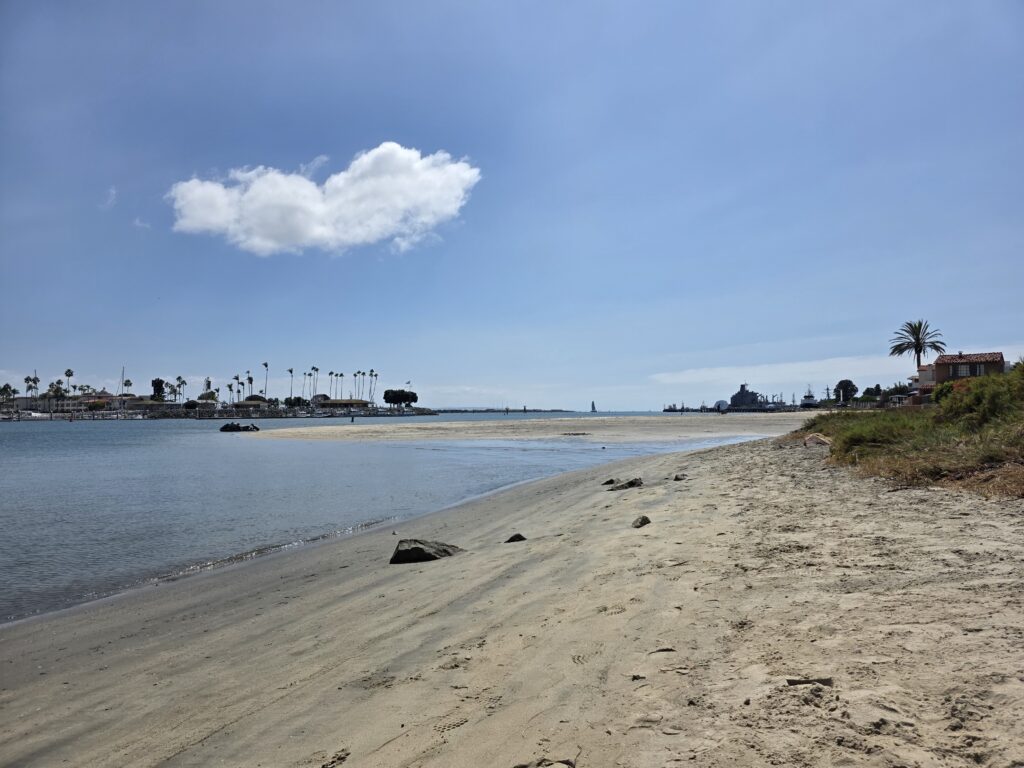
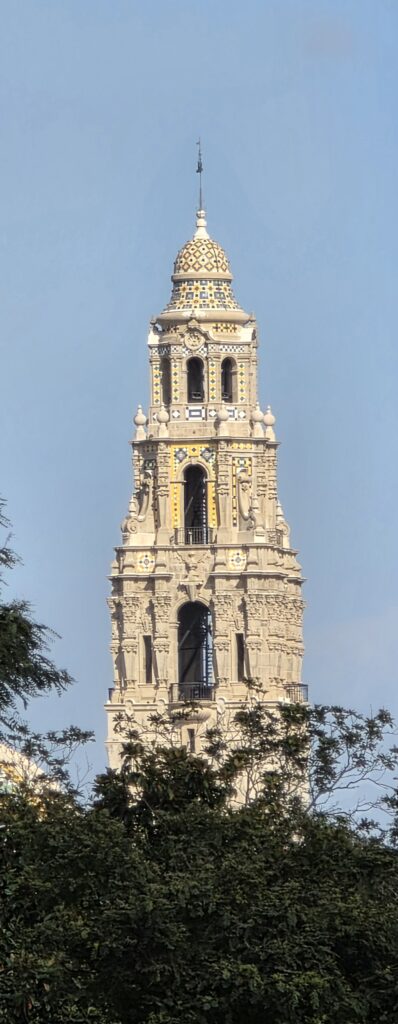
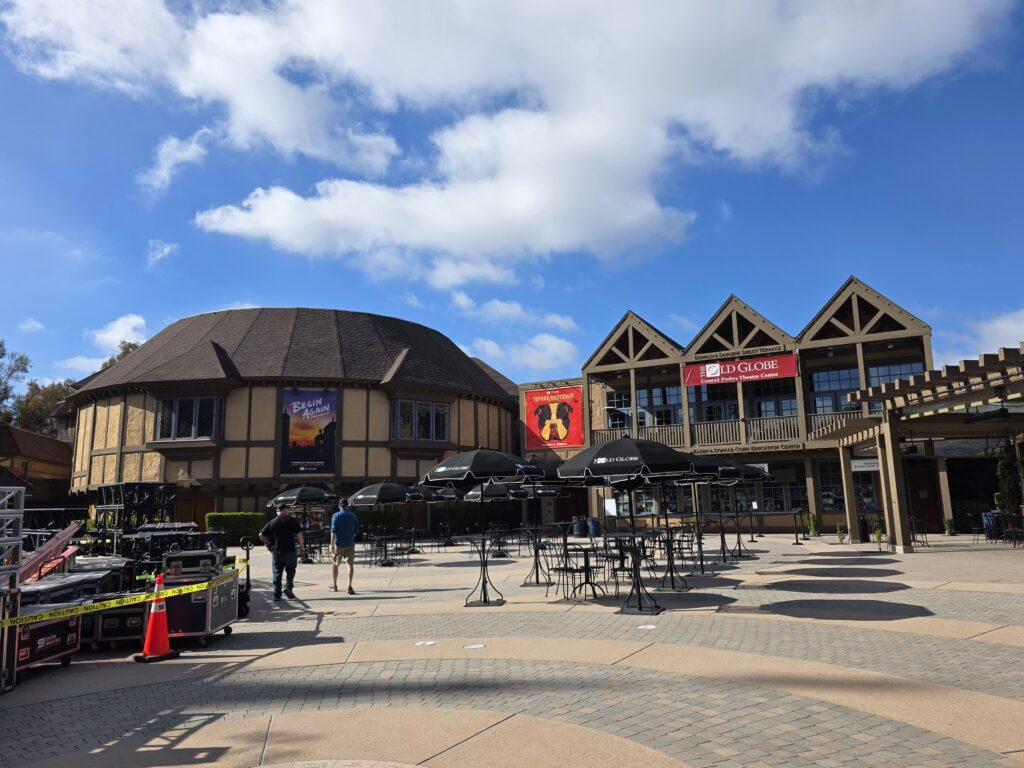
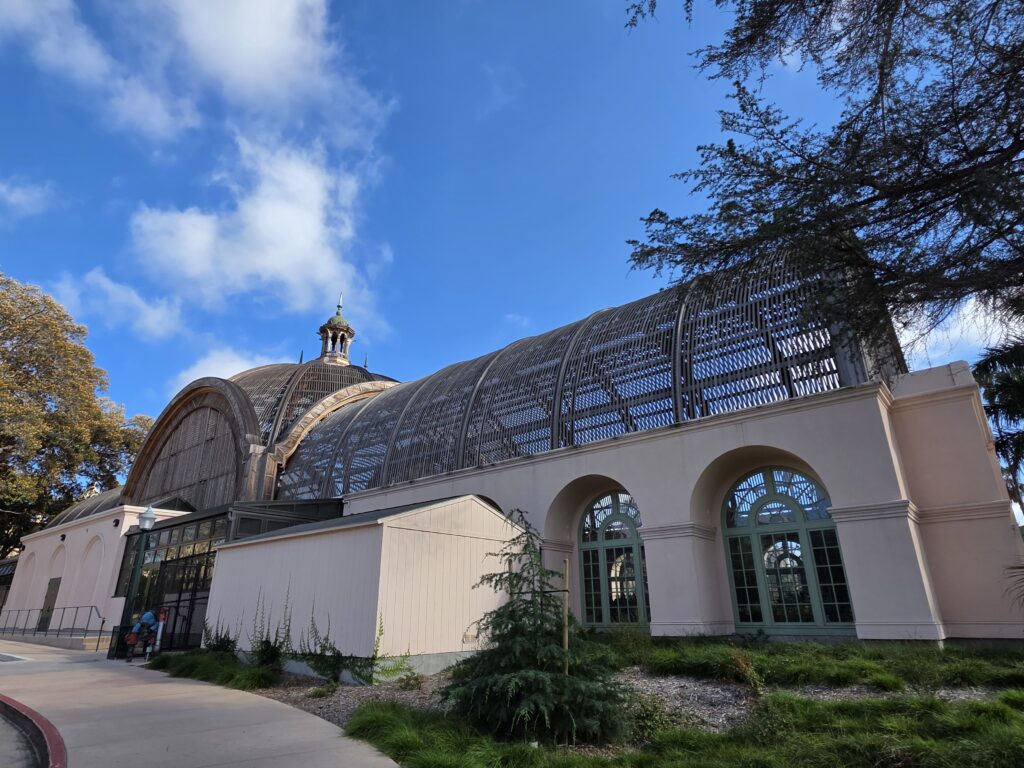
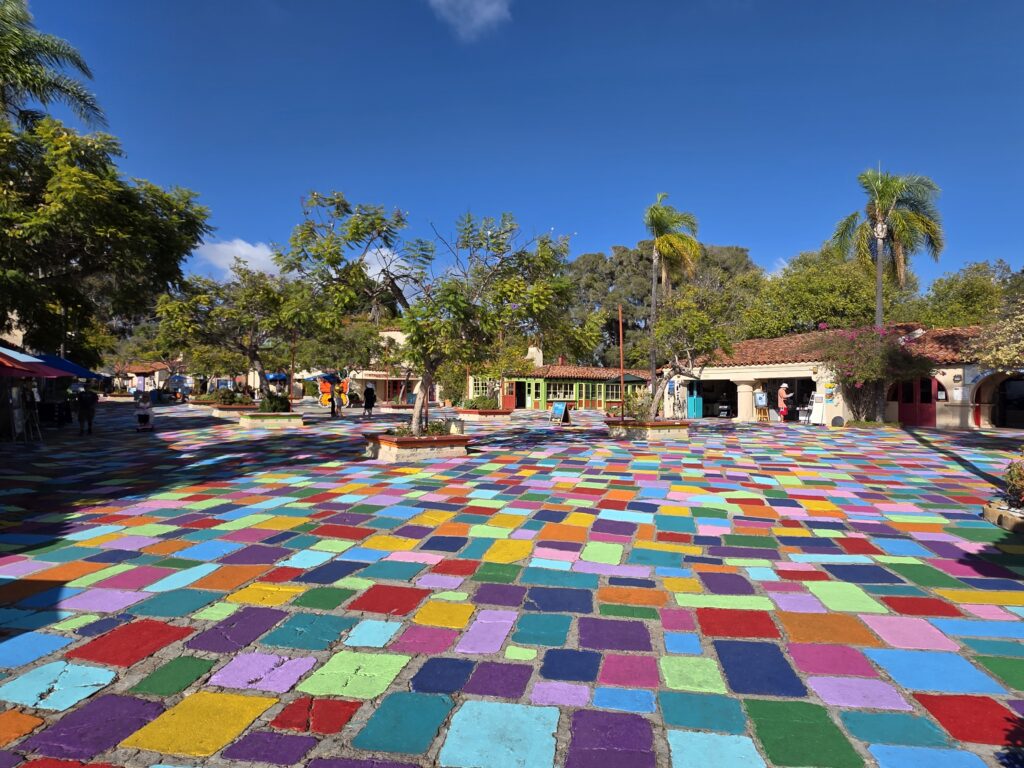
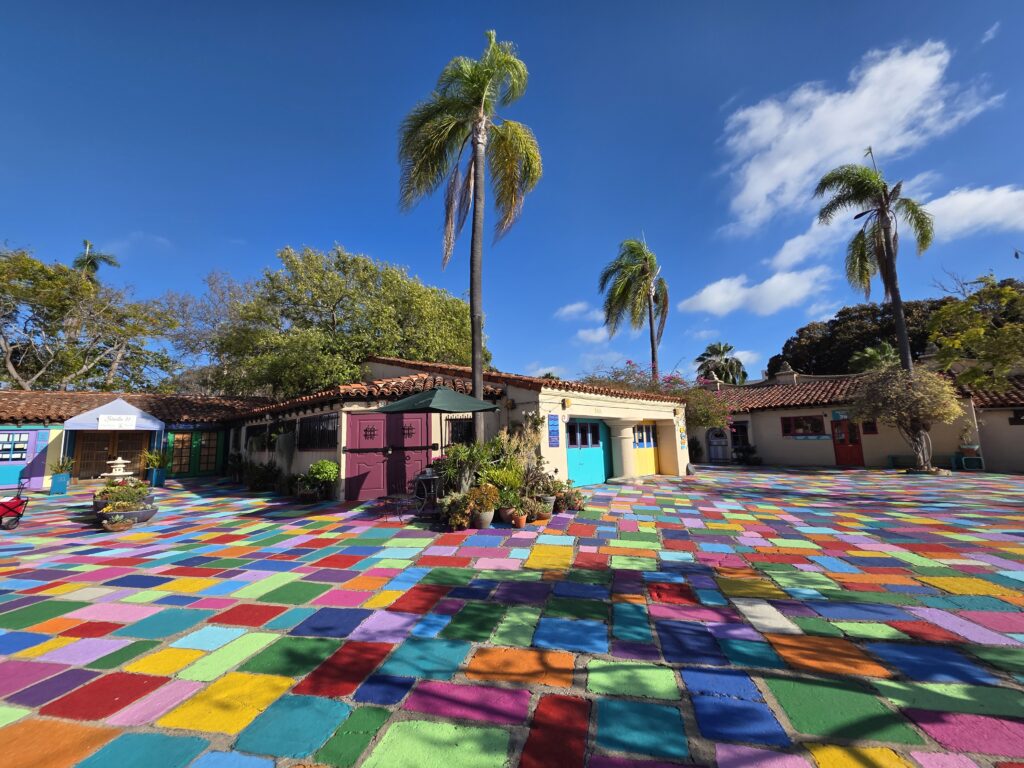
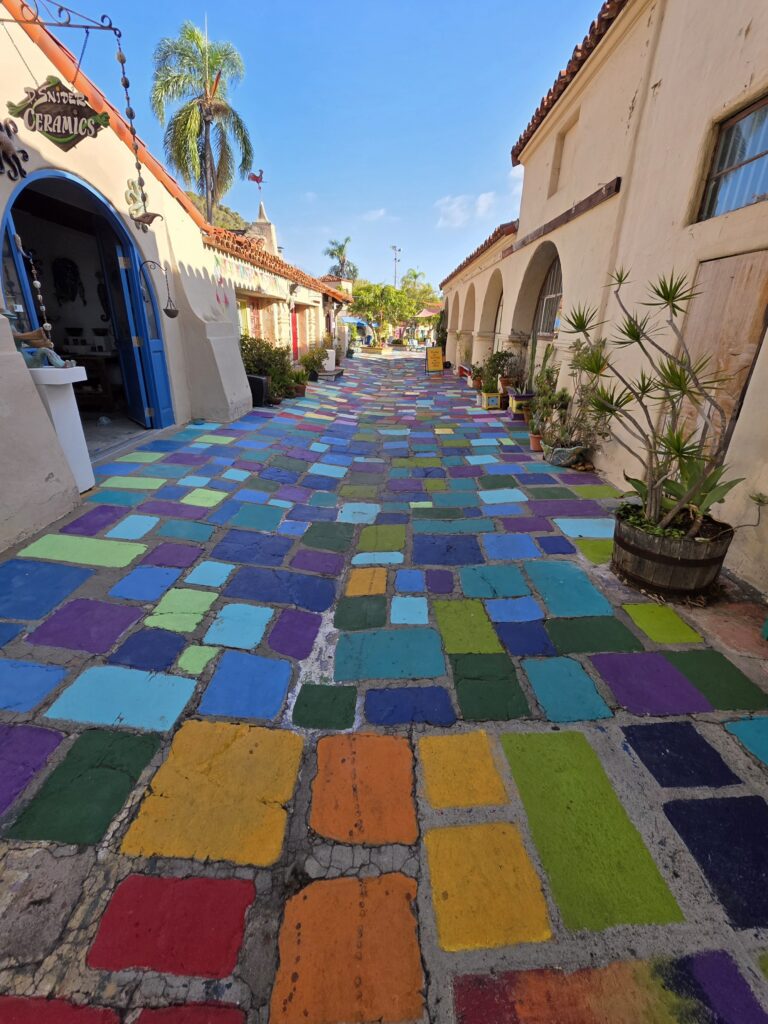
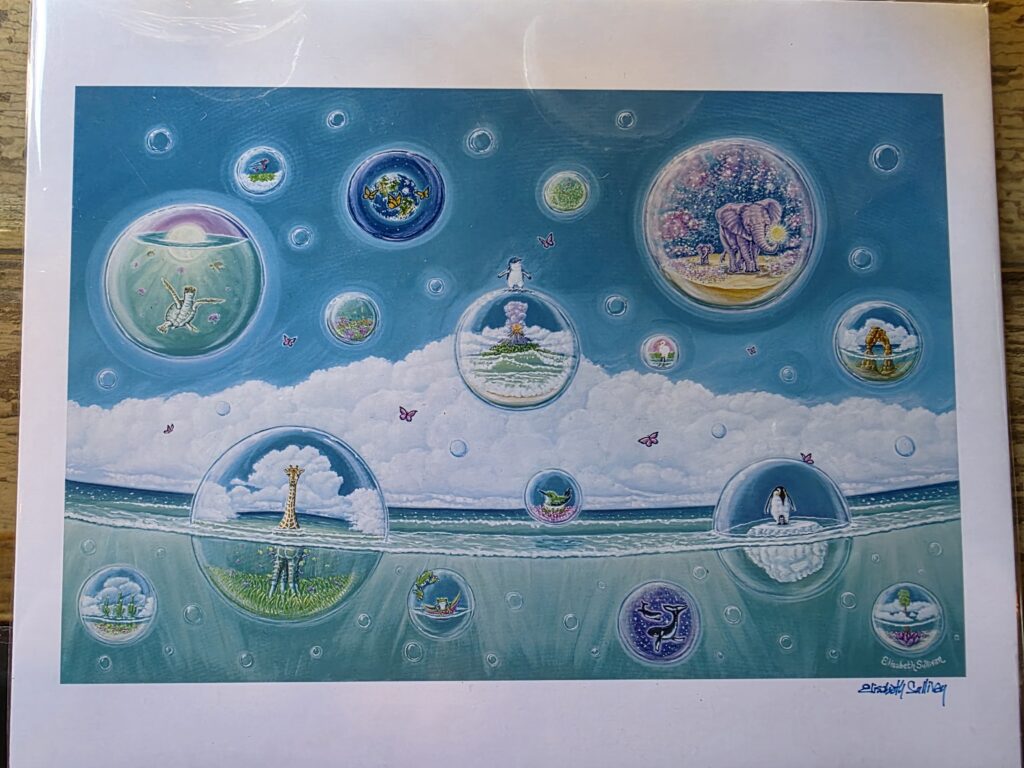
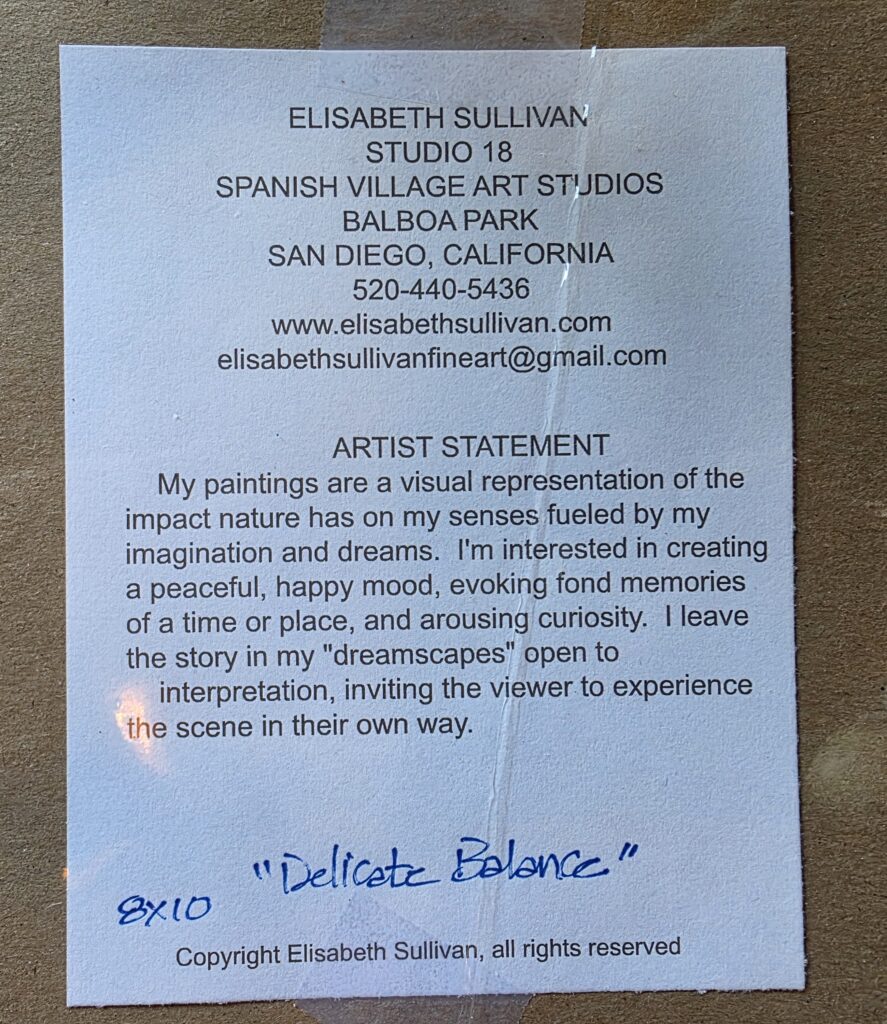
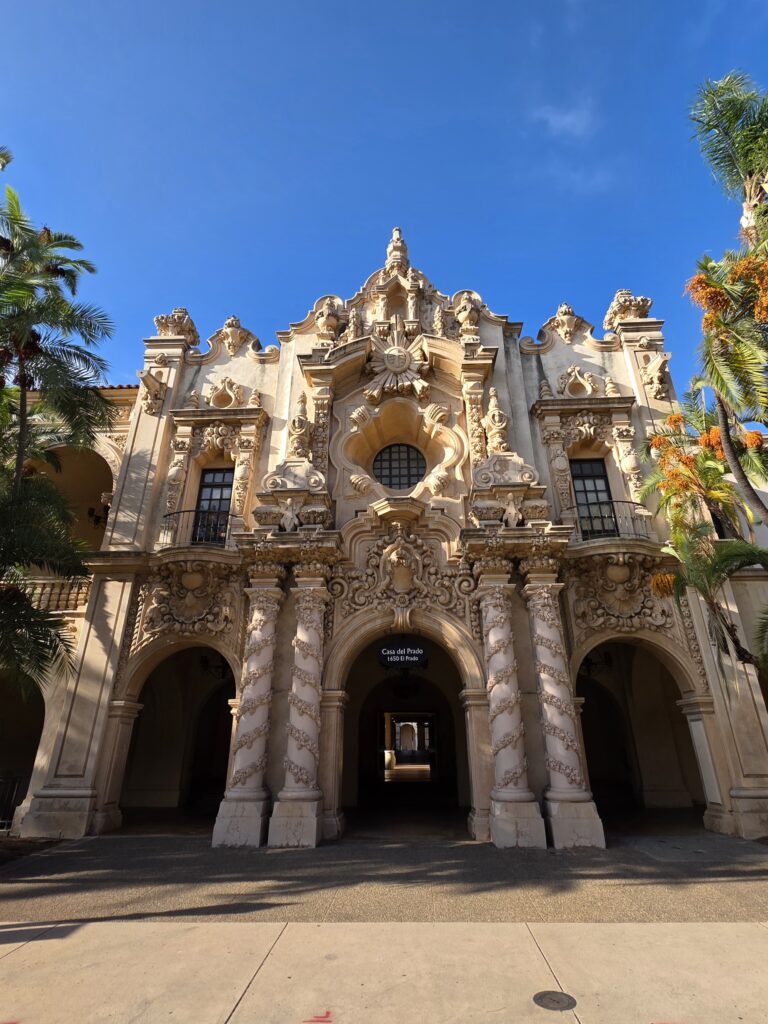
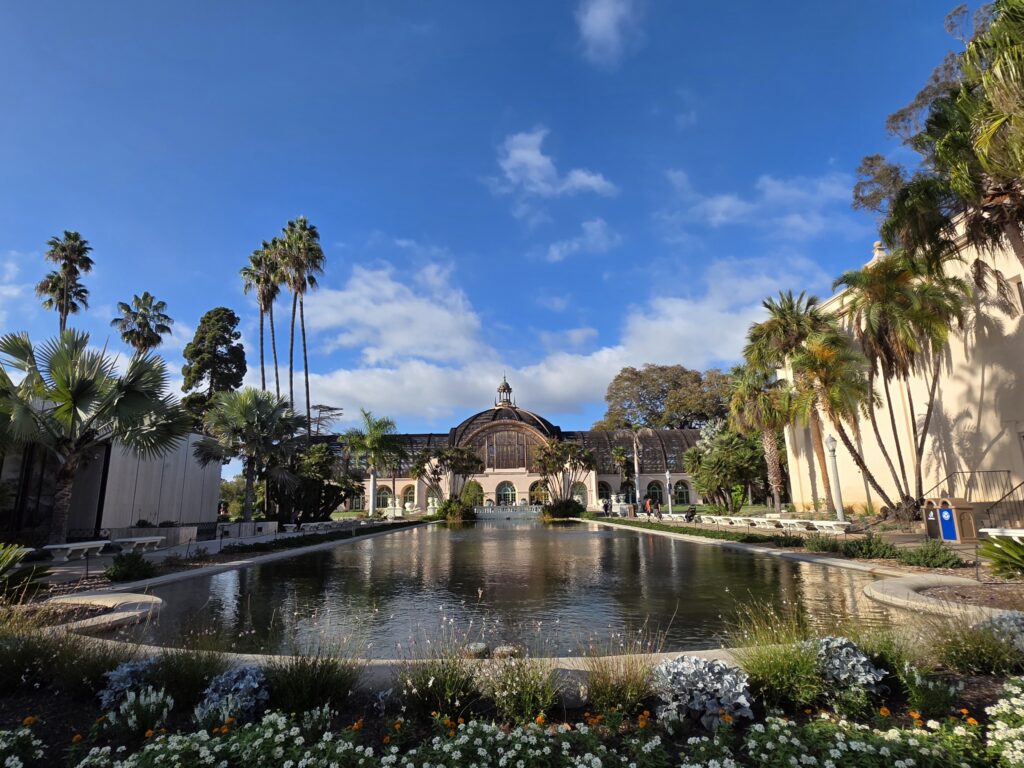
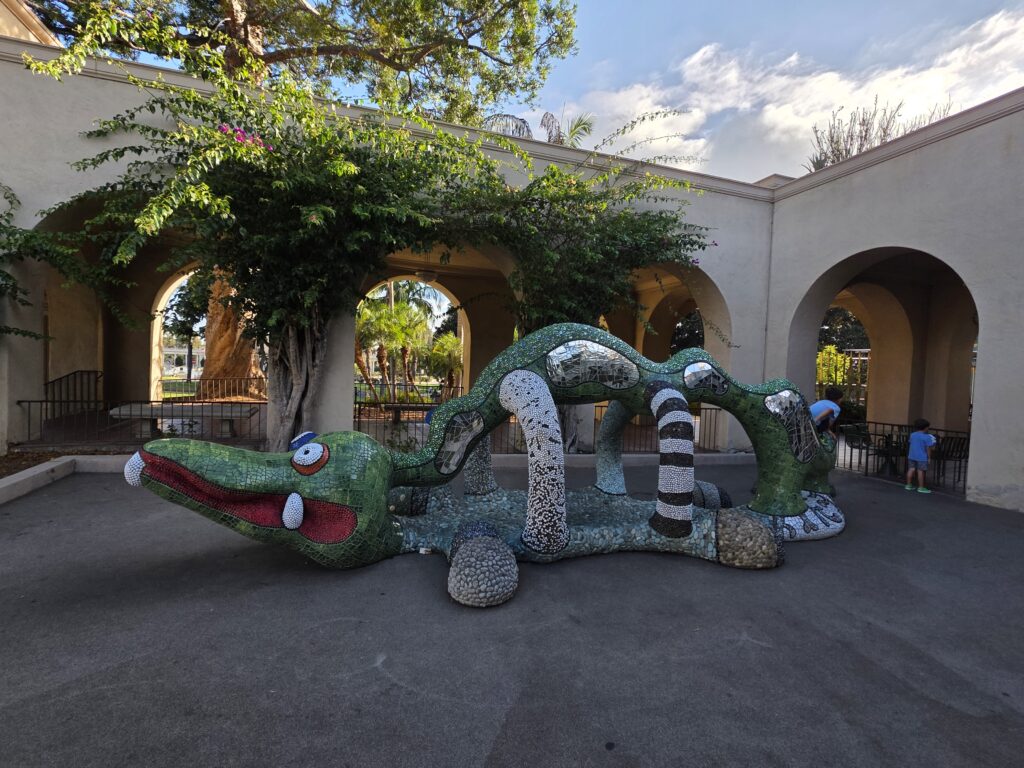
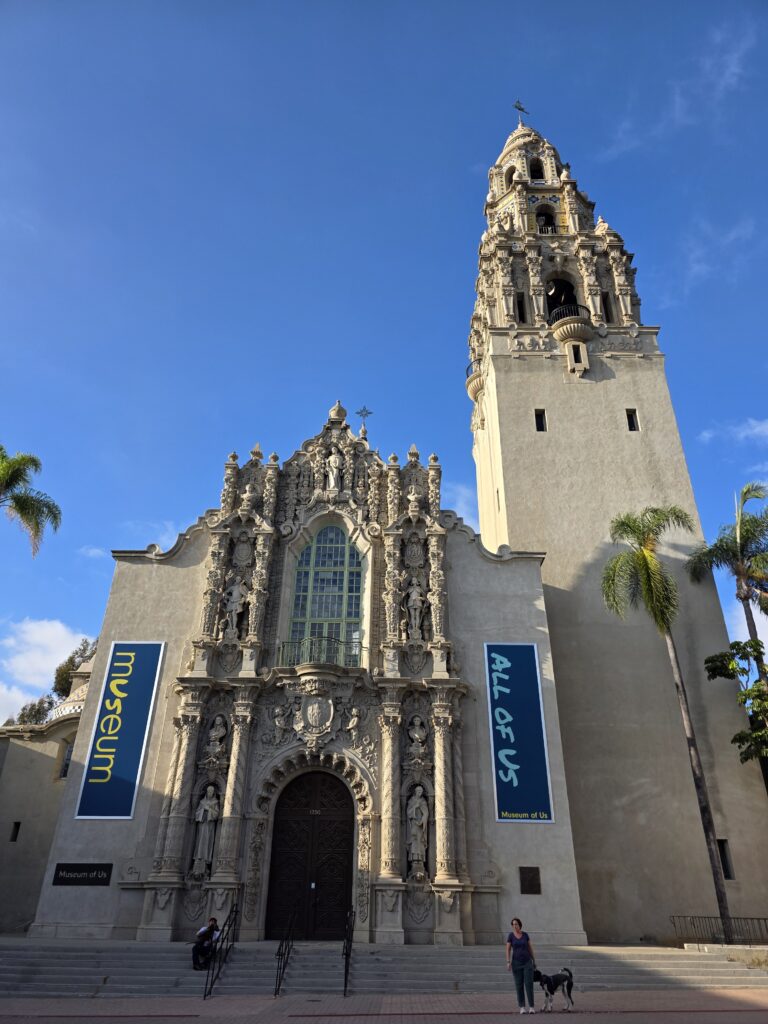
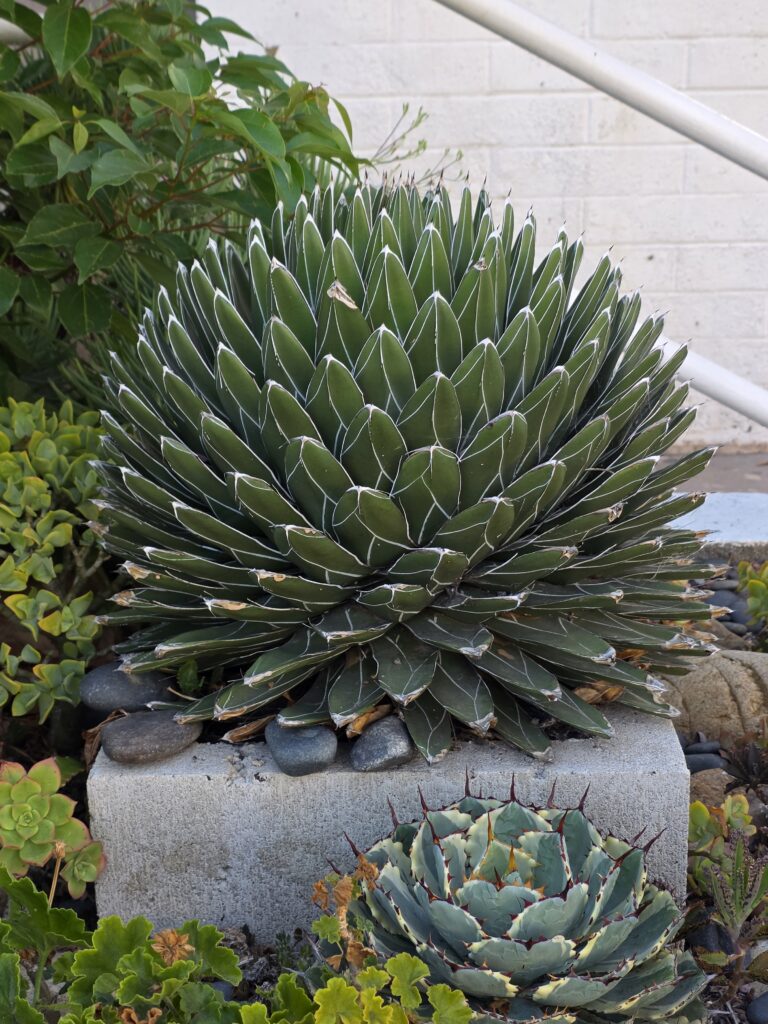
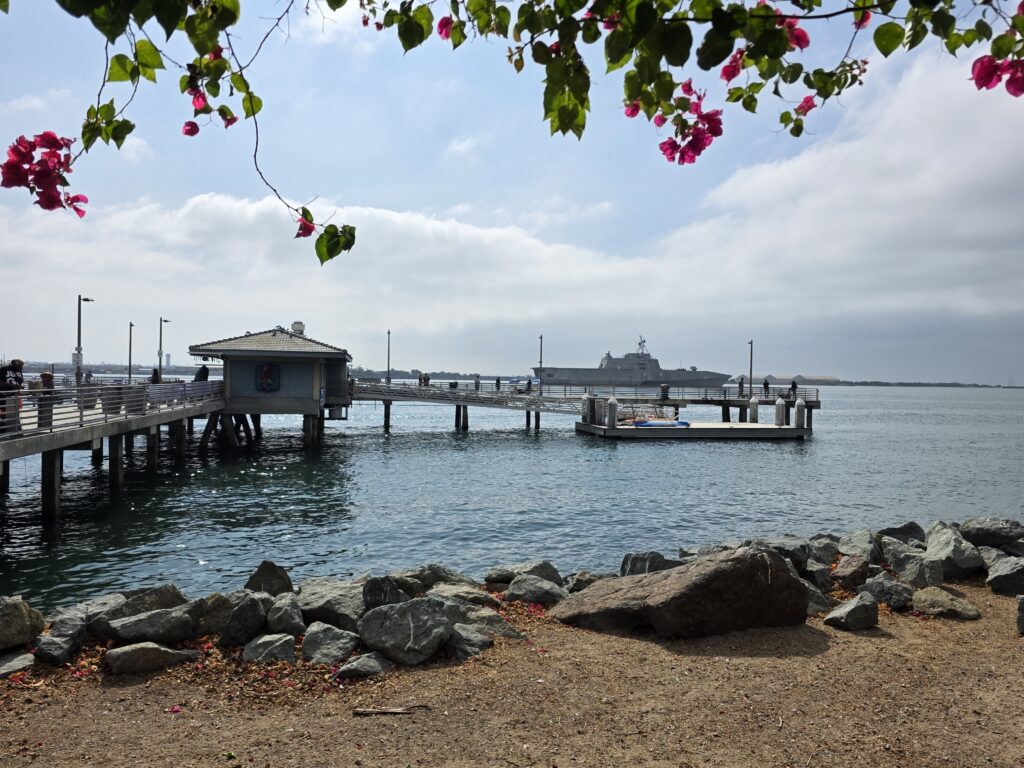
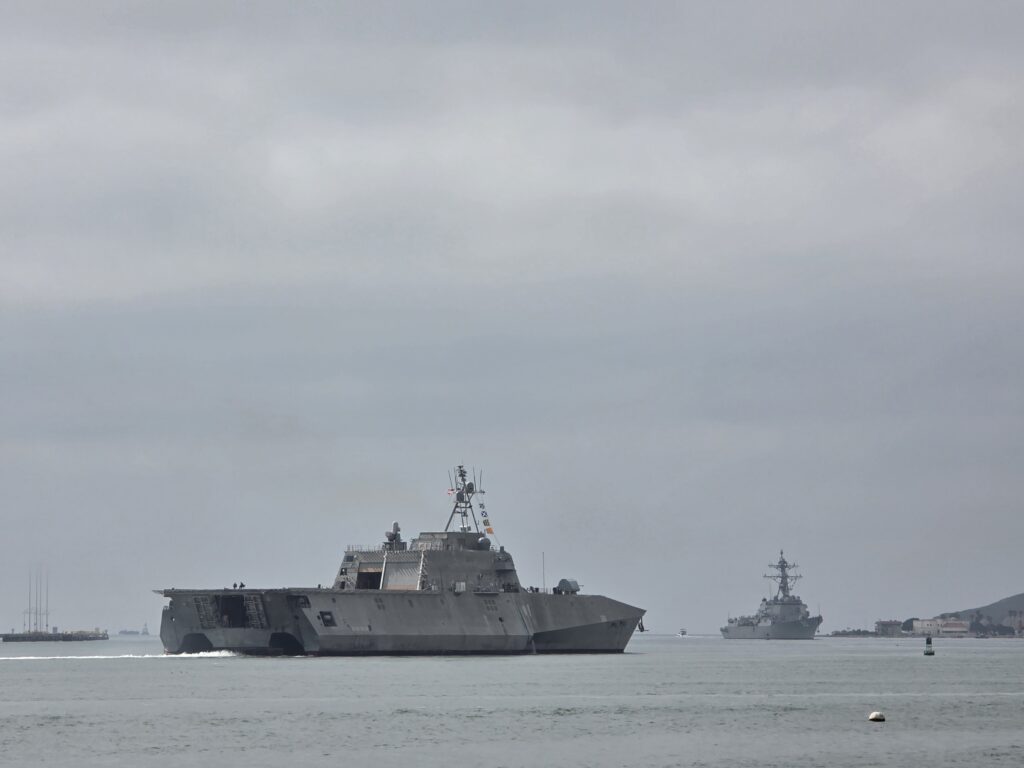
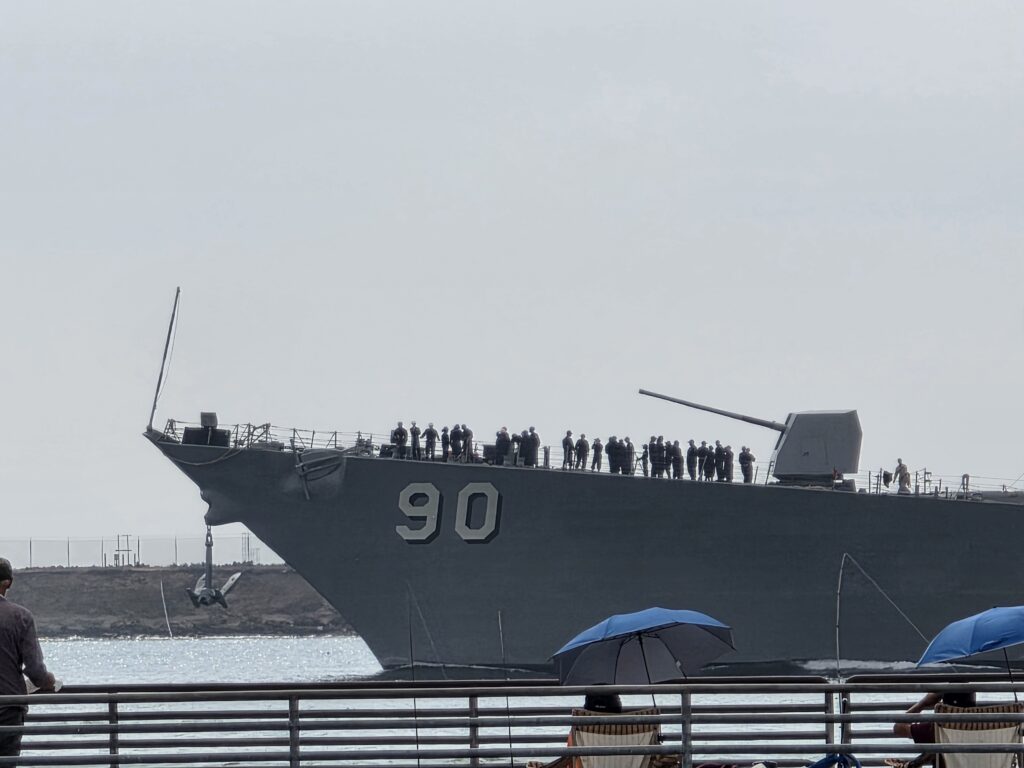
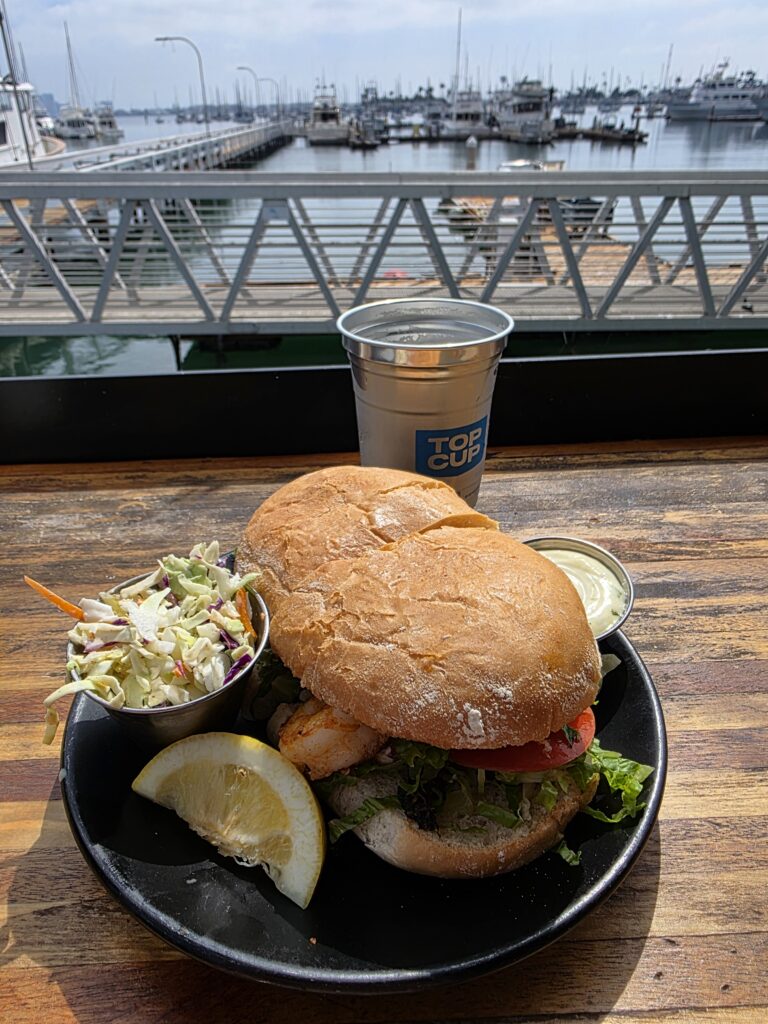
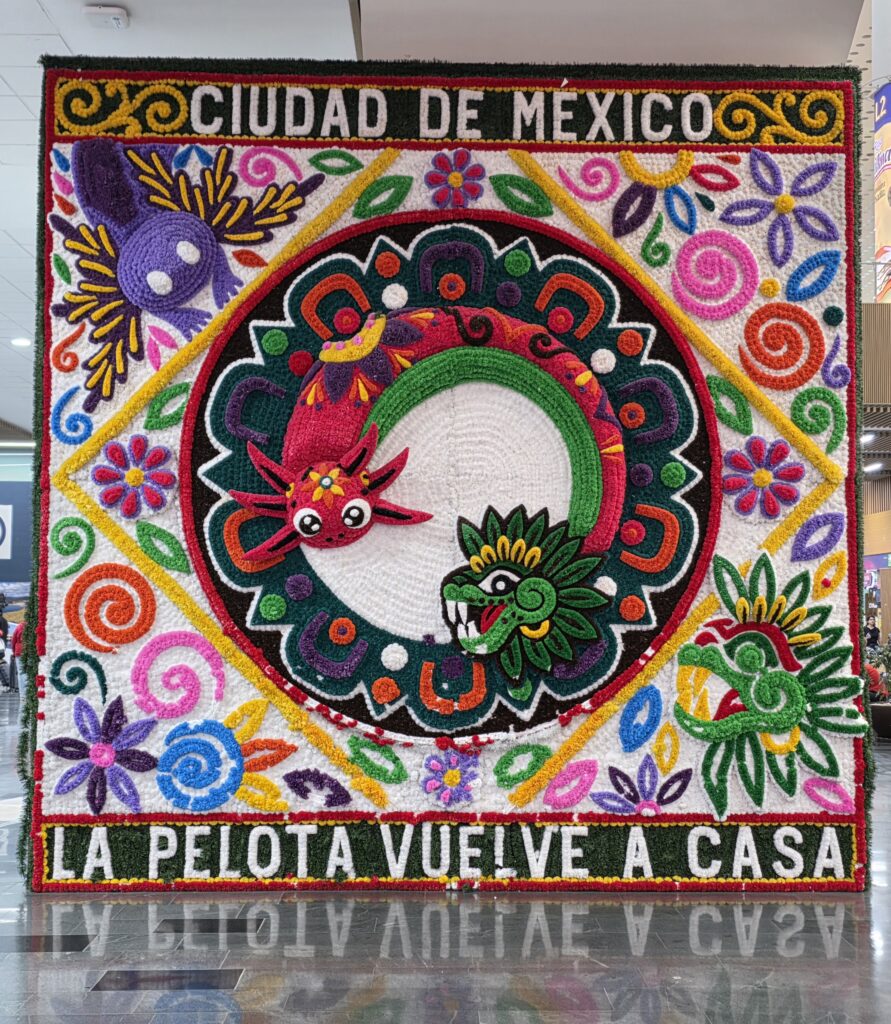
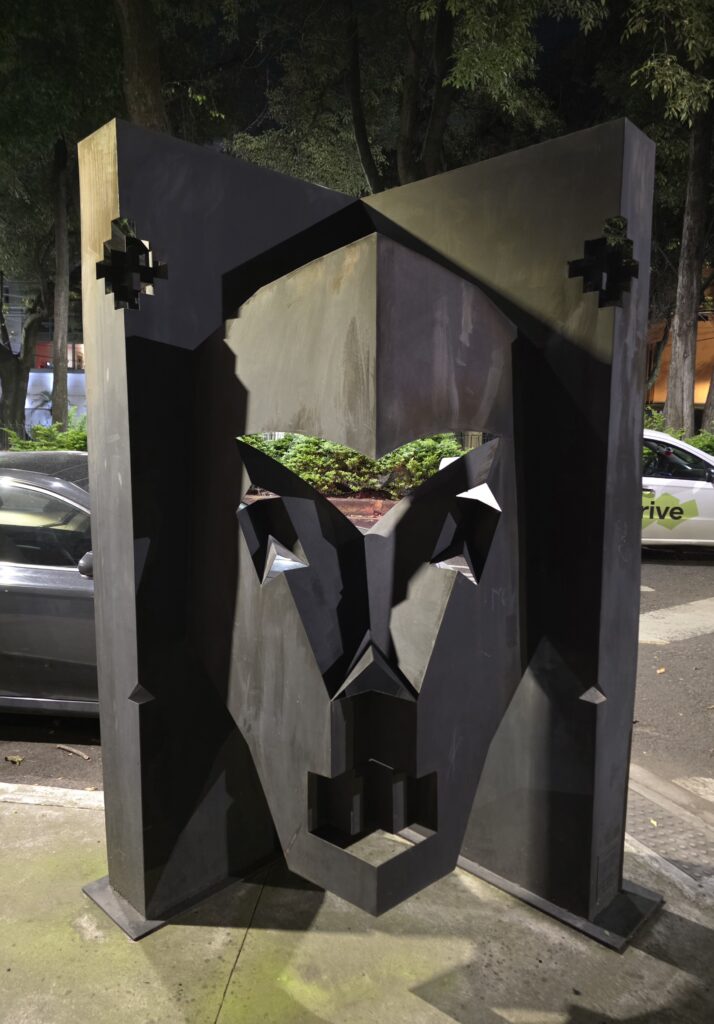
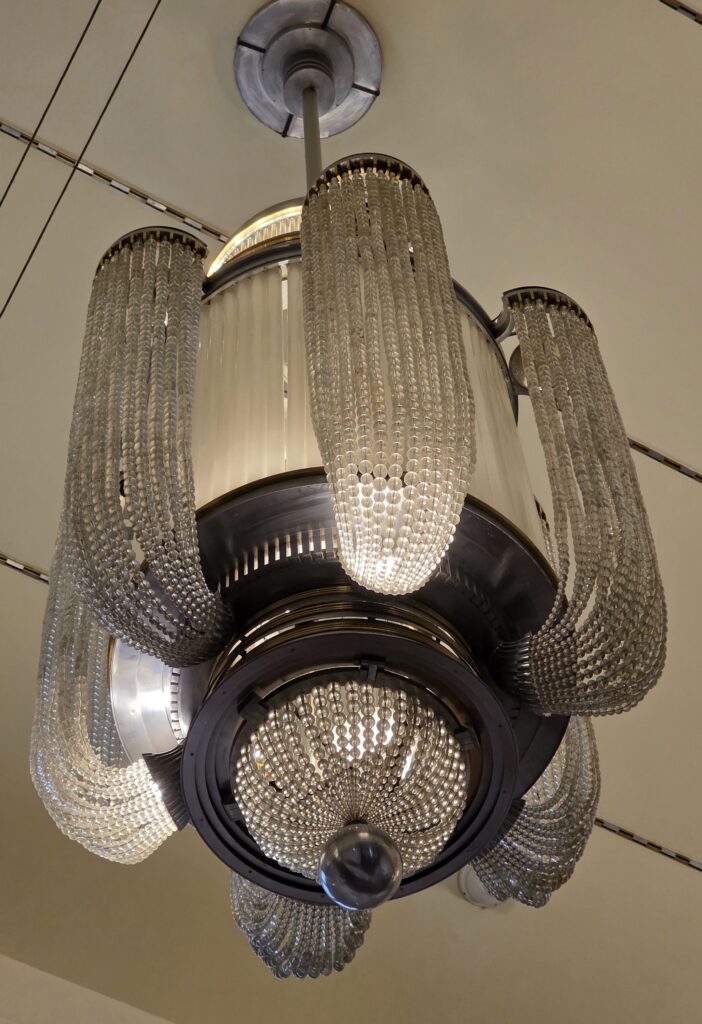
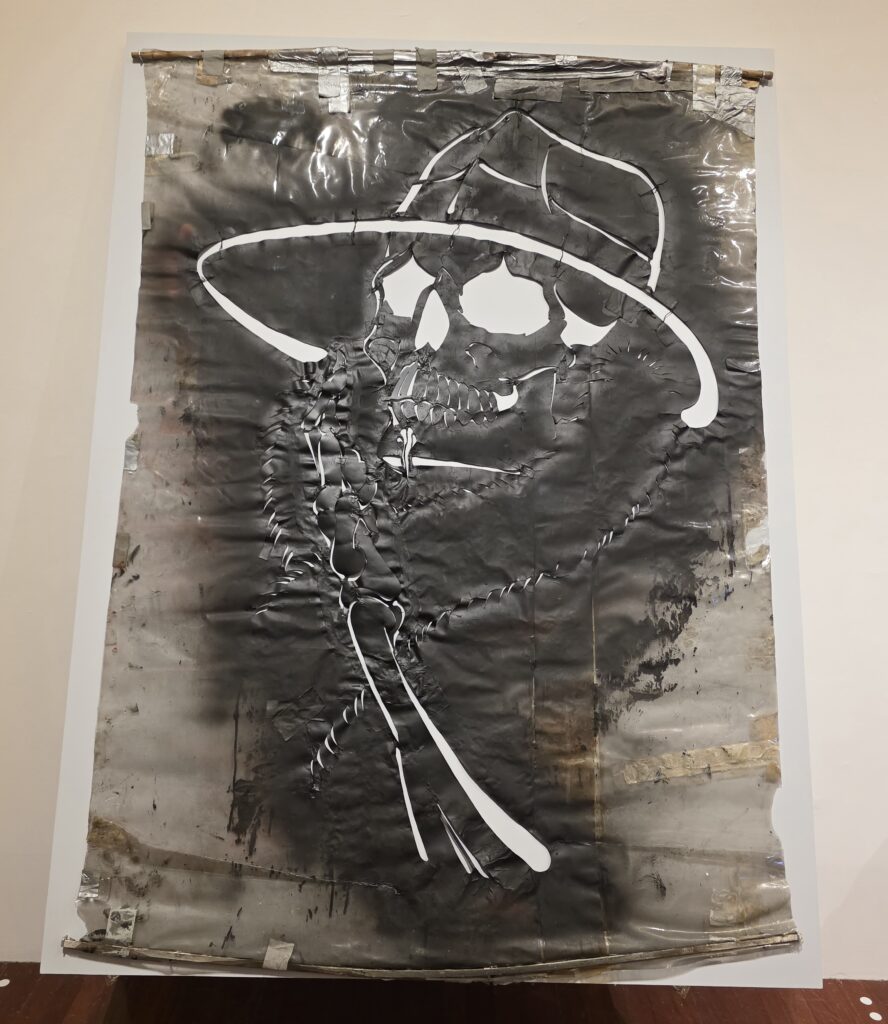
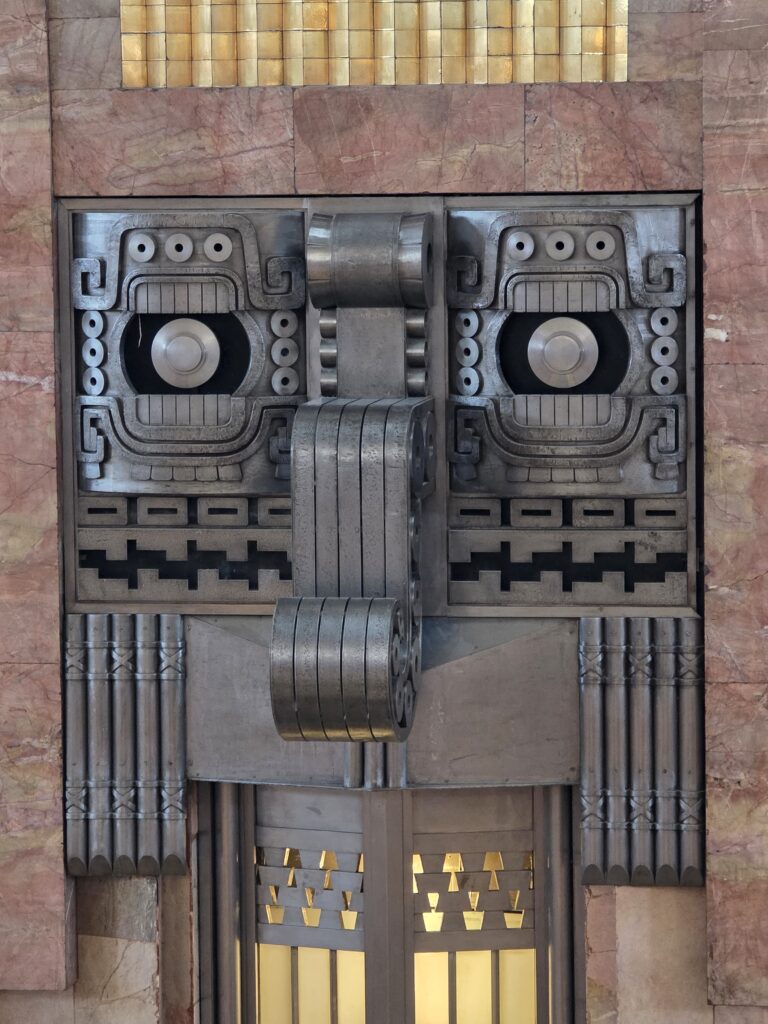
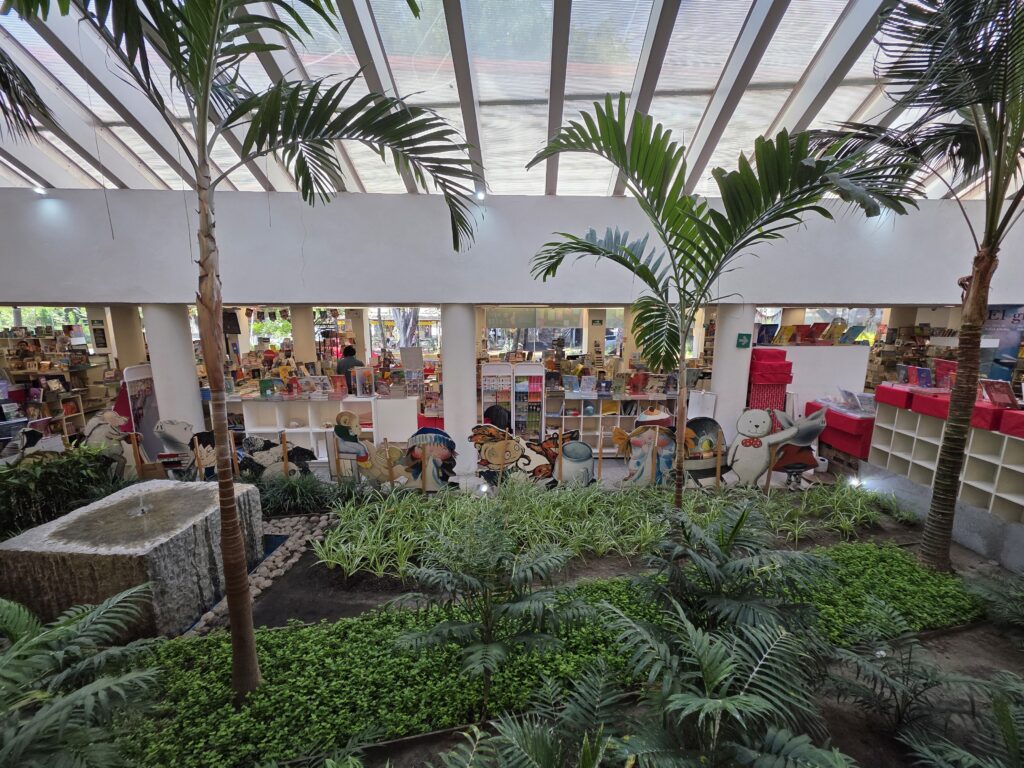
Exploring Liberty Station in San Diego. This colorful mural in Liberty Station is entitled “Home” and is by artist Scarlett G. Baily. Liberty station has a big Arts District with many artist studios. The “outside” of the same mural. I love this preserved retro style of this sign. Enjoying the murals in Point Loma. This one was created by artist Leonardo Nado in 2018.Saying hi to a Great Blue Heron on my way to Mission Bay for our sunset cruise. As much of the sunset we were able to see. It was a beautiful night to be on the water. Last Saturday’s adventure began in Little Italy.We explored the farmer’s market. The Mexican Consulate was hosting a mini fiesta highlighting Jalisco. We sampled tequila, agua fresca, tortas and enjoyed some Mexican music and dancing. It definitely got us excited about returning the Mexico City. Inside Filippi’s Pizza Grotto where we had lunch. After lunch we walked along the Embarcadero. And looked at the cool ships.Saw the USS Midway. And this “Unconditional Surrender” sculpture by artist J. Seward Johnson Jr. which recreates the iconic 1945 V-J Day photograph. From there we explored Seaport Village. And then the Gaslamp Quarter. Then made our way over to Petco Park. This is the view from the rooftop bar on Gallagher Square. A great way to end the day. Sunday the 20th began with a morning walk to Shelter Island just before dawn. I love how the lights on this structure compliment the color of the sky. Our visit to Torrey Pines State Reserve began at Torrey Pines Beach. Guy Fleming Trail begins with a steep climb which is rewarded with this beautiful view of the beach from above. The trail offers several off shoots to explore. Our first view of Torrey Pines Golf Course. We decided to pop into the Pro Shop for a souvenir. Our first views of La Jolla Cove. Brace yourself, several adorable sea lion photos to follow!Don’t you just love, love?!This one just made it out of the water. Such a beautiful spot!La Ola Seafood. Pacific Beach. The fish taco of my dreams. 🙂Bird watching on Pacific Beach. This is a Whimbrel.and a Willet. Another lovely way to finish the day. Pacific Beach and Crystal Pier. On my way to Kellogg beach in Point Loma. Kellogg Beach. It was a nice place to read and wade in the water. On my way to Balboa Park. This is the California Tower and is part of the Museum of Us. I had no idea there was a “Old Globe” in the park. It would be pretty cool to see production there some day. I also was in awe of this Botanical Building conservatory. I have never seen one made of wood before. The colorful Spanish Village Art Center in Balboa Park. One benefit of it being near closing time is that there weren’t a ton of people in the photos. So glad my friend recommended visiting this area!I bought this adorable piece “Delicate Balance” by Elisabeth Sullivan at one of the studios that was still open. Her artist statement really spoke to me. 🙂The Spanish Colonial Baroque architecture in Balboa Park is impressive! This is the facade of the Casa del Prado. The Botanical Building from the front, and Lily Pond. “Nikigator, a whimsical mosaic alligator sculpture created by French-American artist Niki de Saint Phalle” is located outside the Mingei International Museum.The Museum of Us is one of the 17 museums located inside of Balboa Park. We could have spent an entire day here and still not seen everything!I thought this Queen Victoria Agave looked pretty cool.San Diego has a big Naval Base. It was cool to see the ships coming in and out while walking along Shelter Island Pier. Enjoying a delicious lunch with a view at Mitch’s Seafood. This grilled shrimp sandwich was everthing!The viewpoint of Sunset Cliffs the Thursday before we left. Absolutely beautiful!The perfect finale to a wonderful two weeks in San Diego. Catching the sunset at Ocean Beach. Definitely a nice night for an evening. At the airport in Mexico City!Exploring our neighborhood of Condesa. This geometric metal sculpture was created by Mexican artist and printmaker Joel Rendón. Sunday’s visit to Palacio de Bellas Artes.To say that I was kind of obsessed with the Art Deco style of this building would be an understatement. Even the chandeliers are impressive.This piece is part of an exhibition on immigration. The exhibition begins by telling the viewer “approximately 40 million people of Mexican descent live in the United States. Although they are distributed across the country, Los Angeles stands as the undisputed capital of the Mexican, and more broadly, Latin American Diaspora.” It captures their lived experiences through art. This piece, entitled Señor Suerte is a 1967 skull graffiti tag created by legendary Los Angeles street artist Chaz Bojórquez. The graphic ceiling of the gallery. “Mexica Falcon (After Dewey Tafoya) by artist Rafa Esparza is part of AztLÁn, túnel del tiempo (Aztlán, Tunnel of Time) “a Chicano art exhibition that brings together historical and contemporary works from several generations of artists of Mexican and Latino descent based mainly in Los Angeles, offering a broad and complex reading of this artistic, cultural and political movement.”This Art Deco metal relief is of the Mayan rain god Chaac. So freaking cool!After we visited the museum we went across the street to Nivel 40 Skybar which is located inside of the Torre Latinoamericana, which has 44 floors and is 182 meters (597 feet) tall, to get a view of the Palacio and the Centro Historico from above. Torre Isignia and the The Sierra de Ajusco-Chichinauhtzin (Trans-Mexican Volcano Belt) which includes the volcanoes of Popocatépetl or Iztaccíhuatl beyond. Mexico City proper has a population of about 9.2 million people, while the wider metropolitan area has over 22 million residents. And somehow you can still find peace. The view of the National Palace. We are taking a walking tour around the Centro Historico on Sunday so I’m excited to see this up close. This is the Library “Fondo de cultura”. A beautiful bookstore where I am working on my blog and where I’ll meet with my Spanish tutor. Who wouldn’t want to learn, study and shop here?!
In the three weeks since you’ve heard from me we’ve been visiting friends and family while we make our way down the West Coast of the United States. The first week, as you know, we were visiting friends in Springfield, Oregon which is about 11 miles from Eugene. It was nice having that time with them and their family and was a great way to celebrate three years of the adventure!
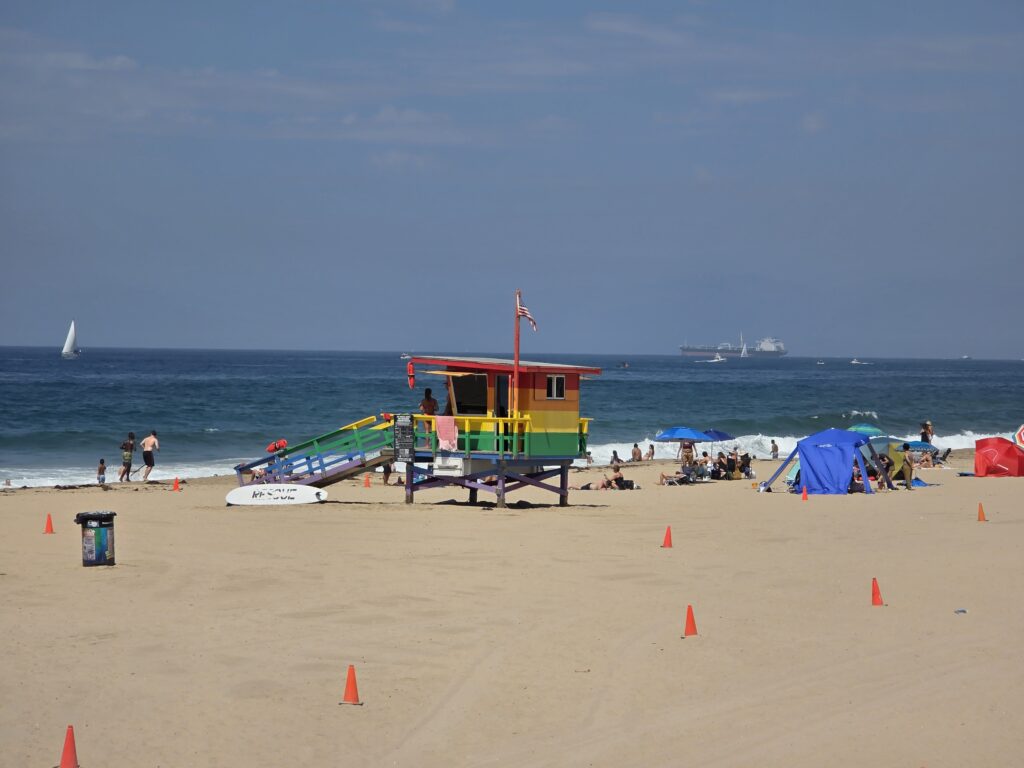
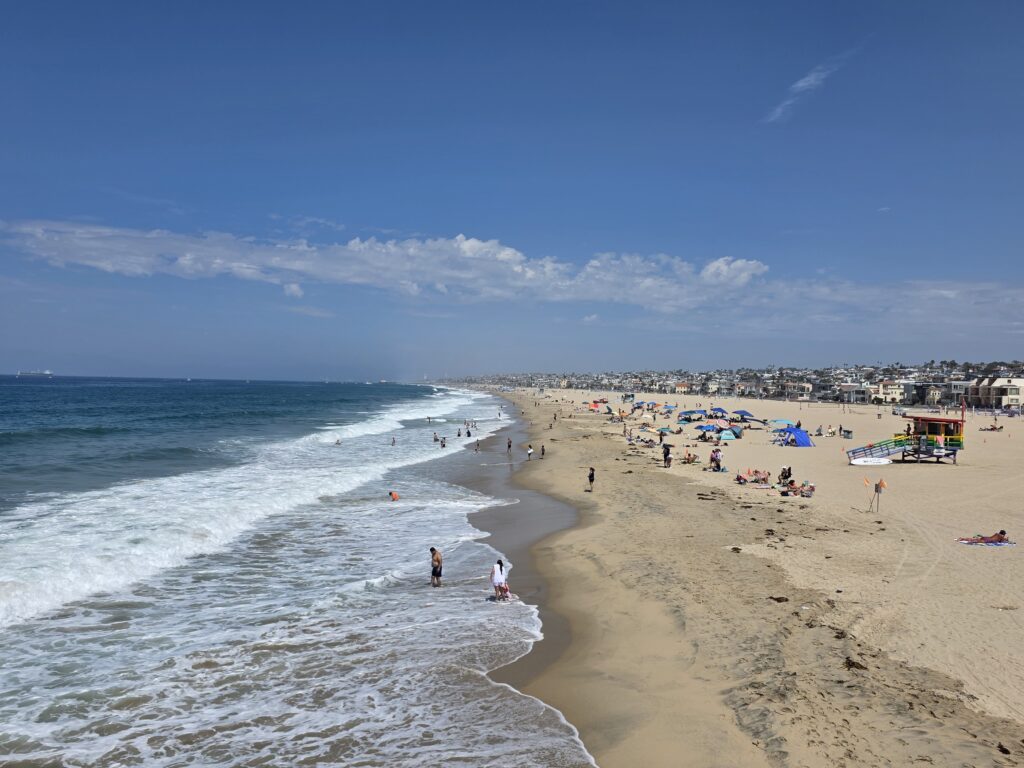
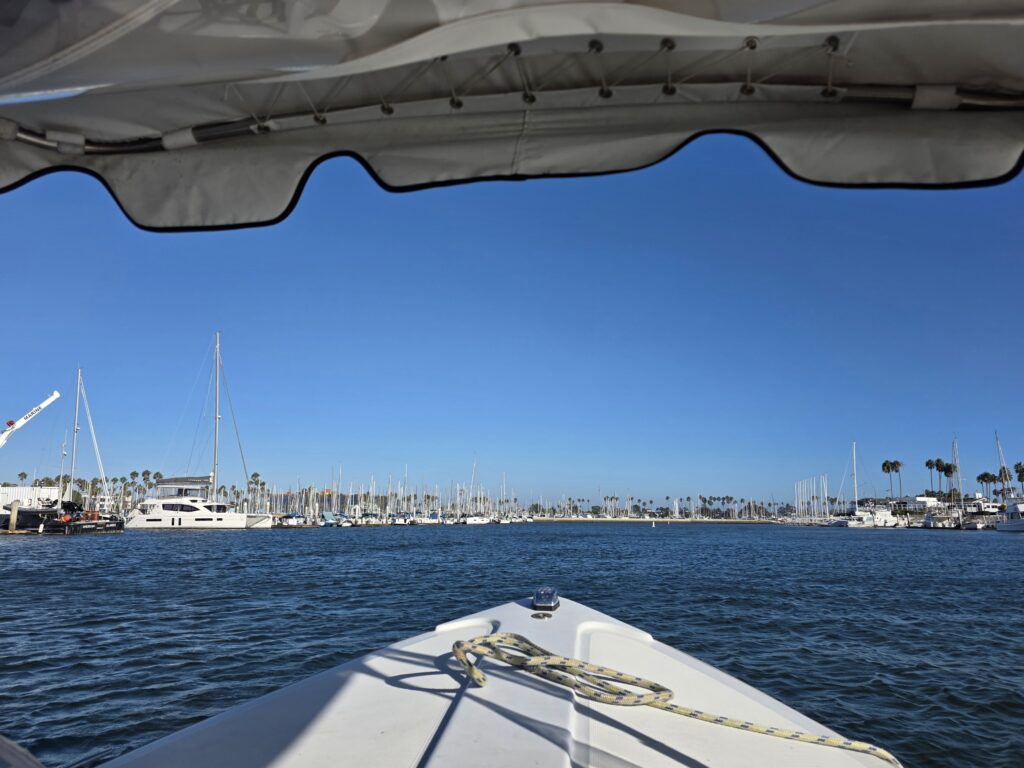
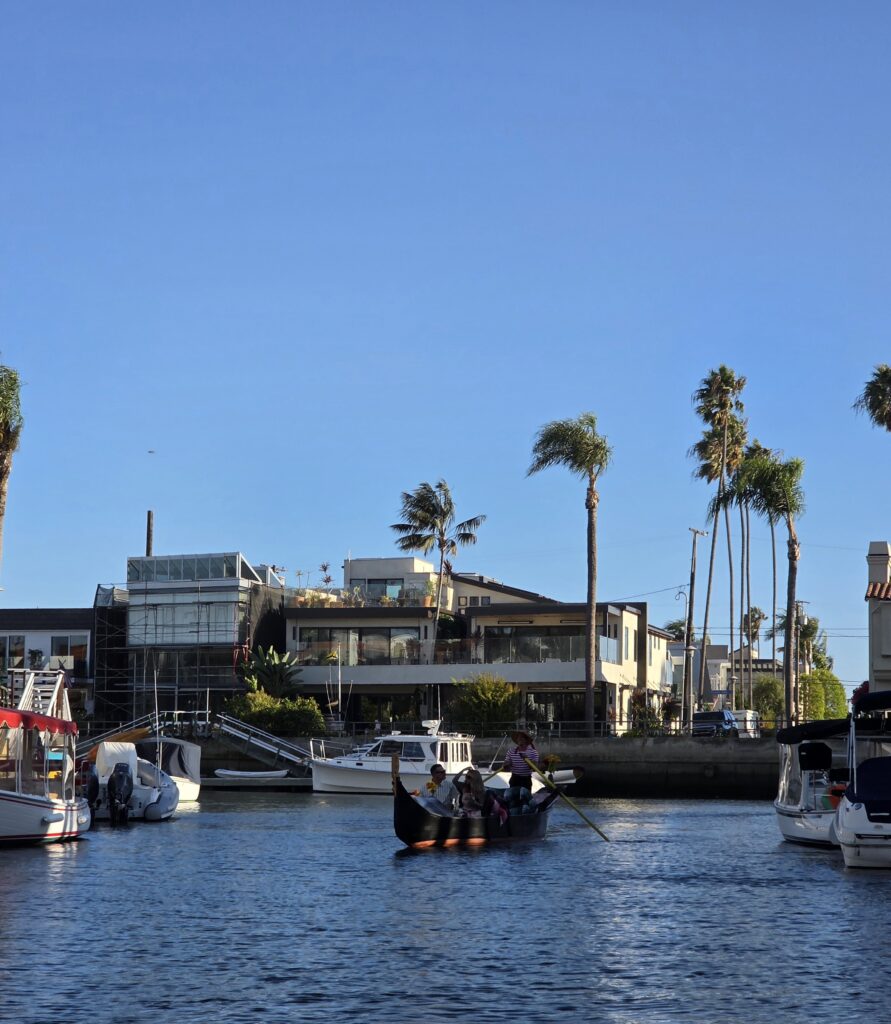
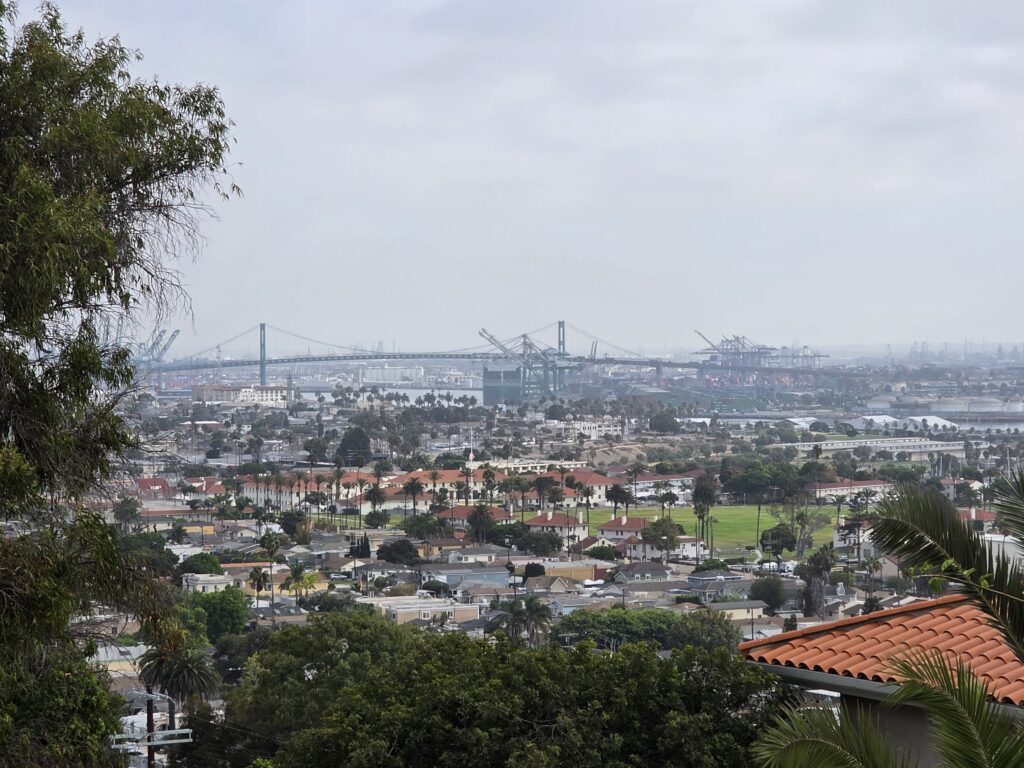
The second week we went to San Pedro, California which is near Los Angeles, to visit Dave’s Aunt and Uncle. On the weekend the weather was beautiful so we went to Hermosa Beach and walked The Strand, which is the boardwalk along the beach, and had lunch. Then on Monday the beautiful weather continued so we rented an E-Boat and cruised around the canals of Long Beach. We brought dinner and had a wonderful time. We filled the rest of our week being invited to dinner with their friends, wandering around Downtown San Pedro and checking out the vendors and enjoying music on First Thursday, and overall just enjoying each other’s company. We were so grateful for that time since we missed each other when we came through last October. It was priceless.
Last week we made our way back to Pacifica, California, which is just outside of San Francisco, to visit our good friends there. It worked out well for us to come over Labor Day weekend so we were able to take advantage of them having a day off! Saturday after we arrived we had a nice lunch at Rossotti’s Alpine Inn before we got supplies for the week. Sunday we took a little road trip to Santa Cruz so the men could play disc golf at The DeLaveaga Disc Golf Club and the women could hike along and take in the beautiful views. The lovely day ended with a delicious dinner at Hula’s Island Grill. On Labor Day we celebrated by going to Montara State Beach and relaxing. It was a wonderful rest of the week exploring the neighborhood of Pacifica, saw several whales on Wednesday, and visiting San Mateo on Thursday. So grateful, again, for the chance to have that quality time with good people.
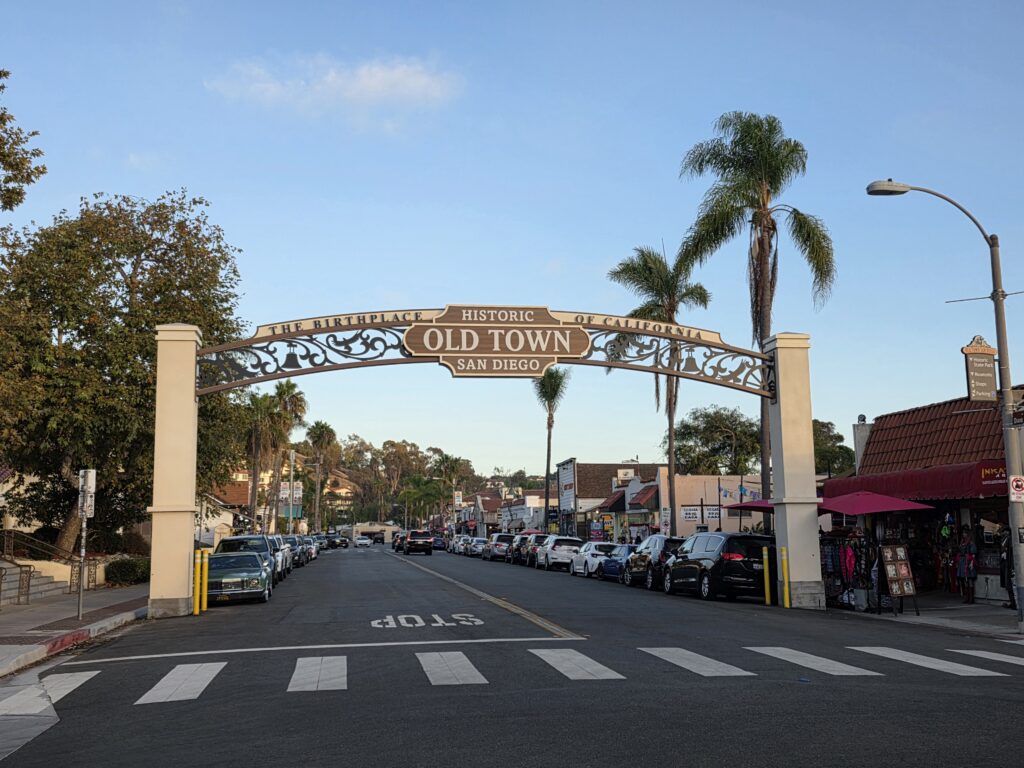
On Saturday we made our way to San Diego, California for two weeks before we go to Mexico City on the 26th. I have been to San Diego once back in High School and Dave has never been so we’re excited to be here for a couple weeks so that we can properly explore the city we’ve heard so many good things about. Saturday the only thing we accomplished after arriving was grocery shopping which is good because then we could just focus on exploring yesterday. We walked to Ocean Beach from our Air Bnb and took in the beachy vibe of the neighborhood. We enjoyed some pizza and beer at Pizza Port and then watched some of the Viking vs Packer football game. I was raised a Minnesota Viking fan and Dave was raised a Wisconsin Packer fan so even though we live in a divided household we manage to get along. ? I find it is better if I don’t watch, especially when they are playing each other, so I popped into some shops after halftime and it worked! The Vikings finally pulled ahead with only 6:37 left in the fourth quarter to win! Sorry Dave. After the game we explored a little bit of Old Town San Diego “Where California Began” before we called it a day.
We’ve received several good recommendations for the next couple weeks. We hope to visit the USS Midway Museum, especially since Dave’s uncle who we visited in San Pedro worked on it while he was in the service during Vietnam. We’ve also been told to visit Torrey Pine State Park and Beach, Balboa Park, La Jolla and Coronado Island. As well as the Gaslamp Quarter, Little Italy and we hope to explore the Spanish Art Village. The Padres are in town next weekend as well so I’m sure there will be no shortage of things to fill our time.
We are grateful for the time that we have had with friends and family the past three weeks and it is nice to have some “us” time again. We hope that this finds you well and wherever you are we are sending you a Universe of love!
♥️Alison and Dave
PS While I was in San Pedro I created a Patreon account in an effort to better connect with you. You can check it out by either going to Patreon.com and searching for outoftheswamlows or you can click on this link.
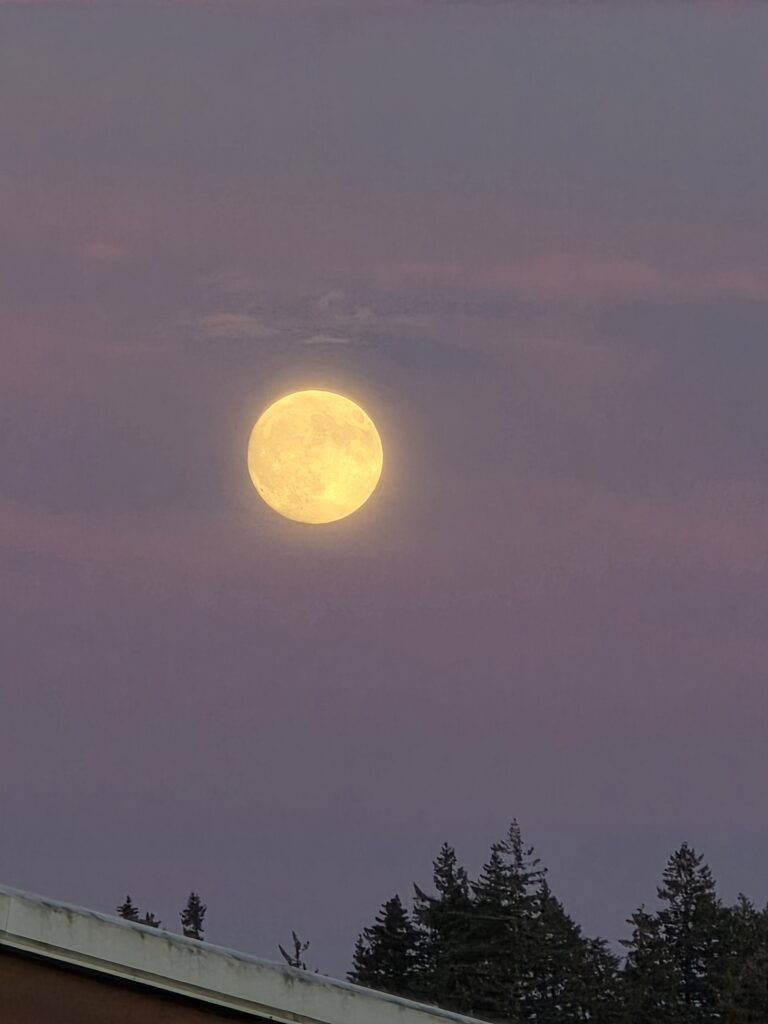
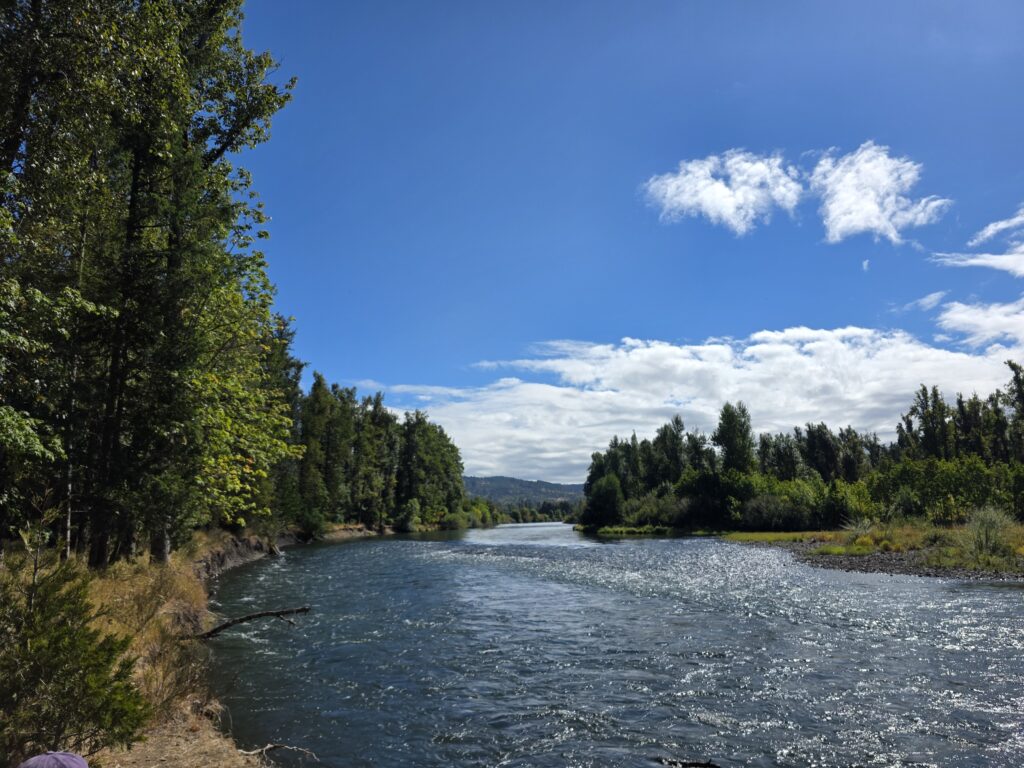
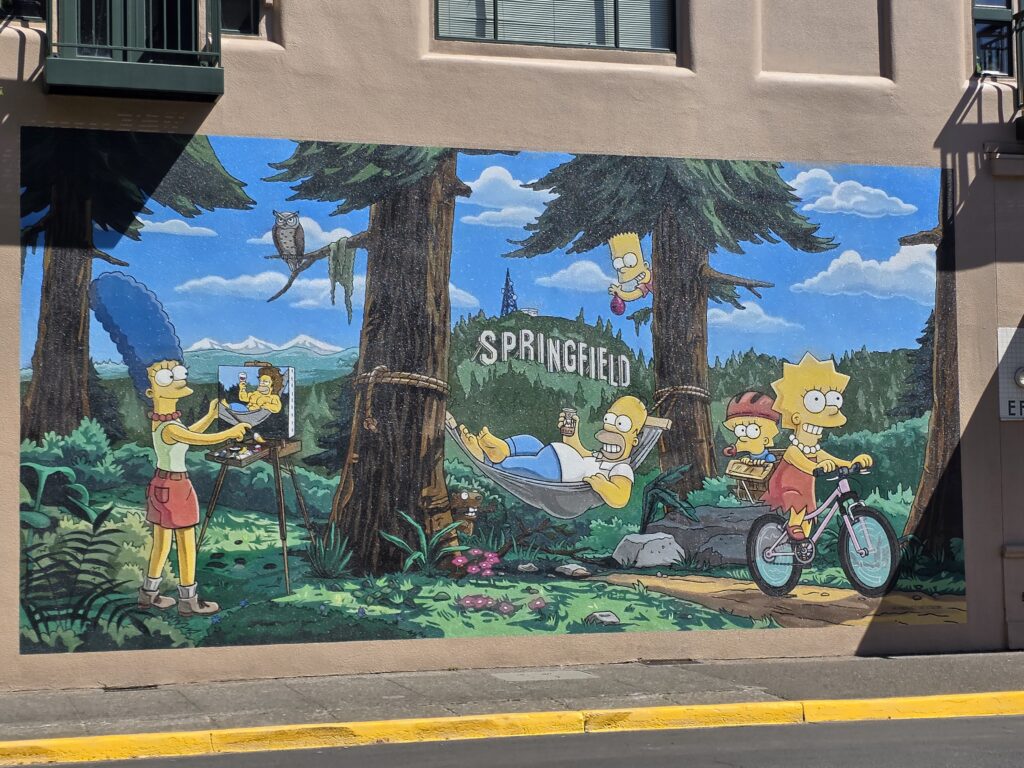
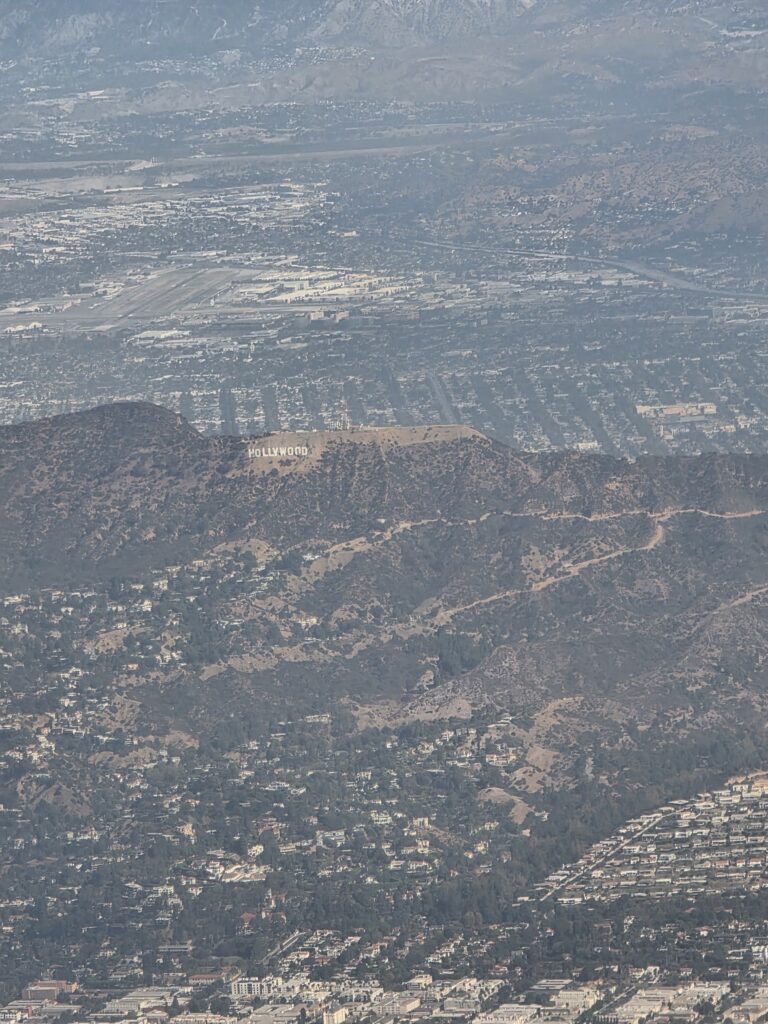
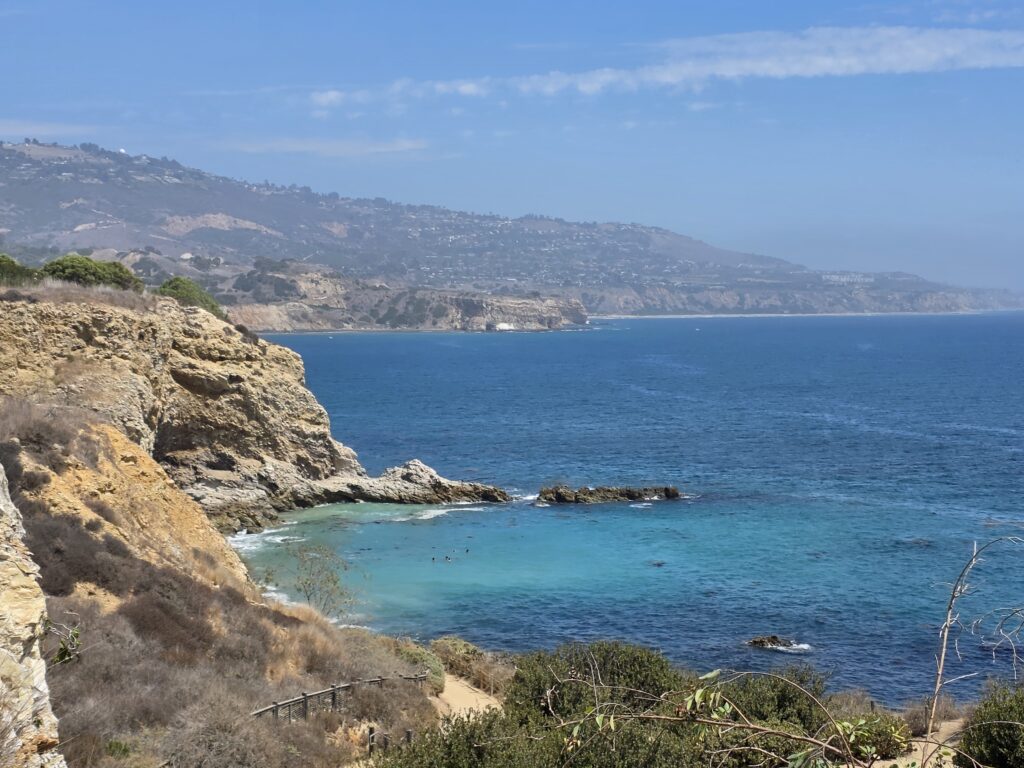
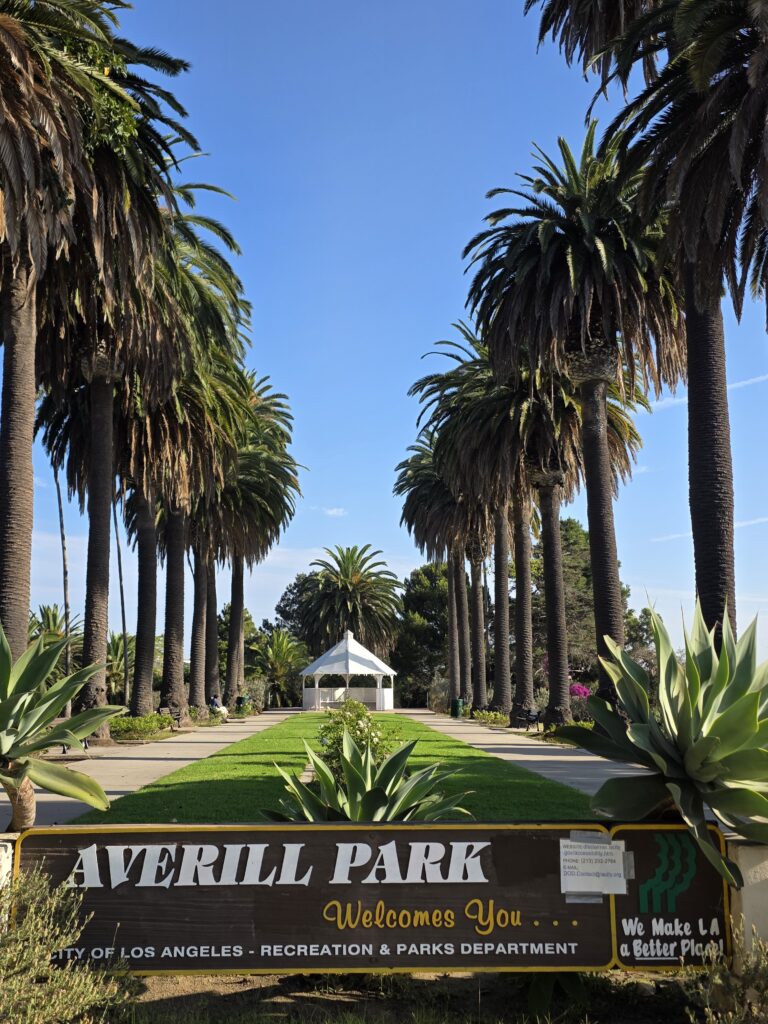
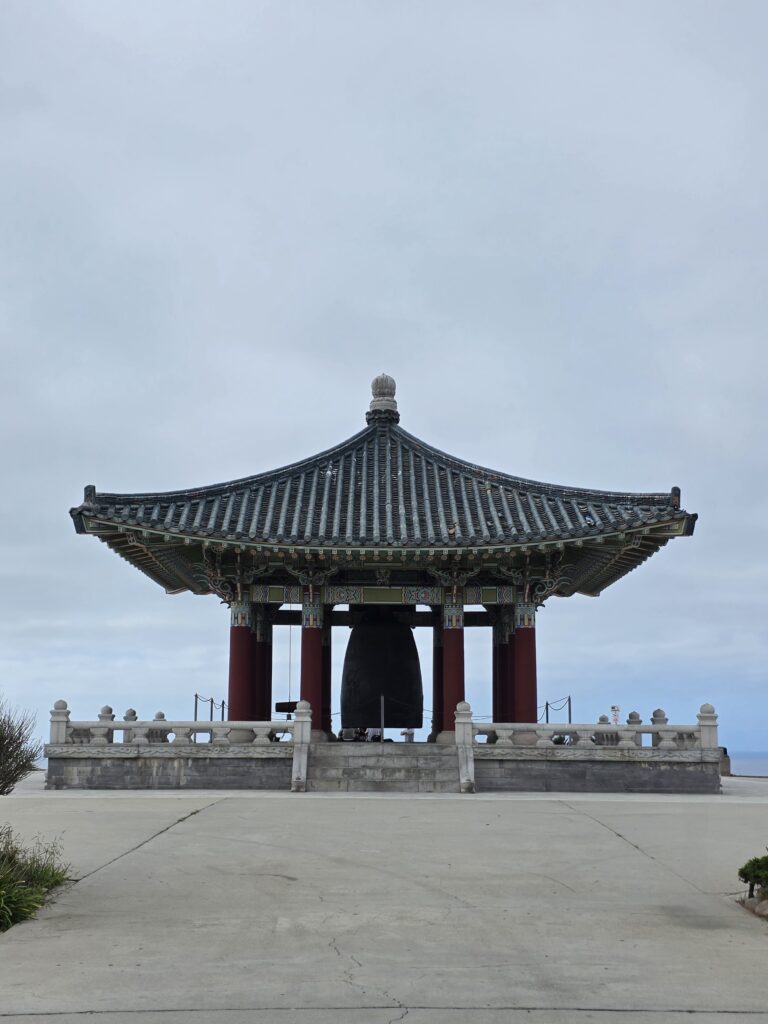
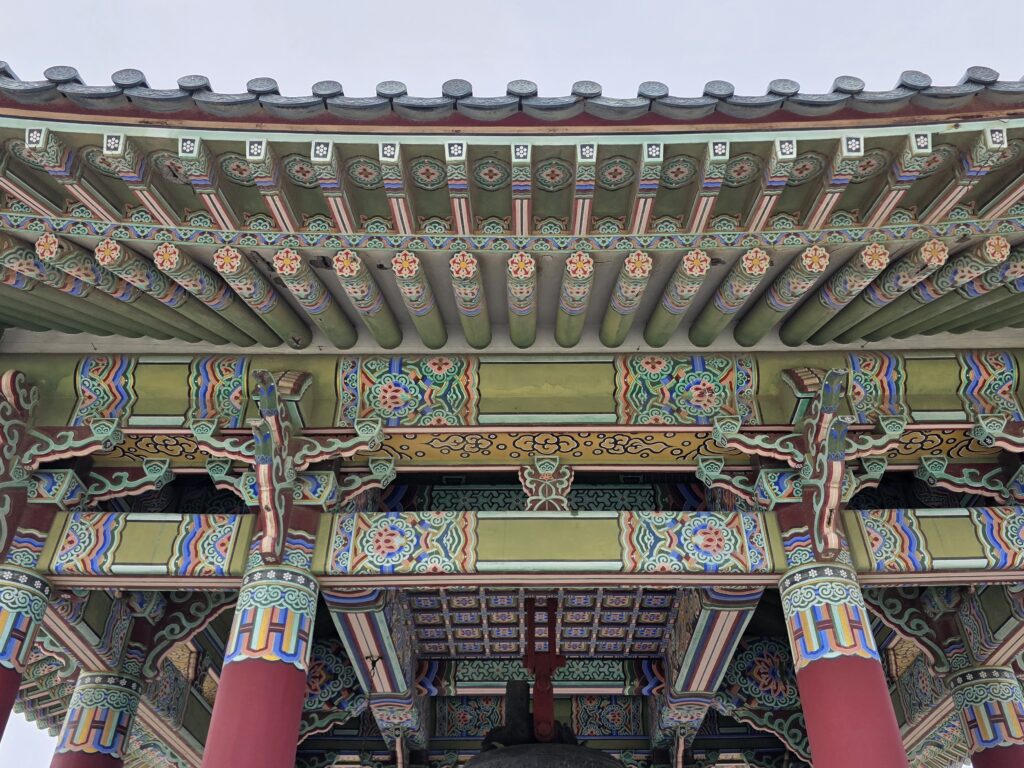
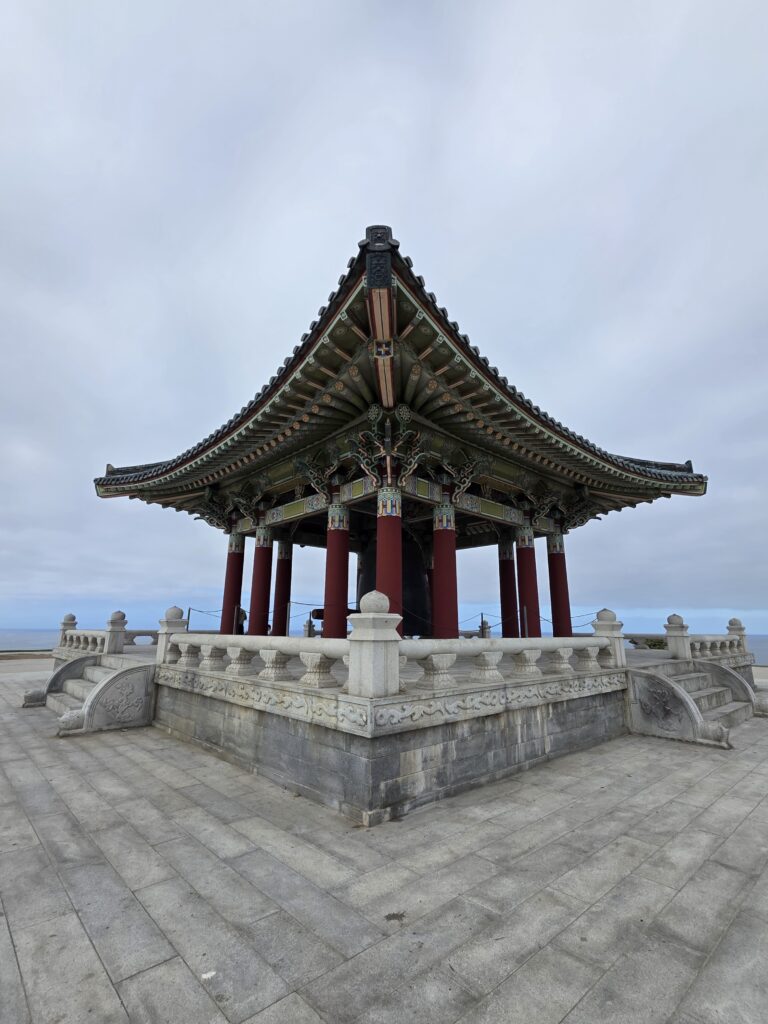
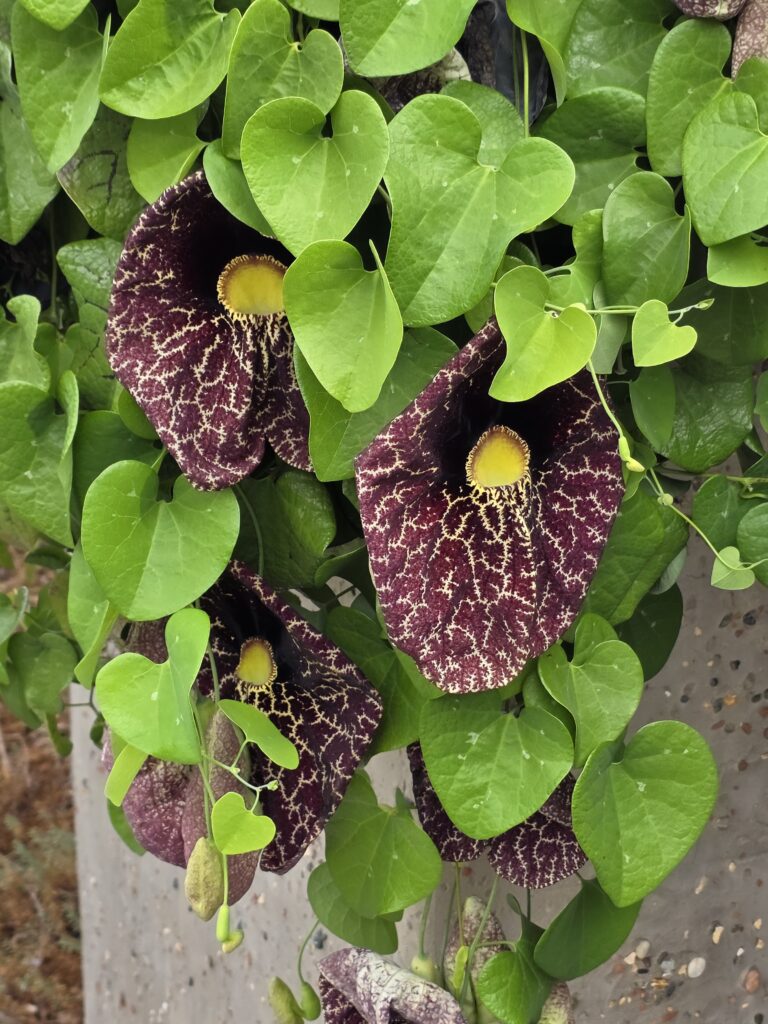
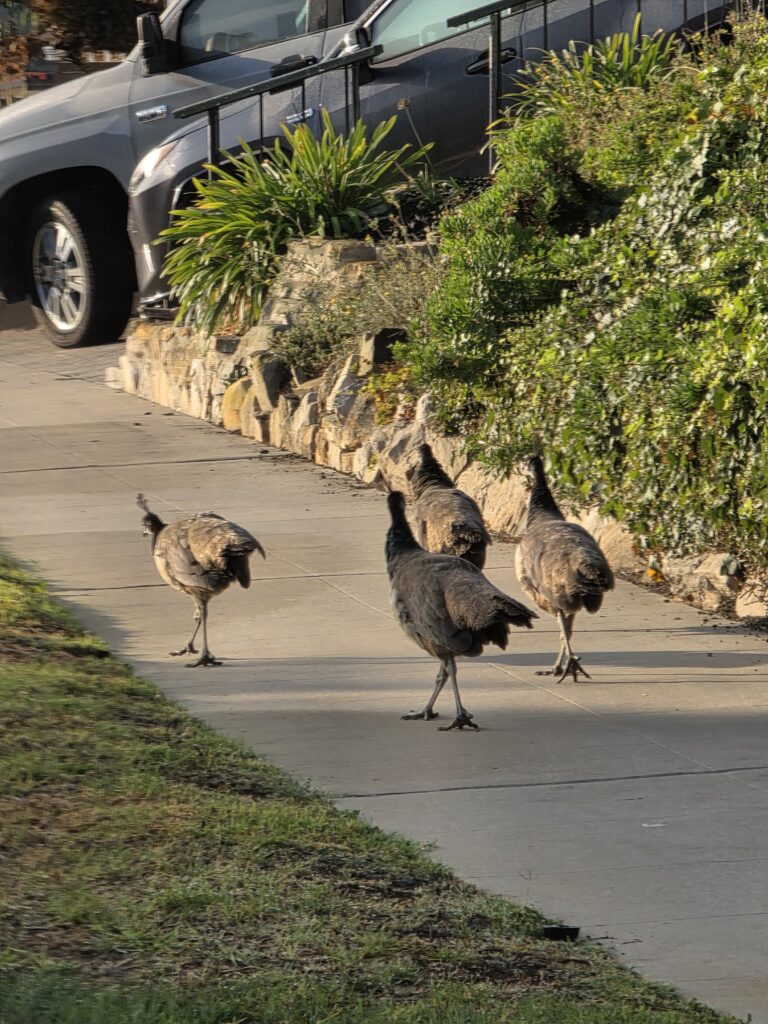
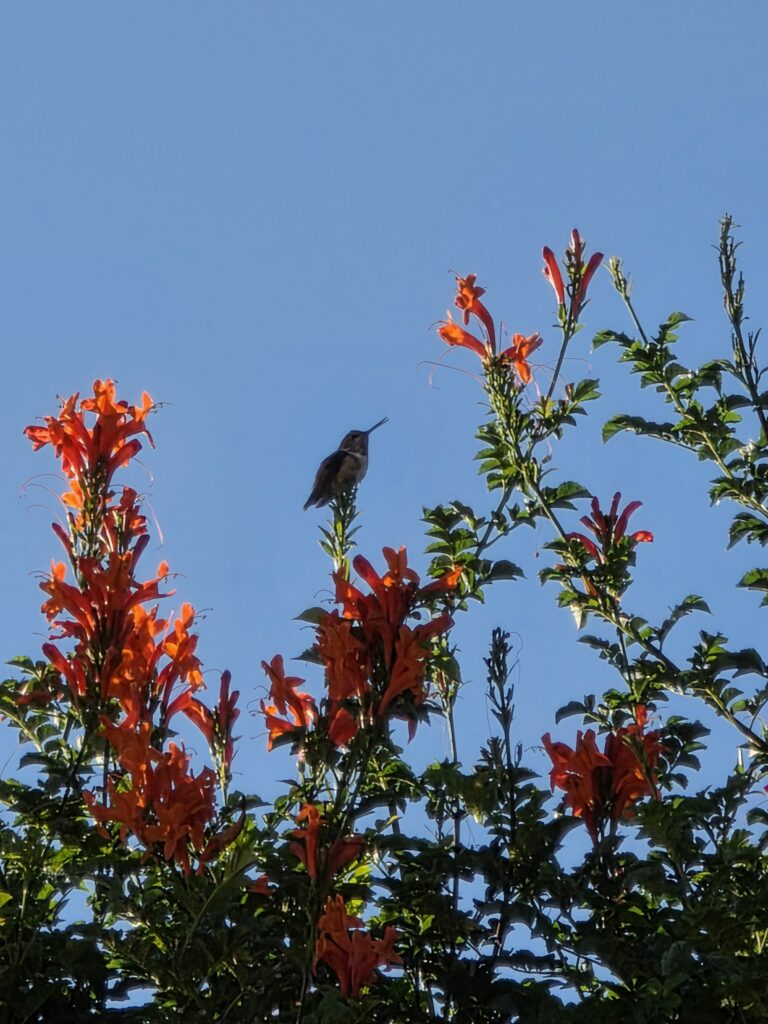
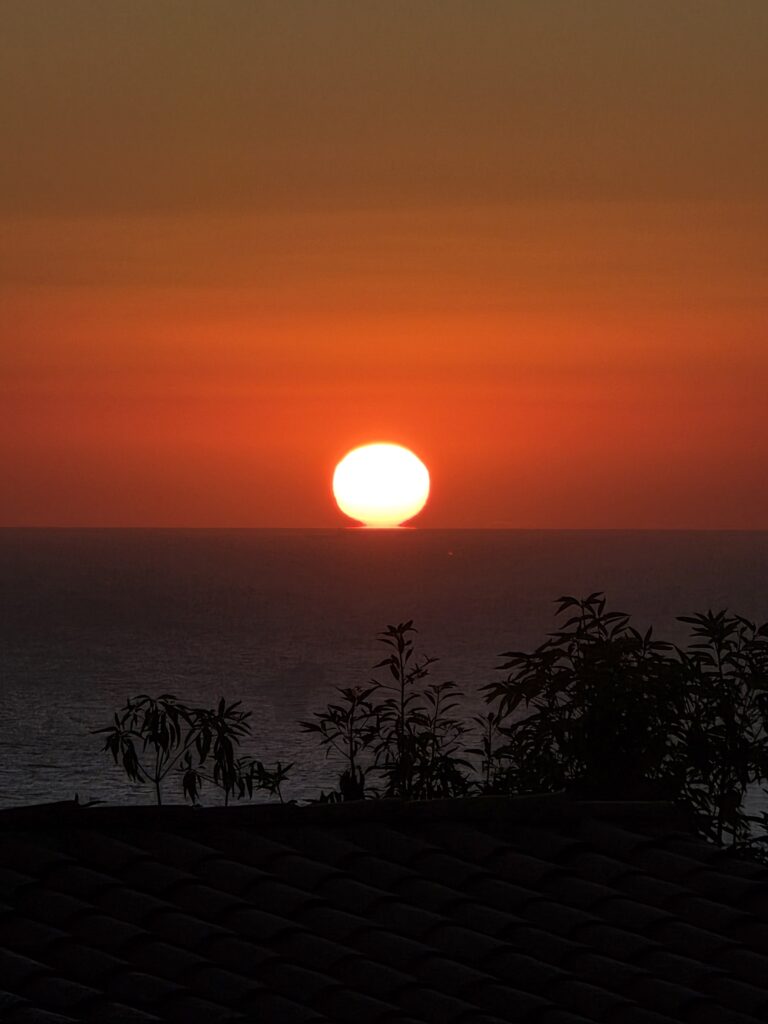
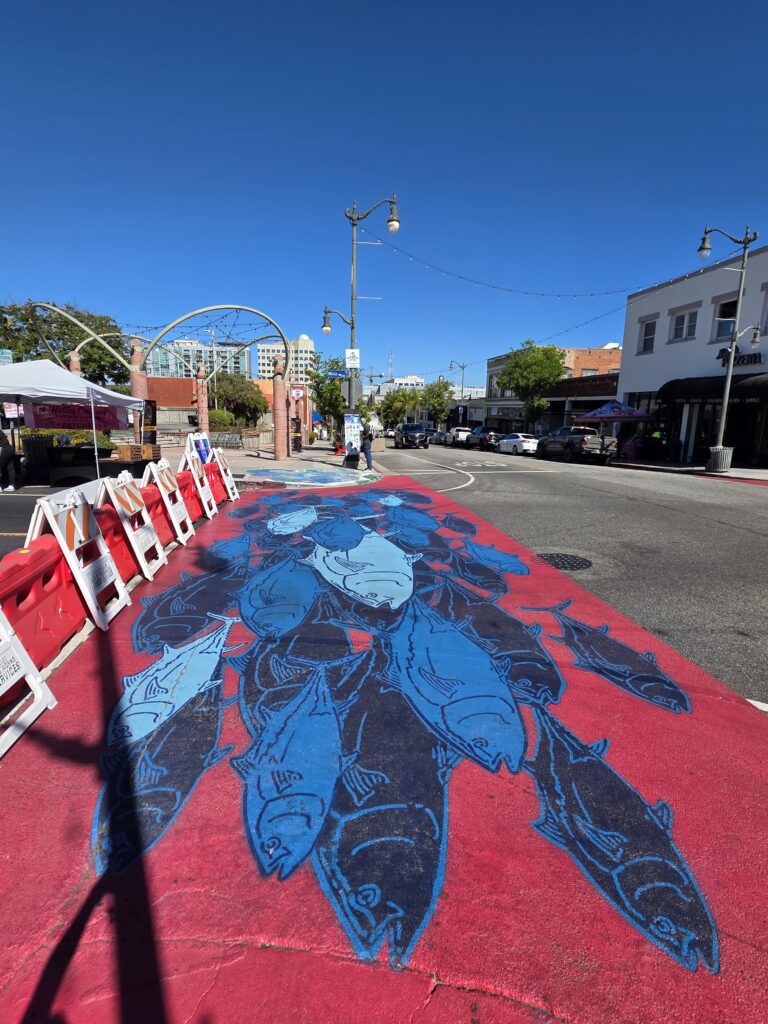
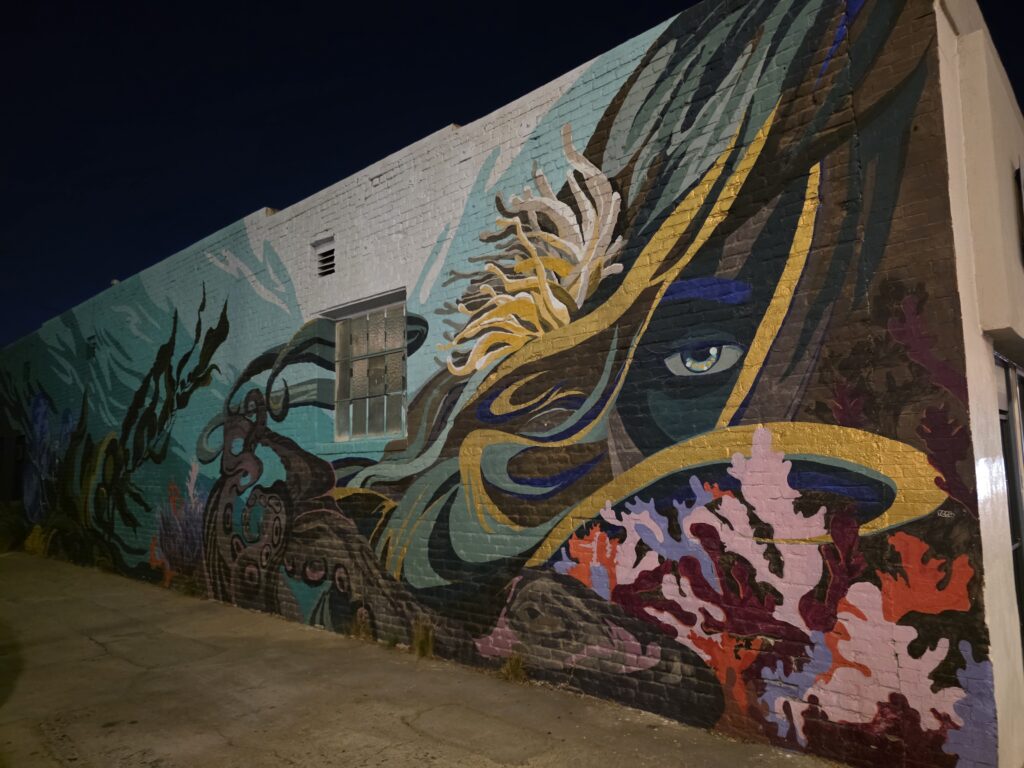
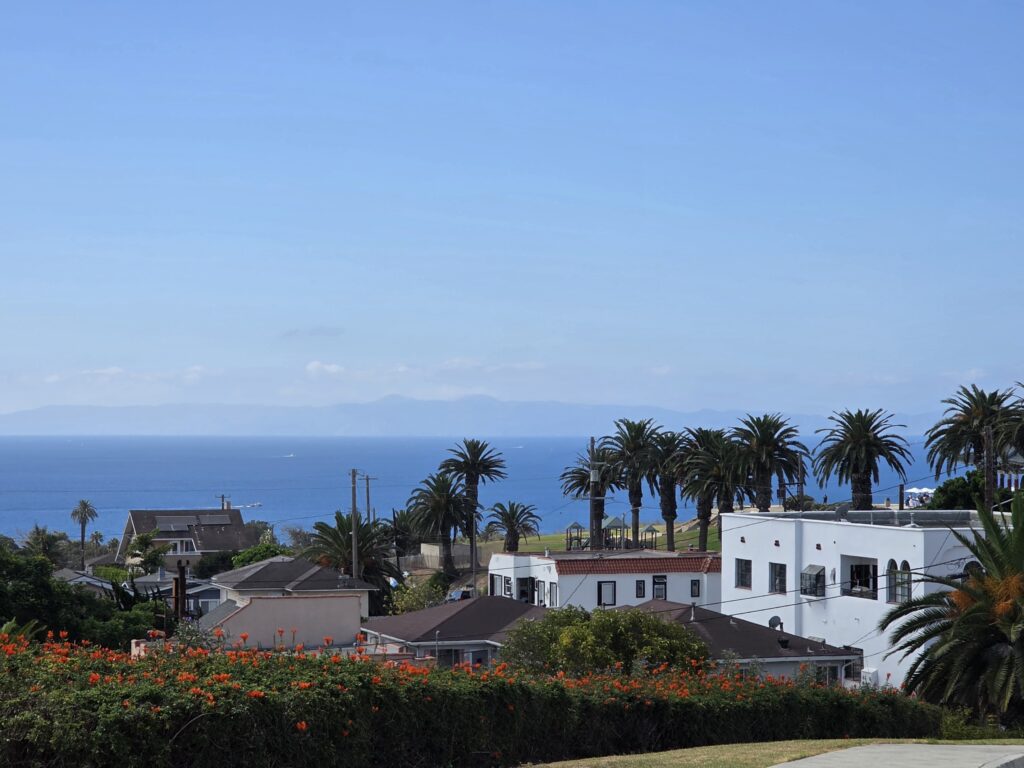
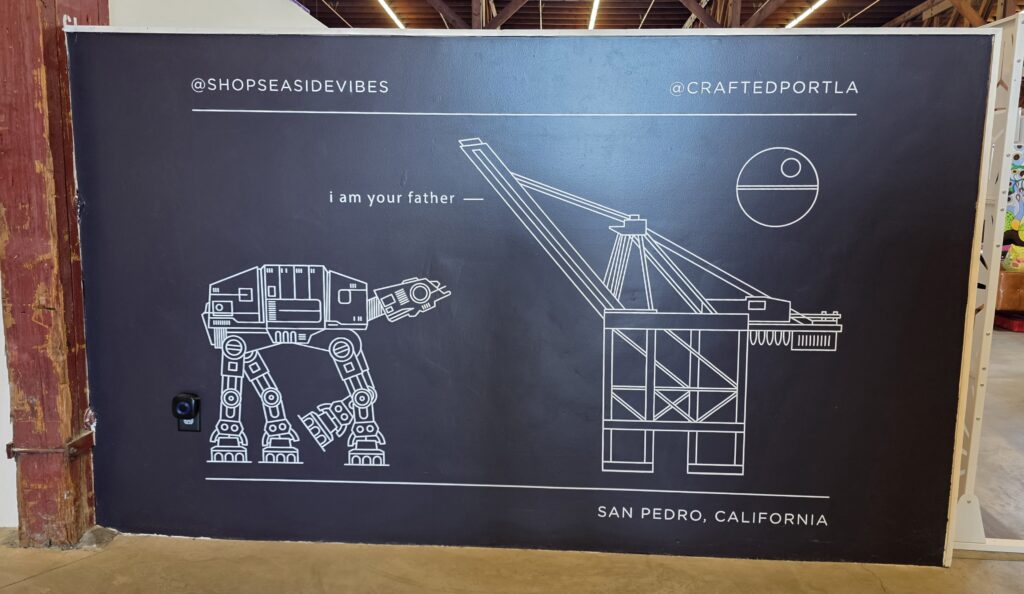
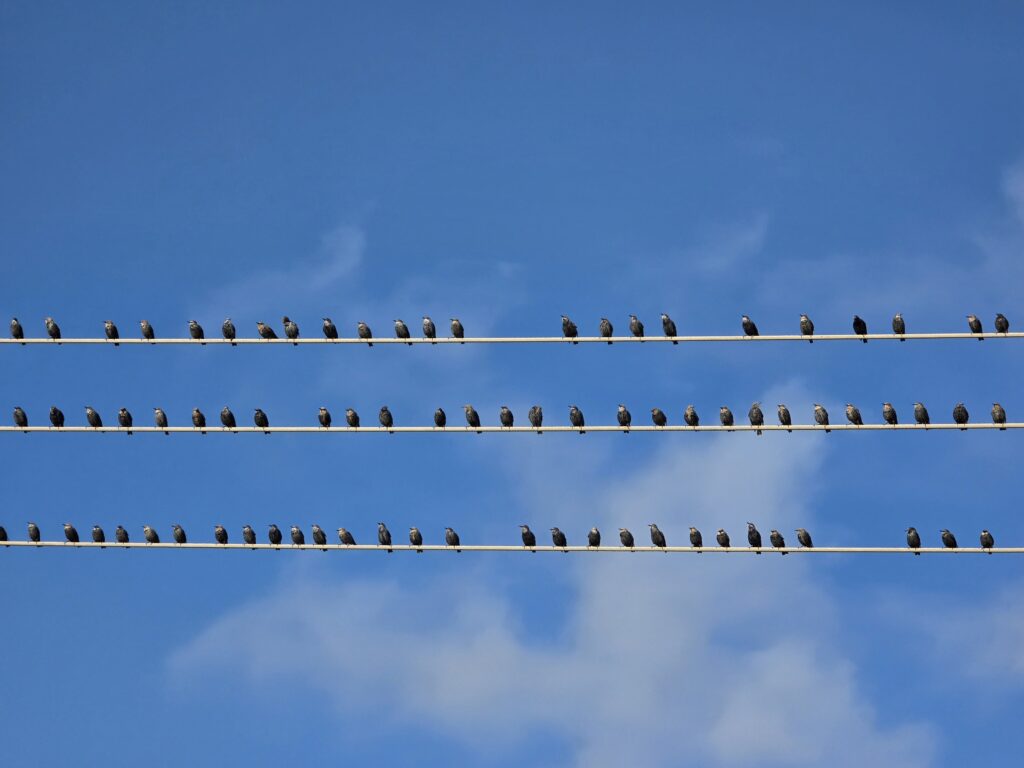
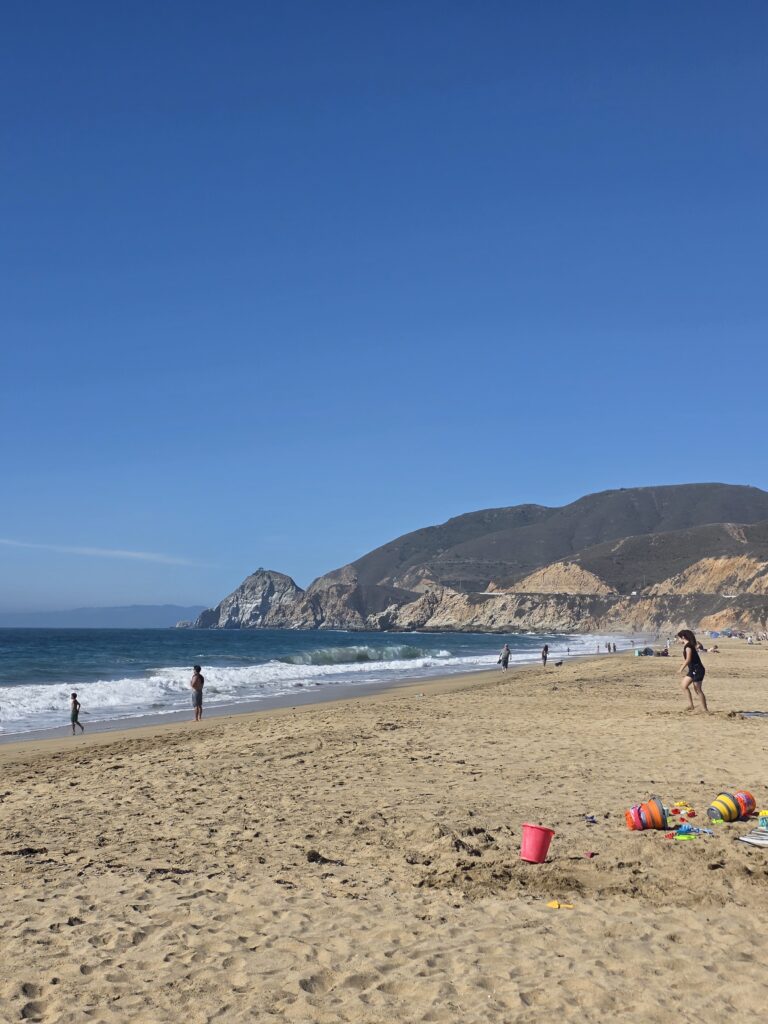
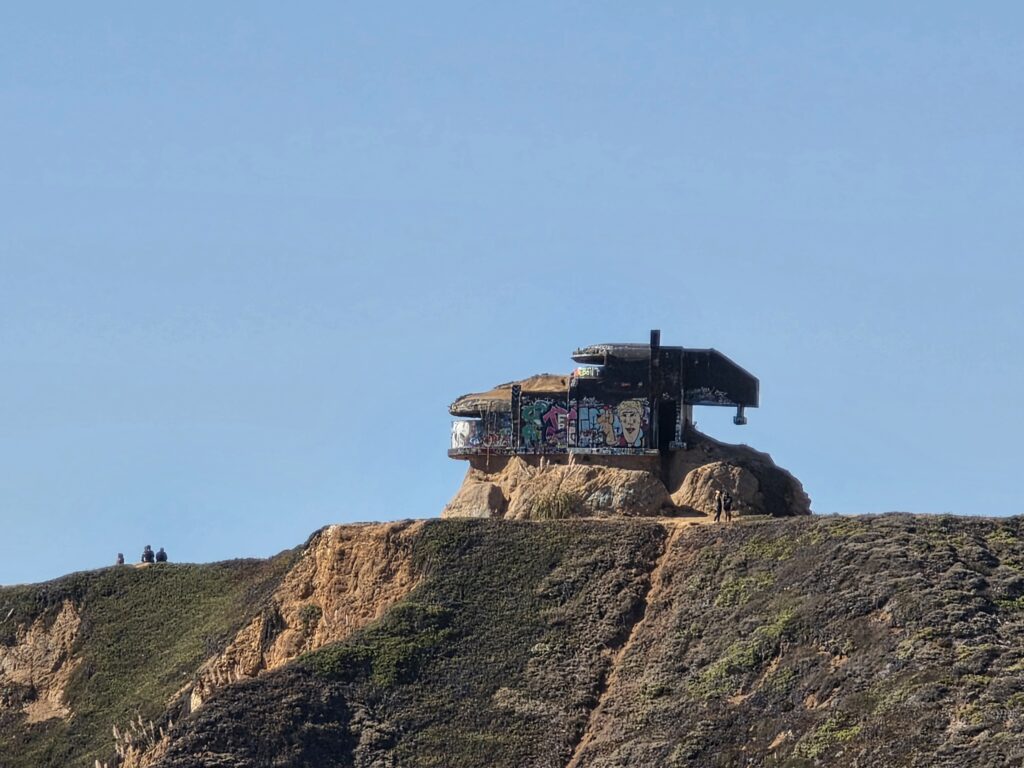
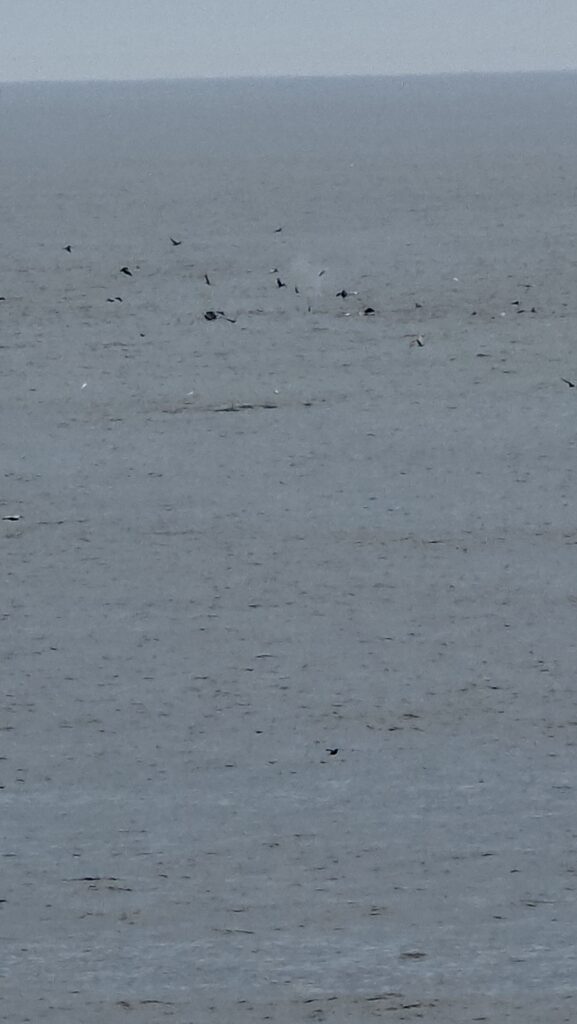
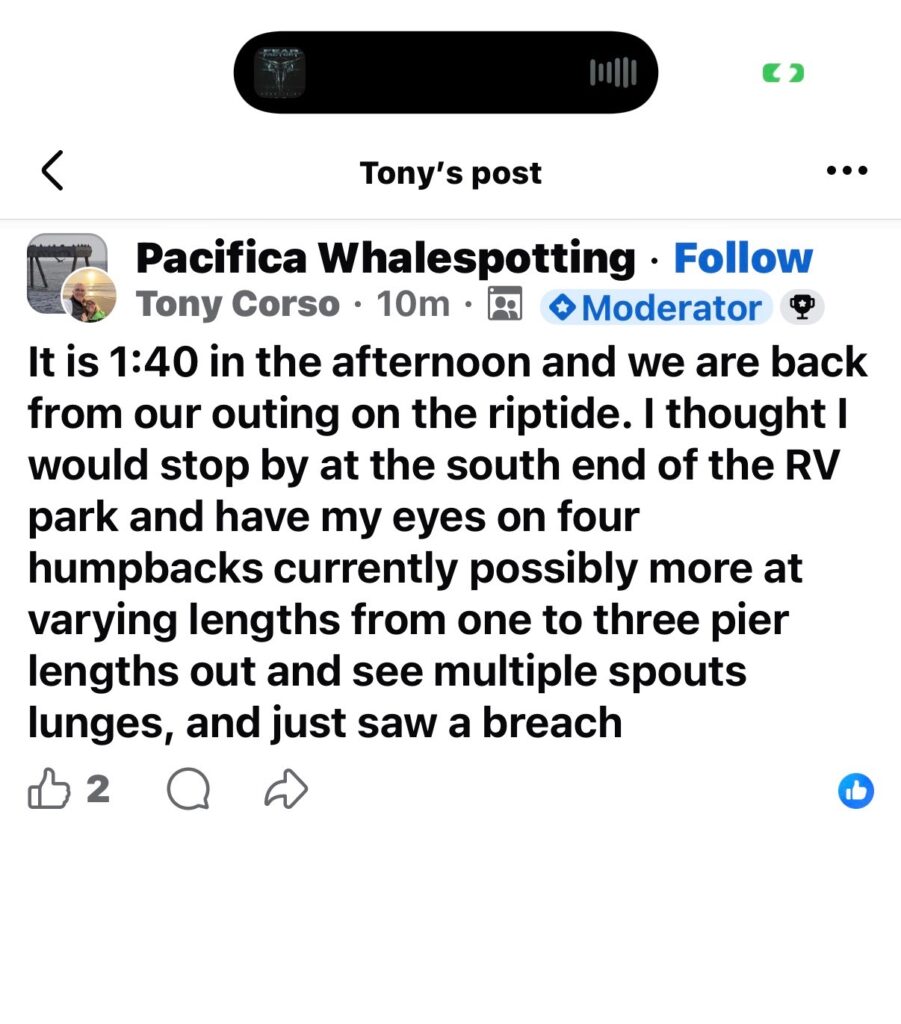
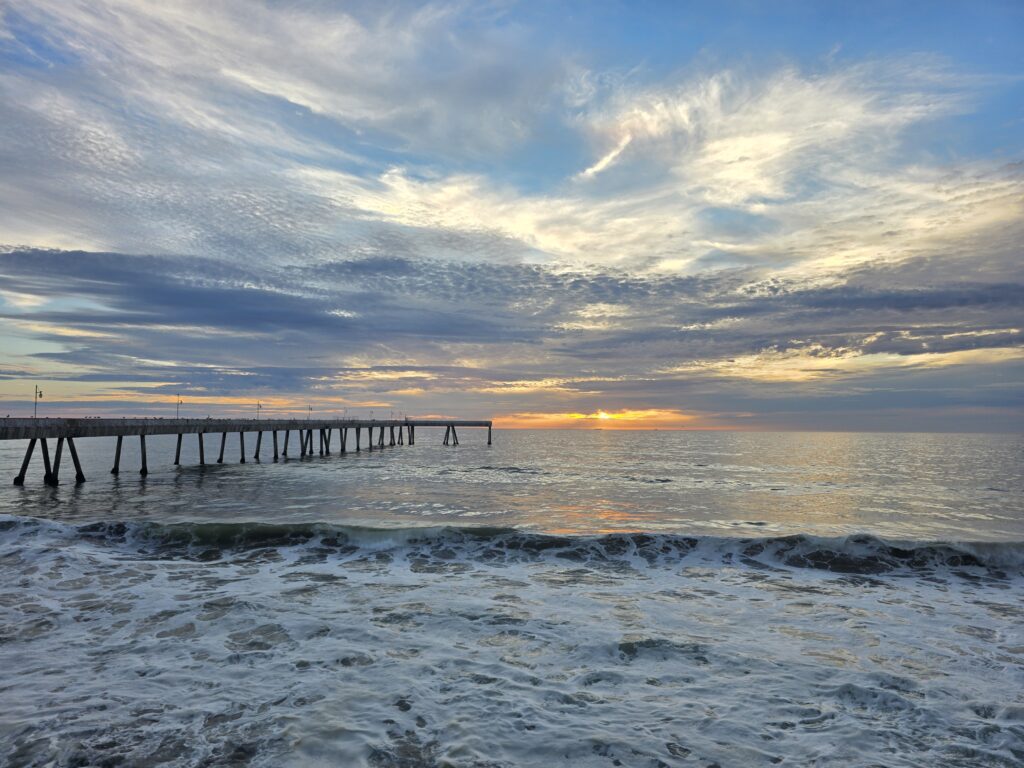
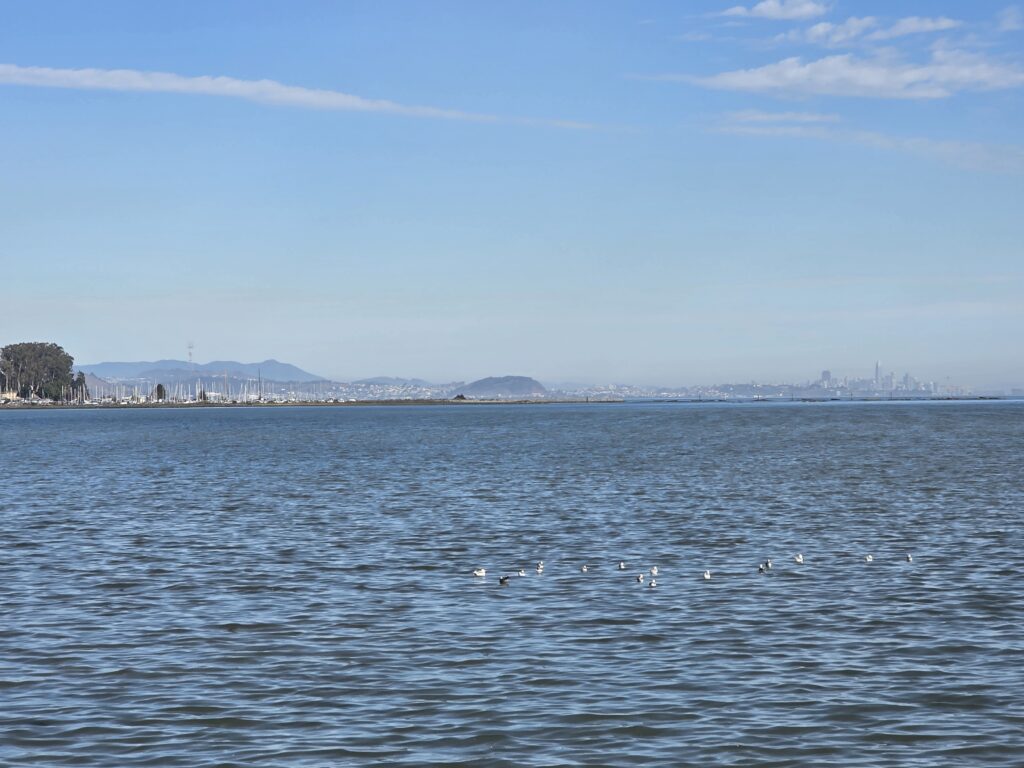
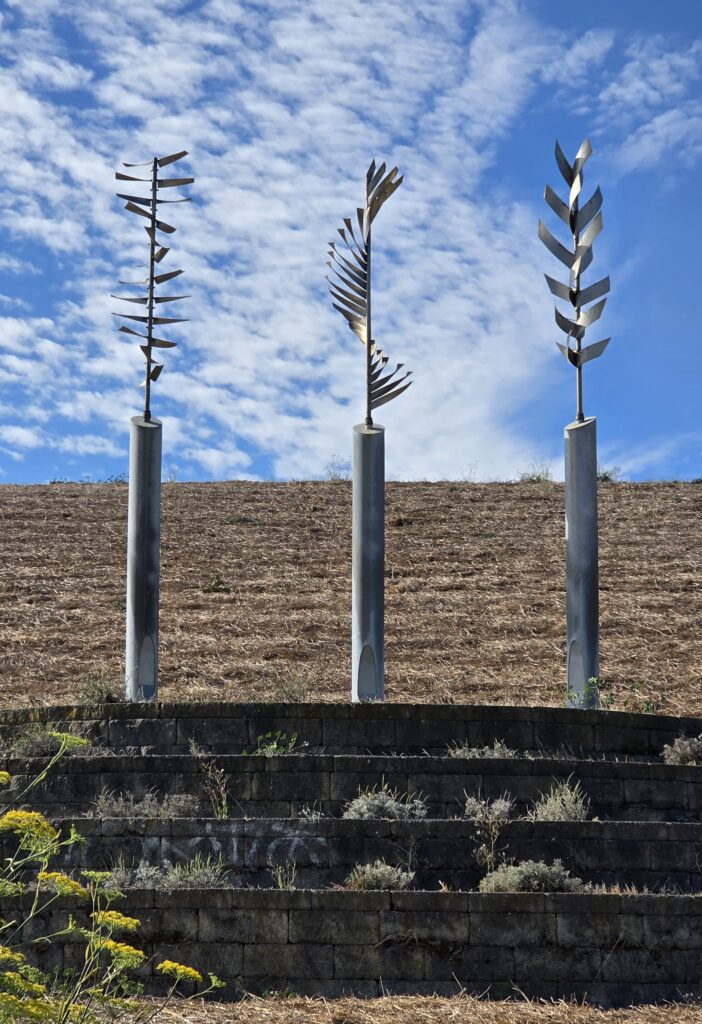
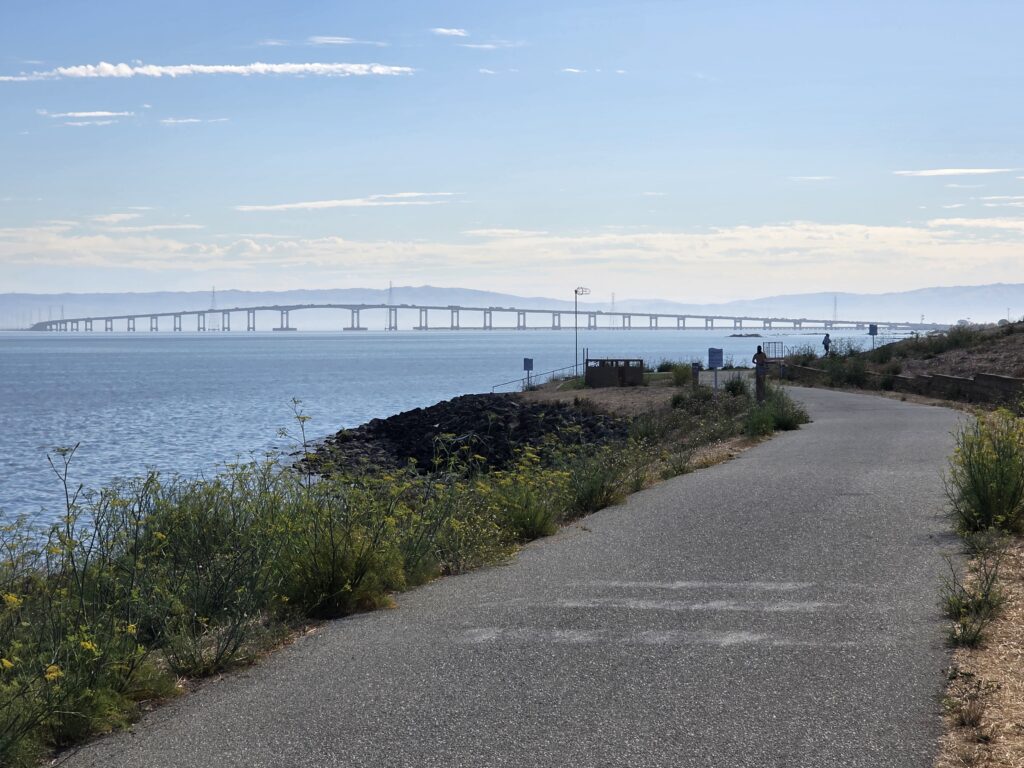
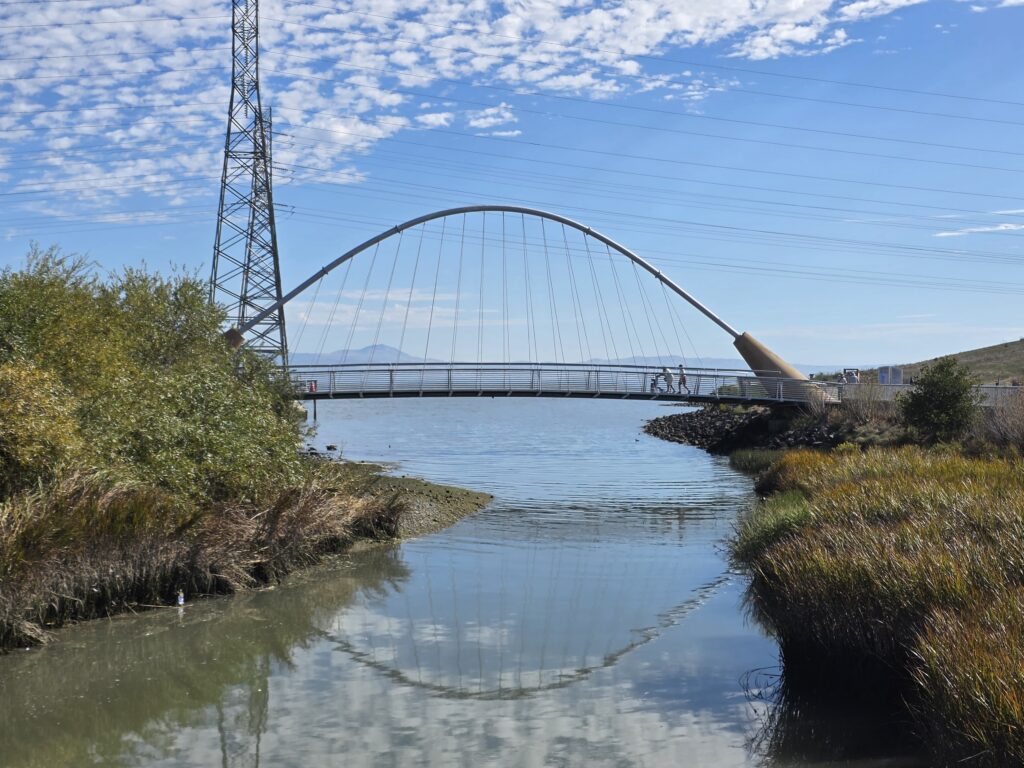
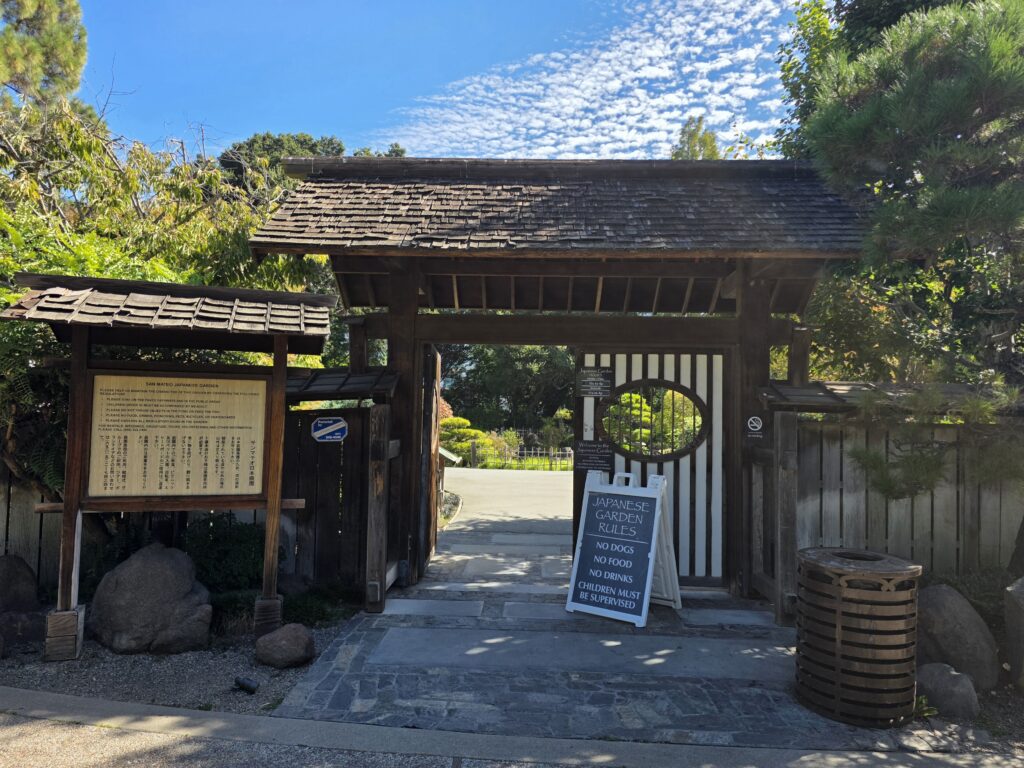
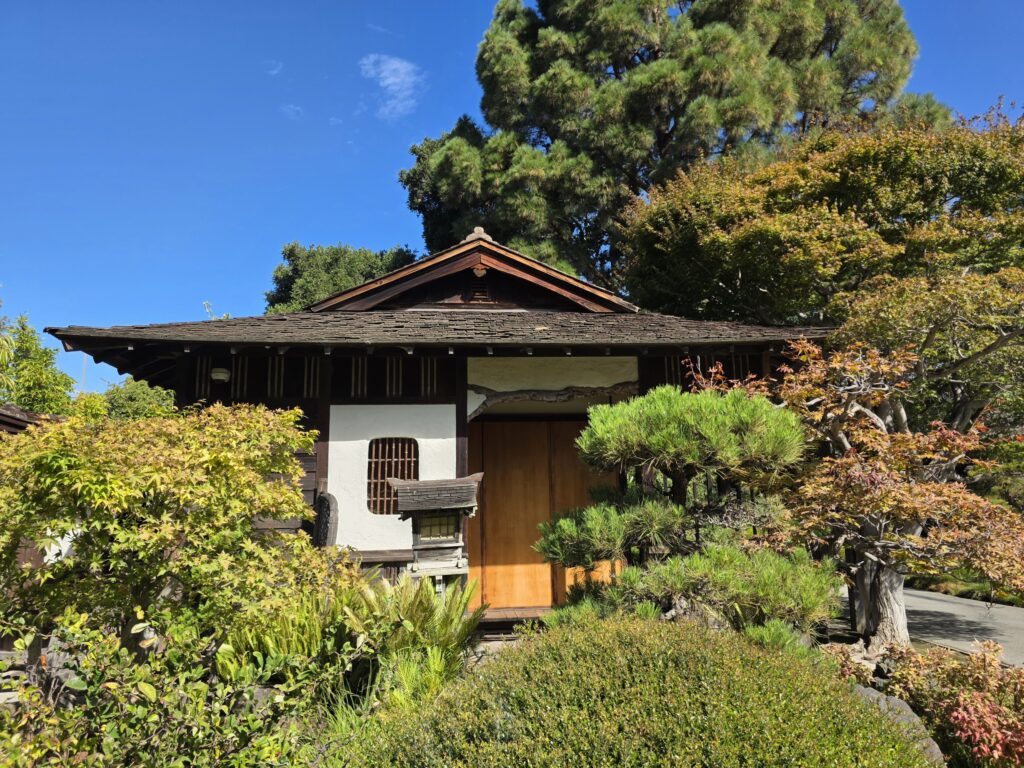
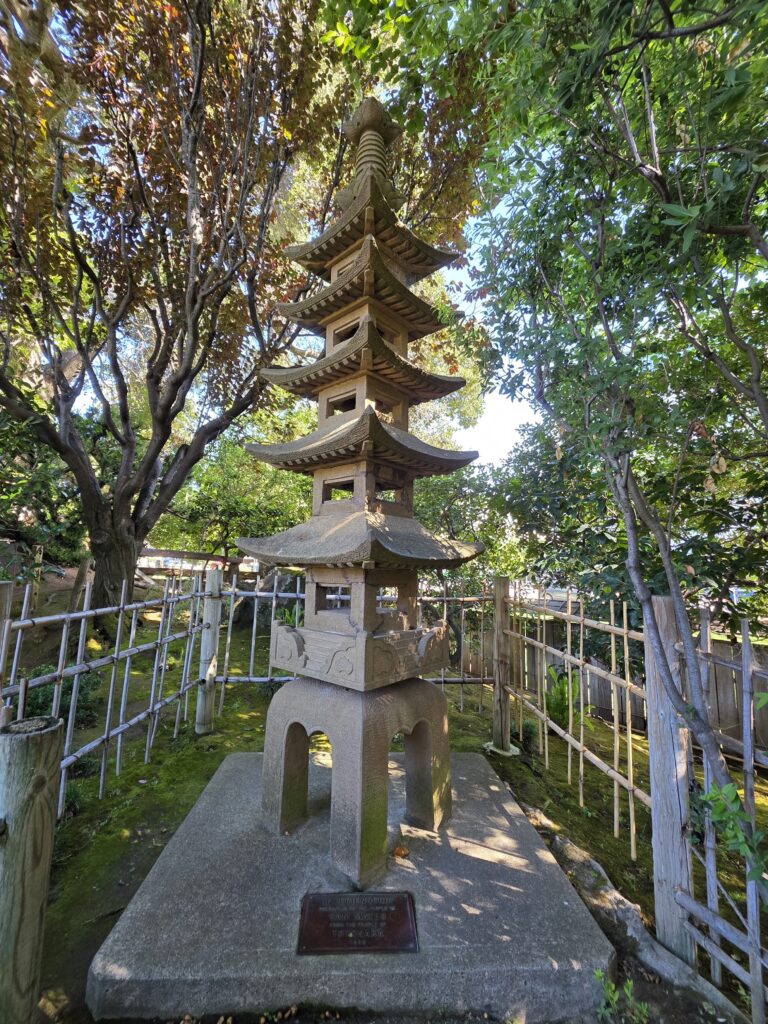
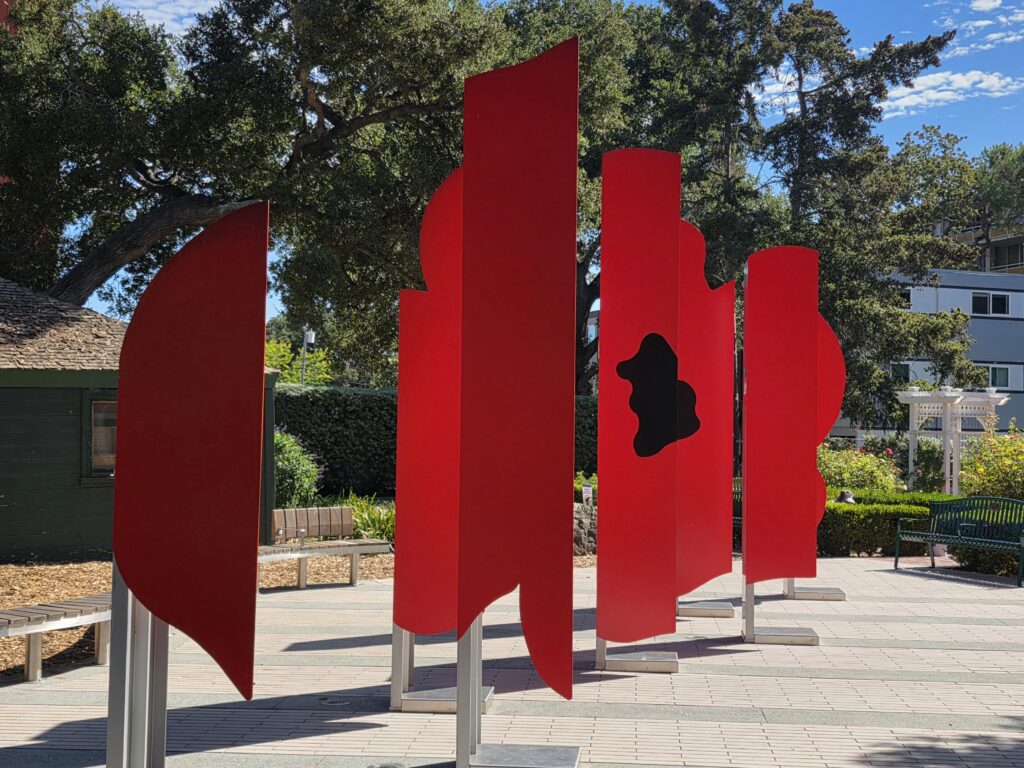
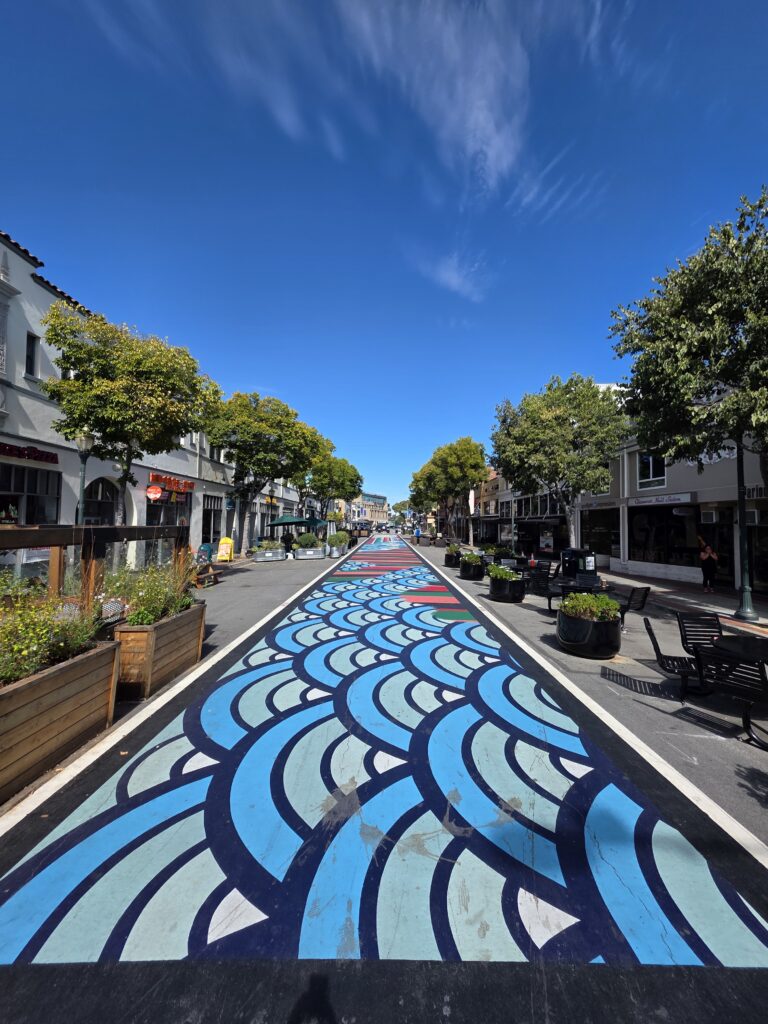
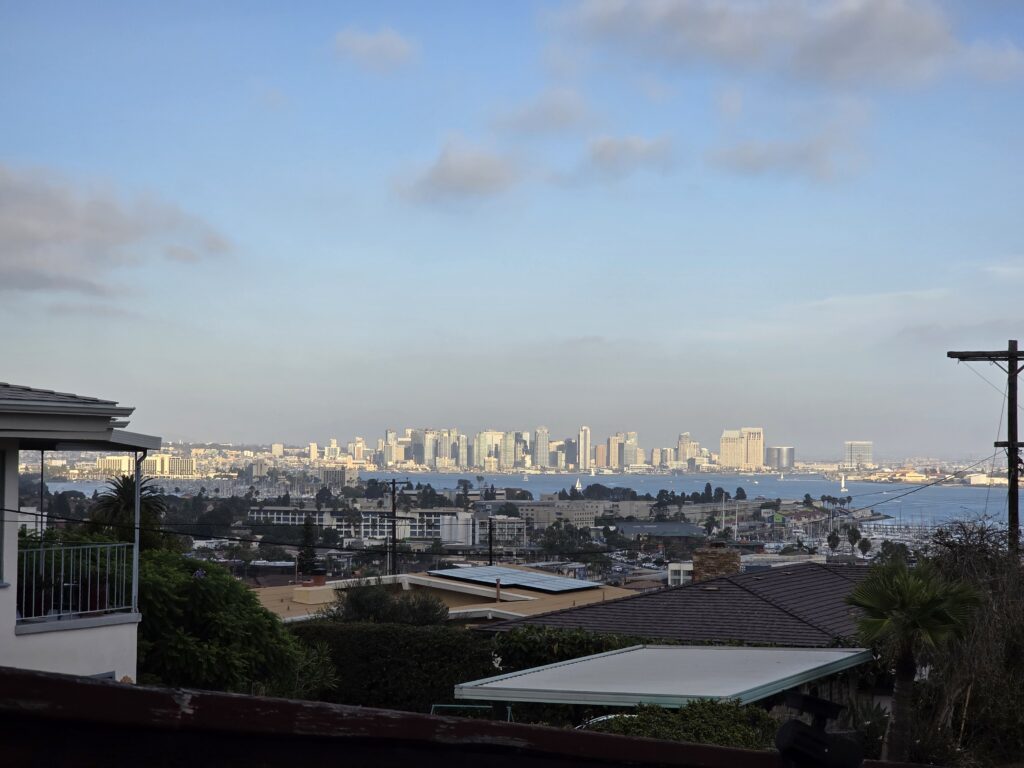
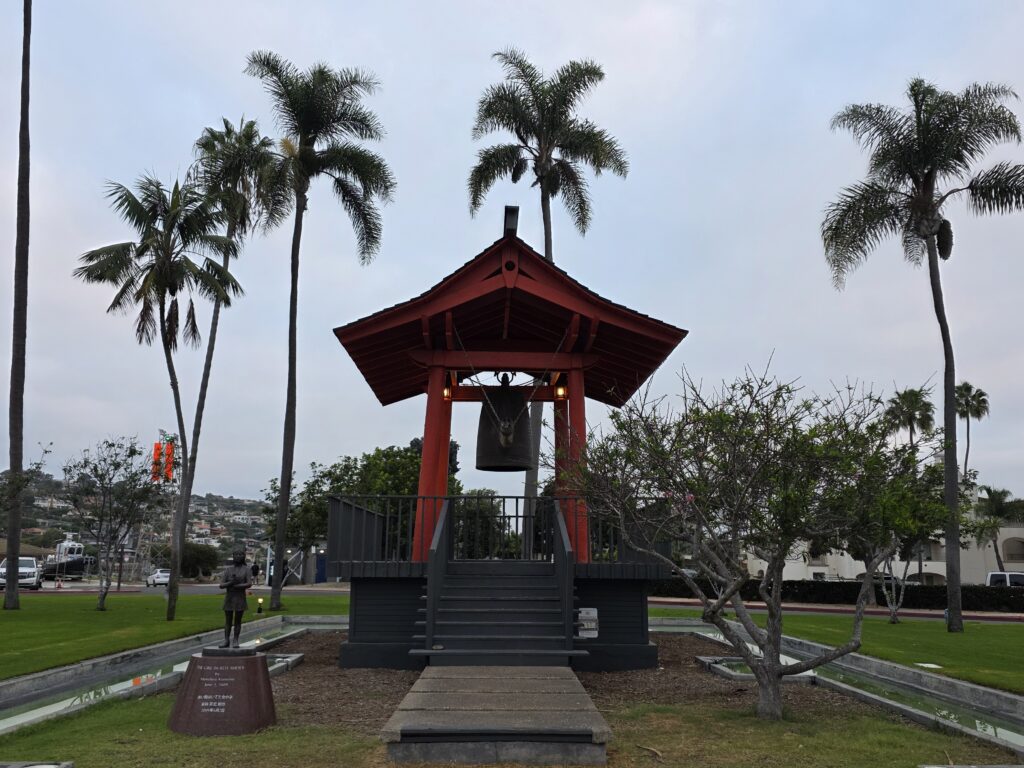
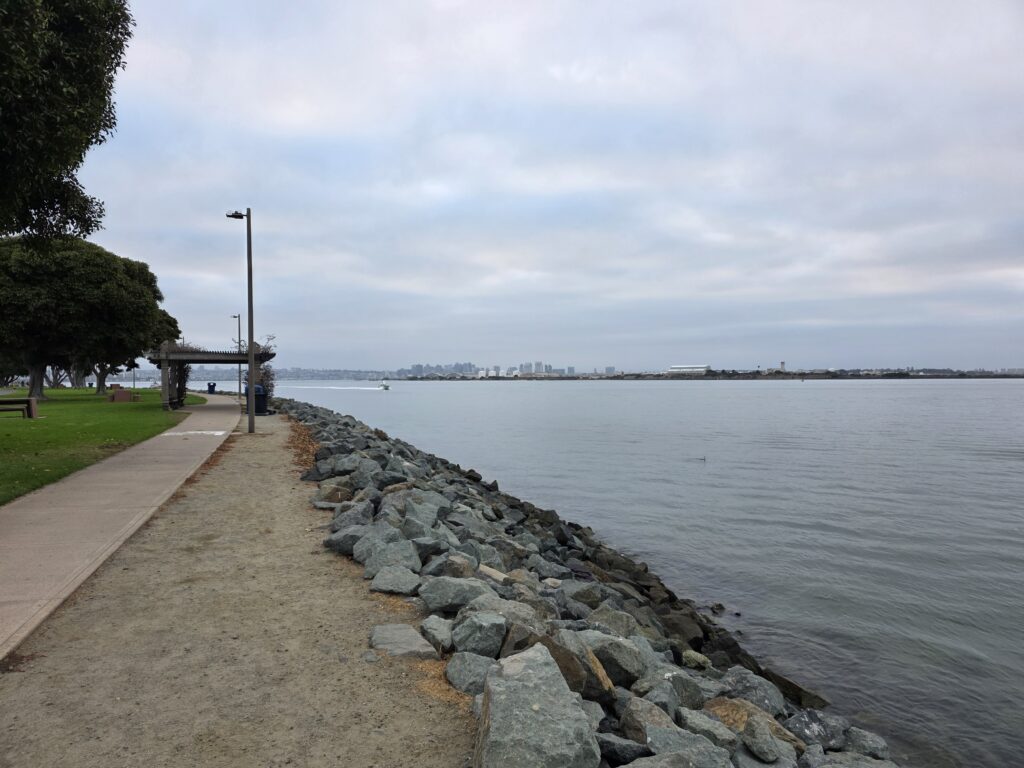
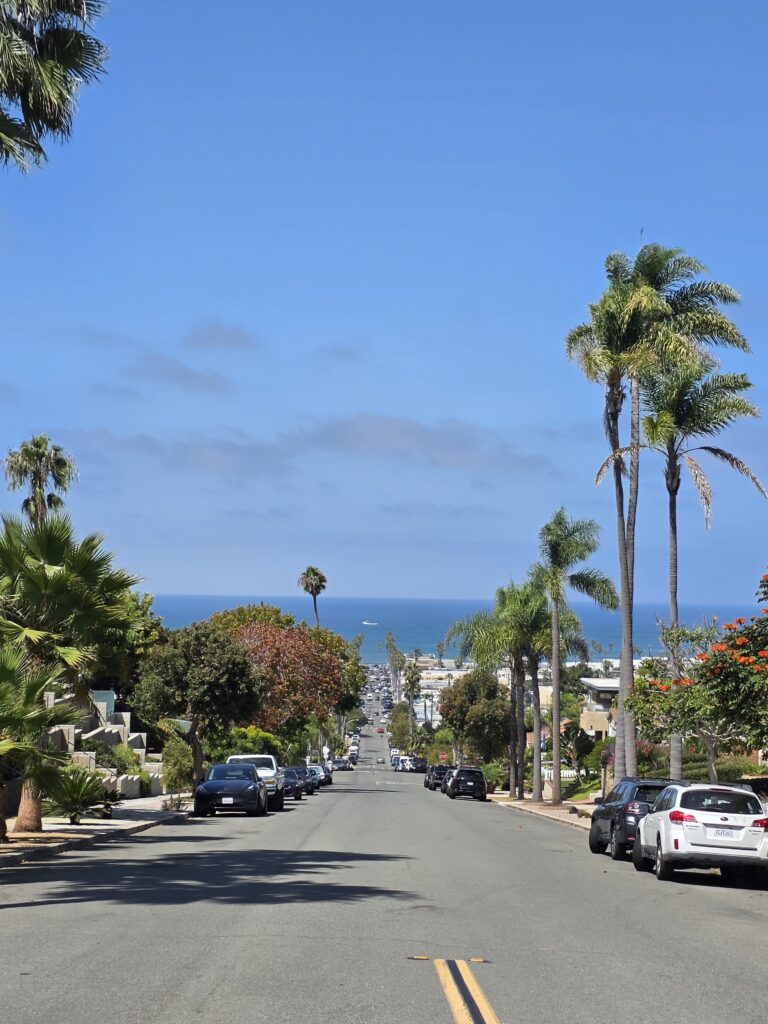
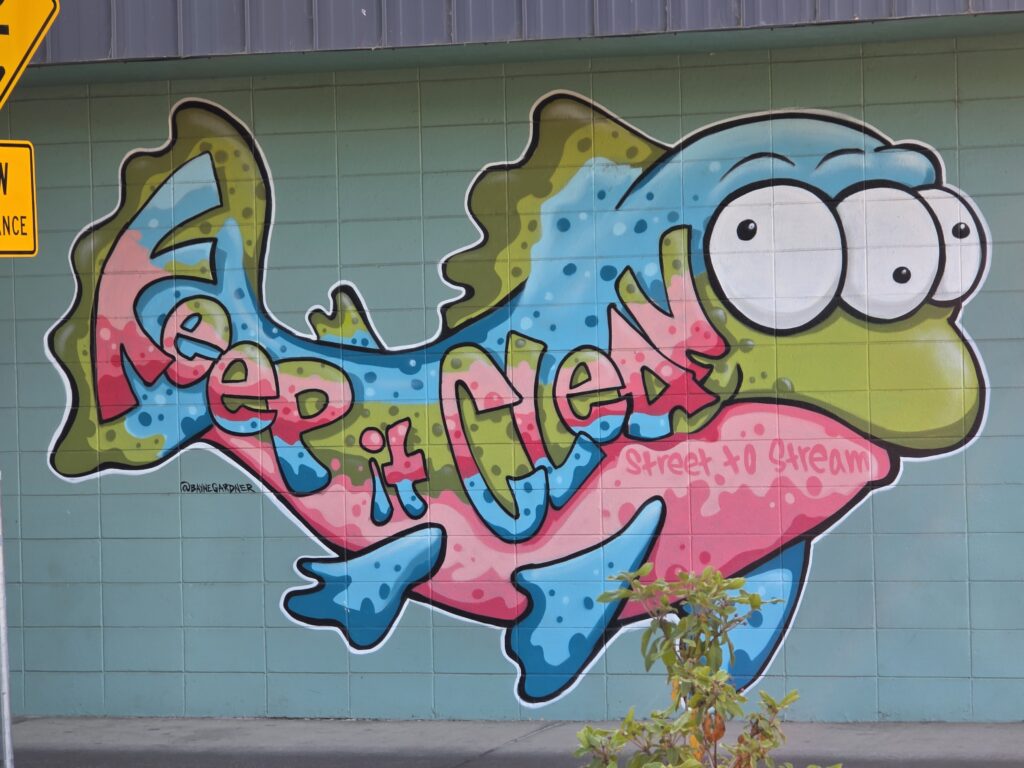
August 26th’s waxing gibbous moon. Springfield, Oregon.Exploring along the Willamette River. Attempting to capture the lunar blood moon eclipse.More amazing murals by artist Bayne Gardner. Saying “until next time” to Springfield. This mural entitled “Celebrate Oregon!” by artist Liza Mana Burns is located in the airport in Eugene. Arriving at LAX. Peeping the Hollywood sign. Post-lunch views of the of Terranea Cove in Rancho Palos Verdes California. Love the palm trees in this park near Dave’s Aunt and Uncle’s house in San Pedro. Hermosa Beach lifeguard station. The view of Hermosa Beach from the pier. Beginning our E-Boat tour through the canals of Long Beach. Photo op in a gondola. The view of the Port of Los Angeles on my way to the Korean Bell of Friendship in San Pedro. The Korean Bell of Friendship. I love looking at the details and designs and the Korean shrines and temples. It is reminiscent of our time in Seoul South Korea.Such a beautiful spot. Dutchman’s Pipe or Calico Flower. Never seen anything like it!Peacocks on parade. The most still I’ve ever seen a hummingbird. Beautiful. Sunset from Dave’s Aunt and Uncle’s friend’s house in Palos Verdes Estates. San Pedro street art by Lua Kobayashi entitled “Furusato: Home Sweet Home”. Getting ready for First Thursday. “Ojo de la Sirena” (Sirens Community Mural) by artist Virginia Broersma. It finally got clear enough by the end of the week to see Catalina Island. Fun mural inside of Crafted at the Port of Los Angeles which is a repurposed warehouse where many artists have booths and sell their creations. Sunset views from our friend’s house on our first evening in Pacifica California.California Quail chillin in the backyard. The men making their way through the course at DeLaveaga in Santa Cruz.Taking in the sights during the round of disc golf. The cool decor of Hula’s Island Grill. Birds on some wires. Montara State Beach. A beautiful place to spend Labor Day. Devil’s Slide Bunker. An abandoned World War II military observation post along Highway 1 in Pacifica. Making my way down the hill to explore Pacifica. Another beautiful sunset. Trying to capture all the whale activity last Wednesday. You can kind of see the dissipating spout and mainly it is just happy birds. 🙂 The whales were far away from shore and difficult to capture a picture of. This is what my friend shared with me that day from Facebook. The beautiful sunset by Pacifica Pier.My daytrip to San Mateo began at Seal Point Park. Wind sculptures in Seal Point Park.More views from Seal Point Park. Afterward I walked to Central Park and visited the Japanese Garden. “The Japanese sister city for San Mateo, California, is Toyonaka, located in the Osaka Prefecture. The two cities established their sister city relationship in October 1963 to promote cultural exchange, educational programs, and civic friendship.”This Fallen Heroes Memorial is in the design of a Remembrance Poppy. Cool street art on B Street. On my way to Curry Pizza House which was delicious!The vibrant glass tile mosaic mural on the exterior of the former Bank of America building designed by artist Louis Macouillard. So beautiful!On our flight to San Diego California. The view of the city from our Air BnB.The Japanese Friendship Bell located on Shelter Island. The destination of my Sunday morning walk. Views from Shelter Island. Views on our way to Ocean Beach. I love the palm tree lined streets in California!Exploring Old Town San Diego. Excited to see all there is to see in the next couple weeks!
Tomorrow, Wednesday the 26th of July, we’ll have been on this adventure for three years! I am definitely in all the feels about that fact and the fact that we’re back in the United States already. Things feel so similar to our first leg and I know so much has changed. It is definitely a season in flux.
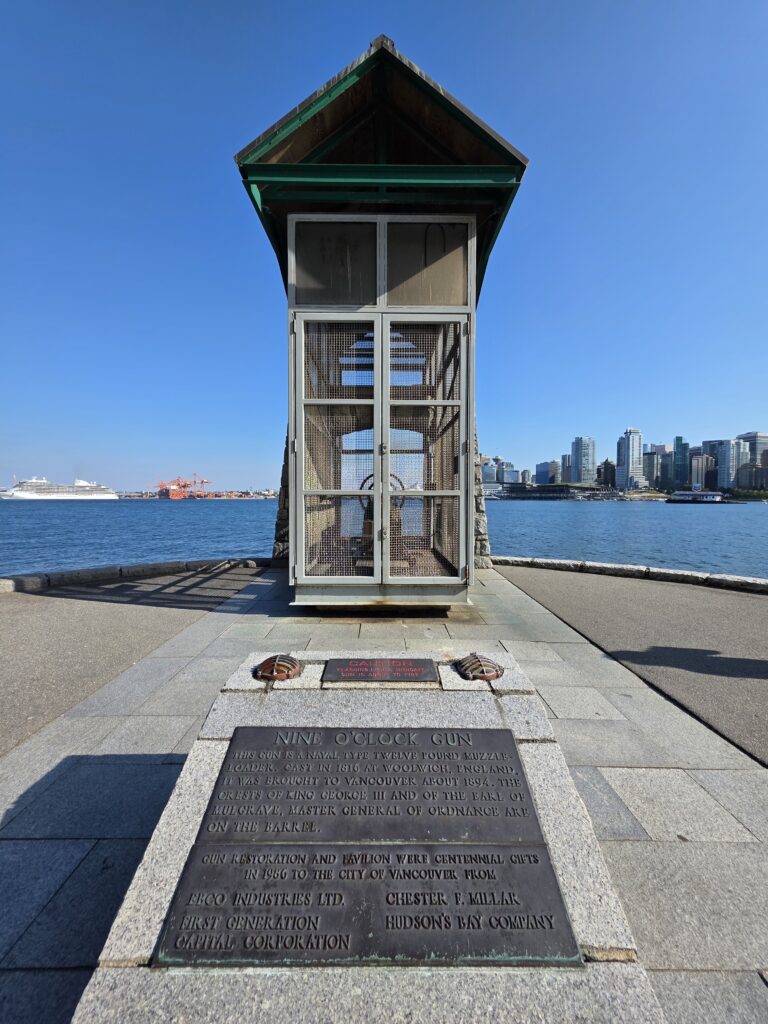
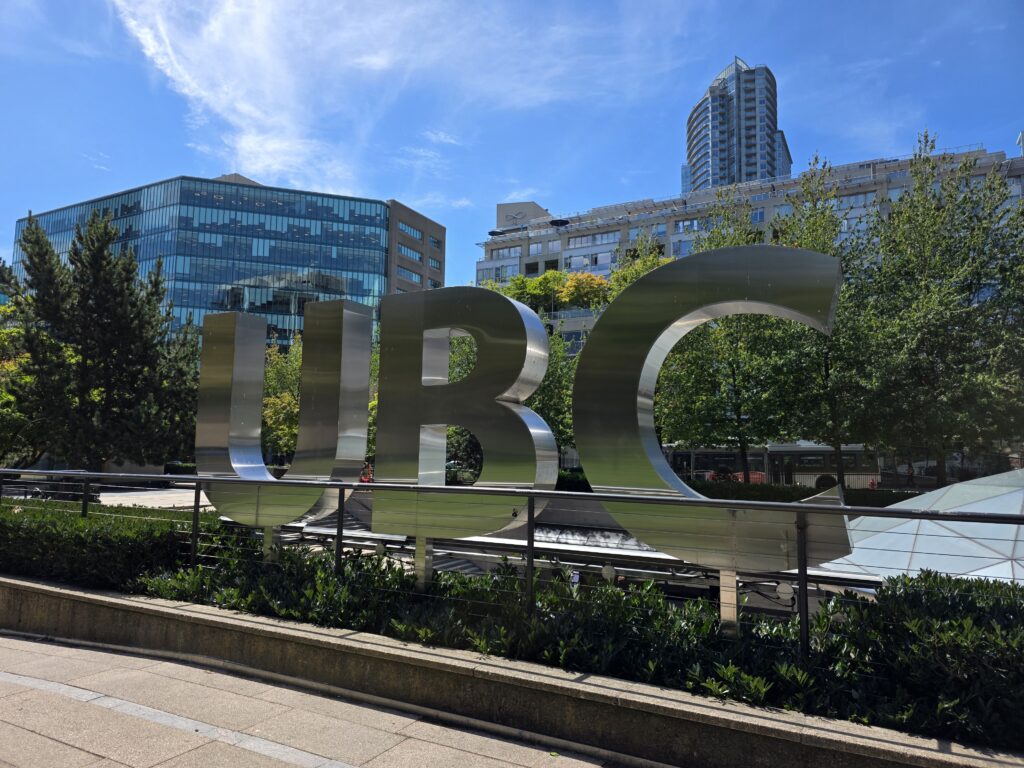
We enjoyed the last bit of our time in Vancouver. We got to walk around Stanley Park together on the 12th after I had my one and only volunteer experience removing invasive species from a small area of the park near the Lost Lagoon. I realized very quickly that “weeding” isn’t for me. I don’t know why I thought I would enjoy it since I never weeded when we lived in Minnesota and had our own garden.? My friend called it gardening but it is harder than gardening because when you’ve planted the garden you know what is a weed and what is not. Not being from British Columbia, I really had no clue what to expect. During the volunteer experience we mainly focused on removing a plant called Spotted Ladies Thumb as well as Morning Glory. Obviously there was some direction on what to do and it felt like a lot of standing around. Our leader told us the patch we were working in used to be covered in blackberry bushes three years ago, so you can see what a difference, their efforts have made. I feel like this experience was different than when I did something similar while in Oahu, because I had a connection to the organization and what they do for their community, through my friend . Even though this experience wasn’t for me, I met a couple nice people and I’m glad I gave it a try. I think they’re doing good things, so if urban ecology is something that you’re interested in supporting, I added how you can donate on the showing up tab under Vancouver, British Columbia after the information about Belkin House.
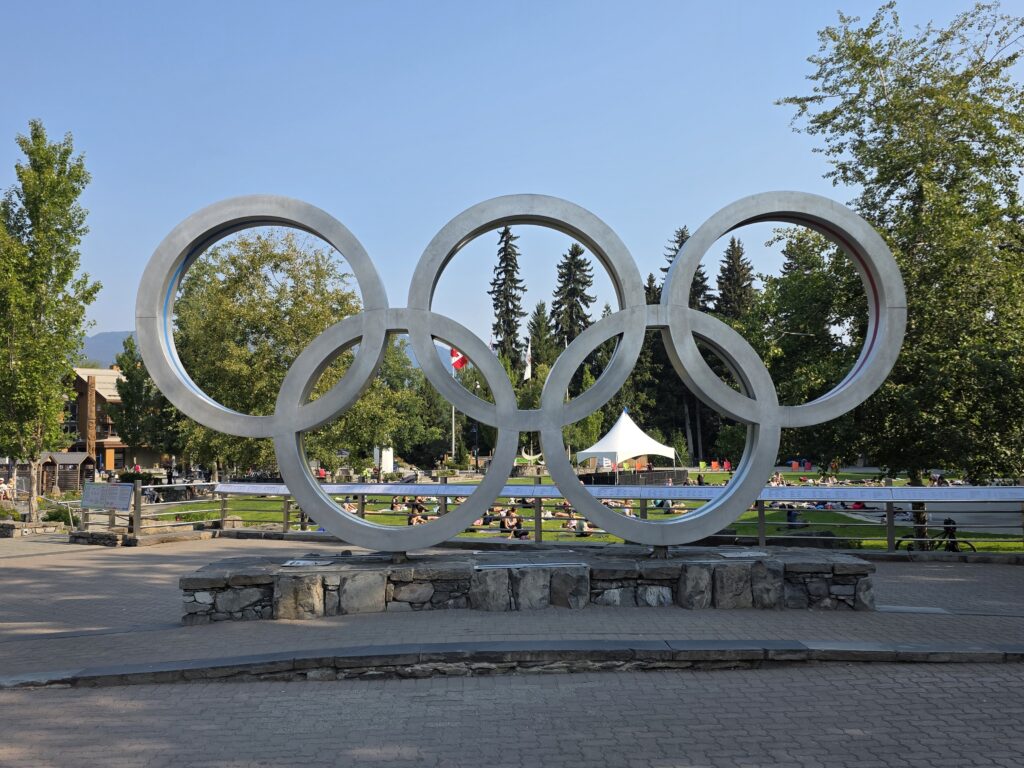
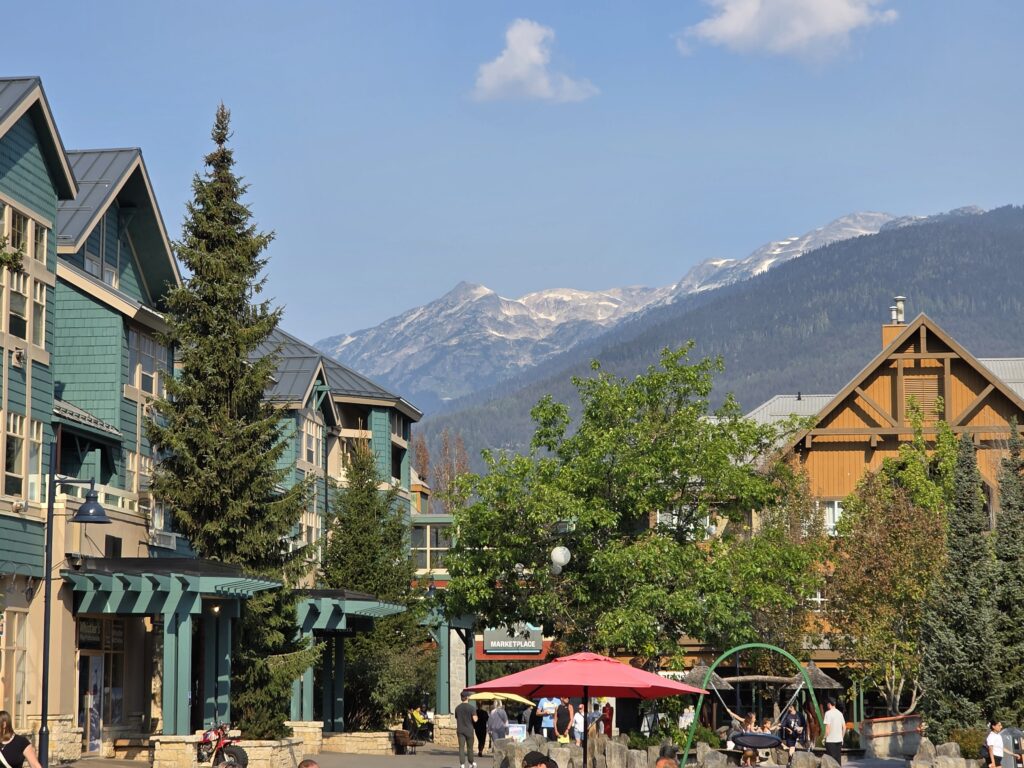
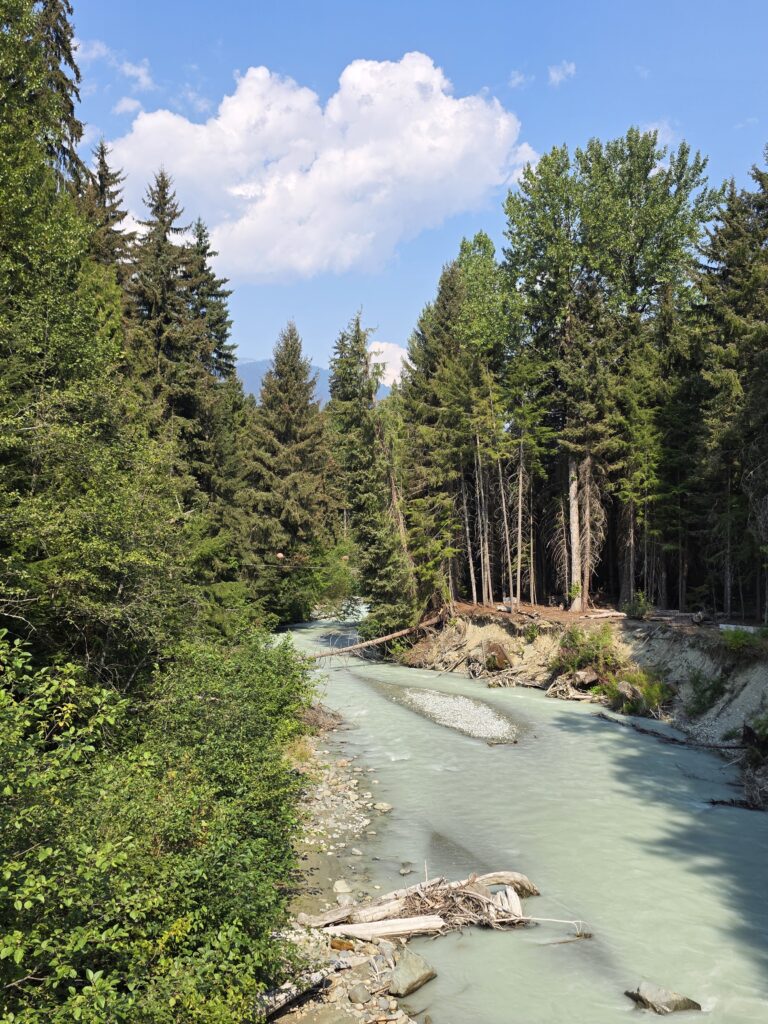
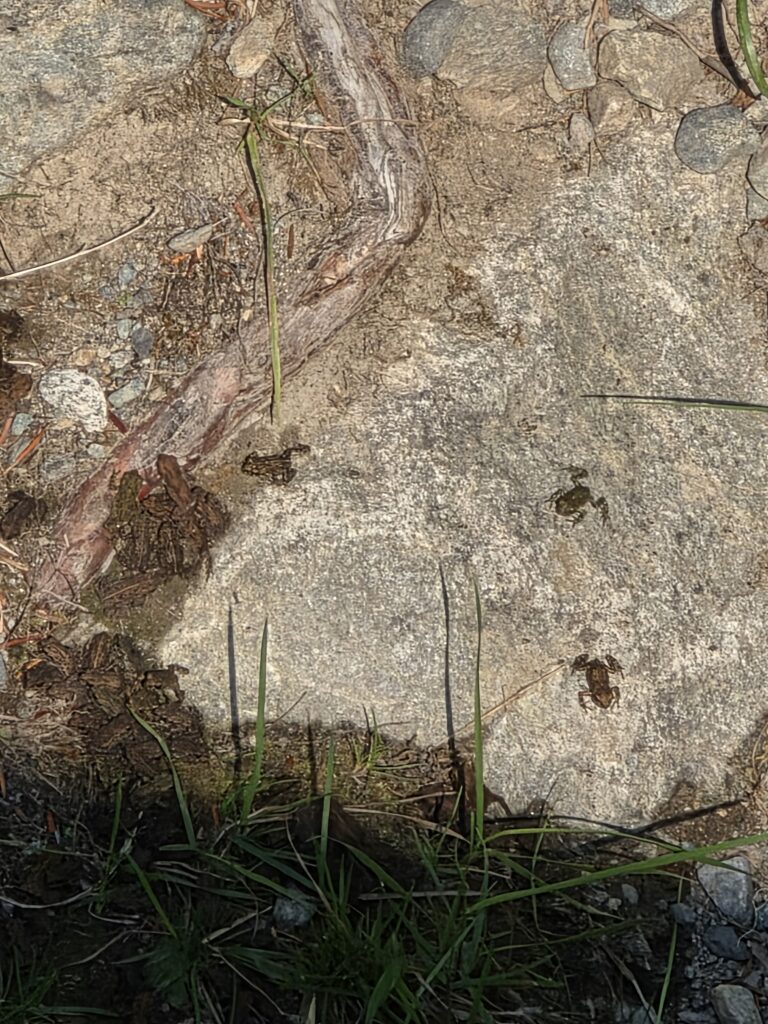
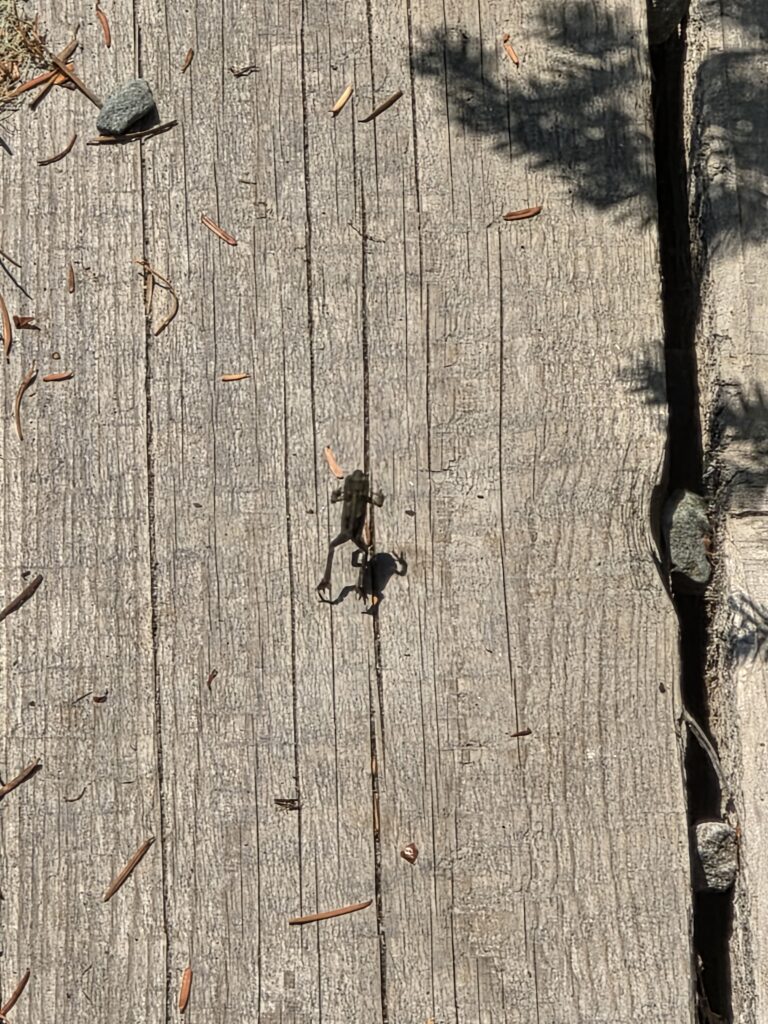
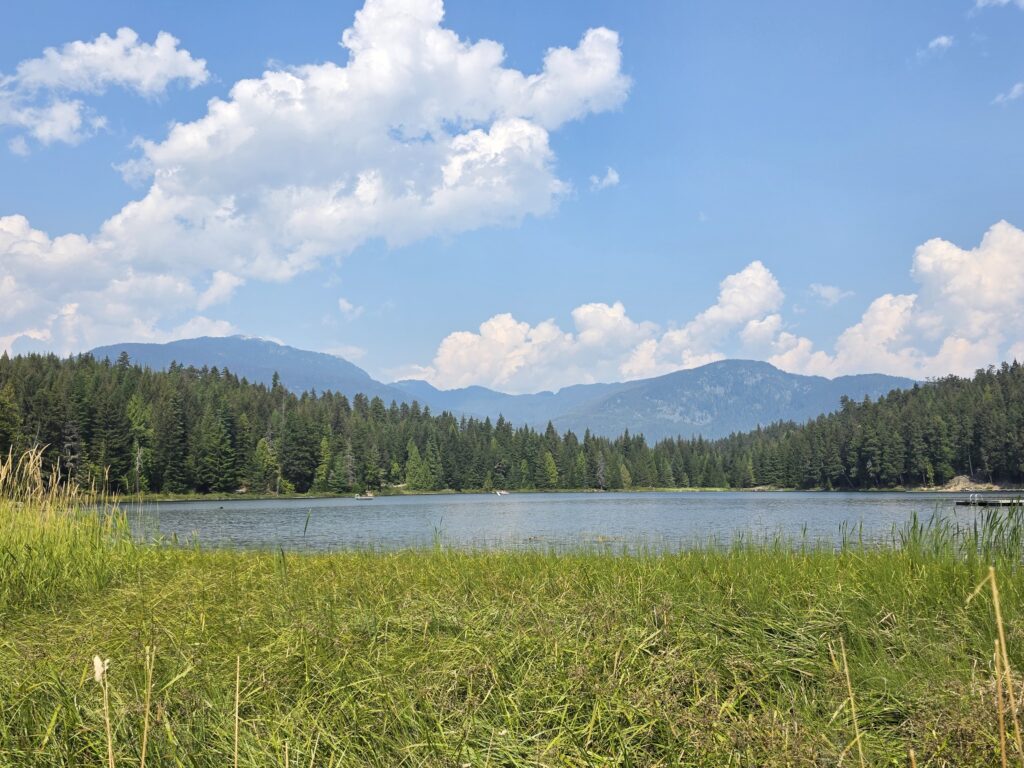
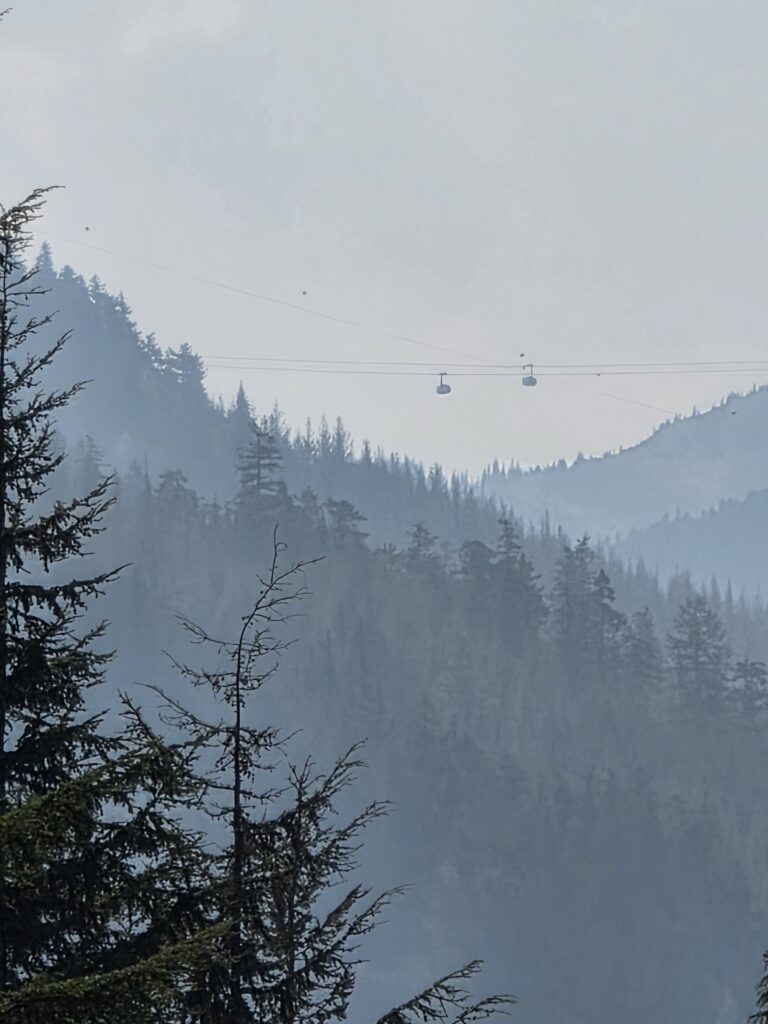
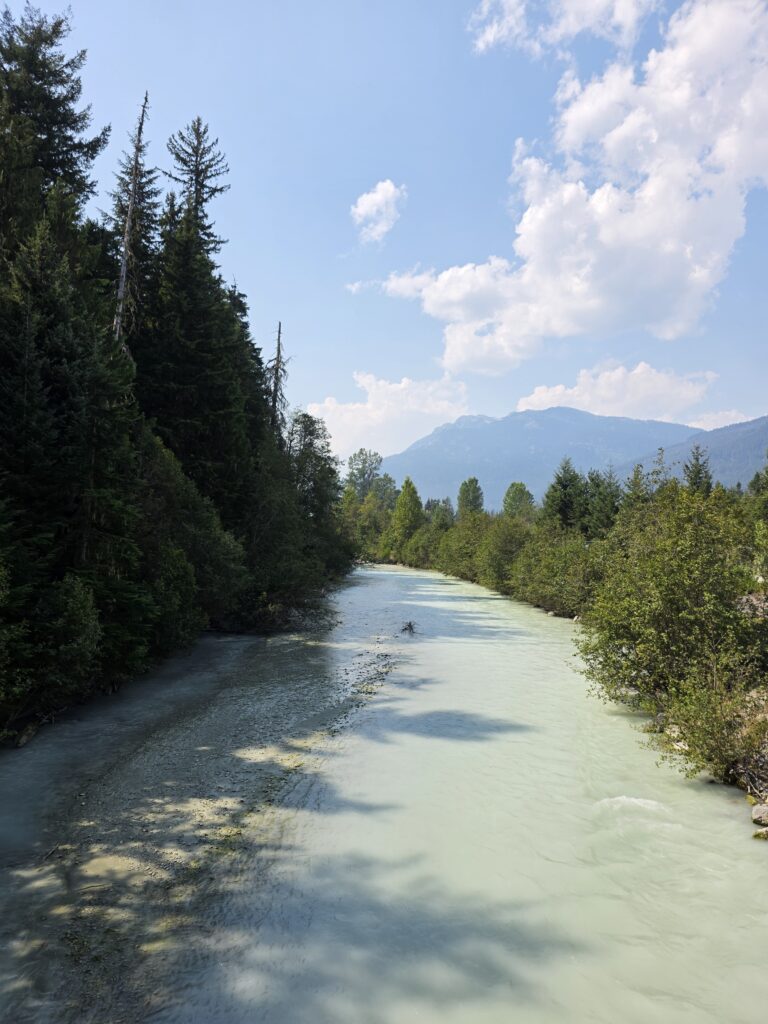
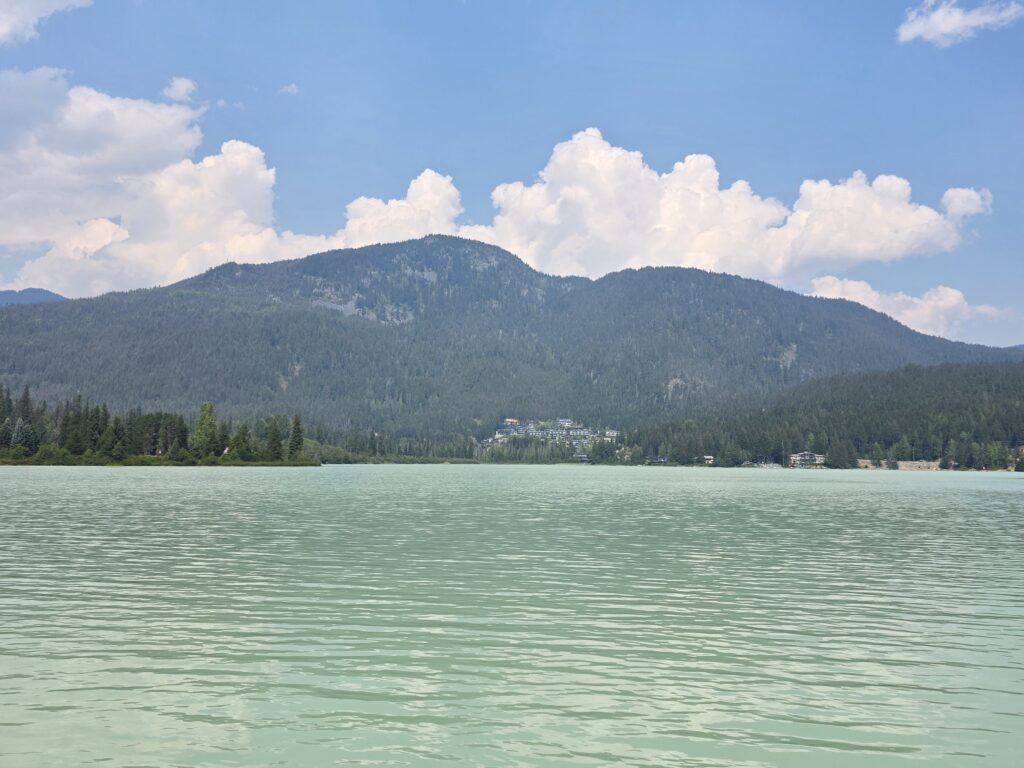
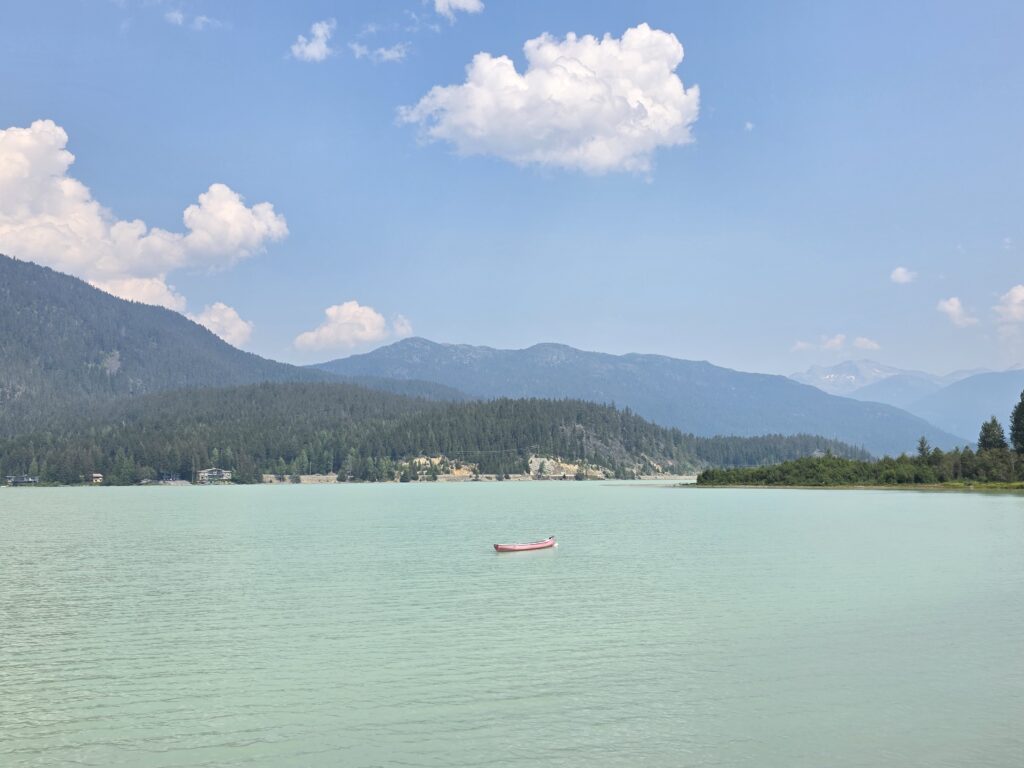
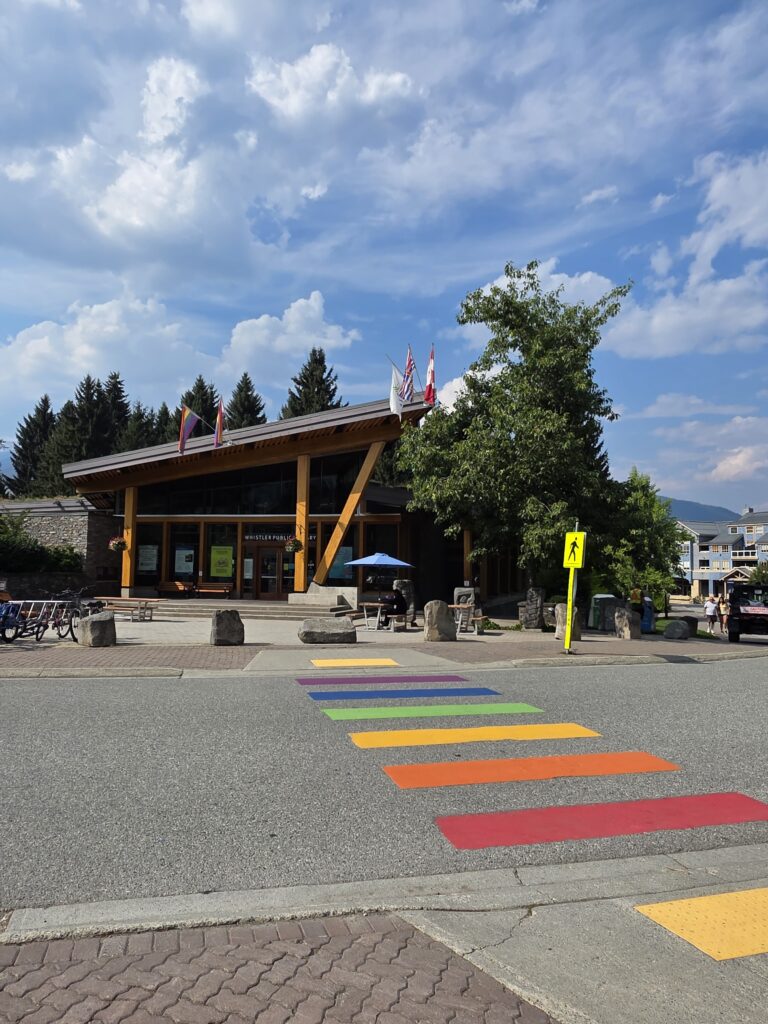
On Saturday the 15th we went to Whistler. We didn’t end up taking the gondola or going on the sky bridge but the weather was perfect for hiking and we saw a lot of beautiful things. After we ate breakfast we walked around the Olympic Plaza and saw the rings and the torch. Whistler hosted the Winter Olympics back in 2010. Then we hiked to Lost Lake and continued on to Green Lake. There was a baby toad migration happening while we were there so some of the areas were blocked off and they even built a little bridge for them to cross underneath the walking/biking path so they didn’t have to worry about getting stepped on or ran over. They were SO CUTE!!!!
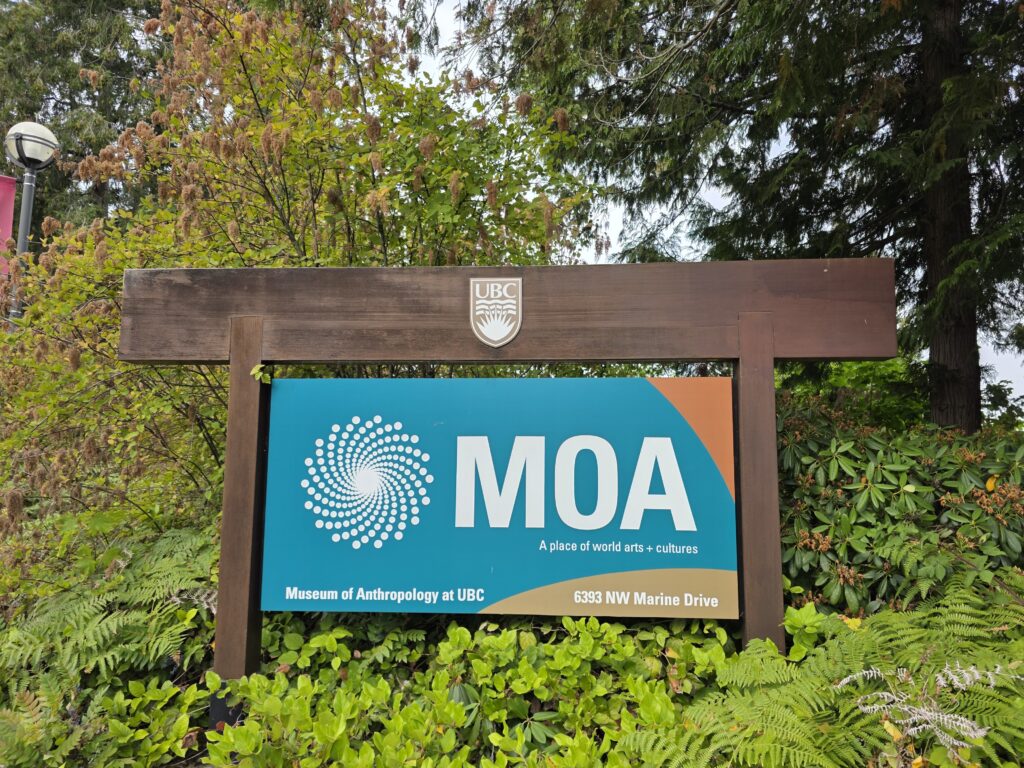
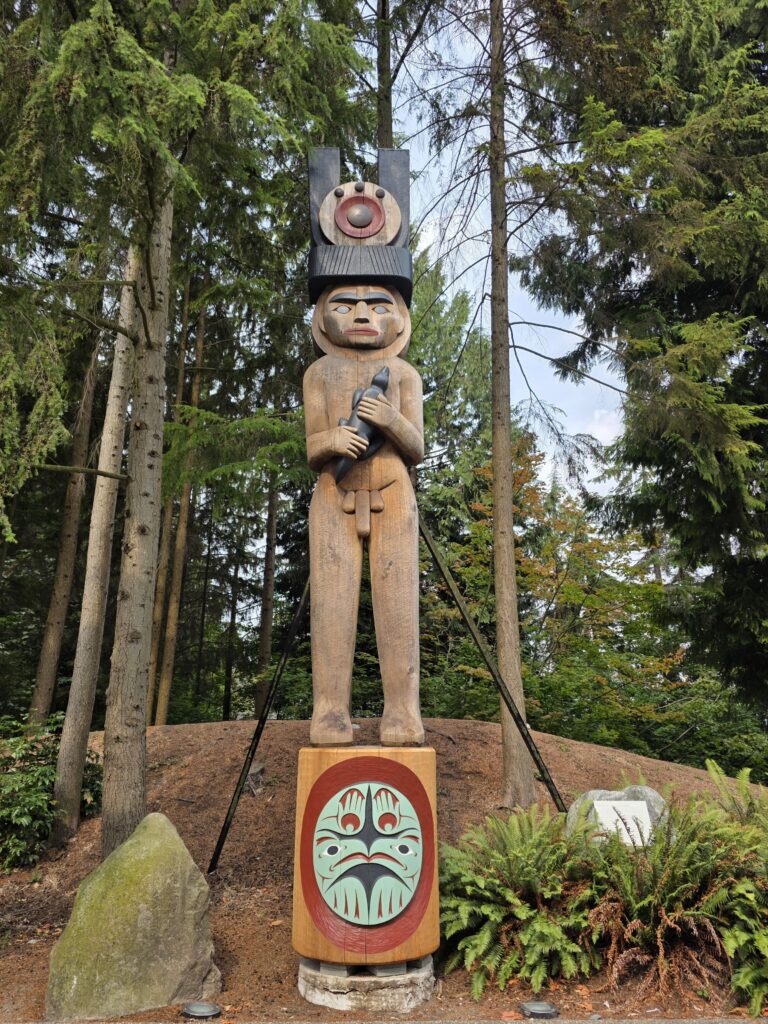
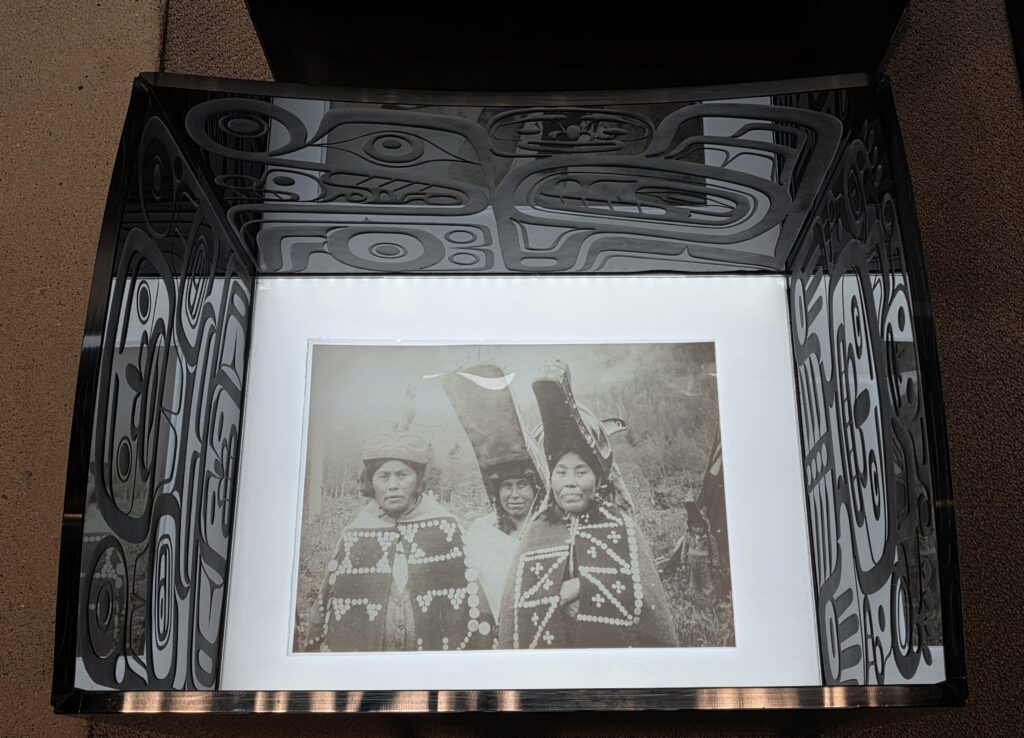
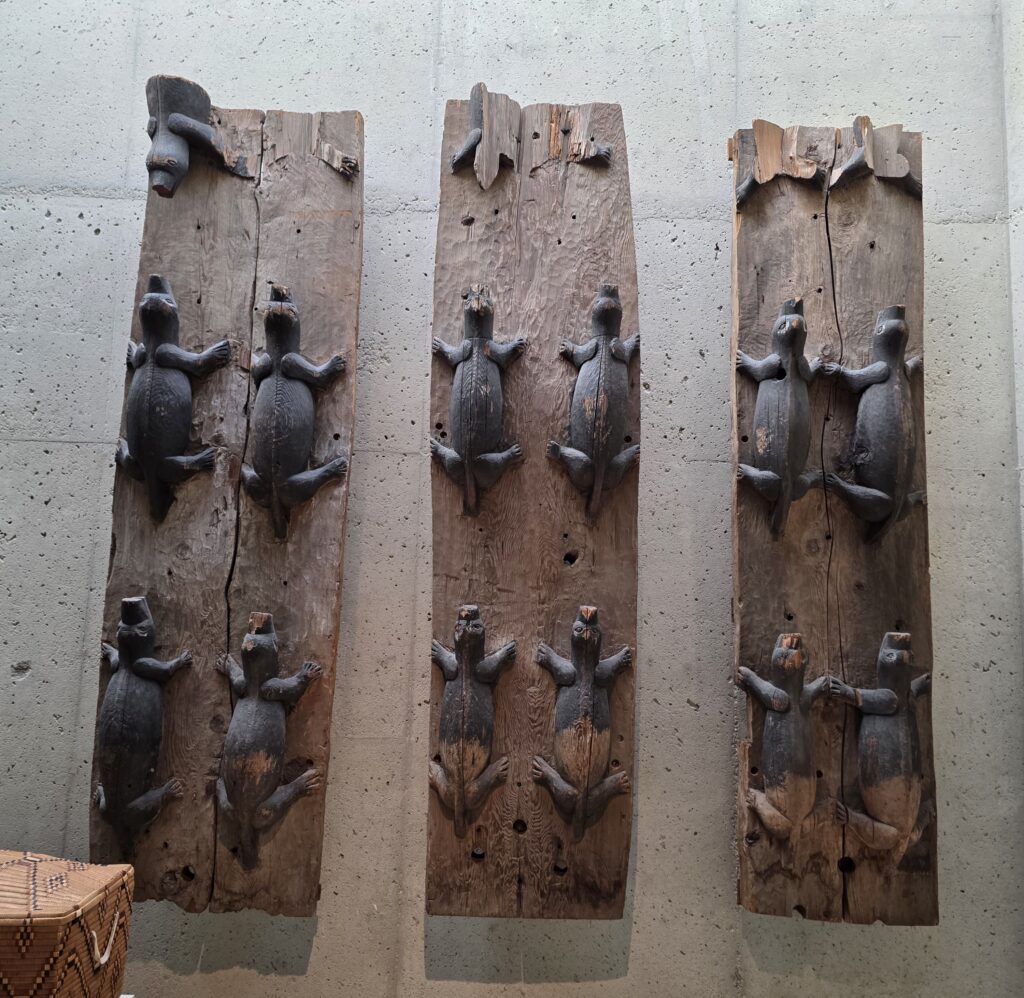
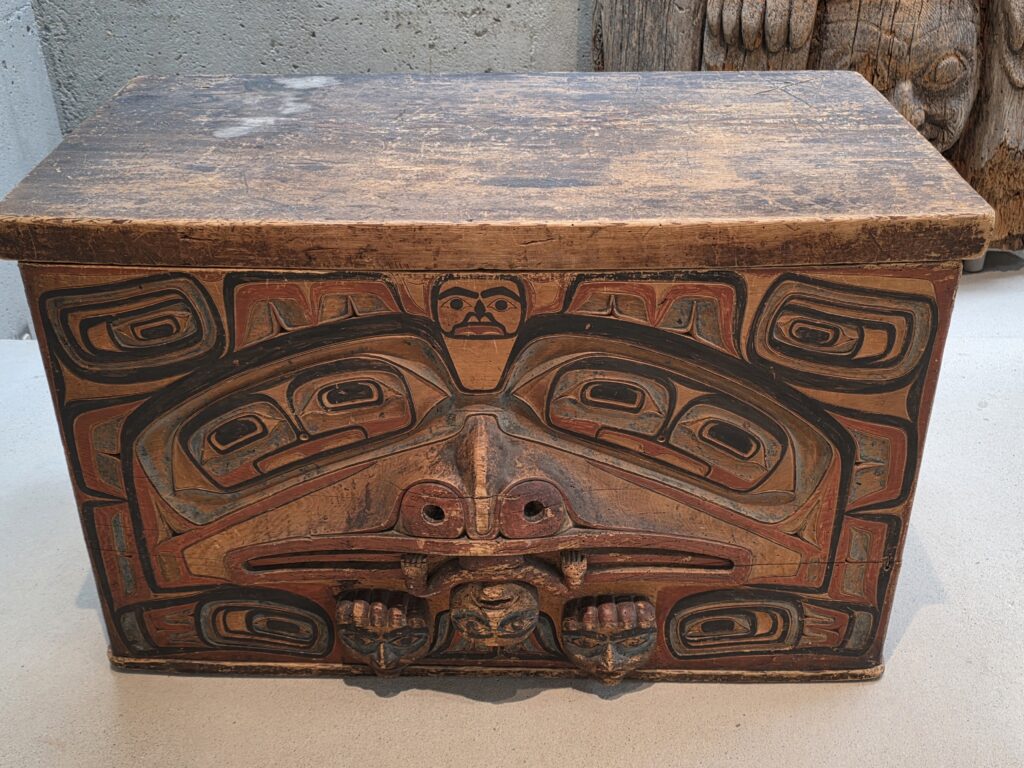
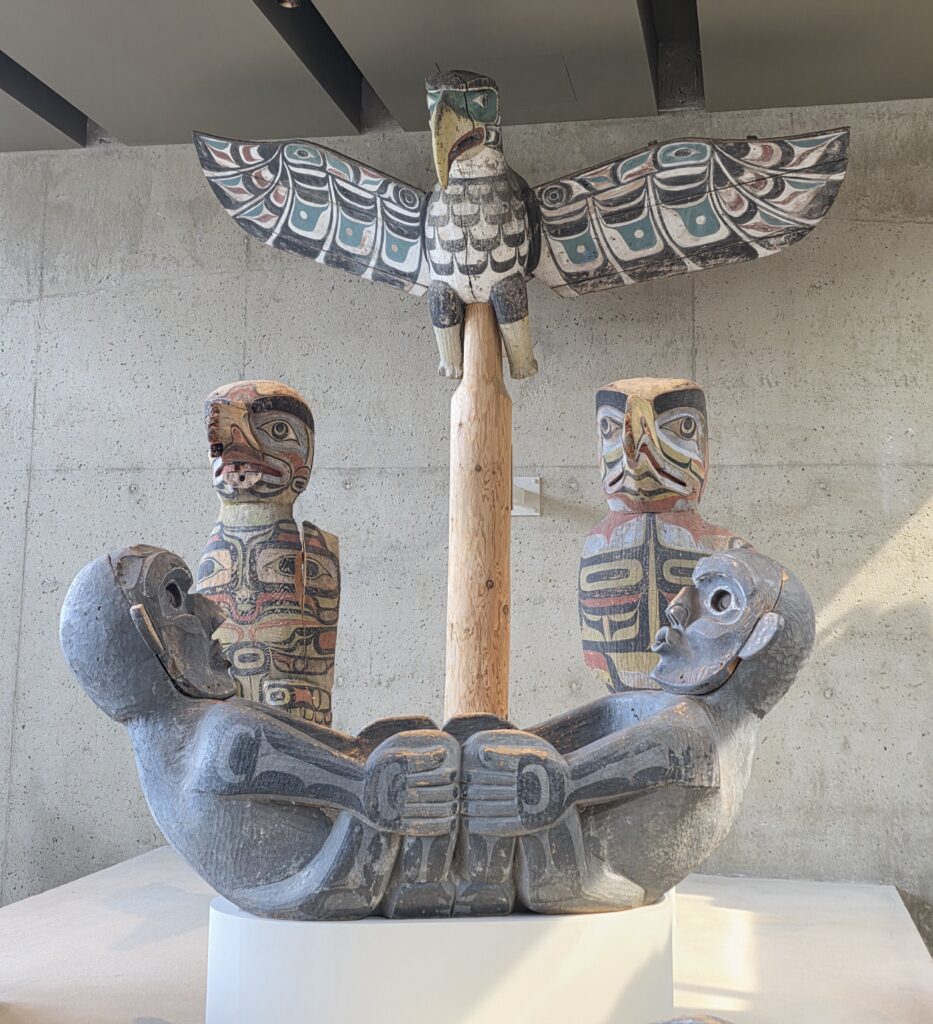
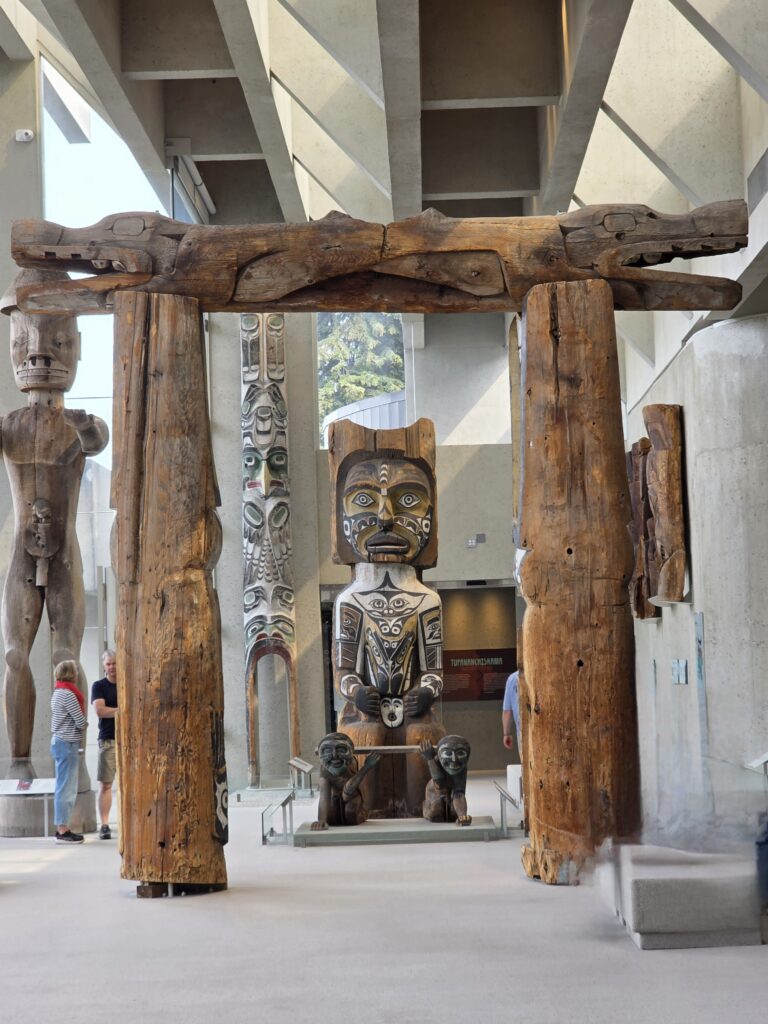
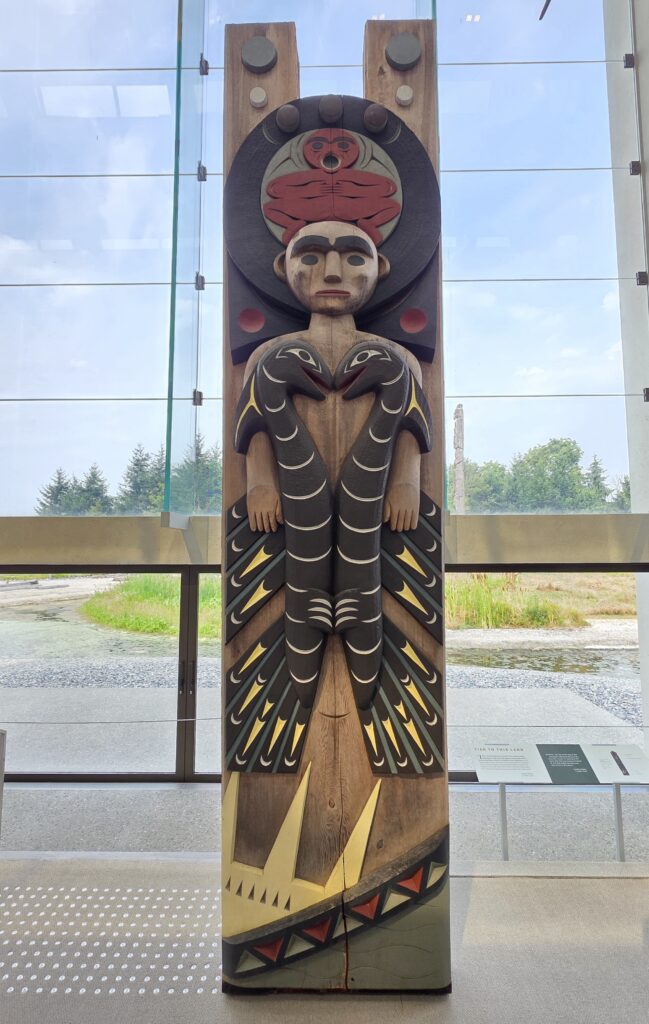
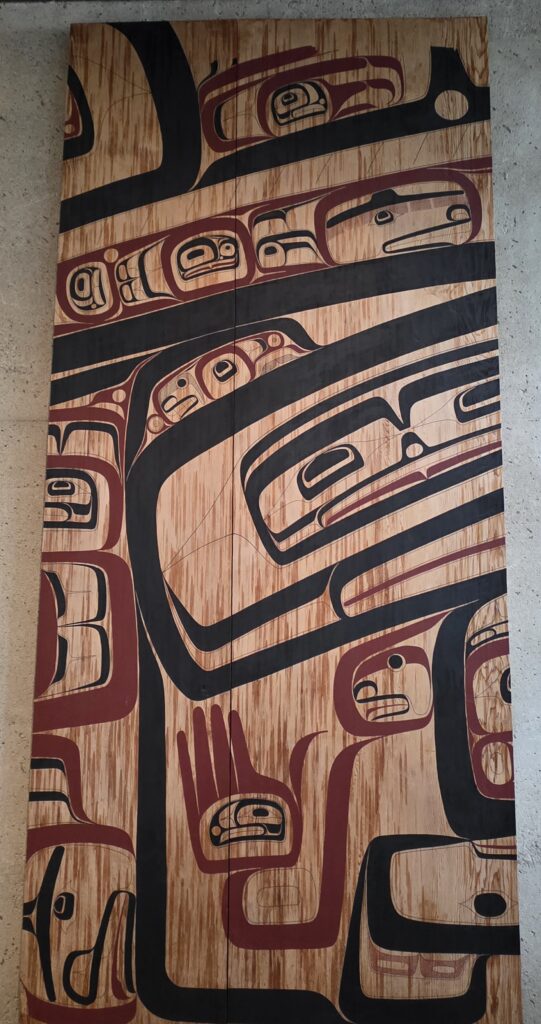
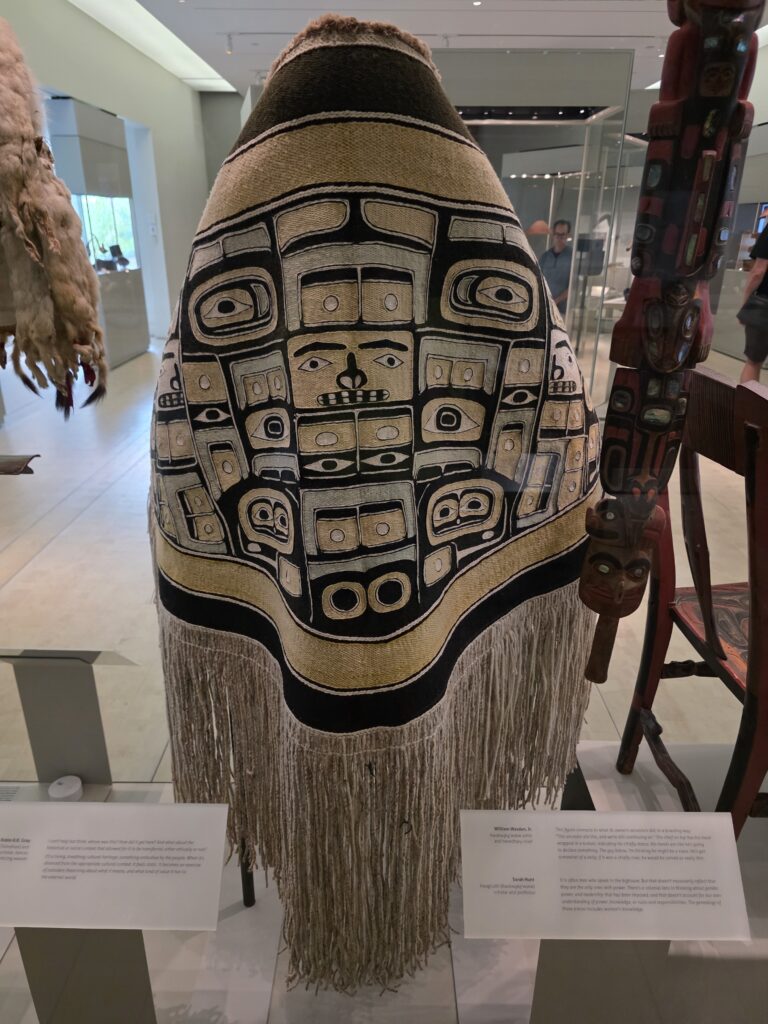
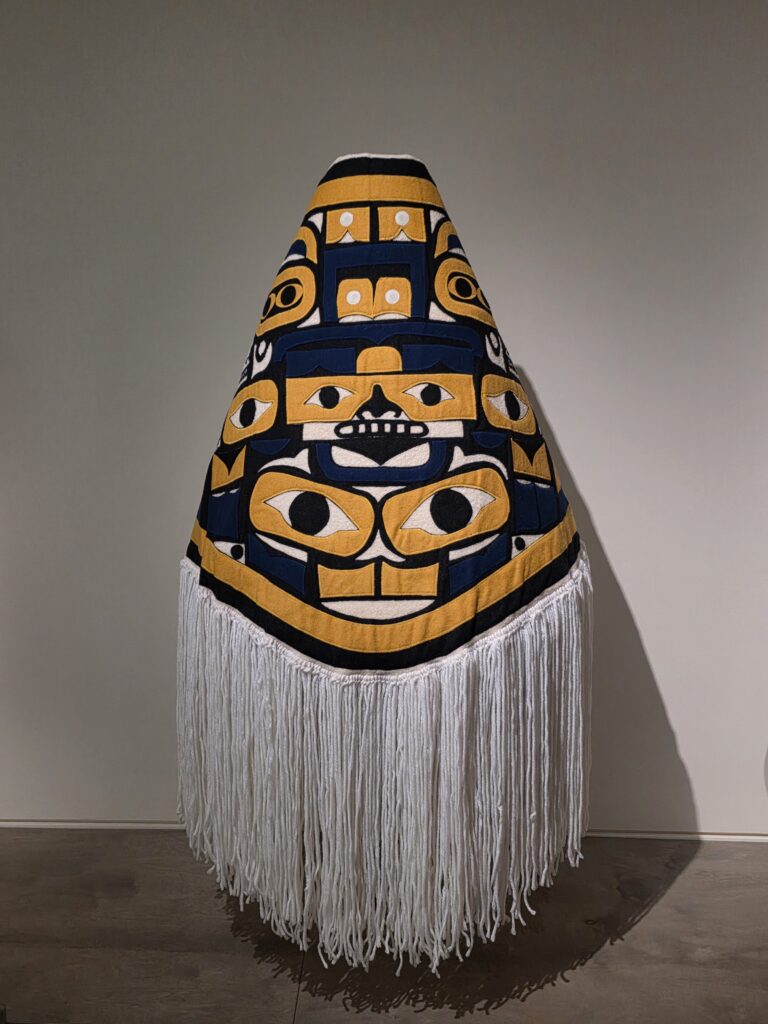
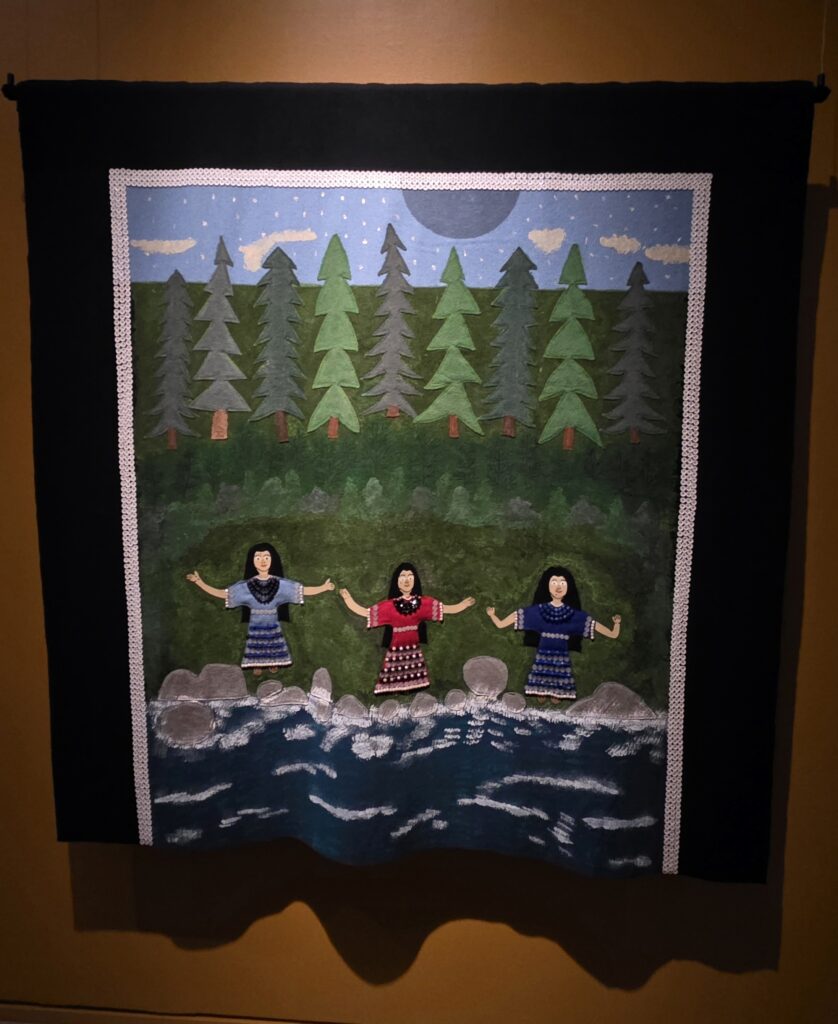
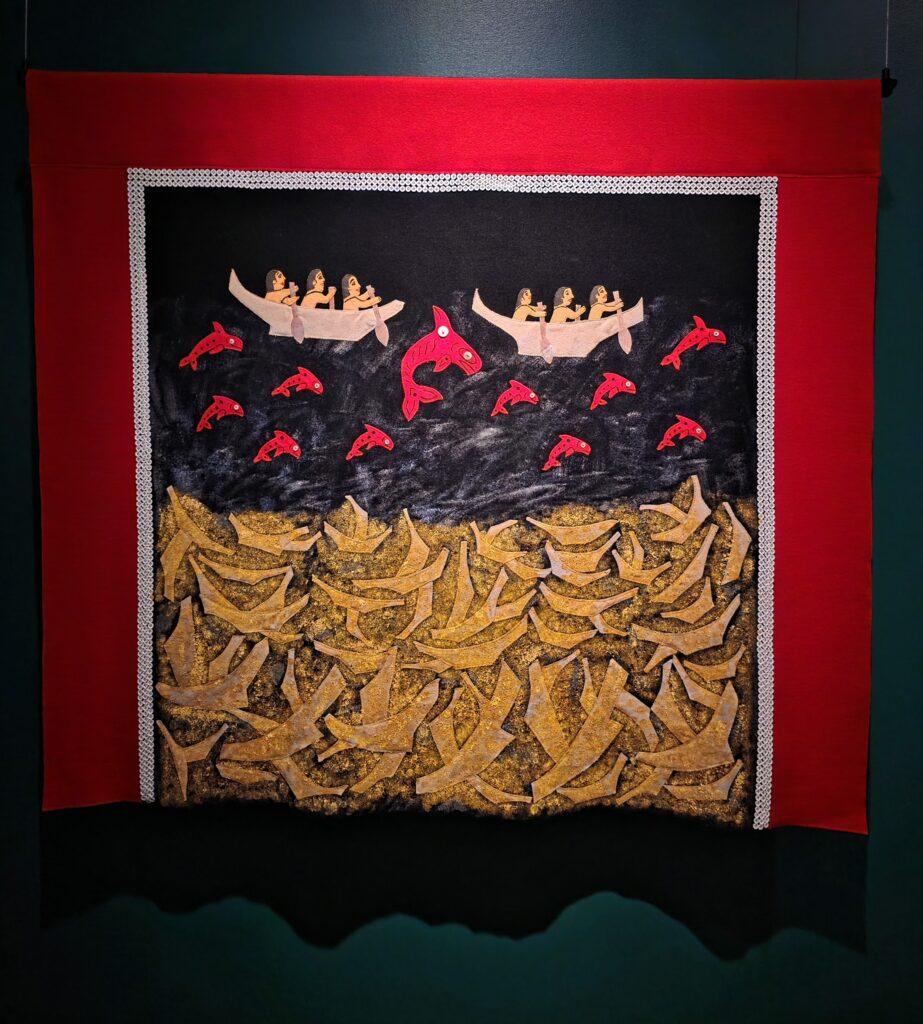
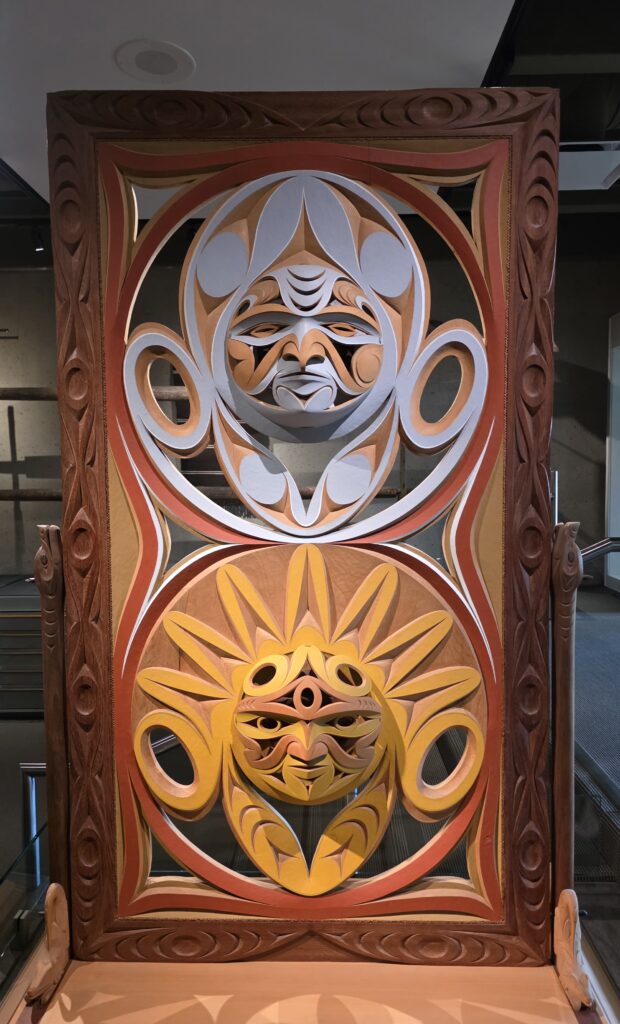
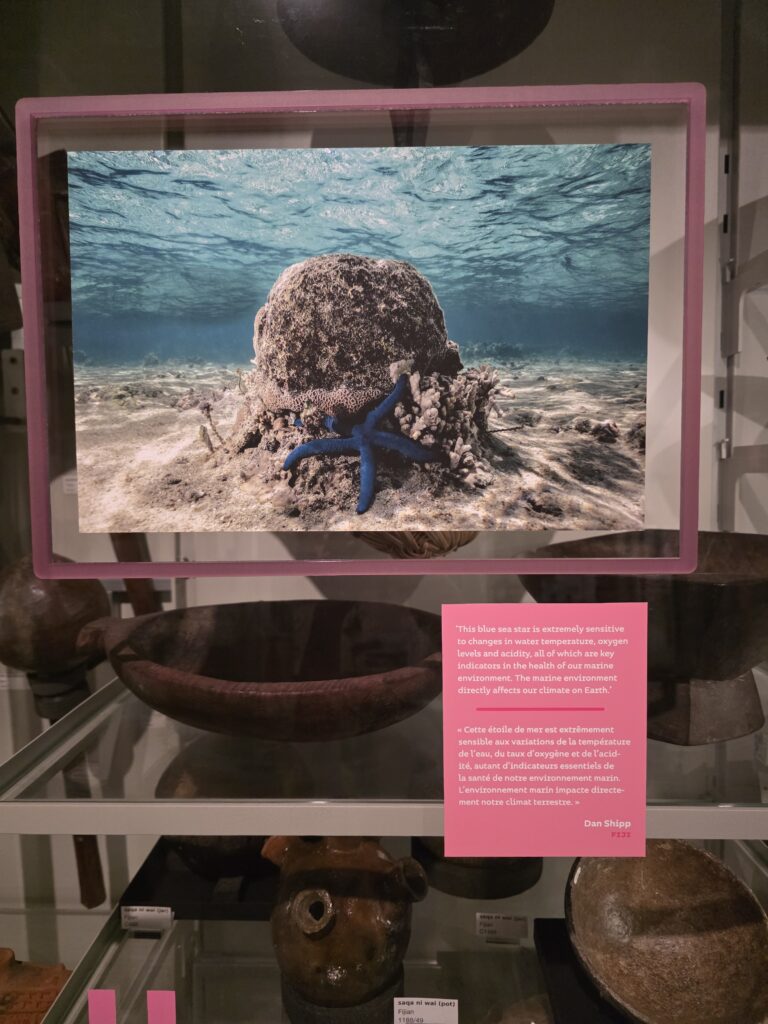
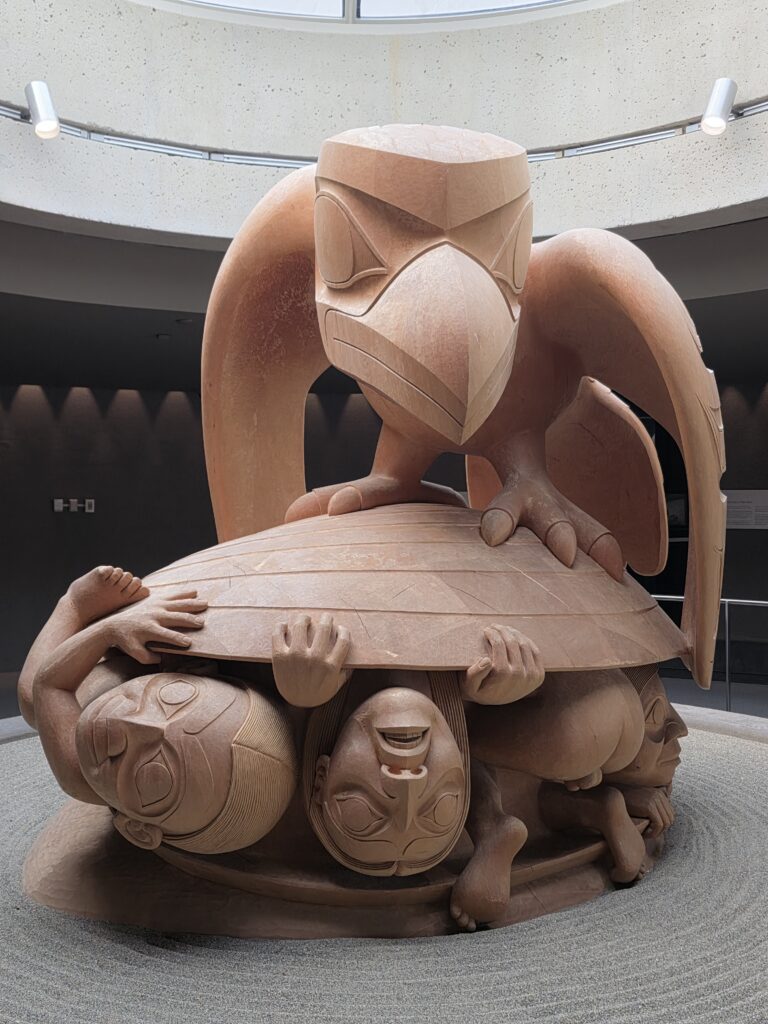
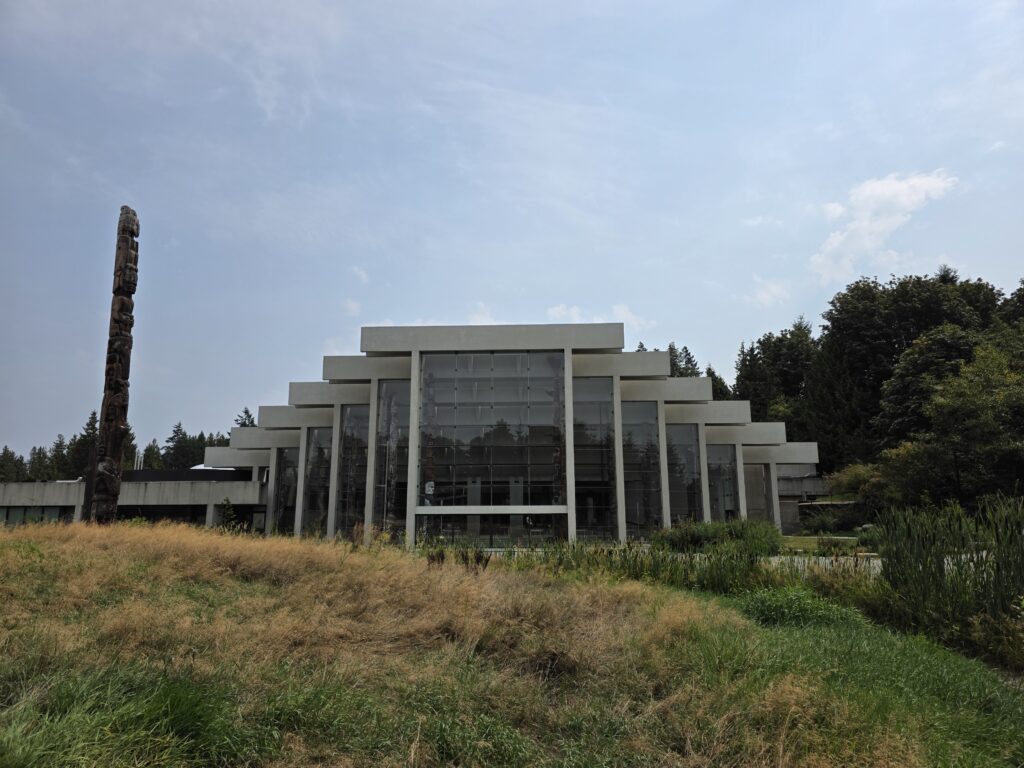
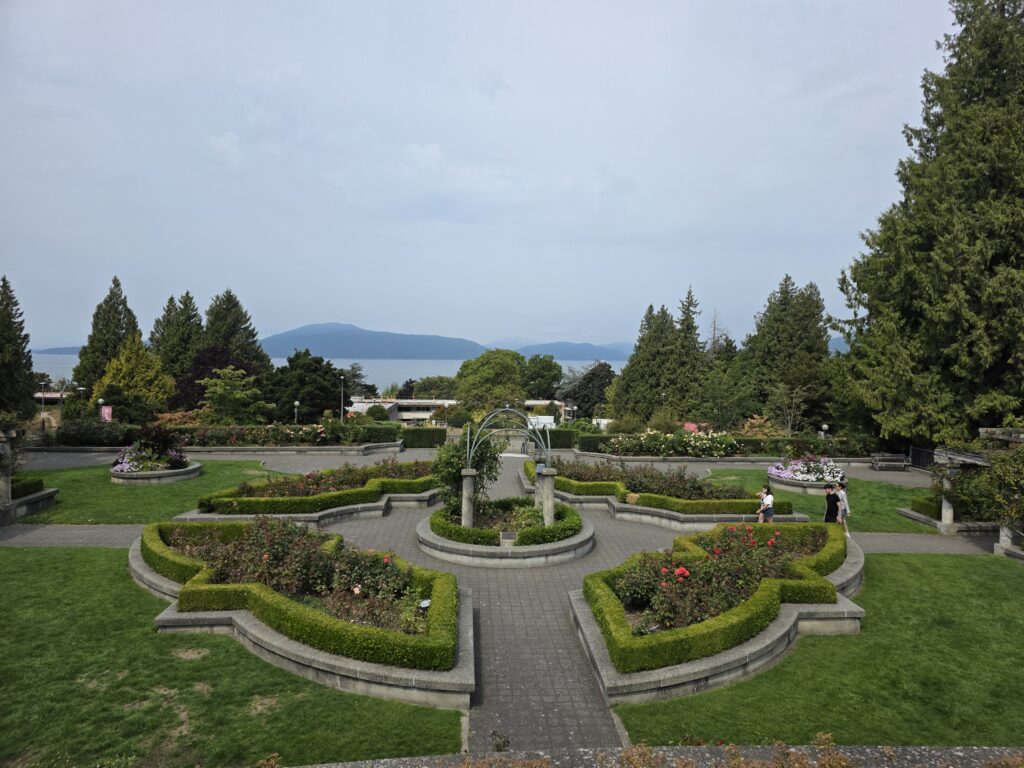
The next day we made it to the Museum of Anthropology and I’m SO glad we went! They did an incredible job educating visitors about Northwest Coast First Nations People primarily through their art. The museum was also located in a beautiful setting so it gave us a chance to explore an area of the city that we had yet to visit.
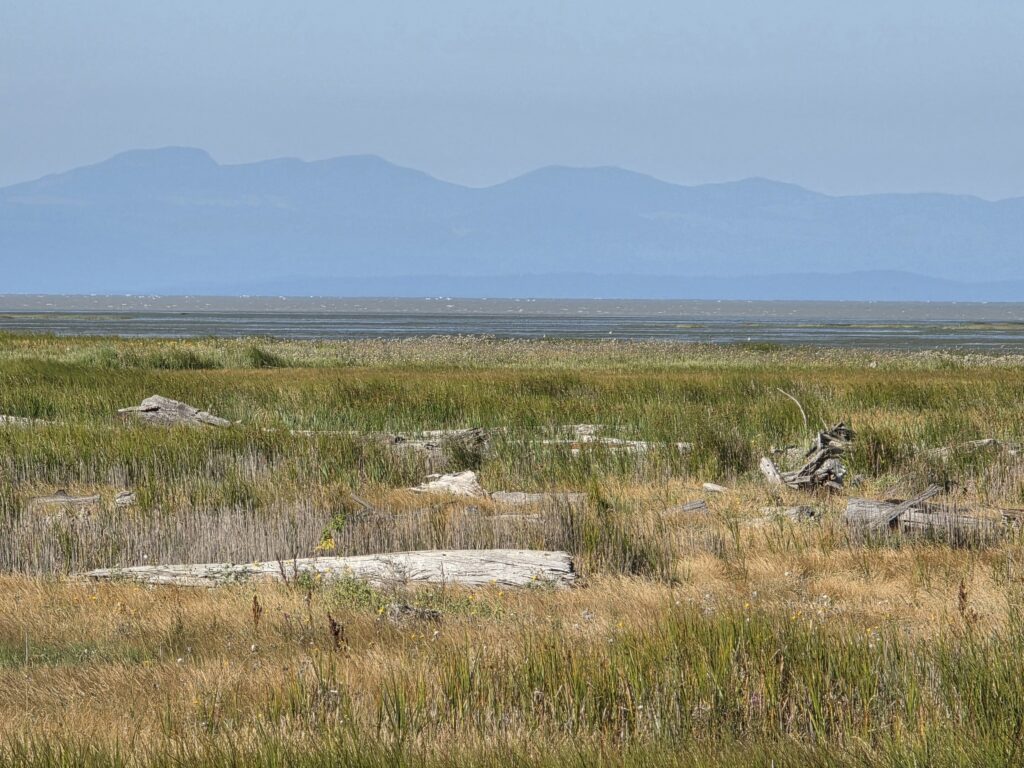
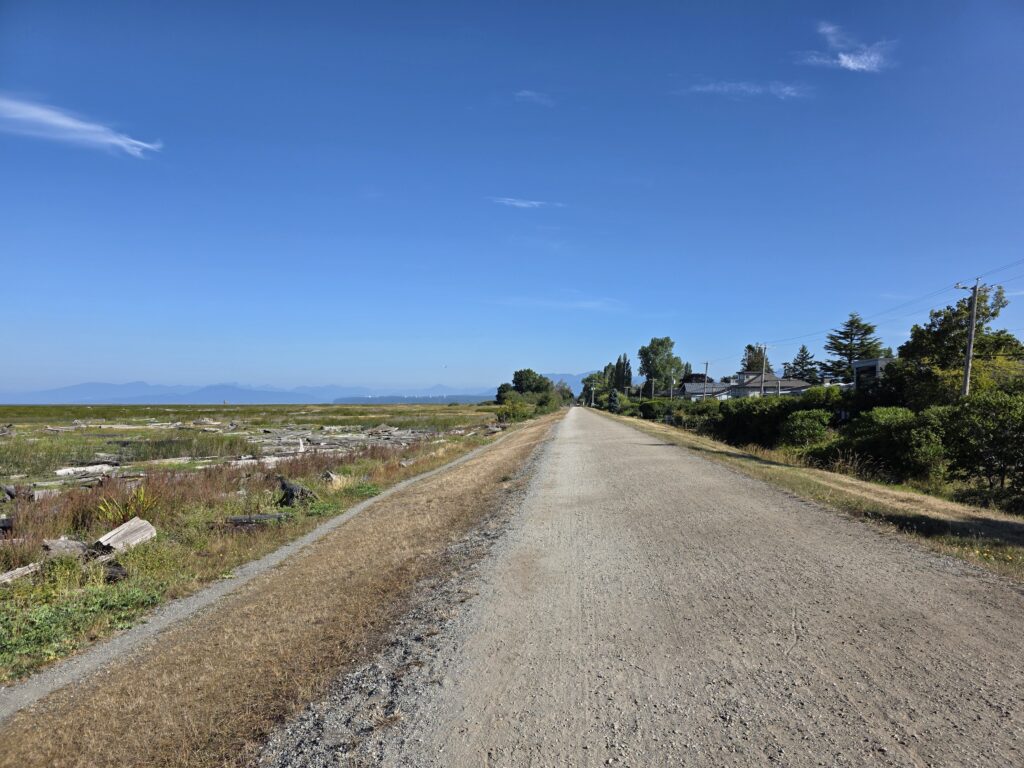
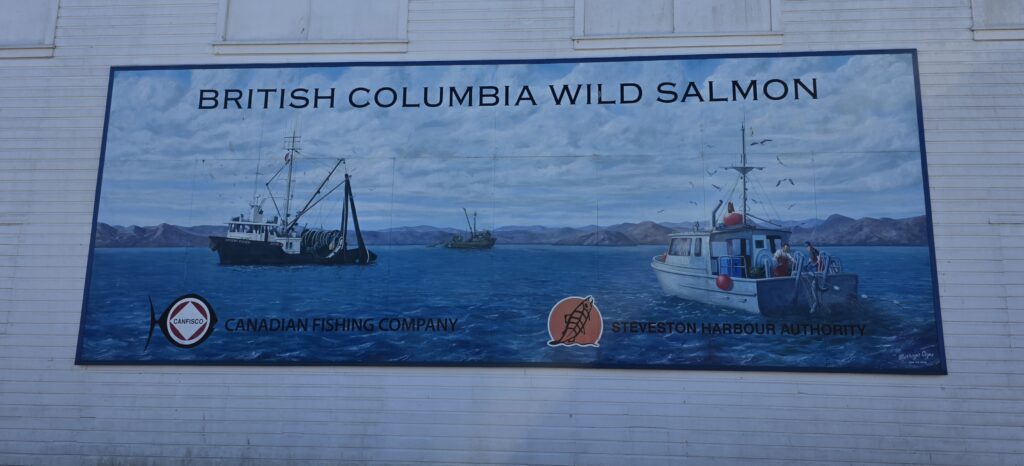
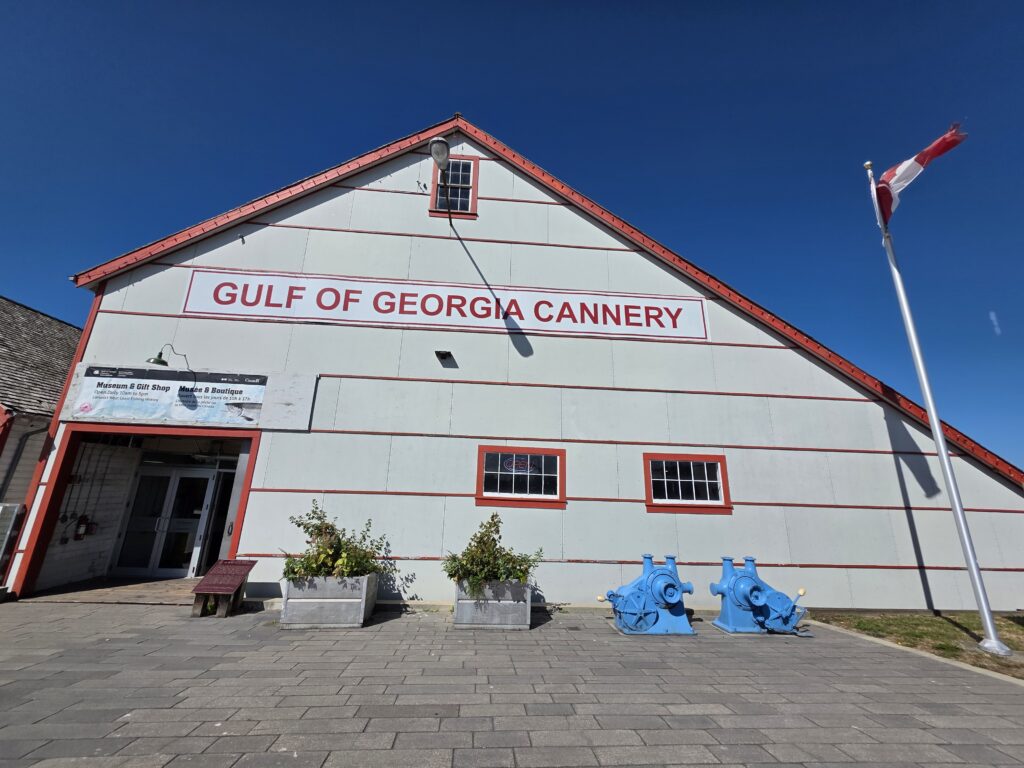
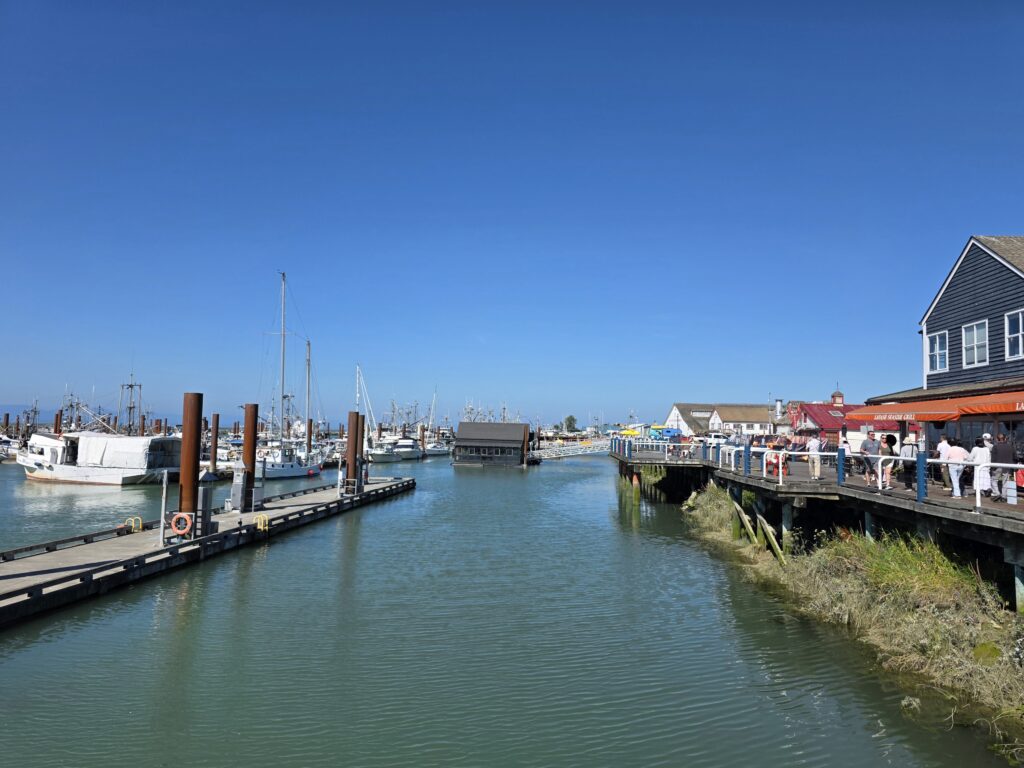
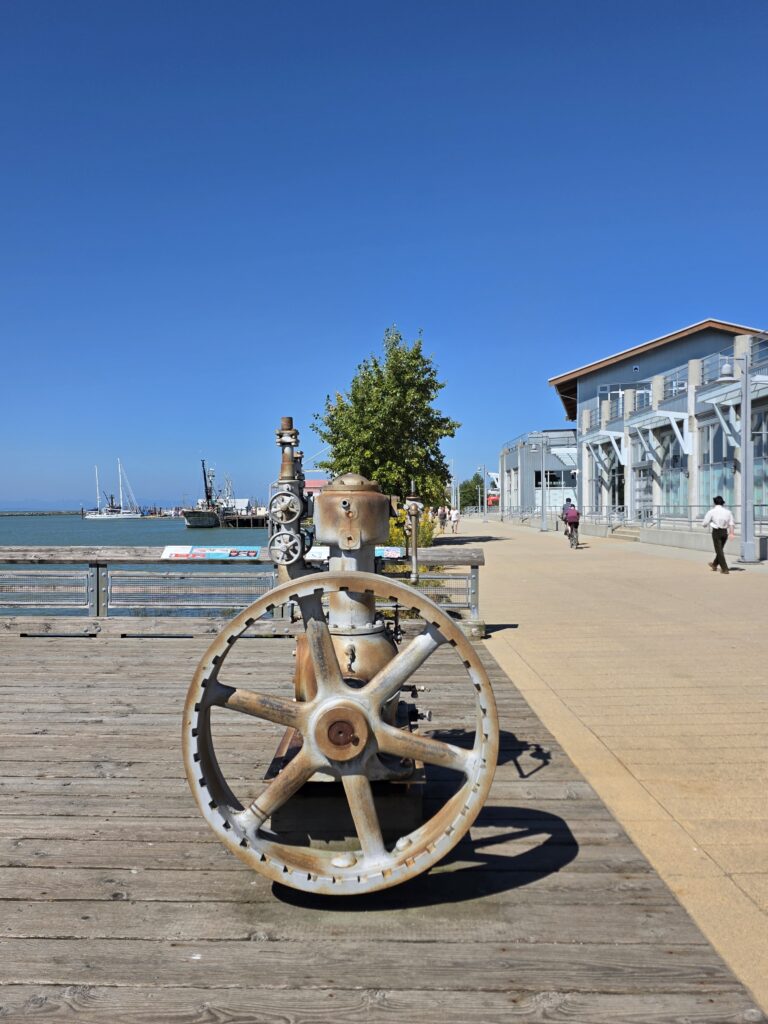
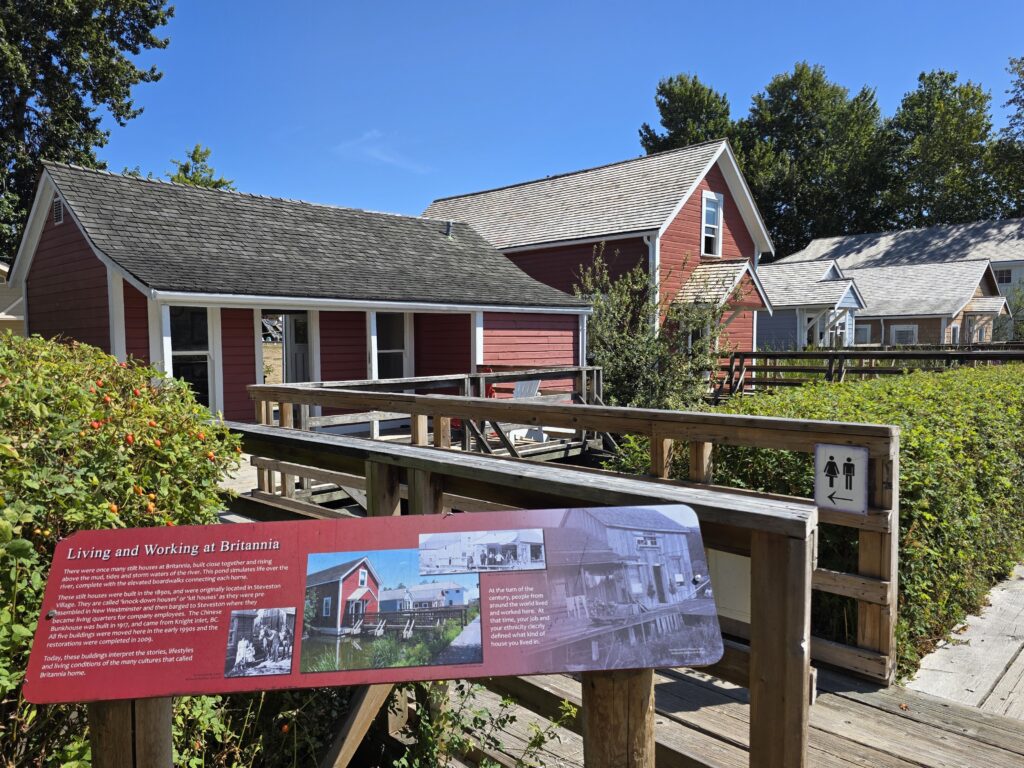
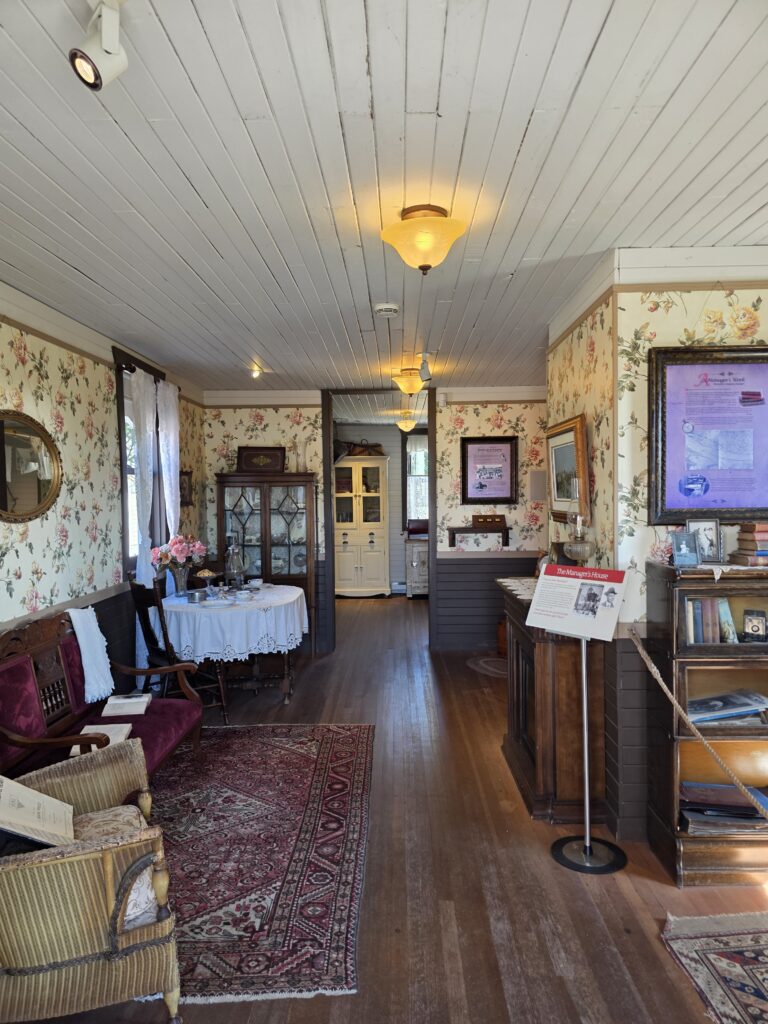
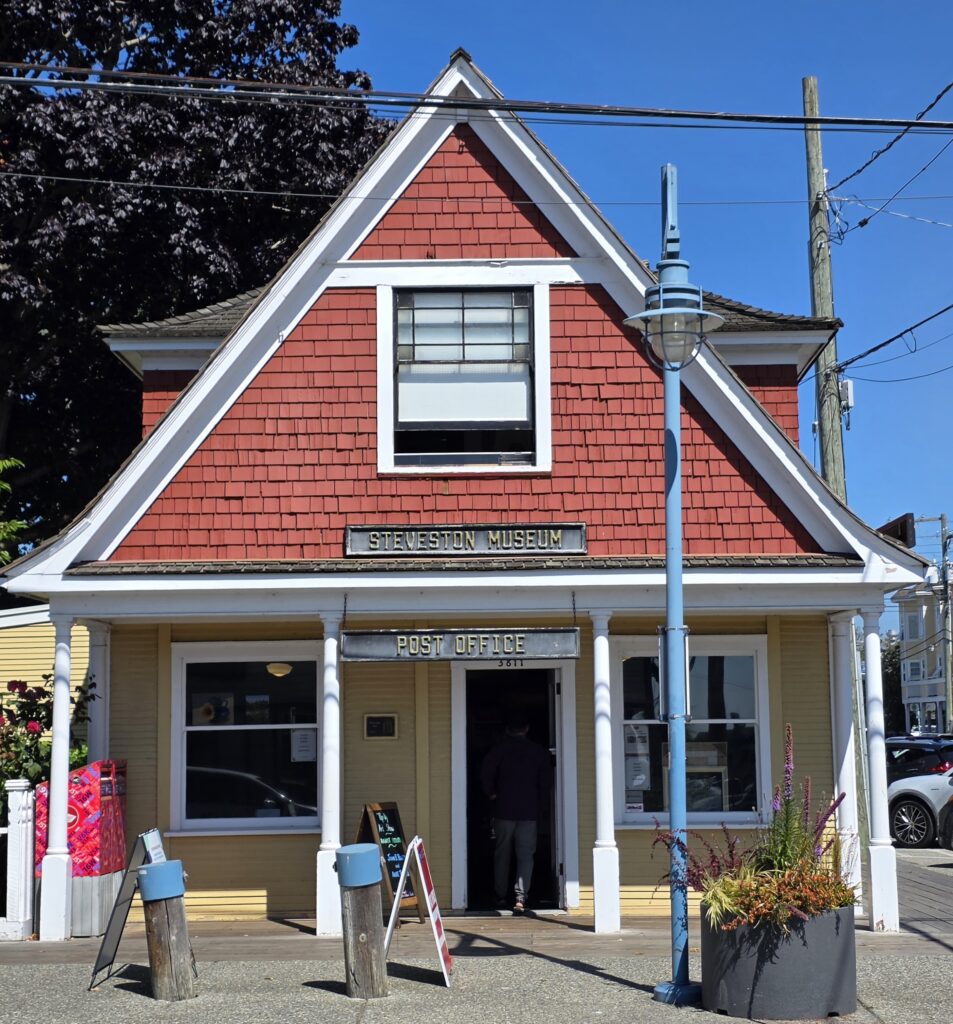
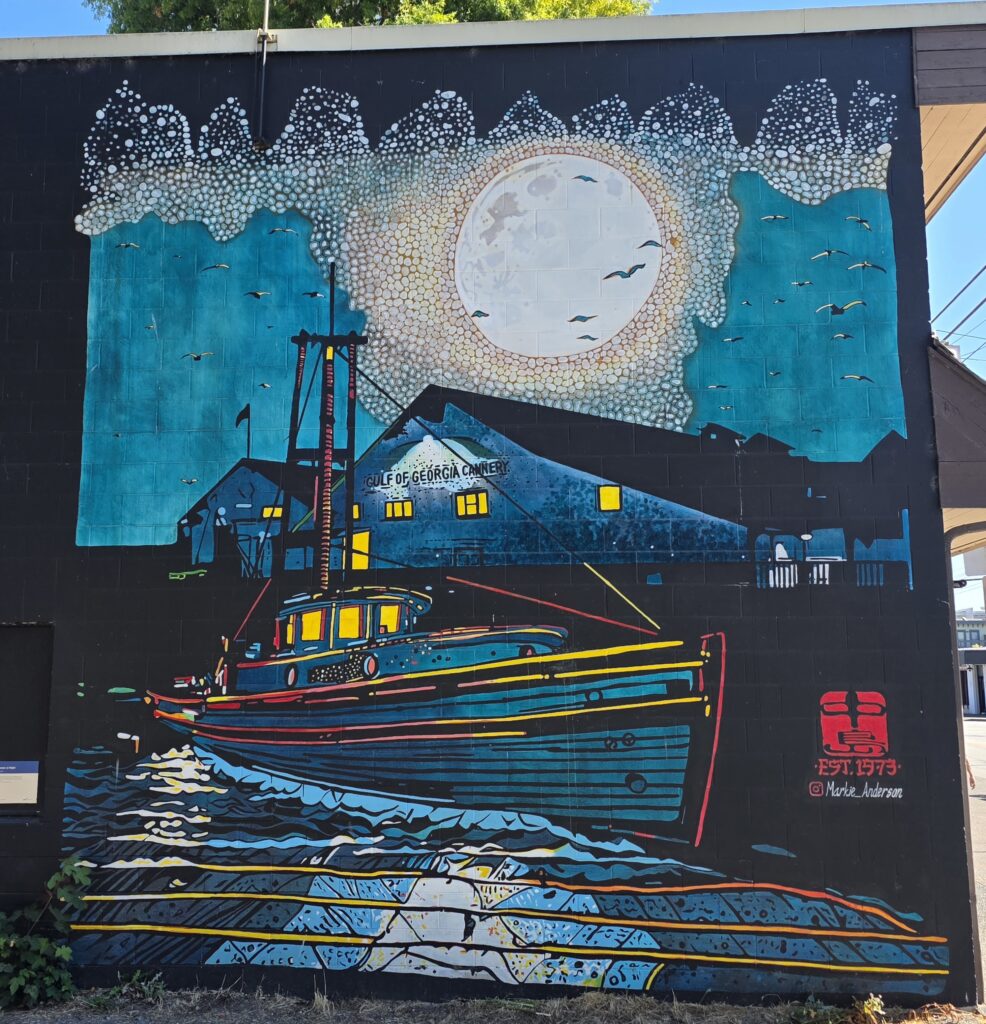
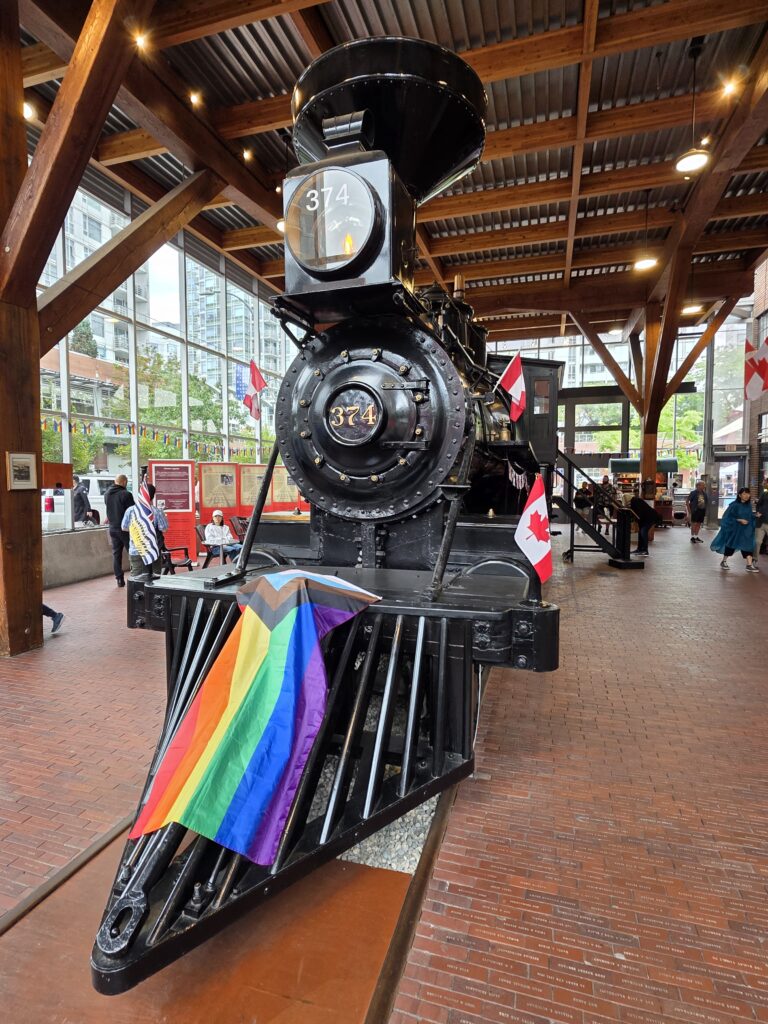
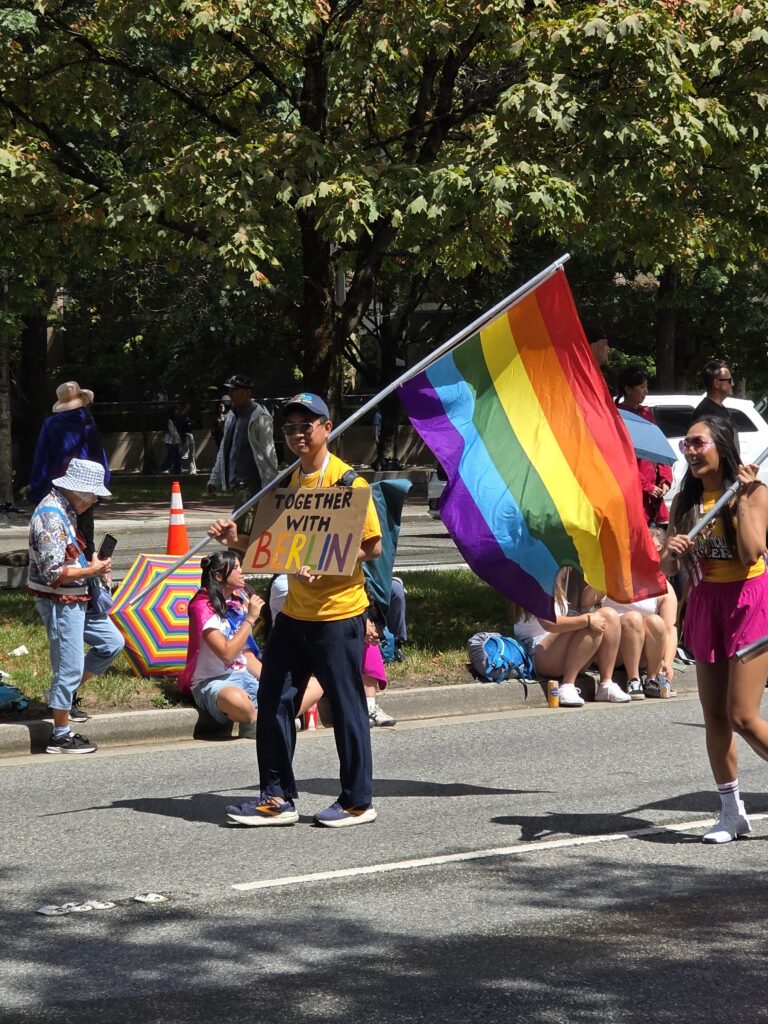
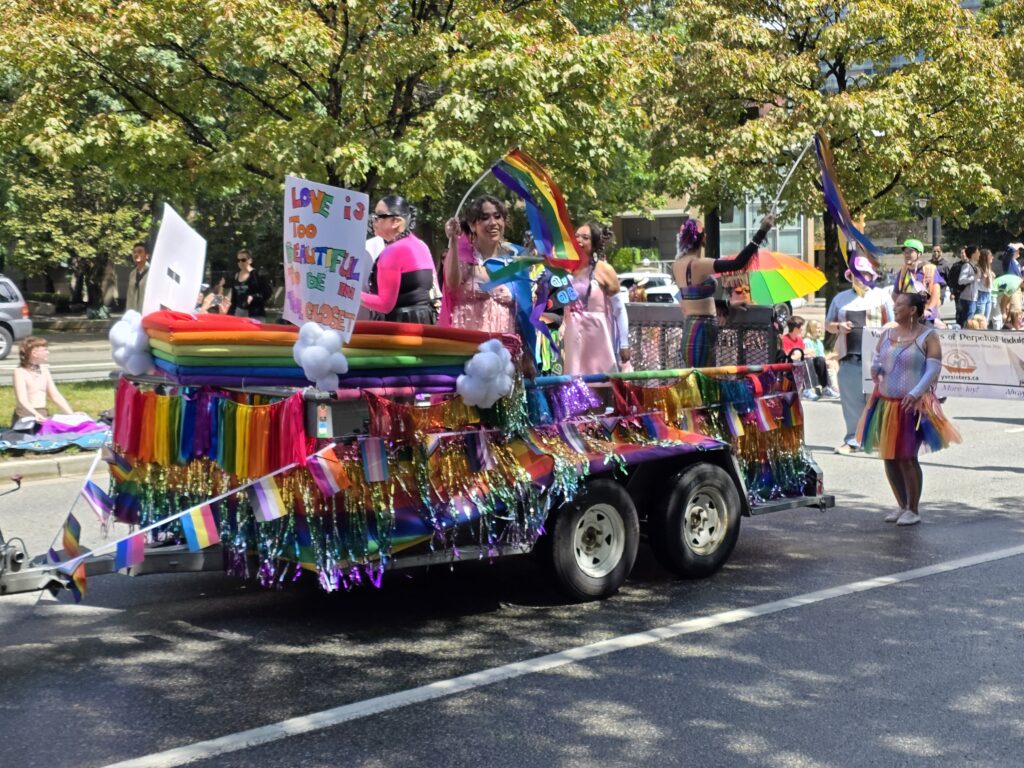
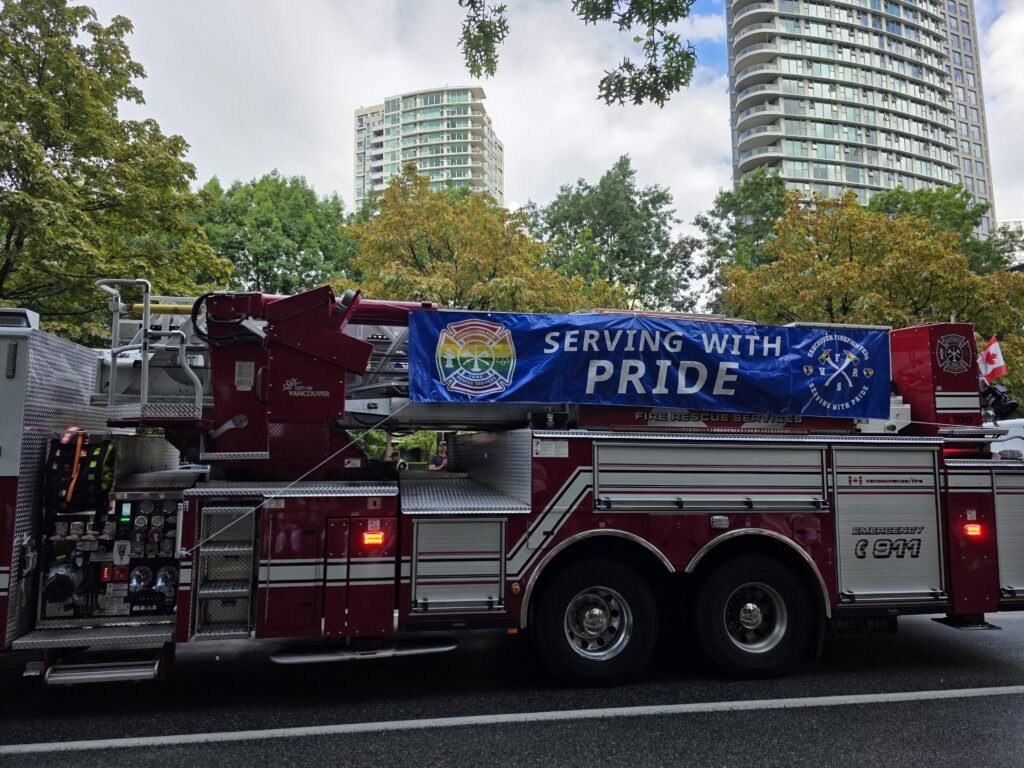
Last Thursday I took a solo day trip and visited the coastal town of Steveston. A few weeks prior someone we met at the train museum before the pride parade had told us about the town and how it is a cool place to visit because “it combines a historic, working fishing village vibe with scenic waterfront boardwalks, fresh seafood, and is easy day-trip, only about an hour and half, on public transportation.” All those things were true. I got off the bus about a 25 min walk from the West Dyke Trail and walked along that to Garry Point Park. I learned in my research that the TV show “Once Upon a Time” was filmed there. I have never seen it and now I’m curious. After Garry Point Park, I walked past the Golf of Georgia Cannery that was built in 1894 to Fisherman’s Wharf where I had a delicious lunch of fish and chips at Britannia Brewing. After lunch I visited the Britannia Shipyards where you can see and go inside of “a collection of historic 19th- and 20th-century canneries, boatworks, residences, and bunkhouses built on wooden pilings over the water.” It was another beautiful day and I am glad I took the trip.
After an adventure including planes, trains, and automobiles, on Saturday, we are now in Springfield, Oregon for the week. We chose Springfield because one of Dave’s friends from high school lives here with his family. We visited them in March of 2024, during our first leg of the adventure, and it is nice to be able to visit again. We’ll be in the US for the next four and half weeks, before we return to Mexico City, for the first time since January of 2025. During this time we will be able to visit family (LA) and friends (SFO) along the way. It is nice to take advantage of this fact, especially since on the last leg of the adventure, we went eight months without barely seeing anyone we knew.
I feel like I have mentioned in my last couple posts that, leading up to the three year milestone, I have been feeling that change is on the horizon. Vancouver kind of felt like a reset for us after the past several months. I think it started with us going back to being better about a budget and me beginning to volunteer, and I think there is going to be even more of it. We are excited to see what the Universe has in store for us. Even though it may feel like not that much has changed right now I know that a lot has changed. We are welcoming and embracing change as the constant with open arms!
Sending you love wherever you are!
❤️Alison and Dave
The view of the mountains over the Lost Lagoon in Stanley Park. The “abandoned” Stanly Park Zoo. Terrifying!Western Red Cedar. A cool fallen tree. The view from the seawall. Totem poles at Brockton Point. The totem poles at Brockton Point are replicas representing various First Nations. More views.Brockton Point Lighthouse. First established in 1890.The white sails on the left side of this photo are on the roof of Canada Place and the green roofed building to the right is the Convention Center. Lots of sea planes coming and going. This is the “historic Nine O’clock Gun housed in its protective pavilion along the Stanley Park seawall. Cast in 1816 in England, this 12-pound naval muzzle-loaded was brought to Vancouver in 1894 and fires a blank charge every evening at 9:00pm.”Mountain view from the bus on the way to Whistler. Olympic Park in Whistler.Unsurprisingly, there were great views!There must be a glacier somewhere because of the cloudy color of the water. So many baby toads! Baby toad crossing!It is cool to see the difference between a glacier-fed stream and one that is not glacier-fed. The water is so clear!Lost Lake, Whistler. Zoomed in on the gondola. Another part of the glacier-fed river. More than likely the Cheakamus River that is fed by the McBride Glacier on Mount Sir Richard.Green Lake, Whistler.Fun signage on our way back to town. The cutest little public library. These gigantic crows, who were keeping us company while we were grabbing a bite to eat before we got back on the bus, reminded us of the horse-sized seagulls on the coast in Howth, Ireland. We found both very hungry and courageous.The Museum of Anthropology at UBC. You’ll find it was very challenging for me to filter the pictures I wanted to share from this museum. “Imich Siiyem-Welcome Good People” by Susan Point, an artist from Musqueam. “This figure acknowledges the estimated 10,000 years the ancestors of the Musqueam people have lived on these lands, and through the present generation represents the continuum into the future.”“Wanx’id: to hide, to be hidden” by Xexant’ayalagilakw-Marianne Nicolson who is an internationally recognized contemporary visual artist, cultural researcher, and activist of the Musgamagw Dzawada’enuxw First Nation.” This made of a carved glass box and photographic prints. These are Interior house boards from a house at Quamichan. The maker was unrecorded Quw’utsun (Coast Salish) c.1890 and is made of cedar and paint. It was transferred to MOA from the Department of Indian Affairs in 1950. “The Department of Indian was responsible for implementing federal policies aimed at assimilating indigenous populations.” Like the terrible Indian Residential Schools that came from the Indian Act of 1876. The last of which didn’t close until 1996″! “In 2016, the Canadian government recognized this practice as cultural genocide: a way of actively destroying families and fracturing the transmission of knowledge and language from one generation to another.”Here is some more information about the Indian Act. “ts’uu ging.uula Guudang (bentwood chest)” maker unrecorded. This is a bentwood chest similar to the one we saw in the museum in Ketchikan. It is from the Haida Peoples c. 1870.Top: “eagle figure” from the family of Dan Cranmer located at ‘Yalis (Alert bay) maker unrecorded. ‘Na̱mg̱is Kwakwaka’wakw c. 1937. Made of cedar and paint. “UBC Commitee on Totem Poles purchased in 1947.” Middle: “Kulus (mythical bird) figures from the house of John Wallace located at X̱wa̱mdasbe’ (Hope Island) maker unrecorded. T̕łat̕łaiḵwa̲la (Kwakwaka’wakw) c. 1880.” Bottom: “Lukwalil (house dish), Dzunuḵ̓wa.” Maker unrecorded. Kwakwaka’wakw c. 1910.Kwakwaka’wakw (Kwakiutl) house posts and Sisiutl (double-headed serpent) lintel/crossbeam which originally framed an interior house facade. Musqueam House Post, created by Musqueam artist Susan Point. Inside of the exhibit entitled “Tupananchiskama-Ancient Andean Cosmovision” “Tupananchiskama means “until life brings us together again” in Quechua, an Indigenous language of the Andes. Today, it is used much like “see you later.” It was really cool to see pictures of places we visited during our Sacred Valley tour while in Peru back in 2018. “Replica of a House-front Board” painted by Lyle Wilson from the Haisla Peoples. 1989.This “robe” was made by Tsamiianbaan, William White who is a Tsimshian weaver. It was a really cool piece/practice to learn about. The artist said “The only way to learn is to able to look at the back of the robe and see how it is made. Each time I visit a piece, I feel like the spirit of the people, whose material it is, guides me to look at a certain area.” “The Tsimshian call these weavings gwiis halayt, which means “the spirit wraps around you.” When you turn and the fringe lifts up and dances with the movement from the weight, it’s catching all the energy around it. It’s grabbing your good energy and spreading it. You become one with everybody witnessing you wearing that piece.” How cool is that?!In this exhibit “I Use My Haida Eyes-The History Robes of Jut-Ke-Nay Hazel Wilson” the artist displays a series of 51 robes the artist made between 2005 and 2006 “documenting her lived experiences and the histories passed down to her, each scene or event located in a distinctly Haida landscape.” This exhibition was impressive to witness. All the detail that went into each robe and to make that many in a year! Here are just a couple of them. This one is entitled “Love Songs (Singing Women)”.“Sinking the Gold”This exhibit displayed pieces from Indigenous People all over the world. This a “Kurent Costume. Kurentovanje is one of Slovenia’s most significant carnival events. The 10-day rite of spring and fertility is celebrated on Shrove Sunday in Ptuj, Slovenia.”“Tree of Life” sculpture by Mexican artist Javier Ramirez Hernandez. “Que Viva La Vida-Trees of Life. Trees of life, or cosmic trees, are thought to join together the sky, earth and underworld. Found in many cultures, including ancient Mesopotamia and Persia, representations of the cosmic tree date to at least the seventh century CE in Mexico and Central America.”“Zuni Pottery Owls” “The Zuni of New Mexico consider the owl to be a wise guardian and protector. Pottery owls were created by the Zuni for sale to tourists who began arriving in their territory in the first half of the 20th century, after the Chicago-Los Angeles railroad and later Rout 66 were completed.”“‘ehhwe’p syuth (To Share History)” is a large free-standing wooden carved panel created in 2007 by Coast Salish artist John Marston. “The artwork reflects a cross-cultural celebration inspired by the artist’s time spent along the Sepik River in Papua New Guinea.” This photograph of a blue starfish in Fiji reminded me of the one I was fortunate enough to hold while we were there. Blue is such a rare color in the natural world that was a pretty cool experience. “The Raven and the First Men” Bill Reid, 1980. The message from the artist; “The great flood, which had covered the earth for so long, had at last receded and the sand of Rose Spit, Haida Gwaii, lay dry. Raven walked along the sand, eyes and ears alert for any unusual sight or sound to break the monotony. A flash of white caught his eye and there, right at his feet, half buried in the sand, was a gigantic clamshell. He looked more closely and saw that the shell was full of little creatures cowering in terror in his enormous shadow. He leaned his great head close and, with his smooth trickster’s tongue, coaxed and cajoled and coerced them to come out and play in his wonderful new shiny world. These little dwellers were the original Haidas, the first humans.”MOA from the outside. UBC Rose Garden. Last Thursday’s trip to Steveston. West Dyke Trail. More cool trees. Great Blue Heron. Great Blue Heron. West Dyke Path. Tugboat off of Garry Point Park. Steveston. Fisherman’s Wharf. Spud Barge.On my way to the Britannia Shipyards. “Japanese Duplex. The Japanese Duplex is the last building of it’s kind on the Steveston waterfront. Constructed in the 1890s this building housed a Japanese immigrant community employed by the Phoenix Cannery.”“Driftwood art resembling Herons. Preserved 19th century cannery and shipyard buildings lining the Fraser Riverbend. “Inside of “The Manager’s House” Ash Gourd aka Winter MelonThe Steveston Museum and Post Office. Built in 1905.“Gillnetter at Night” by Mark Anderson. Steveston was the perfect place to go for the day. One of my last morning walks to volunteering at Belkin House. The beautiful sunrise reflecting off the buildings in downtown Vancouver. Until next time Vancouver. We will be back!The finish of the “trains” portion of “Planes, Trains and Automobiles” Saturday’s trip from Vancouver to Springfield, Oregon. Eugene Train Depot. “Marker of Origin” by Betsy Wolfston. Outside of the train station in Eugene. A Coast Redwood just walking down the street between our Air BnB and Mainstreet Springfield, Oregon.Springfield has some pretty incredible murals. Some people think it is the “real” Springfield the Simpsons are based off of. Who knows? This is “Keep it Clean-Street to Stream” by Bayne Gardner. Goats at Herrick Farms.Don’t forget about us!Our friend’s cutie puppo, Mia. Love and excitement for what’s to come! ❤️❤️❤️
“Belkin House is a place of healing, where the battle is fought against homelessness, hunger, and despair-a battle fought with faith and compassion. It is a place where people can discover and begin moving toward what they are designed to be. It is a place where people-ordinary people- accomplish heroic things every day.” -Volunteer Vancouver Website
“Belkin House is a state-of-the-art, multi-program facility conveniently located in downtown Vancouver. Through a number of programs Belkin House accommodates up to 224 residents. The Food Services Department provides an average of 8000 nutritious and balanced, low-cost meals per month; three meals per day, seven days a week, 365 days per year. They offer group and individual volunteer opportunities in the Food Service Department and Community Development Department, in an environment that is clean, educational, exciting, fun and meaningful for all to experience.” -Volunteer Vancouver Website
Give online through the Belkin Communities of Hope Donate Page for one-time or monthly gifts.
Join this dedicated group of volunteers and help manage invasive plant species in Stanley Park. SPES has special permission from the Vancouver Park Board to do this work, and submit annual work plans. You will learn about local ecology and conservation issues, take part in hands-on invasive species removal and make an important contribution to habitat conservation and restoration in Stanley Park. Opportunities to develop leadership skills are also available as part of this program.
Yes, we have our general donation page where you can do one time or monthly donations. And it’s not for DIRT but we are currently running a donation matching campaign for our water quality monitoring program in the park. So every dollar donated to that campaign is doubled right now. Any amount helps and I believe you should be able to get a tax receipt for any donations as we are a registered non-profit society.
Stanley Park Pavilion where the DIRT offices are located. The Lost Lagoon.
We have been in Vancouver now almost three weeks and we have definitely been taking advantage of our extended time here. I am happy to announce that I have started volunteering with the Red Cross helping out in the kitchen to prep and serve meals. A lot of the places that I reached out to had an extensive onboarding process that required volunteers to commit to volunteering year round, so I am so grateful that wasn’t the case with the Red Cross. I have added more information about the location I’m volunteering at and how to support in the “Showing Up” tab so check it out if you’re interested in learning more. ? Last Thursday I was also approved to volunteer at Stanley Park, helping remove invasive species, much like I did when I was in Oahu, and will be participating in that for my first time tomorrow so stay tuned. I am so grateful for the opportunity to give back to the communities that give so much to us and I hope that I am able to continue to do so in other countries that we visit. I am not sure how it will work in places where English is not the primary language and I do know that there are Red Cross locations in over 192 countries so I think that will be a good place to start!
One thing I noticed being in Vancouver for our second time is how much my way of creating lists has changed. Some of you may know that I create a list for every city that we visit. They are full of sites to see and museums to visit, as well as libraries, restaurants, bars, shops, and grocery stores. So, if you ever plan on visiting any of the cities that you’re reading about in my blog, feel free to reach out to me and I’d be happy to share my list of recommendations with you! Because of how much my lists have changed/improved with experience, I still had a lot of research to do about Vancouver when we first arrived. I think part of it was that the last time we were here we only had two weeks, and we went to Vancouver Island for the weekend in between, so it didn’t leave time to do much else. Also, I think that what we like to do in cities has changed over the past almost three years as well. For example, I didn’t even have libraries on my list for Vancouver, even though I know I went to one, and now finding the nearest library is one of the first things I look for, after the grocery store, when we arrive in a new place.
As I was researching things to do during our time in Vancouver I came across a bit of information that I didn’t know before. I learned “Vancouver claims the smallest carbon footprint of any major North American city, and is a recognized leader in green building and sustainable planning.” After I learned that I found an “Urban Future Walk” that was being led by a University of British Columbia doctoral student who is researching Urban Futures for her thesis. I was immediately intrigued. I signed up to take the walk on July 30th and learned so much about what Vancouver is doing to earn the title of “smallest carbon footprint.” Here are some facts that I learned:
Vancouver has over 330km (approx. 205 miles) of bike lanes. It also has 250 bike share stations with 2,500 bikes, including 500 e-bikes. Making biking one of the easiest forms of active transport to take advantage of, I’m assuming after walking.
Another thing that they have implemented is streets with “Green Rainwater Infrastructure, GRI is a cost-effective approach to rainwater management that protects, restores, and mimics the natural water cycle. It uses soils, plants, trees and engineered structures to capture, store and clean urban rainwater runoff before returning it to our waterways and atmosphere.” -City of Vancouver. I saw an example of this on Richard Street. They had a concrete barrier dividing the bike lane from car traffic and trees planted along the sidewalk with a permeable layer on top to capture the rain and runoff. GRI soaks up 3,962,581 gallons of water every year which is equivalent to six olympic swimming pools! You can learn more about it here: https://vancouver.ca/home-property-development/green-infrastructure.aspx
I also learned about the Sea2City initiative that “was designed as a deeply collaborative initiative to demonstrate a more decolonized approach to the shoreline.” -City of Vancouver. You can learn more about that here: https://vancouver.ca/green-vancouver/sea2city-design-challenge.aspx
There was much more and the last thing I feel is worth mentioning is all the green space in Vancouver. Stanley Park being one of the largest covering 1,001 acres of land which is about ⅕ larger than New York City’s Central Park. “Green spaces do more than beautify cities, they cool urban air 2-6 degrees Celsius (a range up to seven degrees Fahrenheit), absorb carbon, reduce stormwater, support biodiversity, and improve physical and mental health.” Way to go Vancouver!
Some other cool things that we have done while we’ve been here are visit Lynn Canyon Park which is a “free 617-acre public municipal park in North Vancouver, British Columbia. Established in 1912, it features a famous 40-meter-long suspension bridge hanging 50 meters above Lynn Creek, temperate rainforest hiking trails, waterfalls, swimming holes, and the Lynn Canyon Ecology Center.” The second weekend we were here we visited the Cleveland Dam and the Capilano River Hatchery on Saturday the 1st and celebrated Vancouver Pride by going to the joy inducing parade on Sunday. Last weekend we took the shuttle bus to Squamish for the day. It was Dave’s first time and the weather was perfect. They have done a lot of work along the Howe Sound since I was there two and a half years ago. They have created a beautiful park called Sp’akw’us Feather Park, where you can watch kite surfers and parasailers, drink a tasty lager at House of Lager and it even offers a view of Shannon Falls, Mount Garibaldi and Stawamus Chief “The Chief, a massive 700-meter granite monolith towering over Howe Sound.” We even had time to do a little hiking at Smoke Bluffs park to get a view above the Sound before we caught our shuttle back to Vancouver.
We have about a week and a half left in Vancouver before we make our way down the West Coast of the United States and we still have several things we want to do. We want to spend some time in Stanley Park together and also visit the Museum of Anthropology at UBC which has a special emphasis on First Nations peoples. Next weekend we’re taking a different shuttle to Whistler for the day. Neither of us have been and we’re excited to see it. We haven’t decided yet if we’ll take the Sea to Sky Gondola or do the Cloudraker Skybridge and whatever we do it’ll be fun to walk around Olympic Village and hopefully do some hiking. If it is anything like everything else we’ve seen and done while in British Columbia it is sure to be beautiful! We are grateful for this time and what we have learned while we’ve been here, and we are looking ahead to the next couple months excited to see what the Universe has in store for us.
Until next time,
❤️Alison and Dave
Rediscovering our neighborhood. I can’t remember if I mentioned that our Air BnB just happens to be in the same building we stayed in two and half years ago. The globe outside of Science World is decorated like a soccer ball and you can see some of the North Shore Mountains beyond that. Vancouver also hosted matches for the World Cup, adding to our list of World Cup match destinations this leg. Funnily enough, we still have three more destinations to add to our list before we return to the Midwest in November! I suppose that makes sense since North America hosted this year and that is where we’ve stayed. ?Interesting question considering my existential crisis last post. 😉 This is a public art installation by Justin Langlois located along the False Creek seawall. The view of False Creek and Science world from the Cambie Bridge. I’m on my way to find the Central Library downtown Vancouver. Even though the World Cup is over you can feel remnants of it all over the city. This is on Robson Square.I made it to the Central Branch of the Vancouver Public Library (VPL). It’s a beautiful space!Visiting Granville Island. A tiny island in False Creek. “Friendly Canadian Wildlife” by @parallel.pedram“The Giants” by OSGEMEOS (Gustavo and Otavio Pandolfo) who are twin street artists from Brazil. It is located at the Heidelberg Materials plan on Granville Island. This mural is on the False Creek Neighborhood Energy Utility building along False Creek Path. Although the artist isn’t directly identified the description says “the figure is an indigenous man resting on the rocks of his ancestral home.”On Saturday, July 25th we went to Lynn Canyon Park in North Vancouver. The Coast Douglas Fir trees were incredibly beautiful. Lynn Creek. The water was beautiful. So many shades of green. The Lynn Canyon Suspension Bridge towers 160 feet over the canyon,and offers great views of the falls (cascades) 🙂After Lynn Canyon Park we took the bus to the Lower Lonsdale neighborhood of North Vancouver,and ate lunch at Q Market.Inside Q Market.This amazing floor mosaic was created by Canadian mosaic artist Liz Calvin and is inside Q Market. After lunch we walked along Pier 7 and took in the view of downtown Vancouver before we took the SeaBus home. It was a great day, in spite of a little rain, and it felt good to save money by going to a free park and taking public transportation.Inside of the Central Library. I volunteered for my first time with the Red Cross at Belkin House on July 29th. Afterwards I took the SeaBus back to North Vancouver to visit the Polygon Gallery which is free and focuses on photography and media based art. This sculpture “Eye of the Ancestor” by contemporary Squamish Nation artisit James Nexw’Kalus-Xwalacktun Harry is made of yellow cedar and is carved with Coast Salish designs. It is the first thing you see when you enter the gallery. This is a piece by Simranpreet Anand is part of their “Living with the Eternal” exhibition. “Simranpreet Anand’s latest body of work weighs the spiritual significance of sacred materials against the costs and modes of their mass production.”I initially went to the Polygon because I had read about Anand’s exhibit and then was excited to discover one by photographer Greg Girard as well. Girard is from Vancouver and fully relocated to Asia in the 1980s where he lived for three decades. This photograph is of Qingdao [China] Airport, 1995.“Greyhound Passenger, Texas, 1978”“Residents, #147 Miezhu Lu, Shanghai, 2006” I just love how Girard captures so many different stories in one shot. I also think it looks older than 2006. Dave and I were in Shanghai together over New Years in 2008. “Occupation of Tiananmen Square, Beijing, 1989” I was only 10 at the time and I remember hearing about this on the news. Entering the Forbidden City in January, 2008. Crazy!The view of Q Market from inside the Polygon Gallery. As you can tell, it was a much nicer day. The “Urban Future Walk” began at the University of British Colombia sign on Robson Square. We walked through downtown to Richard Street where we learned about the Green Rainwater Infrastructure. This is Cathedral Square. The art is part of the Blanketing the City IV public art project and was created by Musqueam weaver and designer Debra Sparrow and opened in 1986. This urban park was part of an initiative to beautify downtown Vancouver and sits on top of an underground BC Hydro substation.The “Urban Future Walk” finished outside of the Vancouver Convention Center. The sculpture “Digital Orca” was created by Douglas Coupland in 2010. The artist says “the use of natural imagery modified by technology bridges the past to the future.”On August 1st we took the bus to the Cleveland Dam. Lake Capilano sits on top of it. It is a pretty incredible place!We hiked around Capilano River Regional Park which was also free.
I thought these Red-Belted Conk mushrooms kinda looked like toads sticking out of the side of the tree.
Banana Slug. Another view of the Cleveland Dam from below. First views of the Capilano River Hatchery. Layers on top of layers on top of layers. Beautiful British Columbia. Fish ladder. Since this was the second fish ladder I had seen on this leg of the adventure, I thought I should do a little research about what purpose a fish ladder served. This is what I learned: “Fish ladders help migrating fish swim past human-made barriers like dams and locks. It uses a series of stepped pools or low steps so fish can safely climb up and over rushing water to reach their natural spawning grounds.” Google. “The more you know!”The hatchery has viewing windows underneath the fish ladder. This is a Chinook Salmon. “The Capilano Hatchery estimates that 9,600 Chinook, 65,000 Coho, and 350 Steelhead Salmon contribute to contribute to the commercial, sport, and native fisheries every year.”Exploring our neighborhood of Mount Pleasant. “The Reflection” by Dimitri Sirenko. We stumbled upon an artist studio that was filled with miniature models of buildings in Vancouver. He said that he just makes them as his hobby. Views from our rooftop. Green rooftops for the win!More rooftop views. This is Metrotown in the Burnaby neighborhood. On August 2nd before the Pride Parade began we visited the visited the Roundhouse Community Arts and Recreation Center in Yaletown and saw the historic Canadian Pacific Railway Engine 374. “Built in Montreal in 1886, the engine famously hauled the very first trans-continental passenger train directly into Vancouver on May 23, 1887.”The beginning of the parade. “Vancouver Pride—along with 2SLGBTQI+ communities globally—stood with Berlin to condemn a tragic, fatal act of violence and hate that occurred during Berlin Pride (Christopher Street Day) celebrations, that took place on July 24th and 25th. This message of solidarity served as a powerful reminder that safety for the queer community is globally interconnected.”The feeling of love, joy and pride was palpable. Everyone represented. I learned about EVO on my “Urban Future Walk” as well. It is a car sharing company that uses hybrid Toyota Prius cars to help reduce the amount of cars on the road and gas that is being used. Yay schools and teachers! It was an incredible day and I am so glad we were able to help celebrate it!After the parade we finished our day at English Bay,and walked along Sunset Beach Park. This statue is called Inuksuk and “is a foundational stone landmark with deep roots in Inuit, Iñupiat, Kalaallit, and Yupik cultures across the vast North American Arctic. In the likeness of human or that which acts in the capacity of humanity, the statues act as beacons or physical road signs, they point out safe travel routes across a landscape dominated by snow and ice. They are physical indicators to tell other travelers that “you are on the right path.”” Talk about a good omen. Last week I walked up to Queen Elizabeth Park and you could definitely see the effects of the wildfire smoke.Queen Elizabeth Park is beautiful!You could see the haze from sunrise…to sunset. More cool murals in our neighborhood. @maebaebayI was supposed to have my first volunteer experience removing invasive species in Stanley Park last Friday but it was canceled due to the air quality. I was happy to be able to pop in at Belkin House and help out for a few hours prepping and serving lunch. On my way home I noticed that our neighborhood has it’s very own Wishing Tree. I know the story of the with Wishing Tree from the book that my fifth graders had to read while I was teaching and for those of you who don’t know; “A wishing tree is a special tree used as a focal point for hopes, prayers, and votive offerings. Across global cultures, people tie ribbons, notes, or coins to these trees to symbolize intention, release personal worries, and connect with the sacred or natural world.”Last Saturday we took the shuttle to Squamish. We started out with lunch at The Copper Coil Still & Grill re: my sister’s recommendation and my goodness was the BBQ delicious!The intersection outside of the restaurant. It was a beautifully clear day after the week of wildfire haze and you could see the mountains from everywhere you looked. This is part of the Tantalus Range. The epic Mount Garibaldi with O’Siyam Pavilion in the foreground. The hill in the background of many of the pictures you’ll see is Stawamus Chief “The Chief”.You’ll also see a lot of Mount Garibaldi. Just gorgeous!Zoomed in picture of Shannon Falls from the Sp’akw’us Feather Park. Sp’akw’us Feather Park. This art instillation/sculpture entitled “Gravity as Thief and Protector” was created by Maskull Lasserre. Howe Sound. Stawamus Chief. I couldn’t get enough of the contrast between the water, mountain and sky.This sculpture is called “Welcome Gate” was created by Sḵwx̱wú7mesh Úxwumixw (Squamish Nation) artist James Harry. This is the artist statement; “The piece evolved from James Harry’s efforts to imagine what would have historically been out on waterfronts when Sḵwx̱wú7mesh people would carve welcoming figures, to welcome those coming to shore. He thought of how important the canoe is for his people. The waters were their highways, and this would have been the first thing they would see coming into Squamish. If you could imagine one paddling up or boating into Howe Sound you would see Nch’ḵay̓ [Mount Garibaldi] at the back. There is a really old story that’s perhaps 10,000 years old of how his people were flooded out during the great flood, referencing the Sḵwx̱wú7mesh tale of ancestors attaching themselves to the mountain’s peak to ride out the rising flood waters. In addition, the piece symbolizes the interconnection between the supernatural and the natural world. Being lit at night, symbolically, the light represents that spirit. The piece pays homage to history and tradition, while putting a modern spin on it. He came up with [the name] Welcome Gate because he didn’t want to quite say a welcome figure, but he wanted to say that it’s like a welcoming or like a portal of entry into Squamish.” Very impressive!Kite boarders and parasailers on the Sound. The view of Sp’ákw’us Feather Park looking back from the “Welcome Gate”.I created a side-by-side of Mount Garibaldi from April 2024 (left) and Aug 2026 (right).We ended our wonderful visit to Squamish with a hike at Smoke Bluffs Park. This is view of the town, Sp’akw’us Feather Park and Howe Sound from above. Beautiful British Columbia. 🙂We finished our weekend off at one of our favorite local breweries Strange Fellows. We met this adorable puppo Honey,saw one incredible sundog halo,and ate some delicious quesabirria tacos from Top Rope Birria @birriayvr ???
I used to think that returning home was harder than being gone and now I’m questioning that. Traveling has opened our eyes to many different things, people, cultures, and we wouldn’t trade that for the world. When returning home to your circle you’re guaranteed those people know your heart. You cannot expect that from people you’re just getting to know and meeting new people is a HUGE and important part of this adventure! I find my brain and heart at odds about what to do with this knowledge. Entering our third year on this adventure, August 26th, I find myself at a turning point and needing more from this experience.
I mentioned in my last post that our time in Alaska put this need on my heart. My emotions during our time in Alaska definitely ran the gamut and luckily I am well versed in the fact that multiple things can exist at the same time. I want to do more, provide more, and make more of a difference. I want to not only tell you about the places we are and what we do there, I also want to be more intentional about giving back to those people and places. I want to give back to them the way they have given to us. This post is my attempt at doing that and living my truth even more. Throughout our adventure we are discovering how similar we all are, and how different. I find myself returning to my desire to be the light I want to see in the world and make a change. I want to be intentional about this because I fear that if I don’t I may become cynical. I find myself getting frustrated by the copious amount of people we come across who are so insular they can’t see outside themselves. So unaware. Even though my learning tells me those people don’t matter, resigning to that mentality doesn’t align with my truth. I want to be the change I want to see in the world and I want to learn more about what that means and looks like to me.
Anchorage was a jarring experience for me. Before going to Alaska I had an image of what Alaska looks like. My experience in Anchorage was not that. It didn’t help that it rained the whole time. I was also impacted by the vast unhoused community that is there. When we were in Australia and New Zealand we saw everyday citizens, men and women, check-in on unhoused people. We heard them saying “just making sure you’re OK”, without any fear or hesitation. I feel that they did that out of general, cultural, concern for other humans. I wondered, is it because they don’t have the fear of getting shot there like we do in the states? Is that because not as many citizens have guns there? In Toronto we were impressed by how many people we saw hold others accountable for saying or doing offensive things. Is it because being shot for holding someone accountable isn’t the default response? I want to live that way. I want to be able to check in on a stranger, hold someone accountable and call out misdeeds that I don’t think are right , and I want to feel safe doing it.
My experience, being raised in the United States, has conditioned me to turn the other cheek to a stranger, not because I don’t care but because I’m afraid of how they might react. Not only because I’m female, although that is a huge part of it, also because in America, approaching a stranger in need, even if your heart is in the correct place, even if it is out of genuine concern and a desire to help the greater good and make the world a better place, you could get shot. I don’t know if this reflection was sparked by all the unhoused and mentally ill people we saw in Anchorage? The rudeness of several of the people we interacted with there? The low level pent up aggression you can feel just being in the US? Or, if it is because we’re in the US for a longer period of time than we’ve been in almost three years? Is this the culture of the US now? Please help me reconcile this conundrum.
I posted on my personal Instagram account that the land portion of our Alaskan tour left me wondering what we got ourselves into. I wasn’t sure if tours, to this extent, were for us. I could see the benefit of taking a tour and I didn’t think we’d do it again, at least the land portion. We only booked our flight to Alaska two months prior to going, which isn’t a lot of time in advance, so we decided to take a tour as the “easiest” way to see everything we wanted to see, especially since we had never been and hadn’t done a ton of research. It was really hard for us, going from doing what we wanted to do when we wanted do it, to not having any control of when we did anything, while simultaneously being surrounded by so many unaware people! Needless to say I said the serenity prayer several times during the land portion!
In spite of all of that, I’m grateful that we had one full day in Anchorage before we started the tour, mainly because we got in late the night before after having a 13 hour travel day from Toronto, and it would have been hard to wake up and get on the charter bus right away. We took advantage of our time there, in spite of the rain, and enjoyed our trolley tour. Here are a few of things that we learned on our trolley tour:
We learned about the 9.2 earthquake that happened on Good Friday in 1964. Only nine people died! Our driver told us a story about a basketball game that was supposed to take place at the gymnasium at the high school that day but a local faith group petitioned to have it be postponed to another day. If that game had taken place everyone in attendance would’ve been killed because the gymnasium collapsed during the earthquake!
There were several comments about how Minnesota is known as the Land of 10,000 lakes but Alaska has over 3 million lakes over 20 acres in size. So many they can’t even name them all.
There’s a road kill lottery in Alaska for the 500+ moose that die in car accidents every year. It is a way to make sure that no animal is wasted.
There are over 150,000 moose in AK. 8000 taken in hunts each year.
We learned a funny story about a moose the Anchorage citizens call Buzzwinkle because he would wander around the neighborhoods eating fermented crab apples off of peoples trees and get a little bit inebriated. You should check out videos of him online.
We learned about the underground home in Anchorage. I have never heard of anything like it. You can read more about it here: https://www.adn.com/alaska-life/2019/08/11/inside-the-quirky-underground-house-that-lies-beneath-lawn-skylights-in-anchorage/
In 1915 the citizens put the name of the city to a vote. The name Alaska City won the vote until they found out that the Postal service ignored it because they had been calling the city Anchorage all along.
On Monday, July 12th, we officially began the land portion of our tour. We boarded our charter bus from the Hotel Captain Cook in the morning and began our trip for our first destination, Mt McKinley Princess Wilderness Lodge. We learned that the Princess company owns several lodges around Alaska, as well as the train that we took from Denali to Whittier. On our first charter bus ride the driver made a joke about how if you’re on the left side of the bus the mountain is called Denali and that if you’re on the right side of the bus the mountain is called McKinley. Interpret that as you will, the name has been changed several times. One of my complaints about the land portion is that we didn’t have very much time to do any of our own exploring once we got to the lodges. The first lodge was nice and it had one of the treehouses that was built by the Treehouse Masters which was pretty cool. The food options were pretty tasty and we were able to take a walk where we got a view of the river. That was about it before we had to have our luggage ready for pick up and an early departure the next morning.
The next day we got back on the tour bus and drove to Denali Princess Wilderness Lodge. We were really excited to explore Denali National Park, hopefully do some hiking and see some wildlife. Unfortunately by the time we arrived we only had enough time to grab a quick bite to eat before we were scheduled to go on the Natural History Tour through the park that was pre-booked for us. It was a good way to learn about the park and I was really excited to see my first Moose in the wild, but we weren’t left with any time to do any other exploring.
The third day of the land tour we boarded the Princess Rail for our 10 hour journey from Denali to Whittier where we were meeting the boat. The train was by far my favorite part of the land tour. Mainly because our host and bartender were so incredible, and also because we were able to see remote areas of Alaska that you can only see by train. Highlights were Hurricane Gulch, “The Hurricane Gulch Bridge is a 918-foot long steel arch railroad bridge that crosses Hurricane Gulch, Alaska. It is located at milepost 284.2, counting from Seward. At 296 feet above the Hurricane creek, it is both the longest and tallest bridge on the entire Alaska Railroad,” and all the glaciers. My favorite fact was from Ken, our host, was about the Nanana River. The Nanana River comes from Nanana glacier. Glacier fed rivers are cloudy and spring fed rivers are clear. The Nanana River flows north. The Nanana glacier has another river called the Tanana river and that flows south. That means that the glacier is perfectly positioned on the water divide. Ken calls it the Nanana Split. Hilarious! We were also serenaded by Katie our bartender who has a beautiful voice and sang the Alaskan State flag song for us. The time flew by and we learned SO much.
After reflecting on the land experience I realized it was very much like “New Student Weekend” (NSW). For those of you who don’t know what that is, before you move into the dorms at the University of Minnesota you have an opportunity to participate in NSW, which is kind of like camp, where the people in your cabin/camp are also going to be living in or near the dorm that you’re going to be living in. It is a way for you to meet people before you start university. Several of the people who were on our charter buses, tours, and train cars, we kept running into, so by the time we boarded the boat we already had made some friends.
When we boarded the boat on the 15th we were ready for some alone time. We are SO grateful to our travel agent who helped us plan the trip for encouraging us to splurge on a room with a balcony. I can not imagine if we had tried to save money by getting an interior room or one with just a tiny window, mainly because we had no clue. The first two days were cruising days where we didn’t get off the boat, and if we weren’t able to take in the sights of Hubbard Glacier and Glacier Bay from the comfort of our own private balcony, it 100% would not have been as enjoyable. Can you imagine trying to fight people on the public balconies for views?! No thank you! We needed a wee break from people at that point and we were grateful to be able to get it! I learned while we were on the boat that Princess is one of only two cruise lines that have permission to turn around in front of Hubbard Glacier so both sides of the boat were able to get a view of it. I thought that was cool because then it didn’t matter what side of the boat you were on.
I feel the need to state at this point that I am not getting any money for talking so much about Princess. It is just the company we went with. I had only taken one other cruise prior to this back in high school. It was a Royal Caribbean monstrosity that I had no clue about. To give you an example our boat, the Island Princess, had a capacity of 2,210, the Royal Caribbean mega ships can hold 7,600 people! I didn’t know what to expect. Throughout this experience, even though for the most part it was good, I was WAY out of my comfort zone! I am the “activities director” of our adventure. I have mentioned before, my job is recon, so that when Dave isn’t working I have a menu of activities that I have researched so that he can basically choose his own adventure. We were both very excited to go to Alaska for our first time and we didn’t know what to expect. I think there was a low level of pressure that I put on myself in that uncertainty, again because it is SO different from anything we had ever done. Even with our travel agents help it was really difficult to get any information about even what our package included. We knew that we didn’t book any extra excursions for port day but that was about it. That being said Princess was very organized and I realized quickly I didn’t have to worry about being left behind. Another one of my unwarranted concerns. It was basically the blind leading the blind. ?
One thing that helped was connecting with my friend who had been on a similar cruise with a different company and stopped in the same three port cities we stopped at. She was able to give me tips for things to do and see in each city. This helped us to not be worried about not booking additional shore excursions. That was priceless knowledge which I am very grateful for. I’m so glad we didn’t book anything extra. After cruising for two days straight my body was wondering what I was doing going from 20,000 steps a day to maybe 2,000! By the time we arrived in Skagway, our first port stop, I was ready to explore. It was awesome to be able to go where the spirit moved us, see and do what we wanted, and not having to worry about anything other than getting back on the boat in time.
Juneau was our second stop. We knew that we wanted to go see Mendenhall Glacier so once we got to port we found a local tour company that would give us a ride there. It was perfect. We left at 9am and had a couple hours to do a little hiking. We were able to see the glacier and Nugget Falls, which my dad would call a cascade. 😉 The transportation was a trolley style bus and the driver gave us some fun facts about Juneau. One of them was that there are between 15,000 and 30,000 eagles in Juneau. And on the drive to the glacier and back we saw tons of them perched on the light posts along the Mendenhall River watching for and catching salmon at low tide. Then we were back in town in time to see the second half of the World Cup Finals between Spain and Argentina, GO SPAIN! It was a great day.
Our third port stop was in Ketchikan on a rare warm sunny day! “Ketchikan gets about 100 sunny days each year. Because it is one of the rainiest cities in North America, it usually gets around 1,292 hours of total sunshine annually. For the remaining days, you should expect to see clouds or rain. It rarely gets above 70 °F in Ketchikan. You can expect about 5 to 40 days per summer to reach or exceed this mark, depending on the year. Most summer days stay in the 60s.” The day we were there it said it was only 72 °F but it felt warmer. Ketchikan is an adorable fishing town that has a creek that runs through it where you can view the salmon. We only saw a couple when we were there but it was fun to walk along the creek and see the salmon ladder. We also visited the Totem Heritage Center and the Tongass Historical Museum.
One thing that I found cool was that all three ports that we stopped at you can only get to by boat, plane or birth canal. It is mind blowing how remote and untouched so much of Alaska still is. There are only four states that don’t have billboards, Alaska, Hawaii, Maine and Vermont. You can definitely tell what a difference that makes in your capacity to really take in the beauty!
I came to learn by the end of our cruise that on our boat there were 893 crew, 48 nationalities, and that the Captain was from Italy. Every single staff member we interacted with from our steward, to the bartenders, the activities directors to the bathroom staff, were incredible! Everyone was friendly, and kind and helpful. Some of the staff that we interacted with on multiple occasions remembered our names and our drink orders. The service and the cleanliness was top notch. Even though we left the land portion feeling like we probably wouldn’t do it again, we left the cruise portion feeling like we could. It’ll be a very long time because it certainly wasn’t cheap, and we are glad we did it! We hope to return to Denali National Park some day and have more time to explore, and hopefully actually see the mountain, which I know is a rarity. We are very grateful for everything we learned, the perspectives we gained, the lifelong friends that we met. It is amazing how a joint experience like that can bring people together.
For now, we’re excited to be in Vancouver for a month as we both needed a couple days to recover from all the time around people after getting off the boat. We’re grateful to be back here after two years and to have this extended period of time to settle in, explore and get back into a routine. I am hoping to find some volunteer opportunities and already have an informational meeting set up for tomorrow! I also signed up for an Urban Futures walking tour on Thursday. It is organized by a PHD student at the University of British Columbia. I’m excited to learn more about how Vancouver has achieved the acclaim of having “the smallest carbon footprint of any major North American city.”
Thank you for taking the time to read this post and walk along side of us during this journey. Thank you for your support and encouragement throughout this whole process. We truly couldn’t be thriving the way we are without you. Sending you all a universe of love wherever you are!
❤️Alison and Dave
Views from the plane. Arriving in Anchorage. Grateful to be able to see some of it from the sky. The Iditarod is the annual 1,000 mile-long sled dog competition begins in Anchorage and finishes in Nome. Exploring along the Tony Knowles Coastal Trail. This mural was created by Crystal Worl who is an Indigenous Alaskan artist of Tlingit, Haida and Athabascan decent. This totem pole called “Eagle and the Giant Clam”, located outside of the Nesbett Courthouse in Anchorage, was created by Lee Wall. My first view of the Chugach mountains from our room at Hotel Captain Cook. The reason for our delay getting to Mt McKinley Princess Wilderness Lodge. The closest we got to seeing bears our entire time in Alaska. 🙂The treehouse built by Treehouse Masters. Check out Season 9, Episode 9 if you want to see it being built. The inside of the treehouse. The view of the Chulitna River. Not far from the lodge. The most we saw of the Mooses Tooth *10,335FT and part of the Tokosha Mountains. The most we saw of Denali from the lodge. The drive from McKinley Lodge to Denali Lodge was beautiful and it was hard to capture through the bus windows. Our guides kept on mentioning how Denali creates its own weather so I looked it up. “Denali creates its own weather because its massive 20,310-foot height and sheer physical bulk act as a giant wall in the sky, forcing moist air currents from the Gulf of Alaska upward to rapidly cool, condense, and form localized clouds, blizzards, and heavy snow directly over the peak while the surrounding lowlands remain clear.” It was nice to have a break from the rain once we got there. On the beginning of our Denali National Park Natural History Tour I saw my first Moose in the wild! Two of them!We were inside the bus so we were safe and we learned that if their ears are back get behind a tree because they could charge. The most we saw of Denali (the middle of the bowl) from inside of the park. Our guide said that this was about “two toes.” When I Googled it it say that the full mountain view is only 30% of the time, only about 100 to 120 days a year. Savage Cabin built in 1924 is now used by park rangers. This is the male Willow Ptarmigan and a chick. The Ptarmigan is the Alaskan state bird. Even though we weren’t able to see the mountain in all its glory, there’s no denying it is a beautiful park!All aboard!Everyone was able to sit upstairs with the glass dome to ensure all had a spectacular view. The dining car was on the lower level. A delicious way to begin the trip. The bartender said she tried to make the green bean and olive look like a moose! 🙂The view of Hurricane Gulch from the bridge. Incredible!The sun is trying to peek through. This is the tidal mudflats of Turnagain Arm. This area is known to be dangerous due to quicksand-like silt. The Kenai Mountains are in the background. Glacier time! The glaciers along this part of the rail are referred to as the “Poet Glaciers” because they are named after poets. This is Byron Glacier and is in the Chugach National Forest. Byron Glacier. Finally getting to our room after meeting the boat in Whittier. Where to look if you needed to find me for the next two days! Even though we didn’t have any time to explore Whittier, you could tell it is a beautiful place!We took a little time to explore the boat that first evening. But mainly just enjoyed the views from our balcony. July 16th, our first full day of cruising, and our first look at Hubbard Glacier. The sun came out and we were soaking up the rays!We were definitely left wondering where in the world we were! Hello gorgeous! This definitely reminded us of Patagonia. Information about Hubbard Glacier. Day 2 of cruising, entering Glacier Bay National Park. I definitely wasn’t prepared for how spectacular it was going to be!Our route for the day. Margerie Glacier.The water, and the mountains, and the sky, oh my!We were visited by some adorable sea life. The beauty did not stop!Gratitude.Lamplugh Glacier. These adorable otters were the perfect finish to a truly magical day!Saturday July 18th brought our first day in port. Yay! Skagway!I could already tell why someone would want to live here. It is definitely a well preserved town. This is the Arctic Brotherhood Hall. The facade is decorated with thousands of pieces of driftwood. Making my way to Lower Reid Falls along the Skagway River. Lower Reid Falls. Meteorite Mountain, 6,565FT, Chugach Mountains. The Gold Rush Cemetery is the town’s oldest burial ground. “A 1898 Snapshot: It contains 174 recorded burials from the peak of the Klondike Gold Rush (active primarily from 1898 to 1908).”Taking in the views on our way back to the boat. Imagine the view from these houses!I’d say the first port day was a success!The boat even had some sled dog puppies come aboard. So CUTE!This doesn’t even seem real. Beautiful!Ready for port day #2 in Juneau. We had a chance to explore a little around town before we caught our shuttle to Mendenhall Glacier. The sculptures that look like whale flukes are called Aquileans by artist Cliff Garten. The other side of the boardwalk is lined with totem poles. This The L’uknax.ádi totem pole is a prominent Tlingit clan belonging to the Raven moiety, widely known as the Coho Salmon clan.This mural entitled “Changing Over Tide” depicts Native Alaskan civil rights activist Elizabeth Peratrovich and was designed by Crystal Worl. I recognized the name and realized she is the same artist who created the dog sled mural I posted from Anchorage. This is one of the Sealaska Cultural Values Poles outside of the Sealaska Heritage Institute. “Light Play” by Arnie WeimerSome of the eagles I mentioned along the Mendenhall River on our way with Juneau Tours to Mendenhall Glacier. First views of Mendenhall Glacier. The glacier with Nugget Falls. Nugget Falls. A Stellar’s Jay. Northern Groundcone. Lupine flower. The Whale Project’s life-sized bronze humpback whale sculpture named Tahku, which translates to “fierce winds” in Tlingit. (From the return shuttle).Until next time Juneau. Our third and final port: Ketchikan!Salmon walk. Outside of the Totem Heritage Center. This is the James and Lillian Leask Memorial Kootéeyaa. Kootéeyaa is the Tlingit word for totem pole. Ketchikan is known as the “totem pole capital of the world,” housing numerous poles, 33 in the heritage center alone, that represent Pacific Norwest Indigenous family histories and stories. This case holds works by the 2025 Featured Native Arts Studies Program Instructors and Students. “New pathways connect instructors and students to perpetuate and strengthen the artistic traditions of their ancestors for future generations.”“Raven Stealing the Sun” by Nathan Jackson (Tlingit) and Ernest Smeltzer (Tlingit) and is carved red cedar. Ch’áak’ (eagle) lákt (traditional bentwood box) in Tlingit made in 1985 by Nathan Jackson. “Bentwood boxes are made from a solid wooden plank. Three of the four corners are bent at a 90-degree angle, with the fourth corner joined with pegs, sewn, or glued.”Still keeping a look-out for salmon. The salmon ladder. “The Gift of Salmon” by Ray Troll and Karen Lybrand, illustrates the intricate life cycle of the Pacific salmon. Fresnel Lighthouse Lens from Tree Point Light Station. 1904-1963. At the Tongass Historical Museum. “Cedar: The Tree of Life”Dinner with a view. Another great day at port. Most of our last day of cruising it was foggy but by the time we were making our way to dinner it had cleared. I call this layers on top of layers on top of layers. Even though this isn’t the best picture, I was pretty excited to see my first Orca in the wild! There were tons of flying fish too!The morning of disembarkation I woke up to a beautiful sunrise over Vancouver Island. Definitely a full circle moment of gratitude for our balcony. Good omens for a good day. Lions Gate Bridge, Vancouver.
I’ve been really struggling with how to go about this next post. I still have so much to share from our time in Toronto, and we just finished twelve amazing days in Alaska (my 50th state-see Chapter 72 once I get through the over 1,143 pictures I took). And, I don’t want to sell Toronto short because we had such an incredible time there. Minus the fact that there wasn’t one space in our apartment where Dave could stand up straight. ?
I do want to mention that our hearts go out to everyone that was affected by the Canadian wildfires. We left the day before they happened and seeing the pictures of how bad the air quality was all the way through southern Wisconsin, and beyond, was deeply saddening. What was also saddening was the murder of two people that took place during the Salsa on St. Clair Festival in Toronto the day we left, July 11th. I’ve mentioned in other posts that I don’t hear about things like this happening in other countries as much as I do in the US and it just goes to show it can happen anywhere.
In the time that we had left in Toronto I visited High Park and the McKenzie House. We visited the Royal Ontario Museum and the Hockey Hall of Fame together. I walked over to Evergreen Brickworks and past Casa Loma. I also took the ferry over to Ward’s Island, one the islands in Toronto Harbor that I mentioned in my previous post, that has no cars on it. I also visited the Bata Shoe Museum, which was really cool. And, we watched a lot more of the World Cup. I’m grateful for the time we had in Toronto and we definitely would like to visit it again some day.
I also wanted to let you know about a new tab we created on the home page of our website entitled “Showing Up”. Something about our time in Alaska put on my heart that I want to do more during this adventure. We want to give back to the places that we have visited the way that they have given to us. In an attempt to do that we decided to create the “Showing Up” tab. Visit this tab to learn about communities, spaces and places we’ve visited that you can give to as well. The first two are from our time in Oahu, Hawaii and Auckland, New Zealand. As I continue this effort to give back I will add more opportunities to the list.
In the meantime, enjoy our pictures from Toronto!
❤️Alison and Dave
How well Dave fit in our basement apartment in Little Italy.Mackenzie House print shop. “What role did William Lyon Mackenzie play in the history of Toronto? Mackenzie House looks to explore Victorian Toronto and the contrary and controversial man who had such an impact on our city – from journalist to mayor, mayor to exile, exile to politician. This tiny, historic former row house sits surrounded by skyscrapers in the heart of downtown Toronto, just steps from Canada’s busiest intersection. Discover the Mackenzie story and gain a glimpse into the gritty Victorian era in which he lived: a time of macabre fascination, an era obsessed with crime, secrets, spirits, and death. Learn about the history of the house, the diverse people who made it their home, and the ever-evolving urban neighborhood that has grown up around it.” https://www.toronto.ca/explore-enjoy/history-art-culture/museums/mackenzie-house/This 3,500 square-foot mural entitled “Medicine for the People” was painted by the Red Urban Nation Indigenous Artist Collective and is located in the Bickford area of Toronto. This garage is one of many brightly painted, butterfly inspired, garages along Bickford Park. This is Book Bar. It opened the end of June and I was so excited to be able to experience it while we were in Toronto. It is in a converted house and doubles as a bookstore and a bar. SUCH a cute place!This LEGO tower sculpture was built around a light pole in Little Italy and it is interactive. It was created by multimedia artist Martin Reis. The over a century old Lee’s Palace is a historic music venue in Toronto and is covered in a colorful mural by Al Runt. Fun fact: Nirvana played here in 1990.The “Owl of St. George” is on the Kimpton Saint George Hotel and was created by Toronto-based street artist Jerry Rugg. This incredible hallway is part of the Chinese Temple Architecture exhibit inside of the Royal Ontario Museum. This “Infant Buddha” statue is made of Gilt bronze and is from the 7th, century. “This diminutive Siddhartha stands on an inverted lotus pedestal. According to Buddhist scripture, immediately after Siddhartha was born, he took seven steps towards east, west, south and north, pointed at heaven and earth and with his arms outstretched, said ” The chief am I in the world.” This ceramic flask is from 675-750 CE Tang dynasty. “Homage to the Highest Power” artist unknown. 1300CE Yuan Dynasty. Ceramic “Daoist deity” 15th-16th century, Ming dynasty. Birchbark canoes. The bottom one is a “Freight Canoe made by Cesar Newashish, Attikamek from Manouane, Quebec. 1971. “Canoes this size were paddled by eight to ten individuals and carried up to four tons total weight.”“Walter Ochapowace’s horse mask, with eagle claw lightning symbol.”Plains Cree c.1900 from Ochapowace Reserve, Saskatchewan. This is a plaster cast of ancient Egyptian wall reliefs from the mortuary temple of Queen Hatshepsut at Deir el-Bahri. This is a pointed limestone relief from the Tomb of Kagemni in the Saqqara necropolis, dating to the 6th Dynasty of the Old Kingdom of ancient Egypt. I hope to make it to Egypt some day to see things like this in person. Japanese Spider Crab. Their leg span can exceed 12 feet!Chasmosaurus skeleton. “All Our Relations” created by the Royal Ontario Museum’s Youth Cabinet. The Allen Lambert Galleria at Brookfield Place near the entrance to the Hockey Hall of Fame. A replica of the Montreal Canadiens locker room. Artifacts from the Chicago Stadium. Minnesota represent! Go Gophers! Rah!Dave pretending he’s on Sports Center. Minnesota North Stars helmet from before they moved to Texas. The Carolina Hurricanes celebrating their victory as the 2026 Stanley Cup Champions. The famous Stanley Cup!Some of the previous winners rings. This is from the Las Vegas Knights win in 2023.Entering the Evergreen Brick Works. “Legacy (the mud beneath our fee)” by artist David Hind.Evergreen Brick Works. “anything is possible” or “everything is possible” in French. I agree!Outside of Casa Loma. Casa Loma was “Originally built between 1911 and 1914 as a private residence for Canadian financier and military man Sir Henry Pellatt, the estate is famous for a variety of historical and modern attractions.”Making my way to catch the ferry to Ward’s Island. The view of the Toronto skyline from Algonquin Island. Algonquin Island is connected to Ward’s Island by a small bridge and has a boardwalk along the water that runs almost the entire length. The view from the boardwalk. The water is so clear!The Bata Shoe Museum. These shoes, called paduka, are from Jaipur India around the 18th century. These “jin lian” shoes from Han China in the last 19th century. “Han women with bound feet often made and embellished their own footwear.”“Manchu women did not have their feet bound and instead wore high platform shoes” These are from late 19th century China. They still look very small compared to mine. 😉These are “Chestnut Crushing Clogs” from the Haute-Ardèche region of Auvergne, France in the 19th century aided in shelling chestnuts. “Drag superstar Trixie Mattel donated these boots to the Bata Shoe Museum in 2025. Mattel wore them when filming and episode for Rupaul’s Drag Race.”These incredible shoes were part of the Perugia exhibit. The descriptions says, “At first glance, the shoe looks like it has an invisible heel. But it actually has an elevated wedge under the forepart of the shoe to create a hidden lift.” Early 1950s. Lakȟota 1880sBoots from the Calgary Stampede 1950Olsen-Stelzer boots made for Gene Autry. Mid-1930s.Mexican “Borderland Boots”“Gwiiwzens Dreamed of Spirit Horses” Made by Barry Ace, M’Chigeeng First Nation, Anishinaabe (Odawa), 2023Shoes from the “Unearthing Vindolanda” Footwear from the edge of the Roman Empire. Vindolanda is Hadrian’s Wall in Northumberland, England. This is a military boot from 140-180 CE. This is a common soldier’s “fell boot” from 85-90 CE. I’m glad I visited the Bata Shoe Museum. It was really cool to see how shoes vary cross country, culture and time. “The First Man and The First Woman” by Indigenous artist Philip Cote. “Easter Conttontail” by Bordalo II. It was really cool to discover this mural in the Little Portugal neighborhood of Toronto because it helped me recall seeing other works by the same artist in other cities we’ve visited like Lisbon, Portugal and Montreal, Canada. “Love is Here #7” was created by Toronto artist Phillip Saunders in 2023 as part of the StreetARToronto “Just Us” program, which celebrates Black love and community. Until next time Toronto!
When we were in Auckland we visited the island of Tiritiri Matangi. Tiritiri Matangi Island is located in the Hauraki Gulf of New Zealand, 3.4 km east of the Whangaparāoa Peninsula in the North Island and 30 km north east of Auckland. It is a sanctuary and scientific reserve for native and endangered birds. Check out the pictures in Chapter 62 of my blog to see for yourself how much we enjoyed visiting and learning on this island. In an effort to keep the sanctuary around for many years to come I feel like it is worth donating to.
One of the first animals that our guide pointed out was the Tuatara. They are so special because they are the only remaining species of an entire reptile order that diverged from snakes and lizards roughly 250 million years ago. Other members of this order went extinct around 60 million years ago.Wētāpunga are massive, nocturnal, arboreal insects primarily native to New Zealand’s Hauturu-o-Toi/Little Barrier Island, with recent reintroductions to Tiritiri Matangi and Motuora Islands.
When I was in Hawaii on the Island of Oahu in October of 2025 I met a woman who works for an organization called Ipu o Lono with Hoʻoulu ʻĀina and I was able to volunteer one day in their community garden. Their website describes their work as follows “Our kūpuna knew and celebrated the importance of food. IpuoLono workdays continue this ancestral celebration. Work with our Mahi ʻĀina staff in the garden to feed our community. Help and learn to care for space and soil – feeding, amending, and shaping garden beds as well as pulling weeds and feeding compost piles. The work is based on the ancestral imagery of a calabash (the ipu gourd) full of food, and focuses on connection, nourishment, and reciprocity Hoʻoulu ʻĀina | Ipu-o-Lono. ”
I spent the morning weeding the garden. We removed invasive plants to make space for the native plants that help feed the community to grow. I learned that they repurpose the invasive plants and are able to use them to make furniture and other things. It was such an honor to be able to give back and not just visit. To learn how they honor and care for the earth. I liked how they talked about how everything is connected and now the earth knows and recognizes us from our effort to take care of it. I left with a very full heart and feeling grateful for the unique opportunity volunteering provided.
Here are some ways to support their efforts:
If you’re ever visiting Oahu: To participate in Hoʻoulu ʻĀina’sIpu o Lono mahi ʻāina-based programming, sign up for their weekly community workdays held every Monday from 8:00 AM to 12:00 PM Hoʻoulu ʻĀina Instagram. The program operates out of their 74-acre nature preserve in the back of Kalihi Valley, Oʻahu Roots Kalihi Valley.