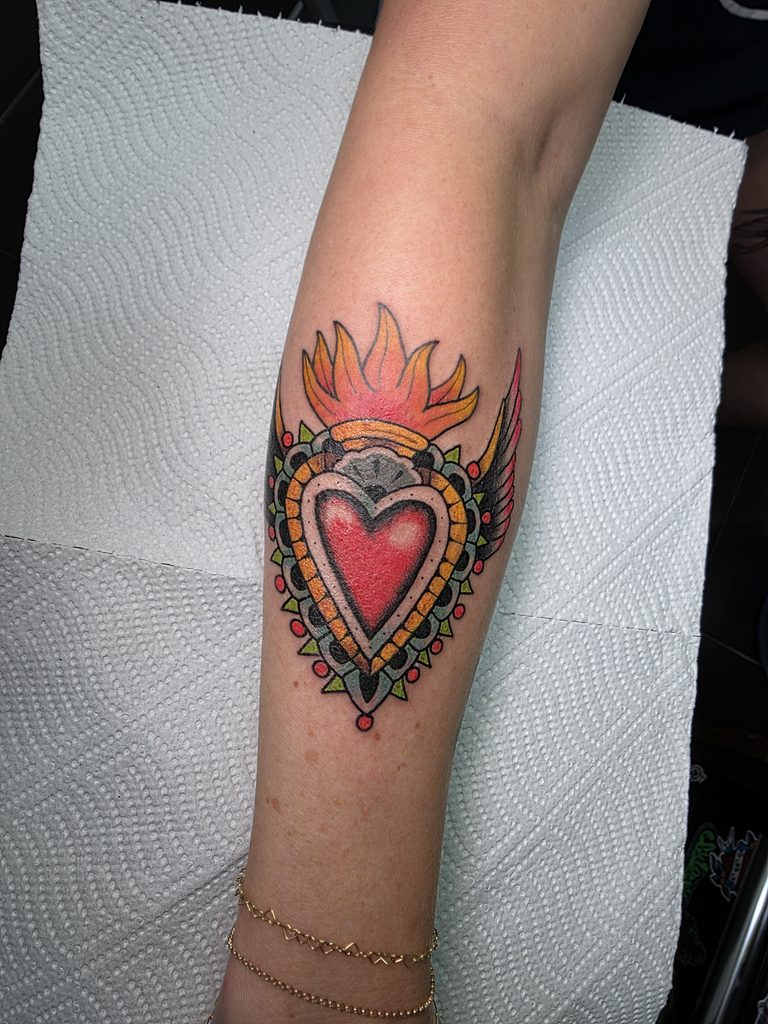
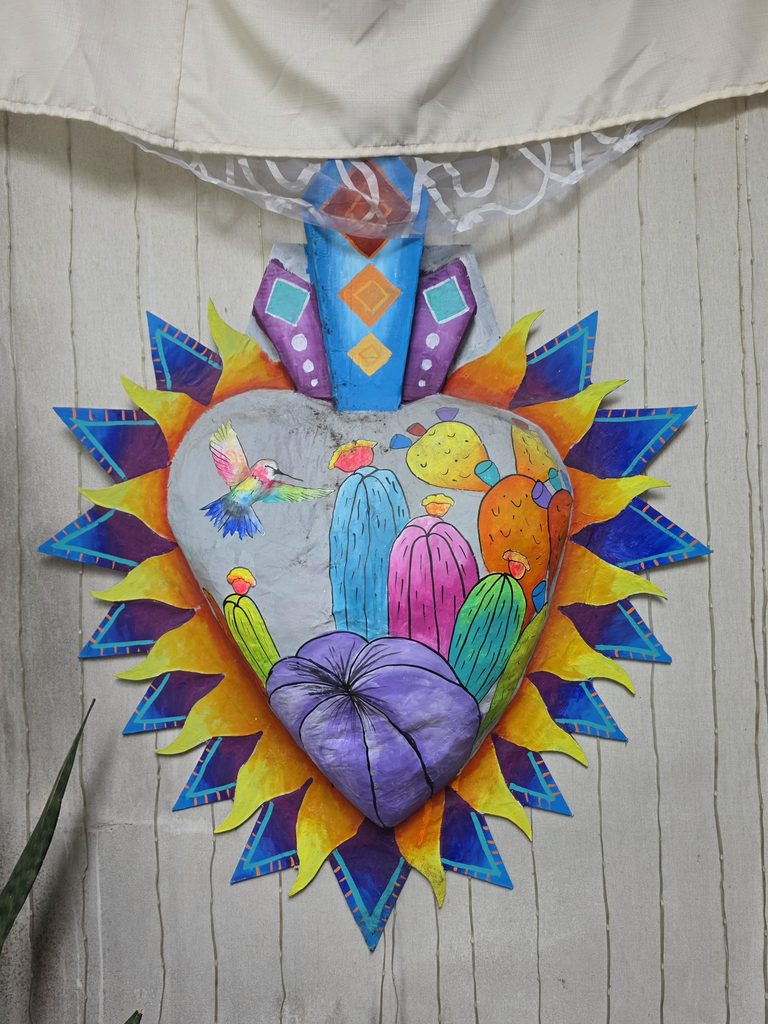
We have had another wonderful two weeks in Mexico City since you last heard from me. The week that Dave was gone went swimmingly. The sun came out everyday, I was able to meet with my Spanish tutor three times and even walked the hour and a half to Coyoacán to see her. I met with her partner after our meeting and got my sacred heart tattoo which I absolutely love. I was able to relax, read, and work with my Reiki teacher. I truly went where the spirit moved me and had a wonderful time. Dave had a great time as well and was grateful for the opportunity to meet and collaborate with his coworkers who traveled from all over the world to be at the Offsite. Some of them, some I have met before and some I haven’t, came to Mexico City after the Offsite so it was fun to meet and hang out with them. It is so cool that through our travels Dave has been able to meet more of his coworkers than he ever did while we were in Saint Paul. Now when we return to Europe in 2027 we’ll have new friends to visit in new places we haven’t been before. What a gift!
It was interesting to notice last week, with Dave back, how I felt lonelier than when he was gone. I found this curious because I was obviously overjoyed to have my buddy back. So, why the loneliness? I’ve been reflecting on this and other recent emotions to honor them and better understand their root causes, hoping to learn more about myself. If you have been following along on this blog for a while you may have noticed a trend when it comes near the end of each leg. While we’re gone and we don’t have the opportunity to see anyone, I get lonely sometimes and it is what it is. When it gets close to being able to see our people again, I liken it to a kid waiting for Christmas, the closer it gets the harder it is to wait. Dave and I were processing this a little bit together yesterday and I realized a new part of it that I hadn’t thought about before. When we travel to other countries we really try and be intentional about immersing ourselves in that culture. Whether it be through tours, volunteering, language study, or just everyday interactions, we make an effort to engage and to understand the people who live there and their way of life better. We thrive in it. It fills us up. It expands our perspectives. When we’re home we our filling our buckets by seeing our people, and that deeper cultural understanding that we thrive in while we’re away is lacking. I think we miss it and that is what motivates and encourages us to continue on this adventure for as long as we can.
After my last post my Stepdad texted me and said that he is proclaiming us VEPs (Very Educated Persons) and it was one of the best compliments I’ve ever received. For those of you who don’t know him, he has a way with words. He explained that we have earned this title because “he can’t think of anyone else who knows more about the world, the countries, their culture, their history, their art, their language, their geography, than us.” His message was a really powerful reminder of how fortunate we are to have the opportunity to be on this adventure. What a privilege it is to share it with all of you. That and the fact that I need not waste a minute of it feeling sad or lonely, because even when we miss our people and we may not be in close proximity to each other, we’re still living in this beautiful world together.
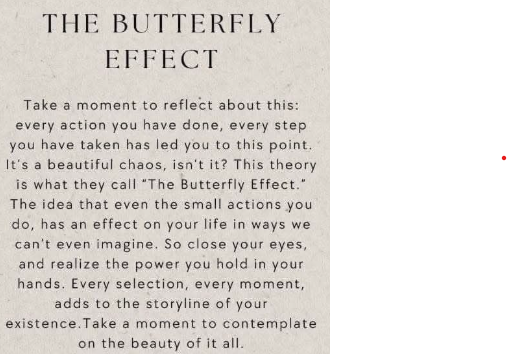
I’m going to let my photos and captions do the talking for what we’ve been up to the past two weeks and I do want to share a little bit about why I chose this title for Chapter 78. We took a tour with a guide at the Anthropological Museum on Saturday and he ended with this message, “you never know what a difference you’re making in the world or whose lives that you touch. Be aware of those seemingly small interactions and the effect you may have on the people around you. Know that you are doing great things.” His words made me think of the butterfly effect—the ripples that spread whether or not you are aware of them. It was a good reminder that in this world of beautiful chaos, it is important to step back, take it all in, and reflect on how we may be making a difference. It helps us remember to live in gratitude for each day and the fact that we are able to experience it.
Sending you a Universe of love wherever you are!
Alison and Dave
PS I wanted to mention that when you visit our outoftheswamlows site this time you may notice a difference. Dave has given it a glow-up and there are some new accessibility features as well. You’ll notice there are now pictures attached to the links for each chapter which we feel helps with the navigation. You’ll also notice that there is a new search option at the top where you can search key words or places and it will bring you to the post where it was mentioned. Finally, at the end of the chapter you’ll notice a place to subscribe. We’re still working on this function and in theory if you subscribe you’ll get updates when I’ve posted or Dave has updated his data and you should be able to leave comments. Signup and we’ll figure it out together! 🙂 We hope you like the new look!
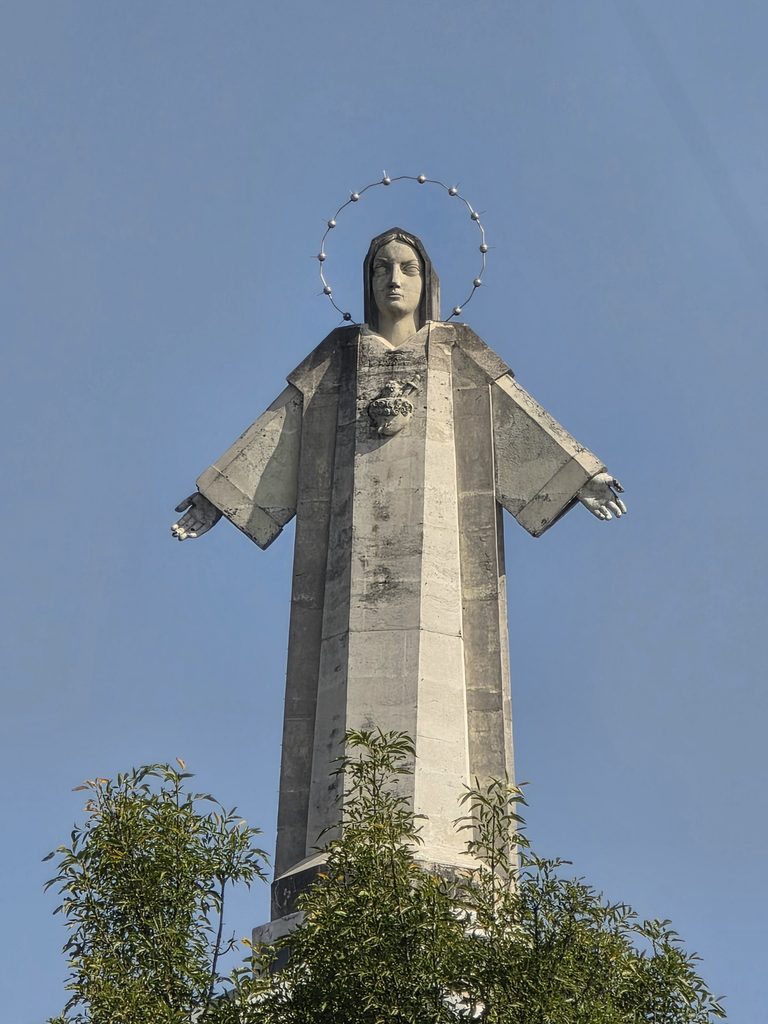
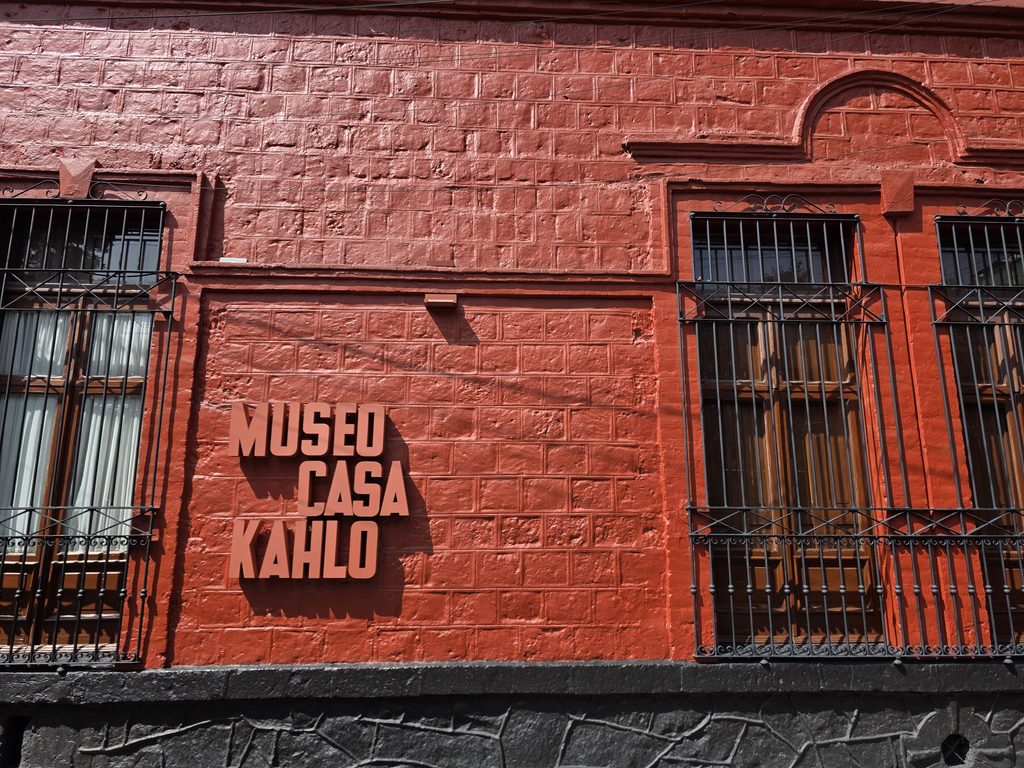
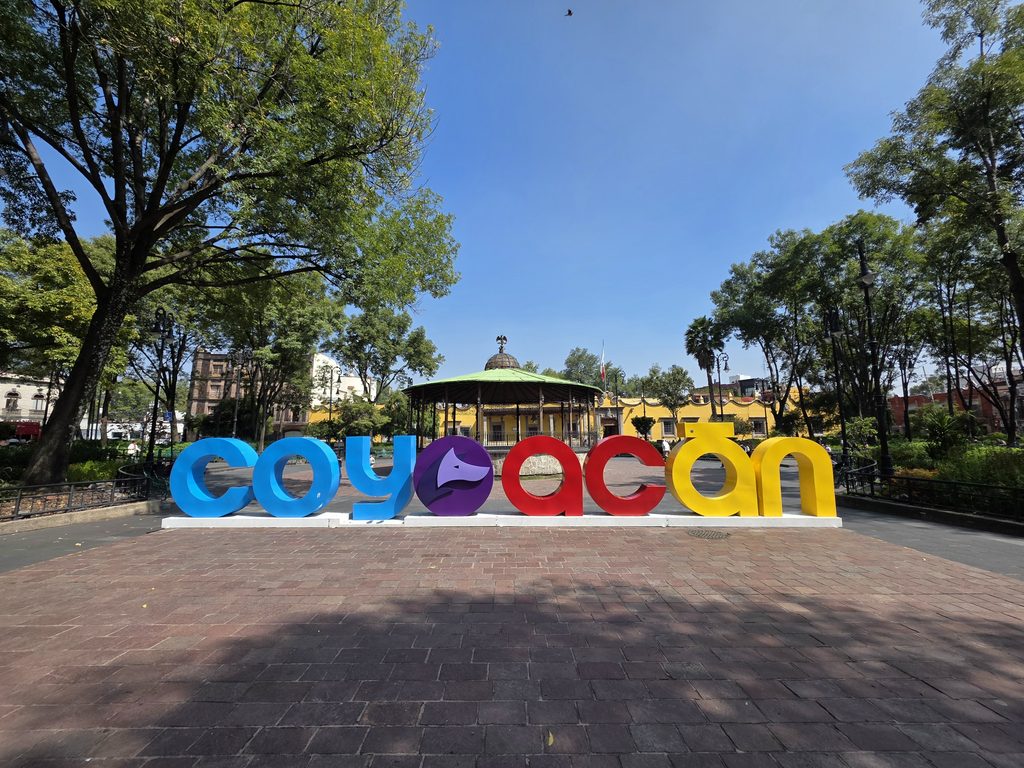
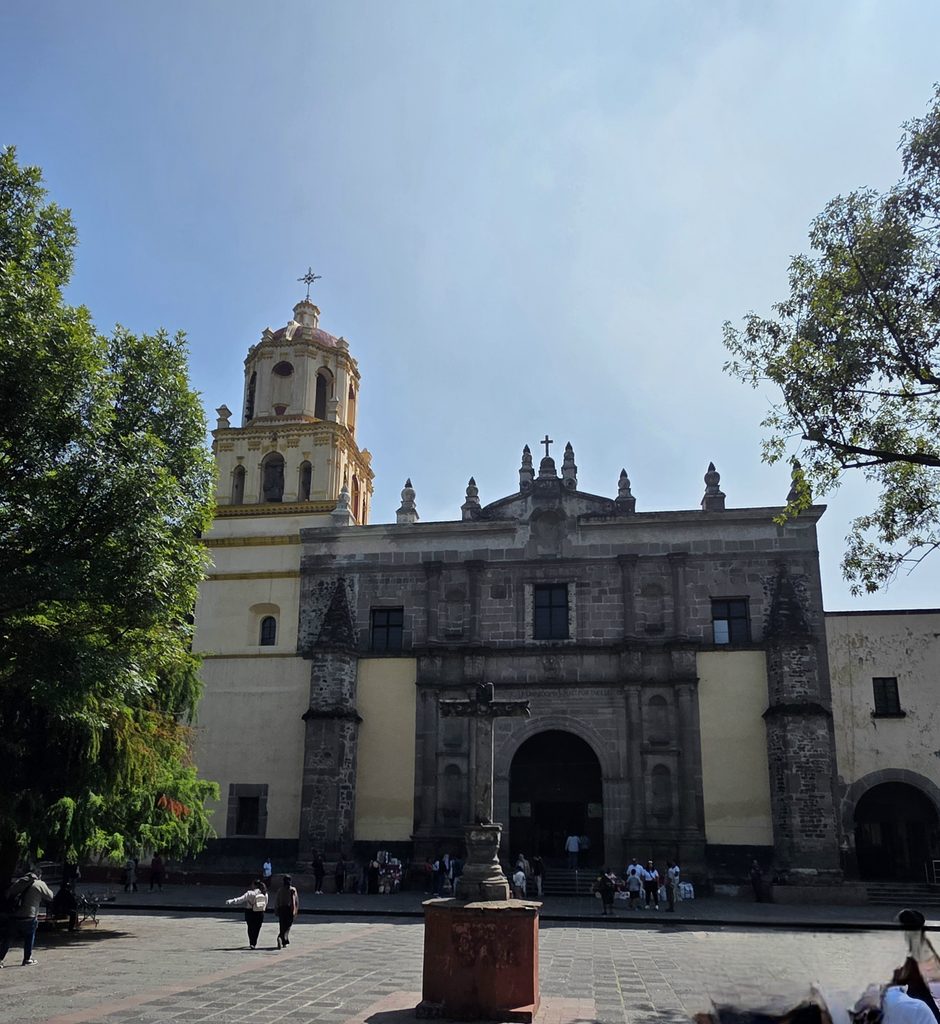
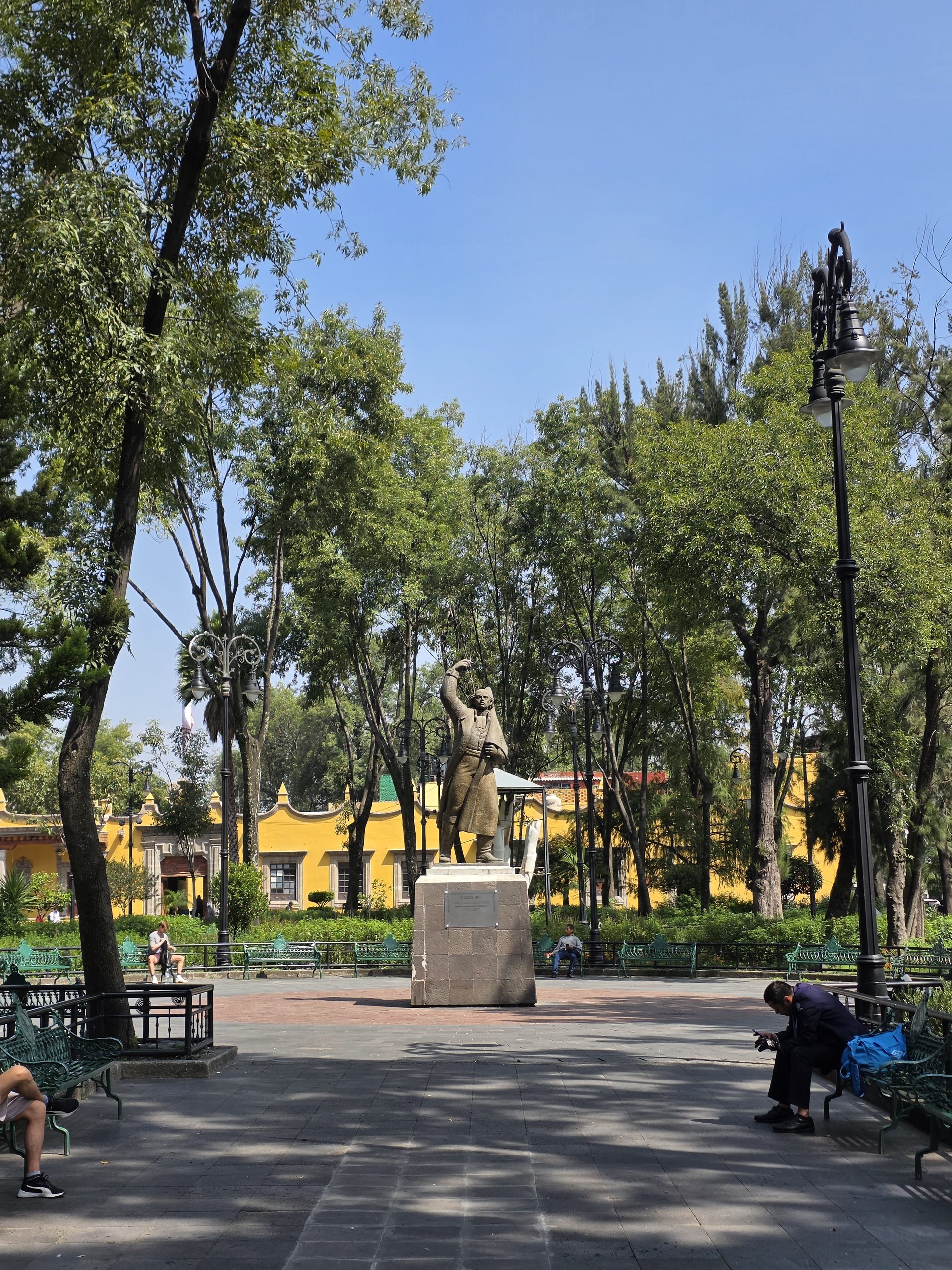
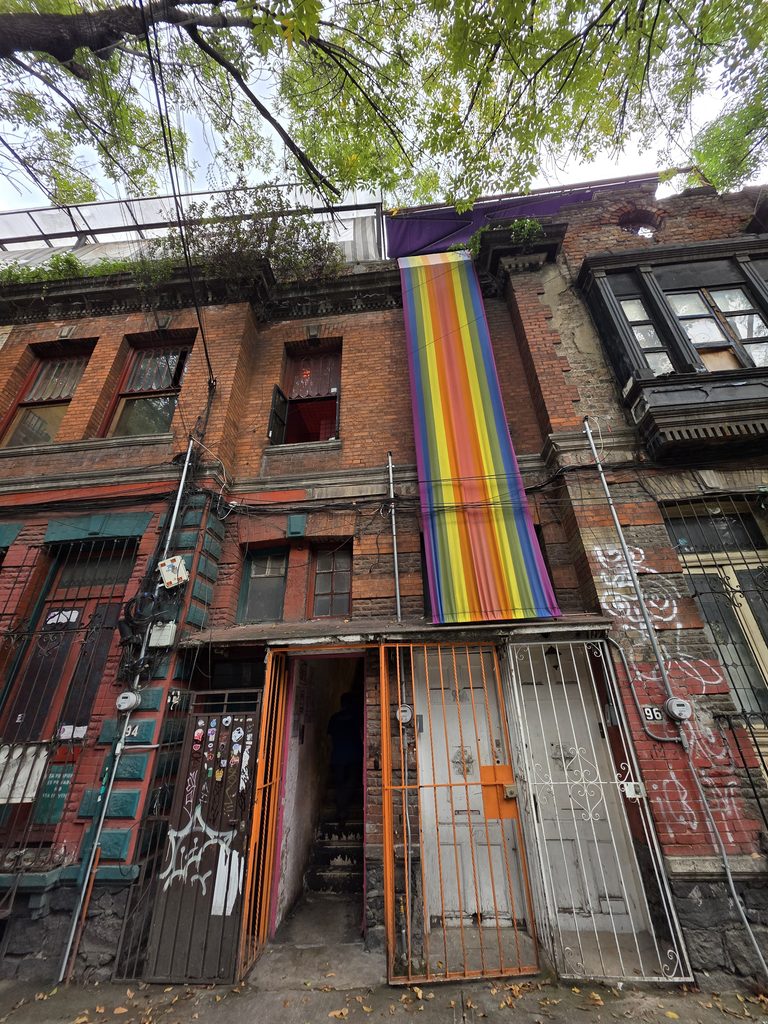
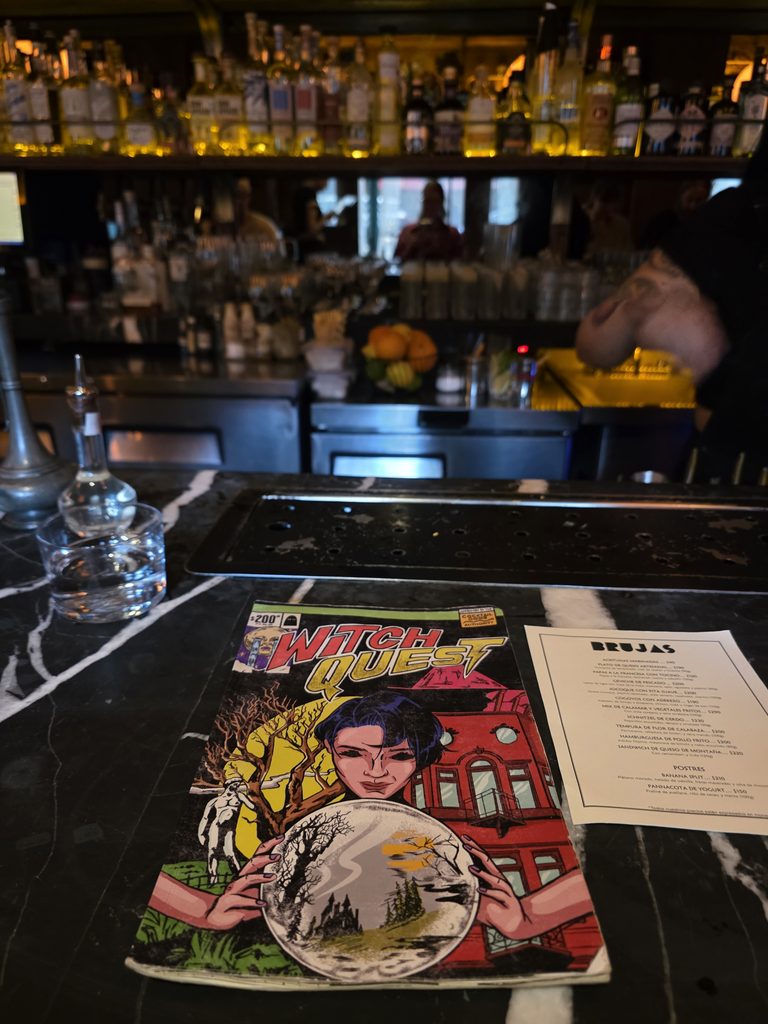
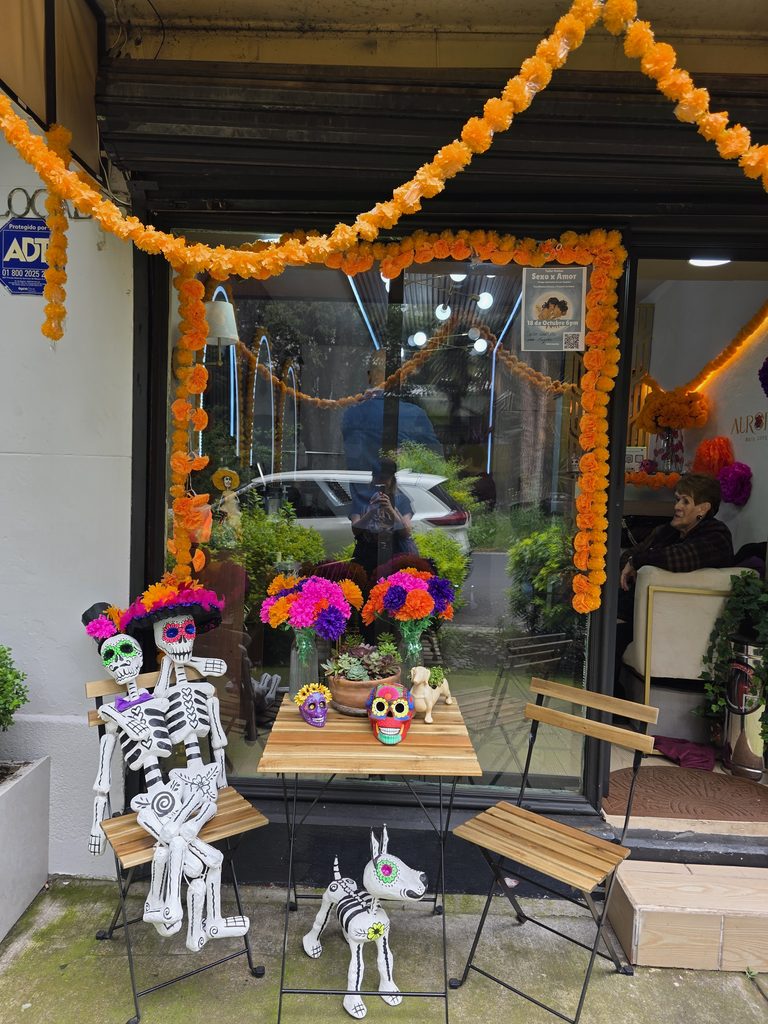
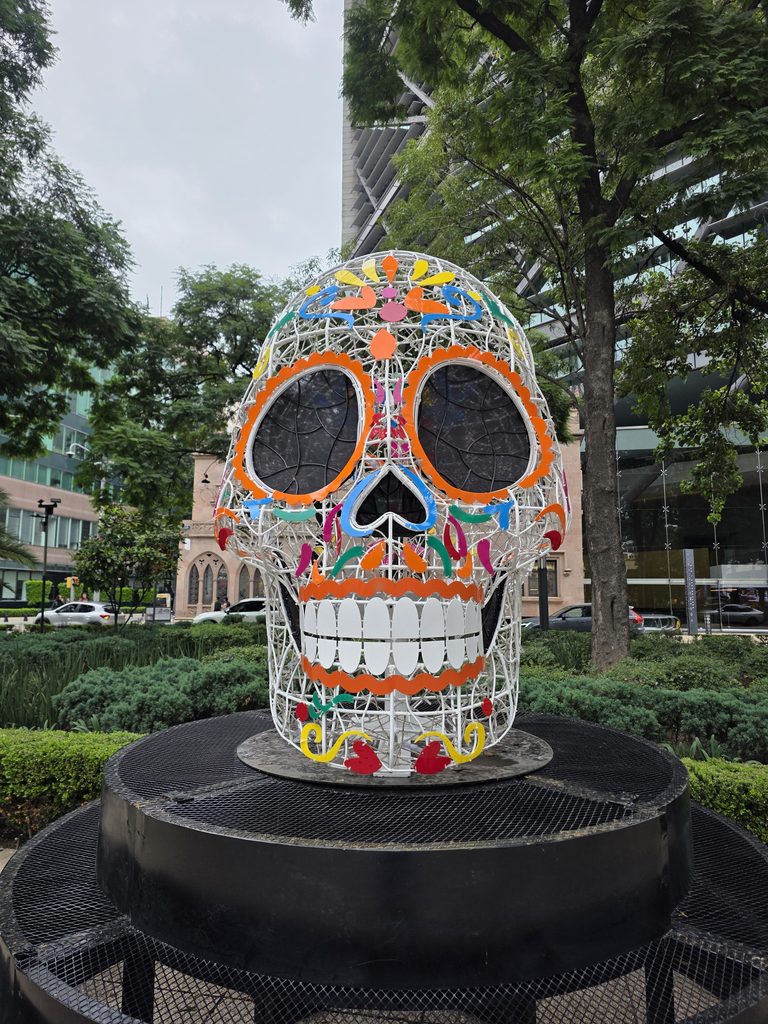
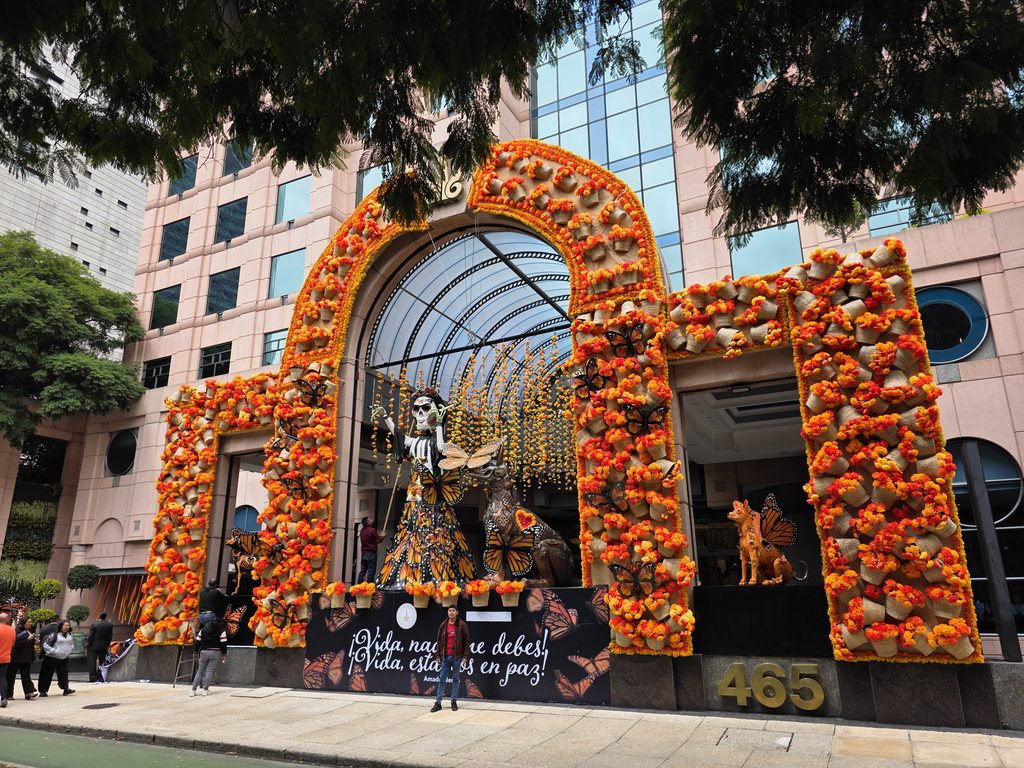
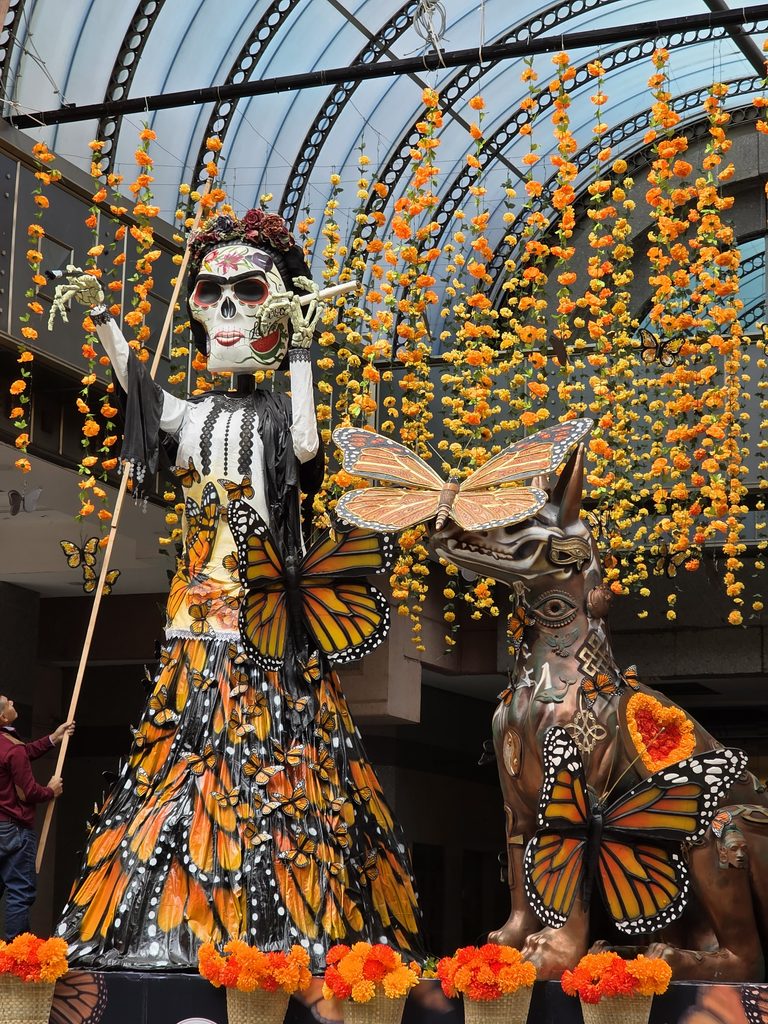
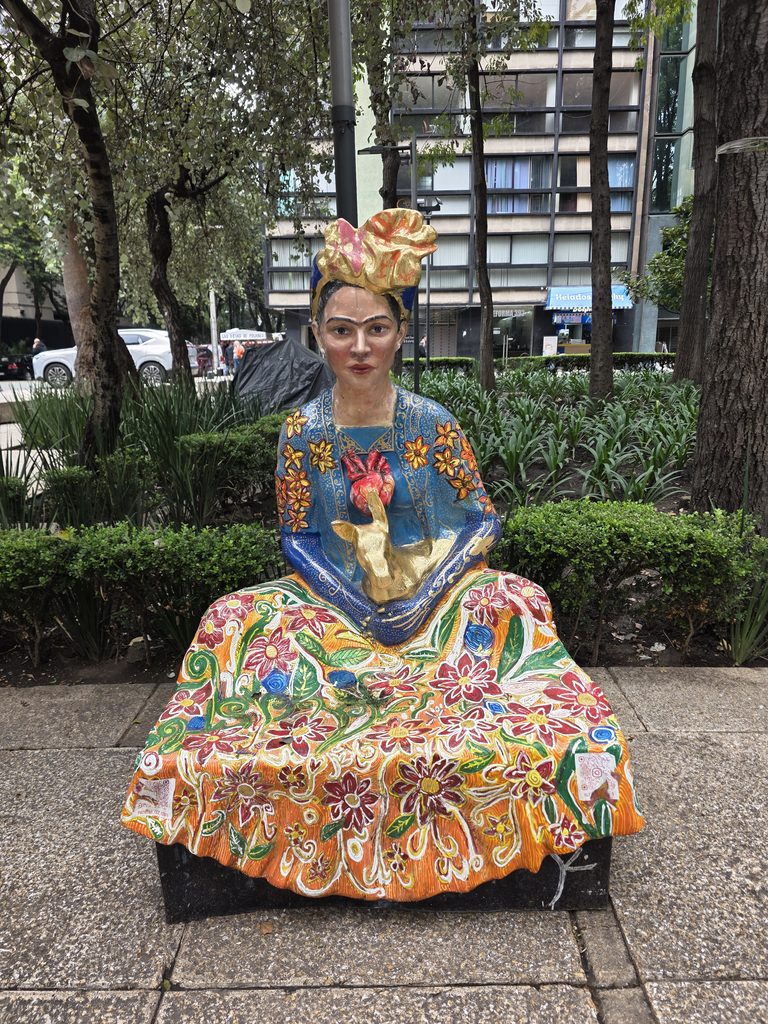
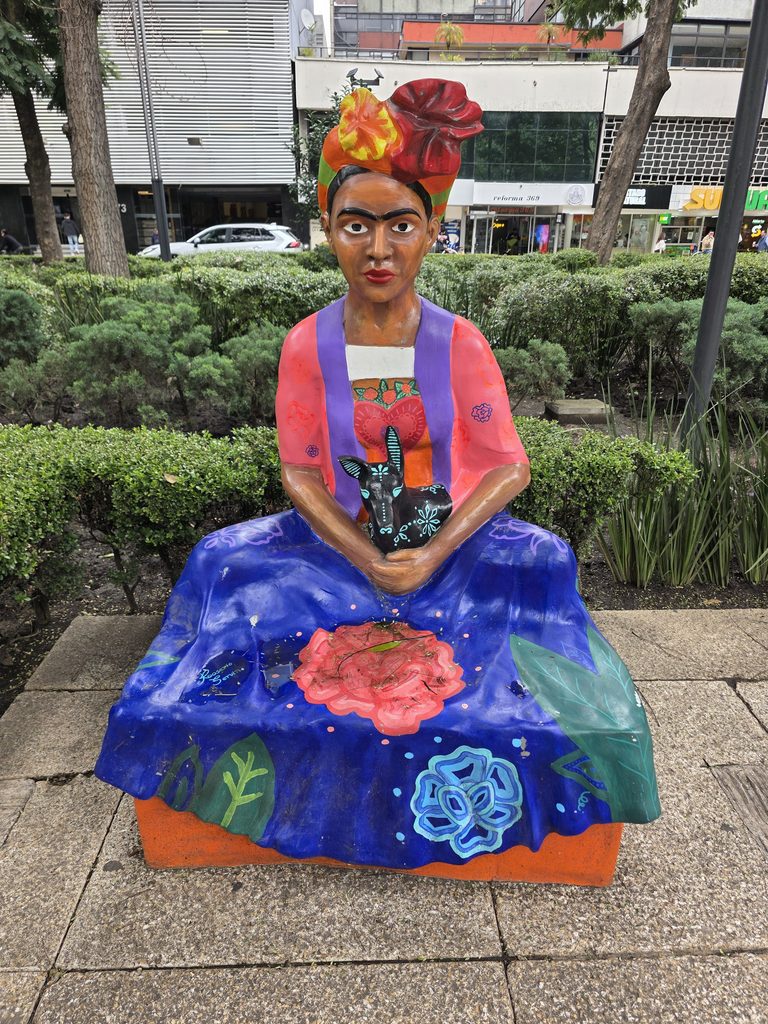
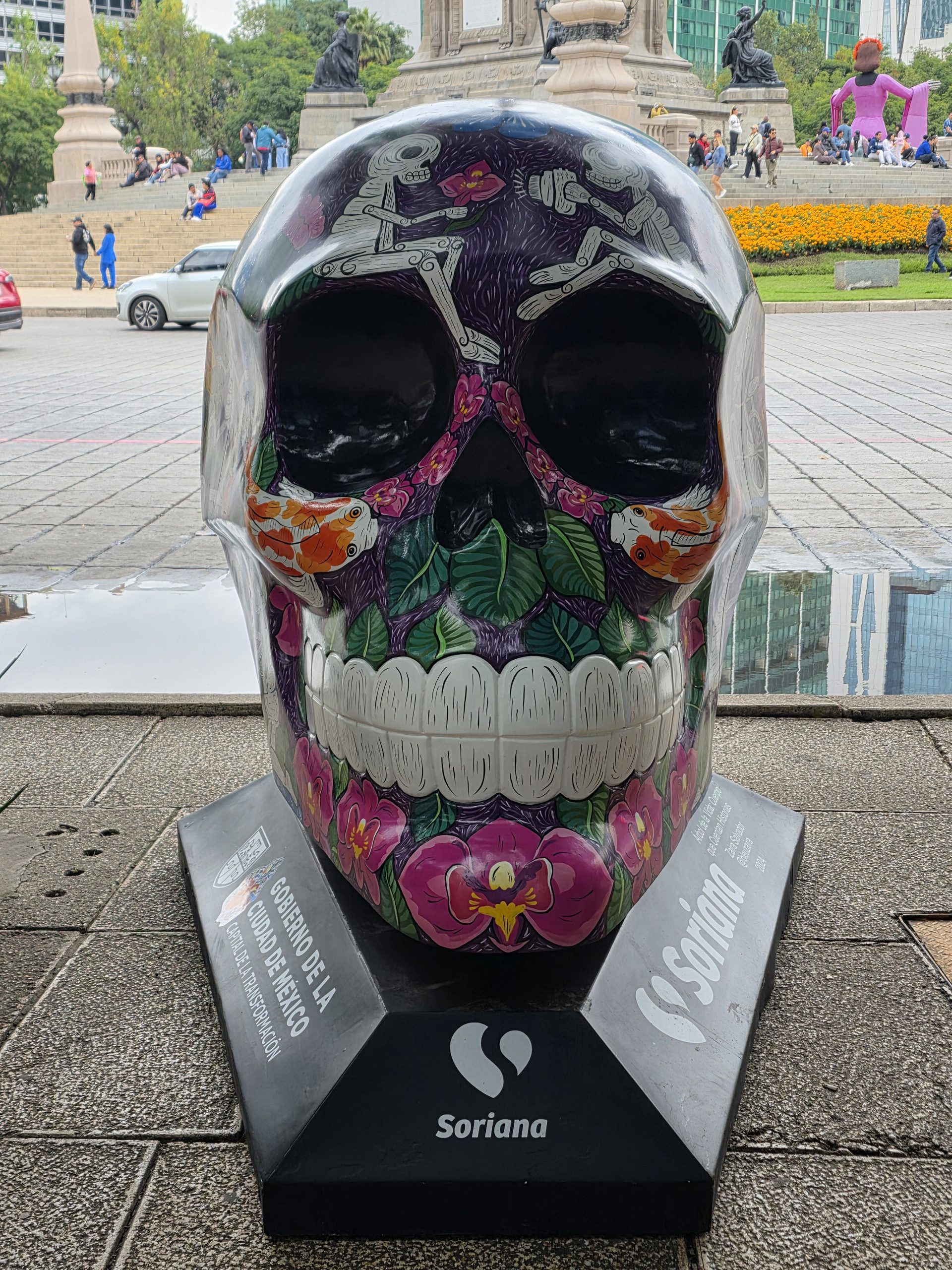
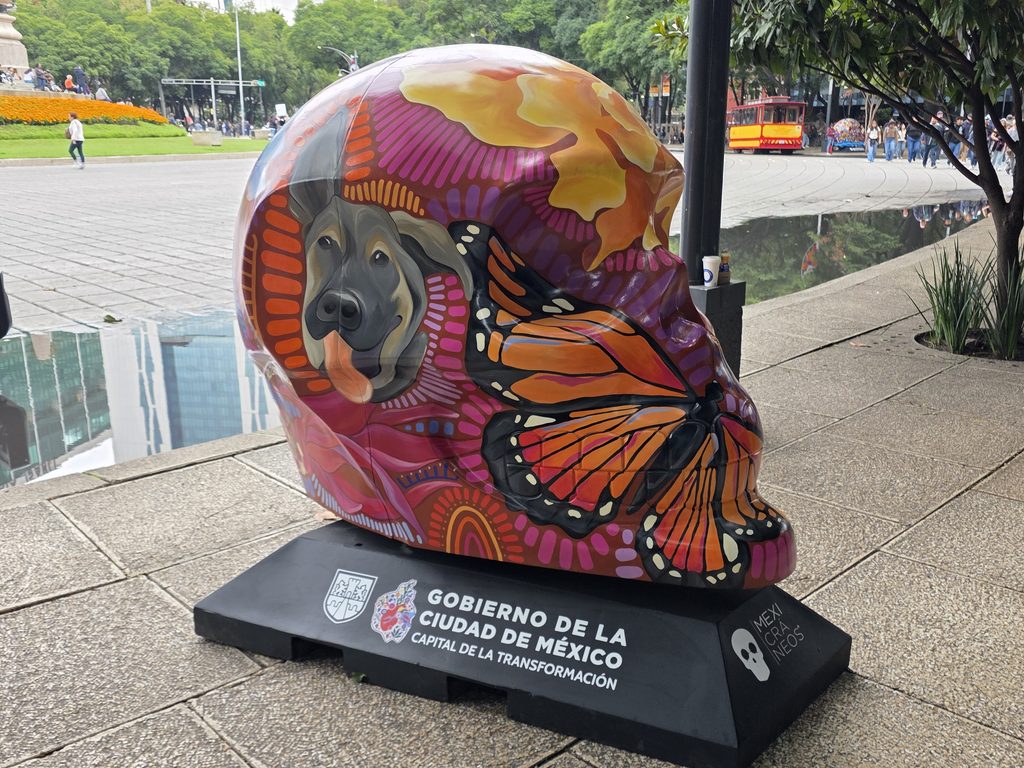
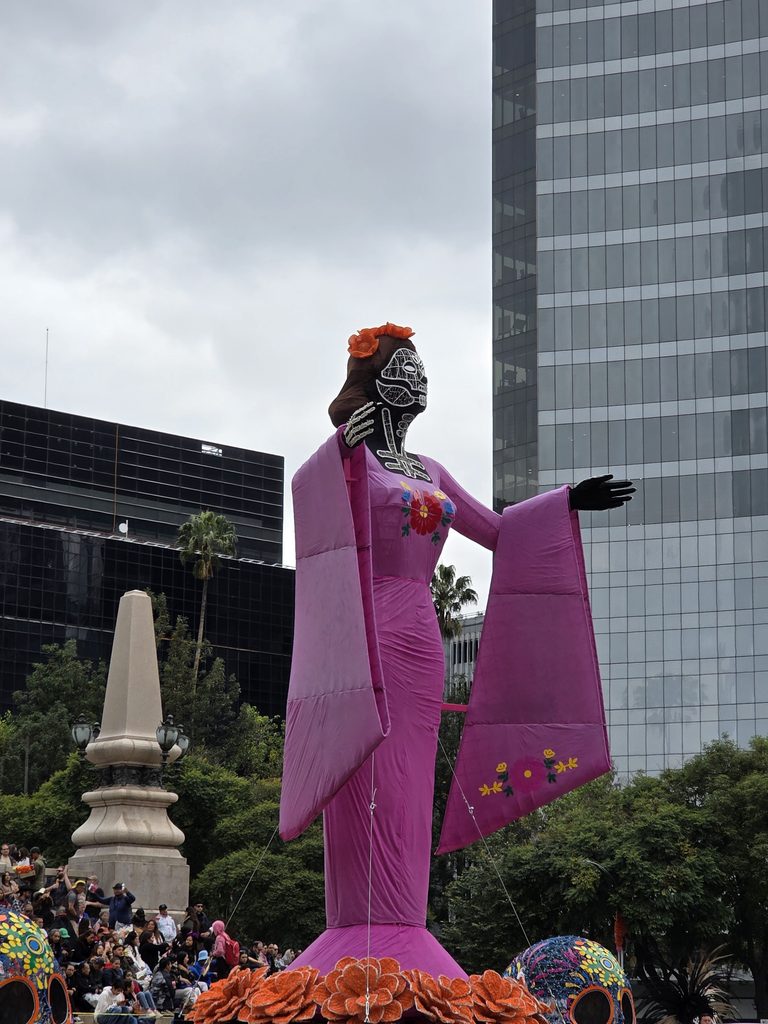
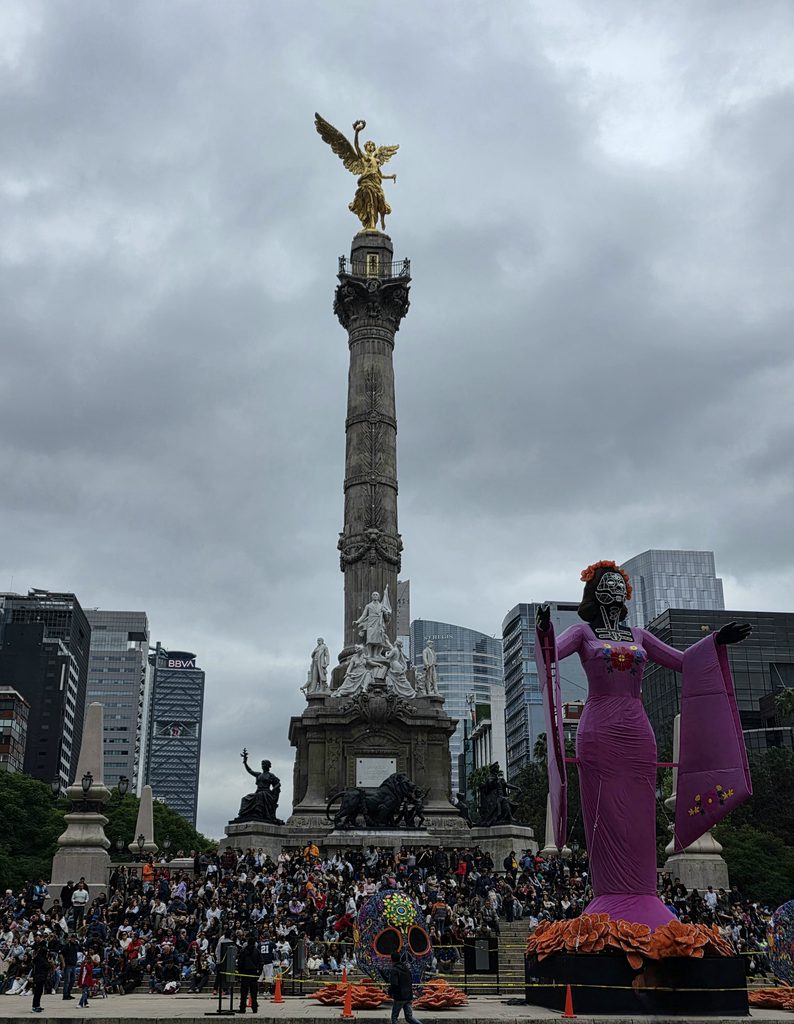
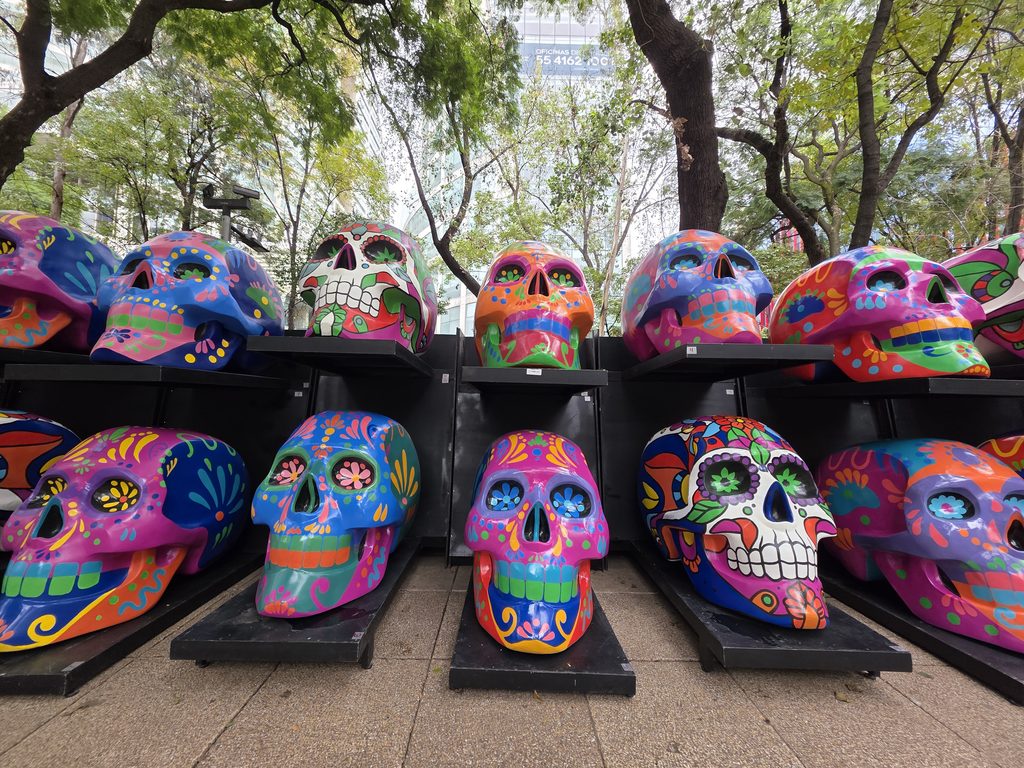
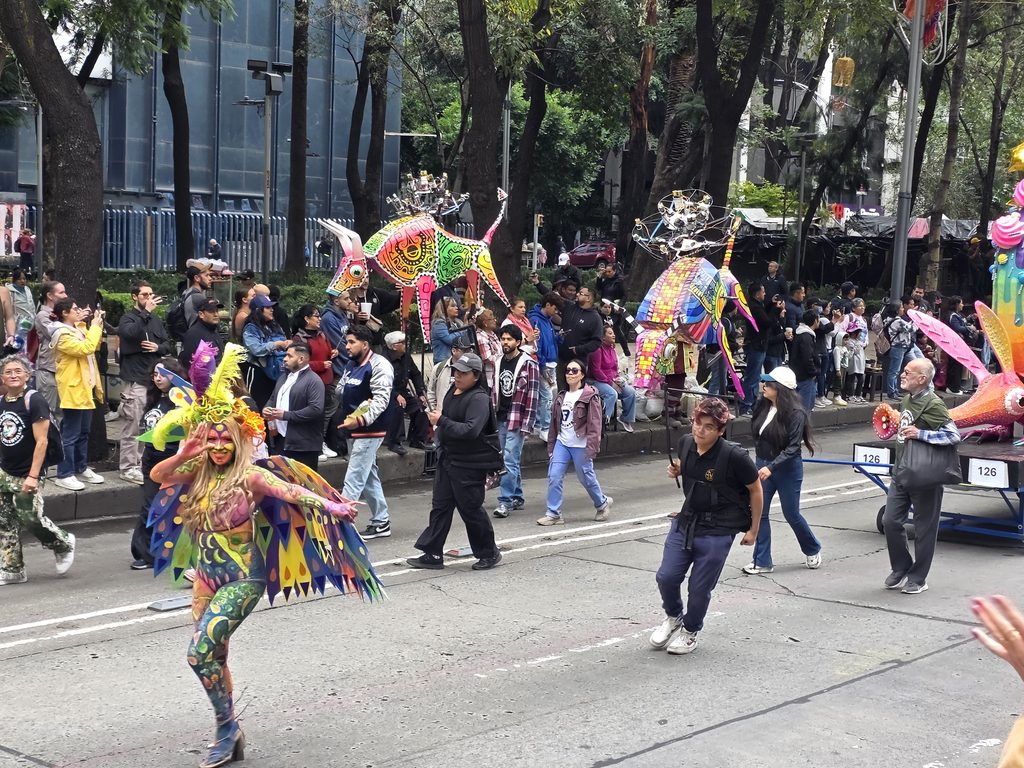
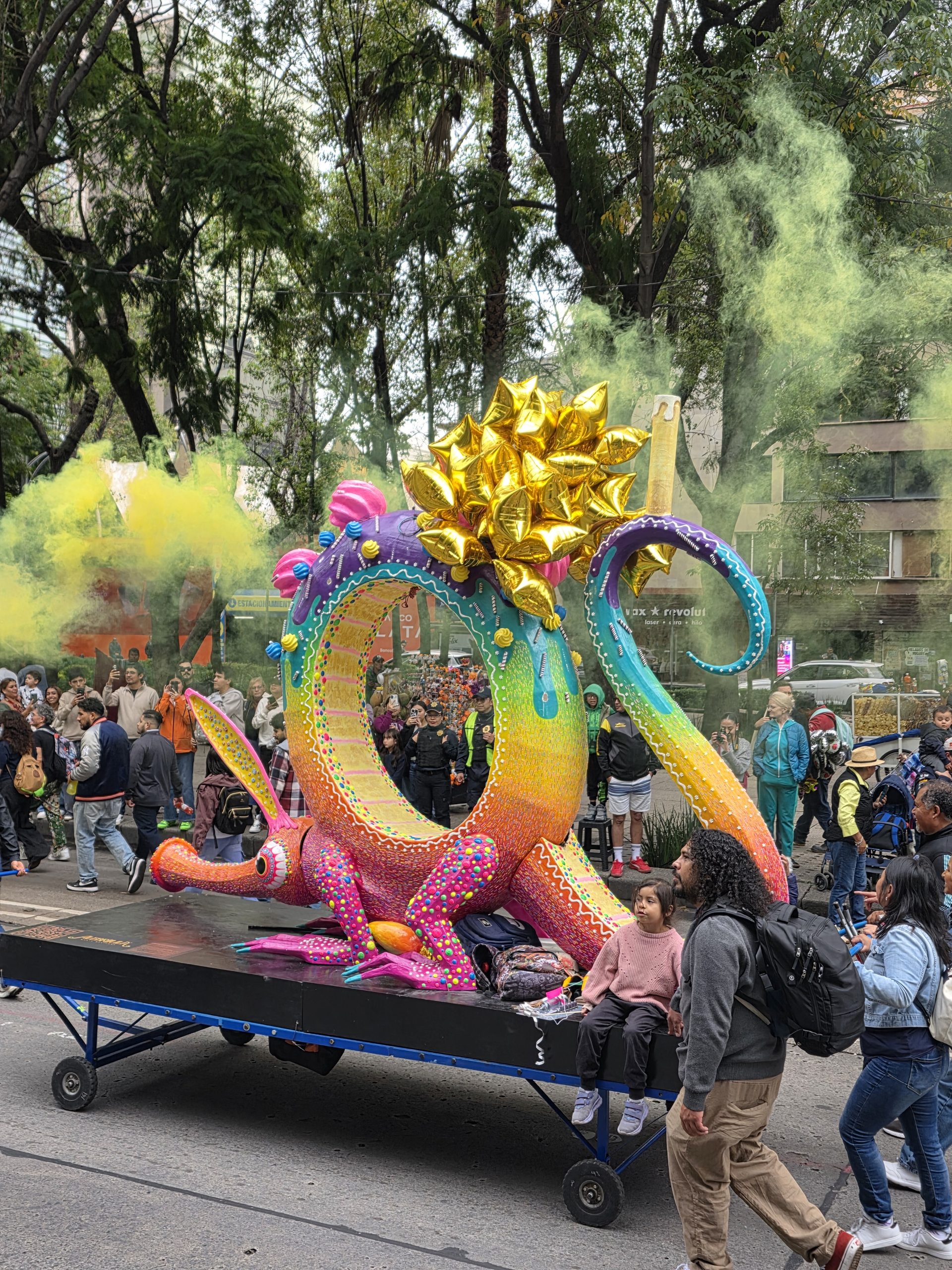
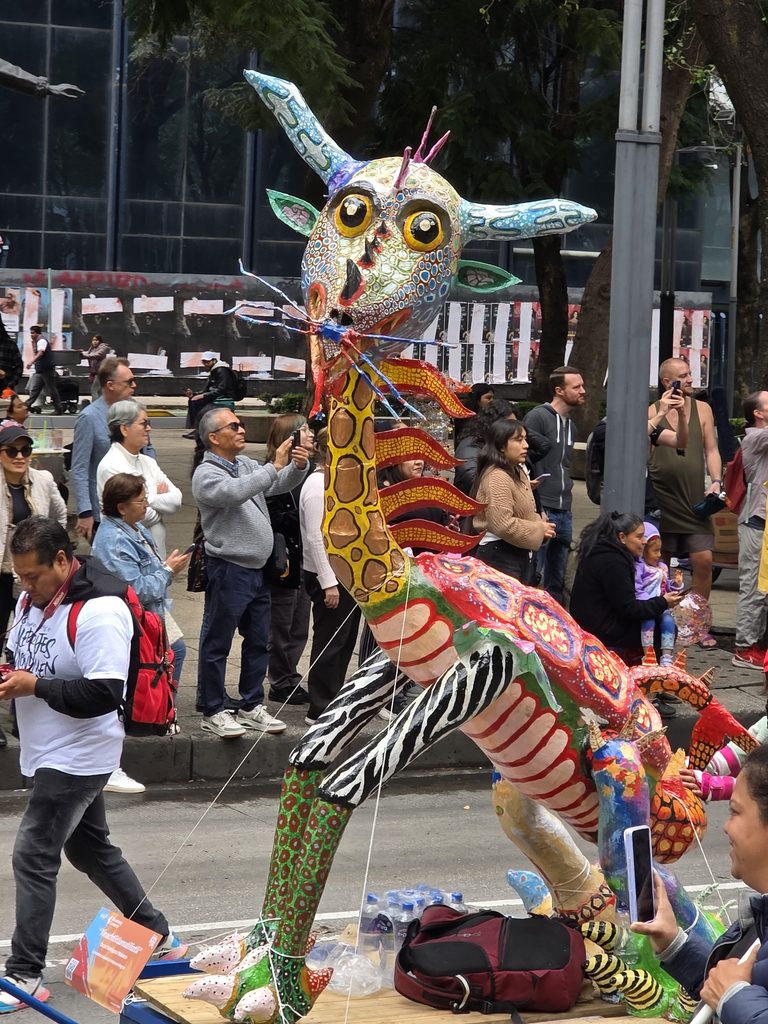
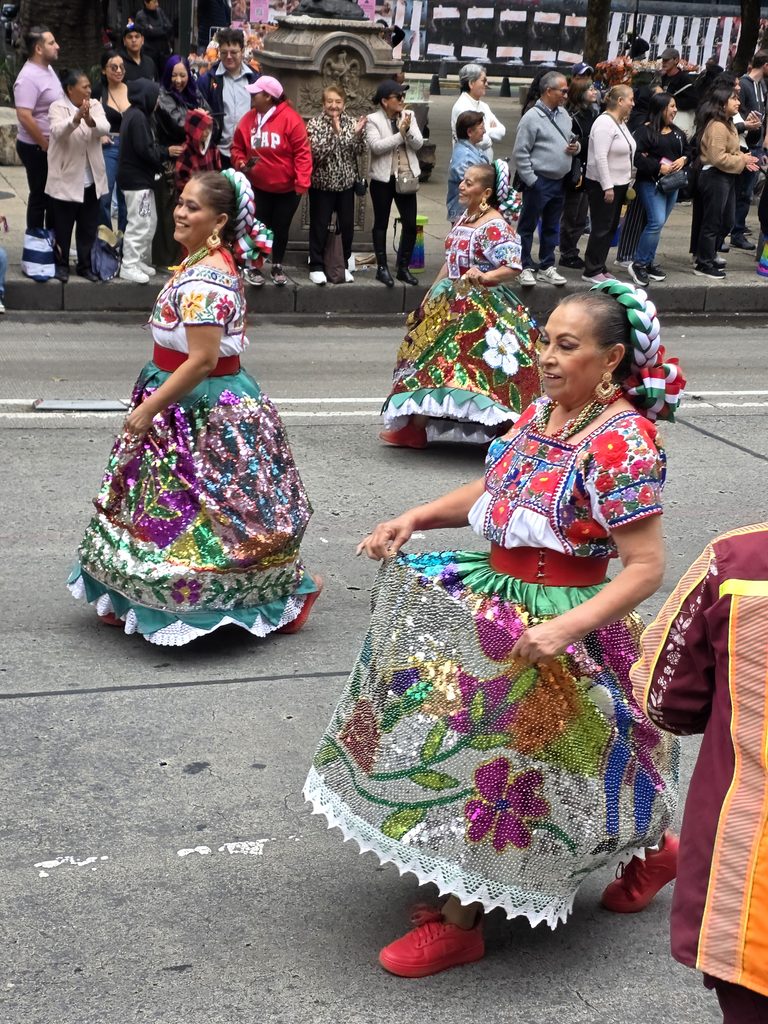
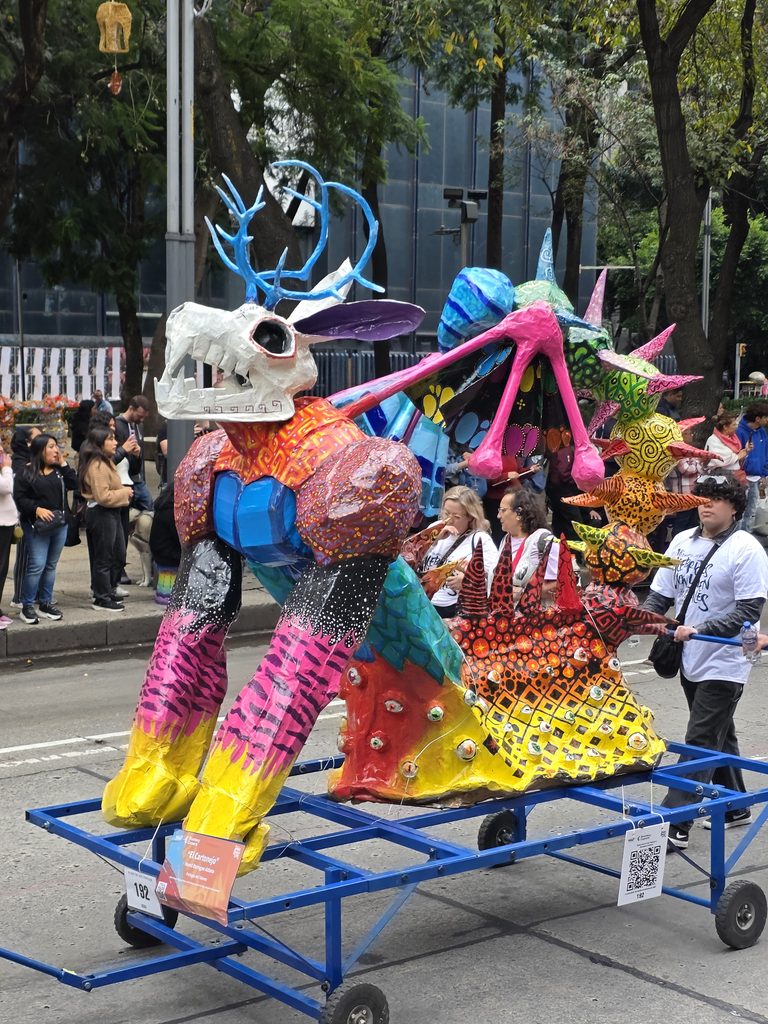
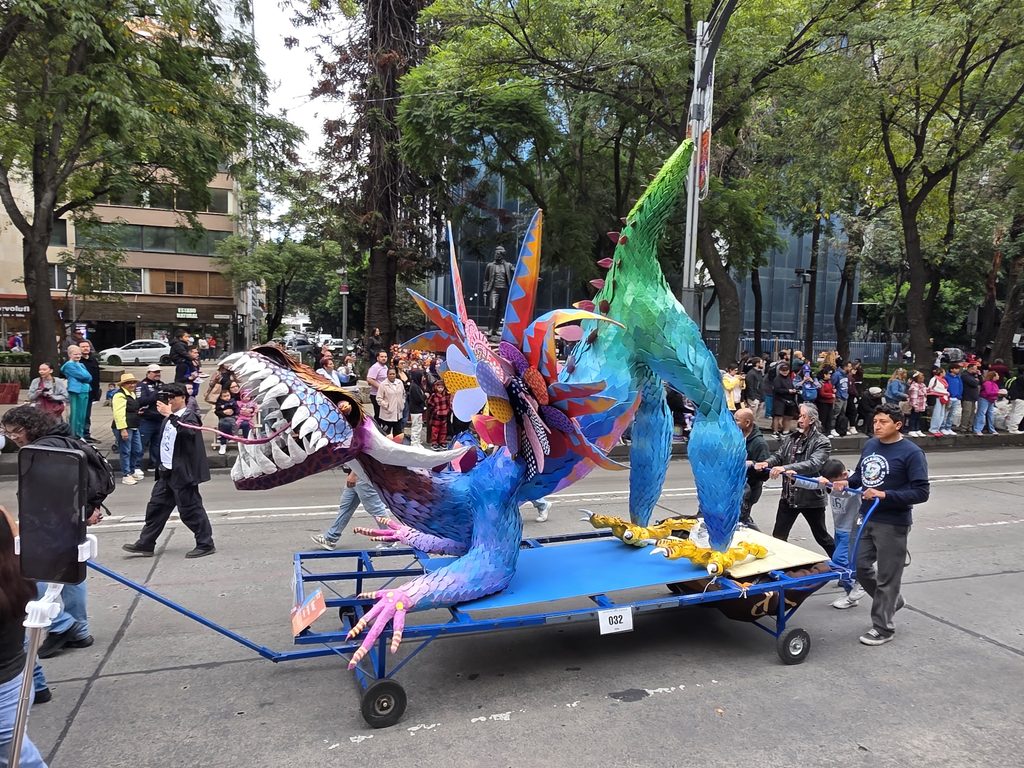
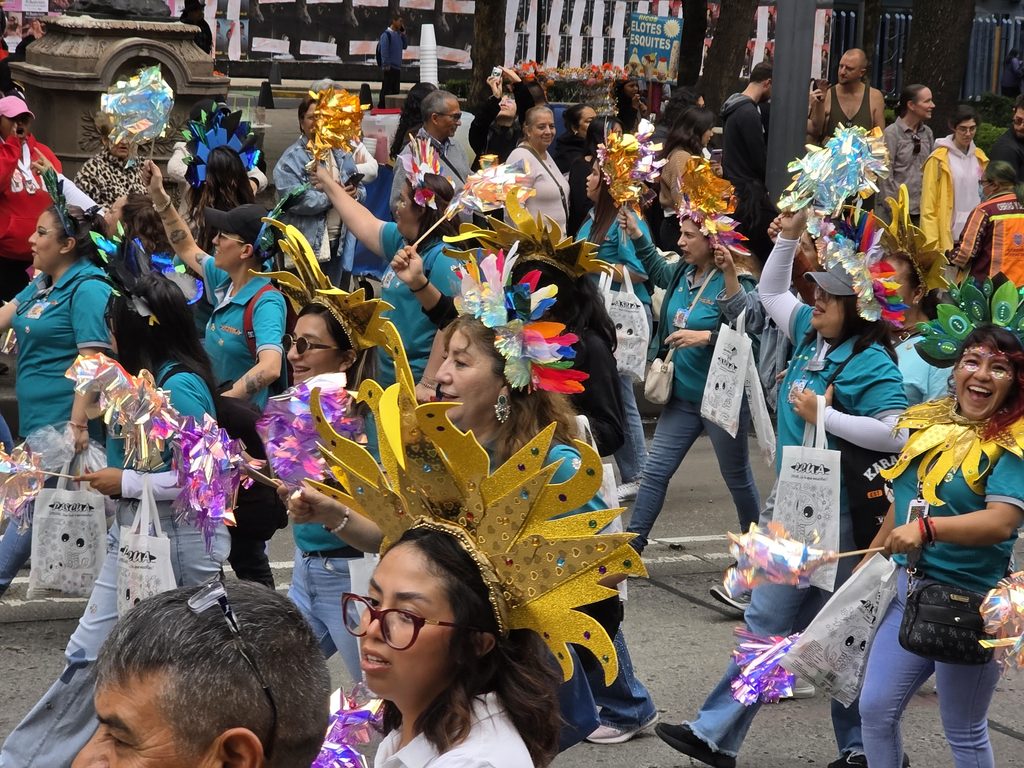
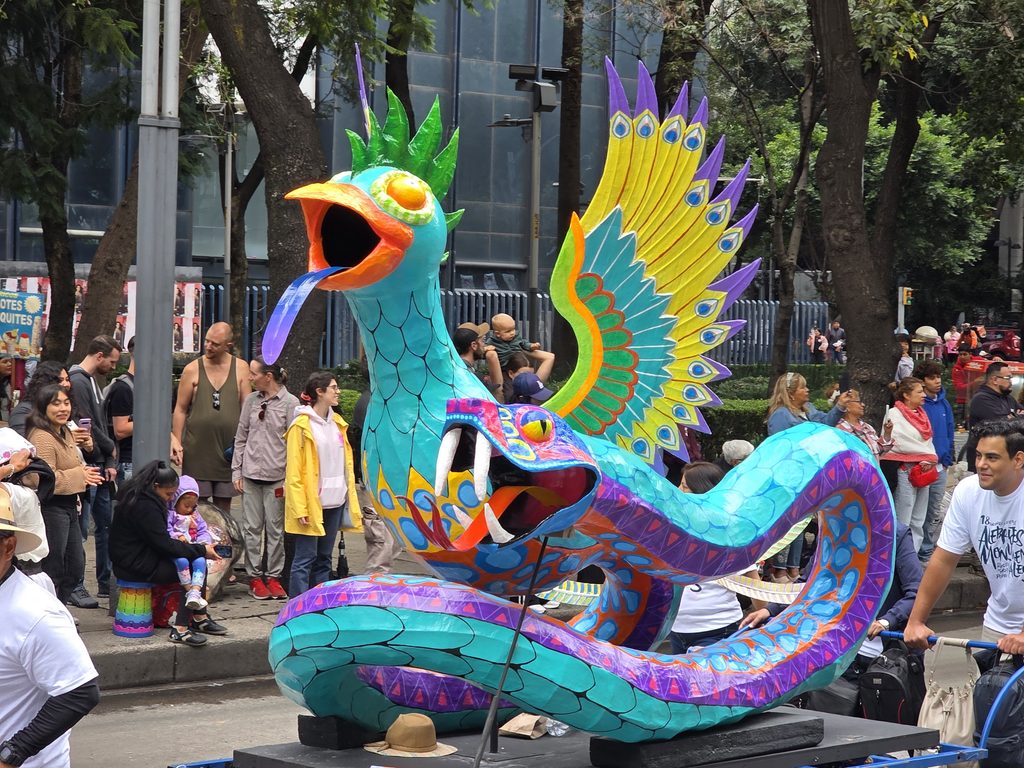
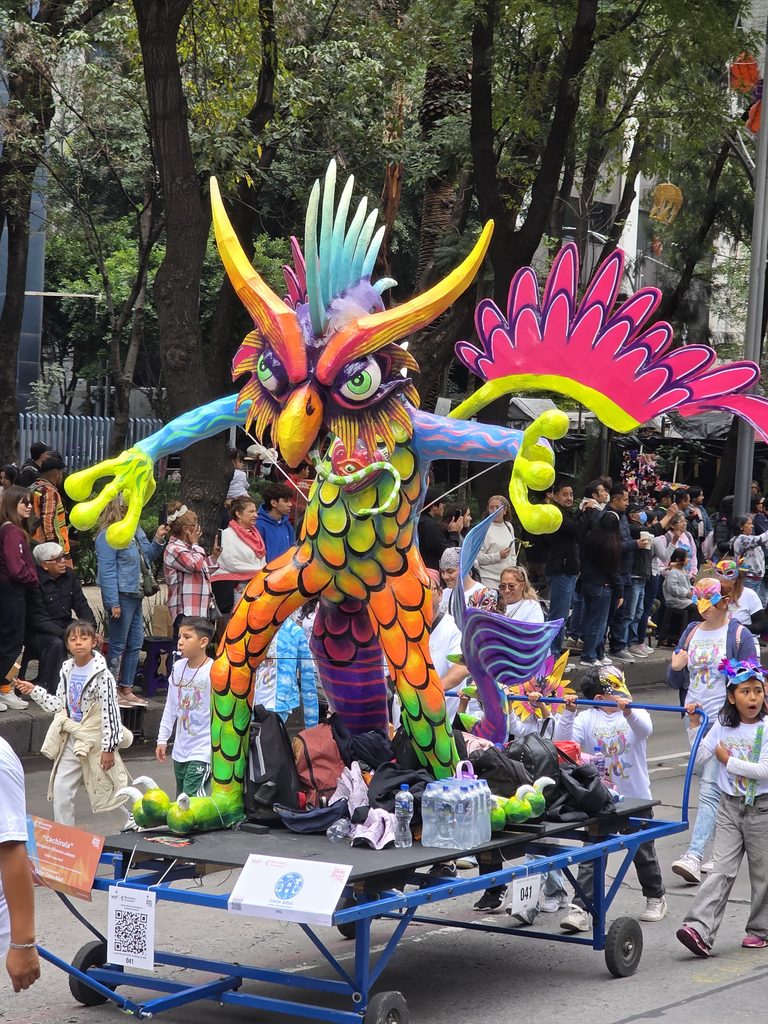
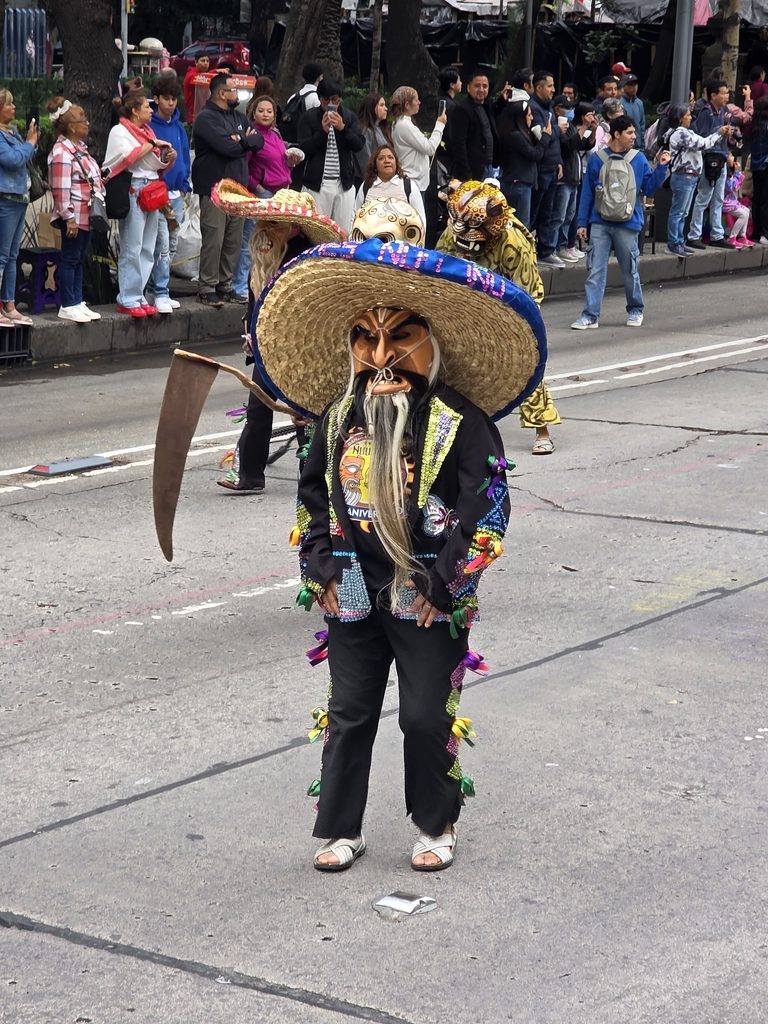
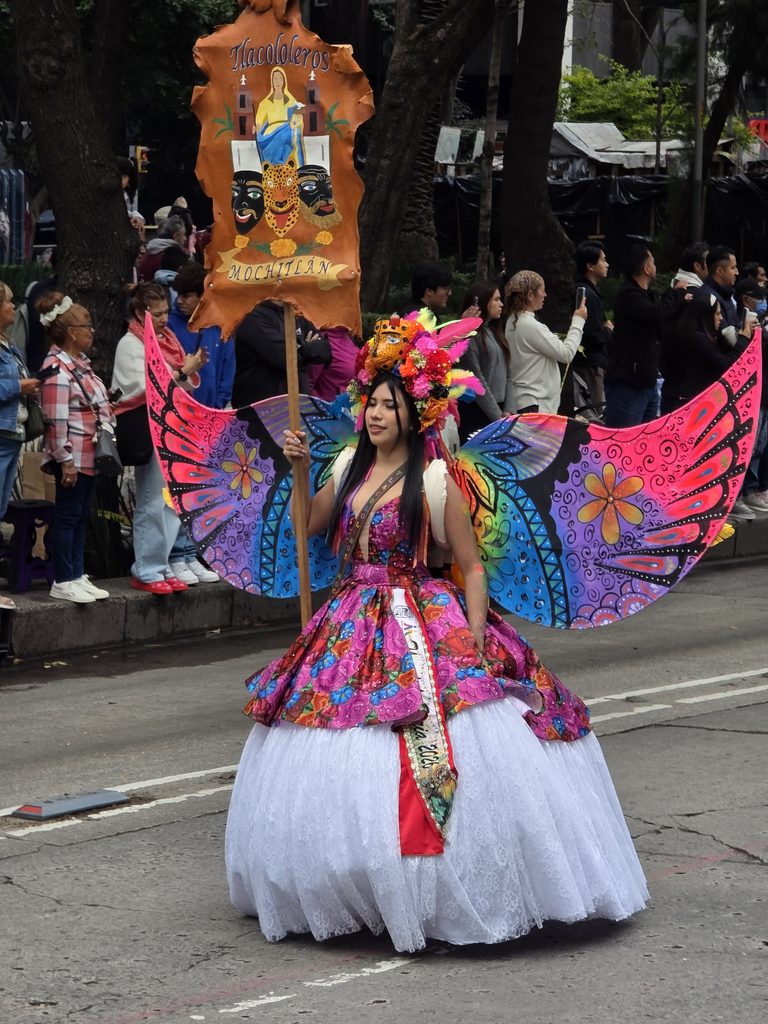
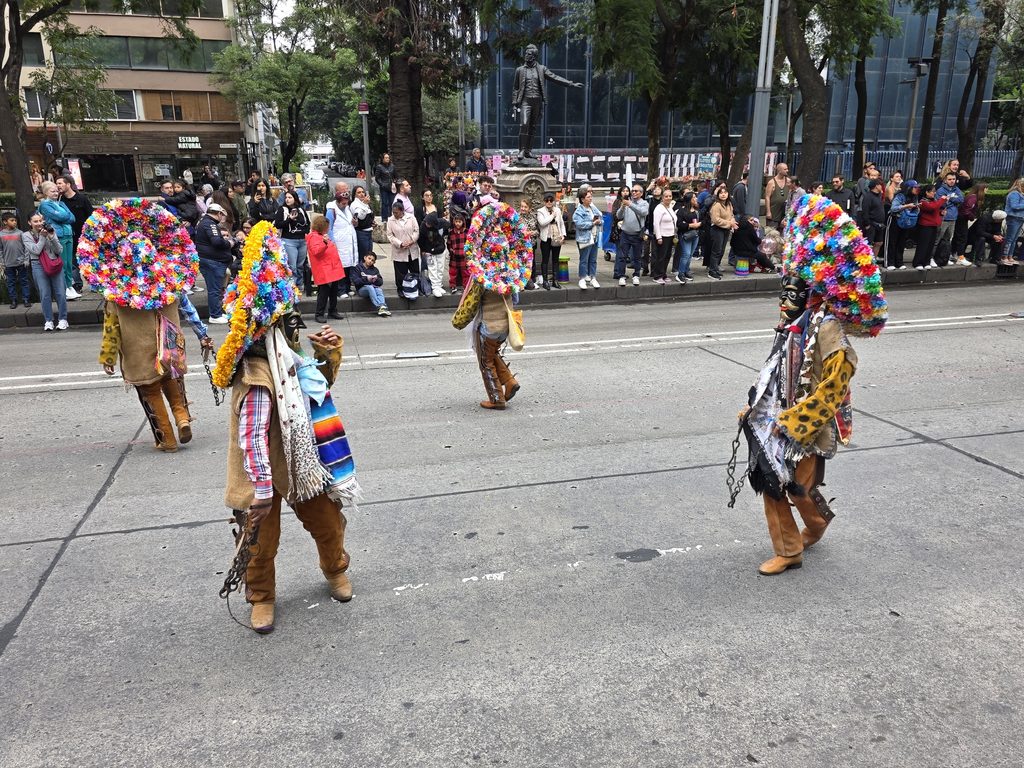
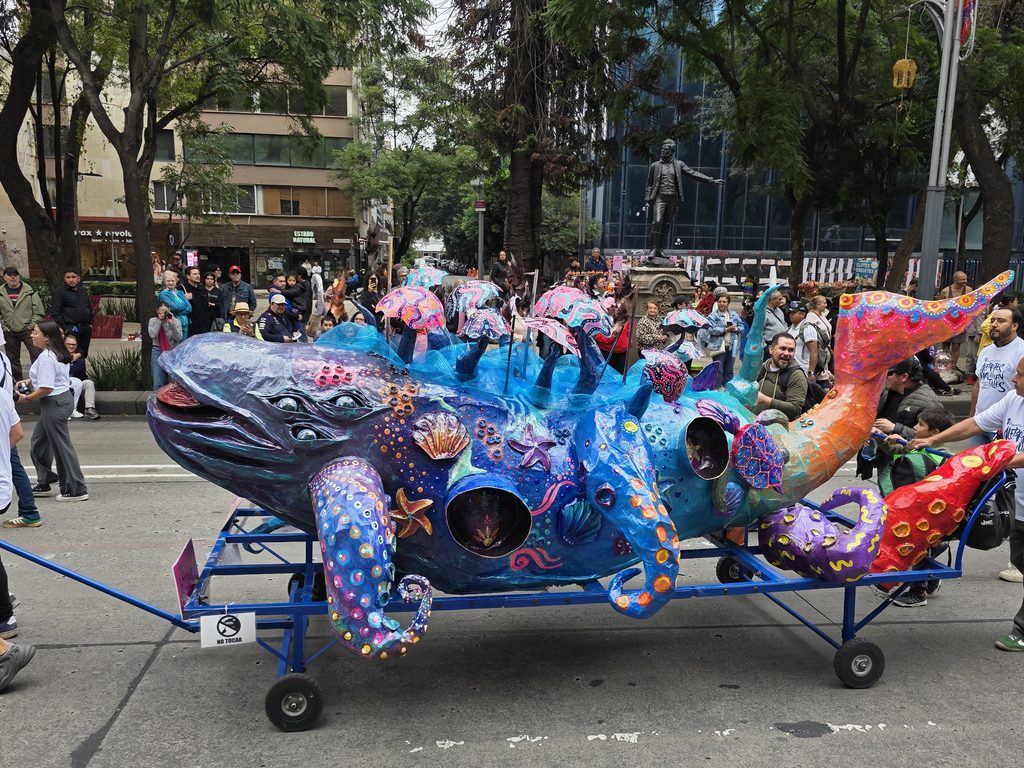
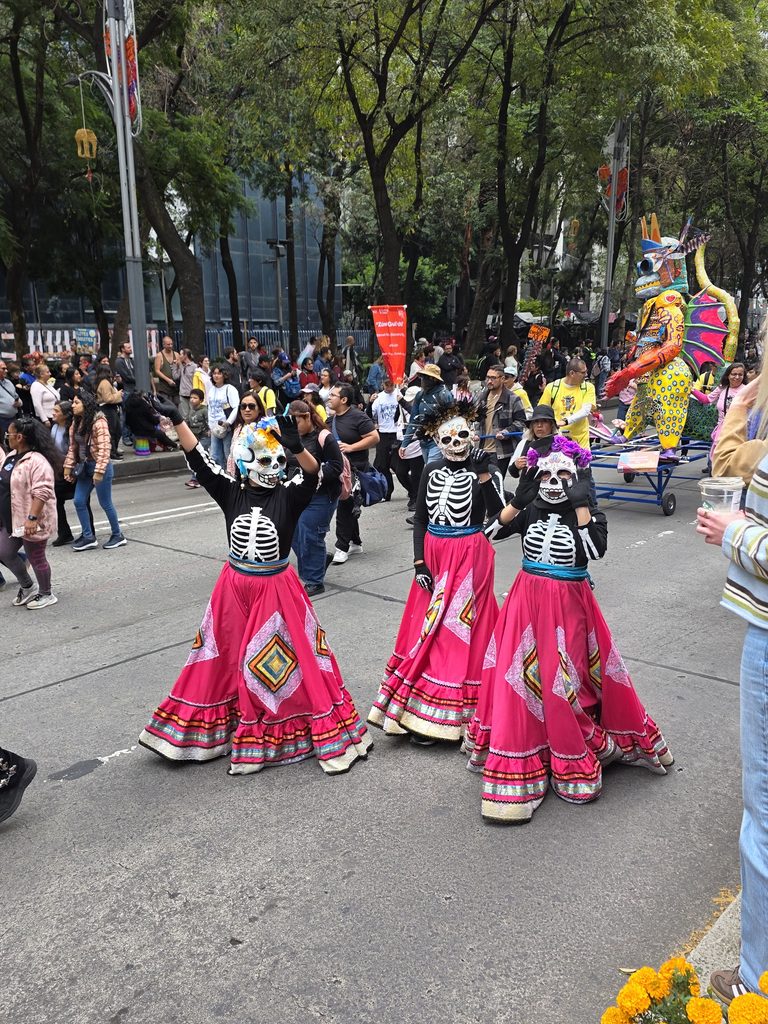
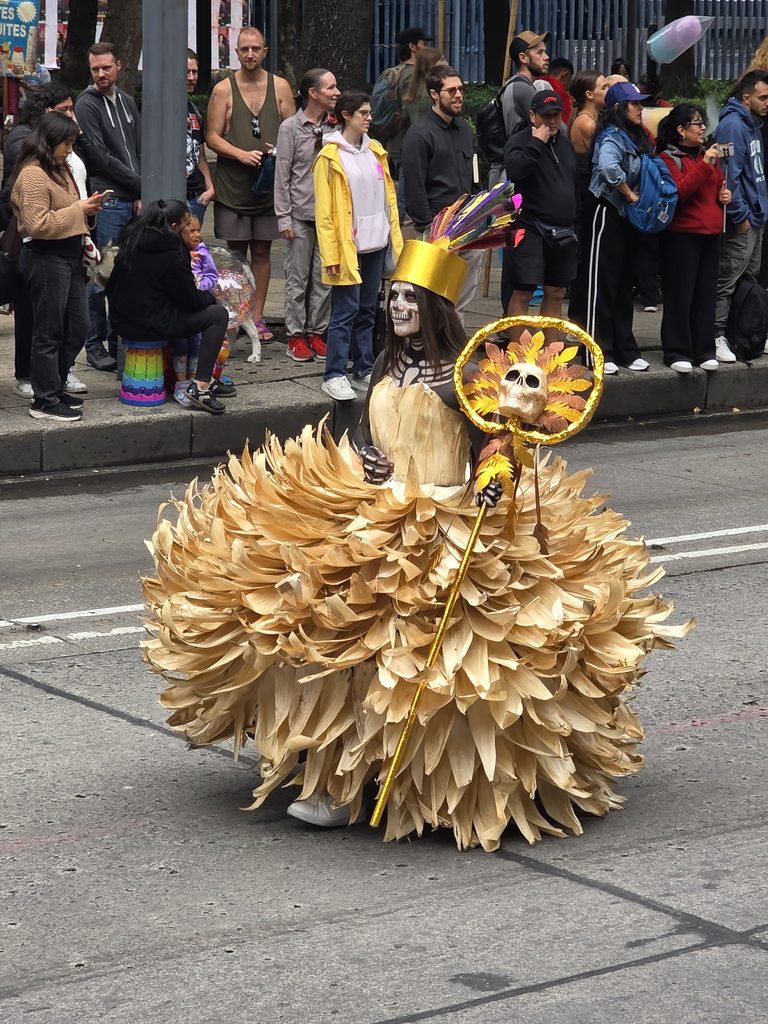
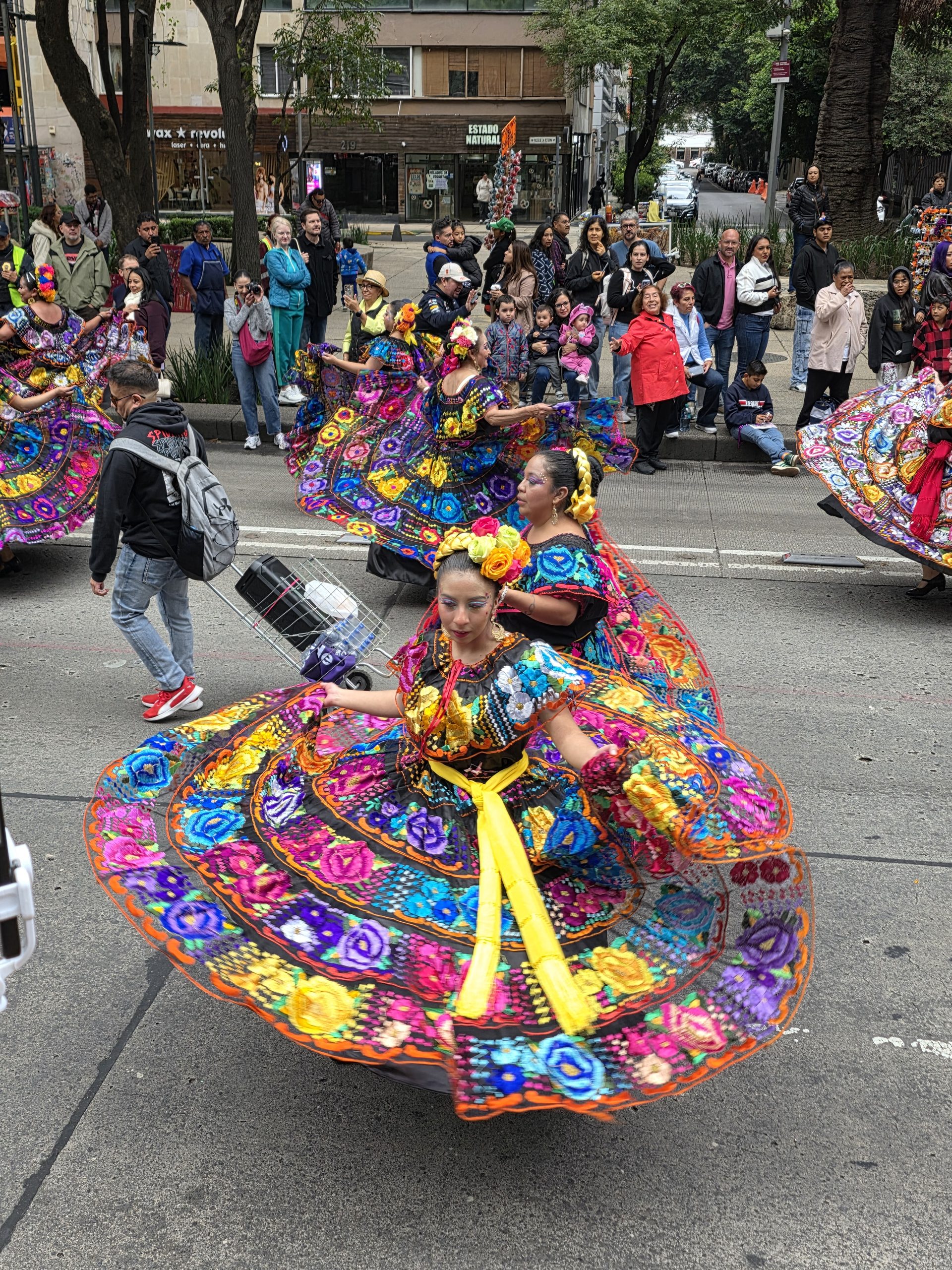
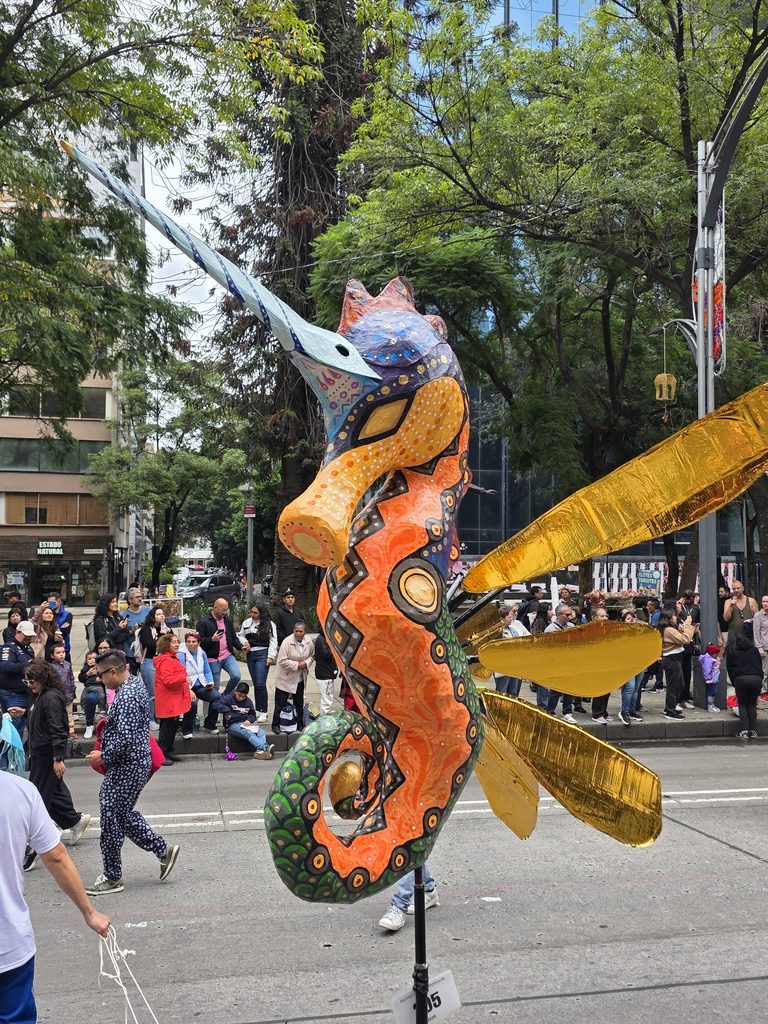
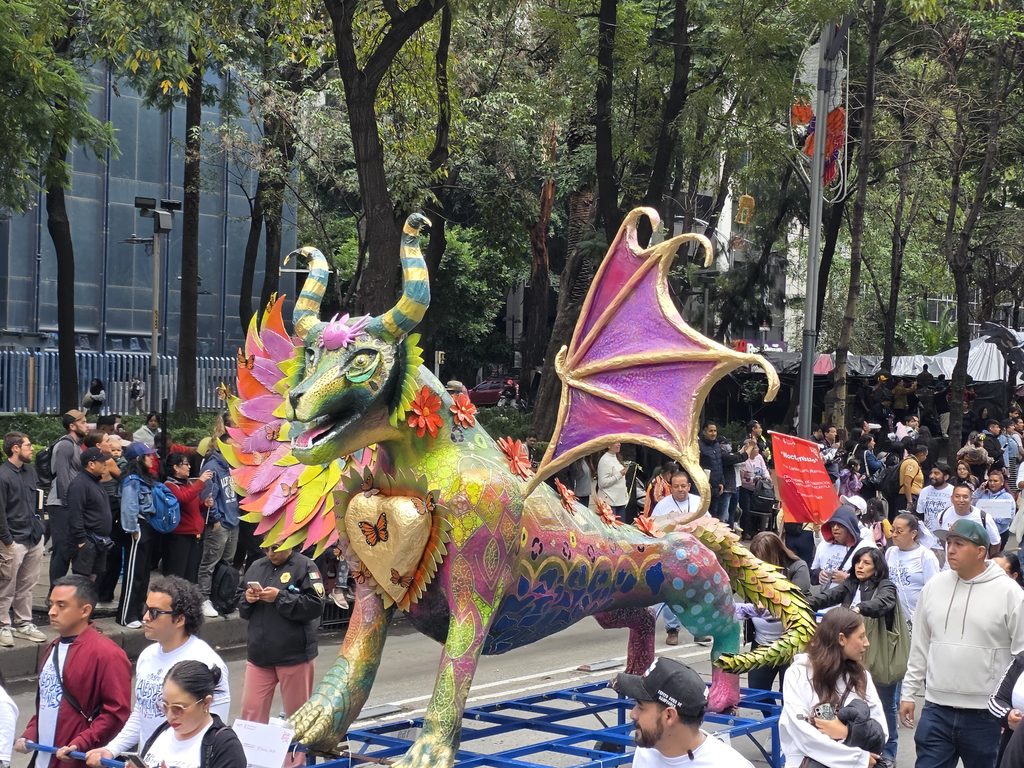
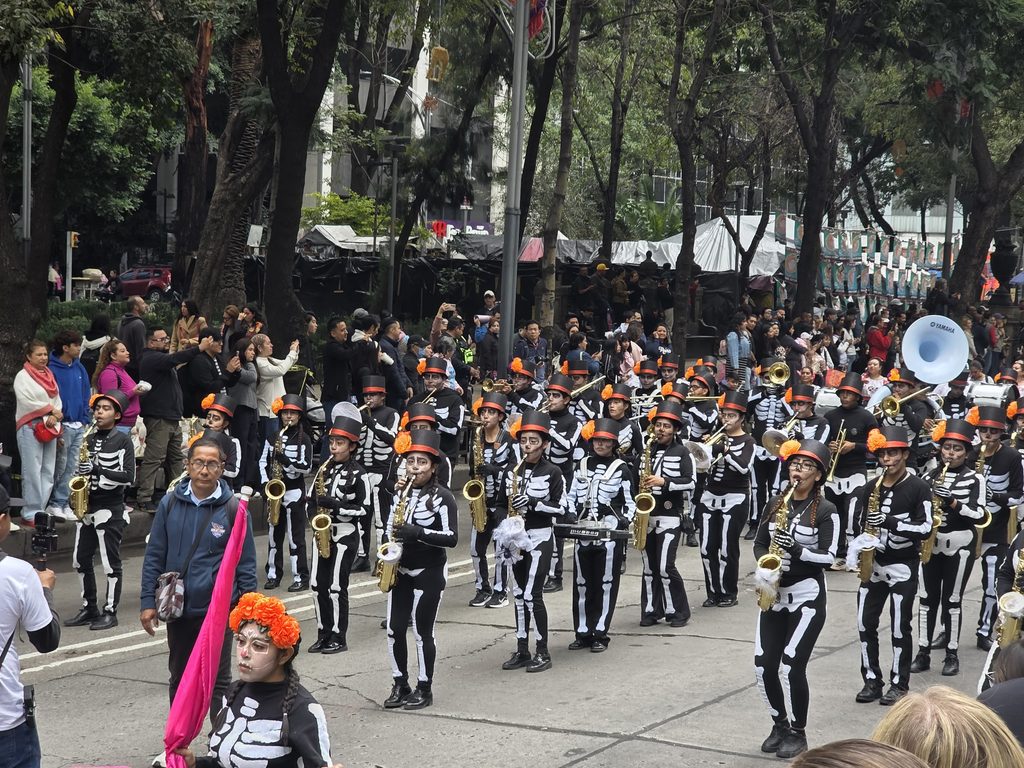
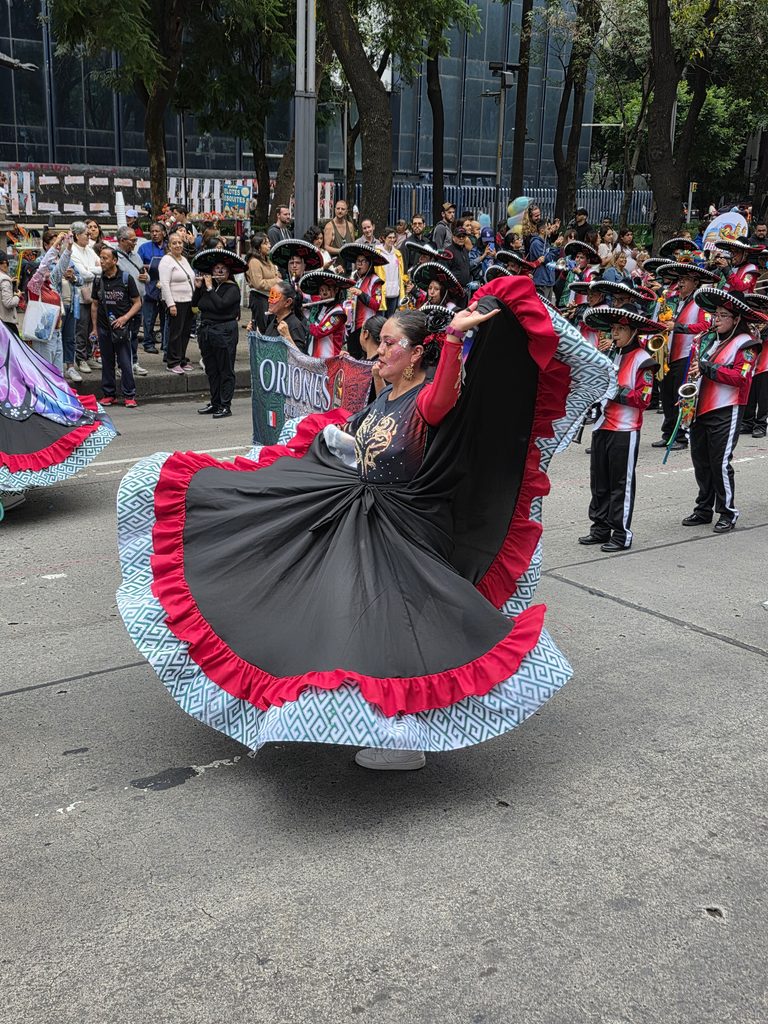
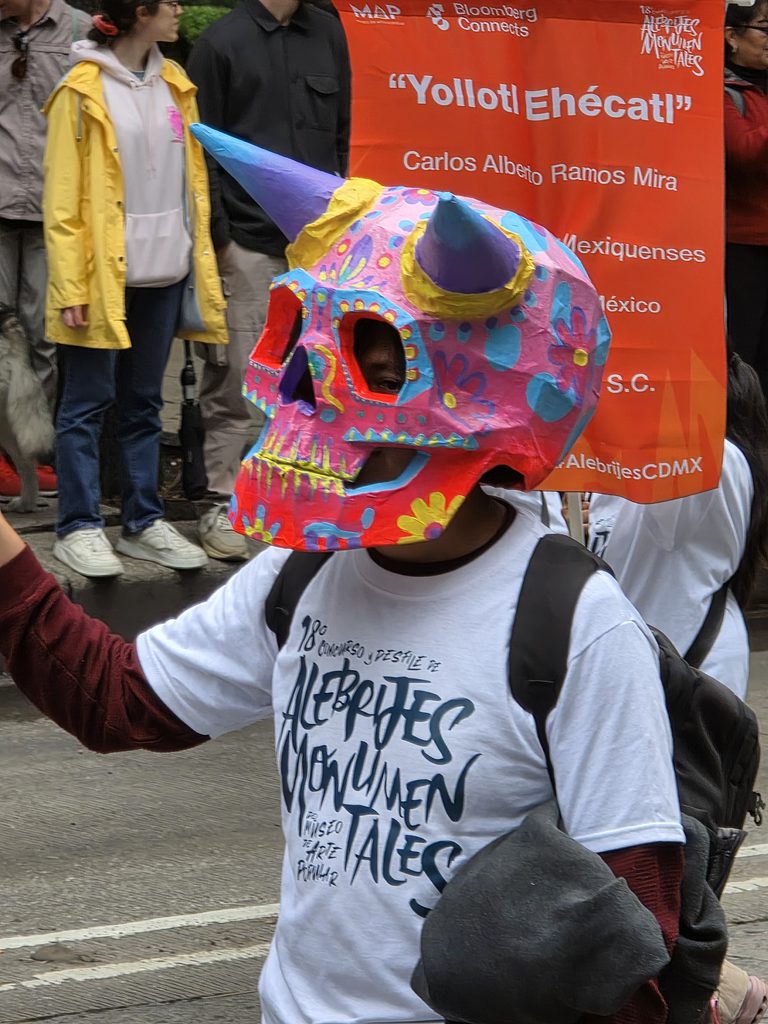
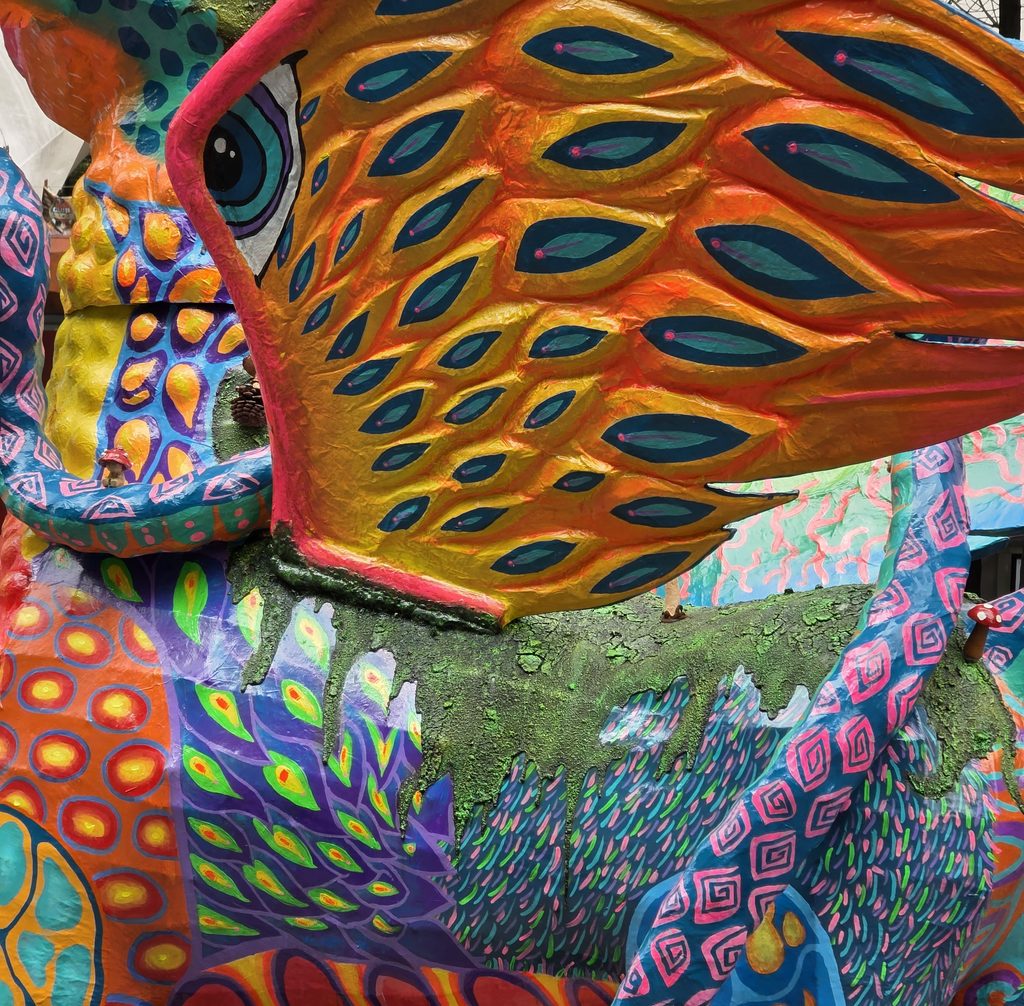
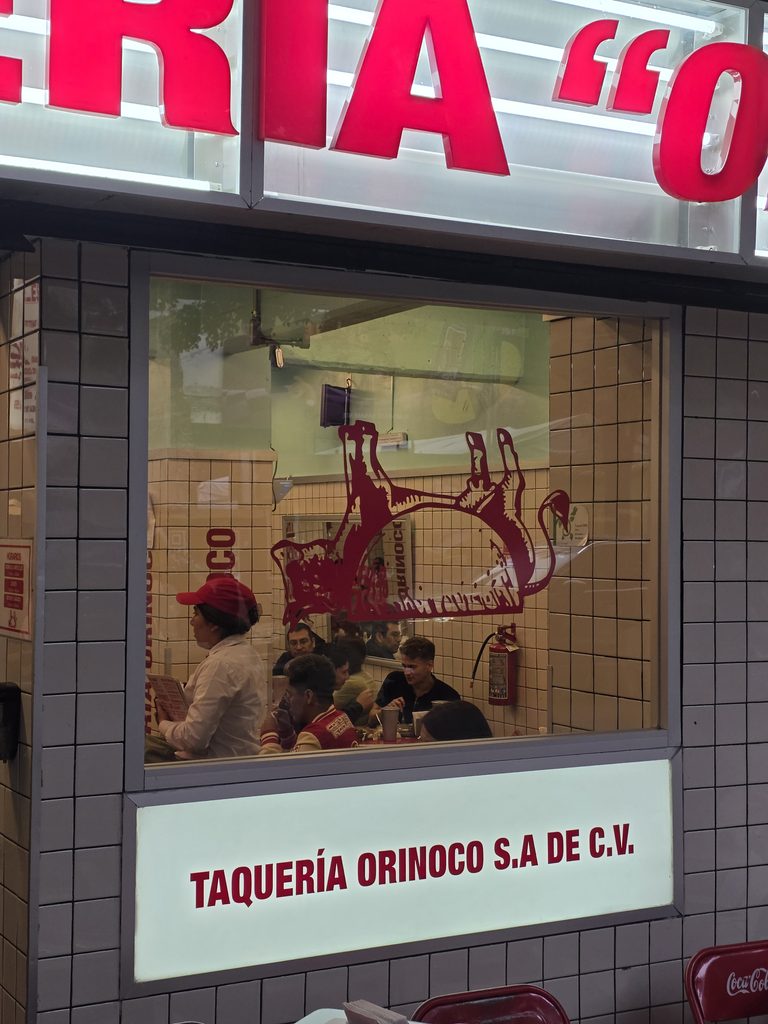
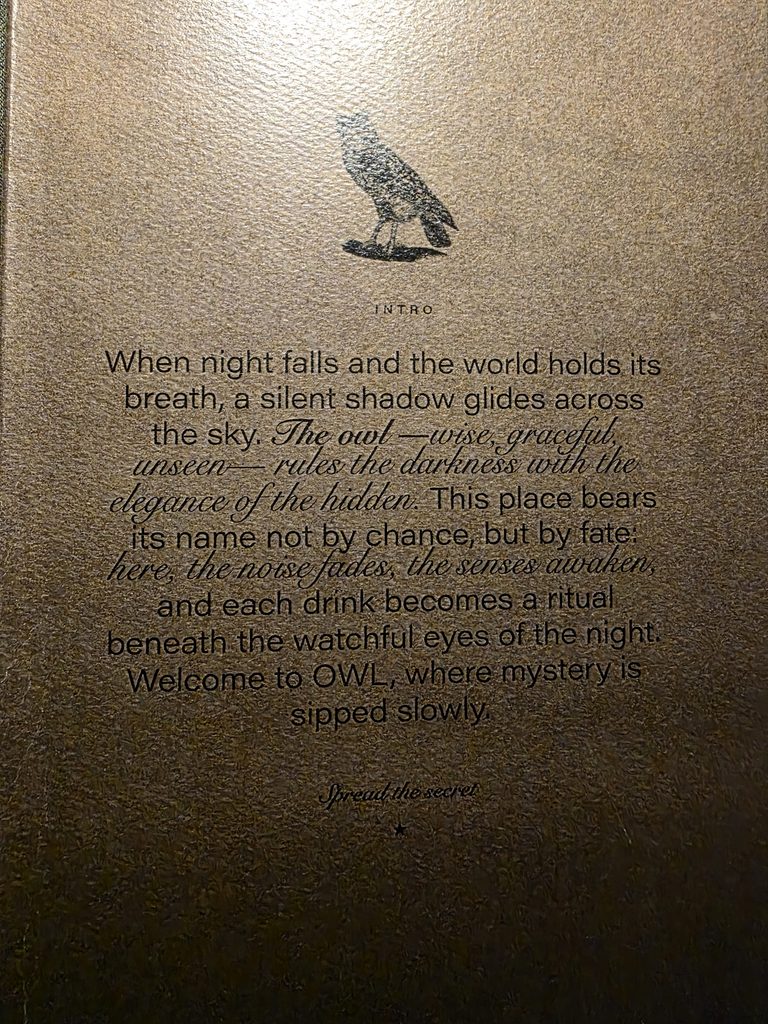
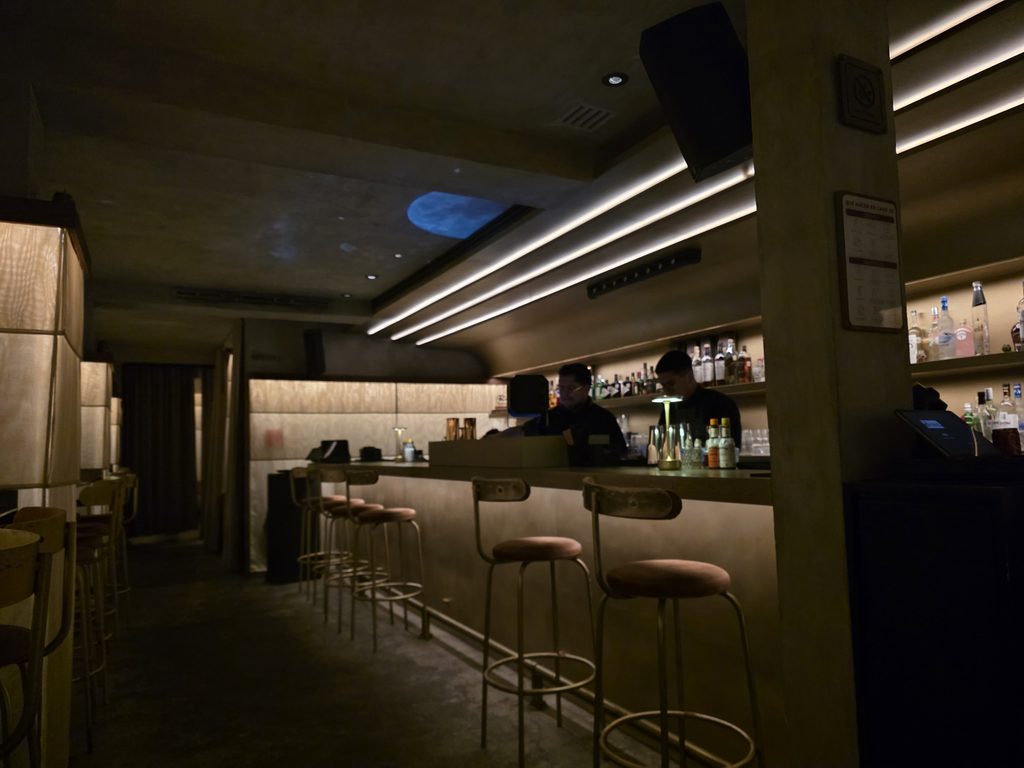
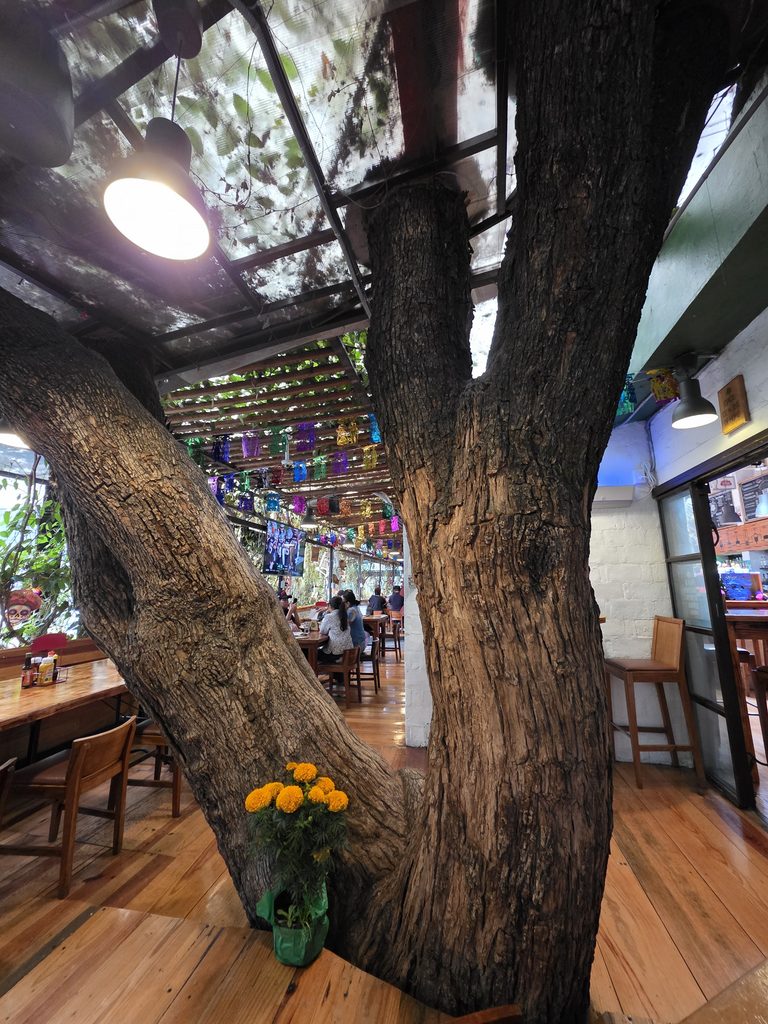
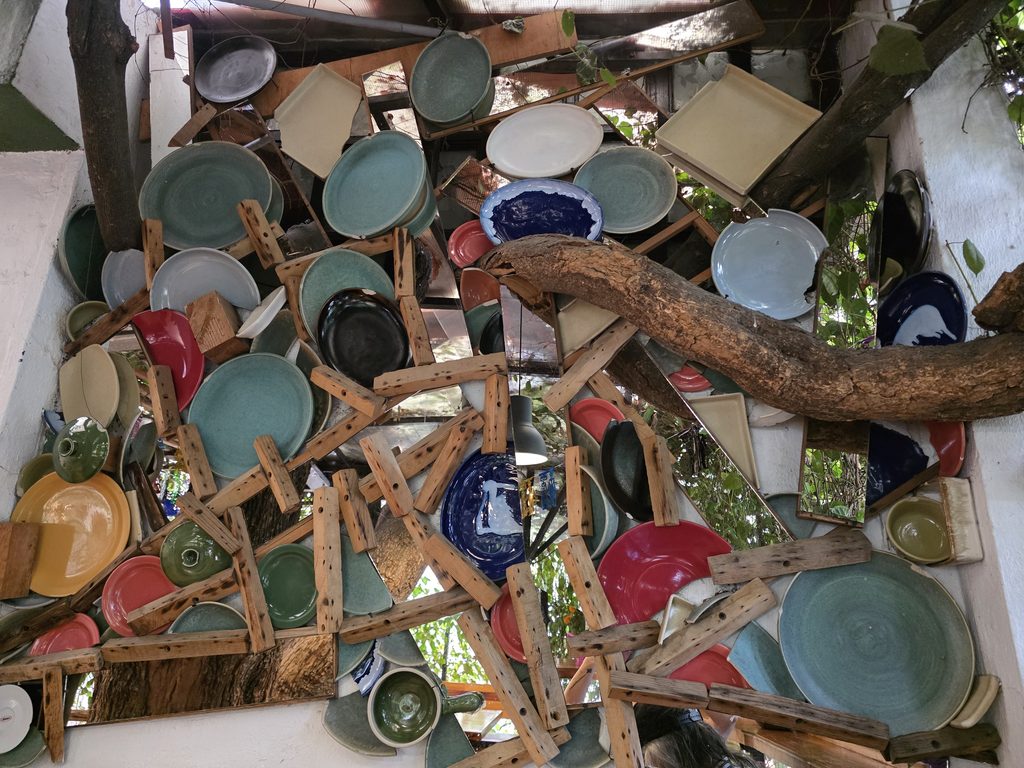
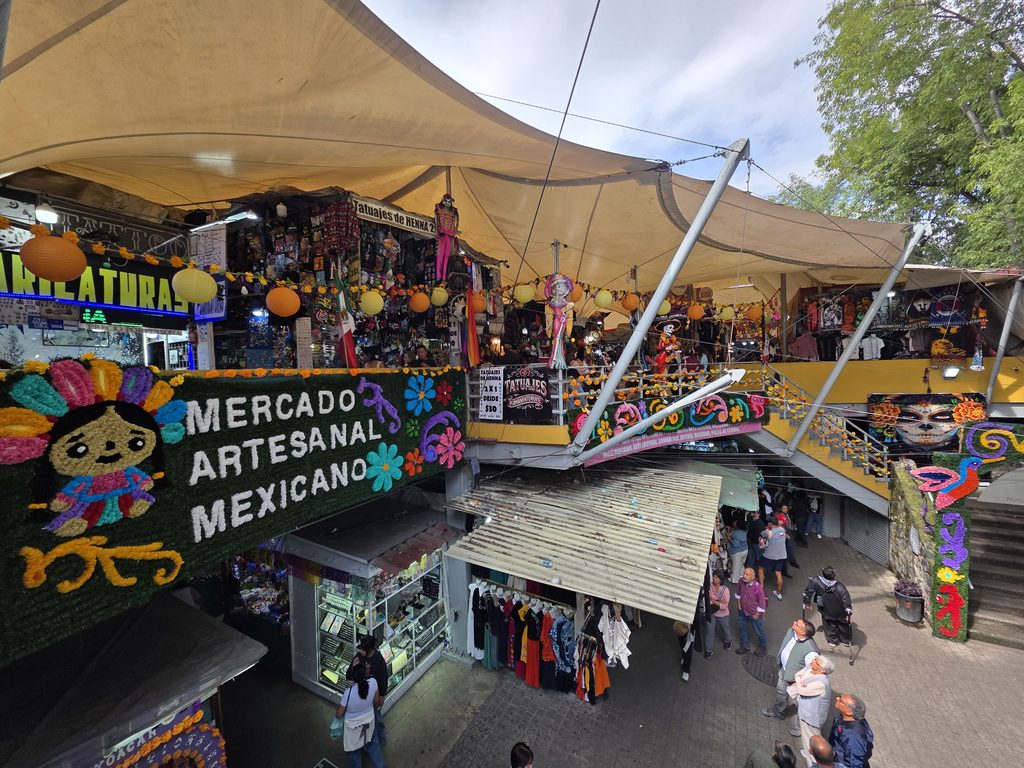
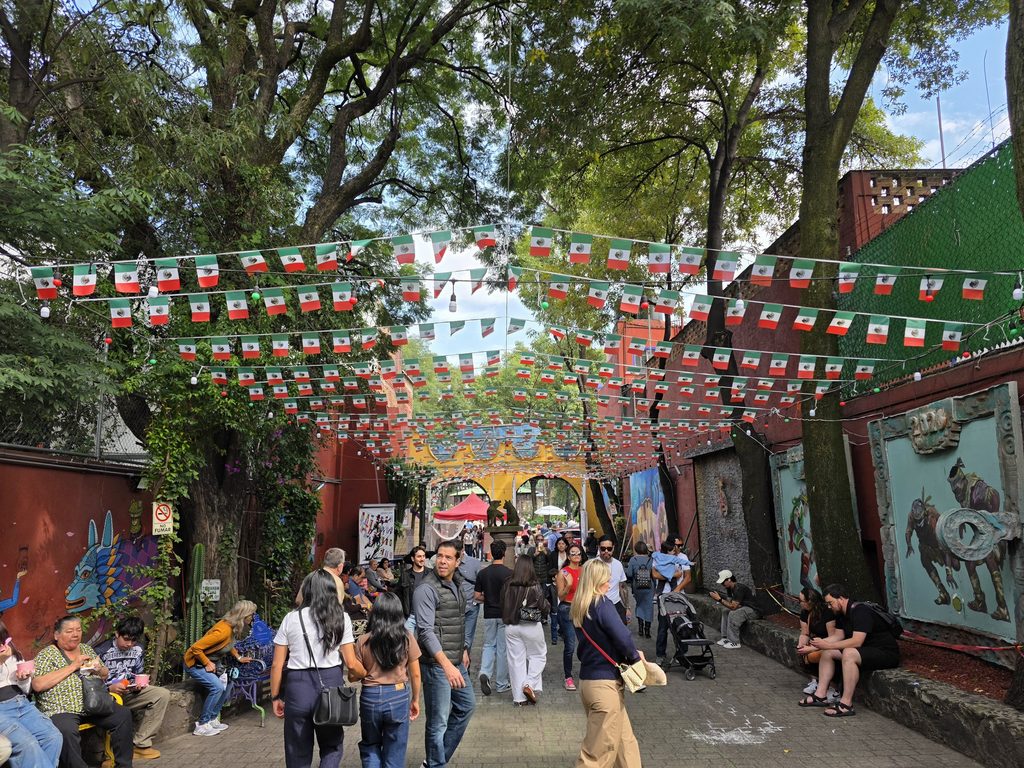
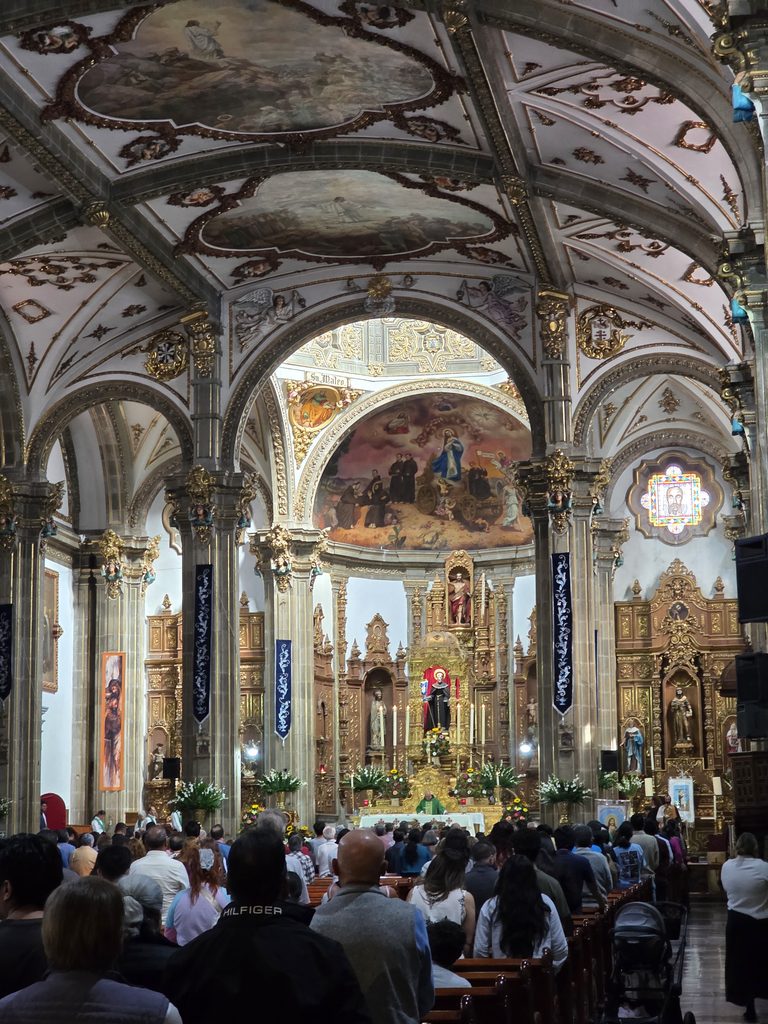
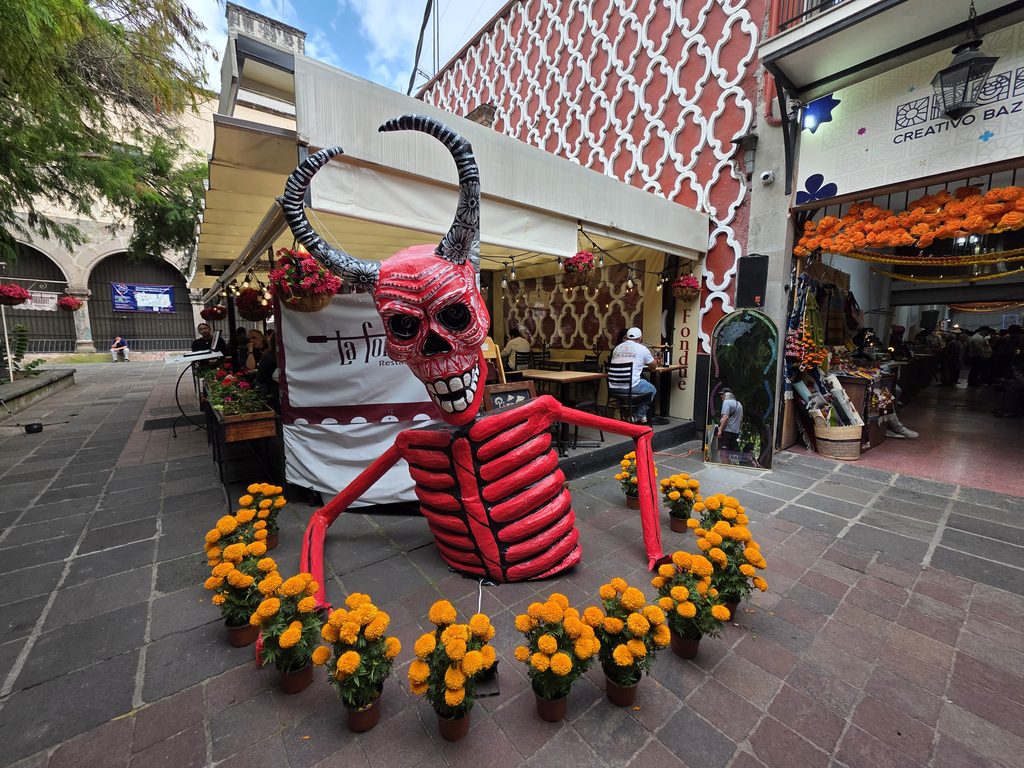
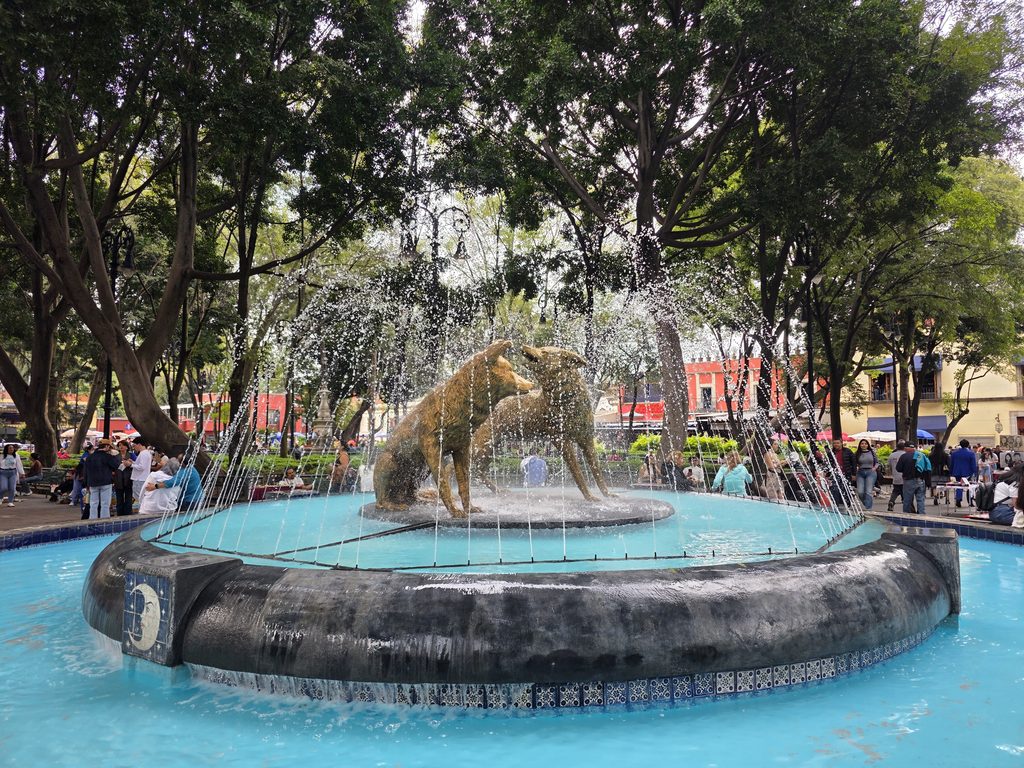
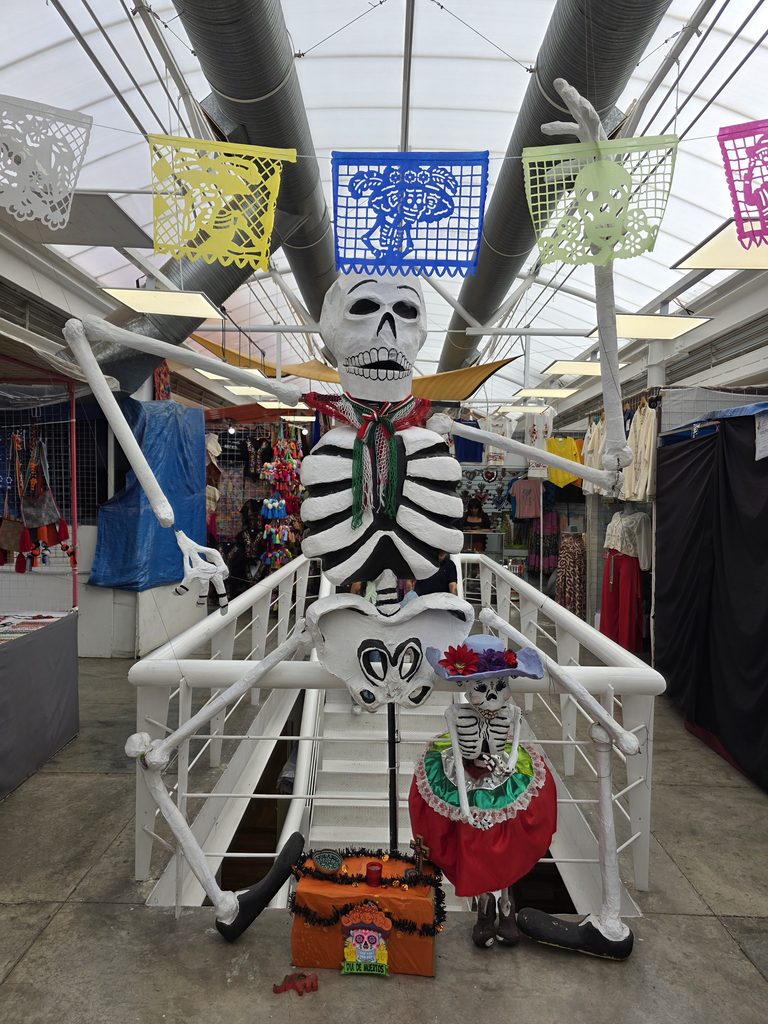
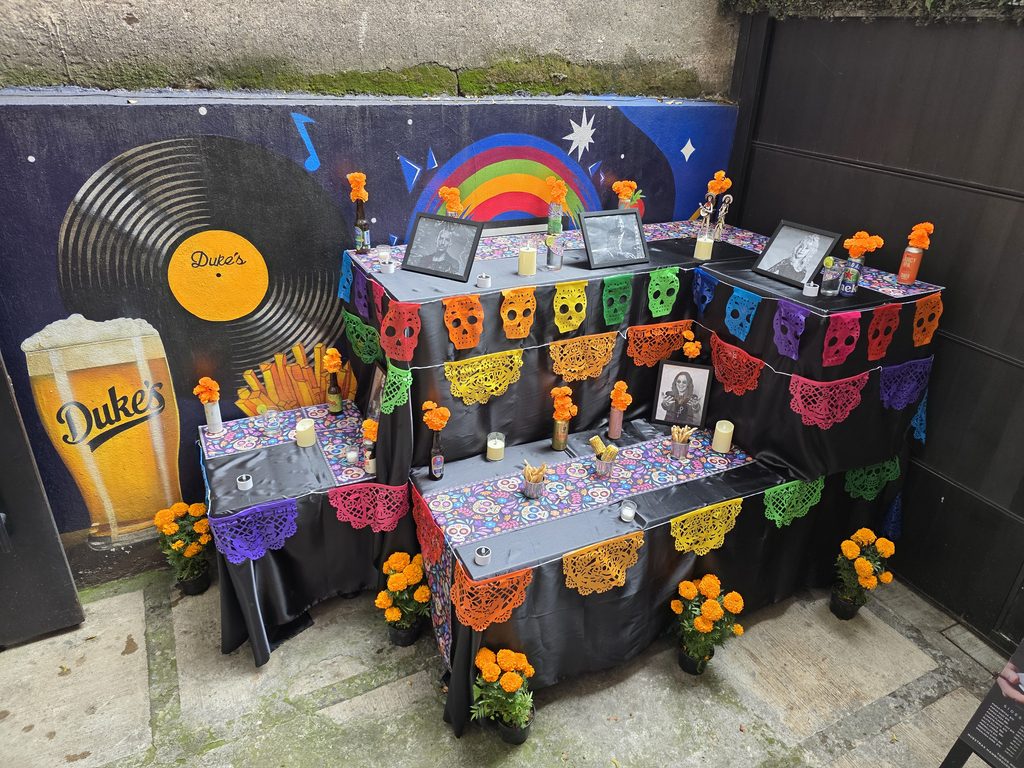
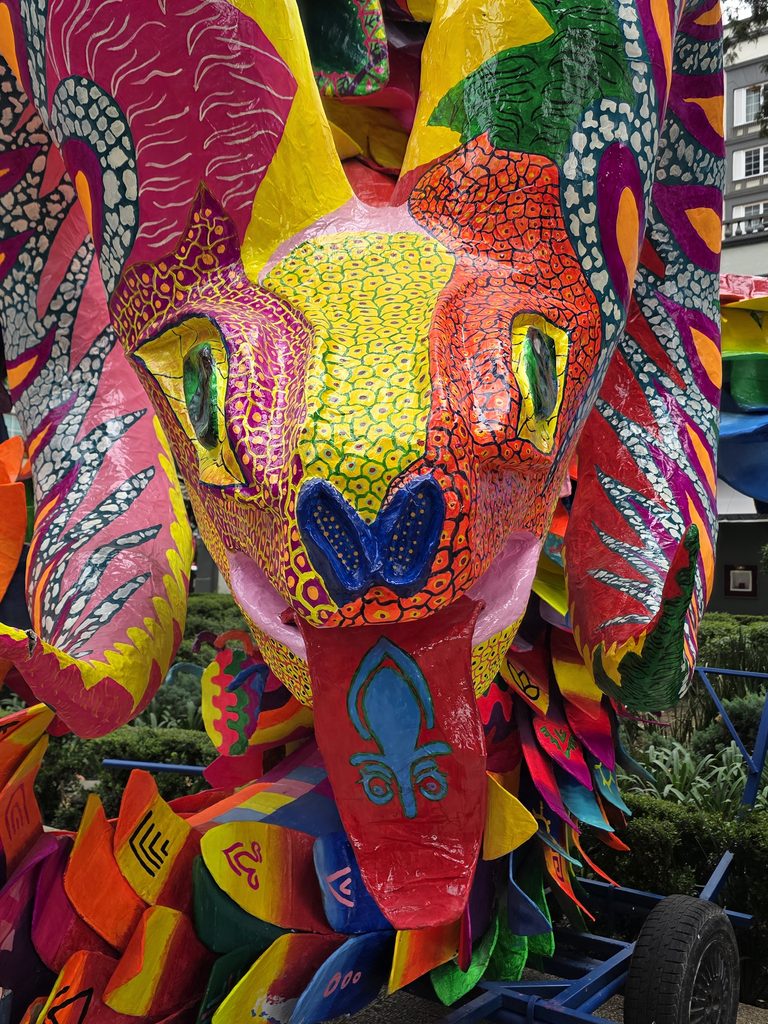
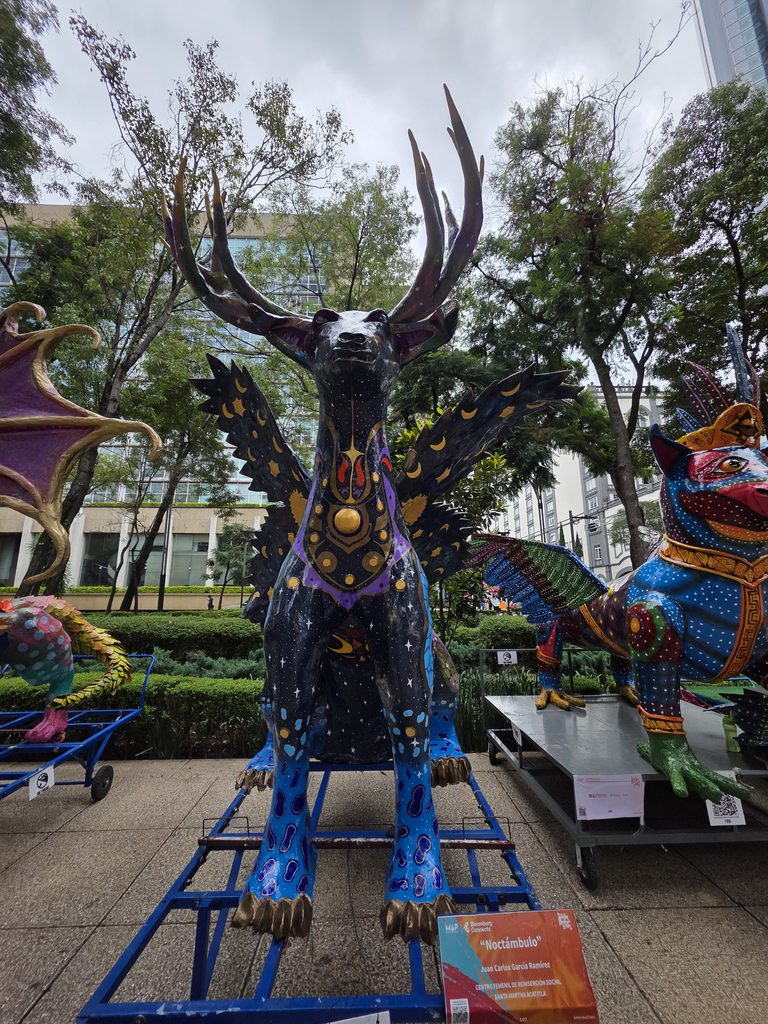
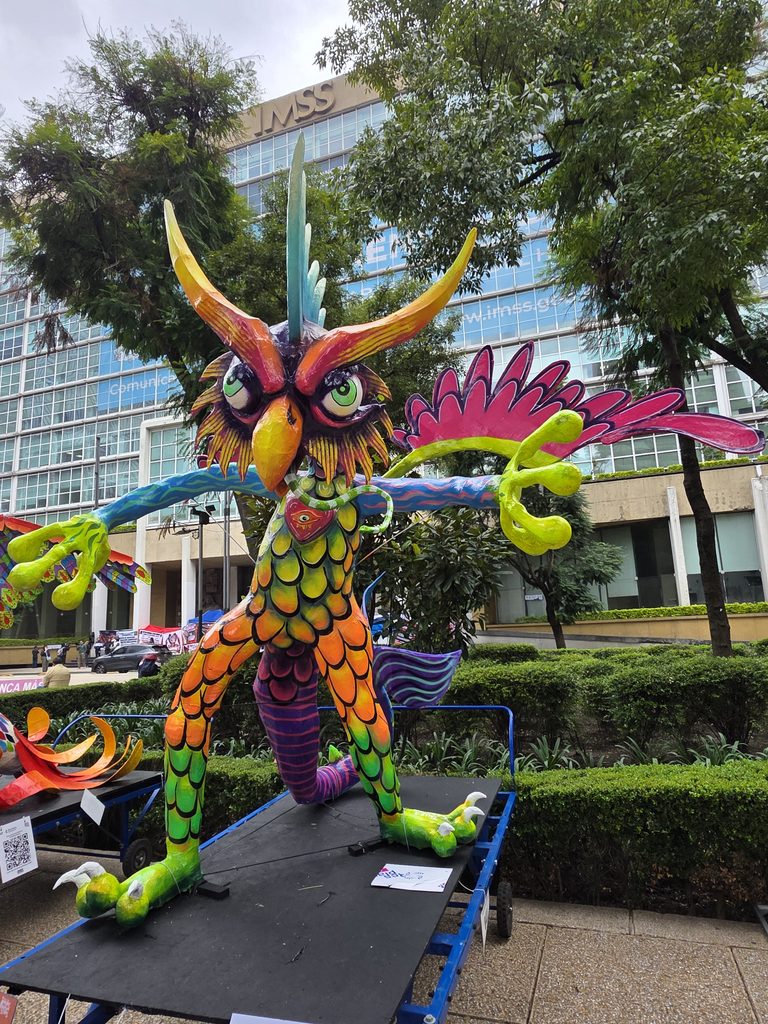
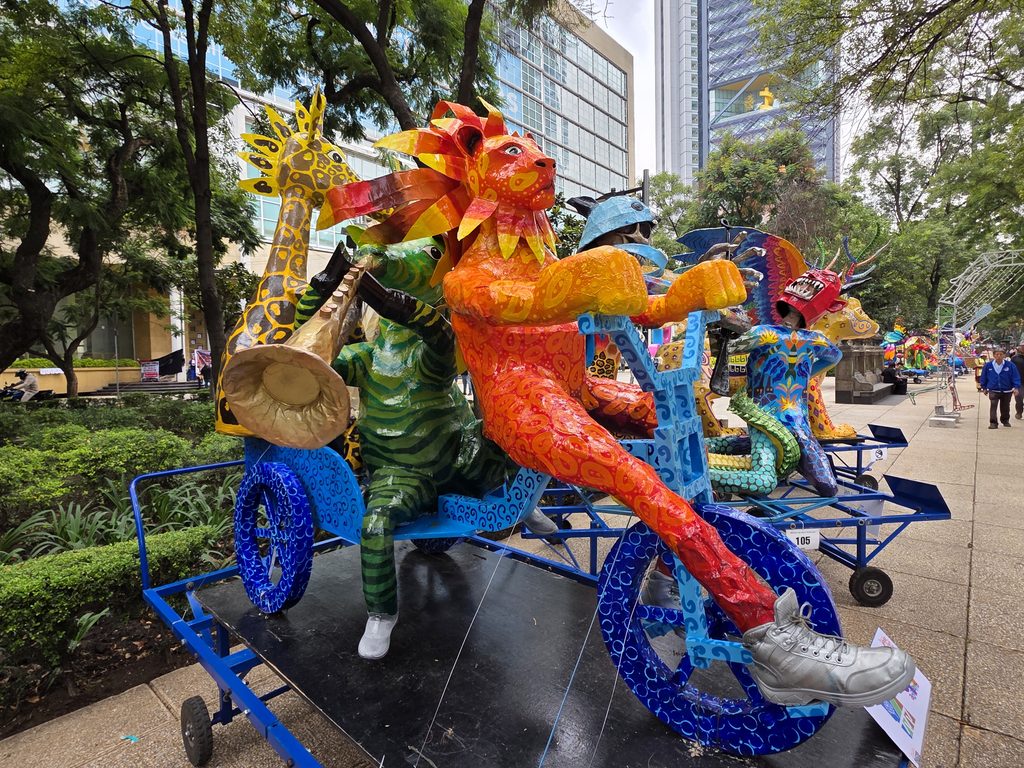
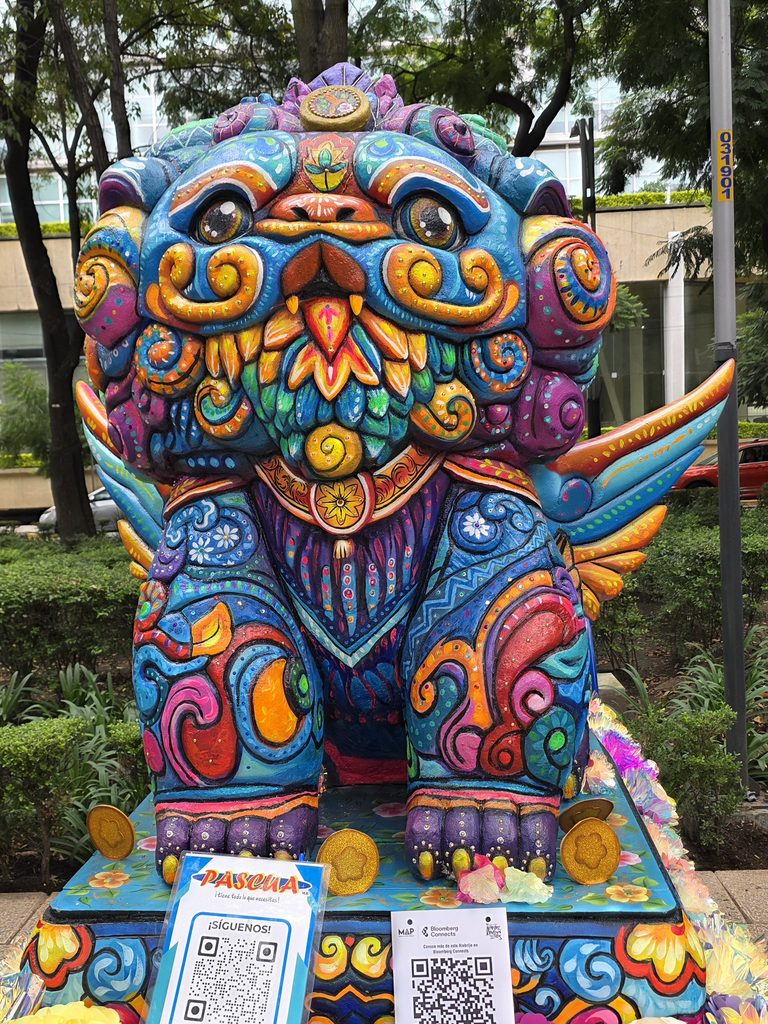
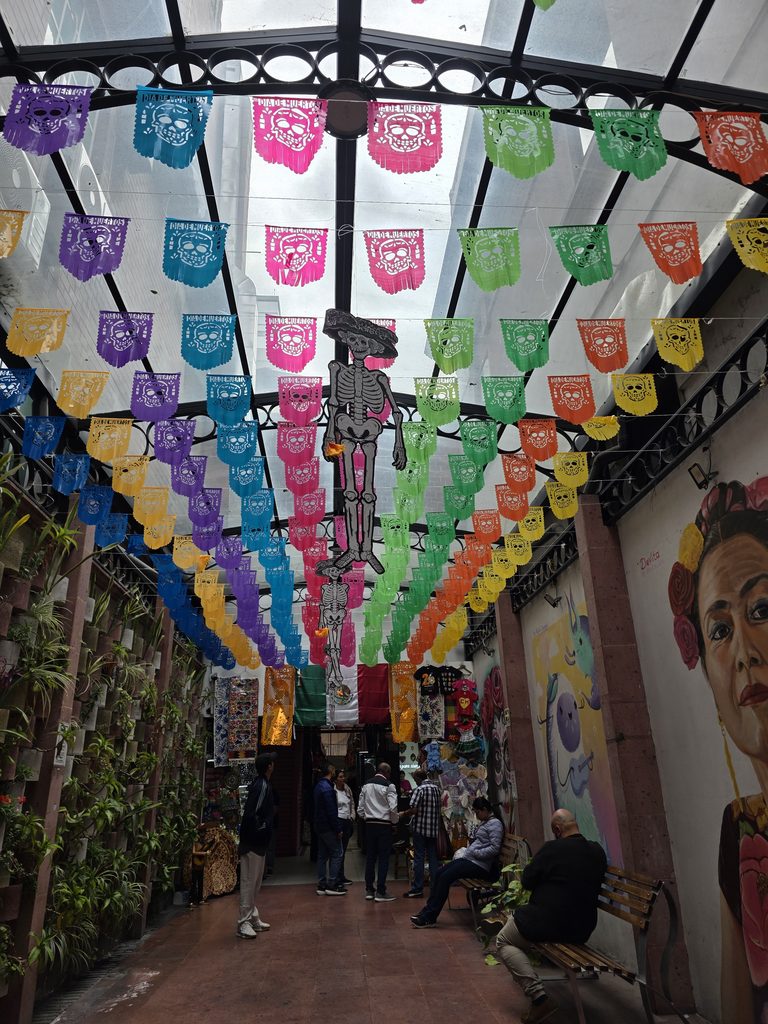
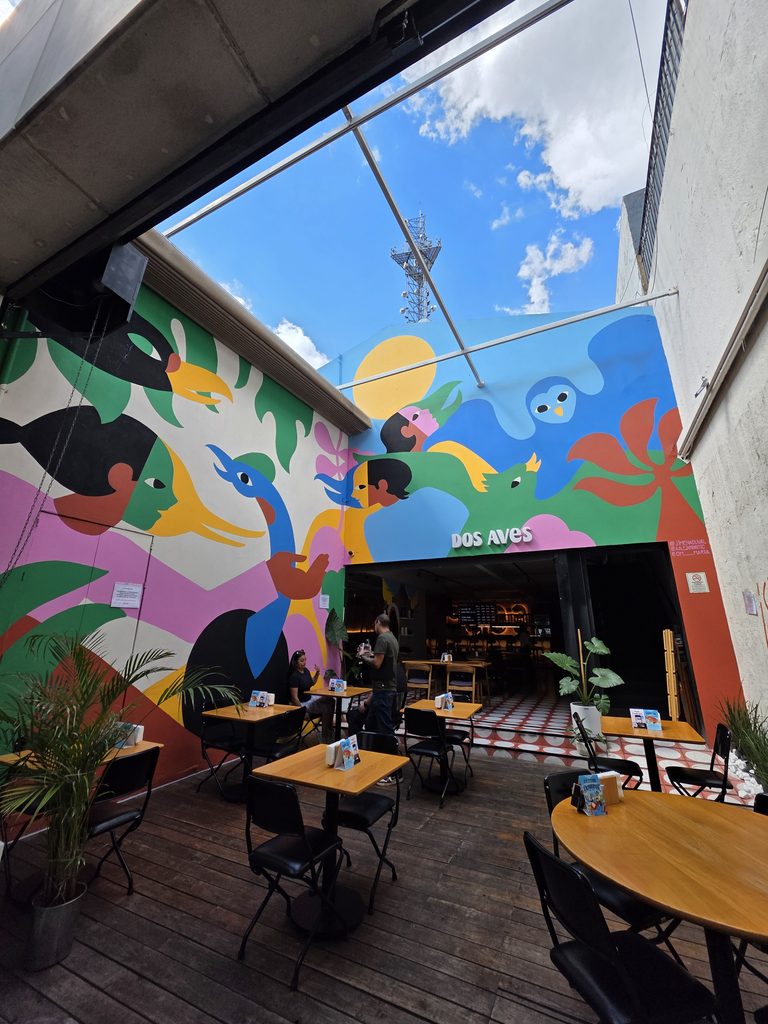
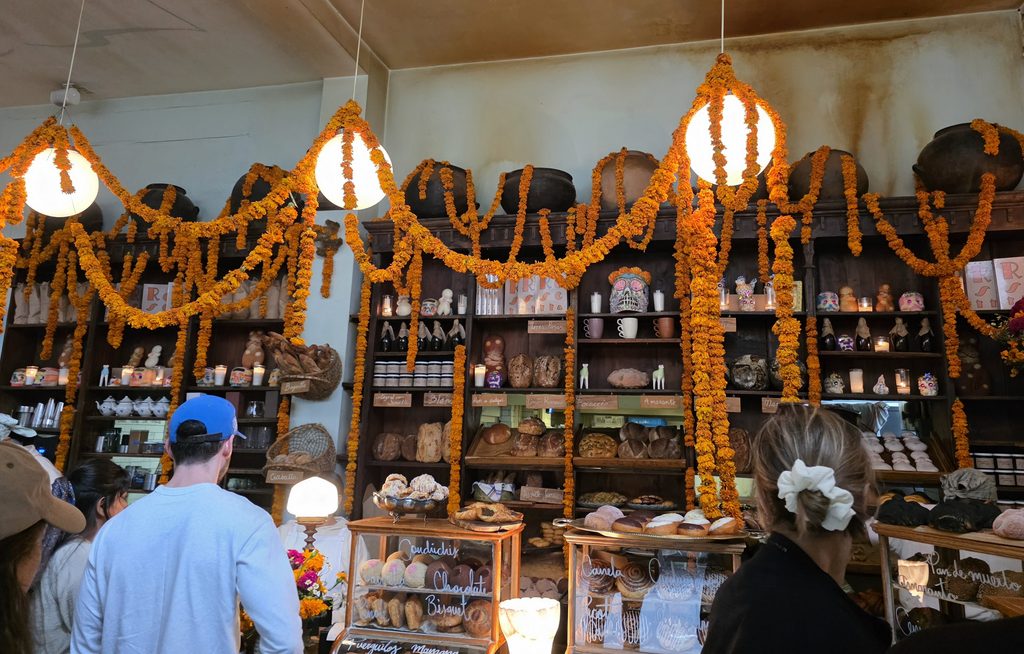
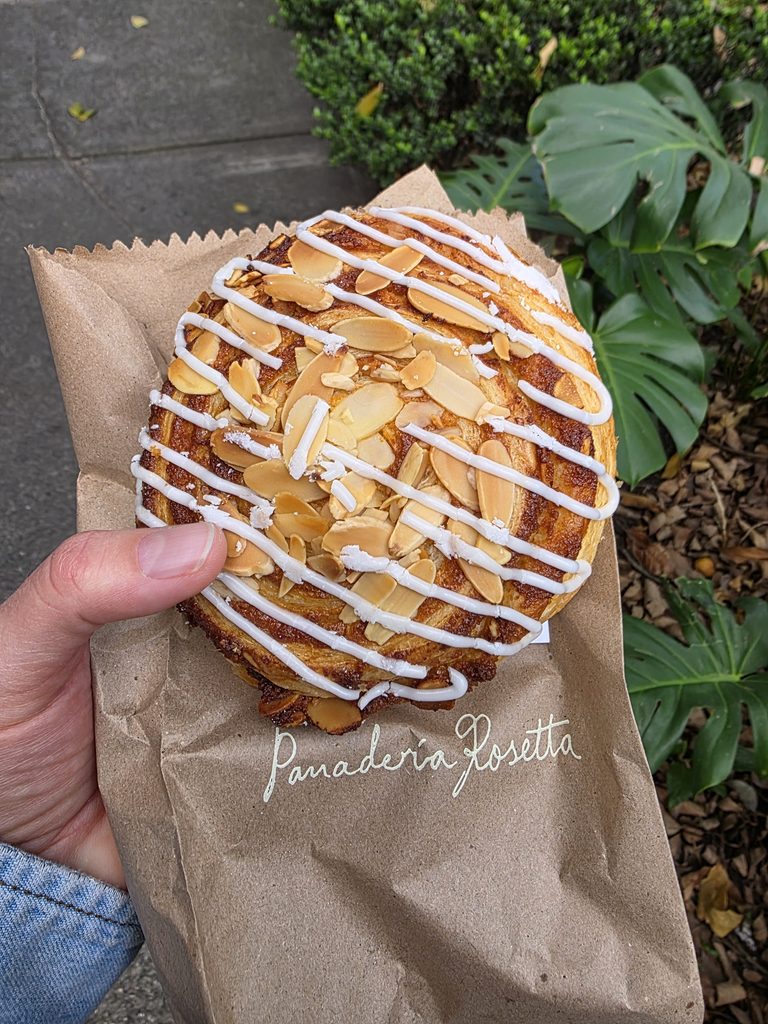
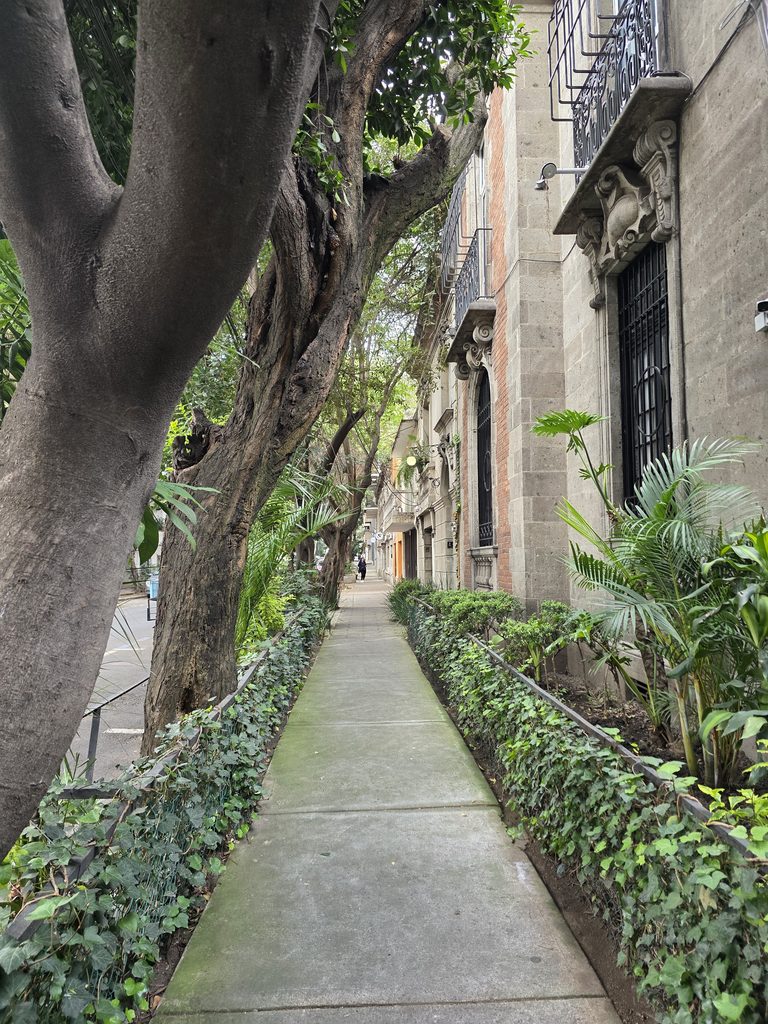
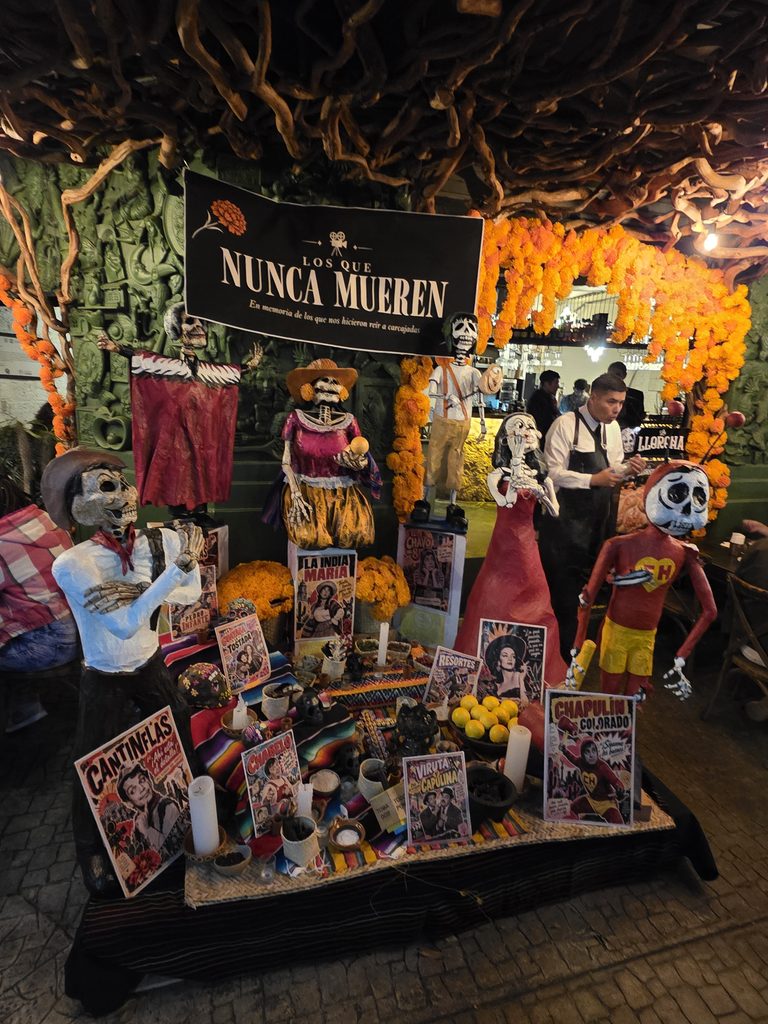
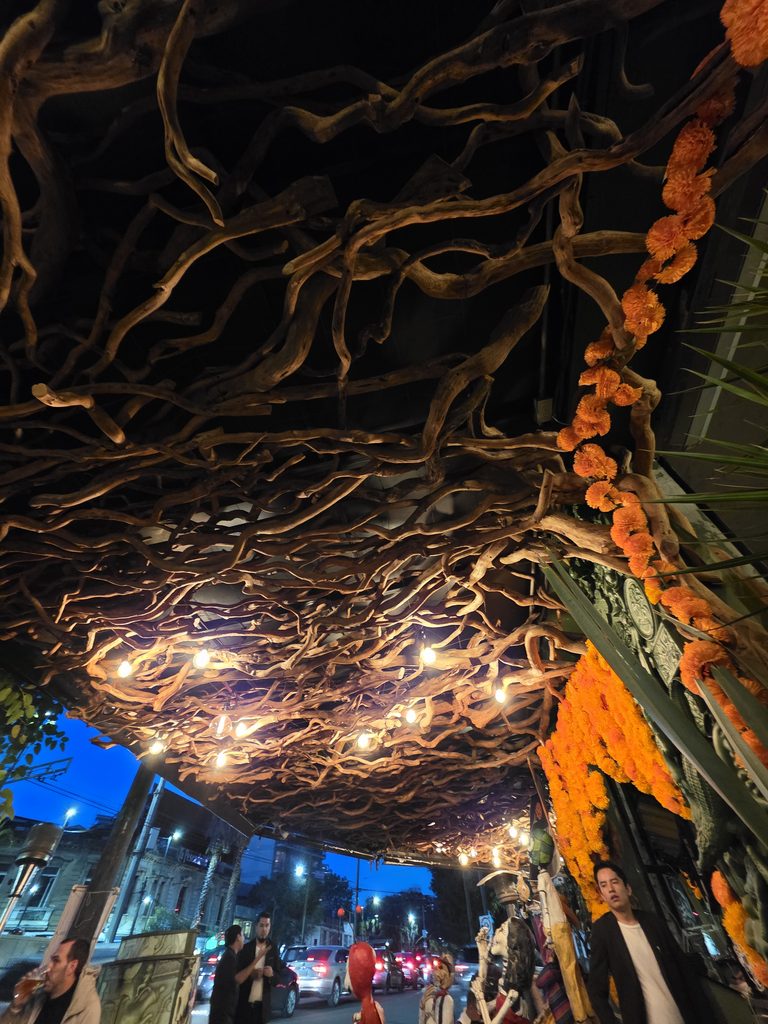
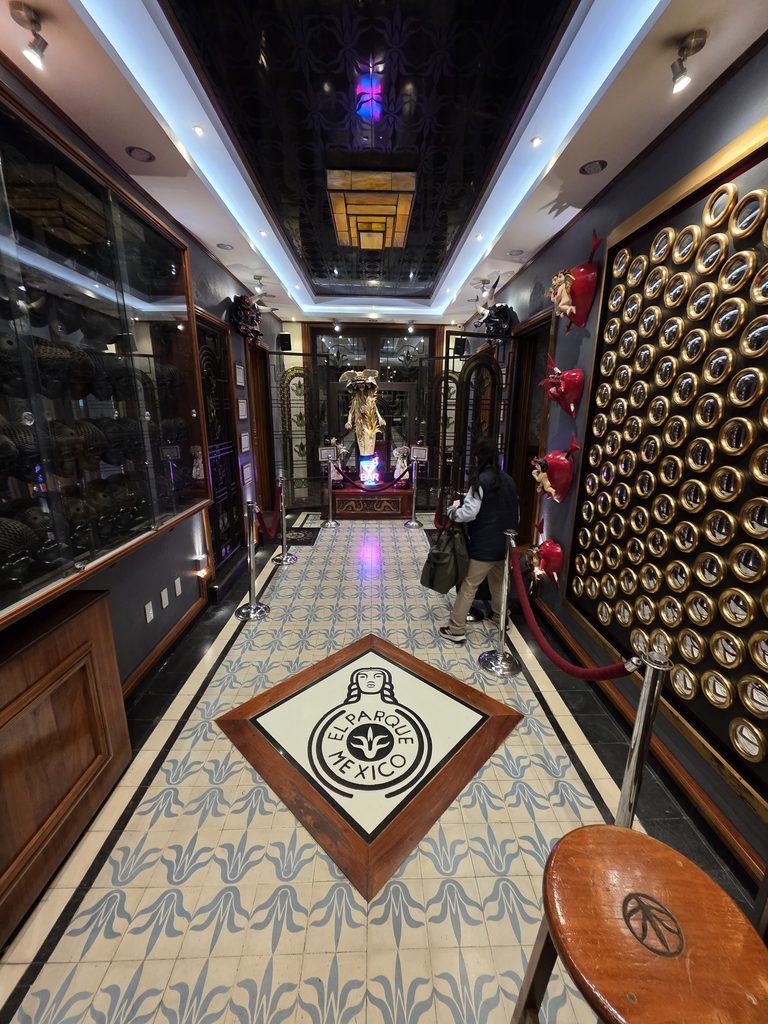
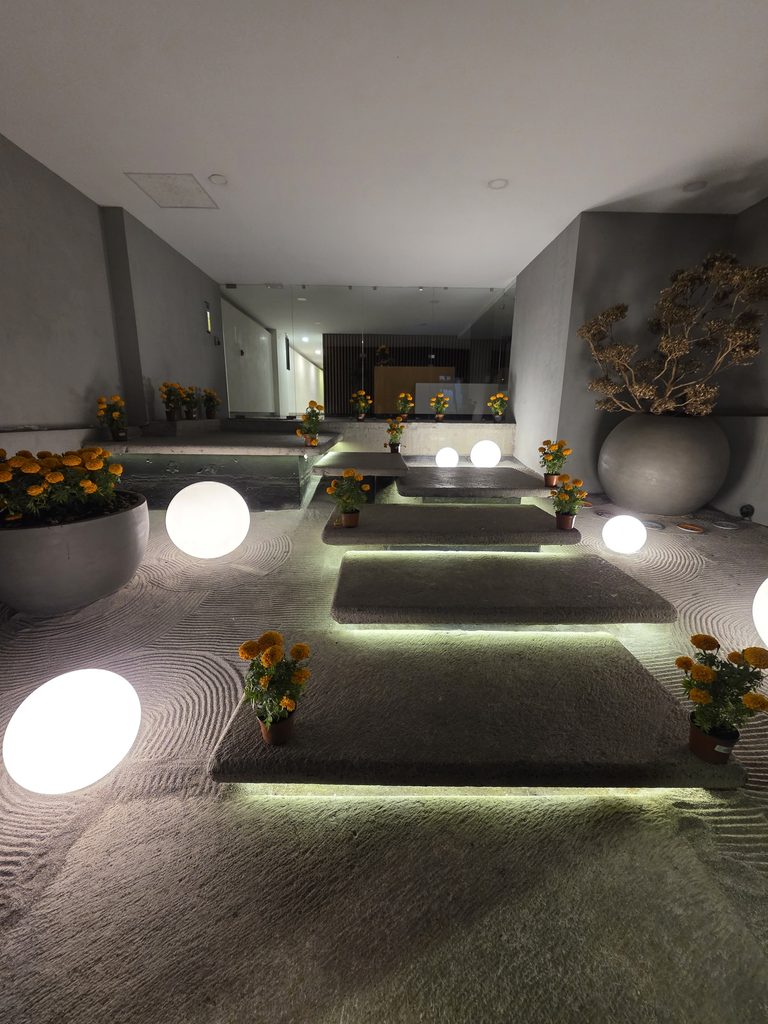
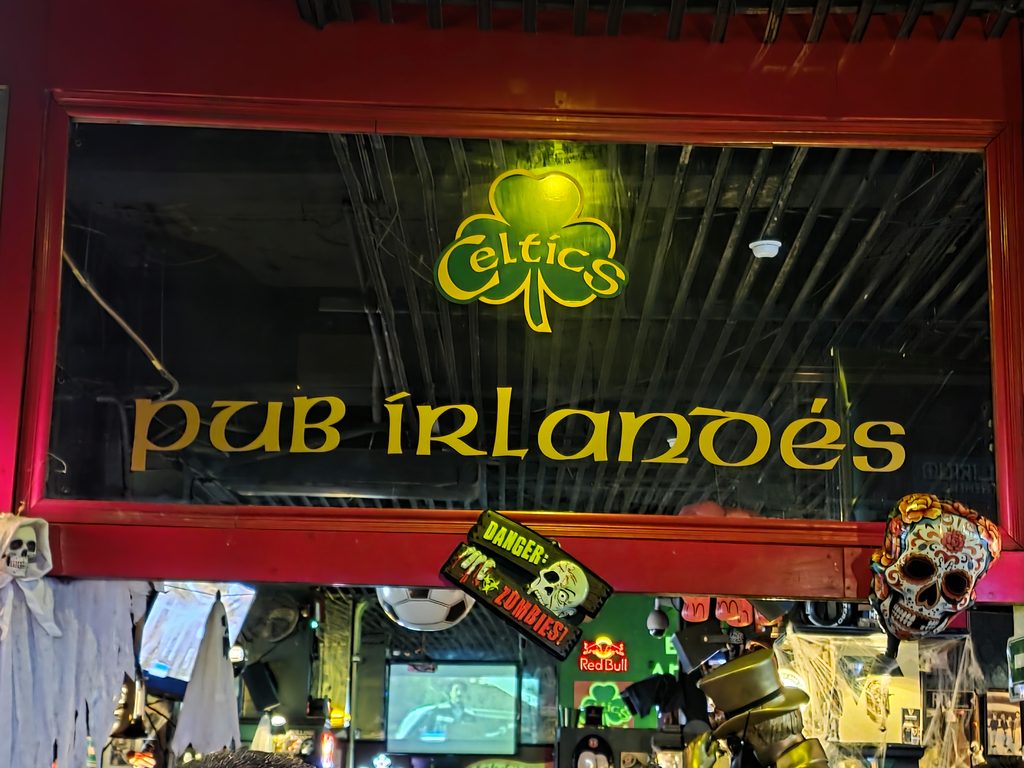
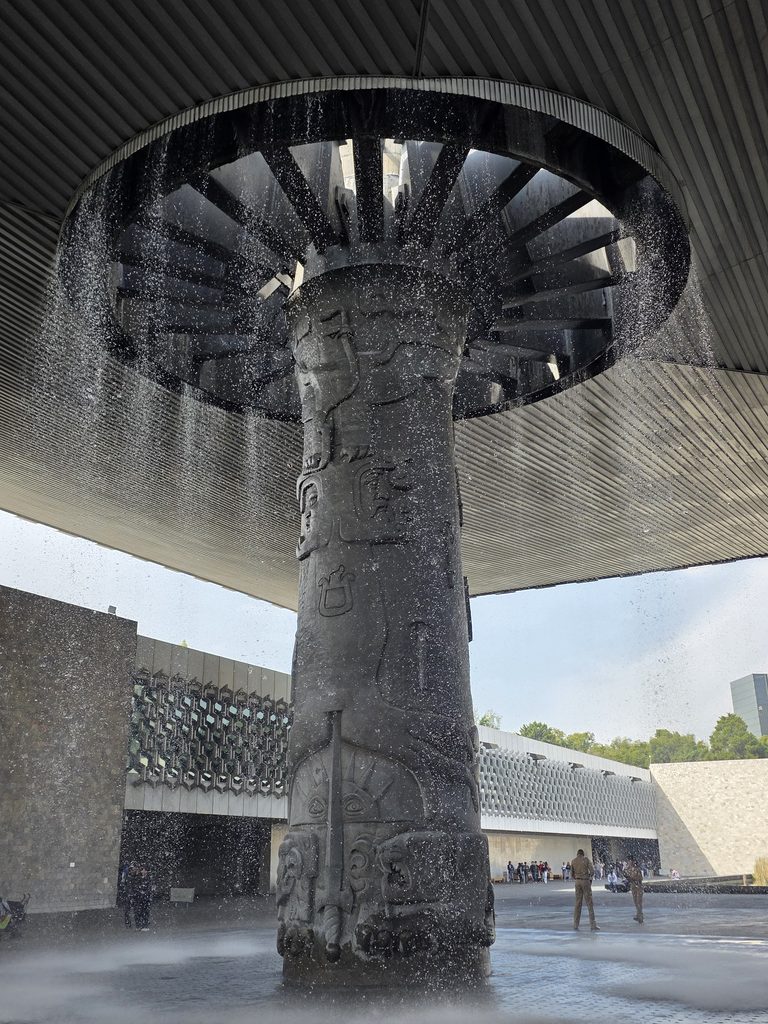
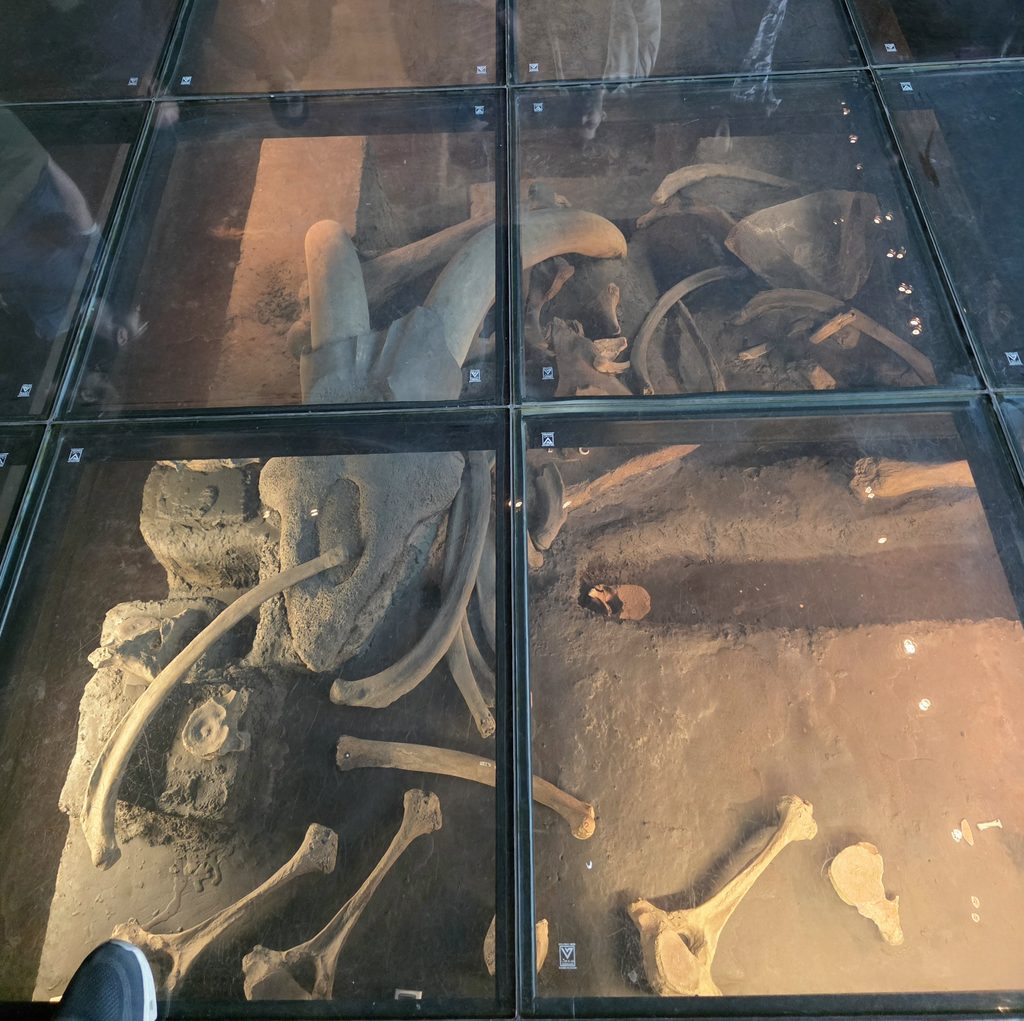
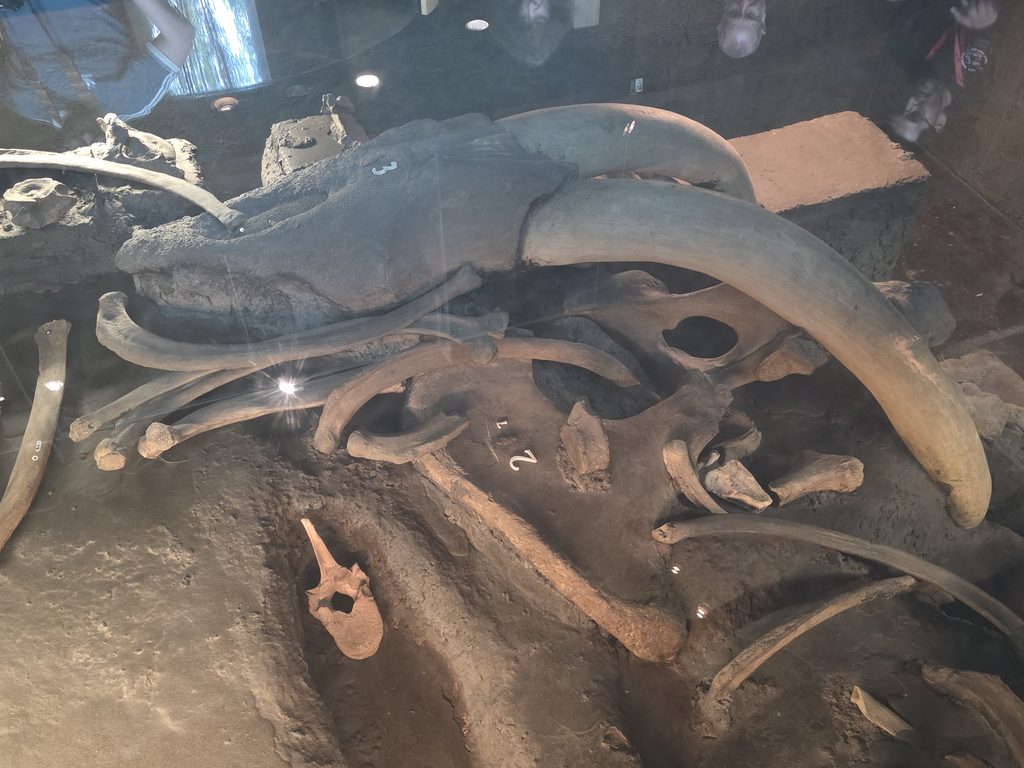
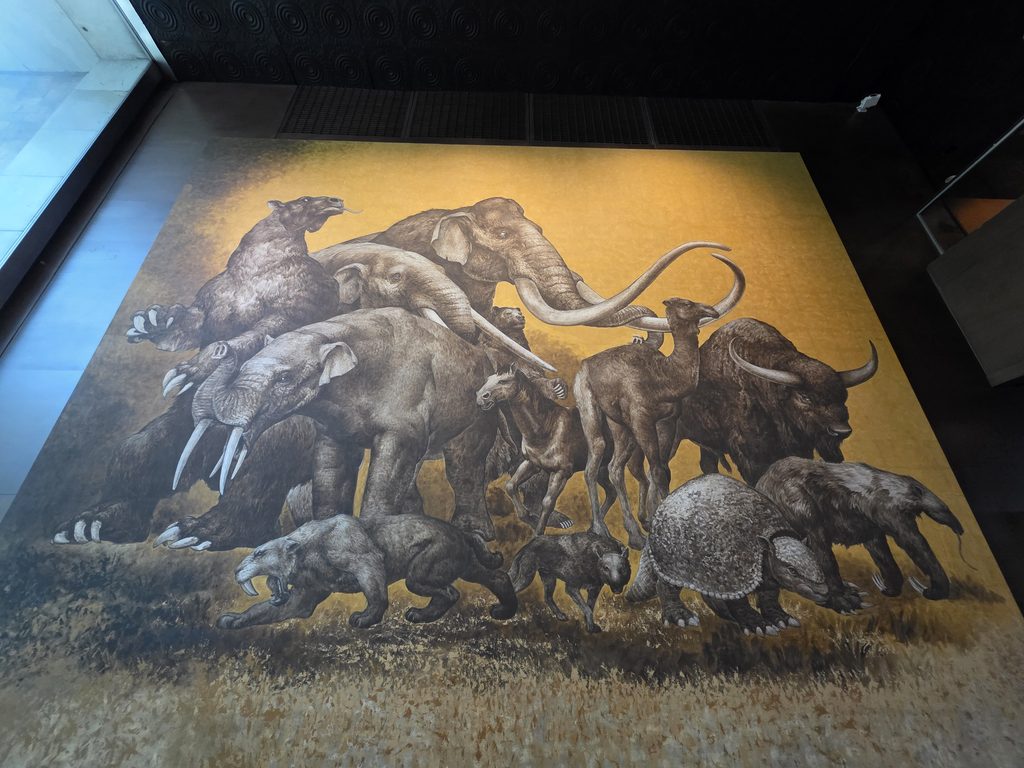
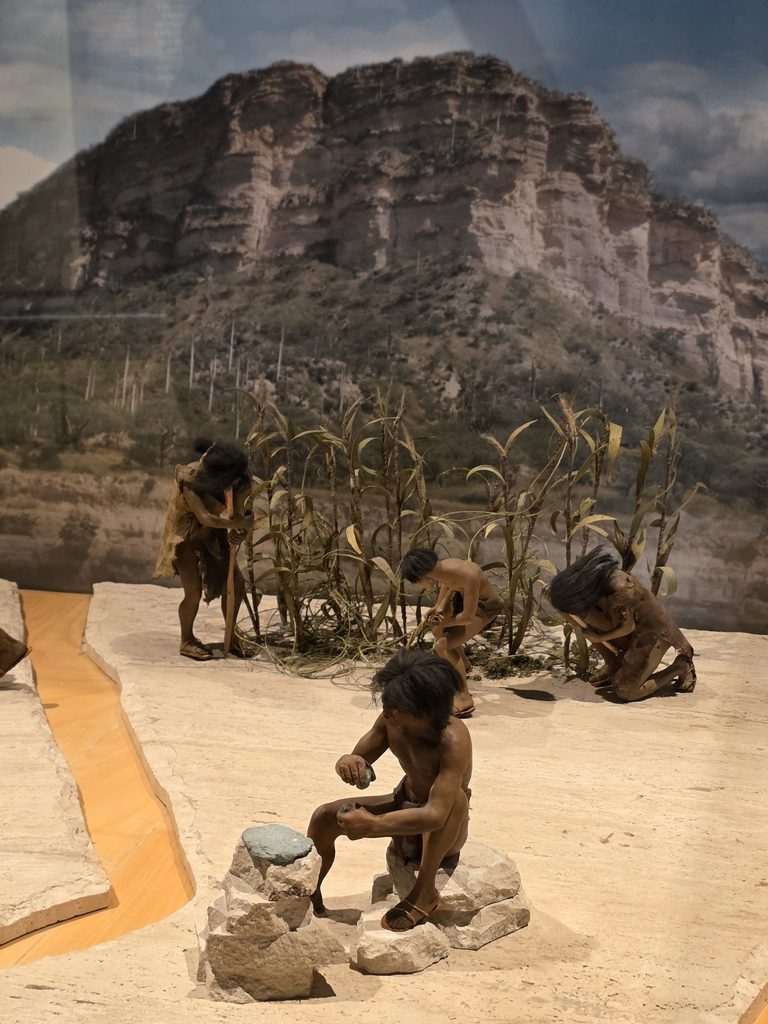
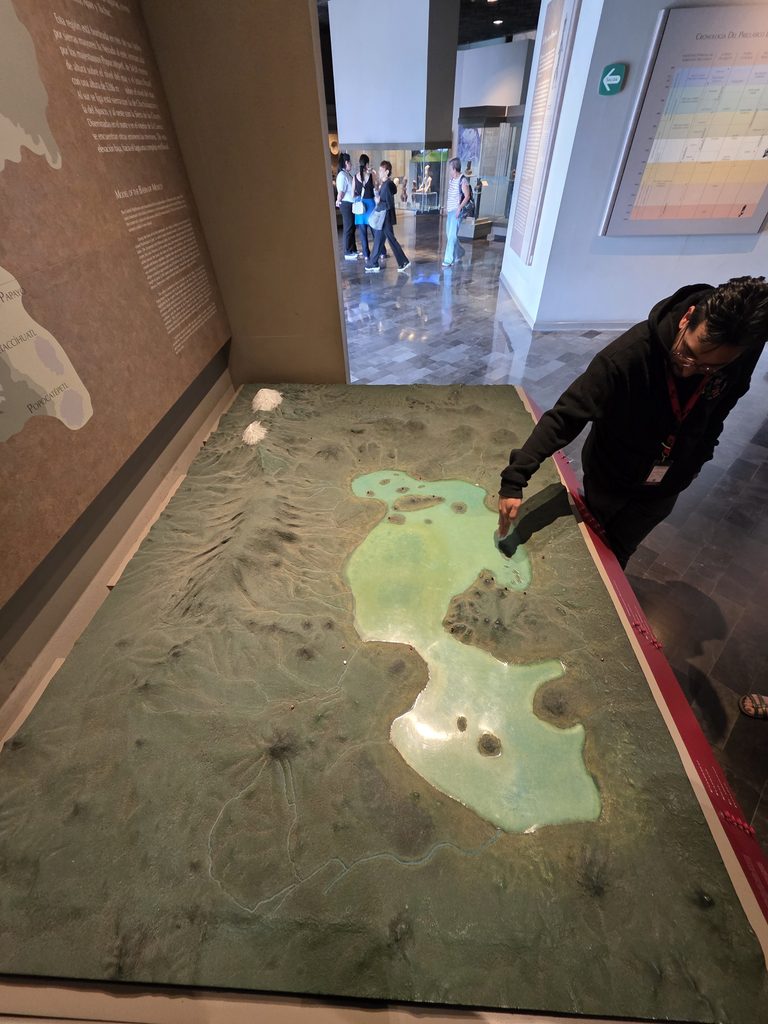
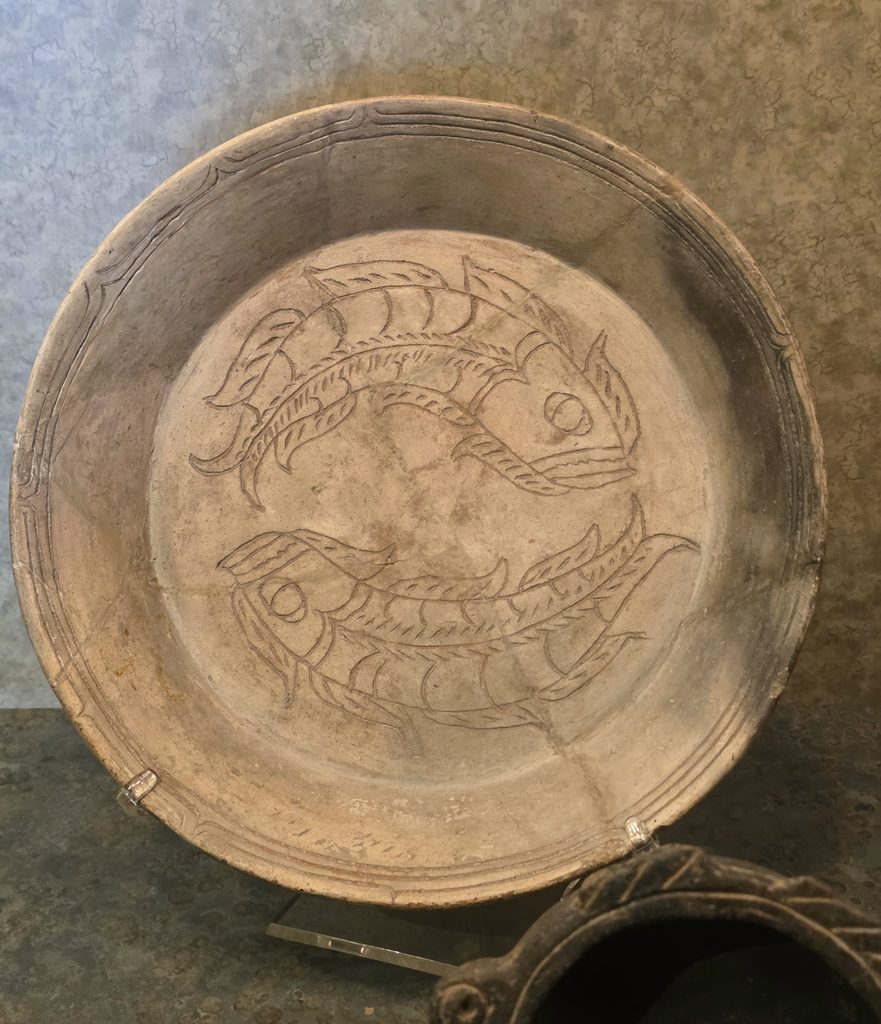
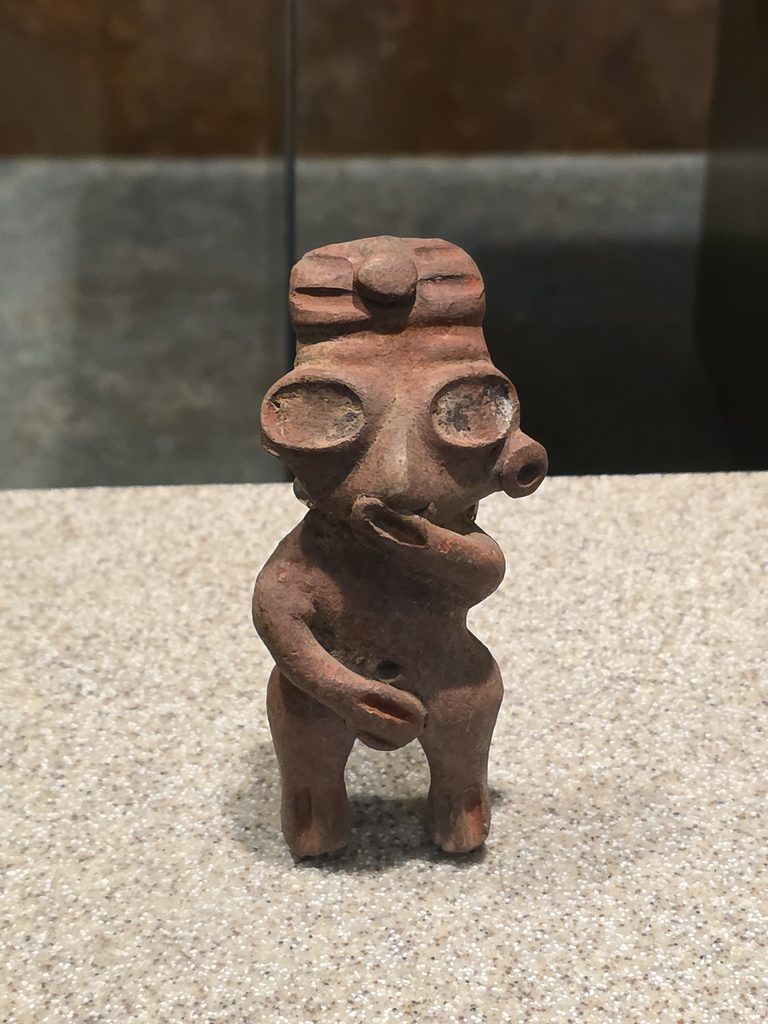
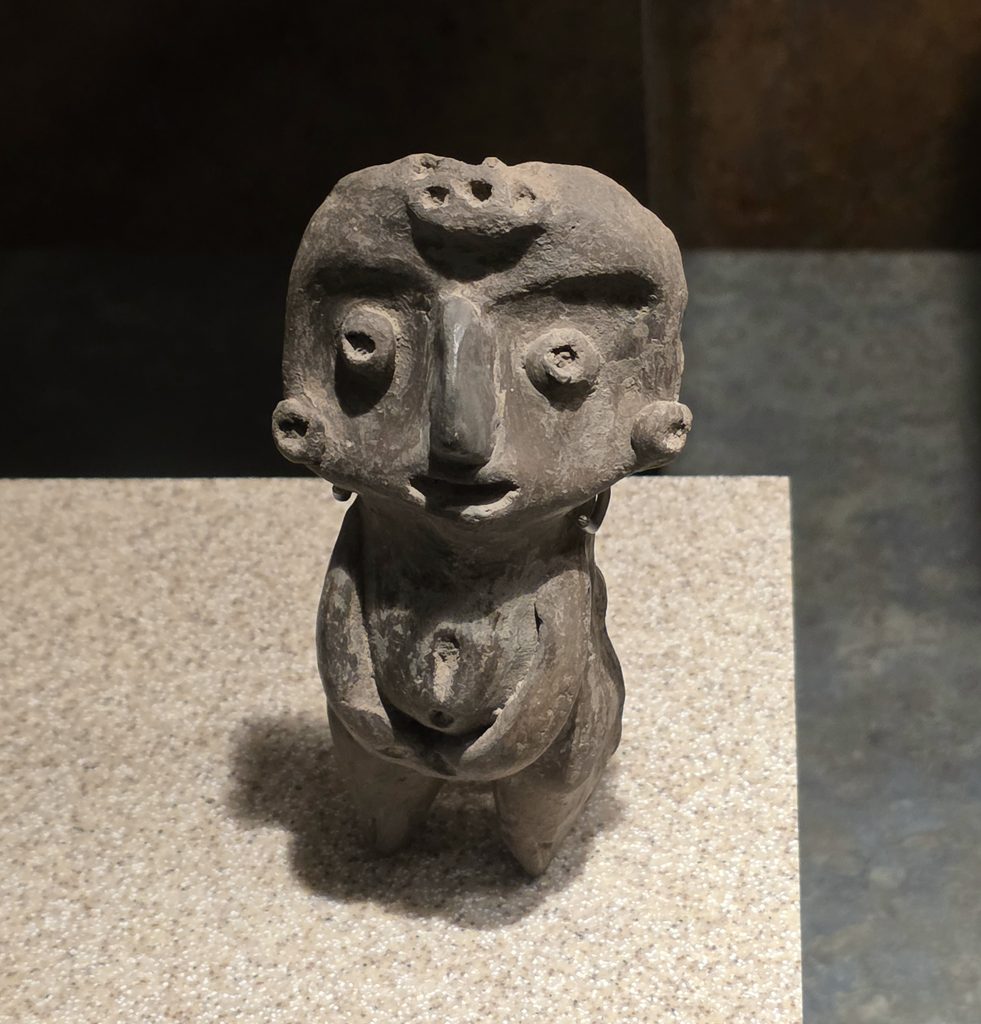
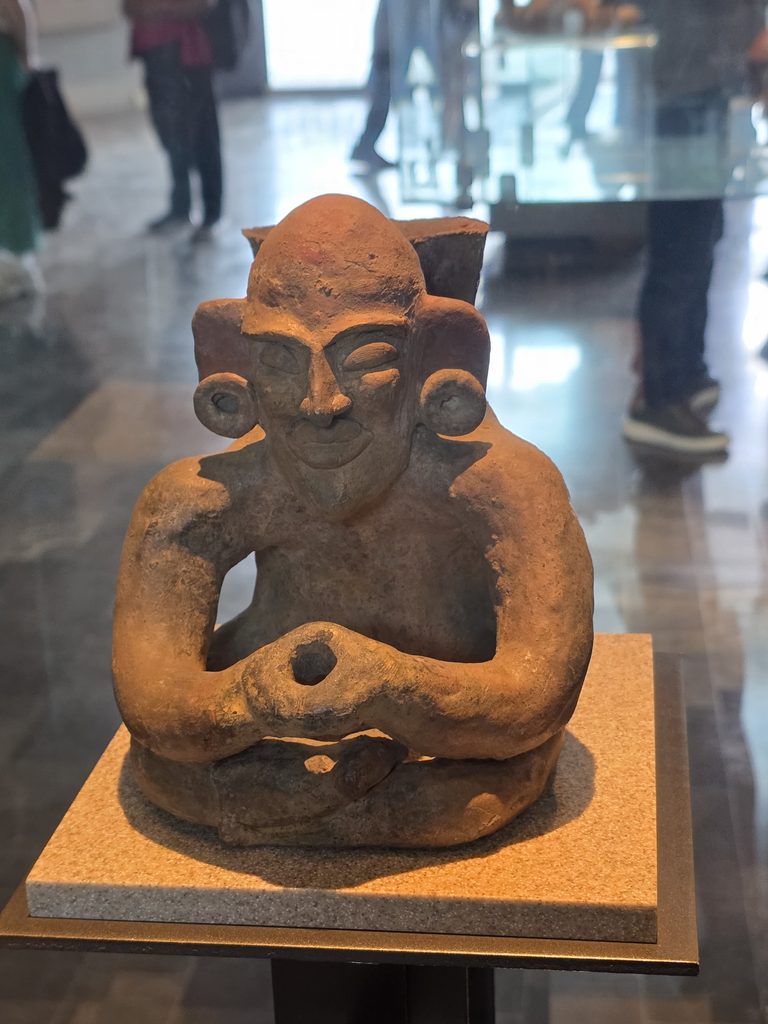
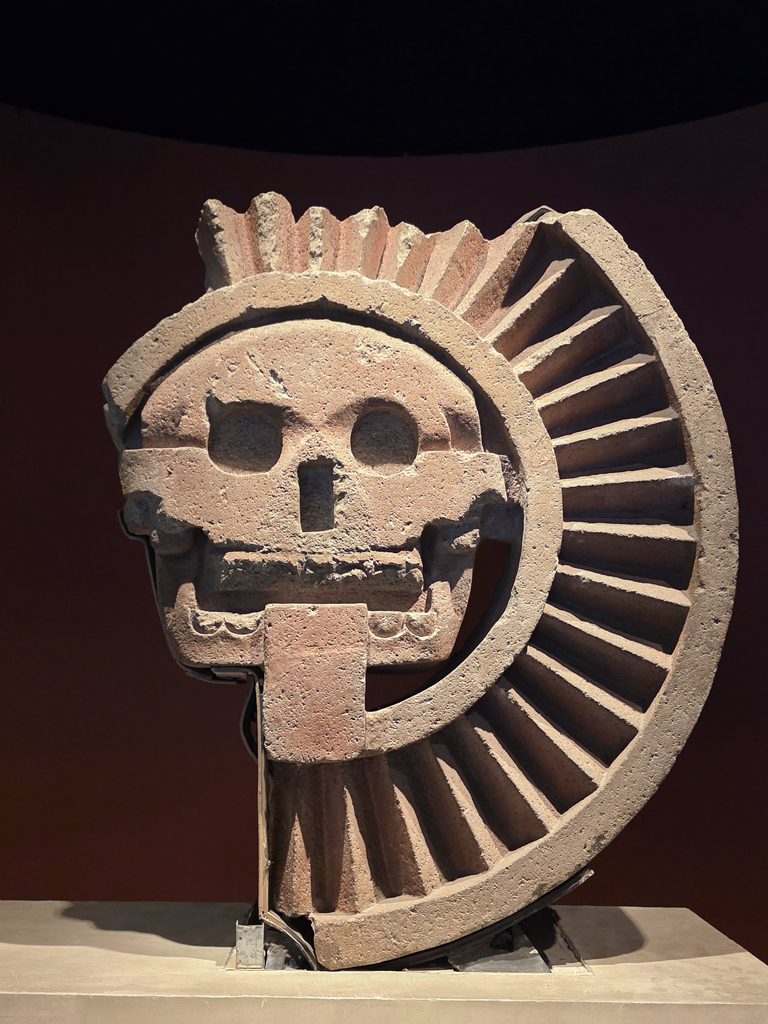
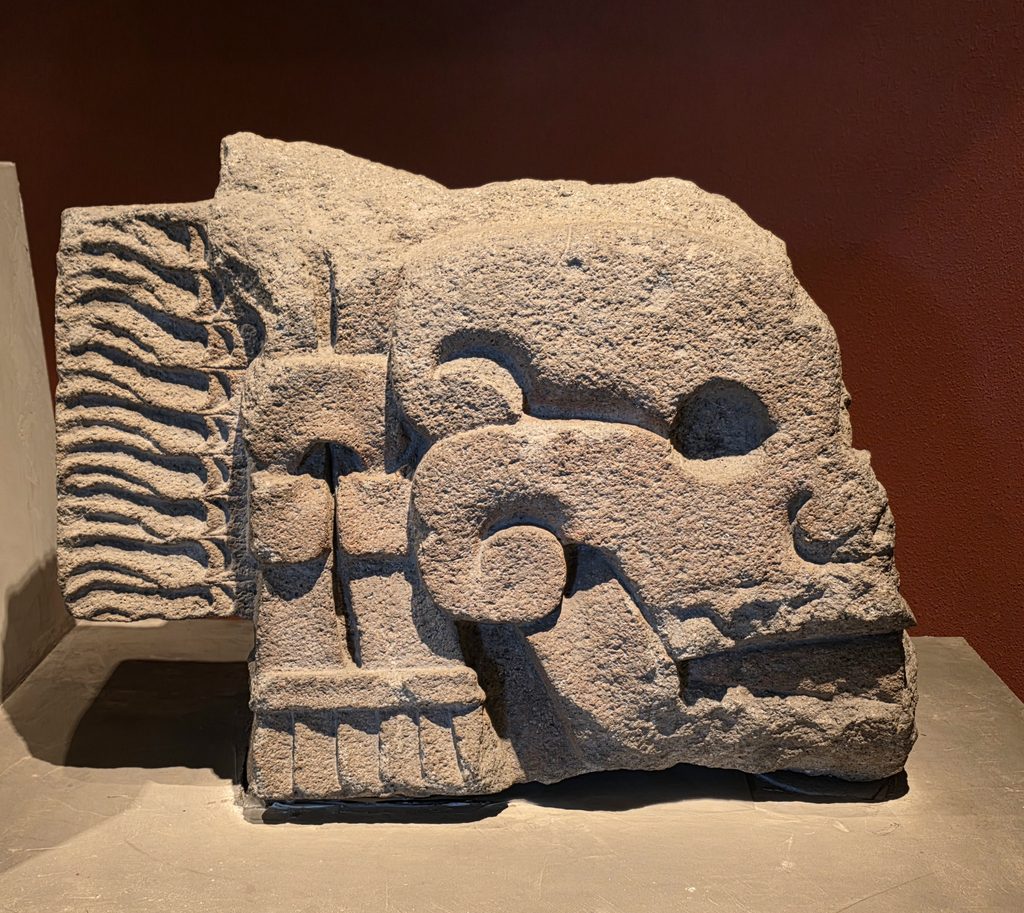
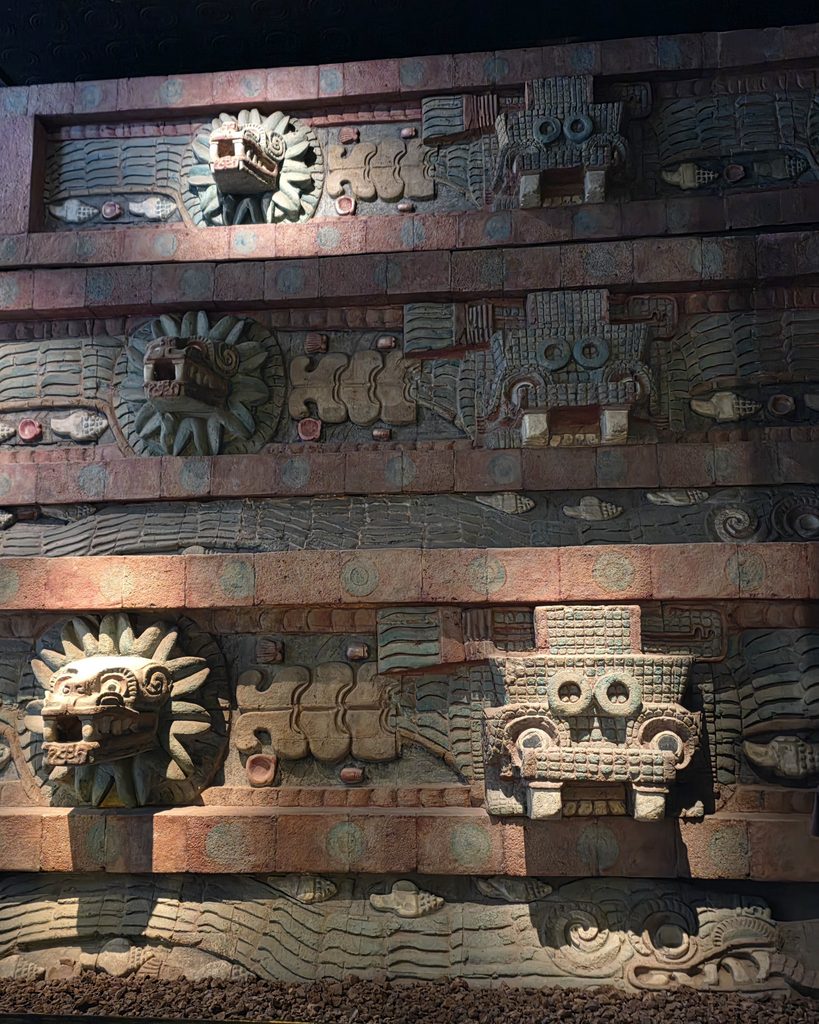
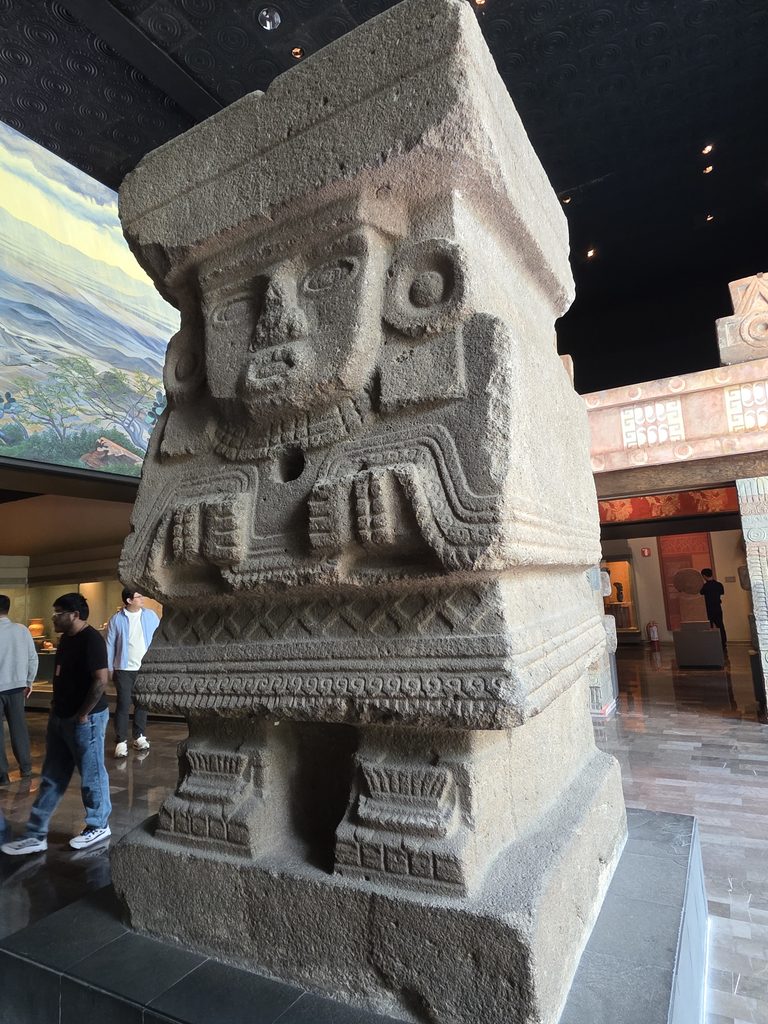
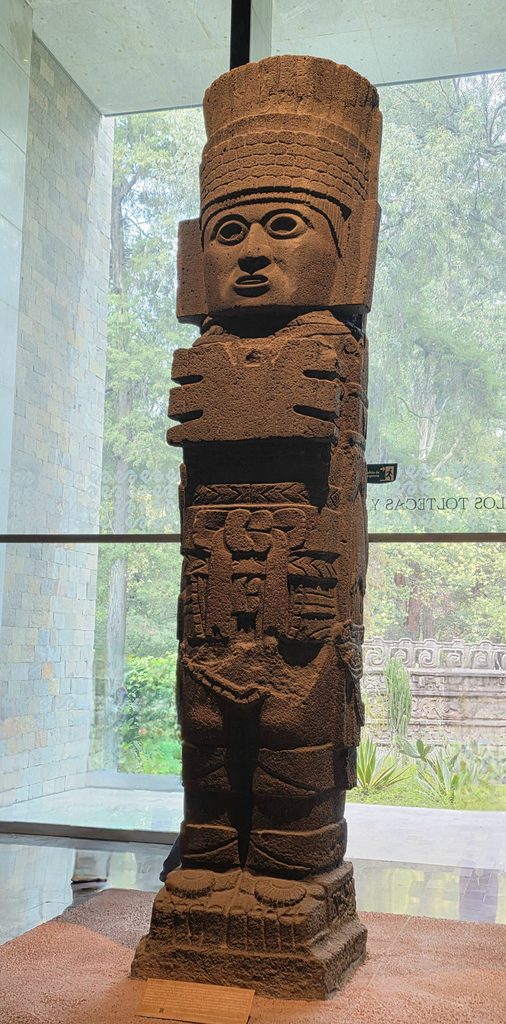
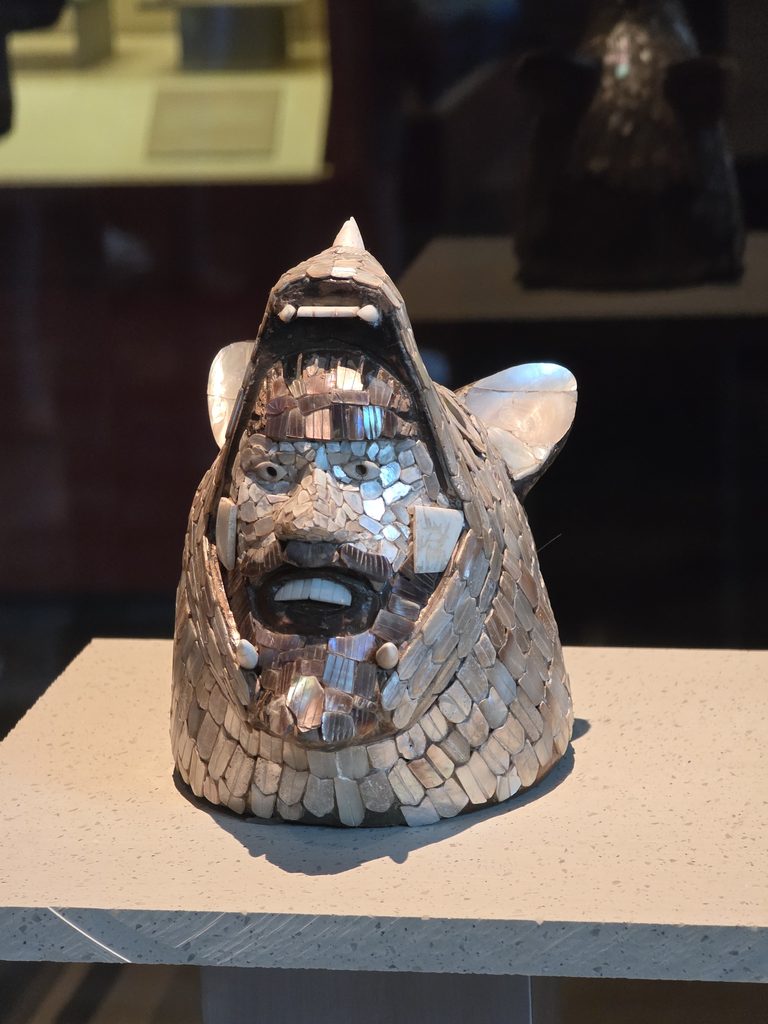
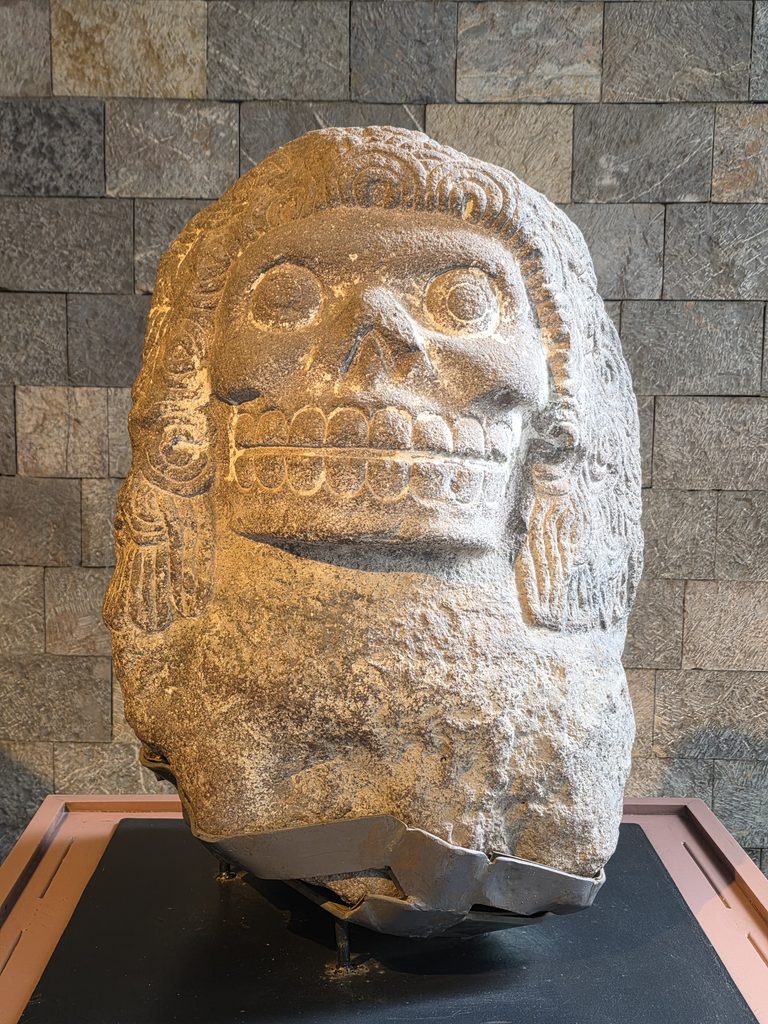
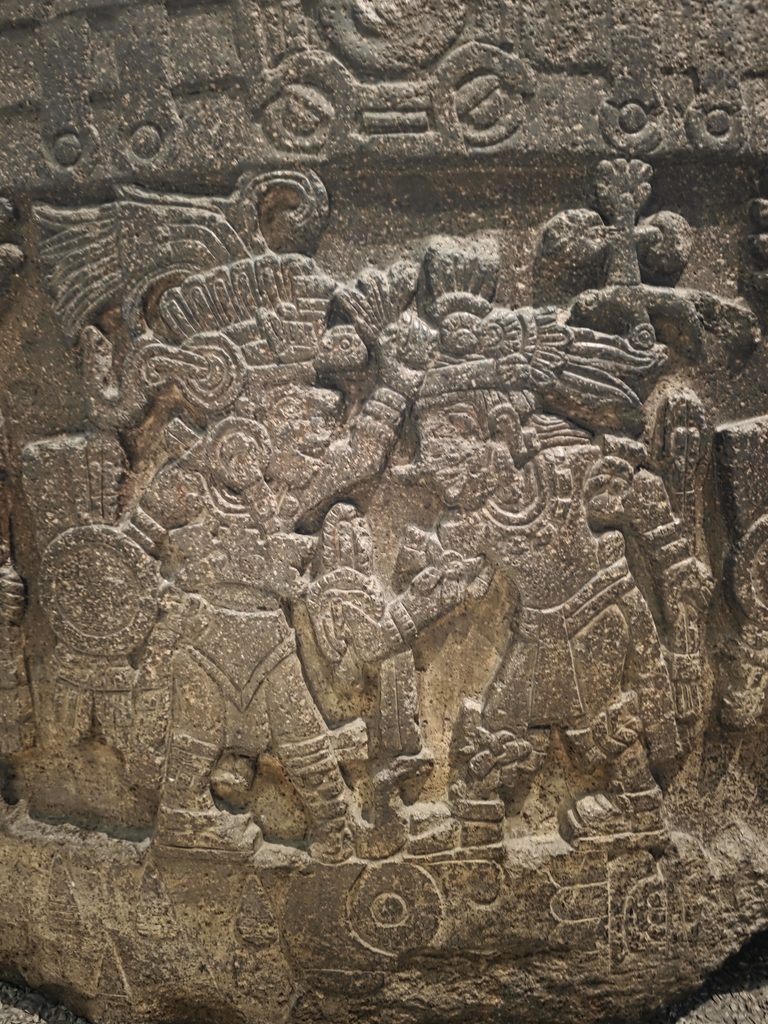
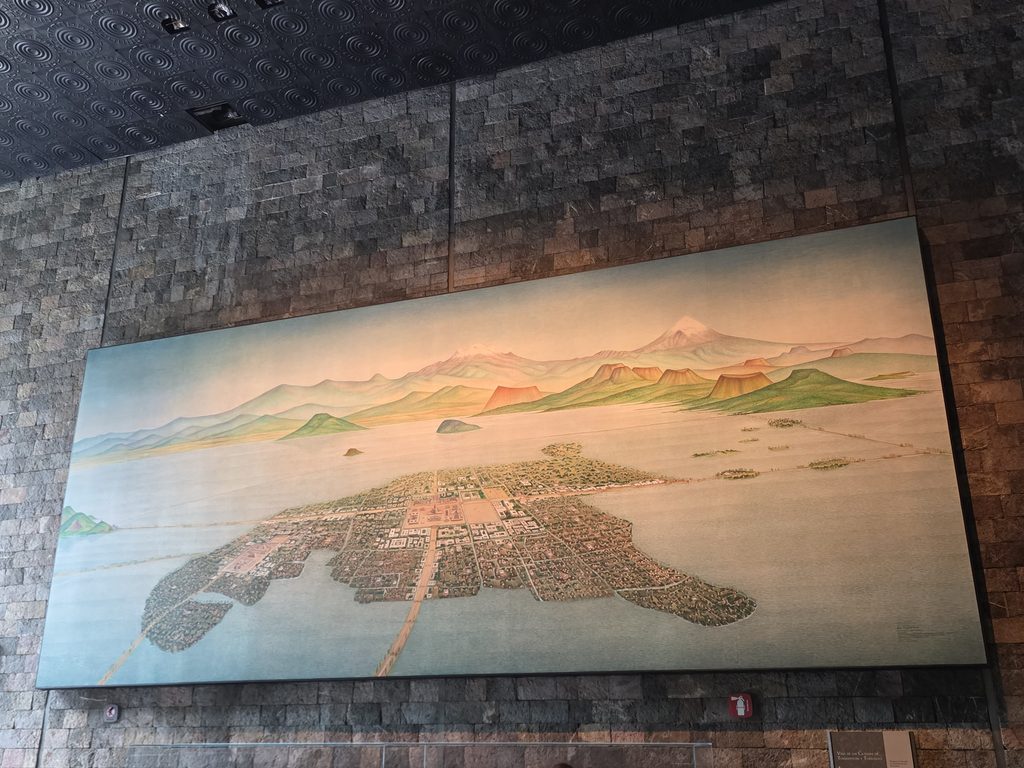
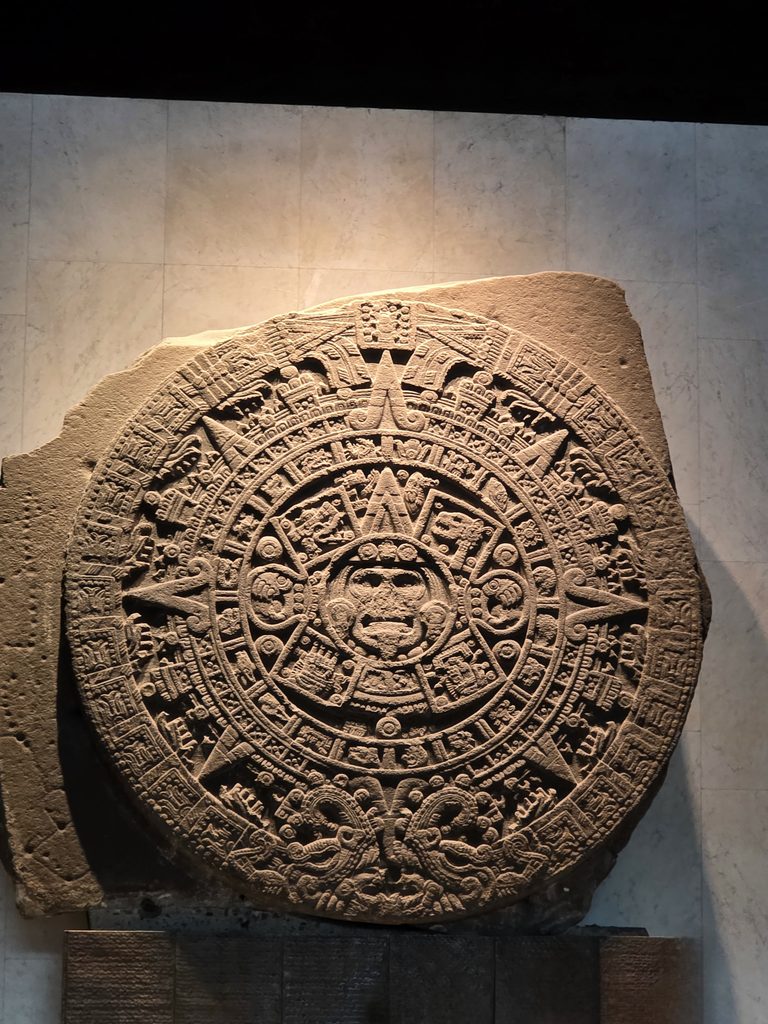
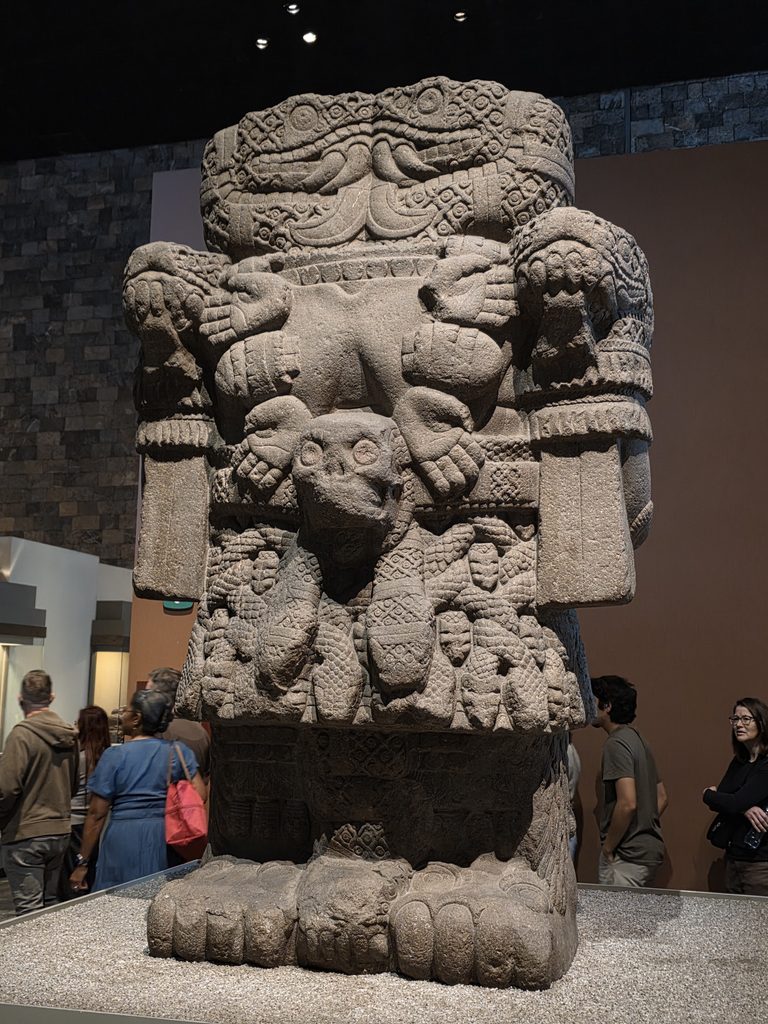
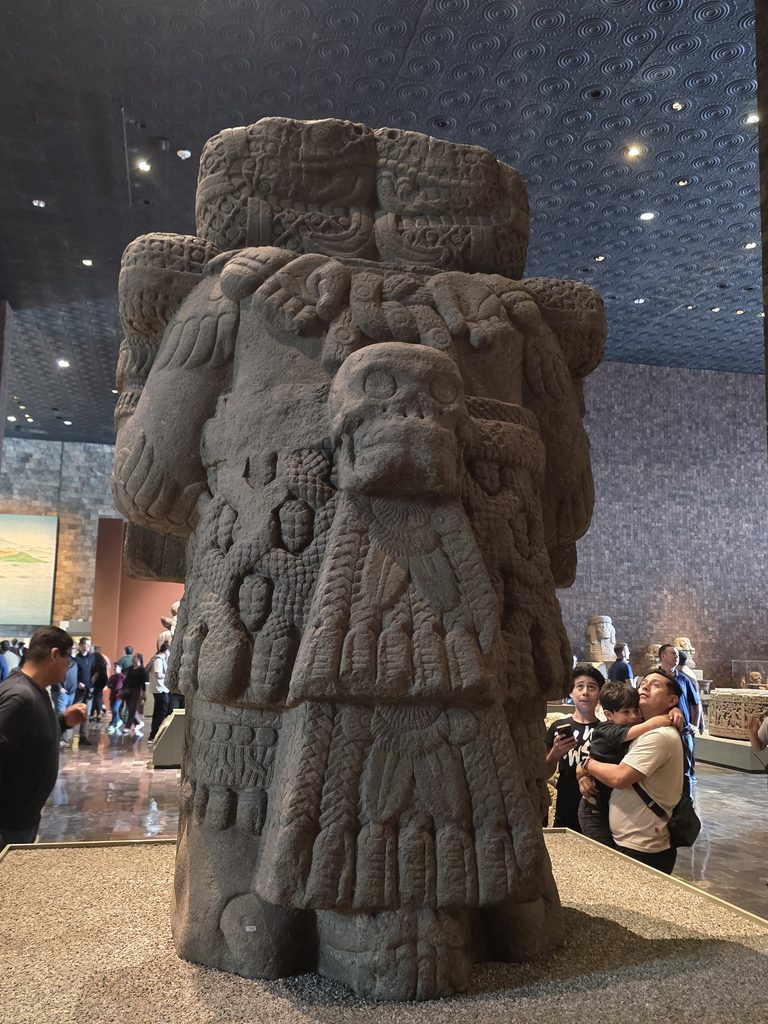
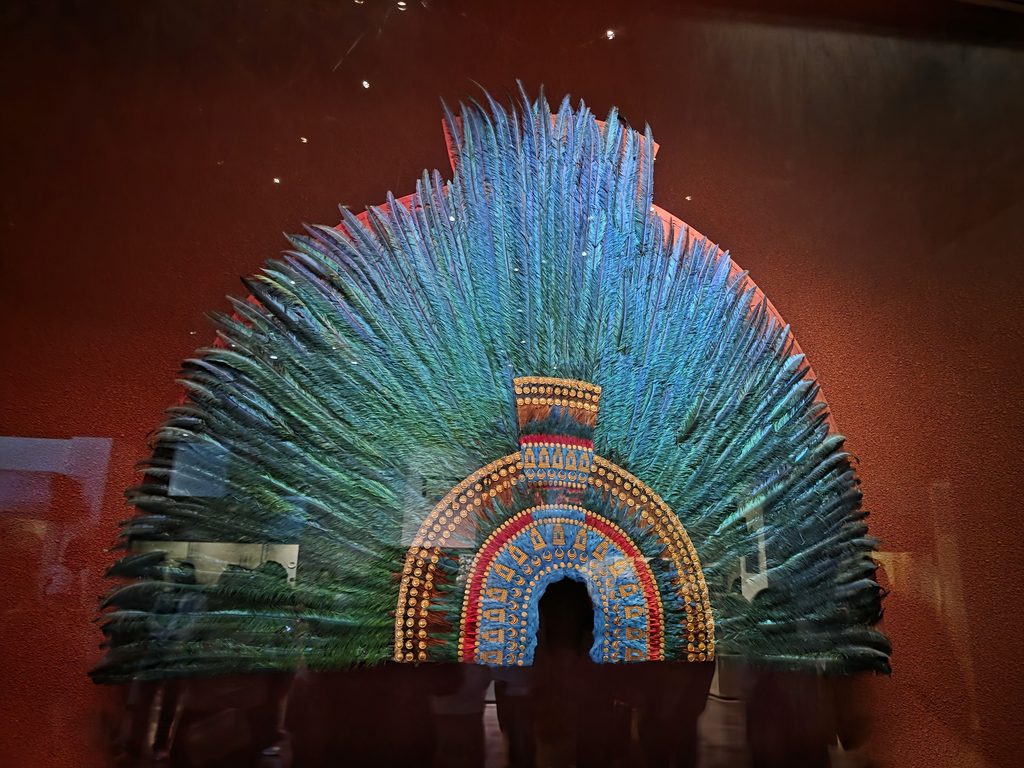
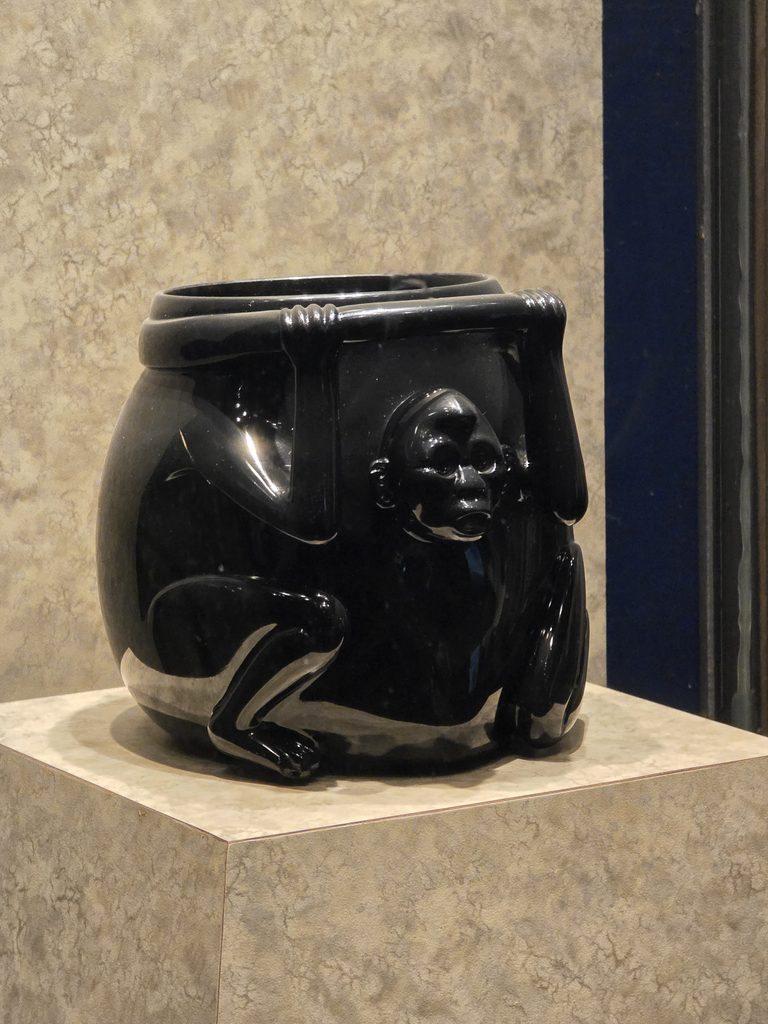
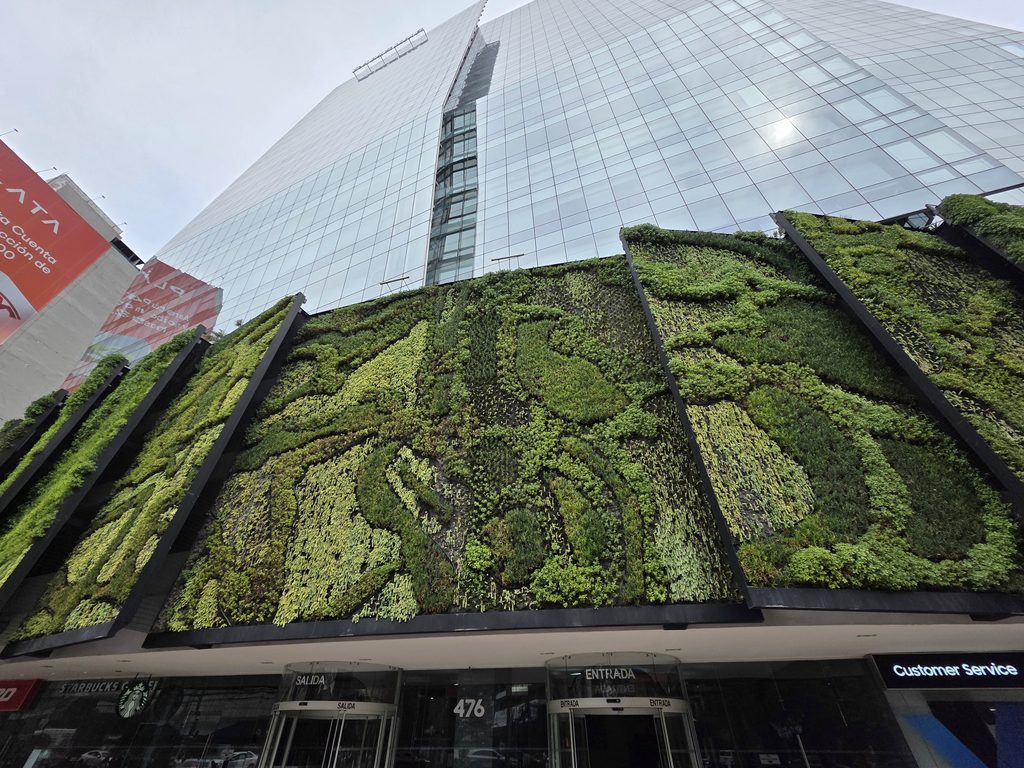
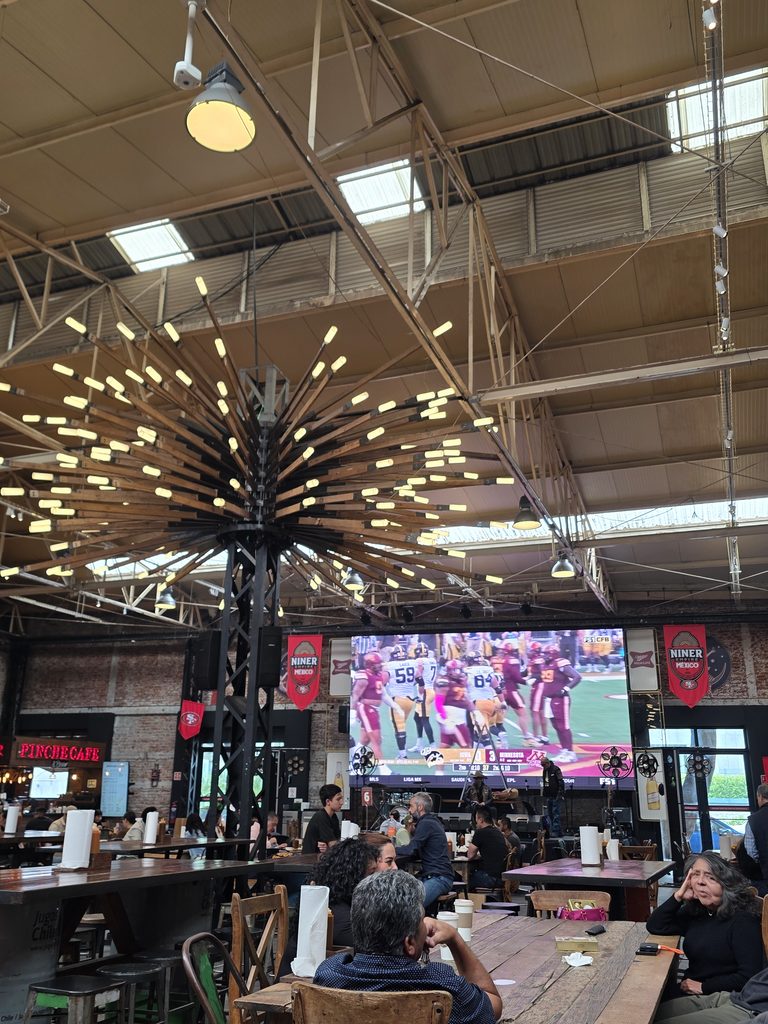
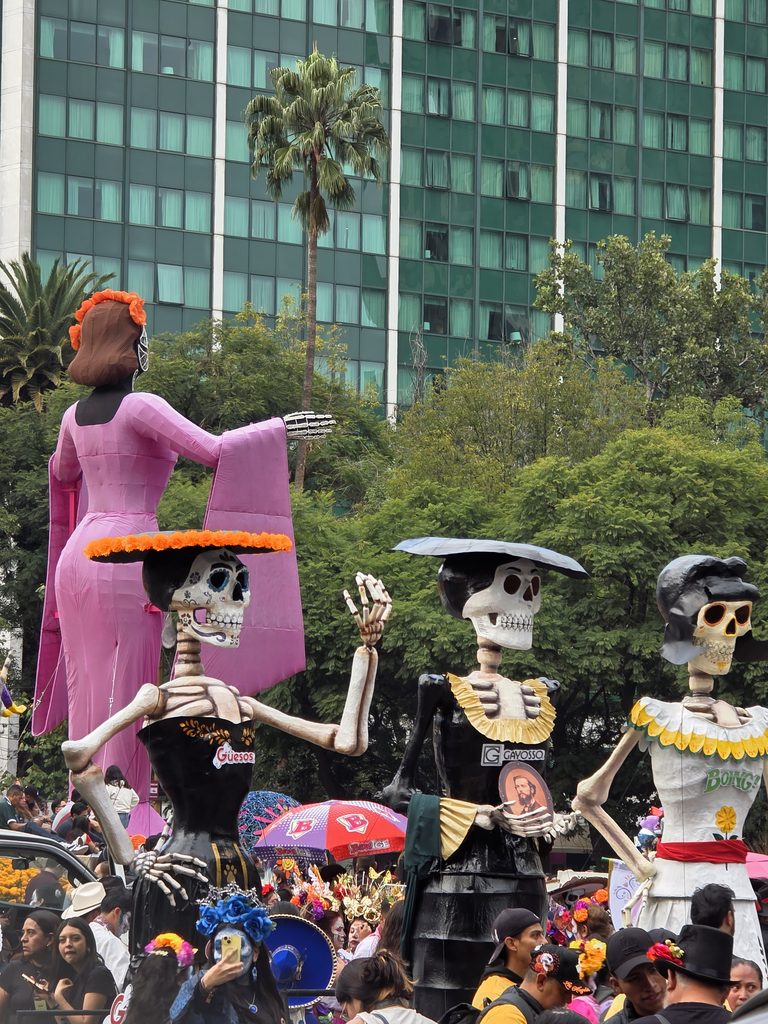
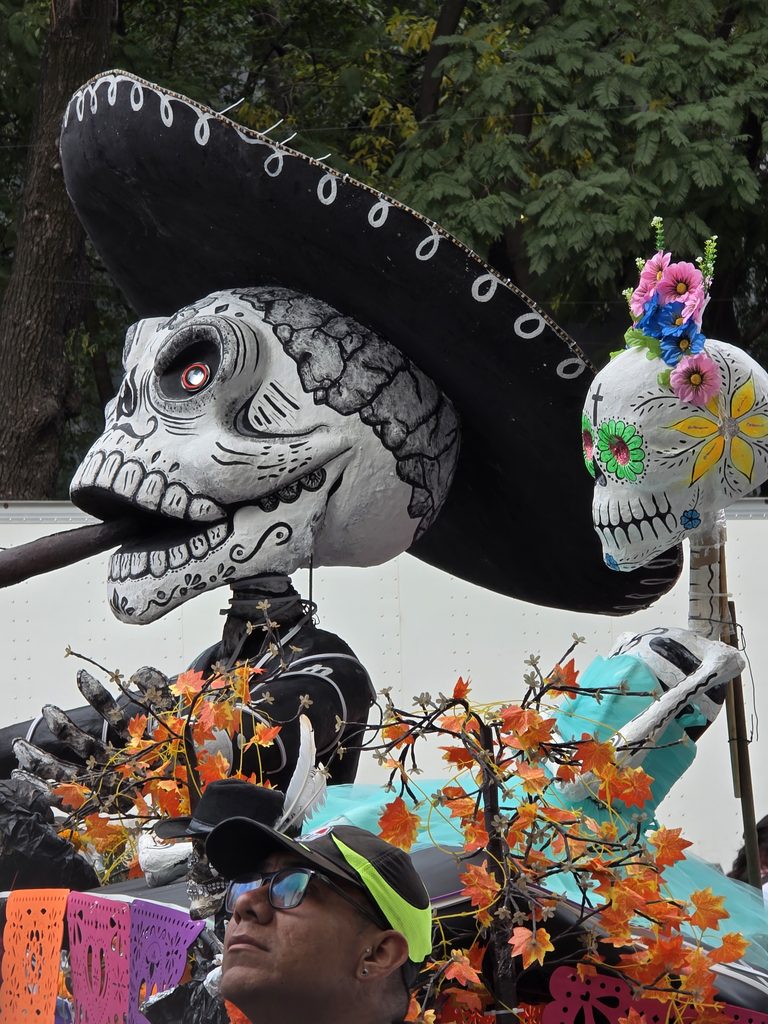
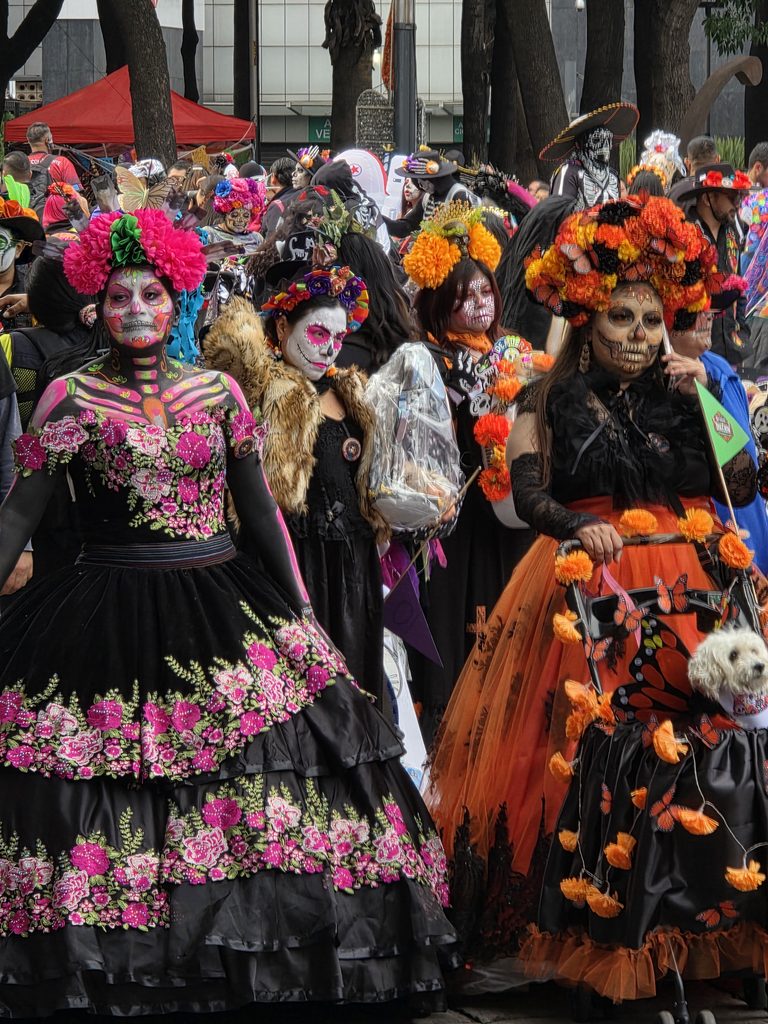
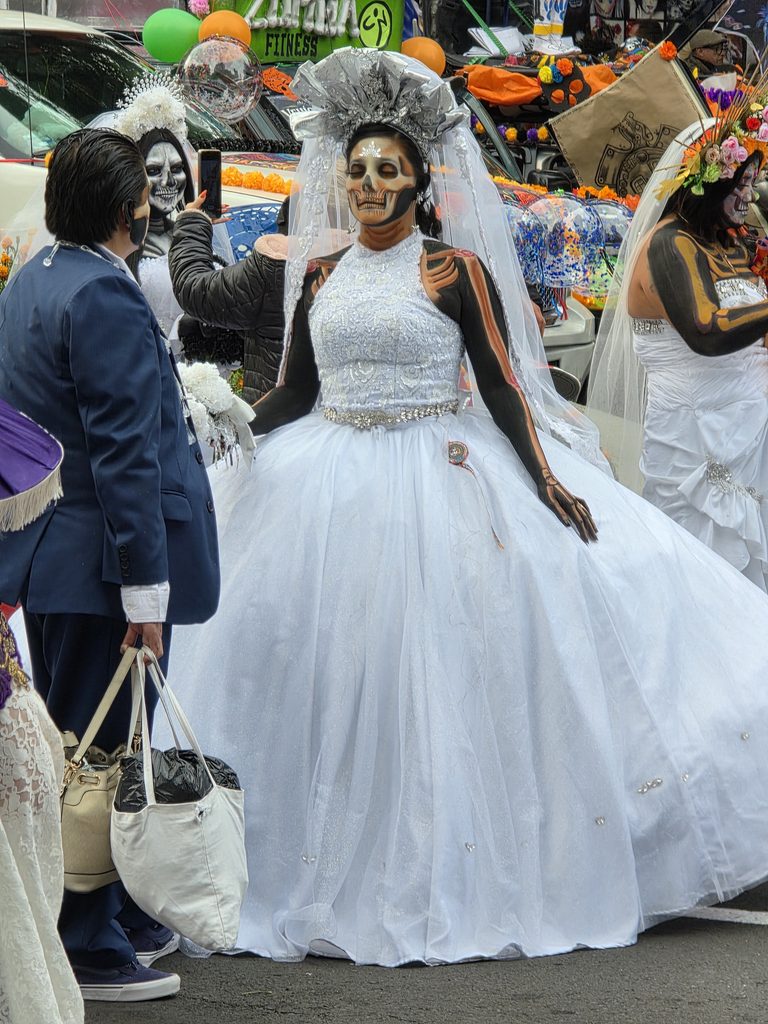
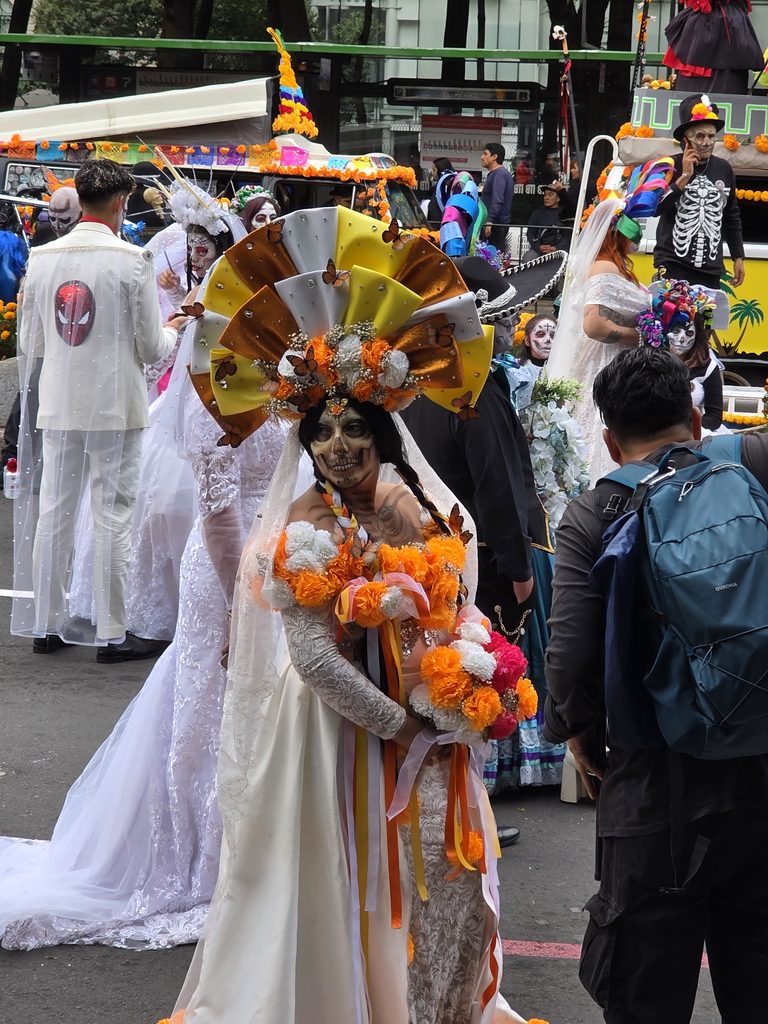
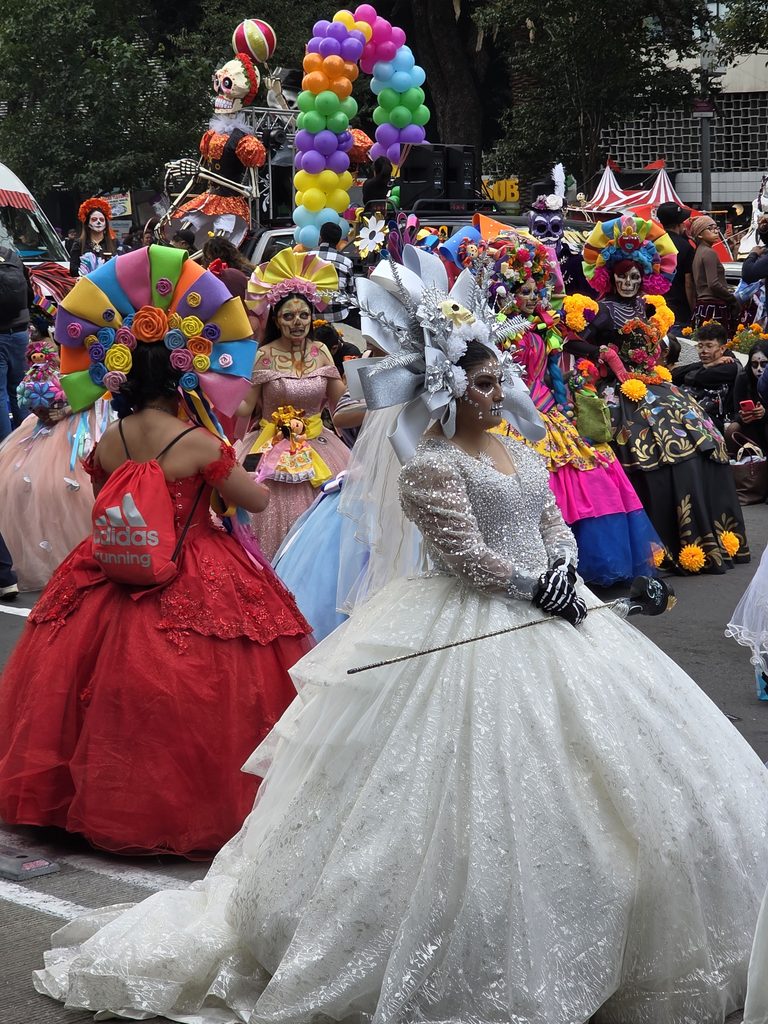
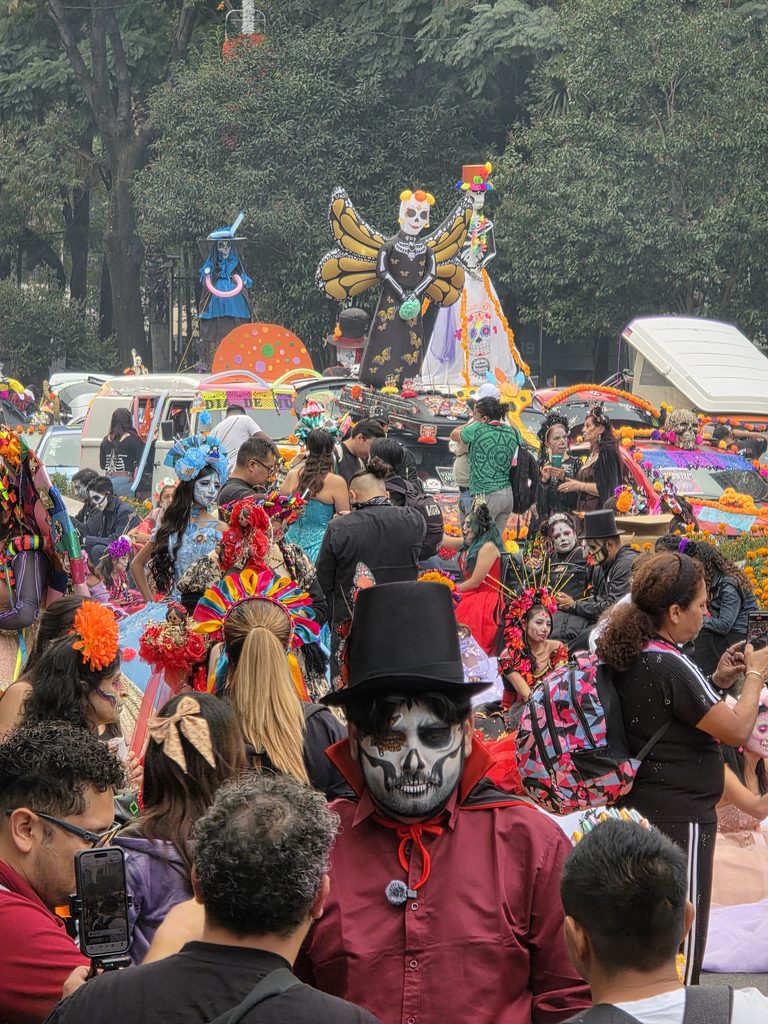
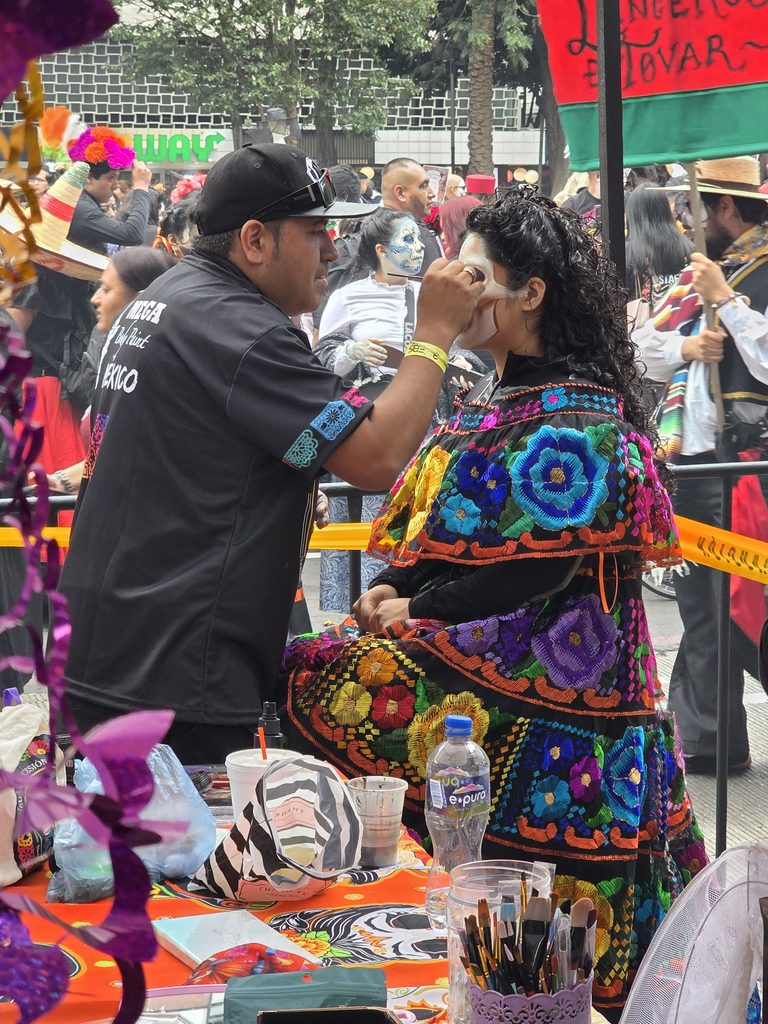
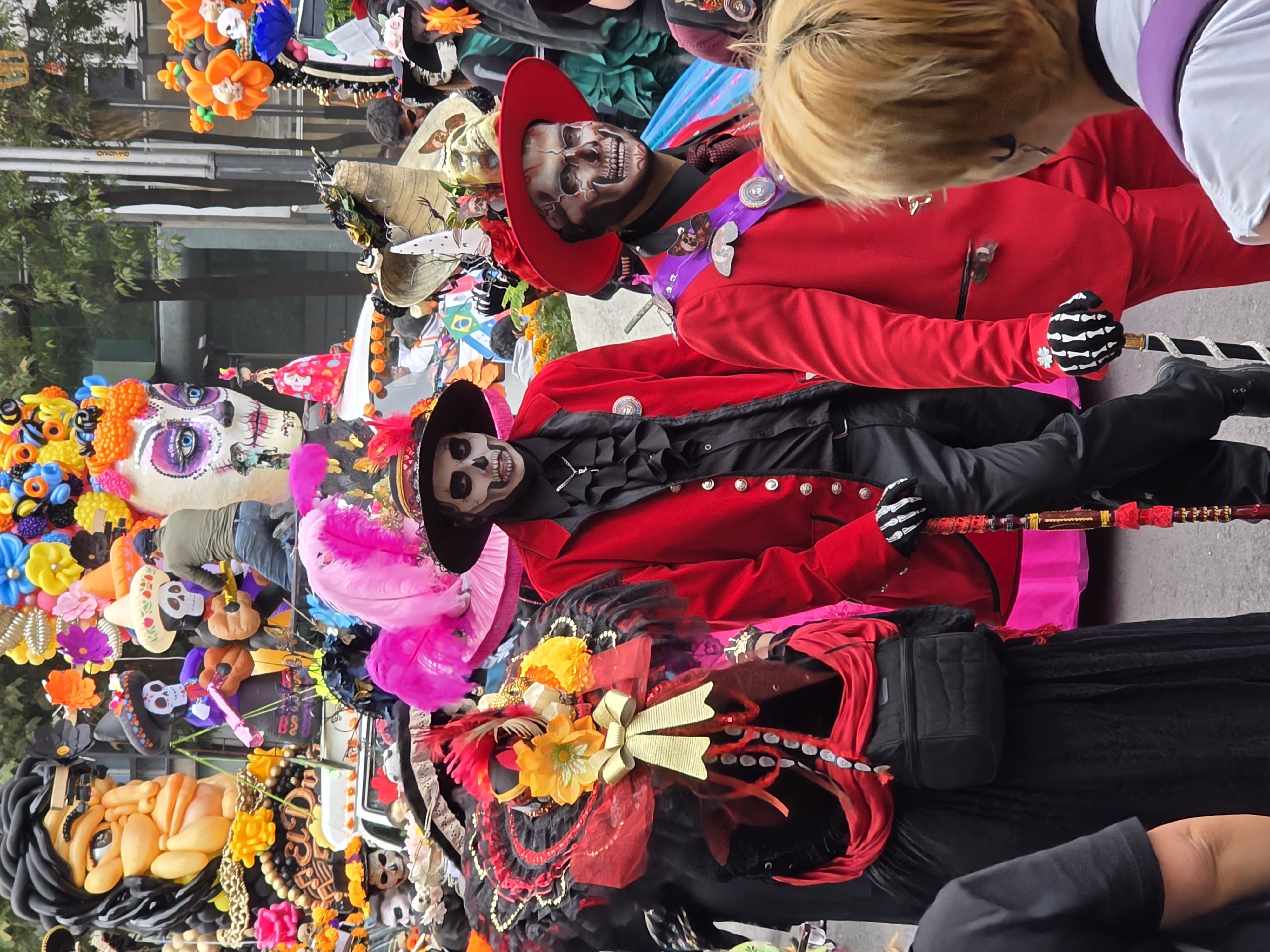
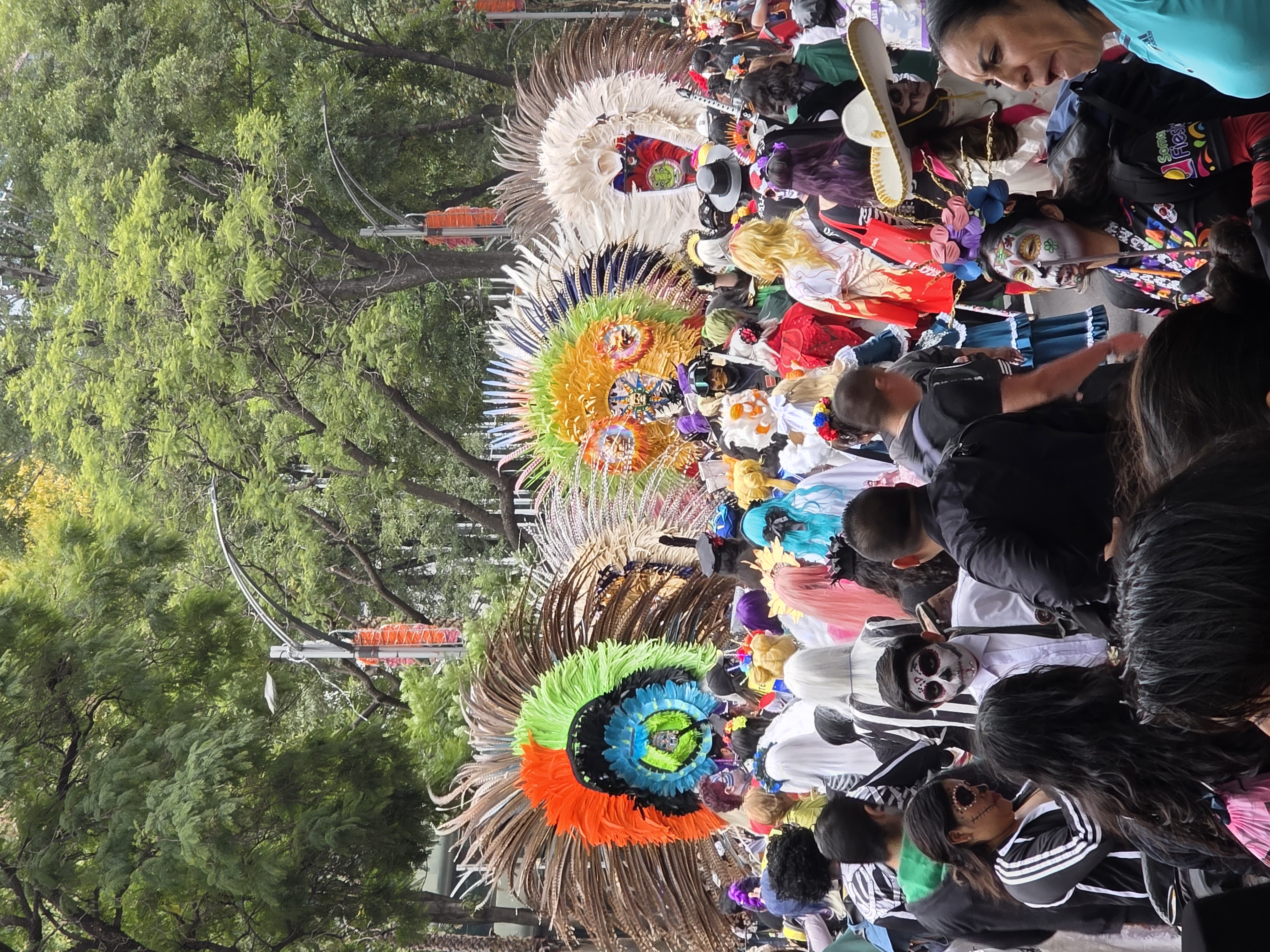
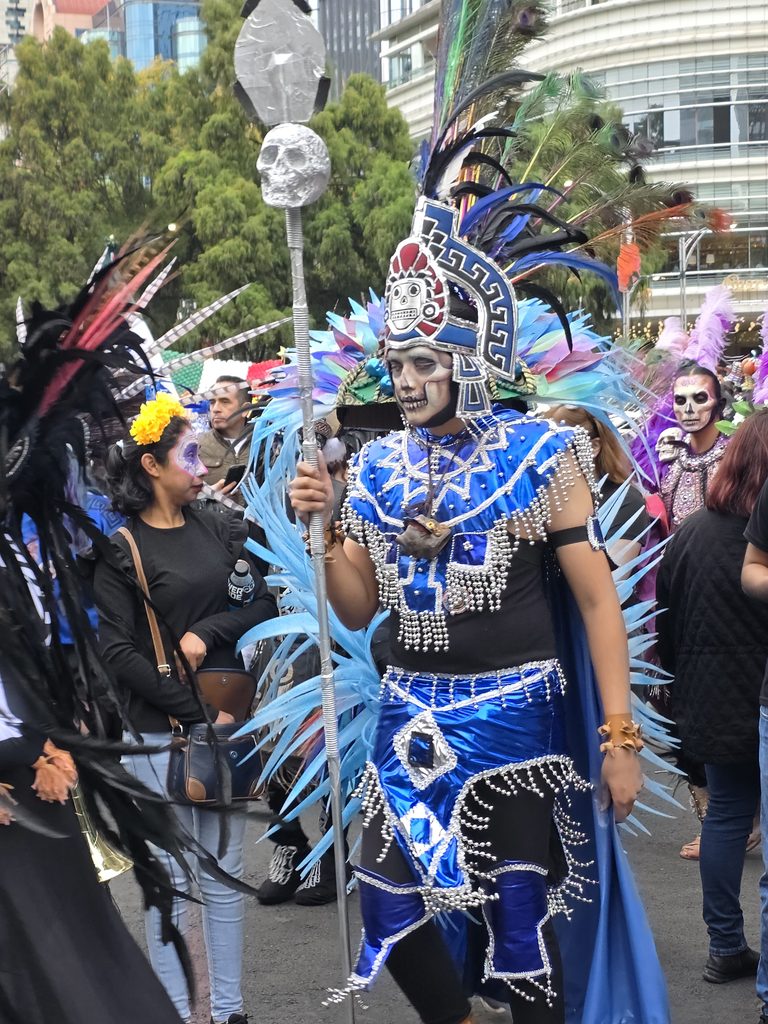
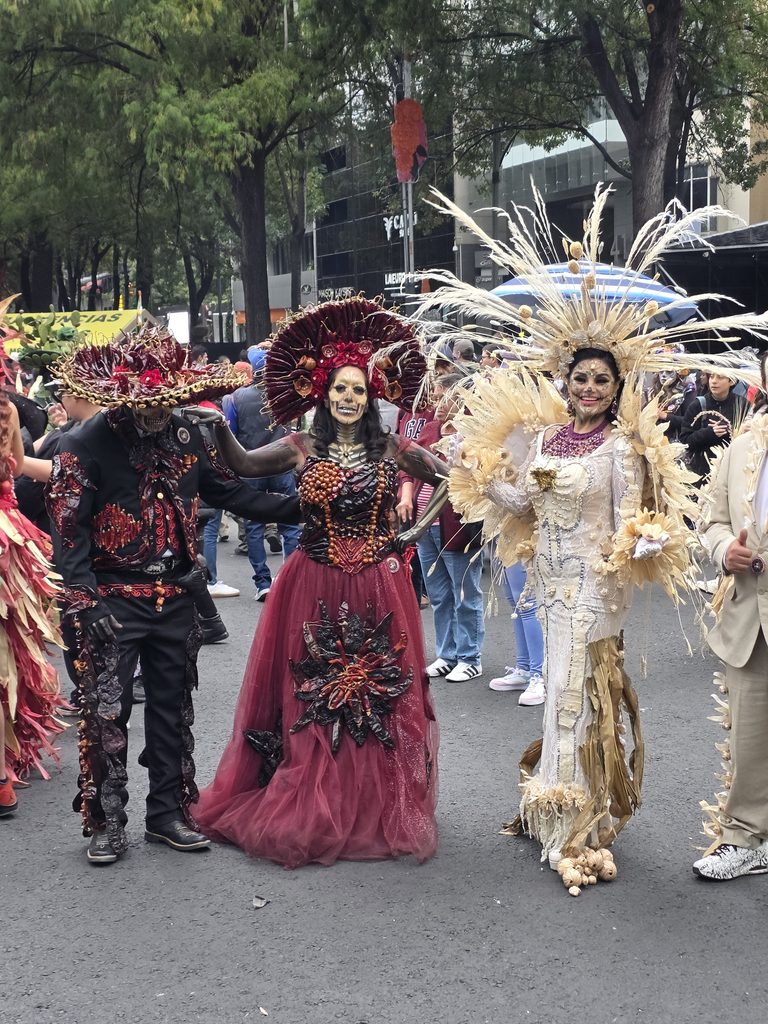
I saw this statue, Nuestra Señora del Tránsito (Our Lady of the Transit) is a statue on top of the Parroquia del Purísimo Corazón de María (Parish of the Immaculate Heart of Mary) located in the Col del Valle neighborhood of Mexico City, on my walk to Coyoacán.The Frida Kahlo Museum in Coyoacán. It has a new paint color, it used to be blue, than when we were here before. This Coyoacán sign is in the main plaza of Coyoacán called Plaza Hidalgo. Parroquia San Juan Bautista (Church of Saint John the Baptist).This bronze statue of Miguel Hidalgo y Costilla, who is the leader who started the Mexican War of Independence, is located in Jardin Hidalgo. My completed sagrado corazón tattoo. Loto Rojo Tatuajes & Body Piercing in Coyoacán.During the week Dave was away I walked around Roma Norte, the neighborhood we stayed in last time we were in Mexico City. This is the entrance to Revuelta Queer House, a multidisciplinary cultural space and gallery, where we met our new friends from Wisconsin, last time we were here. I enjoyed walking around our old neighborhood and it made me very grateful for where we’re staying this time. I have found that Condesa has a more neighborhood feel than Roma Norte; its abundance of towering trees, wide boulevards, and parks help you feel more in nature than in a big city.After I walked around the old neighborhood I popped in to Bar Las Brujas and had a delicious martini. “Bar Brujas in Roma Norte has been featured in North America’s 50 Best Bars for three consecutive years (ranking #47 in 2023, #45 in 2024, and #65 in 2025), and ranked on the Top 500 Bars list (#90 in 2025 and #335 in 2026)” and has a very unique vibe. I’ve really been enjoying how many storefronts have begun decorating for Día de Muertos. The Saturday after Dave returned from his offsite, October 17th, we ventured out to the Reforma neighborhood for the Alebrijes parade. We had a great time and a couple of Dave’s coworkers were able to join us!“Raices del Alma” Day of the Dead (Dia de Muertos) facade decoration at the Hotel Marquis Reforma. This sculpture is part of the temporary public art exhibition “100 Fridas for Frida” displayed along Paseo de la Reforma where the parade was taking place. There was also a large collection of Mexicráneo (a combination of Mexico and cranium) sculptures that are part of another exhibition supported by the local government along Paseo de la Reforma to celebrate Mexican culture and for El Día de Muertos.Catrina sculpture in front of the Ángel de la Independencia.More of the Mexicráneo sculptures. The Alebrijes Parade which began its trek in Centro, about 2 to 4 kilometers (1.2 to 2.5 miles), finally arrives! Many groups spend two to four months creating their Alebrijes. “Teams first build a rigid inner skeleton out of iron rods or wire, layer it with cane reeds (carrizo), and then apply multiple layers of specialized hard papier-mâché known as cartonería. Once dry, the tedious process of painting intricate geometric and fluorescent patterns begins.” Google“The Mexico City Monumental Alebrijes Parade (Desfile de Alebrijes Monumentales), organized annually by the Museo de Arte Popular (MAP), celebrates and preserves traditional Mexican folk art, particularly cartonería (a heavy-duty papier-mâché technique) and the collective imagination of national artisans. It provides a major public stage for independent artisans from across Mexico (including Guerrero, Oaxaca, Guanajuato, and Mexico City) to showcase monumental, multi-meter-tall sculptures. Alebrijes originated in the 1930s from the fever dreams of Mexico City cartoner Pedro Linares López, who envisioned whimsical, hybrid chimera-like creatures.” GoogleThe parade also included several different cultural groups and marching bands. The joyful energy was palpable. “This dancer is portraying “El Viejo Lucas”, a traditional character from the Danza de los Tecuanes (Dance of the Tecuanes) folk dance from the state of Puebla, Mexico.”Her traditional Mexican folk costume represents “Tlacololeros Mochitlán”. “The tlacololeros or guamileros, people who do not own farmland, go to the hills to select a spot they like, clear it, burn it, and plant their corn, using the tarecua as a farming tool, and then harvest the crop that allows them to survive. The land cleared, burned, and prepared for planting is called tlacolol or guamil, words that give rise to the terms tlacololeros or guamileros.” You can learn more about it here: https://www.mochitlangro.gob.mx/tlacololeros-mochitlan/The tlacololeros.More amazing Alebrijes! “Catrinas (La Calavera Catrina) are iconic, elegantly dressed female skeleton figures that serve as a central symbol of the Day of the Dead (Día de Muertos) in Mexico.”Another Catrina whose costume is made from corn husks. These dancers are wearing traditional Traje de Chiapaneca (Chiapaneco folk dance dress). I couldn’t get enough of the beautiful bright colors!One of the many marching bands. Close-up of the amazing details painted on one of the Alebrijes. What a special experience!After the parade we treated ourselves to some of the amazing tacos at Taquería Orinoco.And then we finished of the night at Owl Bar (Speakeasy).It was definitely a vibe. Sunday the 18th was another beautiful day so Dave and I walked to Coyoacán together because he had never been. We started with a delicious lunch at Centenario 107. The open-air terrace with live trees really made the ambiance special. The decor was super cool too!After lunch we visited the Mercado Artesanal Mexicano. Art imitating life, imitating art… It was cool to see handmade art by local artists at the Mercado instead of the same recreations that you find in other souvenir shops. After the market we took a peek inside of Parroquia de San Juan Bautista (Parish of St. John the Baptist) but didn’t spend too much time because there was a service going on. Exploring around Hidalgo Square. Fuente de los Coyotes (Coyote Fountain) in Jardin Centenario. More markets, more fun decorations. This beautiful “ofrenda altar” is traditional for Día de Muertos and is set up at Duke’s Burger and Beer in Coyoacán. The week following the Alebrijes Parade they set them up on display along Paseo de la Reforma. It was fun to go and get an up close look at them. After visiting the Alebrijes I went to Mercado de Artesanías Insurgentes in Zona Rosa in pursuit of a magnet for my dad. 🙂Another day I visited a “new to me” brewery, Taproom Dos Aves, I liked the decor better than the beer. Last Thursday I FINALLY made it to Panadería Rosetta. People had been telling me since the last time we were in Mexico City that I had to go and try their delicious baked goods. This definitely did not disappoint! I can’t get over the beauty of our neighborhood. On Thursday night we had a delicious farewell dinner at Cantina La Llorona with our friend and Dave’s coworker from the UK, who we actually met up with twice while we were in South America. The food was delicious and the decor was spectacular!After dinner we got churros for dessert at Churrería El Moro walked around and took in the sights of the neighborhood. This is the grand entrance to Hotel Parque México Boutique in Condesa. This Zen style entrance to an apartment building definitely reminded me of Japan. Mexico City is so diverse and cool! Friday night we found an Irish Pub in our neighborhood that was playing the World Series so we were able to watch the Brewers play the first game and win in Milwaukee. I found it fun that we were at an Irish Pub in Mexico City watching the Milwaukee Brewers play baseball. Earth school is wild!Saturday we took our tour of the Museo Nacional de Antropología (The Anthropological Museum). This gigantic fountain is the only thing holding up the roof just inside the main entrance to the museum’s courtyard. We ran into Diego, our tour guide from the Centro Historico walking tour that we took four weeks prior. Another example of how small Mexico City is! We started our tour in the “Peopling of the Americas” room. This is the fossilized remains of the Santa Isabel Ixtapan mammoth and is displayed in the floor. This painting, “La founa del Plestoceno” (The Pleistocene Fauna) by Iker Larrauri.This diorama depicts Indigenous peoples around 5000 BCE. Through it we learned that the discovery of domesticated plants made the people less nomadic because they didn’t have to travel to find the resources they needed. In the room that taught us about the Preclassic Era in Mesoamerica, which lasted from roughly 2500 BCE to 200 CE, we see what Lake Texcoco, the lake that Mexico City was built on, looked like at the time. Part of the lake was salt water and part of it was fresh water. They Ancients built a dam to dry up the land so they could build on it. Even so, as our tour guide explained, the water will always try and find a way to return. “Zohapilco-Talapacoya Dish” One of the few descriptions in English explains, “Naturalistic images are commonly found on ceramics of this era and represent some of the fauna greatly valued by these groups. This particular dish featuring linear decoration along its rim, is adorned at the bottom with a design depicting two white fish; fish like these frequented fresh water lakes of the area.”It was fascinating to learn about the designs of these tiny statues. Many of them are created with a belly button because people during that time believed that it was considered the center of the soul or life force, specifically because of its connection to the mother through the umbilical cord. Our guide also told us that archeologists and historians have also been able to analyze the fingerprints of the artist to learn about how they have changed over the years. You never know what kind of impact you make. This is a depiction of Huehuetéotl, the god of fire. It was one of the first Gods introduced to the continent 2000 years ago. You may have noticed that most of the pottery that was created during this period served a function. Whether it was to carry water or cook food it served a purpose. This Disco de la Muerte (Disk of Death) is a Mesoamerican stone artifact that was found in 1963/1964 in front of the Pyramid of the Sun at Teotihuacán. “Associated with the Classic Teotihuacán period (approx. 1-650 CE) is tied to solar movement, the birth and decline of the sun, and ritual sacrifice.”This sculpture represents a human skull with a dangling tongue or death mask associated with the Teotihuacán culture. This is a full-scale replica facade of the Temple of the Feathered Serpent (Templo de Quetzalcóatl) located atTeotihuacán . Quetzalcóatl is depicted on the left and Tláloc, the God of rain, is depicted on the right. “Quetzalcóatl (Feathered Serpent God) was Credited as one of the primary gods who helped form the world and humanity, descending to the underworld (Mictlan) to retrieve bones to forge the current era.” The story goes that because he borrowed the bones from the underworld that is why people must die so that their bones can be returned. The religions/faiths/ beliefs/ practices of that time were open, meaning that nothing was done in private. The Mexican pyramid, unlike the pyramids of Egypt which were tombs, were used as temples that were built flat to have platforms so all the population can witness the open religion, like human sacrifices. When leadership would change, and the new ruler wanted to make their pyramid bigger or taller, they would build an additional layer on top of the already existing pyramid because it was seen sacred, and couldn’t be destroyed. There was one point in recorded history when a new ruler chose not to build a new layer on top of a pyramid. Because his father had slipped on the slick surface and died during a heavy rainy season, the son used his reign to build an irrigation system into the structure, ensuring he wouldn’t meet the same fate. I believe that was King Acamapichtli, and feel free to dig into that more on your own. One more thing to note, the Aztecs were viewed as especially barbaric because of their use of human sacrifice for a longer period of time than other ancient civilizations. We learned that all ancient civilizations had human sacrifice but during the time of the Aztecs there weren’t any cows, sheep, goats or horses that they could sacrifice so they used what they had, people. This is the massive stone monolith of Chalchiuhtlicue (often associated with the Teotihuacán water goddess or Great Goddess).This is Atlante de Tula (Toltec Atlantean figure) a stone warrior sculpture from the ancient Toltec city of Tula, Hidalgo. Guerreror Coyote de Tula (Coyote Warrior of Tula). This Pre-Columbian Toltec artifact is from the Early Postclassic Period (900-1250 CE) has impressive detail using seashells. The sculpture is often referred to as the Imagen de la Muerte (Image of Death). Our tour guide pointed out that the Ancients preferred death to look more like Grandma than our depiction using the Grim Reaper. He said it makes death feel more approachable. 🙂We have now entered our last room on the tour, Sala Mexica (Mexica/Aztec Hall). This is a small portion of the detail on the side of the Piedra de Moctezuma ( also known as the Cuauhxicalli de Moctezuma Ilhuicamina) which is a cylindrical stone vessel that commemorates Mexica military campaigns and rulers. This painting is entitled La Isla de Tonochtitlan-Tlatelolco en el siglo XVI (The Island of Tonochtitlan-Tlatelolco in the 16th Century) by Mexican artist and anthropologist Luis Covorrubias and depicts an “aerial panoramic reconstruction of the pre-Hispanic twin cities of Tenochtitlan and Tlatelolco sitting on the waters of Lake Texcoco surrounded by causeways, floating gardens and the volcanoes of the Valley of Mexico.”The Piedra del Sol (Aztec Sun Stone) was found in 1790 and weighs 6 tons. The outer ring represents the 365 day calendar. The next ring represents 260 days of the ritual calendar, then there is a ring of crops. “Surrounding the central face are four square panels representing the previous four cosmic ages or “suns”—Four Jaguar, Four Wind, Four Rain, and Four Water—each of which was destroyed by cataclysm. The Aztecs believed they lived in the fifth and final era (the Fifth Sun, associated with movement and earthquakes). Central Face (Tonatiuh): The middle of the stone depicts the sun god Tonatiuh (or an earth-monster variant) with a tongue shaped like. sacrificial flint blade, symbolizing a divine thirst for blood and energy to keep the cosmos in motion.” Our guide informed us that each of the Mexican peso coins, 1, 2, 5, and 10, depict one part of the outer ring of the Sun Stone. Another interesting fact is that when the Sun Stone was first discovered it was put on display for the people to see. They say that it got people thinking, if we can make something like this without the Spanish, why do we need them? It is said to have inspired the idea of getting rid of the Spanish hence began the movement for Mexican Independence in 1810. This is the front of the statue that represents Coatlicue (“She of the Serpent Skirt”), the Mexica earth and mother goddess associated with fertility, life, death, and natural destruction. She originally stood in the sacred precinct of Tenochtitlan before being buried following the Spanish conquest in 1521.And the back. This is a replica of Penacho de Moctezuma. The headdress of Aztec ruler Moctezuma II. It is a replica because the original is now housed in the World Museum in Vienna Austria. It is the subject of a long-standing repatriation dispute with Mexico because the Austrian government, at the time of the reception, claimed they received it as a “gift” and there was no way to prove otherwise. It wouldn’t be able to be returned at this point because the 16th century green quetzal, blue cotinga, and pink flamingo feathers would not survive the trip due to their fragility. Our final point of interest on our tour was of this Vasija del monito de obsidiana (Obsidian Monkey Vase). Found in Texcoco, Mexico it is famously carved from a single piece of golden obsidian sourced from Sierra de las Navajas in Hidalgo. Our guide expressed that he likes to finish his tour at this piece to remind us that even though we might not know the impact of our actions now we are still creating great things. I am so glad that we took that tour. As you can tell we learned SO much. Most of which we wouldn’t have learned without the knowledge of our guide. After our tour we had worked up an appetite so we made our way through the Polanco neighborhood in search of food. We saw some cool things. I just love the way these design elements incorporate nature. Polanco is where we discovered Pinche Gringo BBQ. They had delicious smoked meats and we were able to watch some of the Minnesota Gopher football game against Iowa which was a real treat! Sunday afternoon, after watching the Vikings beat the Colts in American football, we made our way back to Reforma to watch the setting up for the Catrinas parade. The makeup and costumes were impressive to say the least. I can’t even imagine how much time went into creating these incredible looks. More than 20,000 people dressed as Catrinas gathered along Paseo de la Reforma for yesterday’s 13th Mega Catrinas Procession yesterday!!!There were several booths where you could get your face painted. One thing is for sure, Mexicans definitely know how to celebrate their culture! What a great way to finish off our last weekend in Mexico City!
Get new chapters by email
One email when a new chapter is up. Unsubscribe any time.