Tomorrow, Wednesday the 26th of July, we’ll have been on this adventure for three years! I am definitely in all the feels about that fact and the fact that we’re back in the United States already. Things feel so similar to our first leg and I know so much has changed. It is definitely a season in flux.
We enjoyed the last bit of our time in Vancouver. We got to walk around Stanley Park together on the 12th after I had my one and only volunteer experience removing invasive species from a small area of the park near the Lost Lagoon. I realized very quickly that “weeding” isn’t for me. I don’t know why I thought I would enjoy it since I never weeded when we lived in Minnesota and had our own garden.😂 My friend called it gardening but it is harder than gardening because when you’ve planted the garden you know what is a weed and what is not. Not being from British Columbia, I really had no clue what to expect. During the volunteer experience we mainly focused on removing a plant called Spotted Ladies Thumb as well as Morning Glory. Obviously there was some direction on what to do and it felt like a lot of standing around. Our leader told us the patch we were working in used to be covered in blackberry bushes three years ago, so you can see what a difference, their efforts have made. I feel like this experience was different than when I did something similar while in Oahu, because I had a connection to the organization and what they do for their community, through my friend . Even though this experience wasn’t for me, I met a couple nice people and I’m glad I gave it a try. I think they’re doing good things, so if urban ecology is something that you’re interested in supporting, I added how you can donate on the showing up tab under Vancouver, British Columbia after the information about Belkin House.
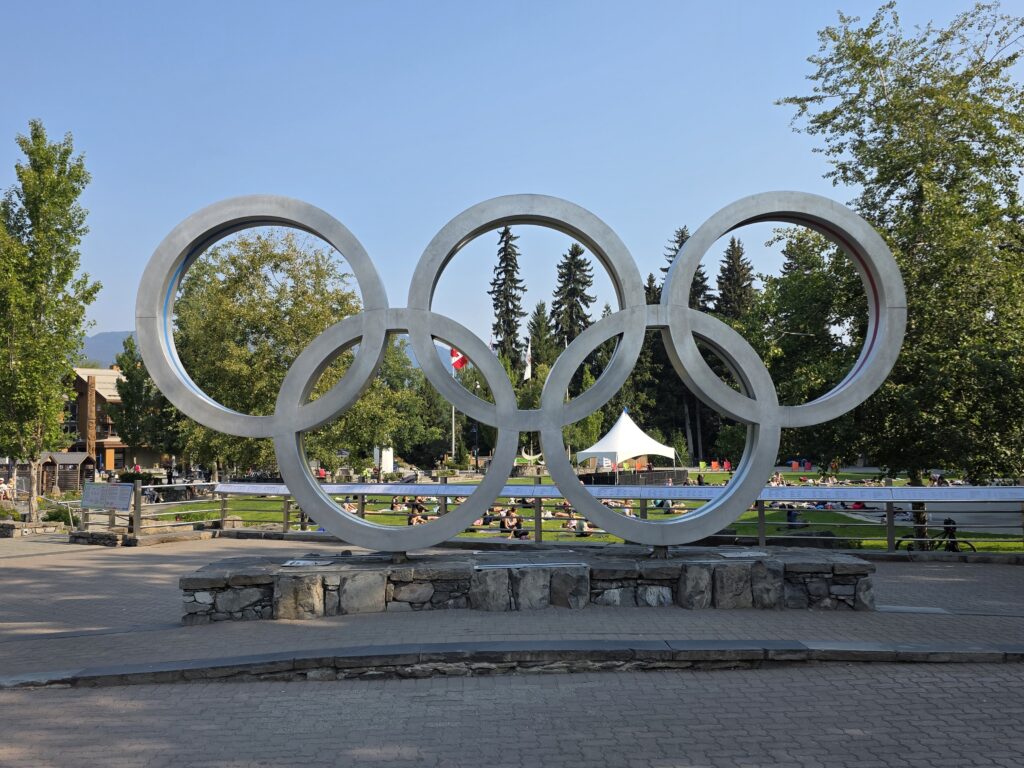
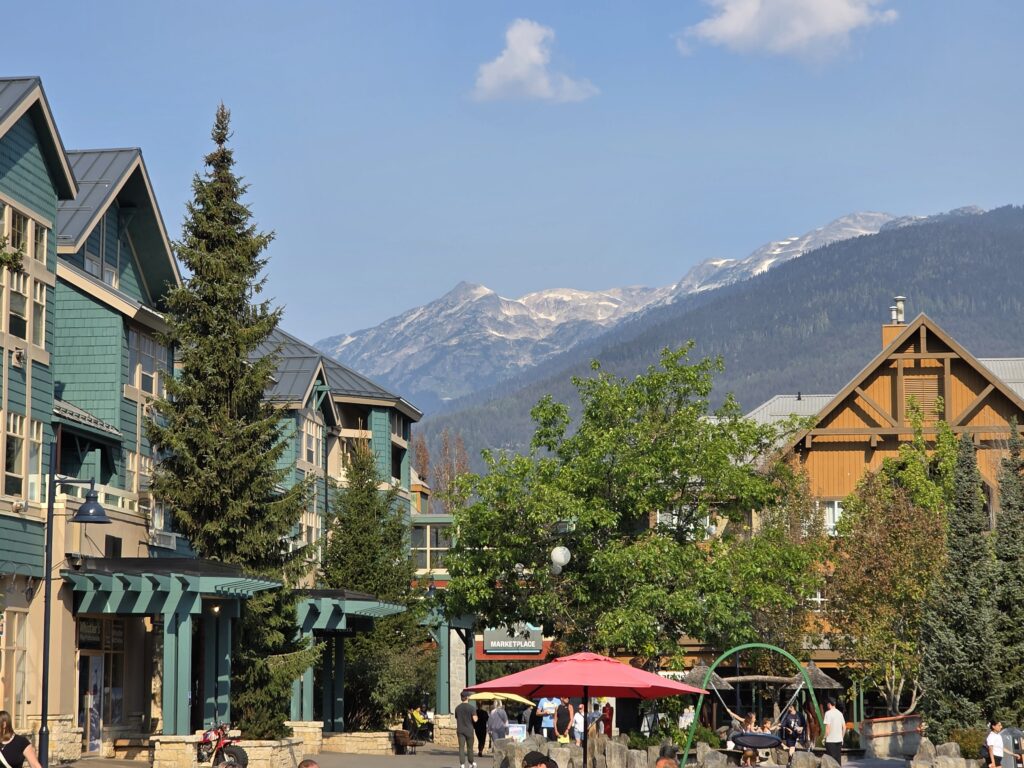
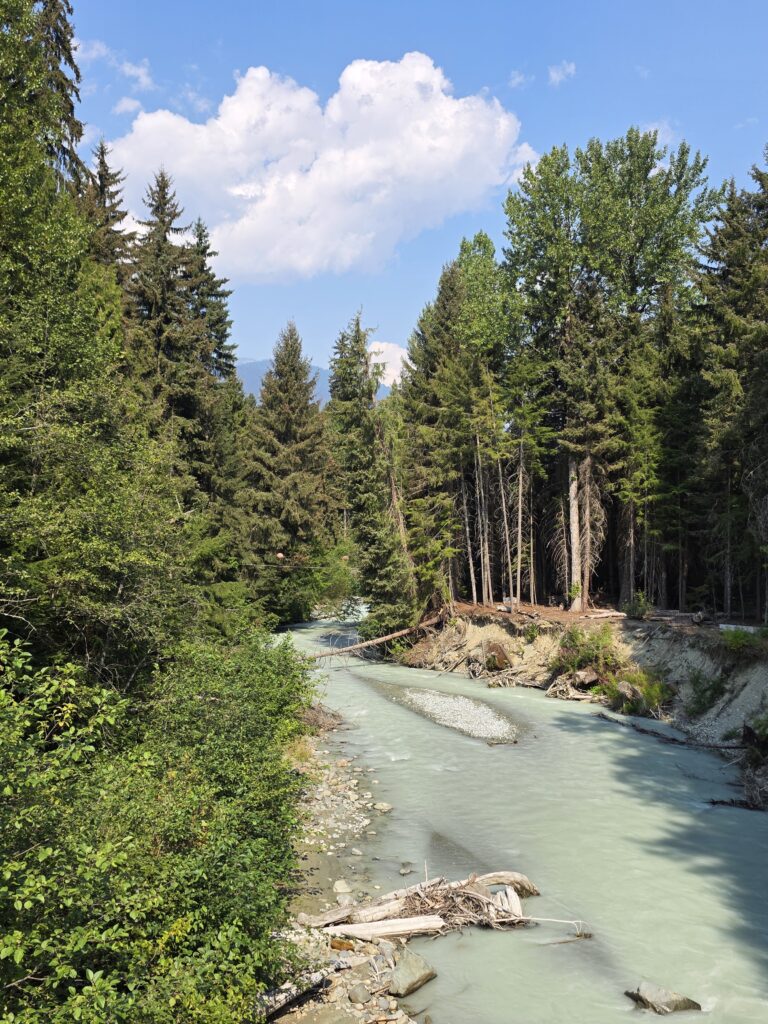
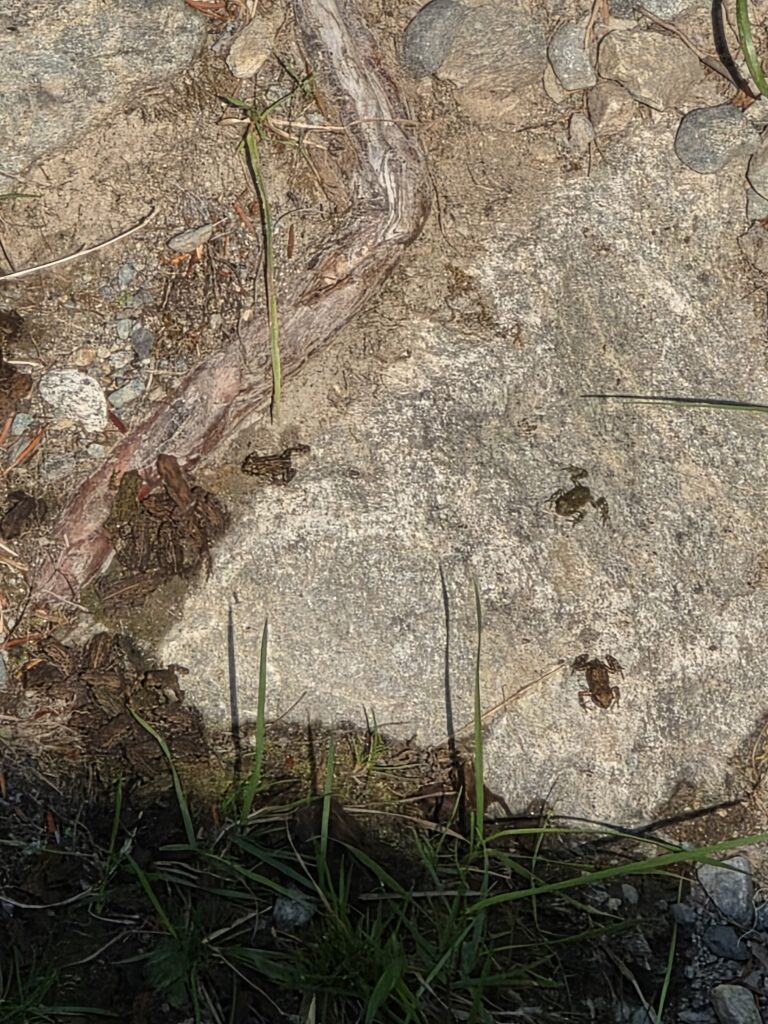
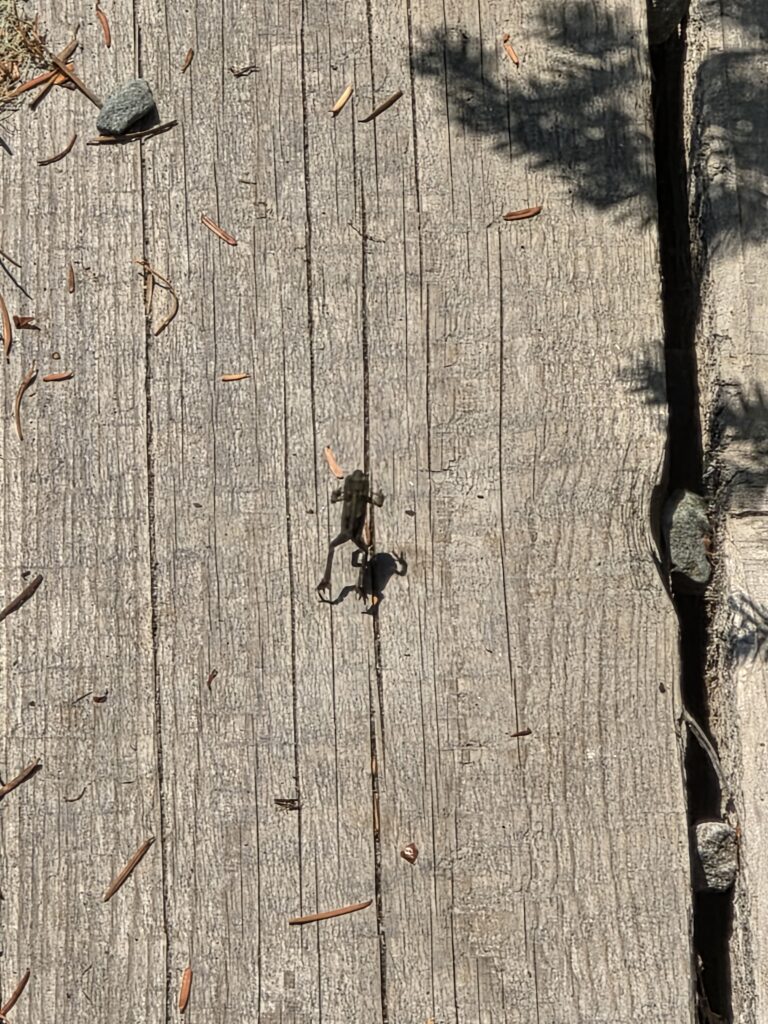
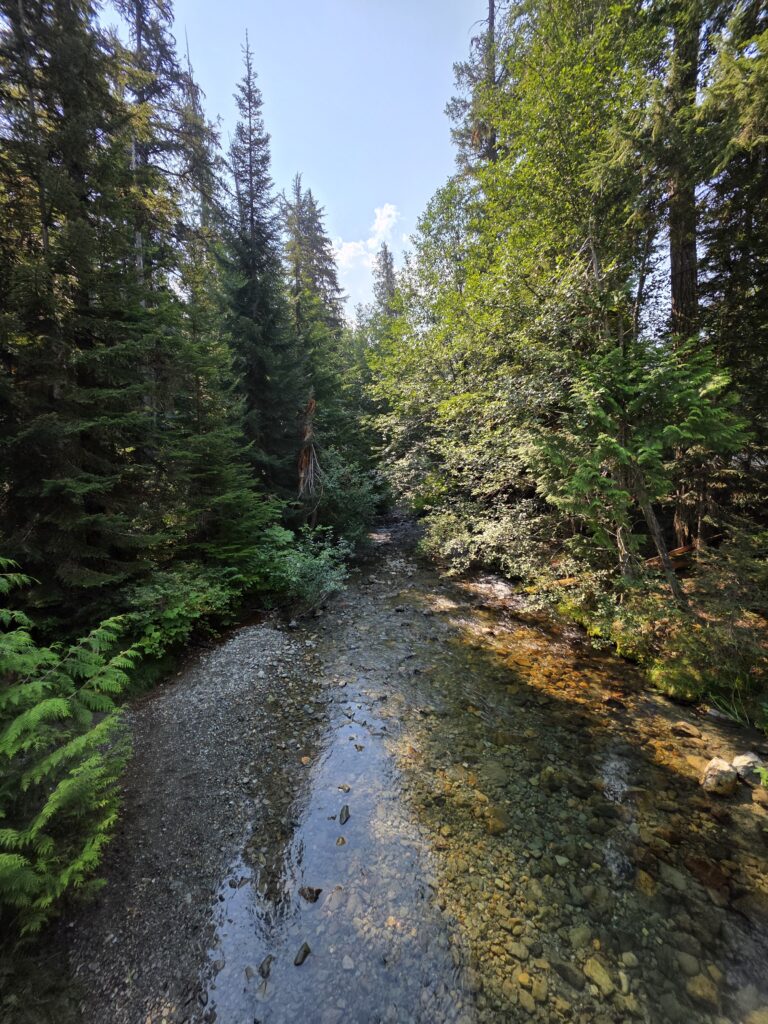
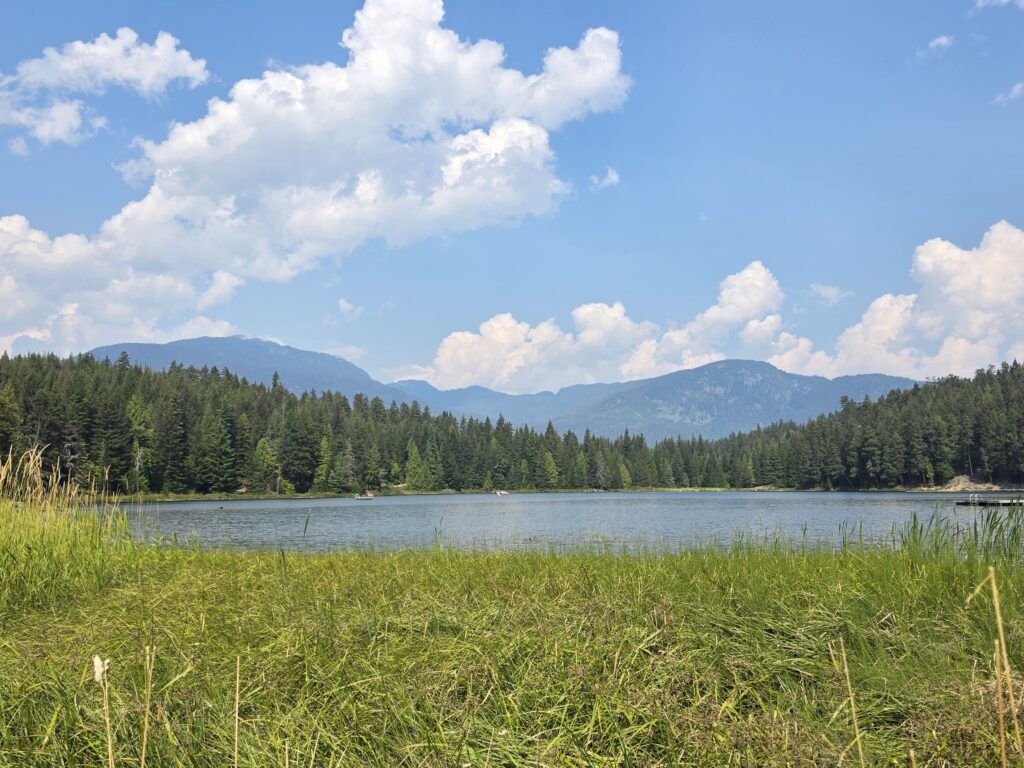
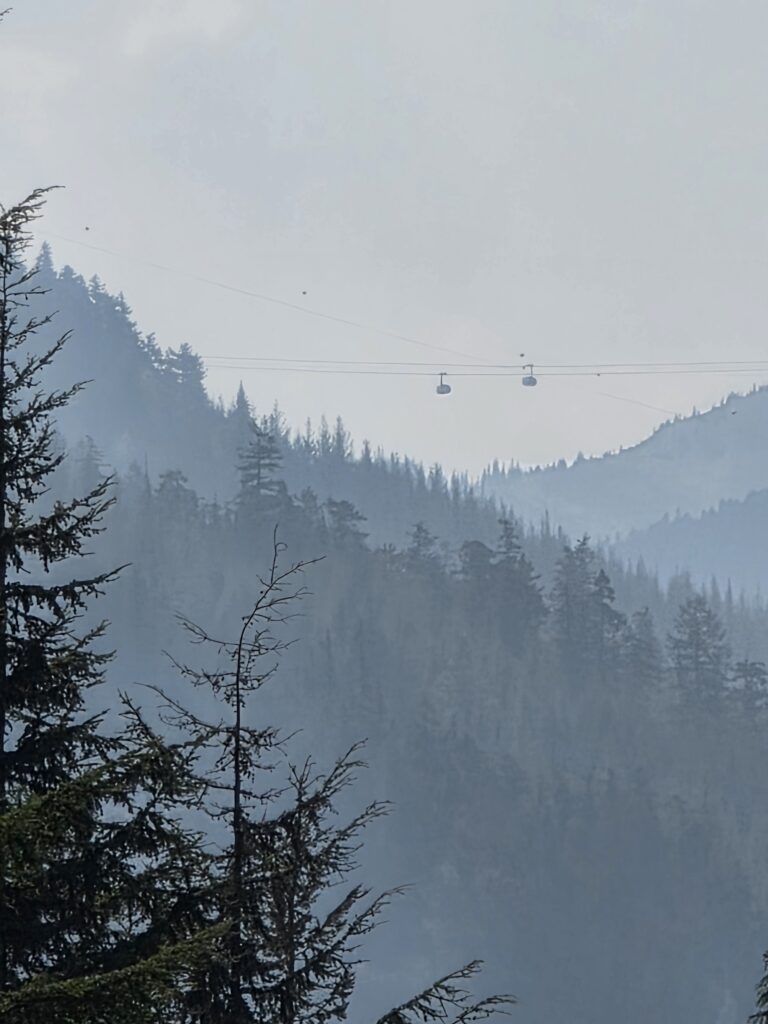
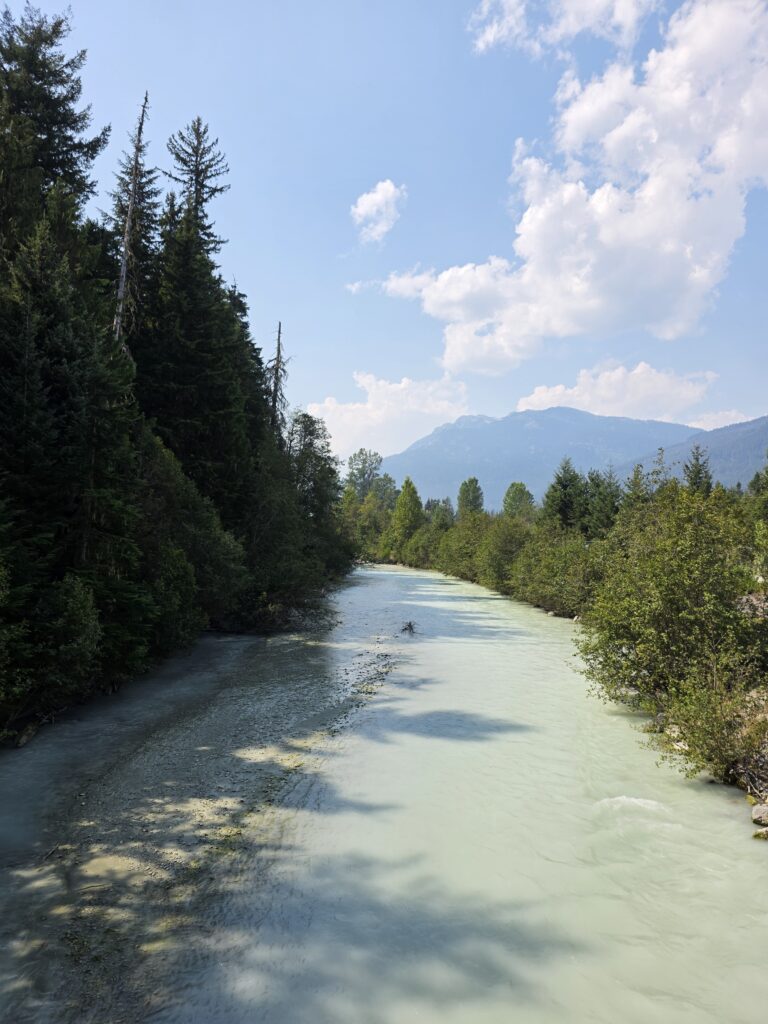
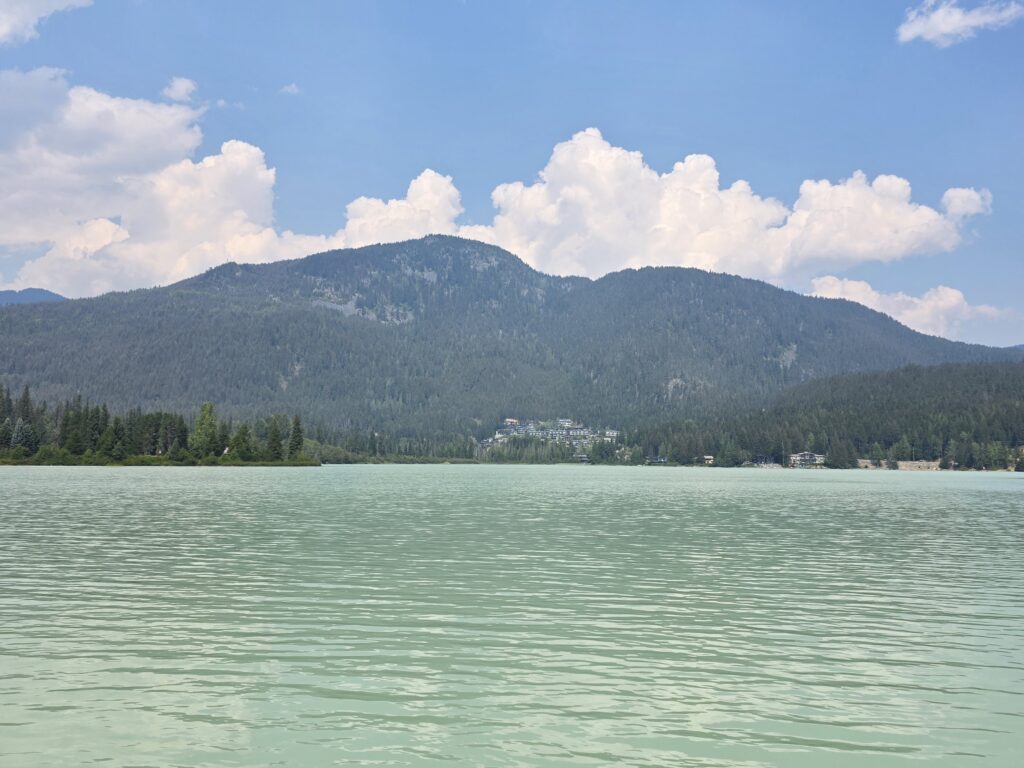
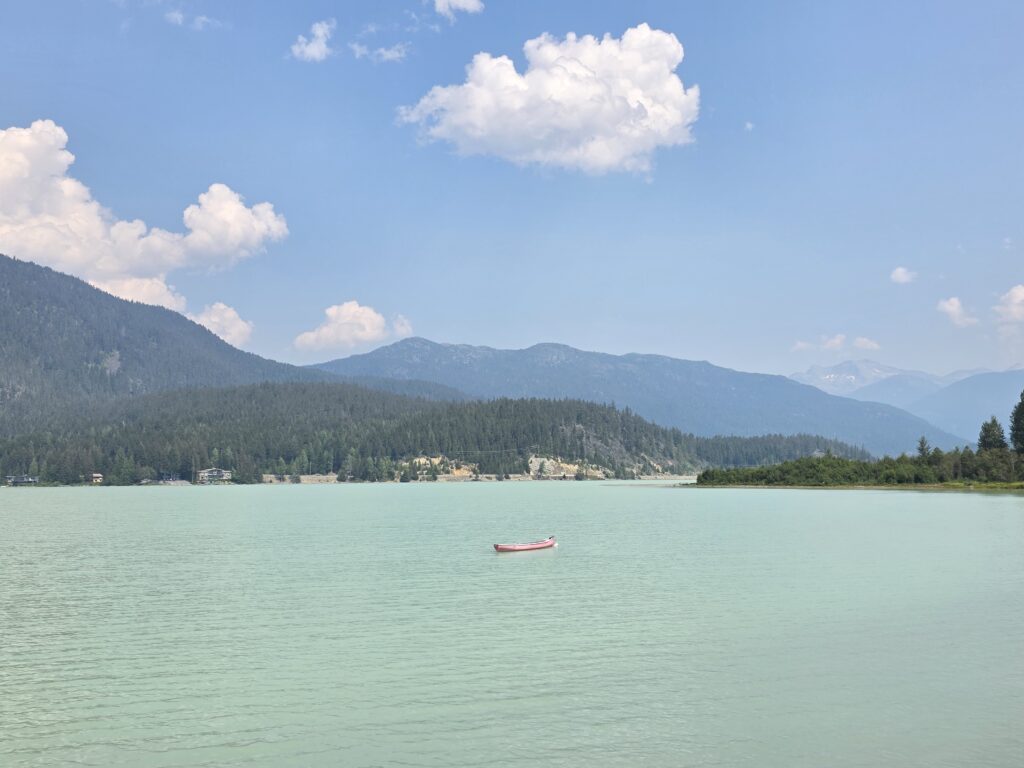
On Saturday the 15th we went to Whistler. We didn’t end up taking the gondola or going on the sky bridge but the weather was perfect for hiking and we saw a lot of beautiful things. After we ate breakfast we walked around the Olympic Plaza and saw the rings and the torch. Whistler hosted the Winter Olympics back in 2010. Then we hiked to Lost Lake and continued on to Green Lake. There was a baby toad migration happening while we were there so some of the areas were blocked off and they even built a little bridge for them to cross underneath the walking/biking path so they didn’t have to worry about getting stepped on or ran over. They were SO CUTE!!!!
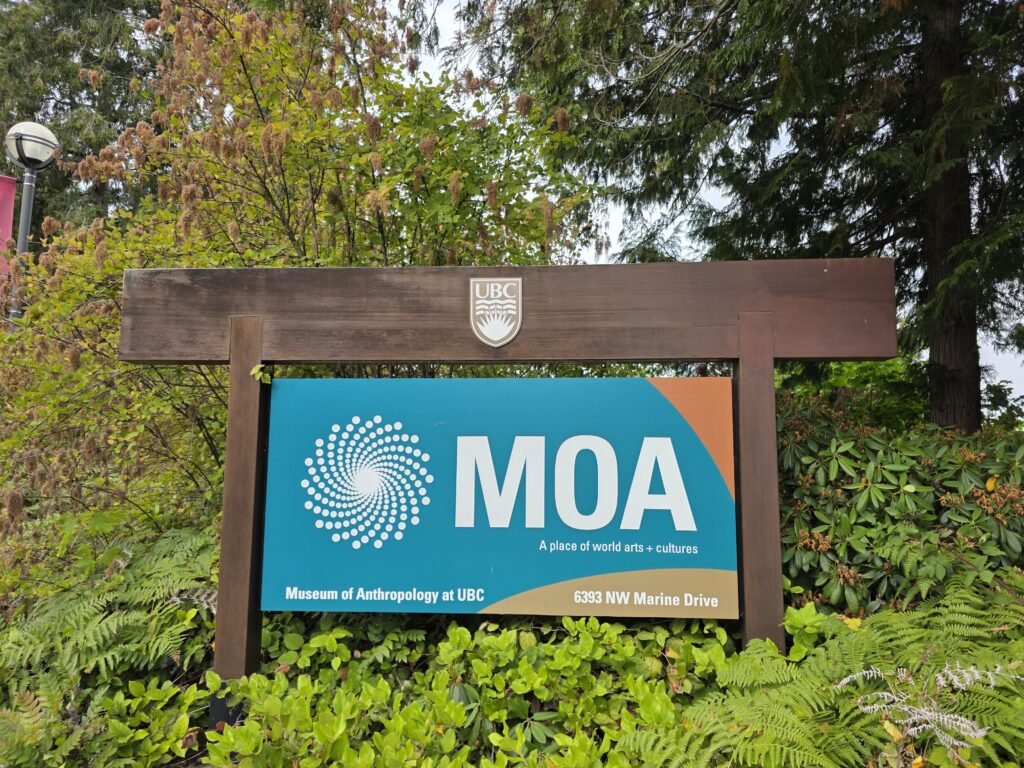
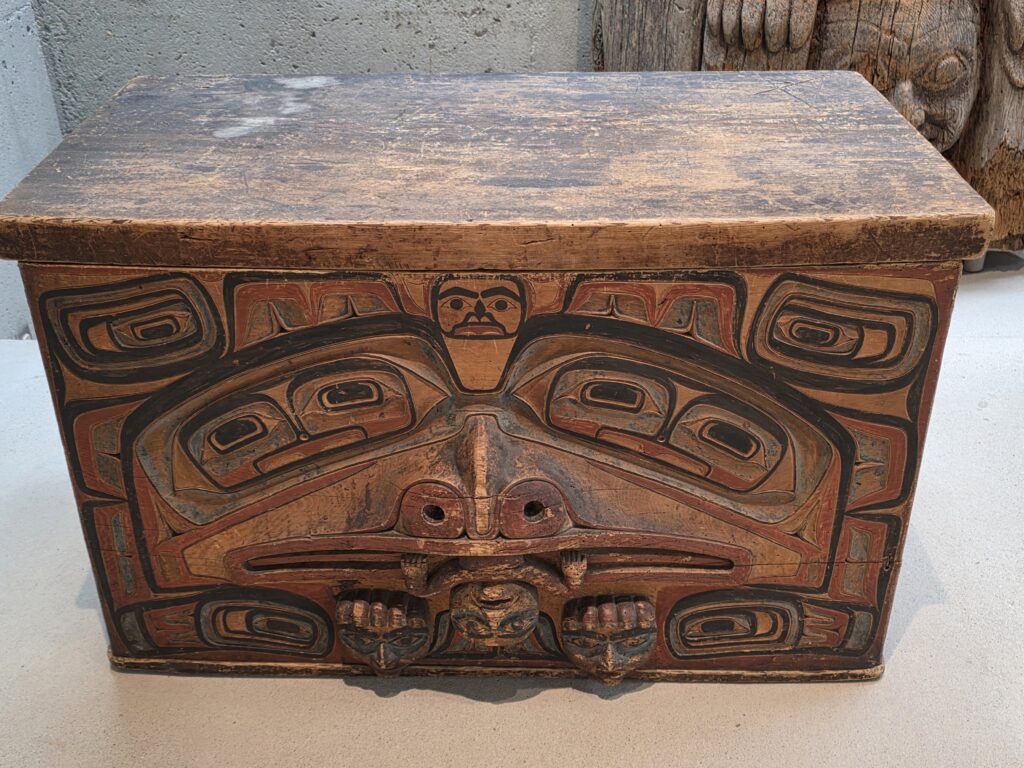
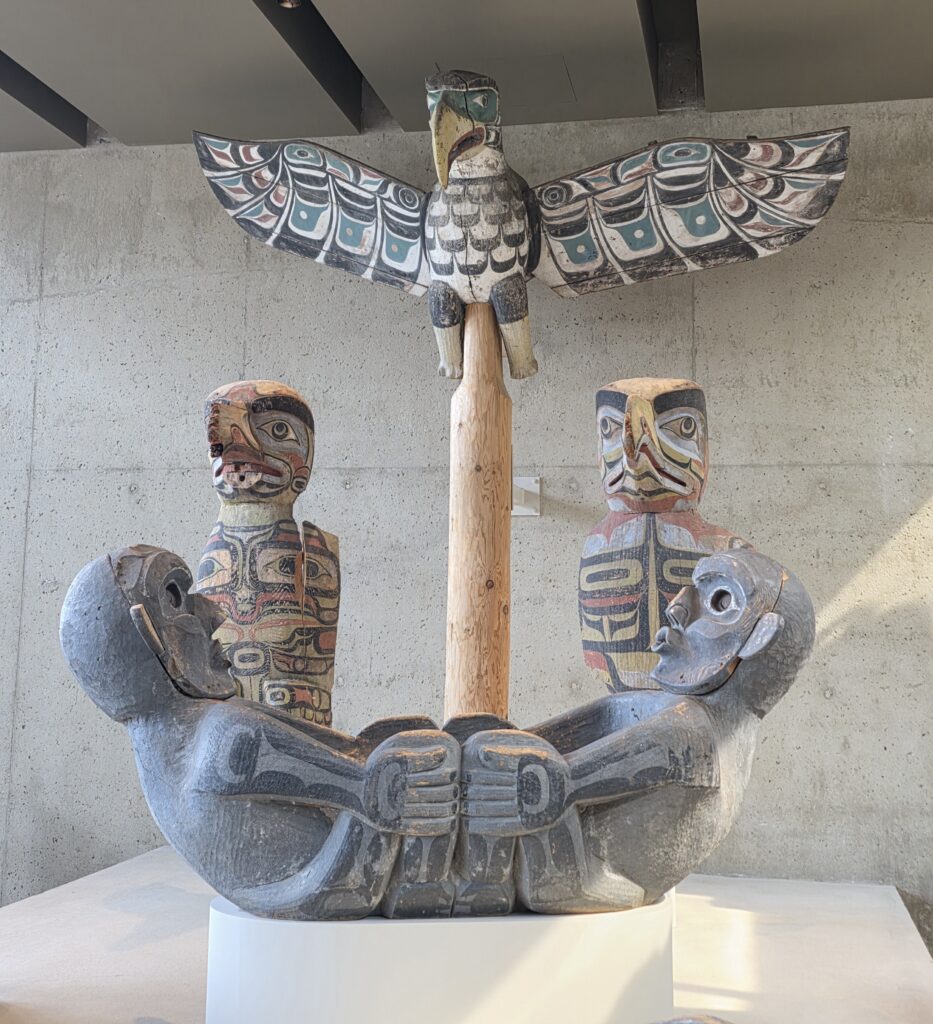
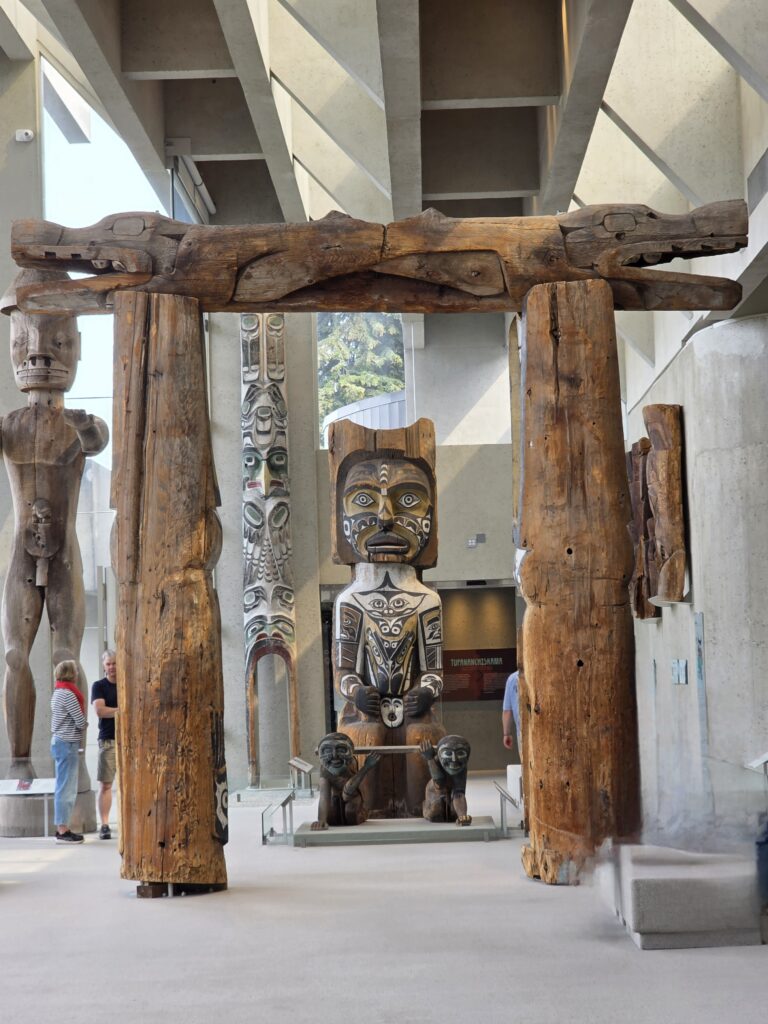
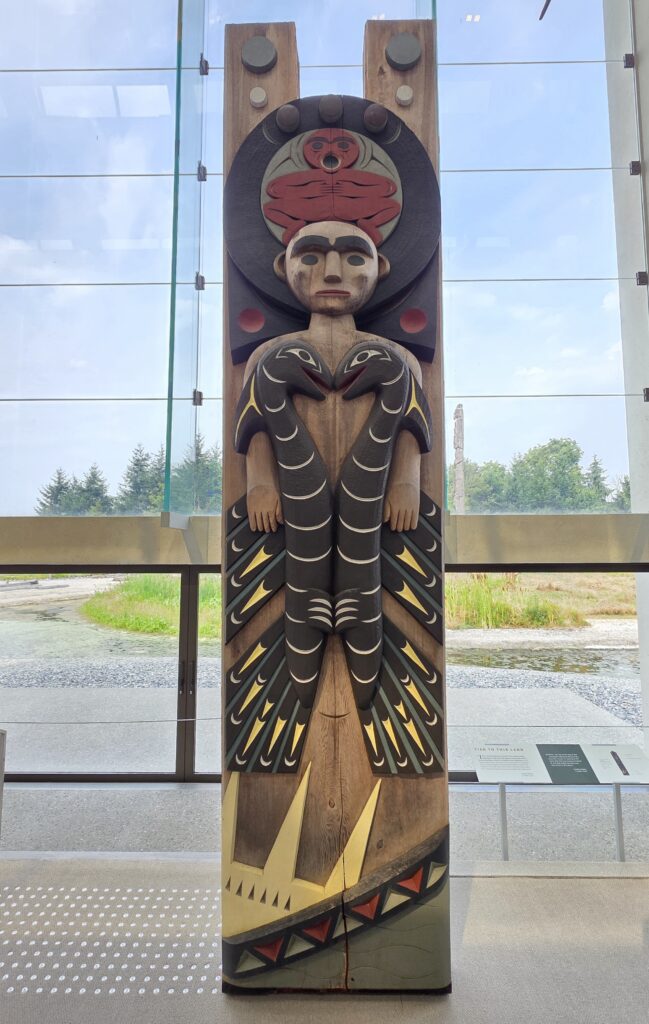
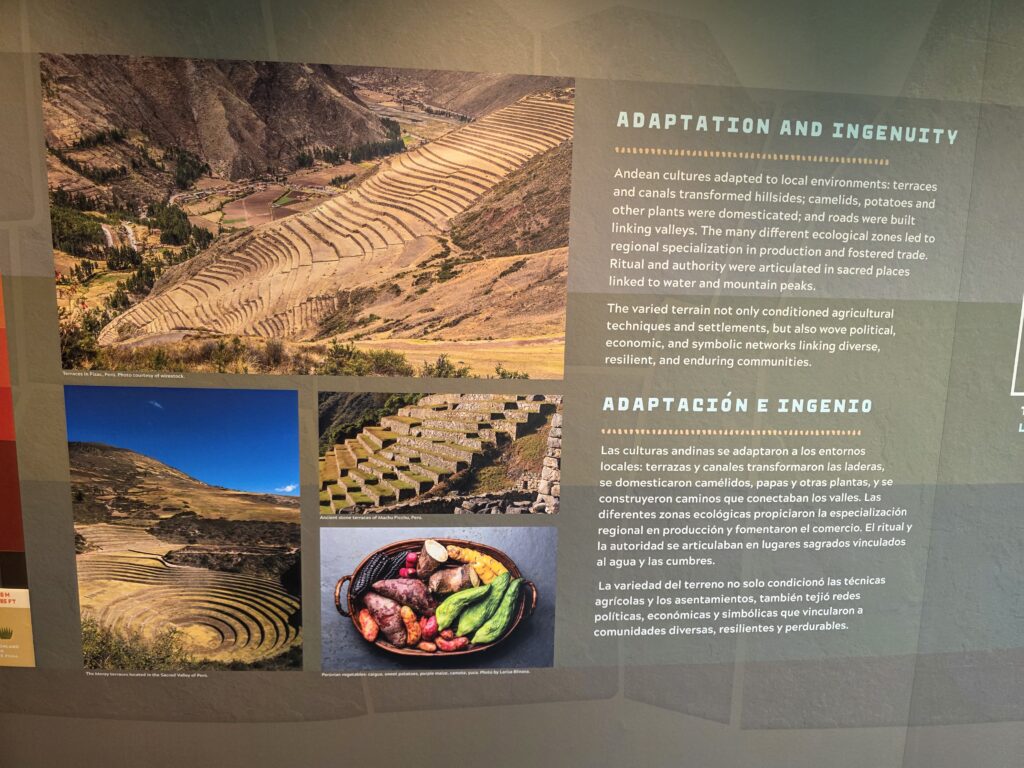
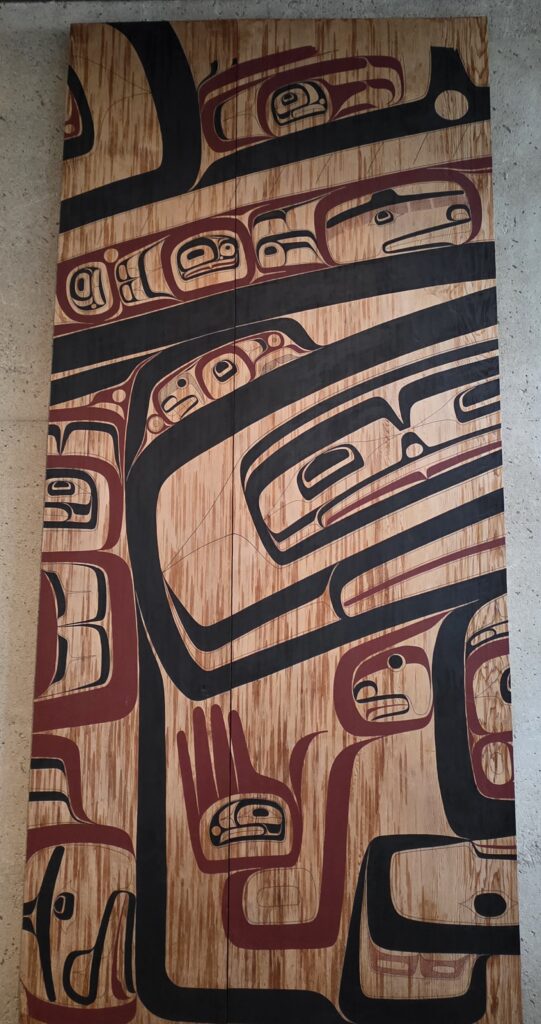
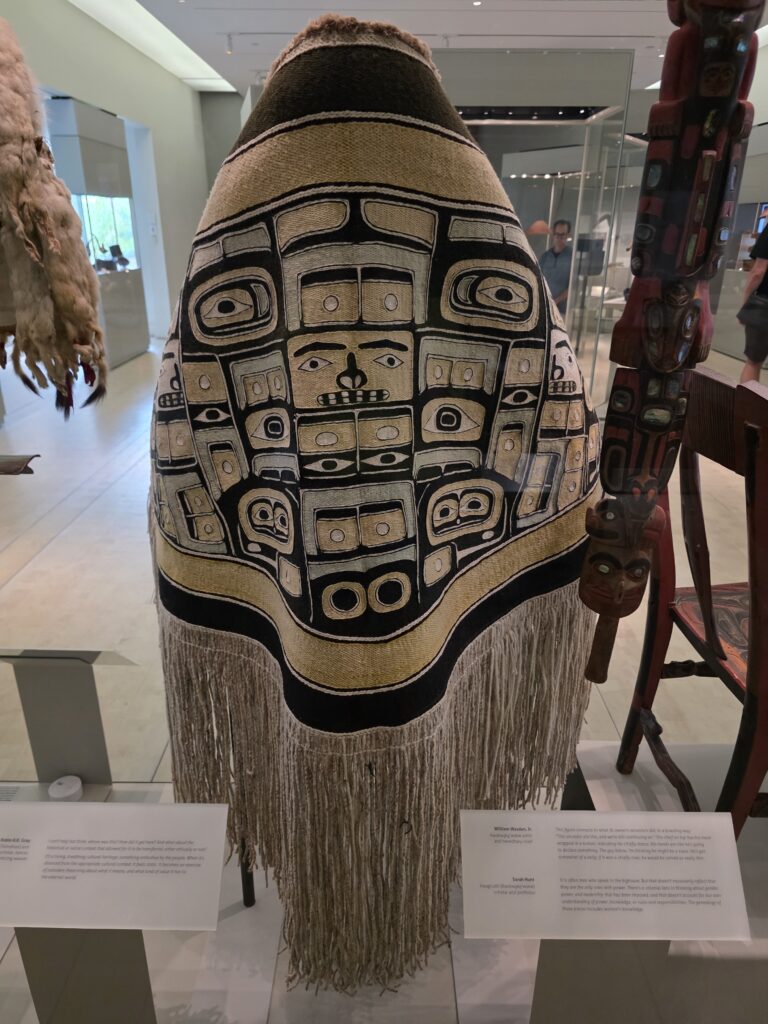
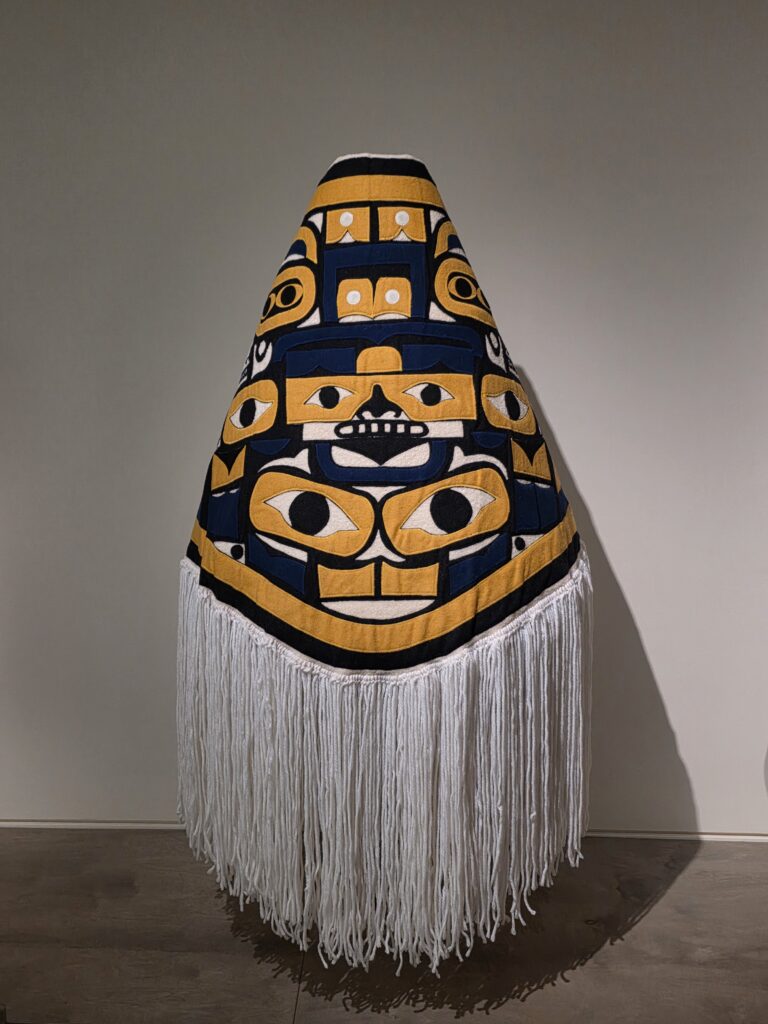
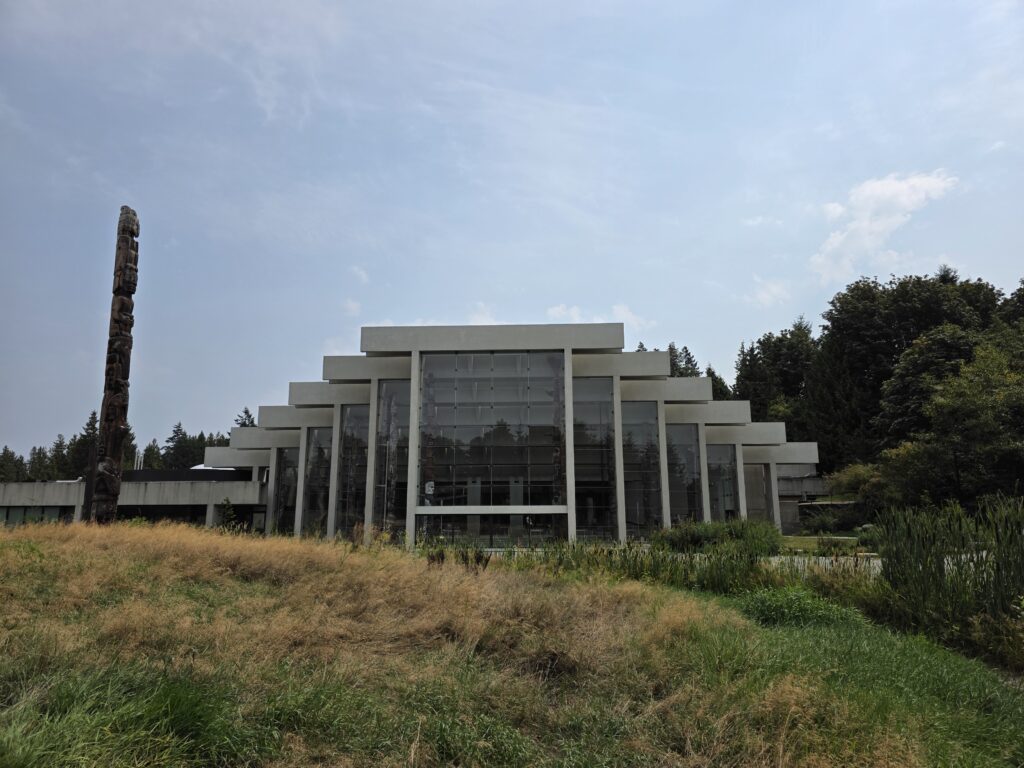
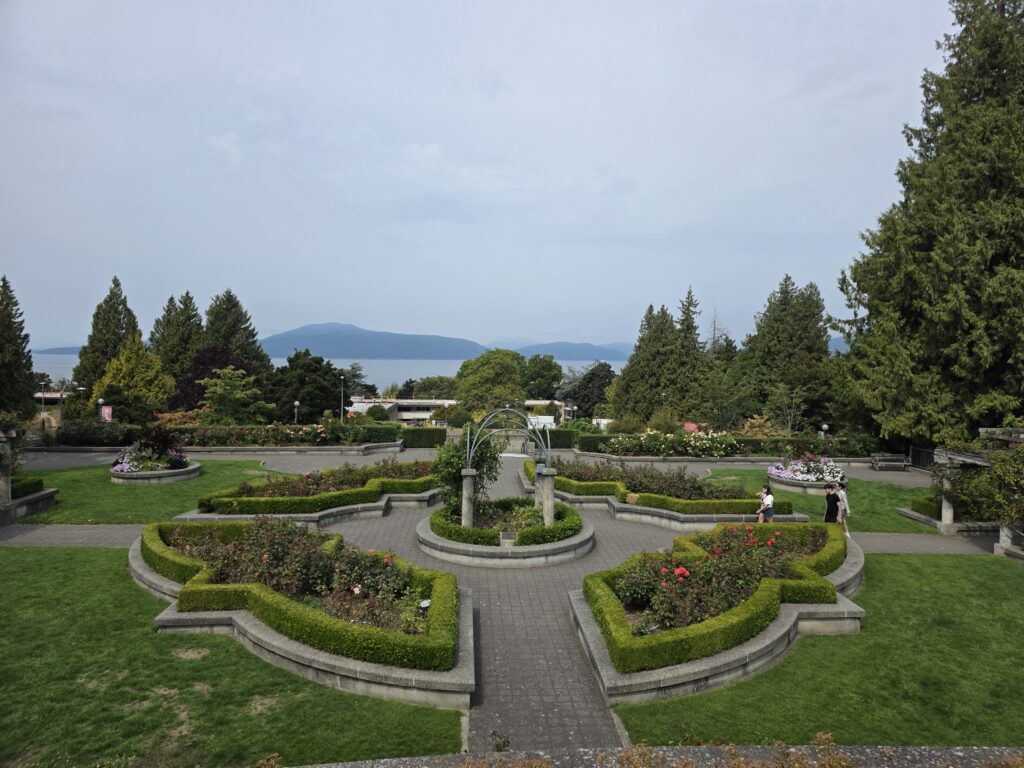
The next day we made it to the Museum of Anthropology and I’m SO glad we went! They did an incredible job educating visitors about Northwest Coast First Nations People primarily through their art. The museum was also located in a beautiful setting so it gave us a chance to explore an area of the city that we had yet to visit.
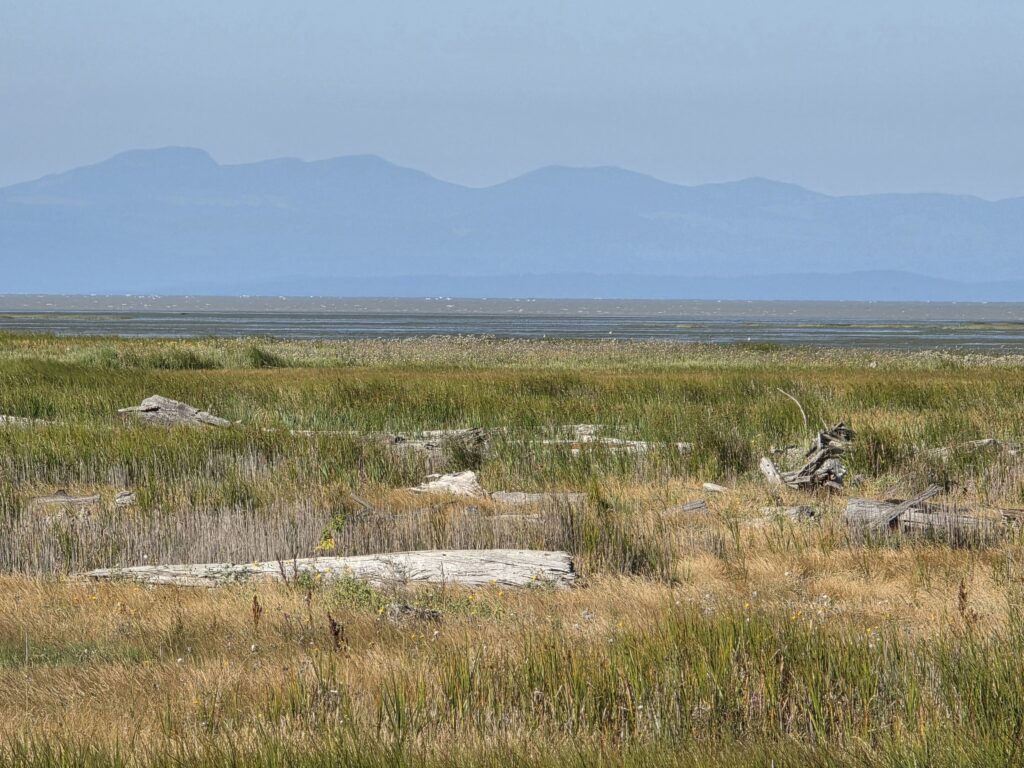
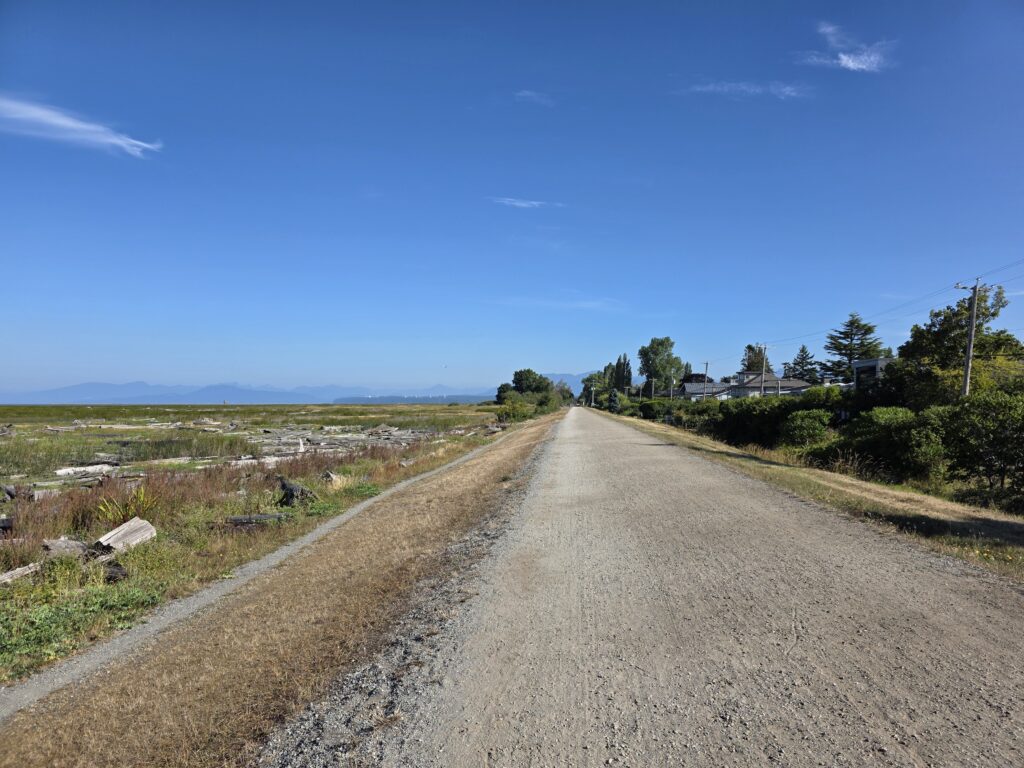
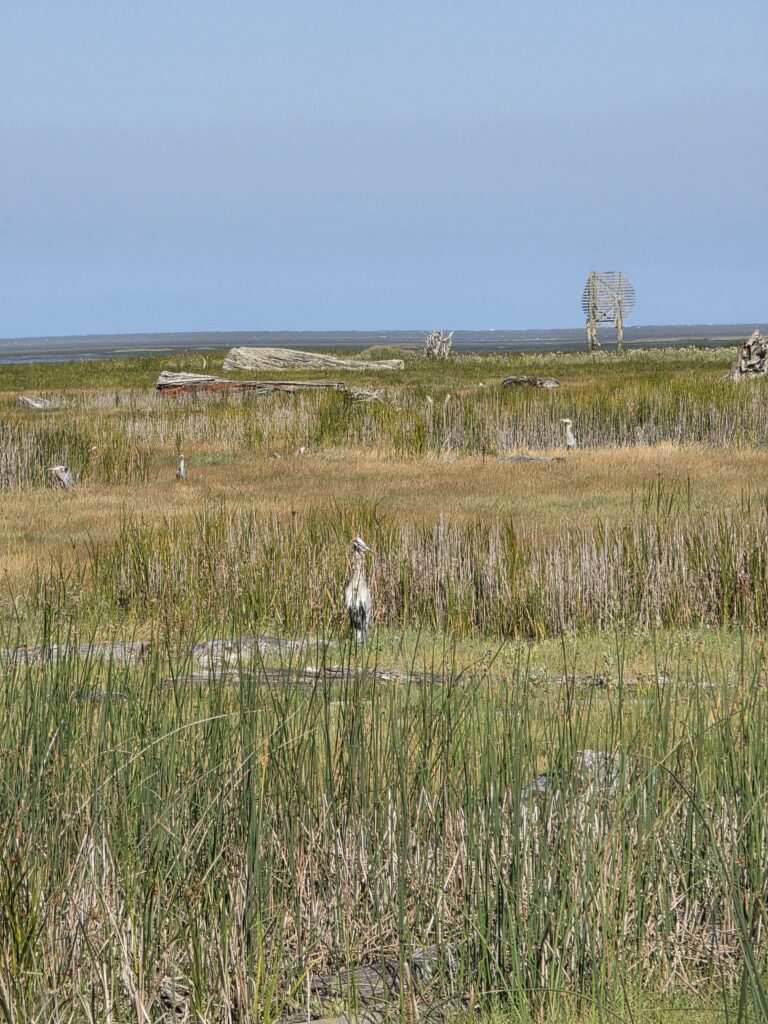
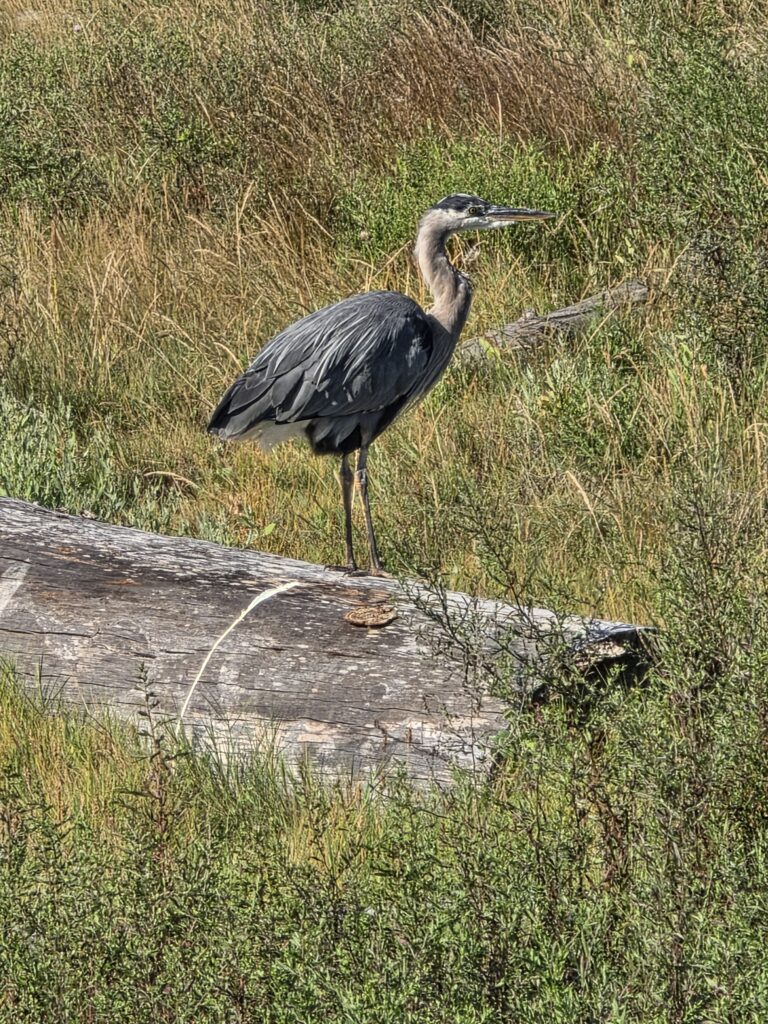
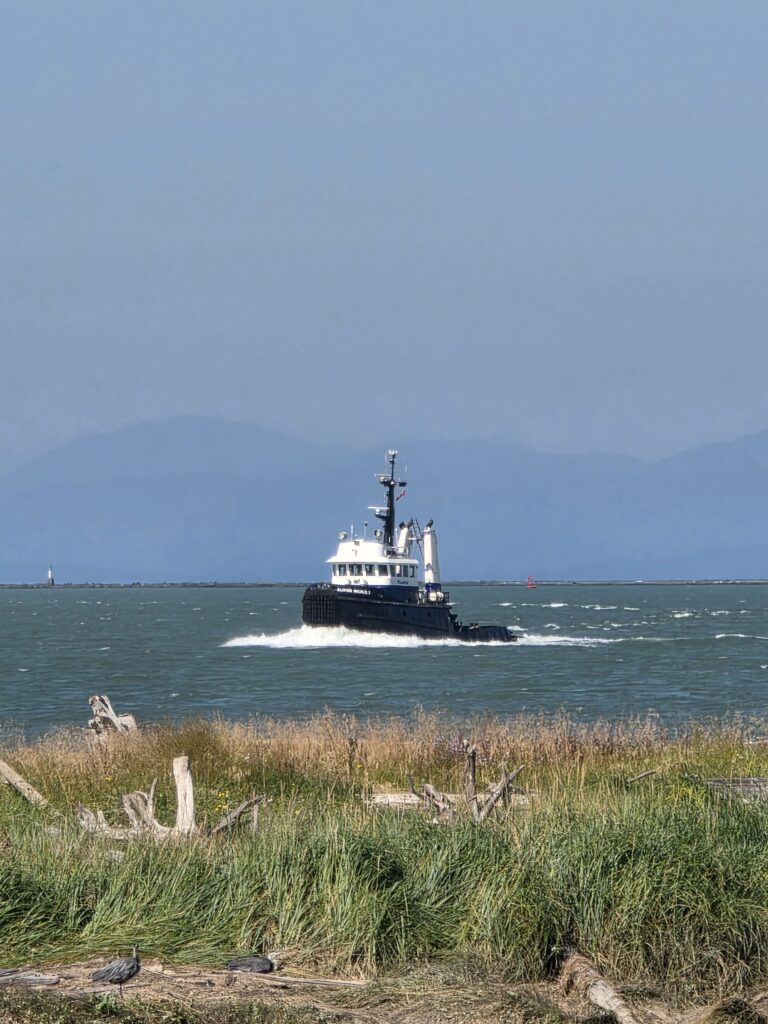
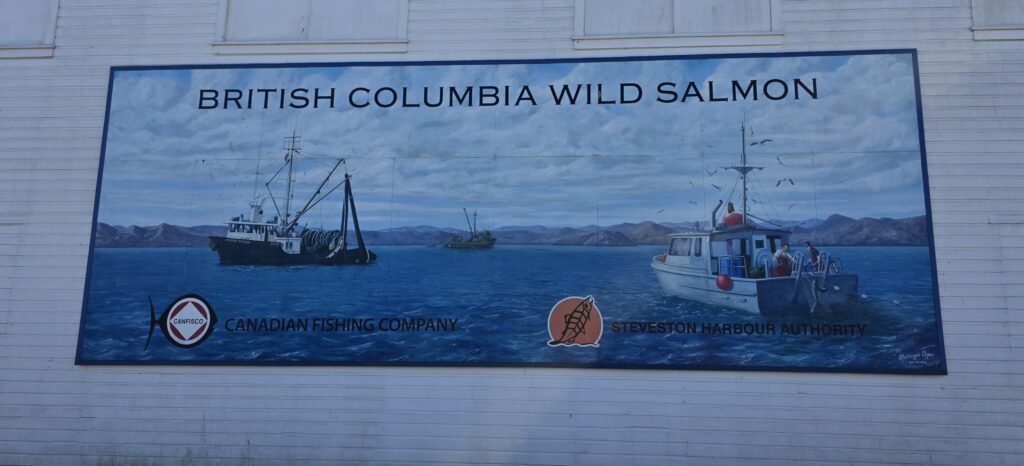
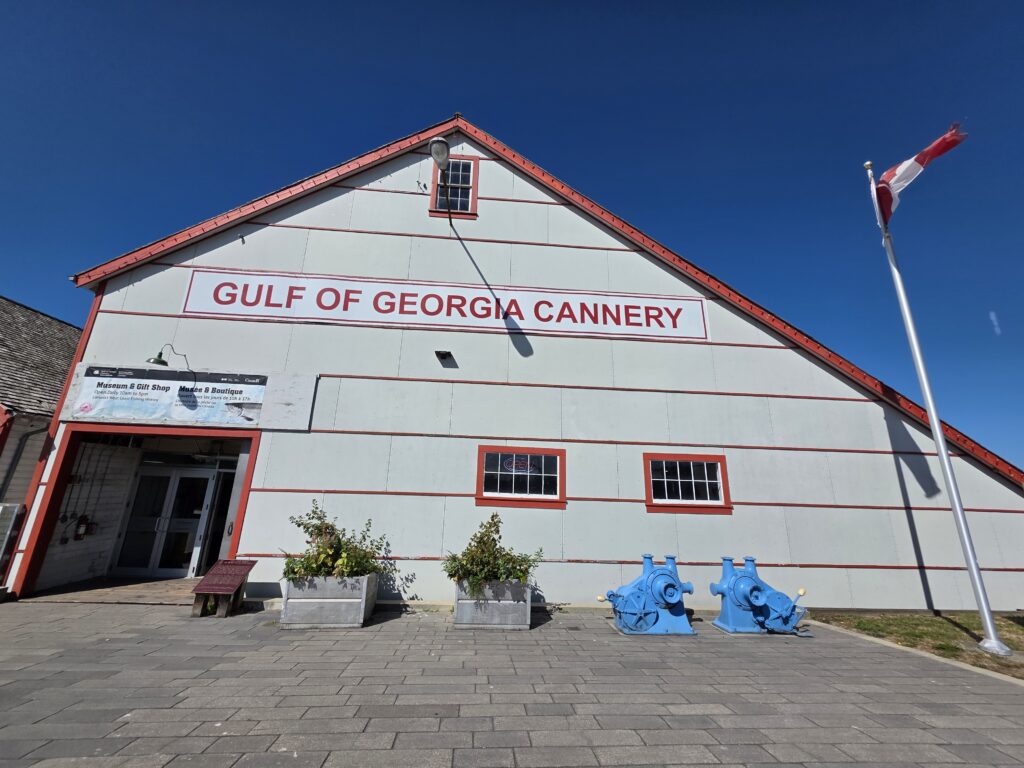
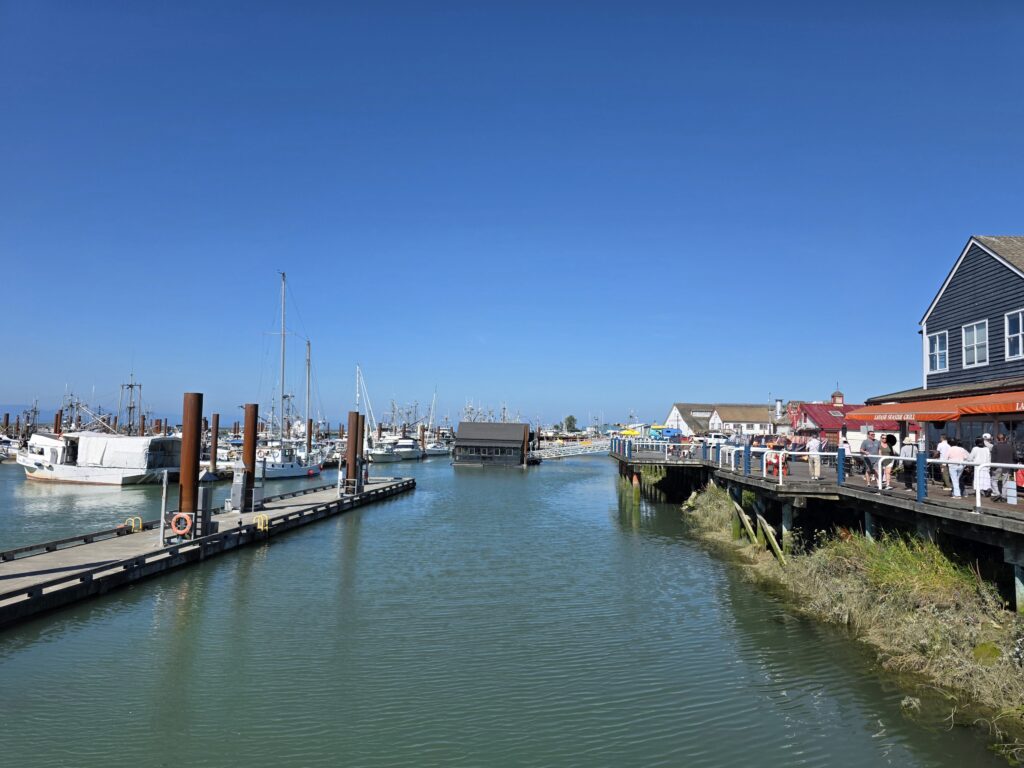
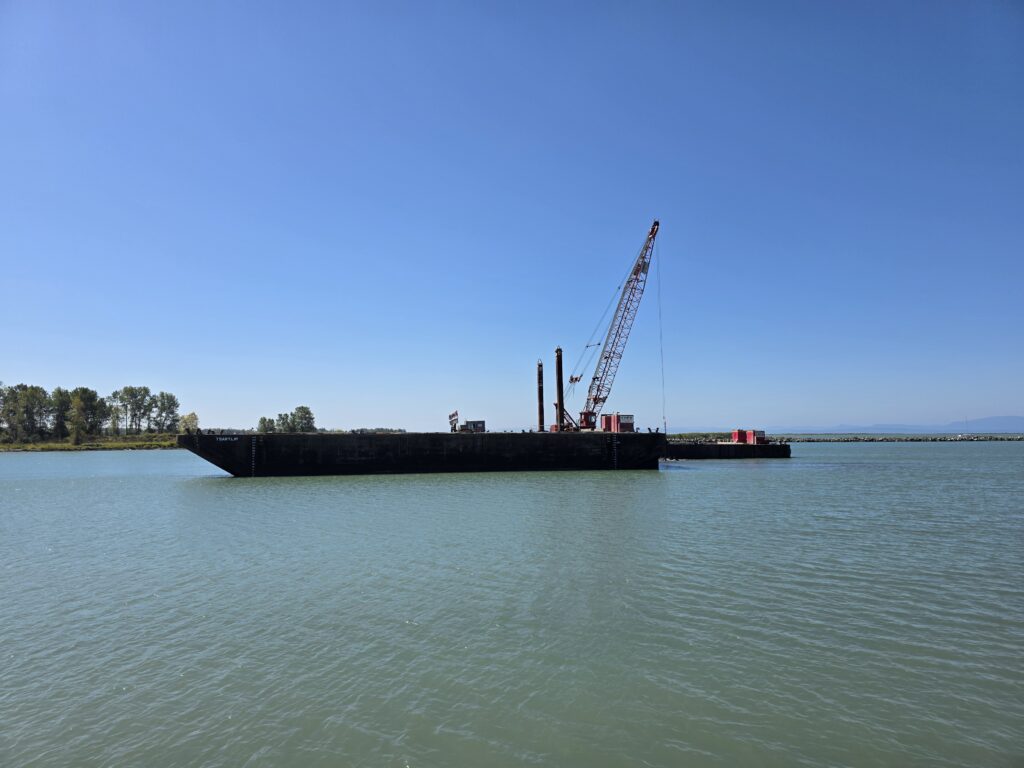
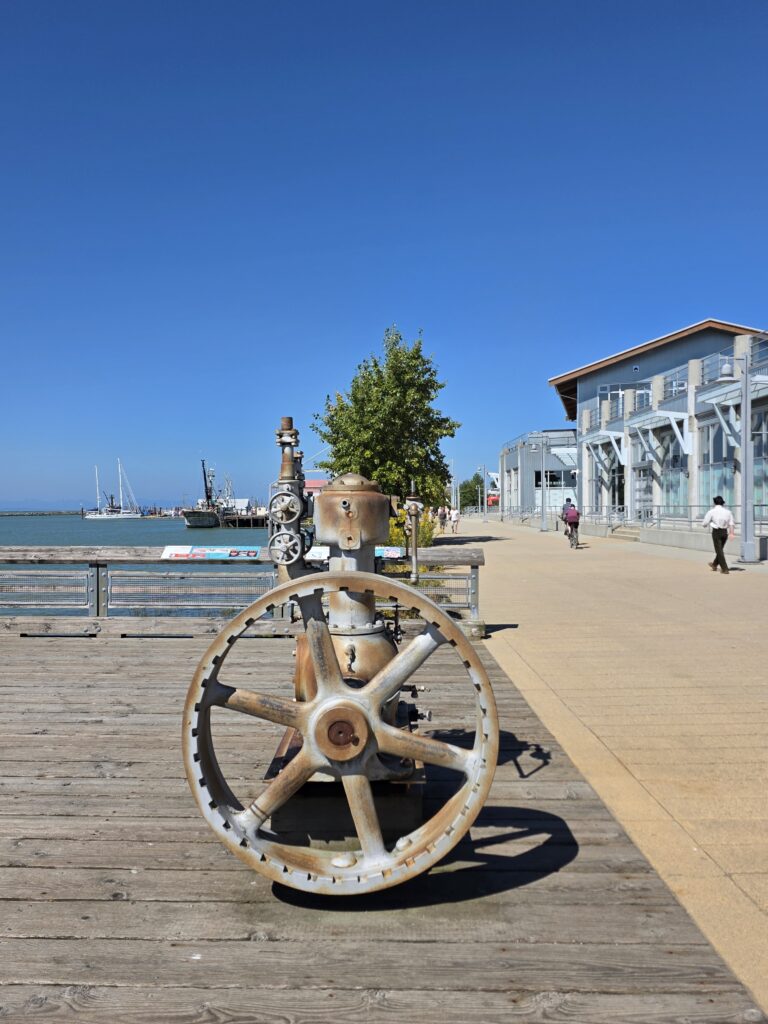
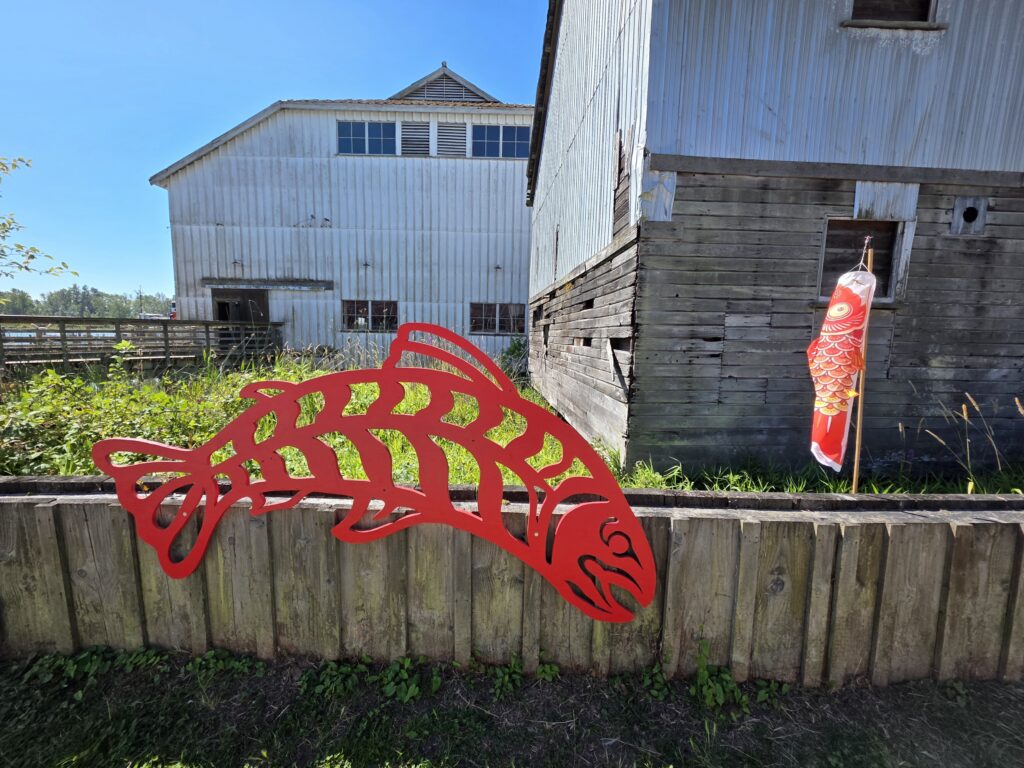
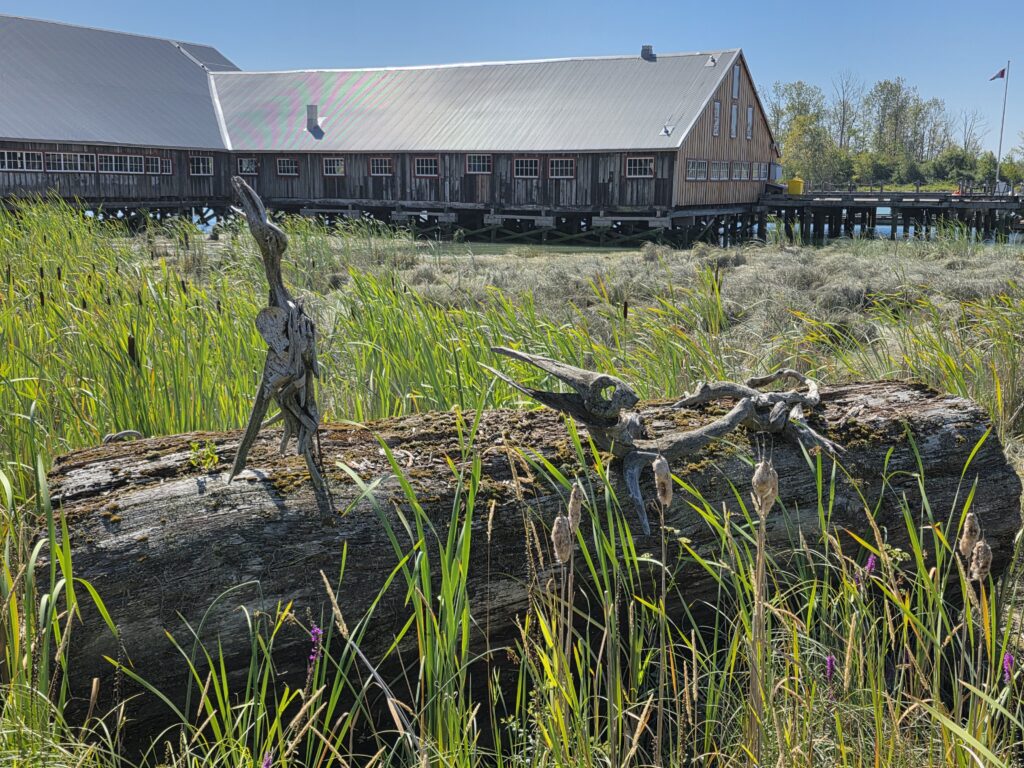
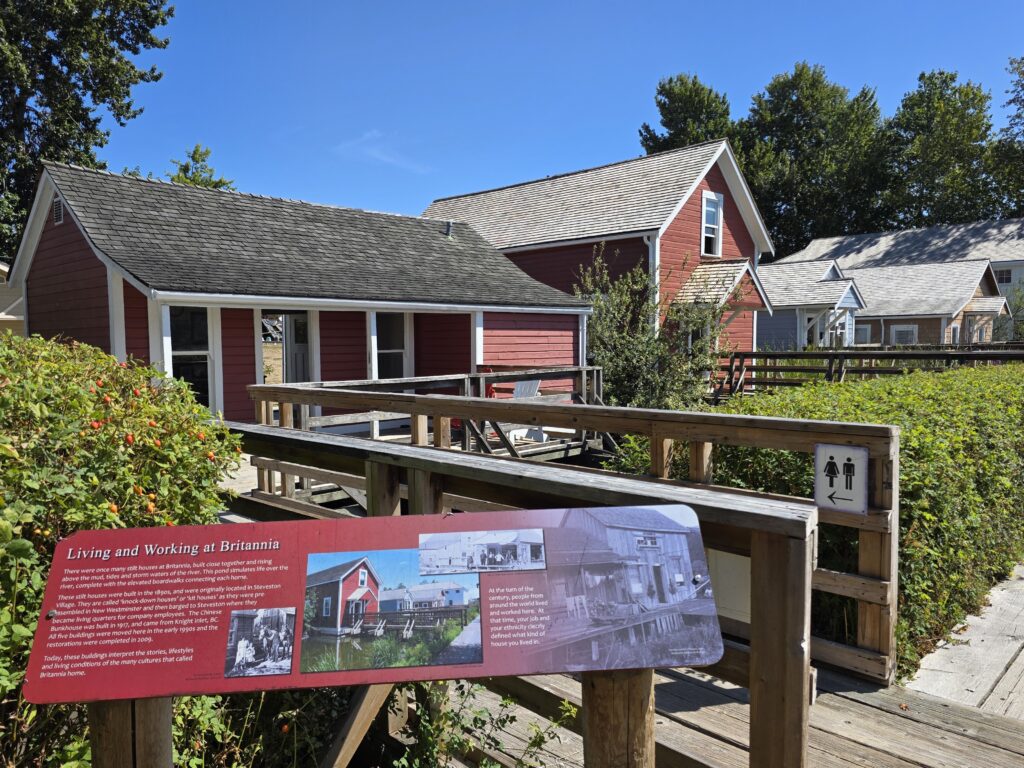
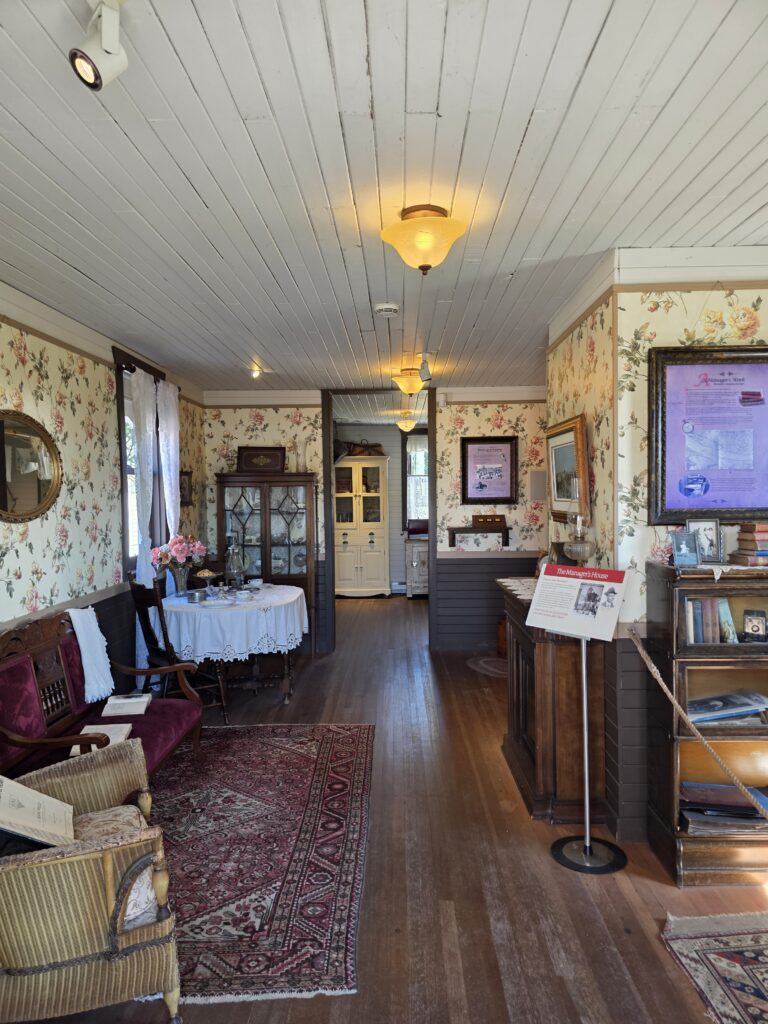
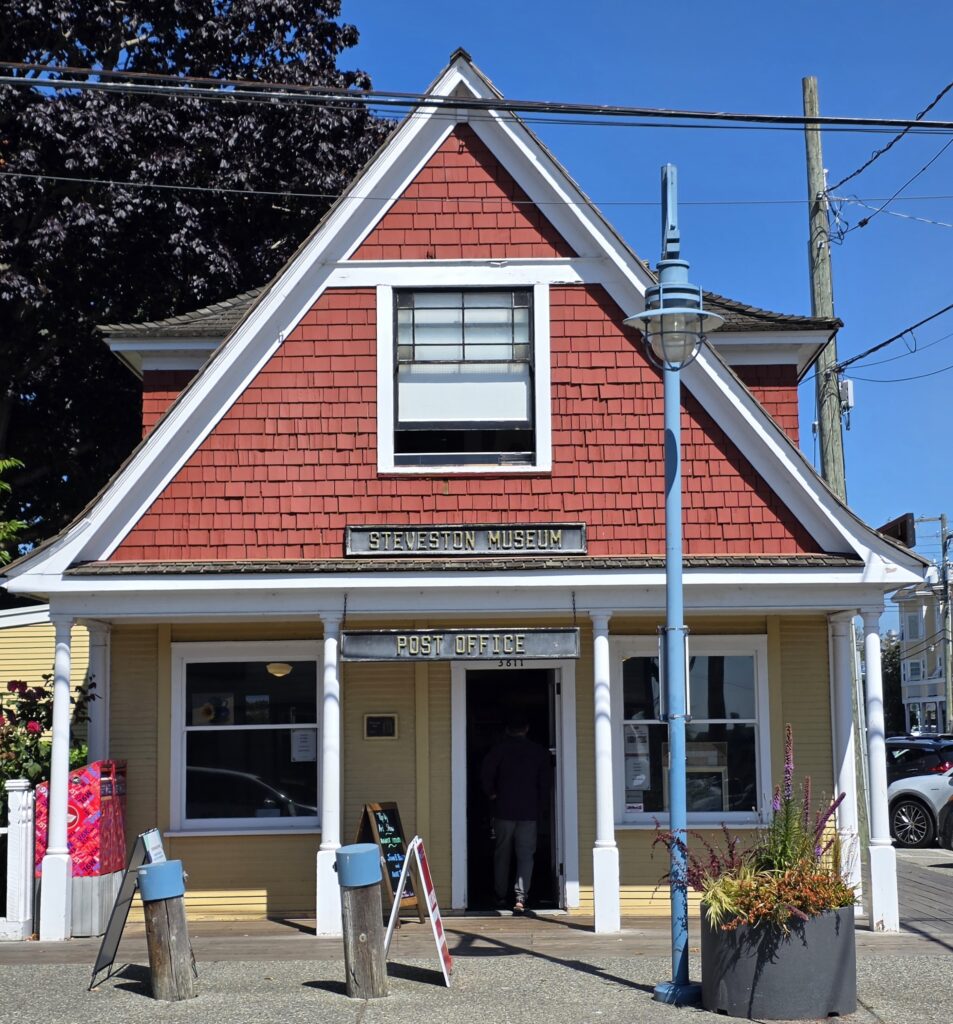
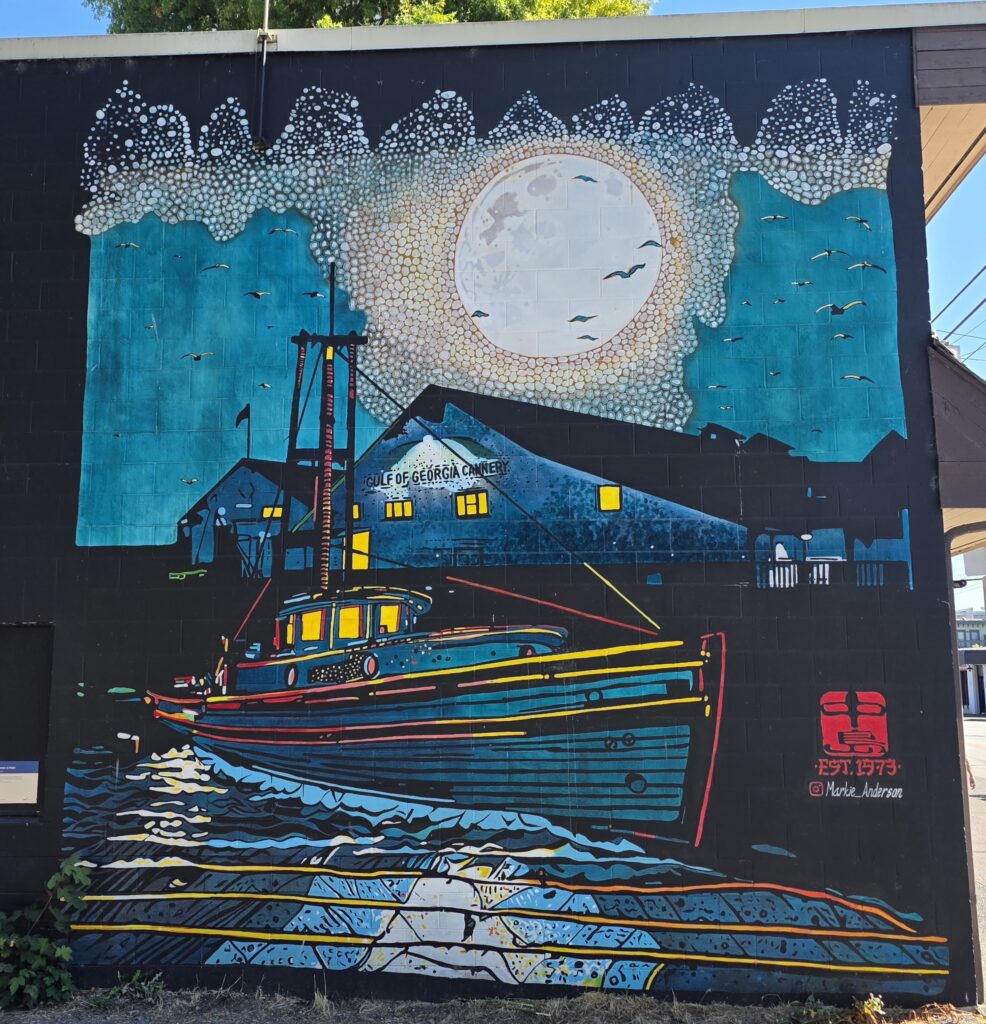
Last Thursday I took a solo day trip and visited the coastal town of Steveston. A few weeks prior someone we met at the train museum before the pride parade had told us about the town and how it is a cool place to visit because “it combines a historic, working fishing village vibe with scenic waterfront boardwalks, fresh seafood, and is easy day-trip, only about an hour and half, on public transportation.” All those things were true. I got off the bus about a 25 min walk from the West Dyke Trail and walked along that to Garry Point Park. I learned in my research that the TV show “Once Upon a Time” was filmed there. I have never seen it and now I’m curious. After Garry Point Park, I walked past the Golf of Georgia Cannery that was built in 1894 to Fisherman’s Wharf where I had a delicious lunch of fish and chips at Britannia Brewing. After lunch I visited the Britannia Shipyards where you can see and go inside of “a collection of historic 19th- and 20th-century canneries, boatworks, residences, and bunkhouses built on wooden pilings over the water.” It was another beautiful day and I am glad I took the trip.
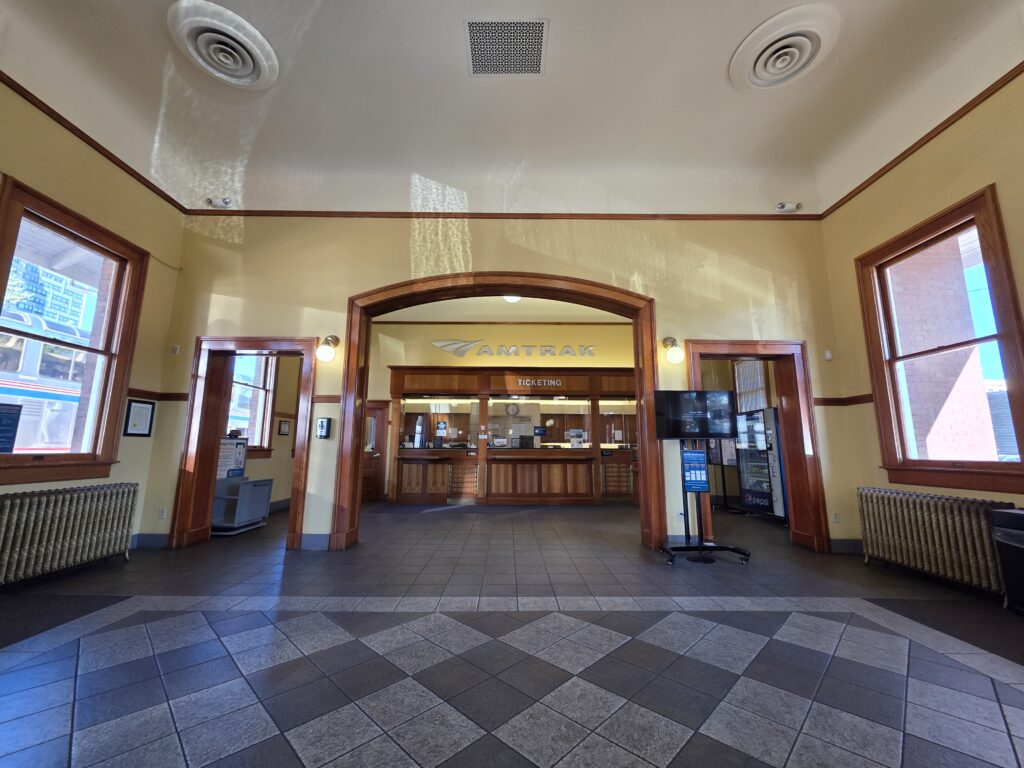
After an adventure including planes, trains, and automobiles, on Saturday, we are now in Springfield, Oregon for the week. We chose Springfield because one of Dave’s friends from high school lives here with his family. We visited them in March of 2024, during our first leg of the adventure, and it is nice to be able to visit again. We’ll be in the US for the next four and half weeks, before we return to Mexico City, for the first time since January of 2025. During this time we will be able to visit family (LA) and friends (SFO) along the way. It is nice to take advantage of this fact, especially since on the last leg of the adventure, we went eight months without barely seeing anyone we knew.
I feel like I have mentioned in my last couple posts that, leading up to the three year milestone, I have been feeling that change is on the horizon. Vancouver kind of felt like a reset for us after the past several months. I think it started with us going back to being better about a budget and me beginning to volunteer, and I think there is going to be even more of it. We are excited to see what the Universe has in store for us. Even though it may feel like not that much has changed right now I know that a lot has changed. We are welcoming and embracing change as the constant with open arms!
Sending you love wherever you are!
❤️Alison and Dave
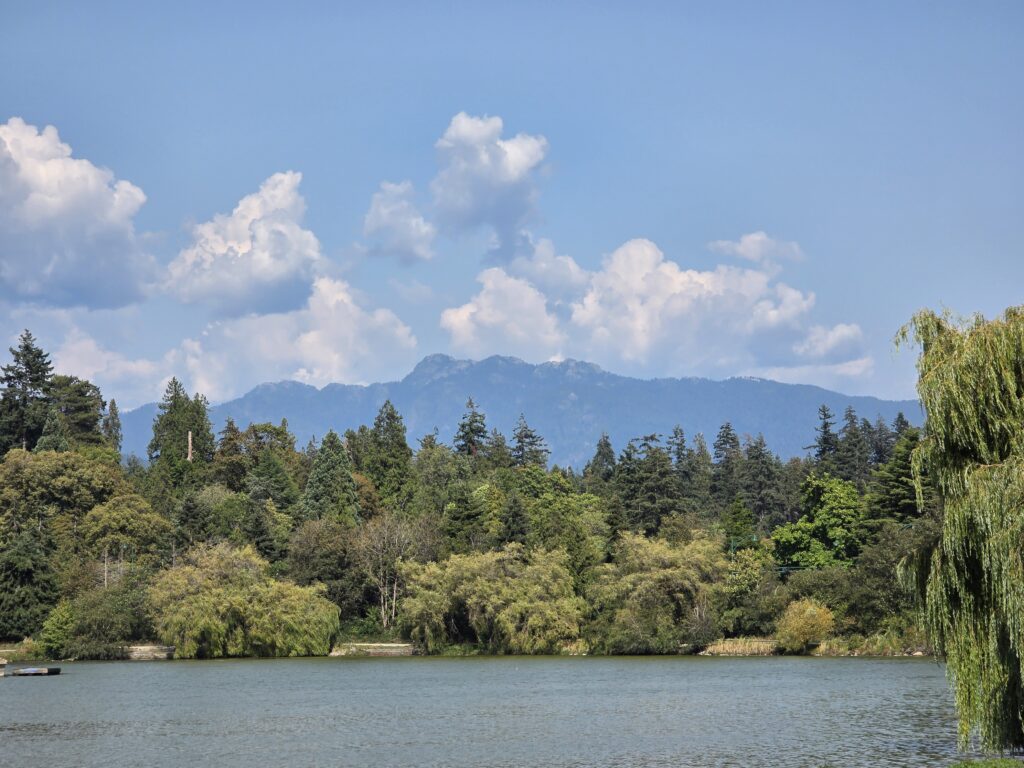
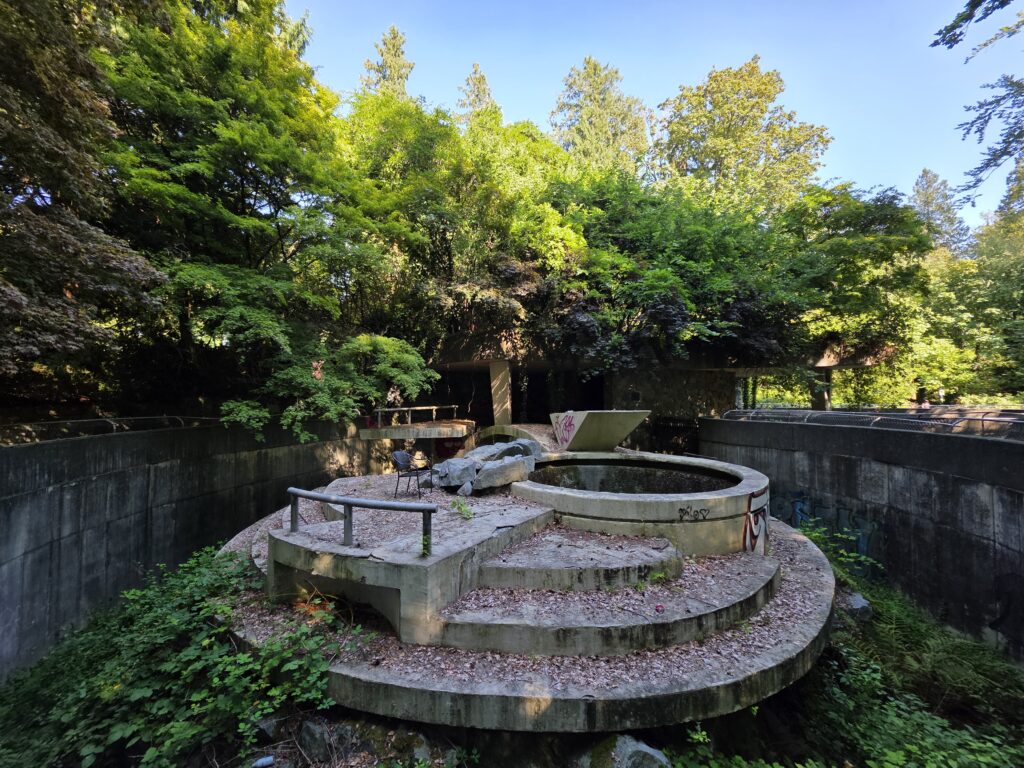
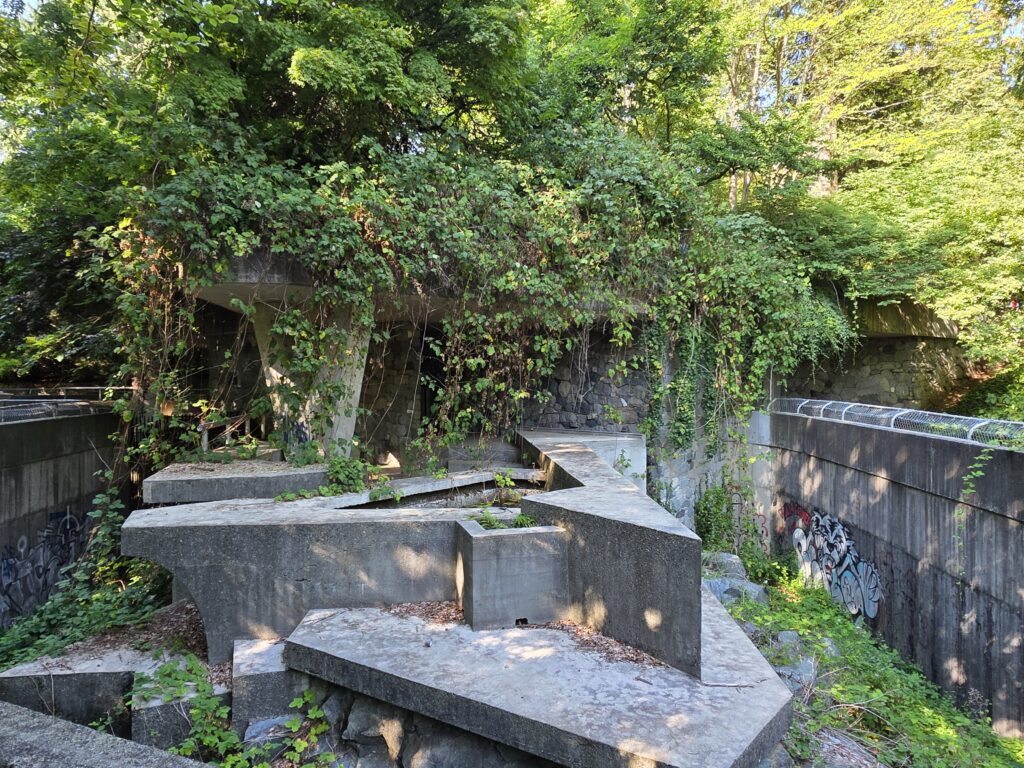
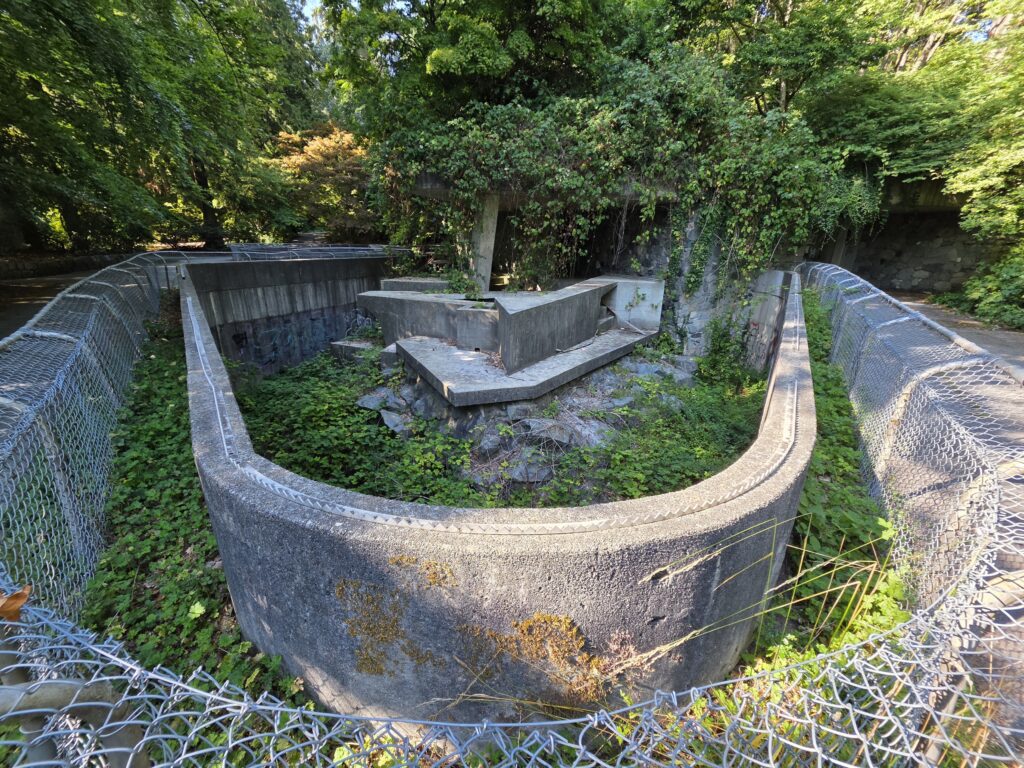
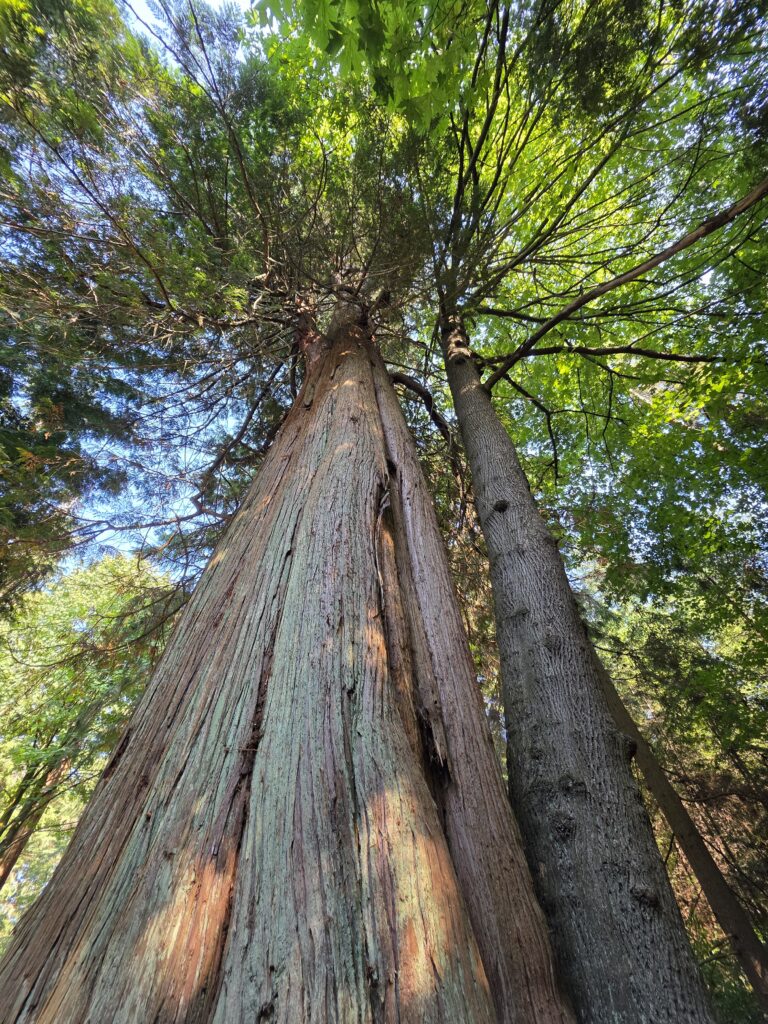
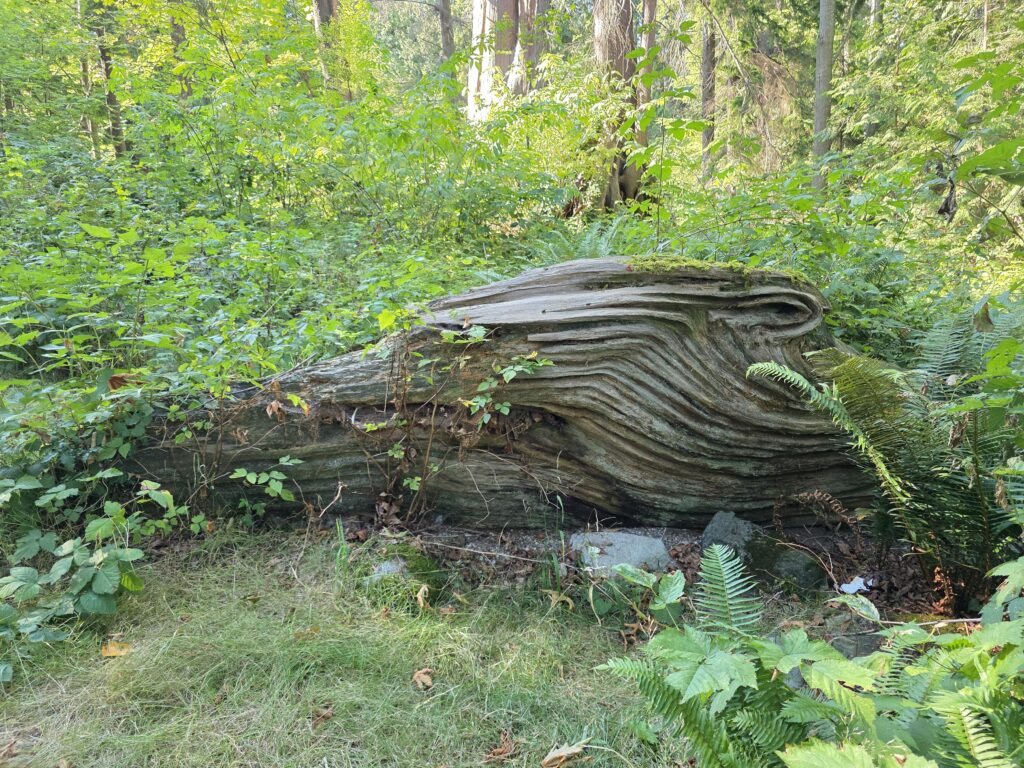
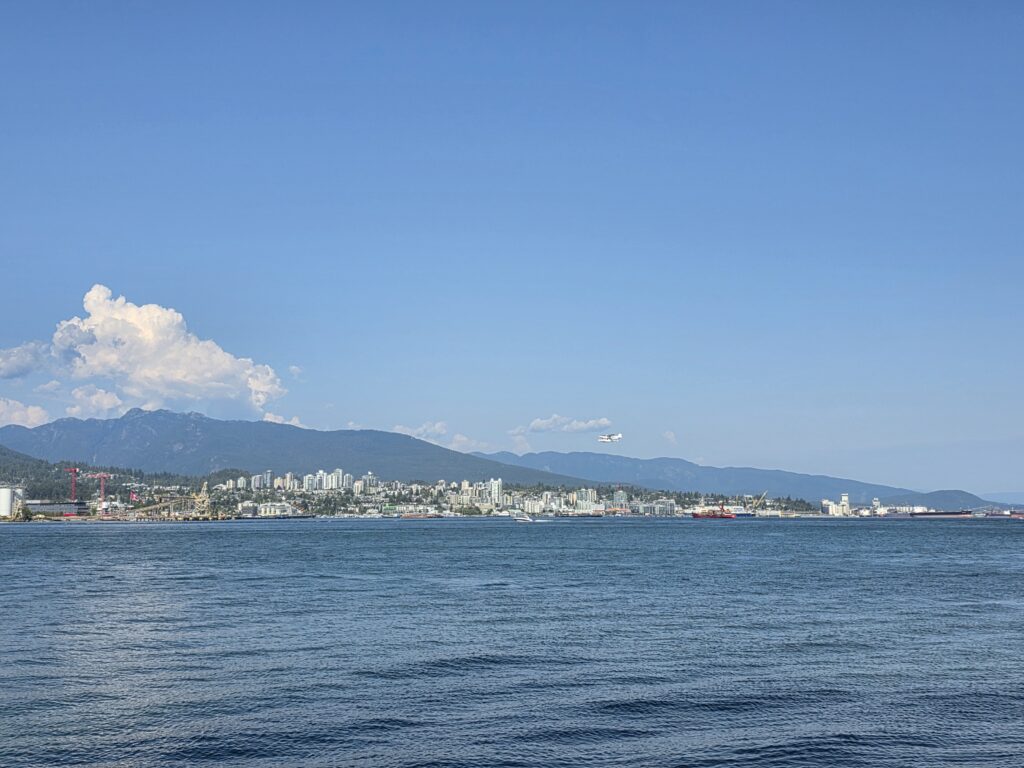
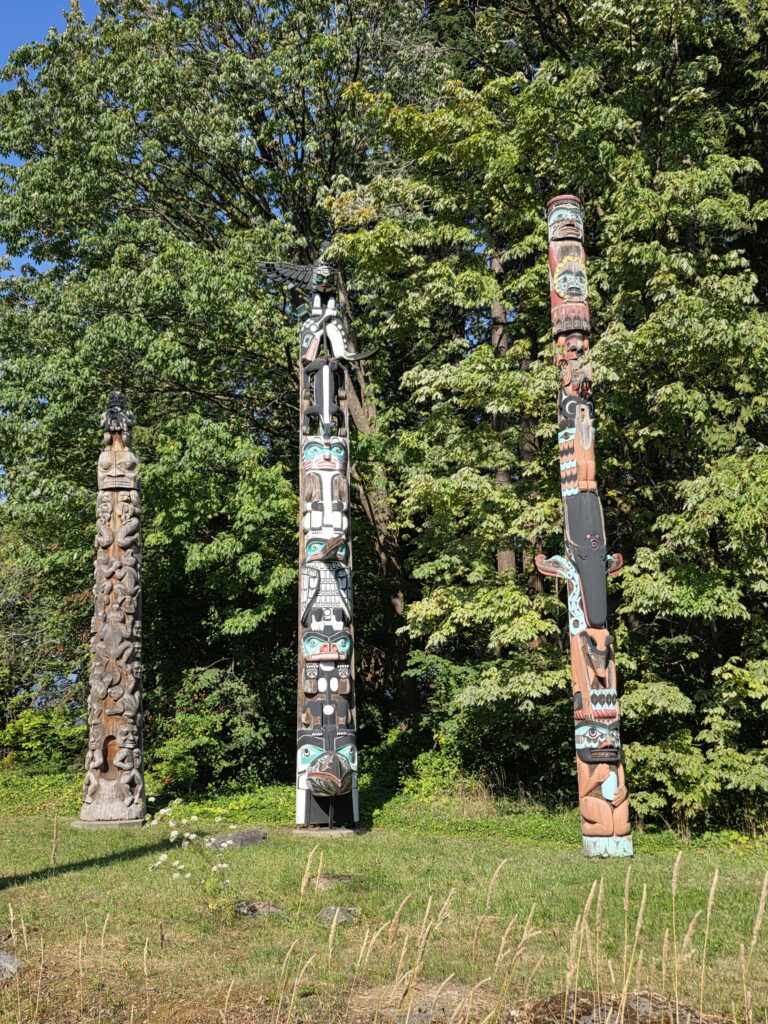
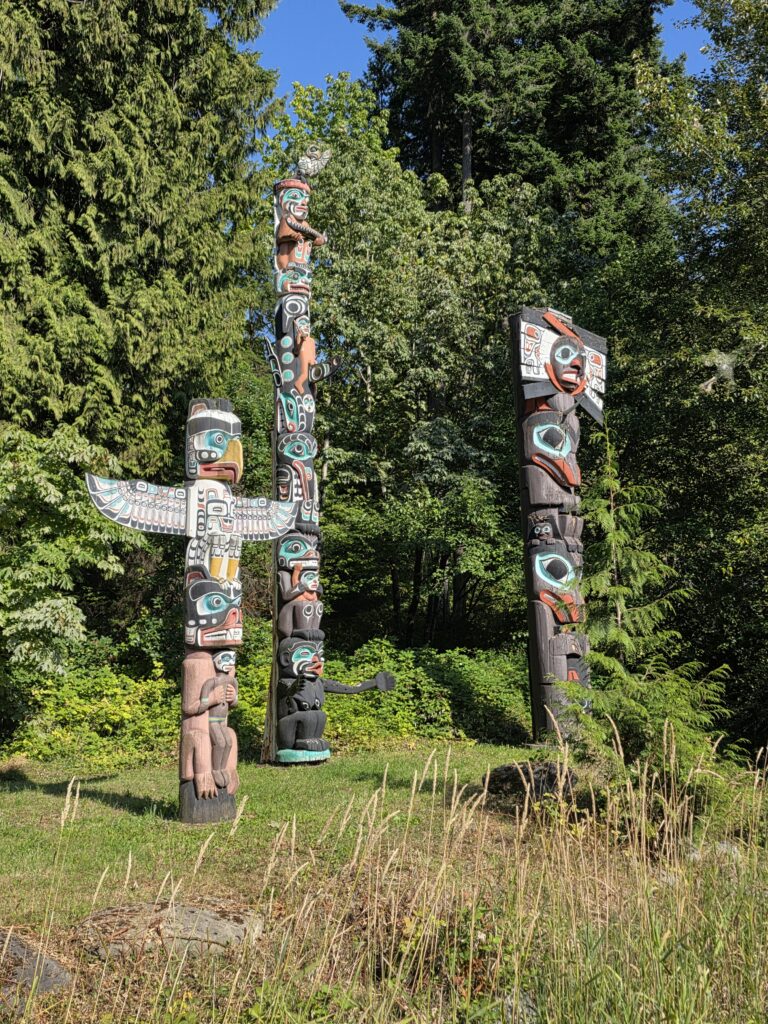
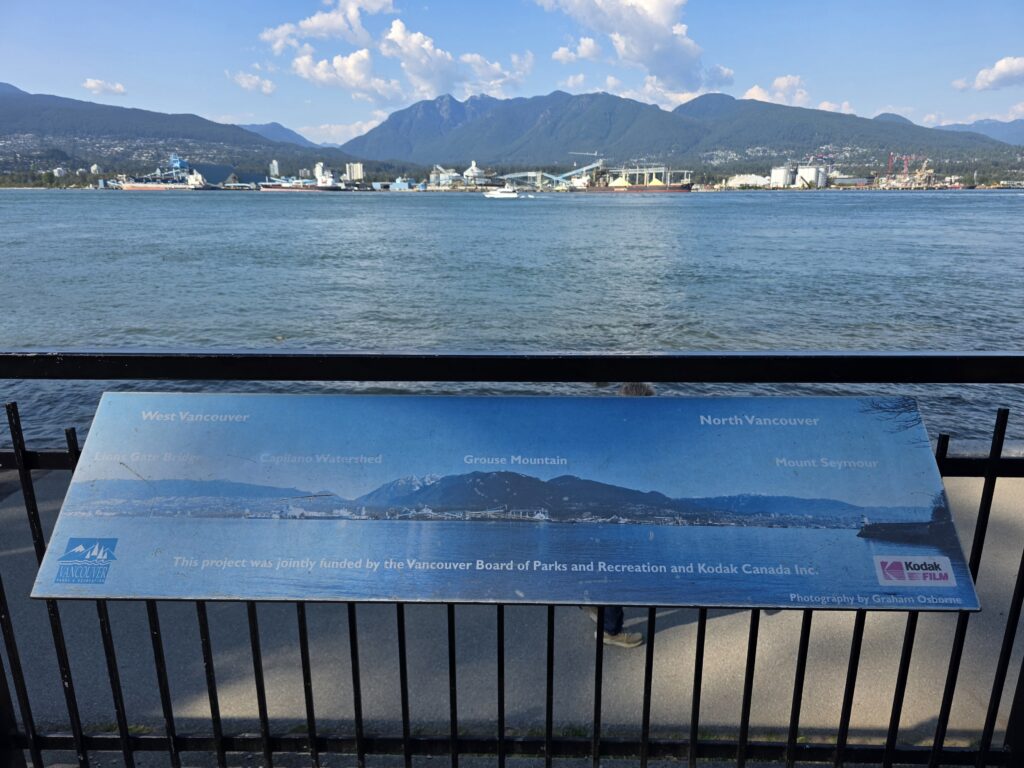
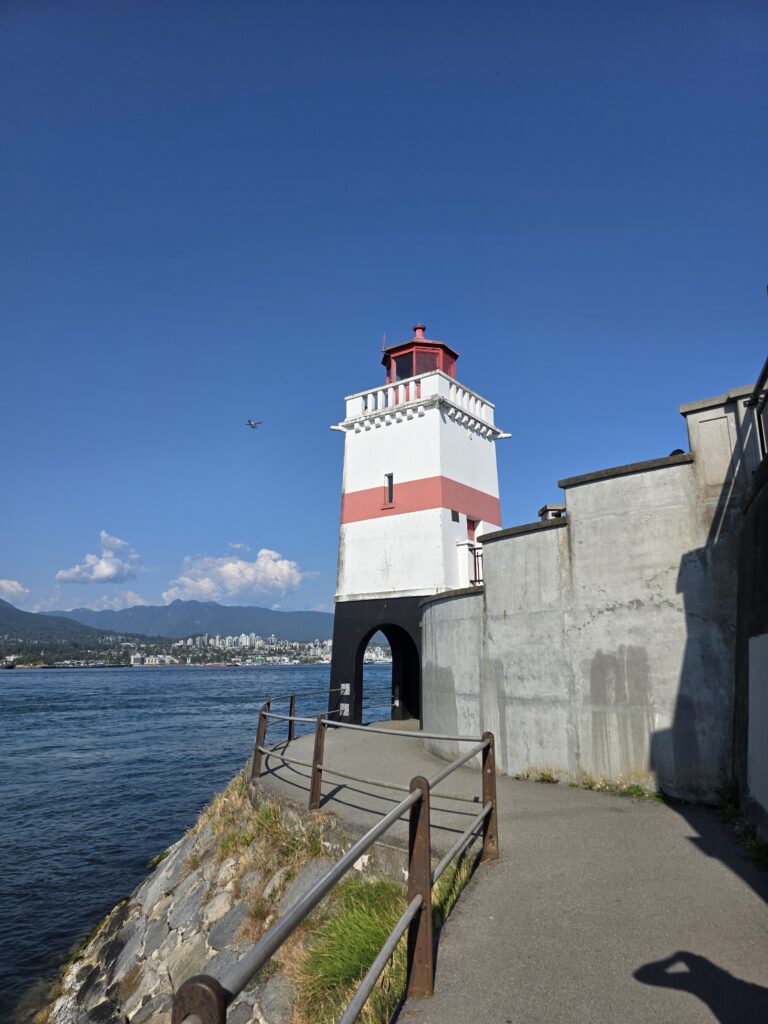
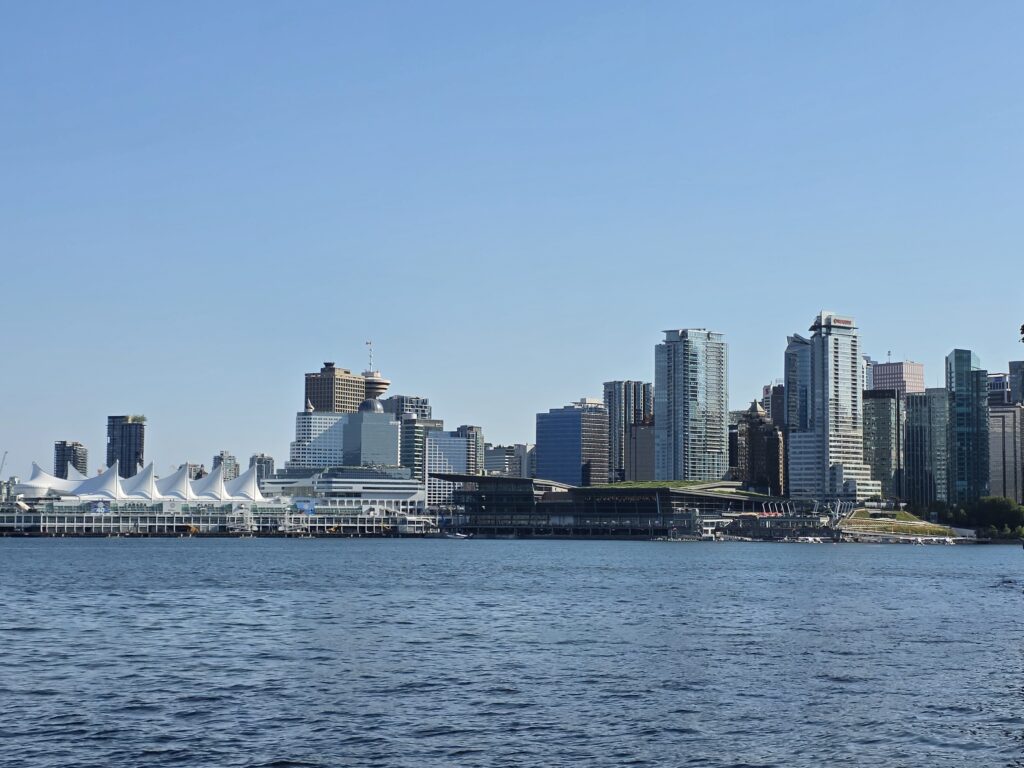
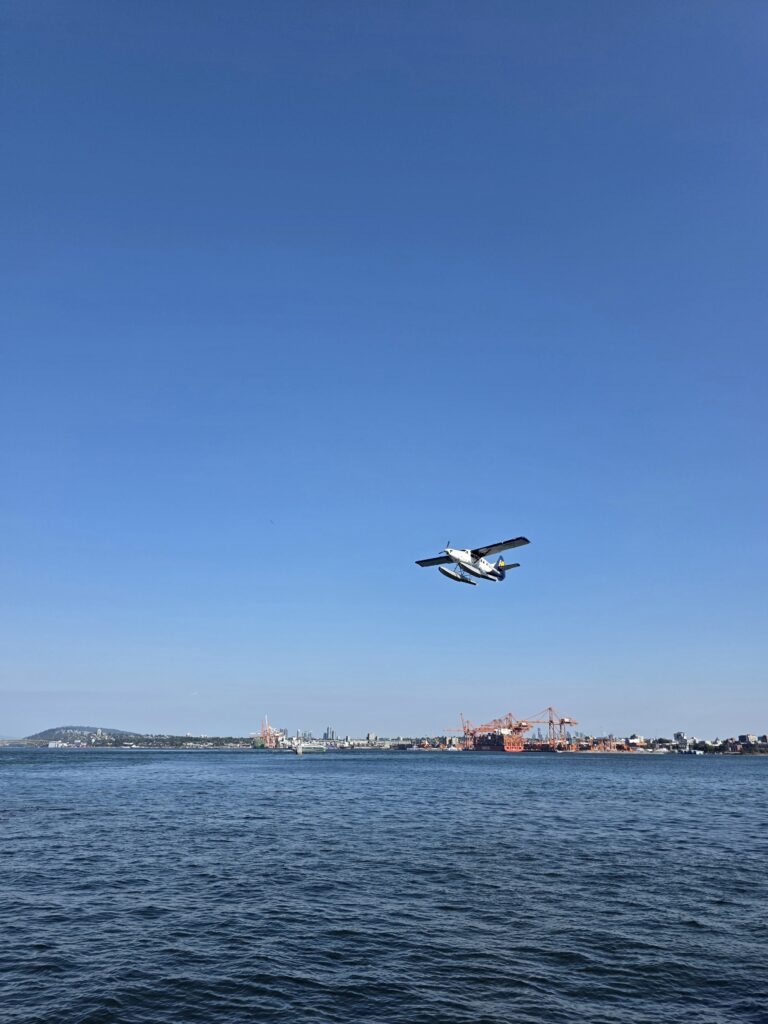
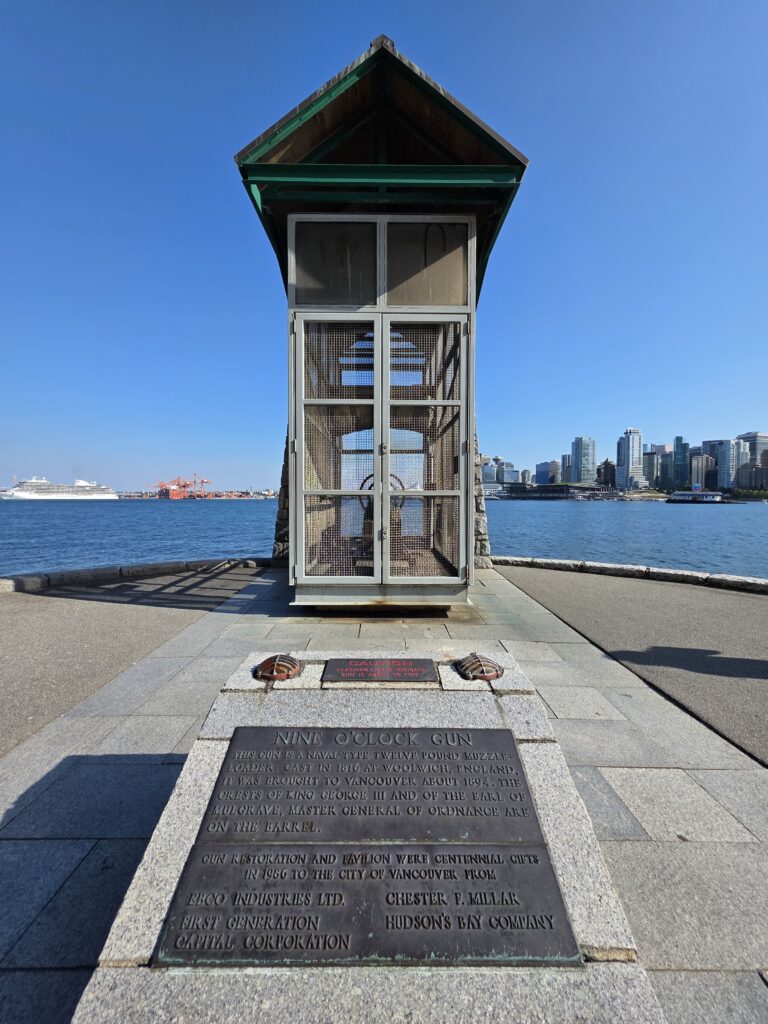
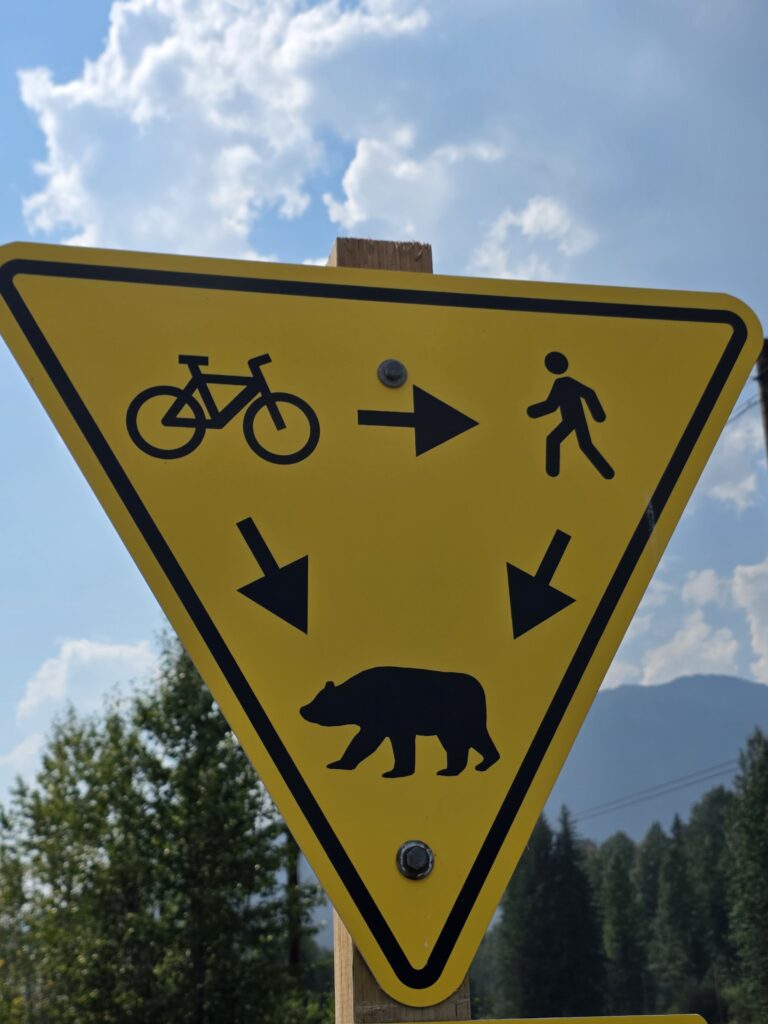
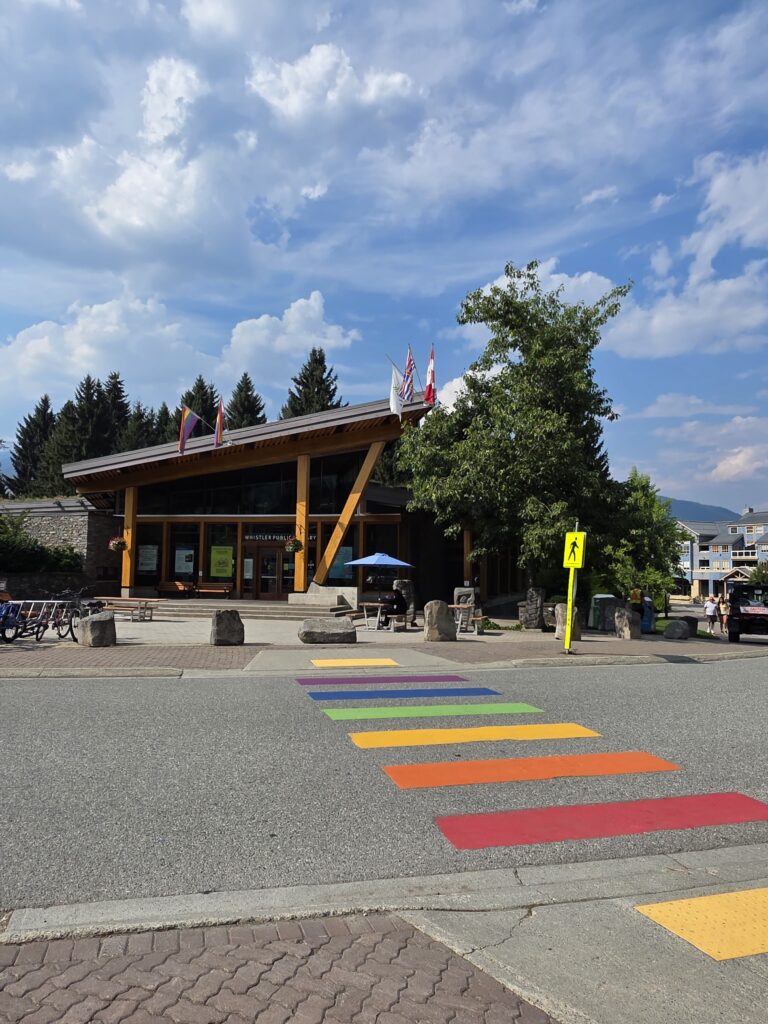
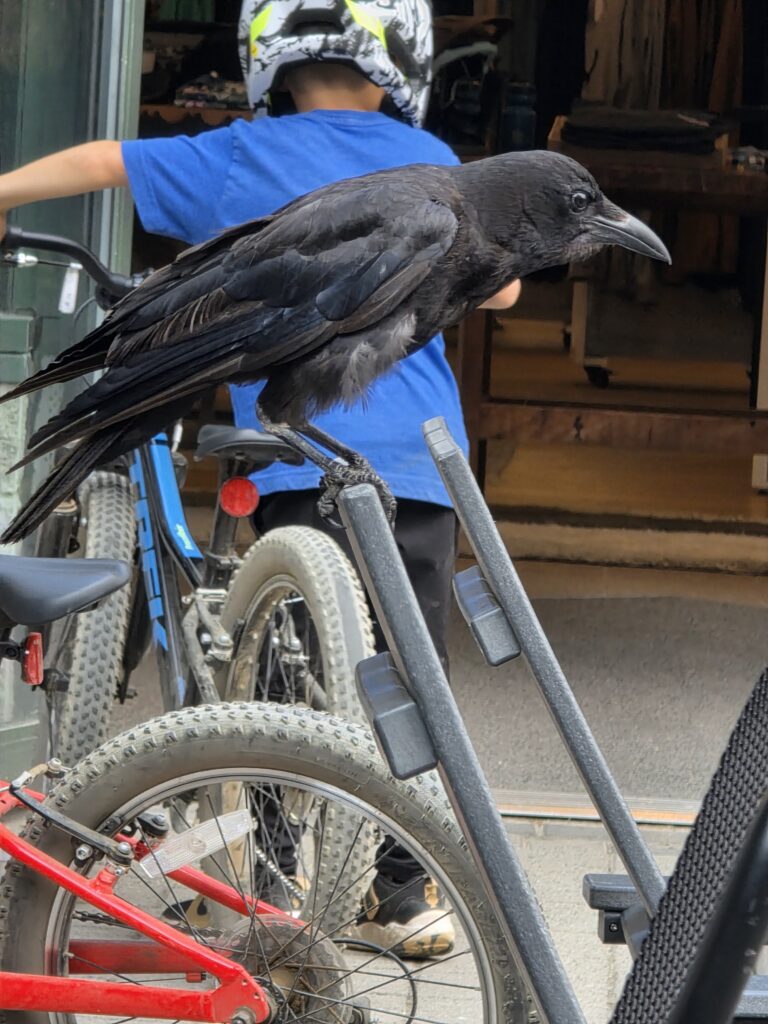
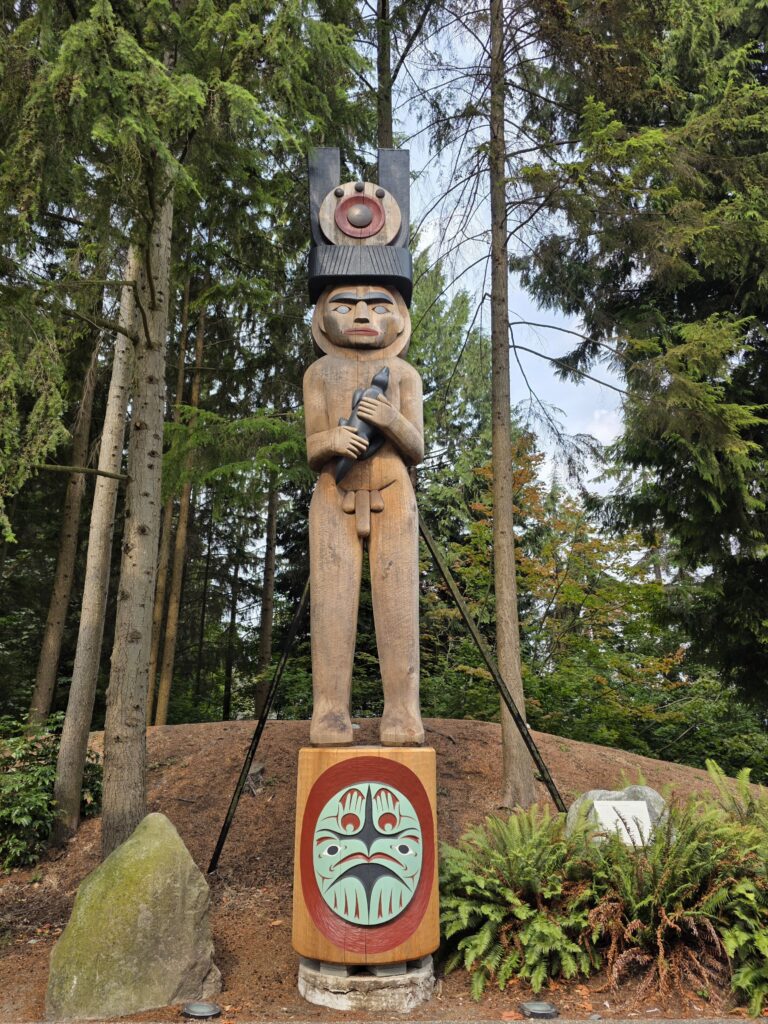
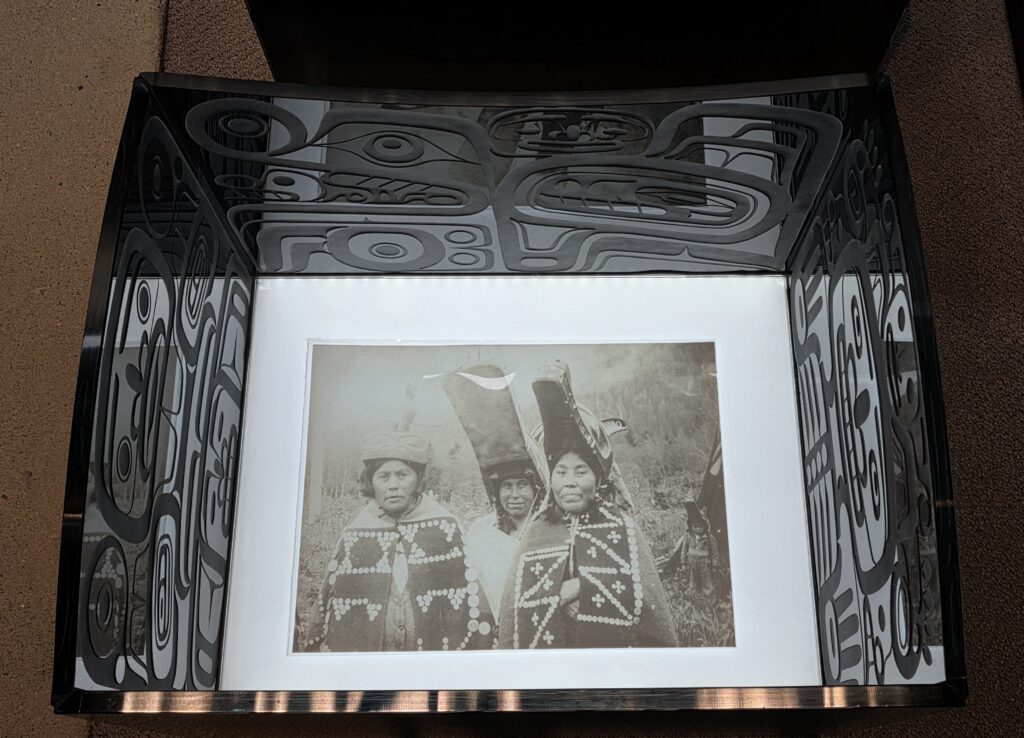
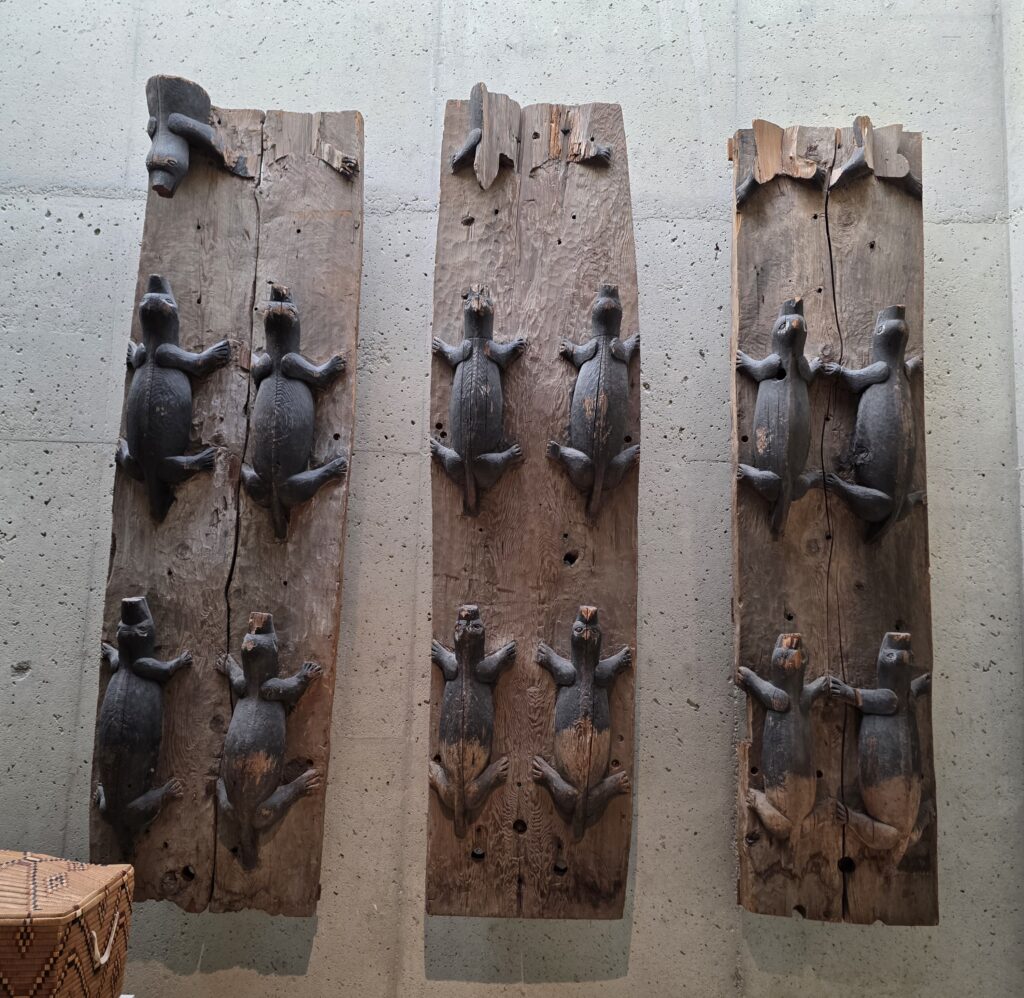
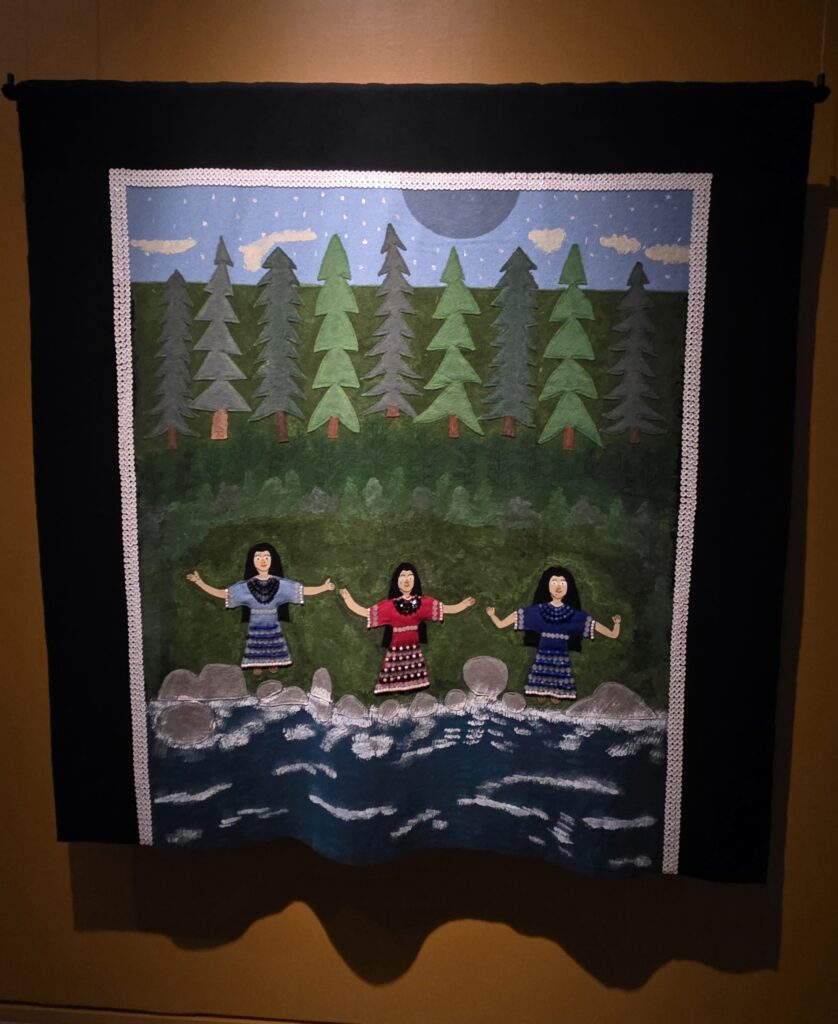
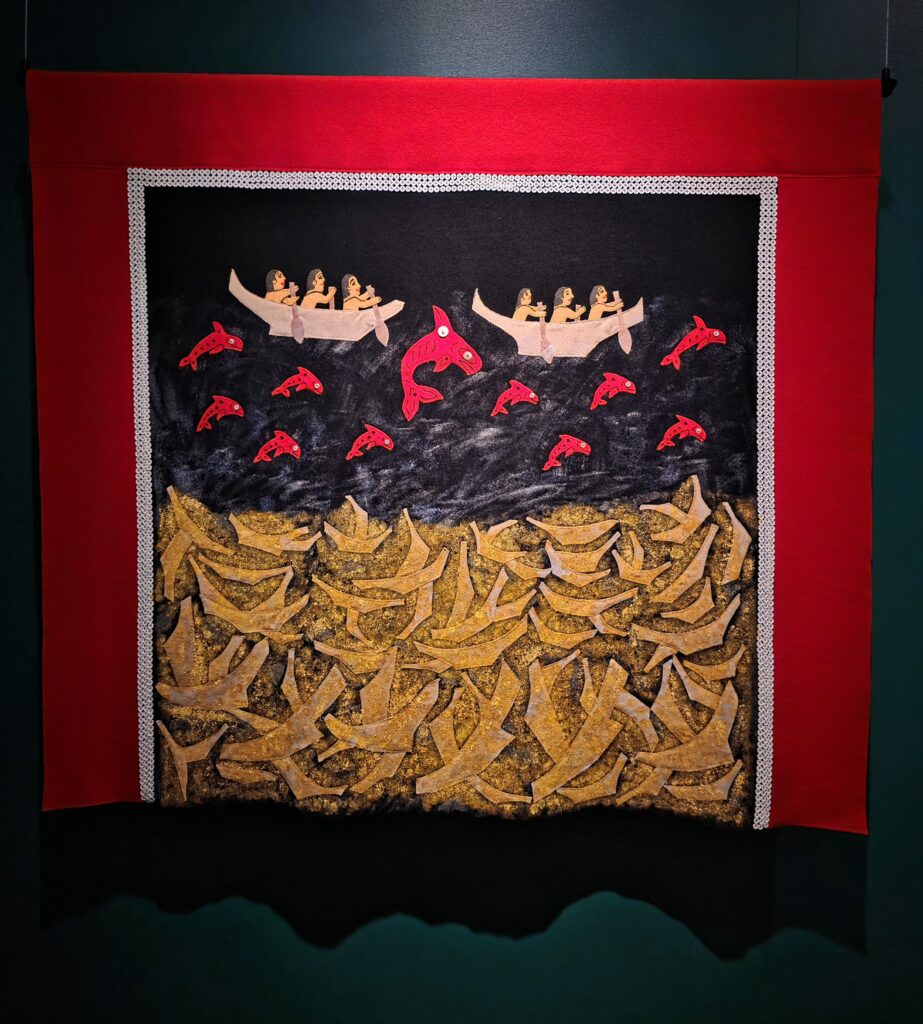
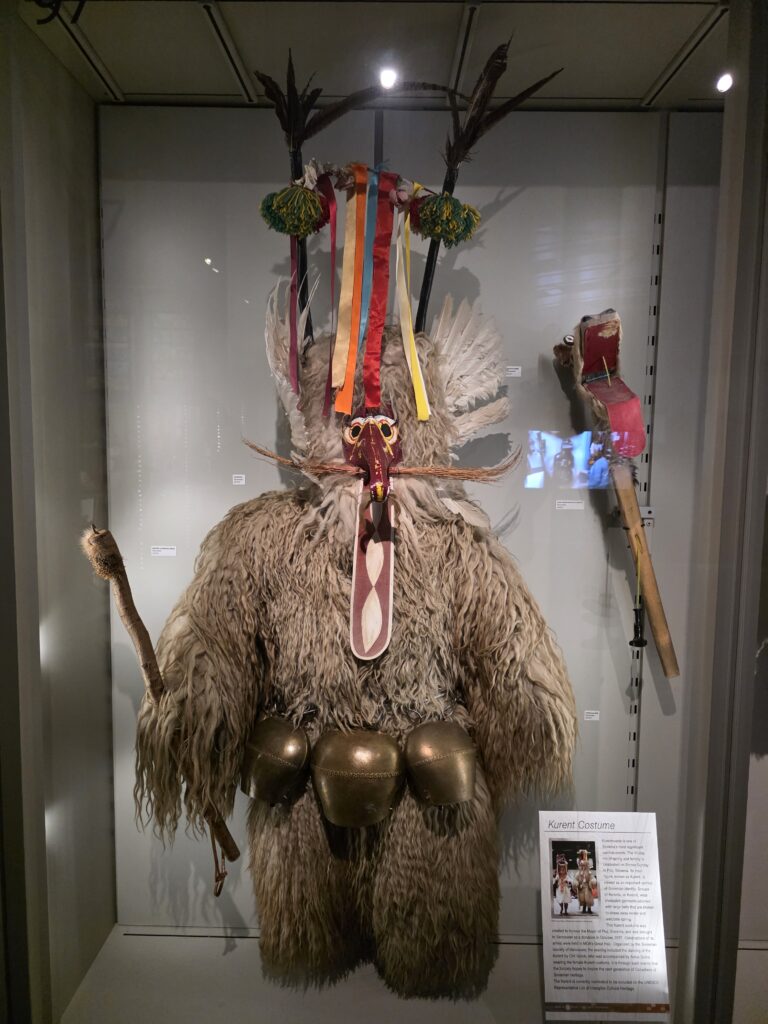
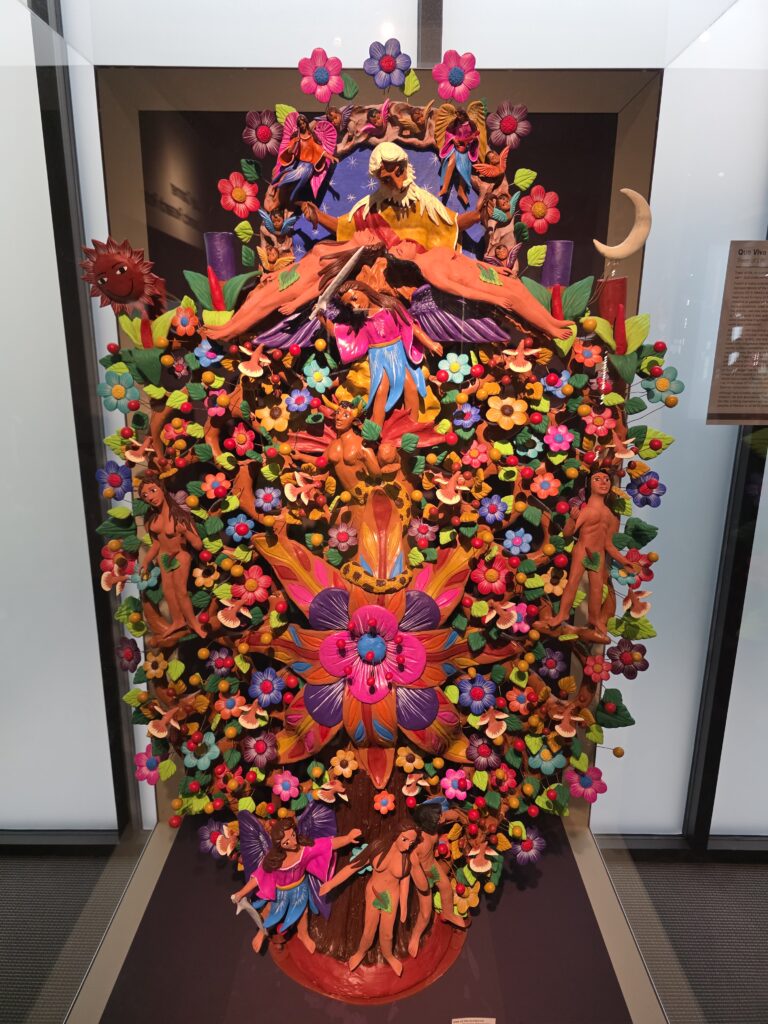
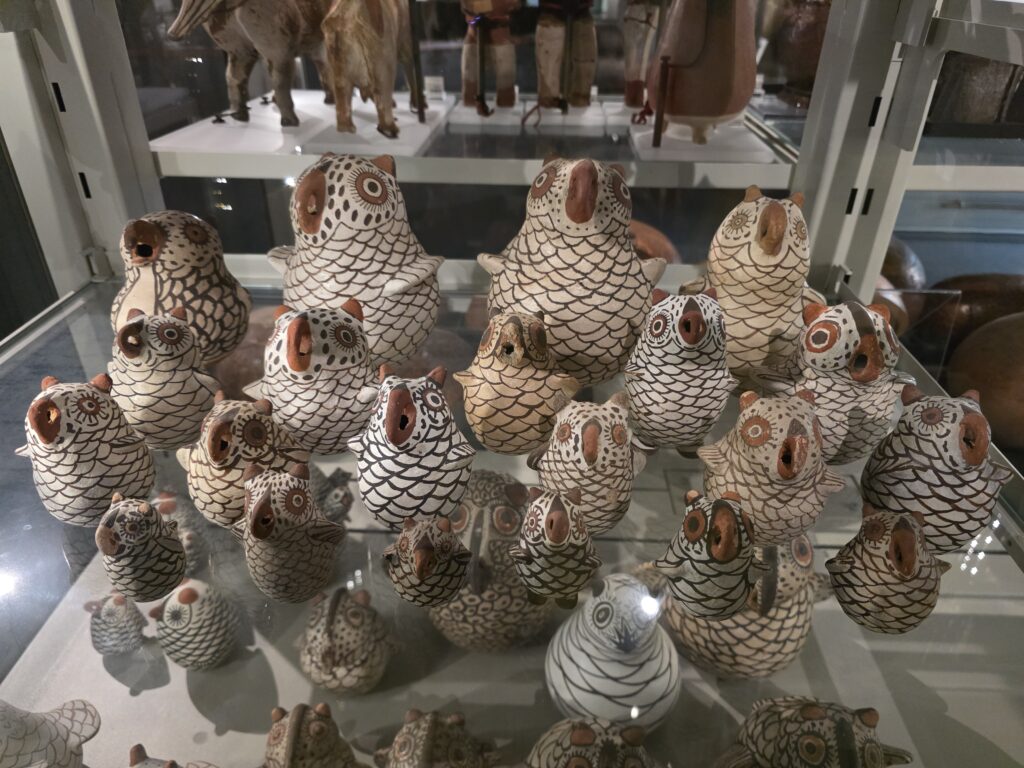
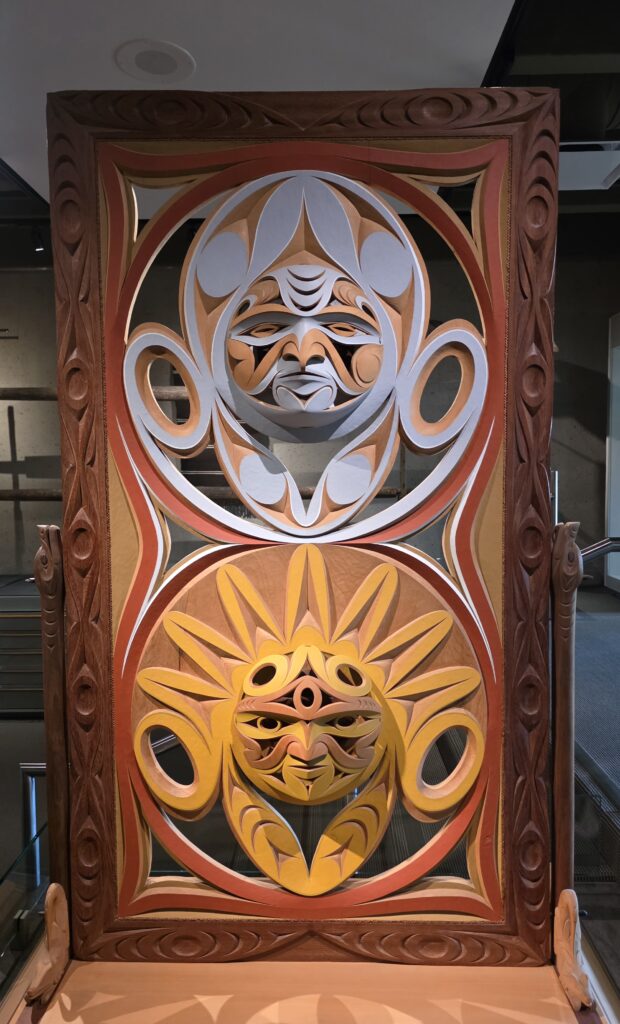
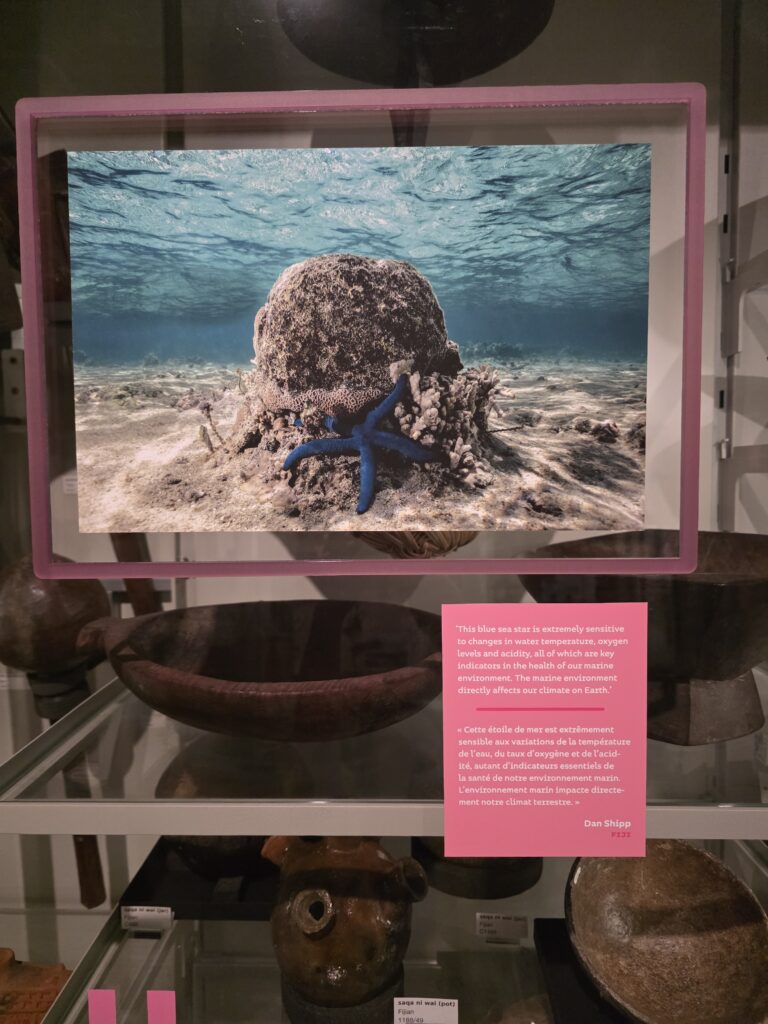
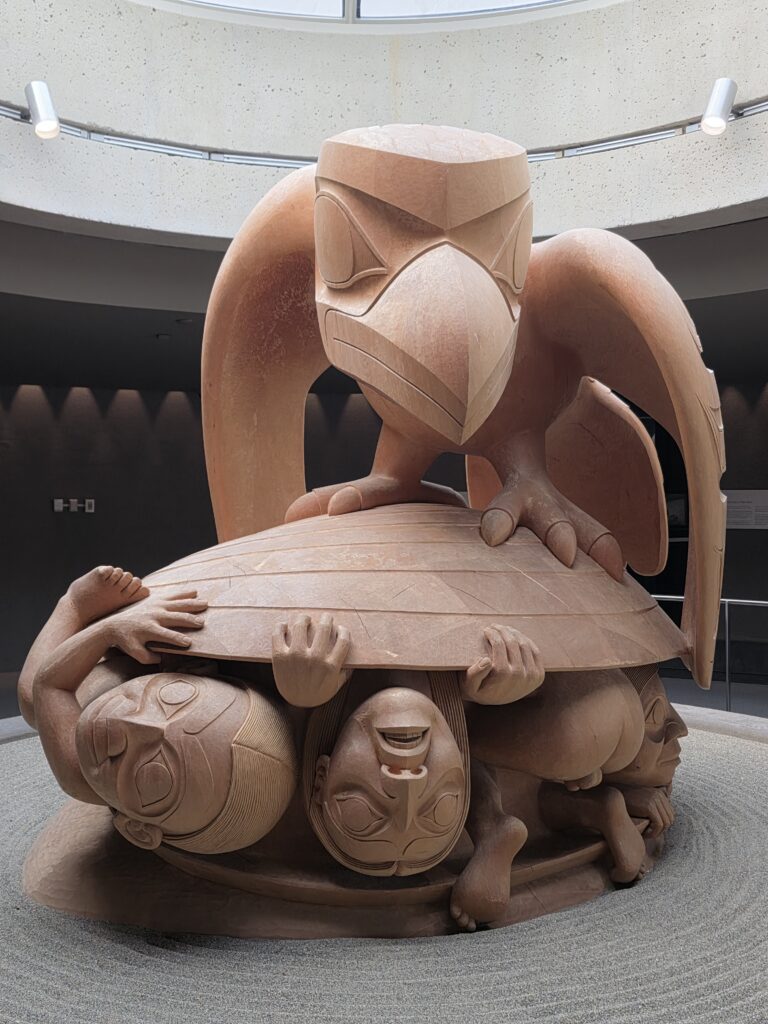
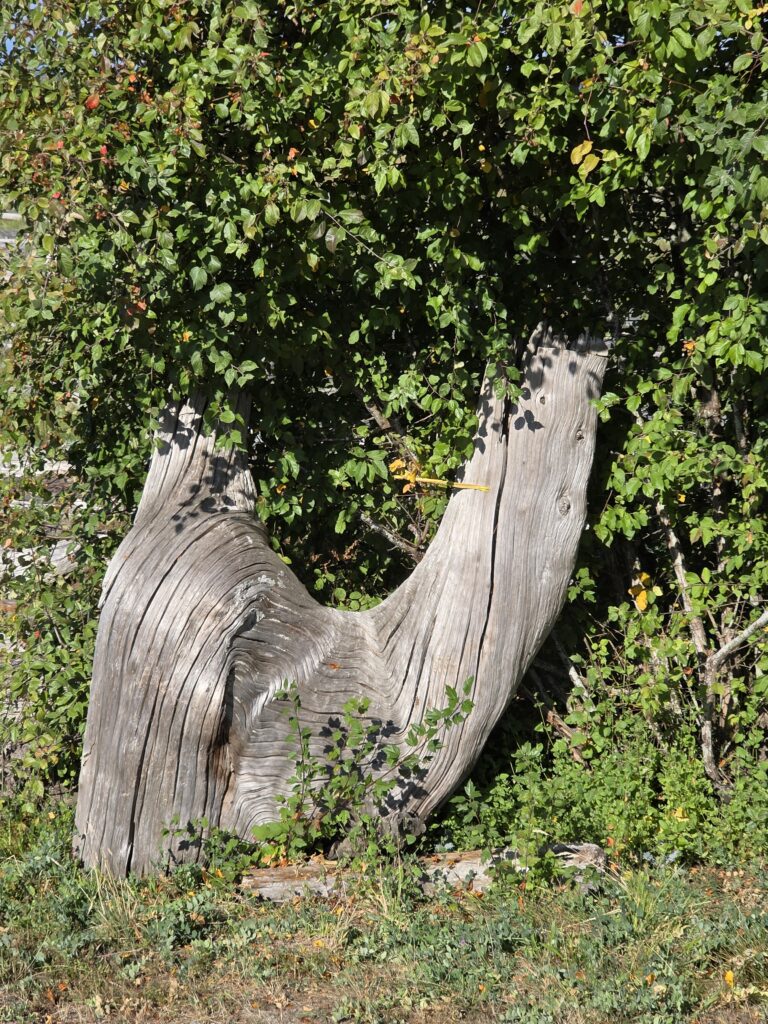
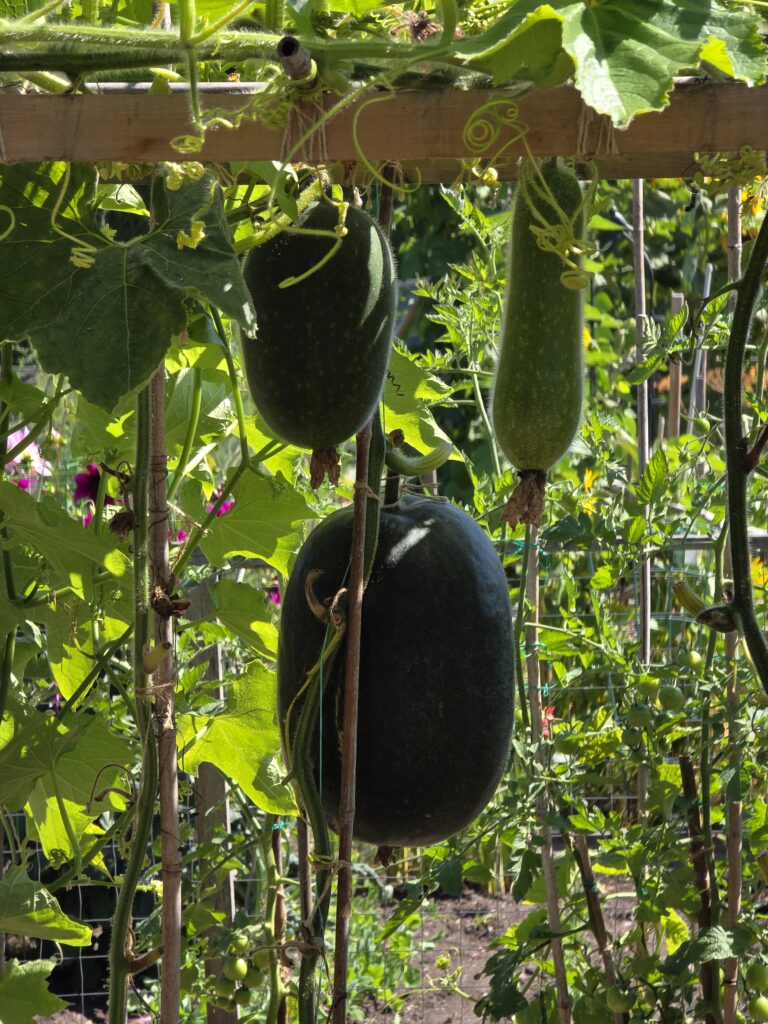
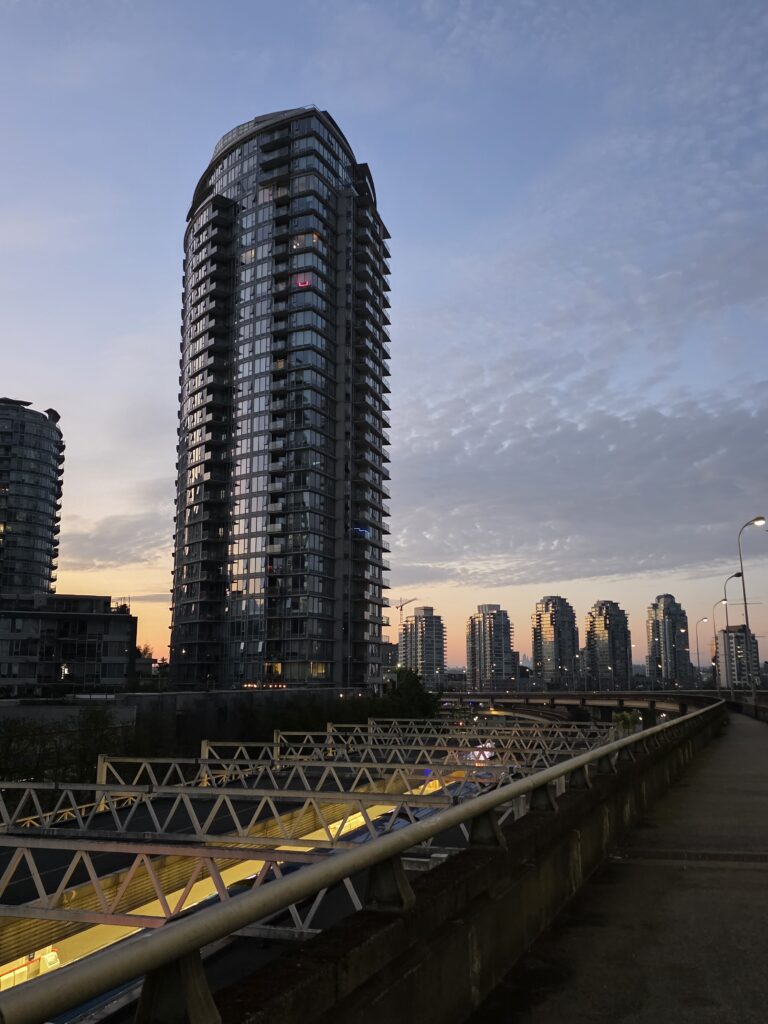
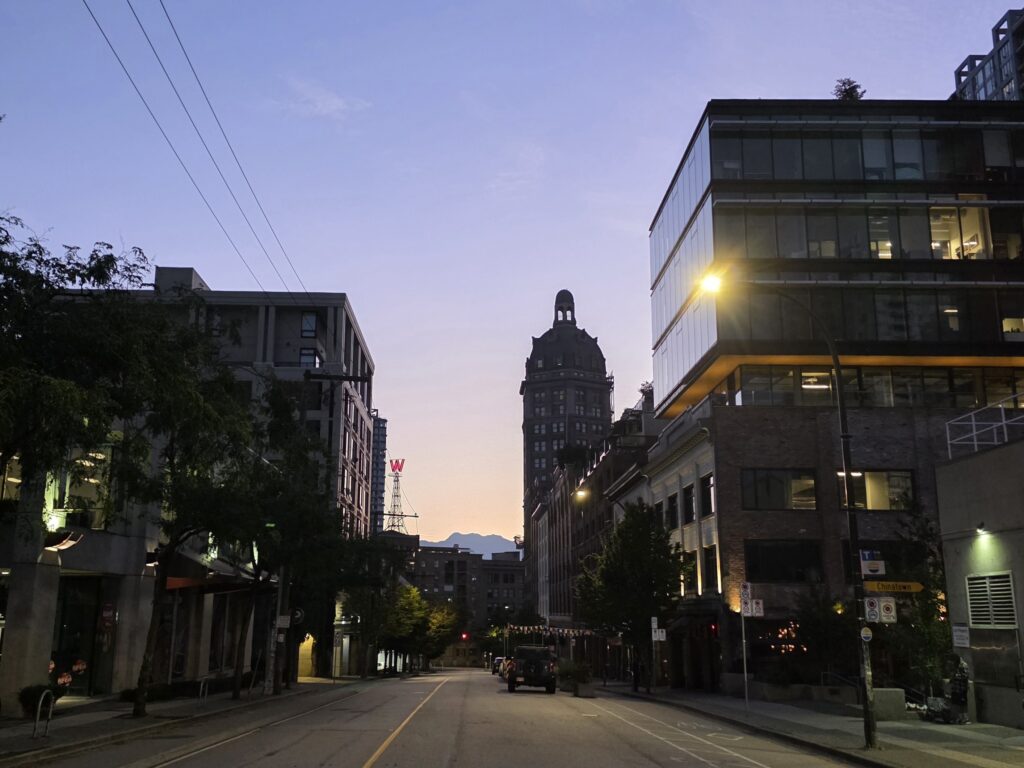
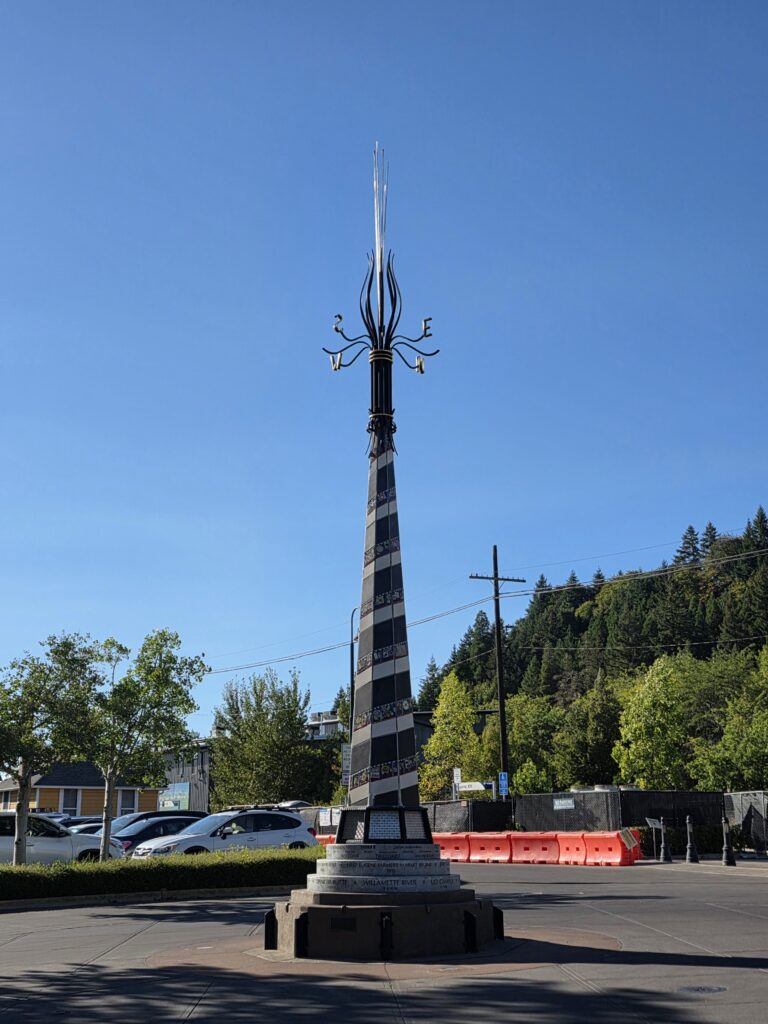
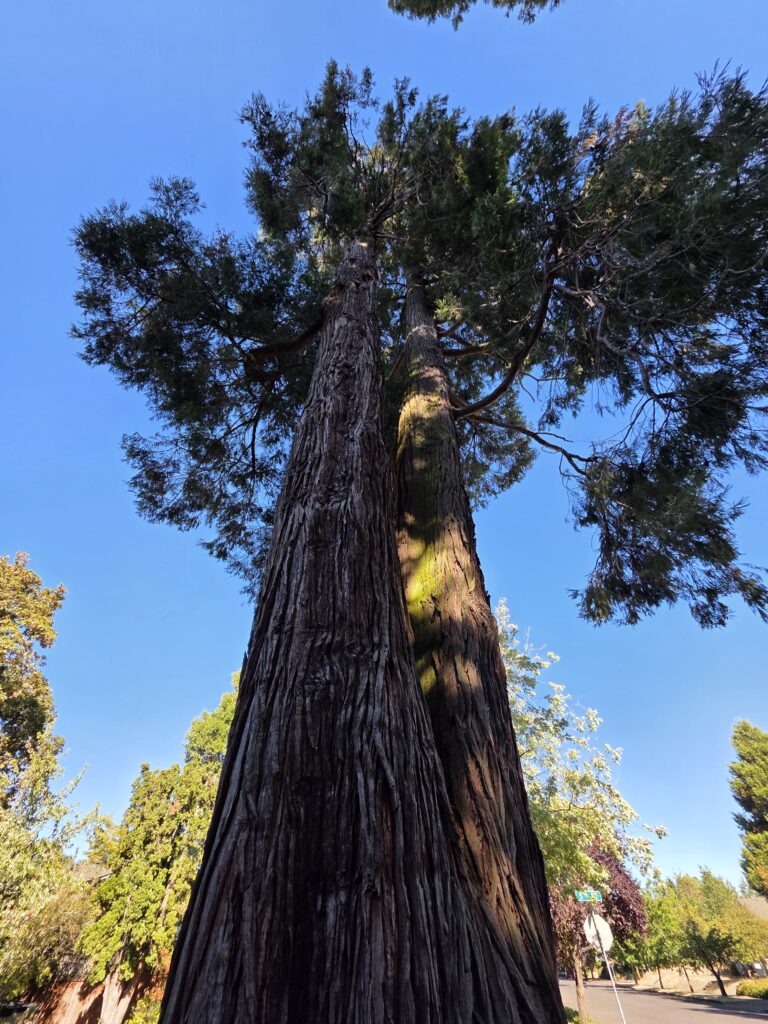
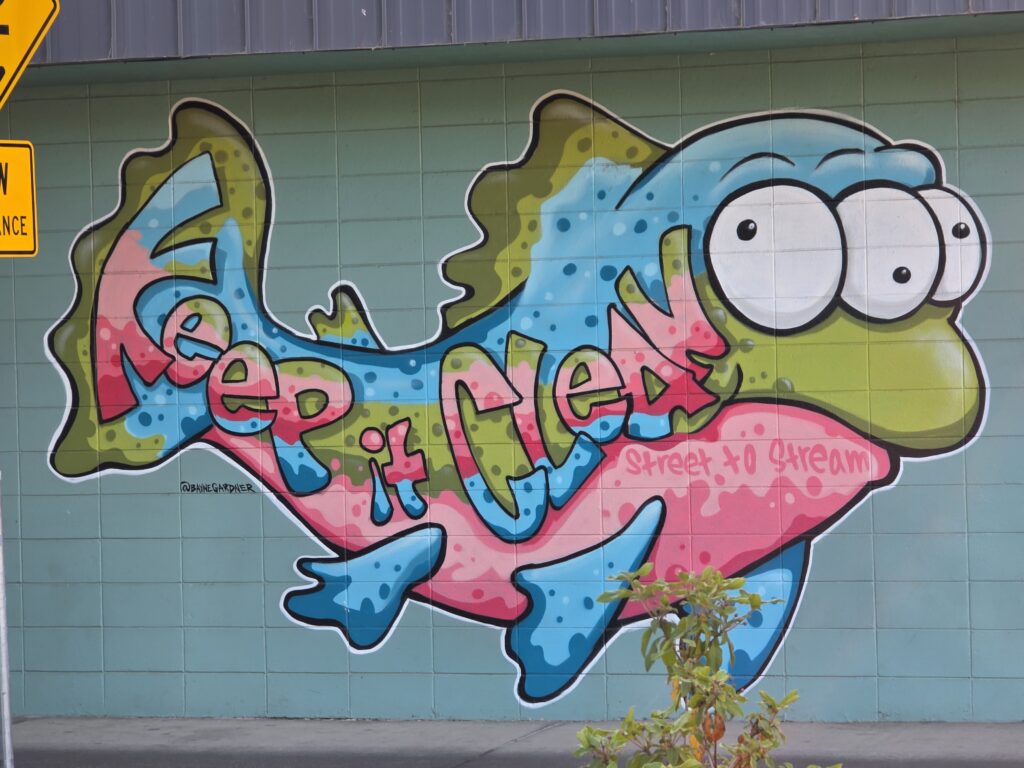
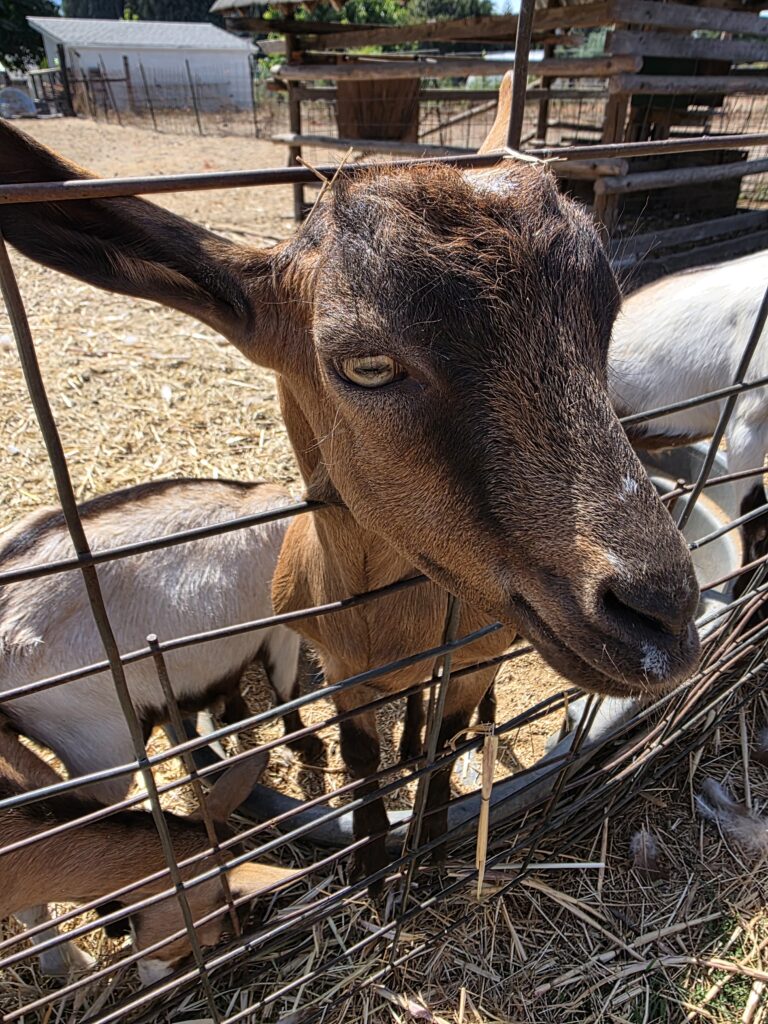
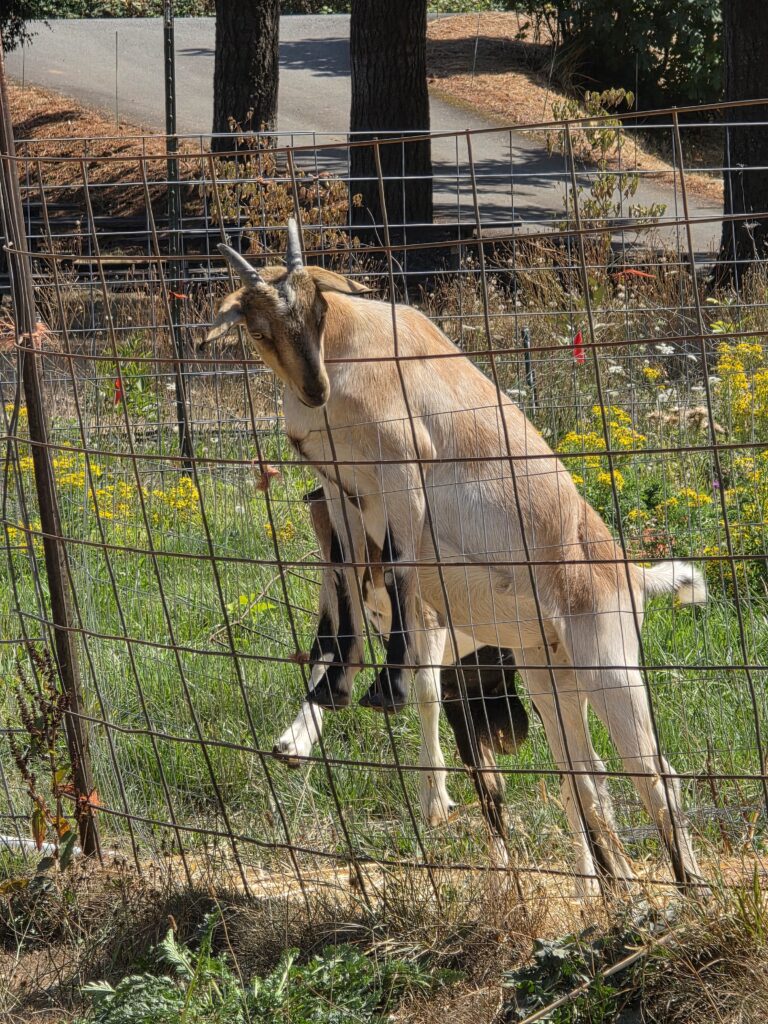
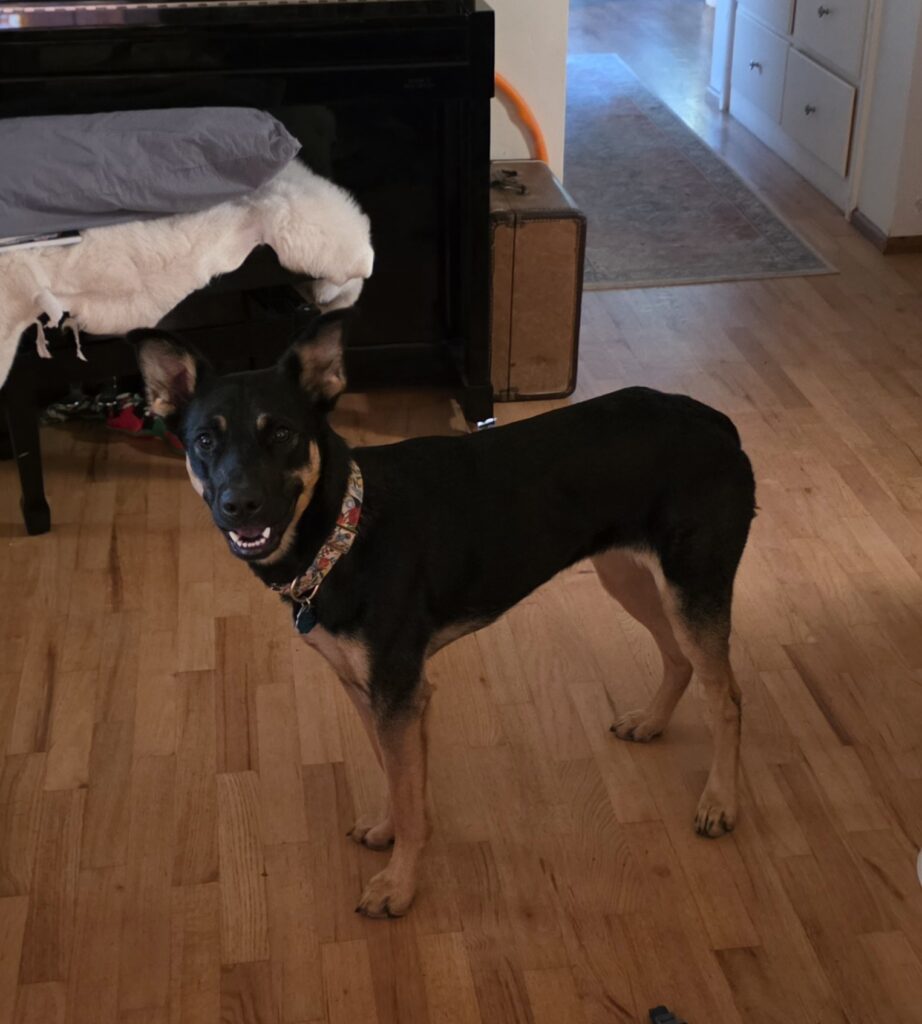
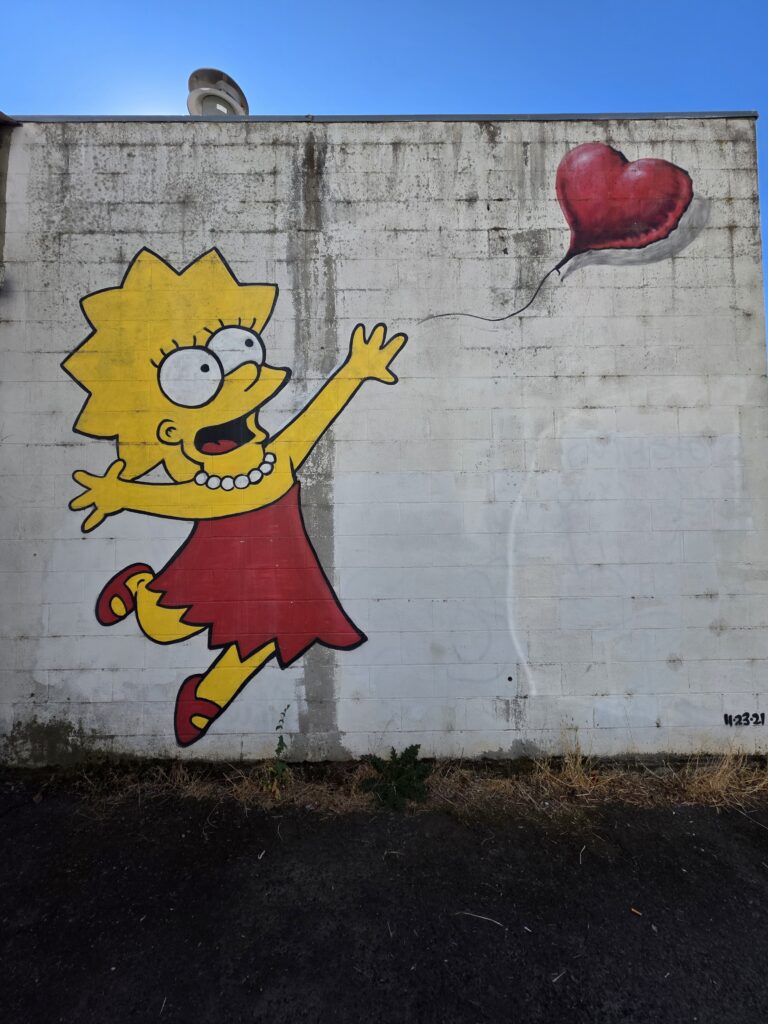
The view of the mountains over the Lost Lagoon in Stanley Park. The “abandoned” Stanly Park Zoo. Terrifying!Western Red Cedar. A cool fallen tree. The view from the seawall. Totem poles at Brockton Point. The totem poles at Brockton Point are replicas representing various First Nations. More views.Brockton Point Lighthouse. First established in 1890.The white sails on the left side of this photo are on the roof of Canada Place and the green roofed building to the right is the Convention Center. Lots of sea planes coming and going. This is the “historic Nine O’clock Gun housed in its protective pavilion along the Stanley Park seawall. Cast in 1816 in England, this 12-pound naval muzzle-loaded was brought to Vancouver in 1894 and fires a blank charge every evening at 9:00pm.”Mountain view from the bus on the way to Whistler. Olympic Park in Whistler.Unsurprisingly, there were great views!There must be a glacier somewhere because of the cloudy color of the water. So many baby toads! Baby toad crossing!It is cool to see the difference between a glacier-fed stream and one that is not glacier-fed. The water is so clear!Lost Lake, Whistler. Zoomed in on the gondola. Another part of the glacier-fed river. More than likely the Cheakamus River that is fed by the McBride Glacier on Mount Sir Richard.Green Lake, Whistler.Fun signage on our way back to town. The cutest little public library. These gigantic crows, who were keeping us company while we were grabbing a bite to eat before we got back on the bus, reminded us of the horse-sized seagulls on the coast in Howth, Ireland. We found both very hungry and courageous.The Museum of Anthropology at UBC. You’ll find it was very challenging for me to filter the pictures I wanted to share from this museum. “Imich Siiyem-Welcome Good People” by Susan Point, an artist from Musqueam. “This figure acknowledges the estimated 10,000 years the ancestors of the Musqueam people have lived on these lands, and through the present generation represents the continuum into the future.”“Wanx’id: to hide, to be hidden” by Xexant’ayalagilakw-Marianne Nicolson who is an internationally recognized contemporary visual artist, cultural researcher, and activist of the Musgamagw Dzawada’enuxw First Nation.” This made of a carved glass box and photographic prints. These are Interior house boards from a house at Quamichan. The maker was unrecorded Quw’utsun (Coast Salish) c.1890 and is made of cedar and paint. It was transferred to MOA from the Department of Indian Affairs in 1950. “The Department of Indian was responsible for implementing federal policies aimed at assimilating indigenous populations.” Like the terrible Indian Residential Schools that came from the Indian Act of 1876. The last of which didn’t close until 1996″! “In 2016, the Canadian government recognized this practice as cultural genocide: a way of actively destroying families and fracturing the transmission of knowledge and language from one generation to another.”Here is some more information about the Indian Act. “ts’uu ging.uula Guudang (bentwood chest)” maker unrecorded. This is a bentwood chest similar to the one we saw in the museum in Ketchikan. It is from the Haida Peoples c. 1870.Top: “eagle figure” from the family of Dan Cranmer located at ‘Yalis (Alert bay) maker unrecorded. ‘Na̱mg̱is Kwakwaka’wakw c. 1937. Made of cedar and paint. “UBC Commitee on Totem Poles purchased in 1947.” Middle: “Kulus (mythical bird) figures from the house of John Wallace located at X̱wa̱mdasbe’ (Hope Island) maker unrecorded. T̕łat̕łaiḵwa̲la (Kwakwaka’wakw) c. 1880.” Bottom: “Lukwalil (house dish), Dzunuḵ̓wa.” Maker unrecorded. Kwakwaka’wakw c. 1910.Kwakwaka’wakw (Kwakiutl) house posts and Sisiutl (double-headed serpent) lintel/crossbeam which originally framed an interior house facade. Musqueam House Post, created by Musqueam artist Susan Point. Inside of the exhibit entitled “Tupananchiskama-Ancient Andean Cosmovision” “Tupananchiskama means “until life brings us together again” in Quechua, an Indigenous language of the Andes. Today, it is used much like “see you later.” It was really cool to see pictures of places we visited during our Sacred Valley tour while in Peru back in 2018. “Replica of a House-front Board” painted by Lyle Wilson from the Haisla Peoples. 1989.This “robe” was made by Tsamiianbaan, William White who is a Tsimshian weaver. It was a really cool piece/practice to learn about. The artist said “The only way to learn is to able to look at the back of the robe and see how it is made. Each time I visit a piece, I feel like the spirit of the people, whose material it is, guides me to look at a certain area.” “The Tsimshian call these weavings gwiis halayt, which means “the spirit wraps around you.” When you turn and the fringe lifts up and dances with the movement from the weight, it’s catching all the energy around it. It’s grabbing your good energy and spreading it. You become one with everybody witnessing you wearing that piece.” How cool is that?!In this exhibit “I Use My Haida Eyes-The History Robes of Jut-Ke-Nay Hazel Wilson” the artist displays a series of 51 robes the artist made between 2005 and 2006 “documenting her lived experiences and the histories passed down to her, each scene or event located in a distinctly Haida landscape.” This exhibition was impressive to witness. All the detail that went into each robe and to make that many in a year! Here are just a couple of them. This one is entitled “Love Songs (Singing Women)”.“Sinking the Gold”This exhibit displayed pieces from Indigenous People all over the world. This a “Kurent Costume. Kurentovanje is one of Slovenia’s most significant carnival events. The 10-day rite of spring and fertility is celebrated on Shrove Sunday in Ptuj, Slovenia.”“Tree of Life” sculpture by Mexican artist Javier Ramirez Hernandez. “Que Viva La Vida-Trees of Life. Trees of life, or cosmic trees, are thought to join together the sky, earth and underworld. Found in many cultures, including ancient Mesopotamia and Persia, representations of the cosmic tree date to at least the seventh century CE in Mexico and Central America.”“Zuni Pottery Owls” “The Zuni of New Mexico consider the owl to be a wise guardian and protector. Pottery owls were created by the Zuni for sale to tourists who began arriving in their territory in the first half of the 20th century, after the Chicago-Los Angeles railroad and later Rout 66 were completed.”“‘ehhwe’p syuth (To Share History)” is a large free-standing wooden carved panel created in 2007 by Coast Salish artist John Marston. “The artwork reflects a cross-cultural celebration inspired by the artist’s time spent along the Sepik River in Papua New Guinea.” This photograph of a blue starfish in Fiji reminded me of the one I was fortunate enough to hold while we were there. Blue is such a rare color in the natural world that was a pretty cool experience. “The Raven and the First Men” Bill Reid, 1980. The message from the artist; “The great flood, which had covered the earth for so long, had at last receded and the sand of Rose Spit, Haida Gwaii, lay dry. Raven walked along the sand, eyes and ears alert for any unusual sight or sound to break the monotony. A flash of white caught his eye and there, right at his feet, half buried in the sand, was a gigantic clamshell. He looked more closely and saw that the shell was full of little creatures cowering in terror in his enormous shadow. He leaned his great head close and, with his smooth trickster’s tongue, coaxed and cajoled and coerced them to come out and play in his wonderful new shiny world. These little dwellers were the original Haidas, the first humans.”MOA from the outside. UBC Rose Garden. Last Thursday’s trip to Steveston. West Dyke Trail. More cool trees. Great Blue Heron. Great Blue Heron. West Dyke Path. Tugboat off of Garry Point Park. Steveston. Fisherman’s Wharf. Spud Barge.On my way to the Britannia Shipyards. “Japanese Duplex. The Japanese Duplex is the last building of it’s kind on the Steveston waterfront. Constructed in the 1890s this building housed a Japanese immigrant community employed by the Phoenix Cannery.”“Driftwood art resembling Herons. Preserved 19th century cannery and shipyard buildings lining the Fraser Riverbend. “Inside of “The Manager’s House” Ash Gourd aka Winter MelonThe Steveston Museum and Post Office. Built in 1905.“Gillnetter at Night” by Mark Anderson. Steveston was the perfect place to go for the day. One of my last morning walks to volunteering at Belkin House. The beautiful sunrise reflecting off the buildings in downtown Vancouver. Until next time Vancouver. We will be back!The finish of the “trains” portion of “Planes, Trains and Automobiles” Saturday’s trip from Vancouver to Springfield, Oregon. Eugene Train Depot. “Marker of Origin” by Betsy Wolfston. Outside of the train station in Eugene. A Coast Redwood just walking down the street between our Air BnB and Mainstreet Springfield, Oregon.Springfield has some pretty incredible murals. Some people think it is the “real” Springfield the Simpsons are based off of. Who knows? This is “Keep it Clean-Street to Stream” by Bayne Gardner. Goats at Herrick Farms.Don’t forget about us!Our friend’s cutie puppo, Mia. Love and excitement for what’s to come! ❤️❤️❤️